-
Love and Death (1975)
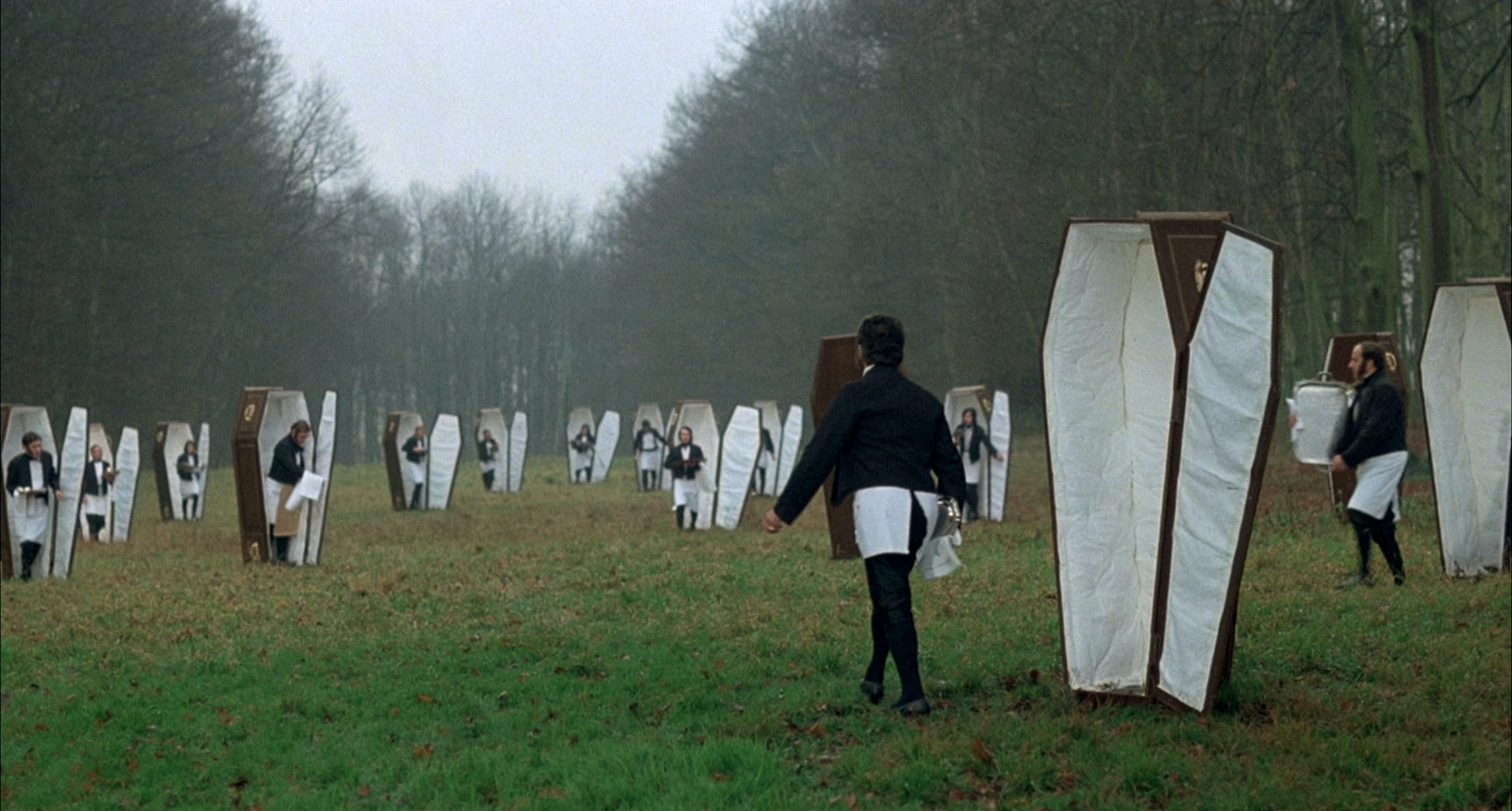
Woody Allen takes aim at 19th century Russian literature in his off-beat period piece Love and Death, smashing through those quaint conventions of cultural and cinematic history to fashion an entirely new kind of artistic statement out of the fragments left behind.
-

The Purple Rose of Cairo (1985)
The Purple Rose of Cairo is just as much an ode to the world of movies as it is a fable warning against the temptation to use them as a replacement for living, though it is through Woody Allen’s intelligent, enthusiastic screenplay and one of Mia Farrow’s most touchingly sweet performances that it beautifully transcends its…
-

The Lost Daughter (2021)
The psychological drama that Maggie Gyllenhaal unravels in her directorial debut The Lost Daughter has no inhibitions in peeling back the sensitive and thorny layers of motherhood, crafting an uneasy atmosphere of paranoia that consumes the mind of two troubled women torn between their families and the allure of freedom.
-
Tick, Tick… Boom! (2021)
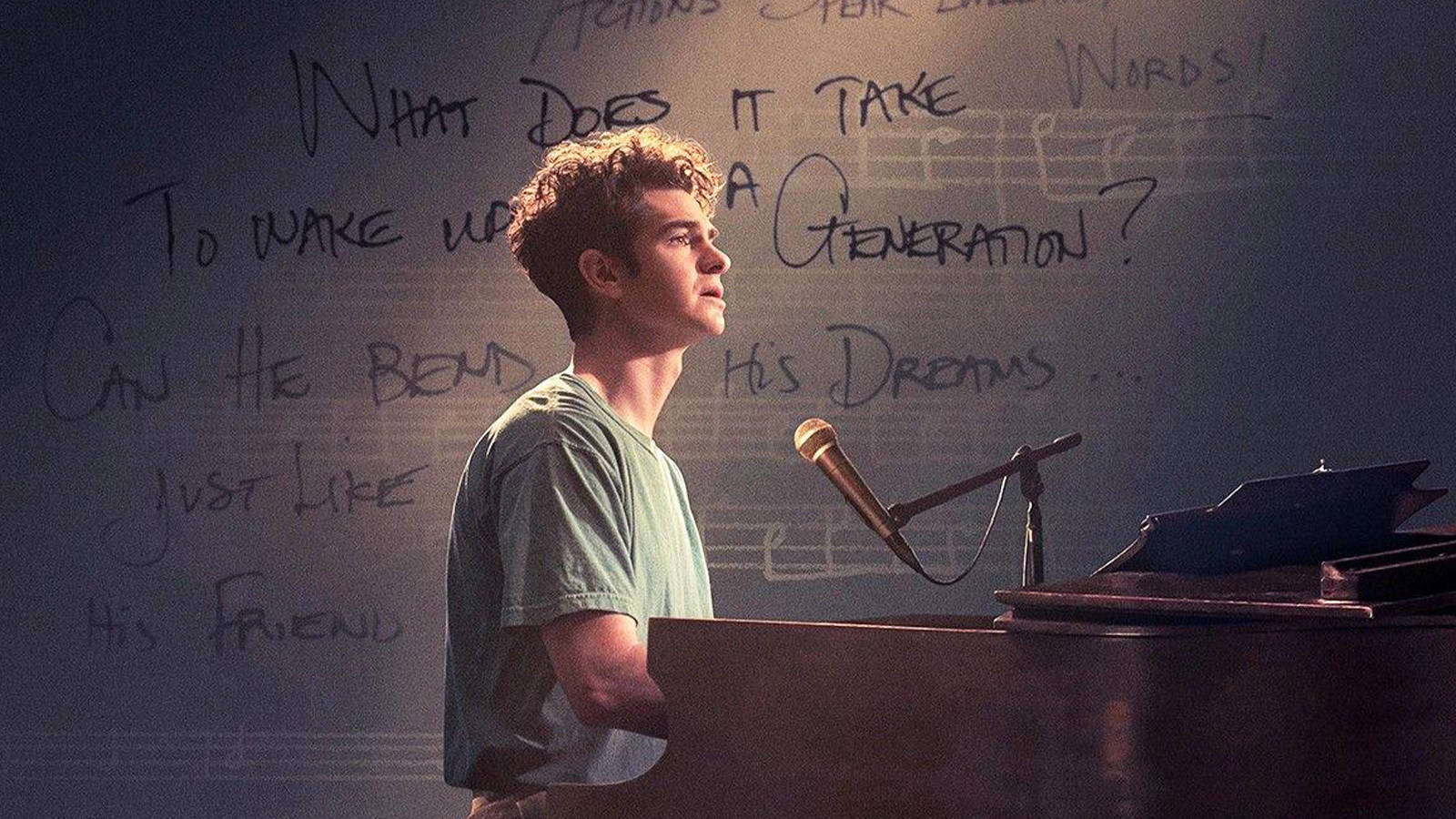
Tick, Tick… Boom! seeps with a zest for life shared by both director Lin-Manuel Miranda and his subject of fascination, musical theatre writer Jonathan Larson, openly embracing notions of bohemia and self-aware numbers in a deconstruction of artistic ambitions, obsessions, and egos.
-
House of Gucci (2021)
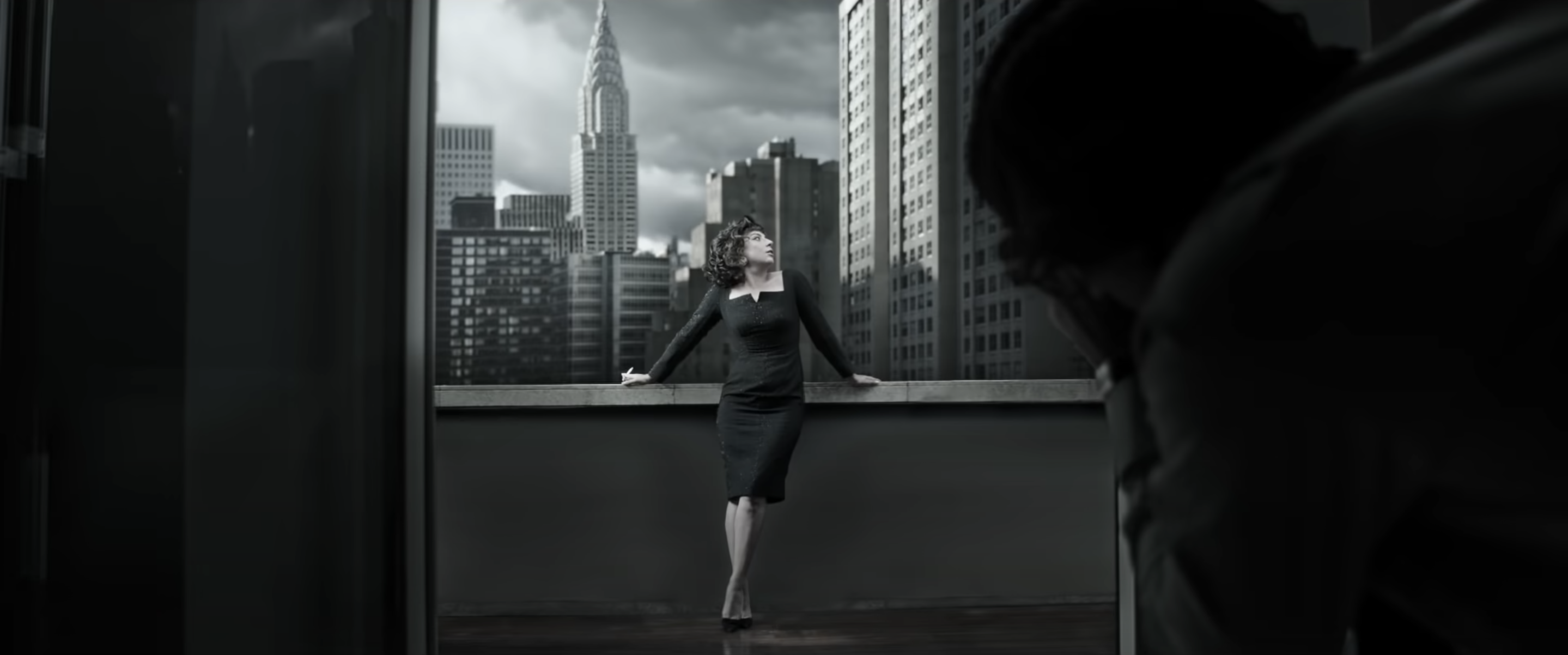
It might be a little generous calling House of Gucci “Shakespearean”, but Ridley Scott’s decades of experience working with classical narratives and archetypes effectively turns this complicated piece of recent history into an epic tragedy of grand destinies and fallen empires.
-
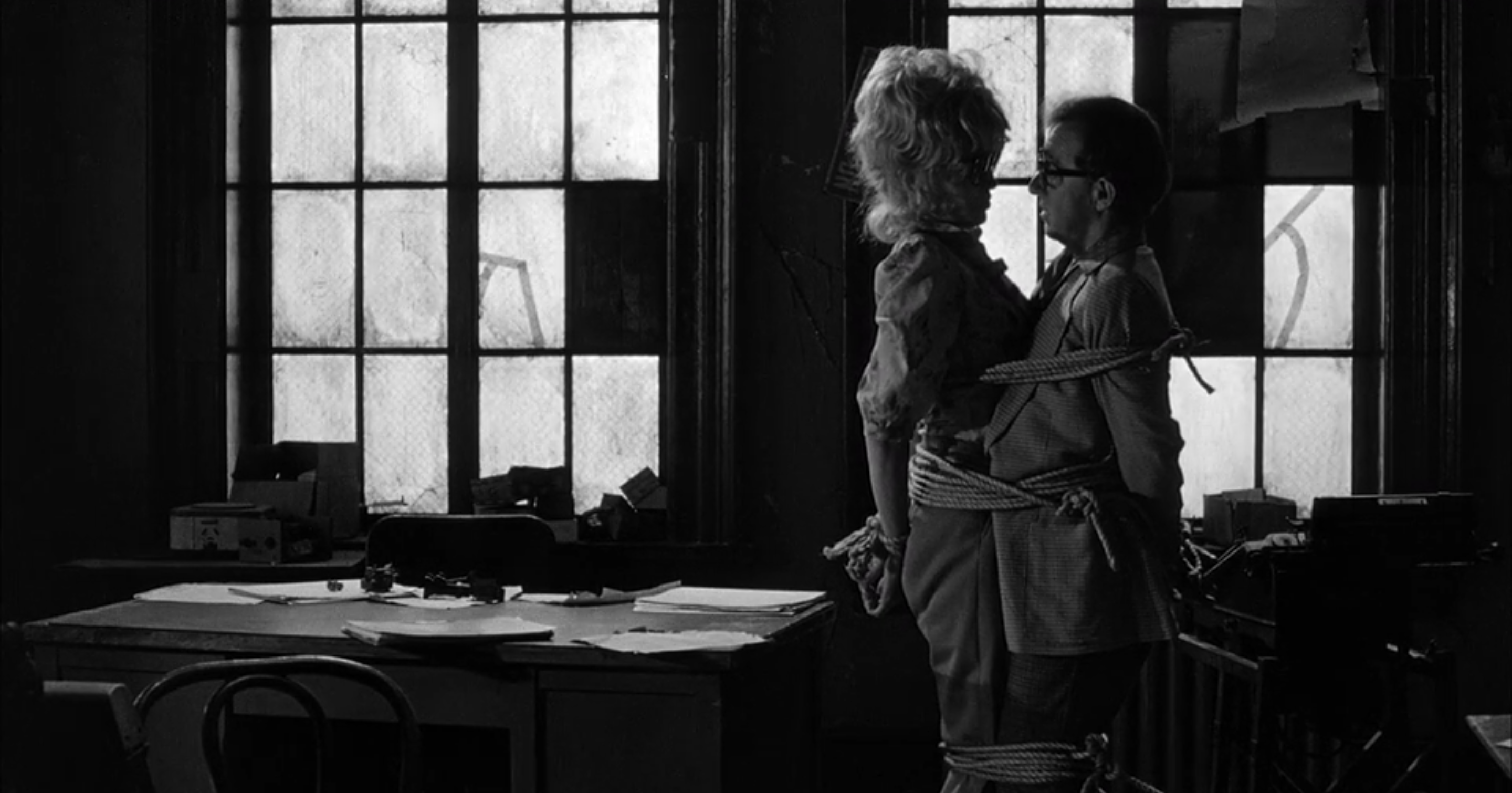
Broadway Danny Rose (1984)
Woody Allen turns the very act of storytelling into a form of respect in Broadway Danny Rose, framing the peculiar ventures of one feckless talent agent within flashbacks of a stream-of-consciousness conversation, and preserving the man’s legacy within the urban mythology of New York City.
-
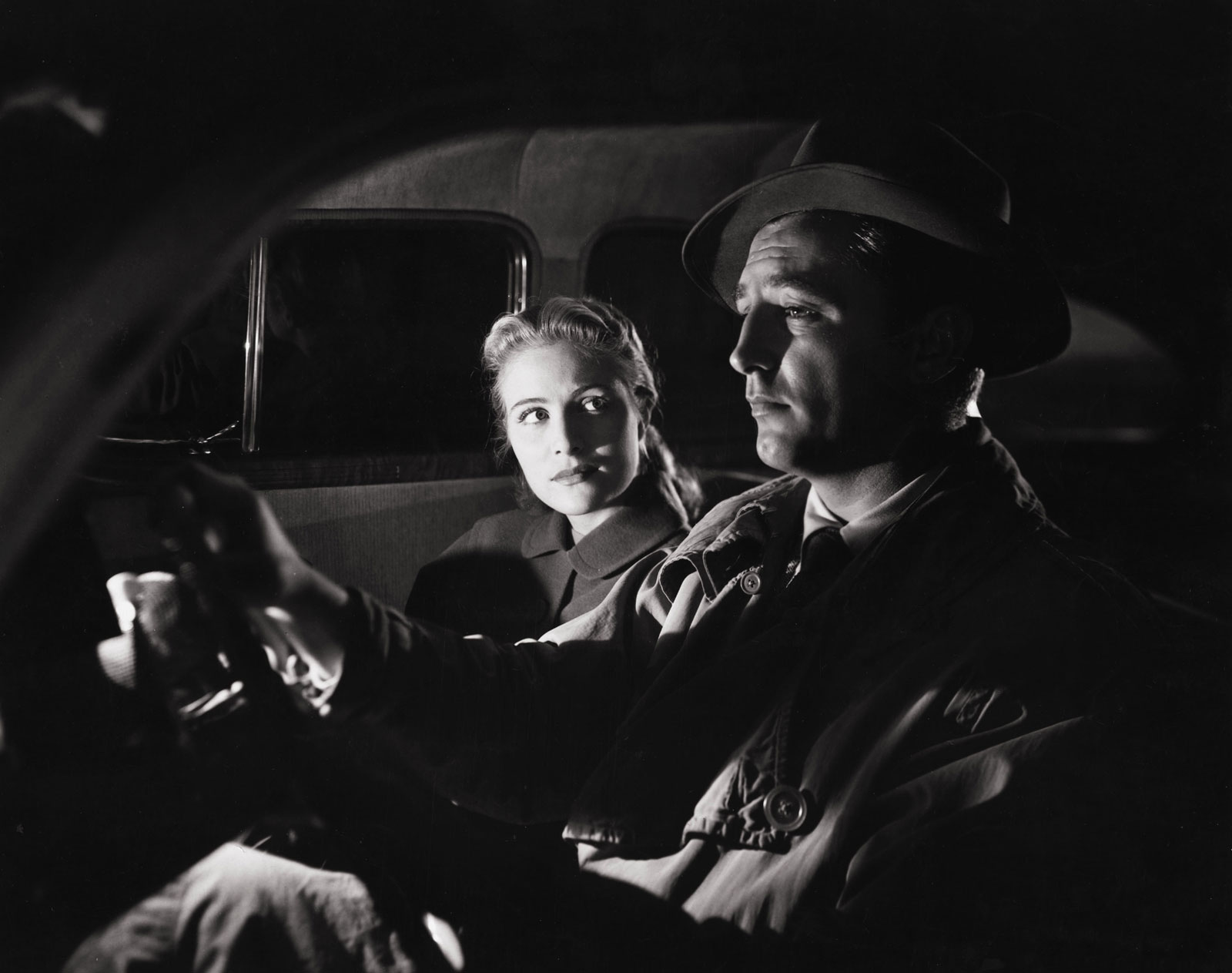
Out of the Past (1947)
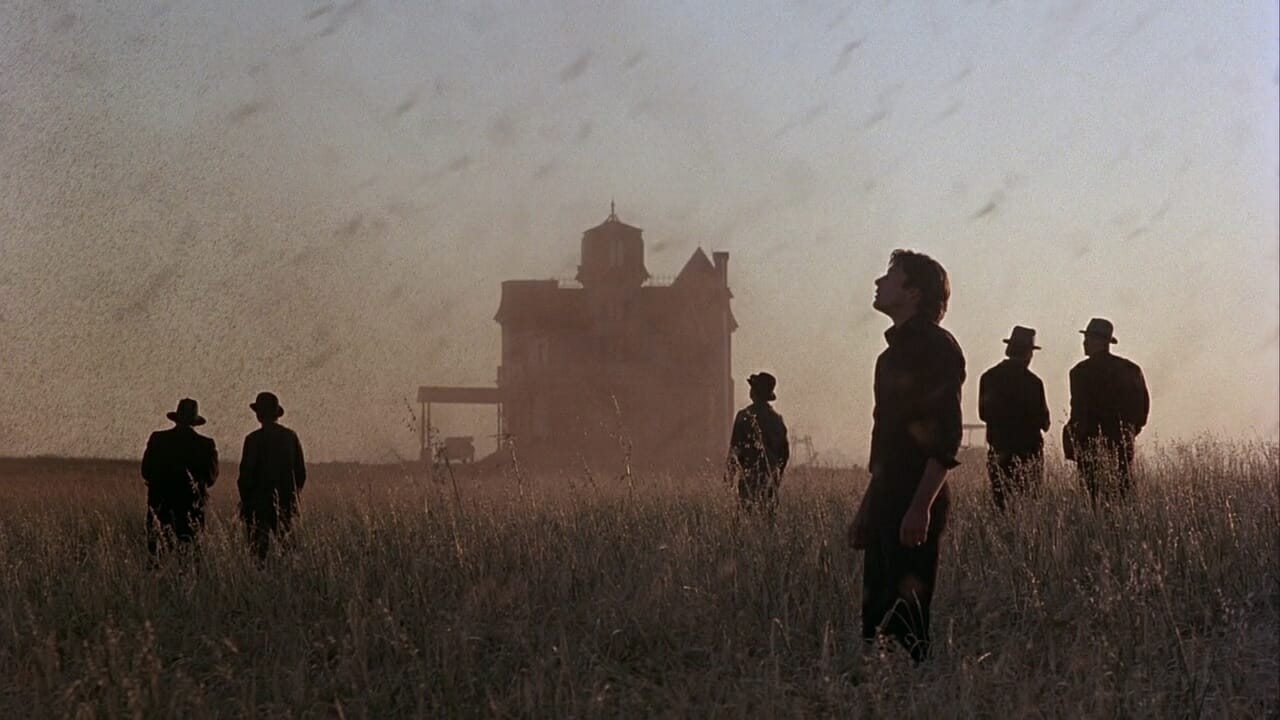
Even when it isn’t at the forefront of Out of the Past’s narrative, Jacques Tourneur is quietly underscoring that lurking threat that comes from behind in this landmark film noir, fatalistically drawing Robert Mitchum’s hardboiled detective back into old transgressions he would much rather hide from than confront directly.
-
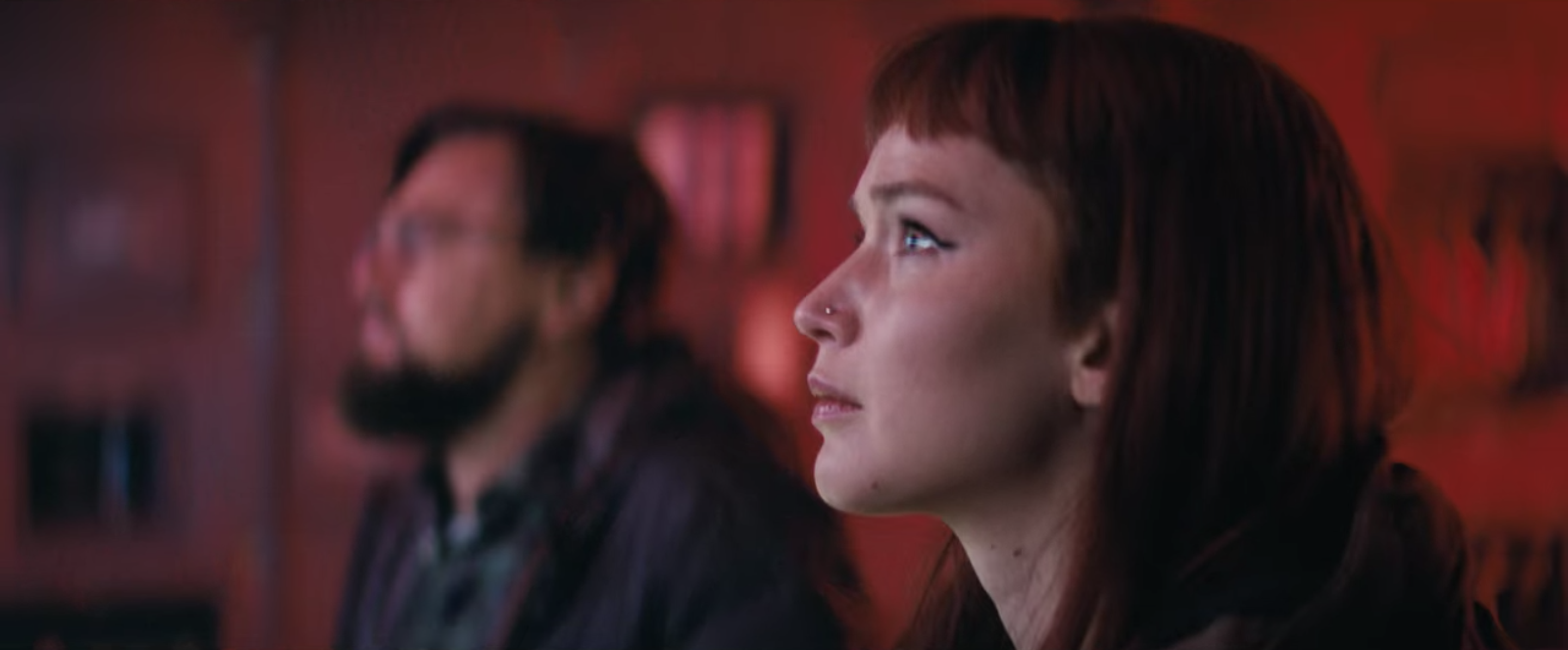
Don’t Look Up (2021)
Don’t Look Up is sure to aggravate those who previously appreciated Adam McKay for his incisive political discernment, but the energetic storytelling and blunt, irreverent satire on display here is more an act of angry, hilarious, and provocative catharsis than anything else.
-
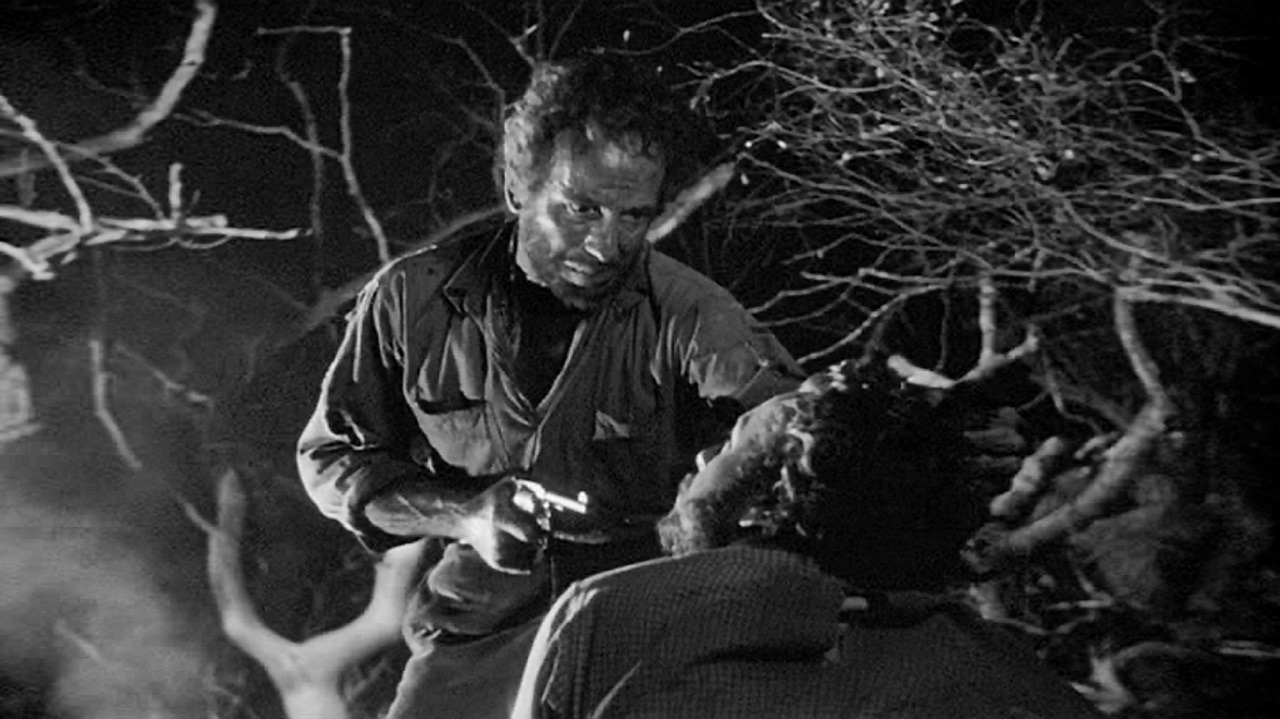
The Treasure of the Sierra Madre (1948)
Through some force of nature or the winds of fate, poetic justice finds its way home in The Treasure of the Sierra Madre, as John Huston undercuts humanity’s indulgent pursuit of wealth in this cautionary tale of gold-mining prospectors and brutal bandits.
-
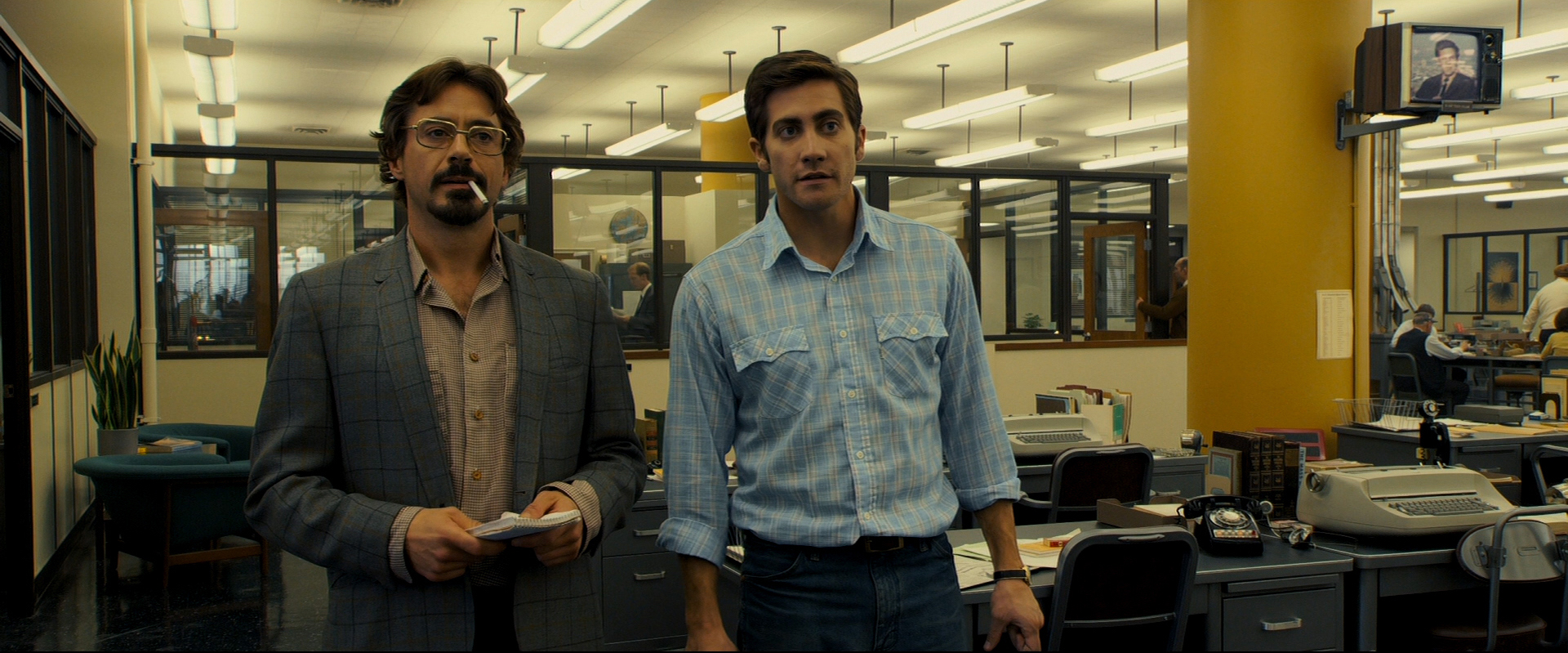
Zodiac (2007)
The obscure mystery at the heart of Zodiac is made all the more frustrating by the pinpoint precision with which David Fincher attacks his plotting, cinematography, and characterisation, shifting the focus away from its fruitless puzzles and onto a study of psychological obsession.
-
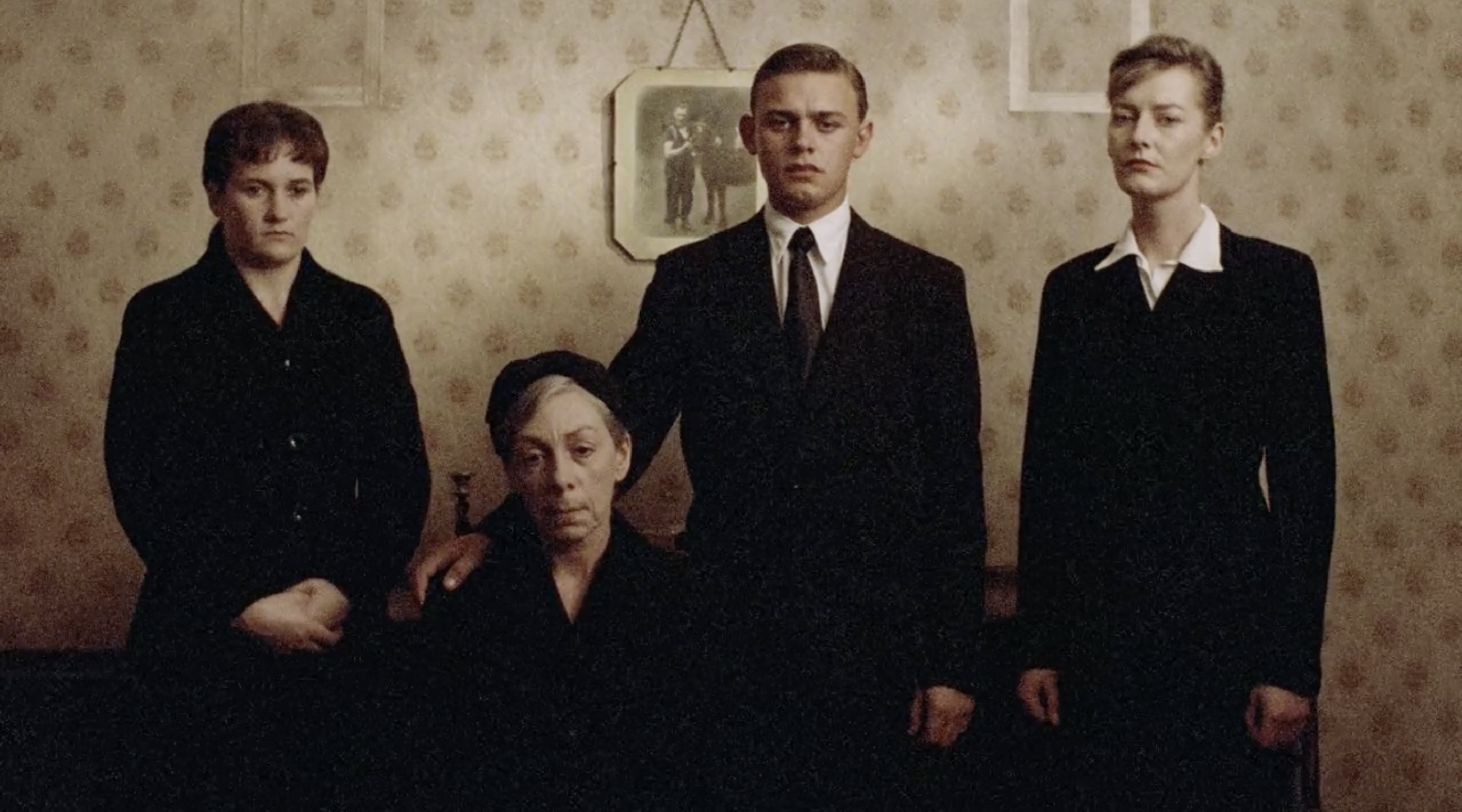
Distant Voices, Still Lives (1988)
Memories flow like water in Distance Voices, Still Lives, seamlessly gliding from one to the next through intuitive connections and poetic tangents, bringing a photo book quality to Terence Davies’ nostalgic ode to the love and struggles of his old-fashioned, working-class family.
-
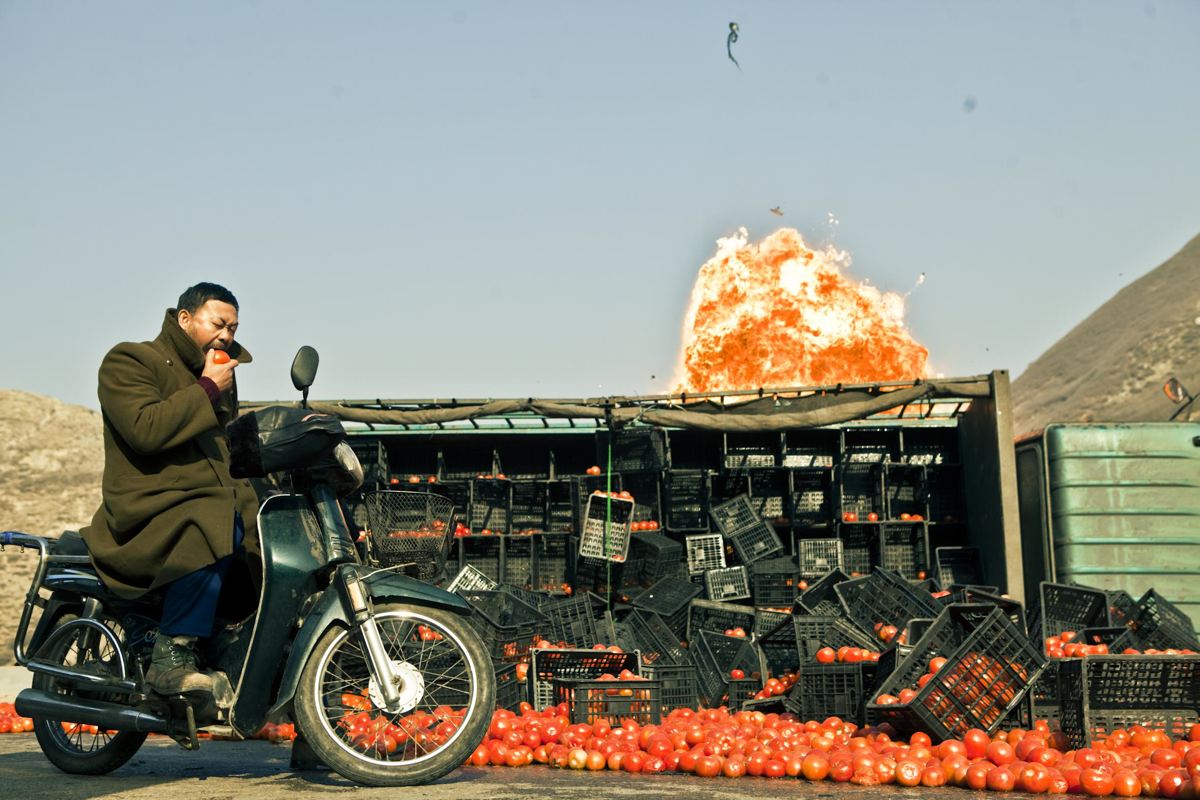
A Touch of Sin (2013)
Four loosely connected episodes of violence based on real Chinese news stories come together in a Touch of Sin to sketch out a landscape of anger and frustration, as Jia Zhangke pushes the boundaries of his usual neo-realistic style until they start to overlap with traditional crime thriller conventions.