
Rating

Kingdom of the Planet of the Apes (2024)

Kingdom of the Planet of the Apes may not possess the rich character work of the other prequels, yet Wes Ball’s development of this majestic, tribal world through the legacy of its ancestors is admirable, examining splintered ideological factions that exploit sacred doctrine for their own selfish purposes.
Megalopolis (2024)

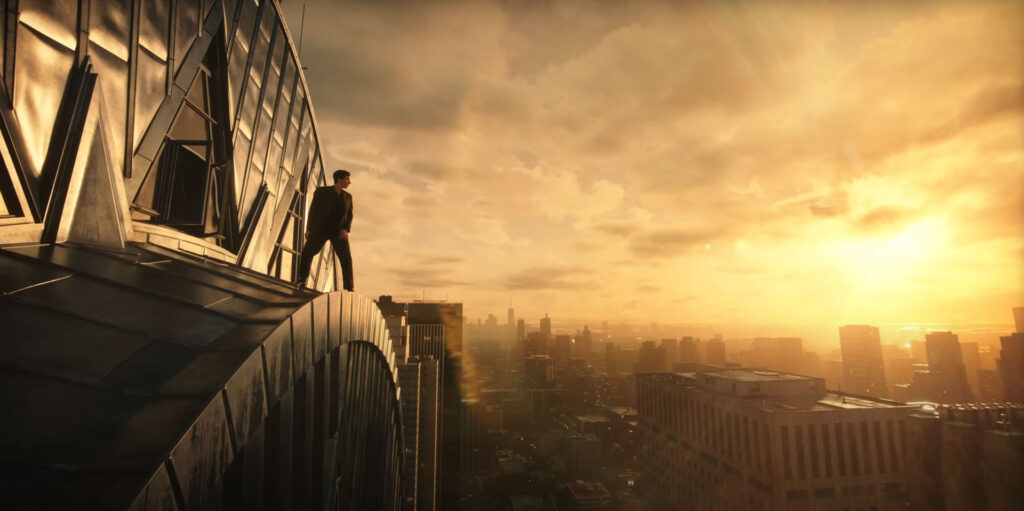
Francis Ford Coppola’s conceptual fusion of Ancient Rome and modern America into an epic Shakespearean fable is promising in Megalopolis, though the precision and focus that once defined his storytelling is completely absent here, tangled up in its inability to carry a single line of thought through to completion.

Lincoln (2012)

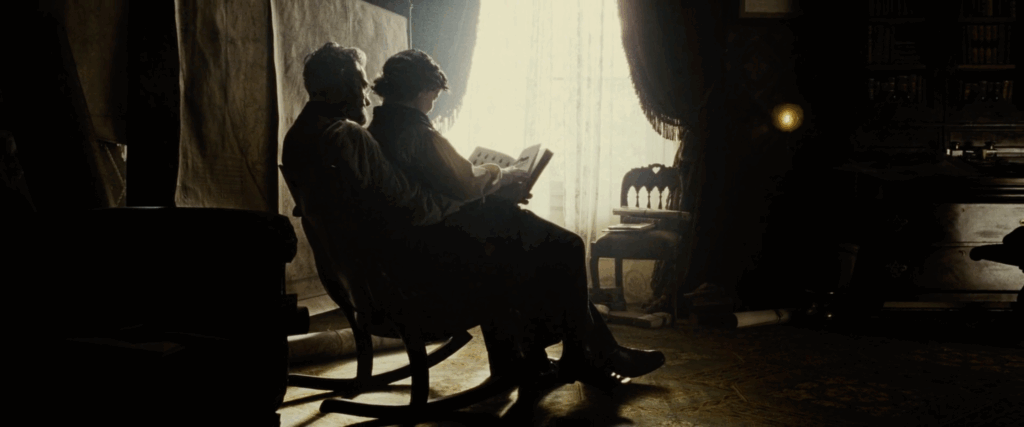
With a witty, grandiose screenplay and a camera that cleanly navigates political battlefields, Steven Spielberg uses the final months of Abraham Lincoln’s life to examine the messy game of American politics, carefully observing his tactical orchestration of congress to pass the slavery-ending 13th Amendment.

I Saw the TV Glow (2024)

The psychological horror of I Saw the TV Glow turns a discerning eye towards the false identities and duplicitous illusions thrust upon queer communities, as Jane Schoenbrun casts a surreal, Lynchian filter over the journey of two nostalgic outcasts searching for truth in their favourite childhood show.

My Little Loves (1974)

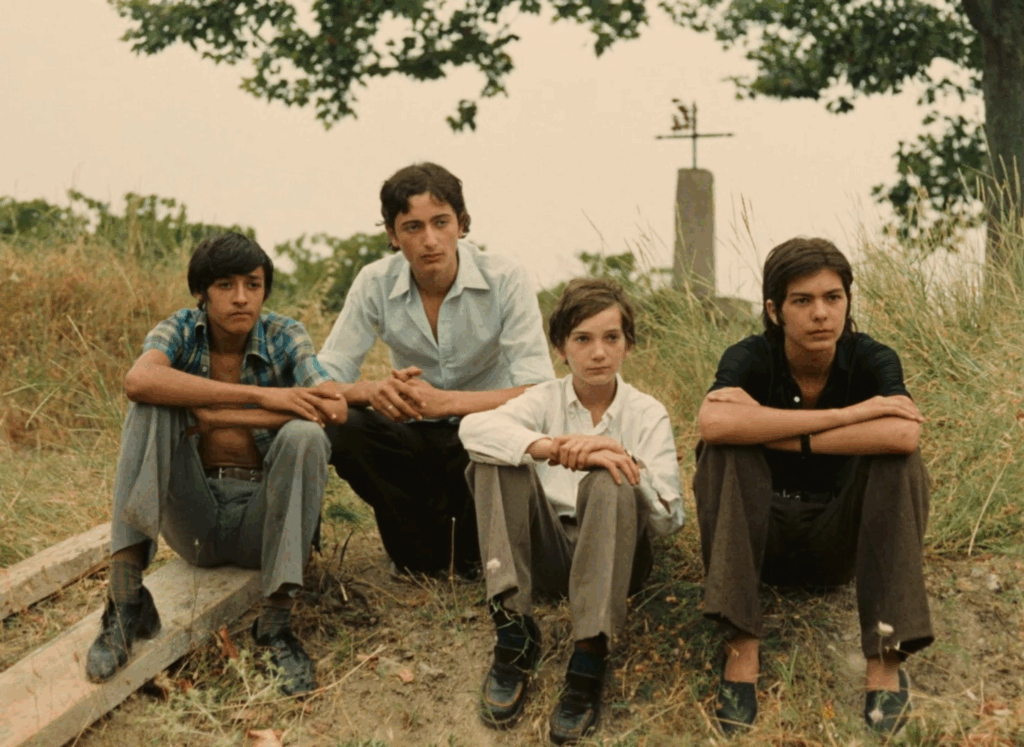
The coming-of-age vignettes that make up My Little Loves do not depict particularly momentous occasions, yet it is in the mundane minutia of Daniel’s year away from home that his self-discovery unfolds, as Jean Eustache tenderly captures the whiplash of a lonely, confusing, yet stimulating adolescence.

Ripley (2024)

The question of what exactly constitutes a fraud is meticulously woven throughout Steven Zaillian’s monochrome study of a New York con artist in Ripley, witnessing his unscrupulous attempts to ascend the social ladder by way of identity theft and murder, even as his own amoral corruption threatens to sink him into a dark, suffocating abyss.

La Chienne (1931)

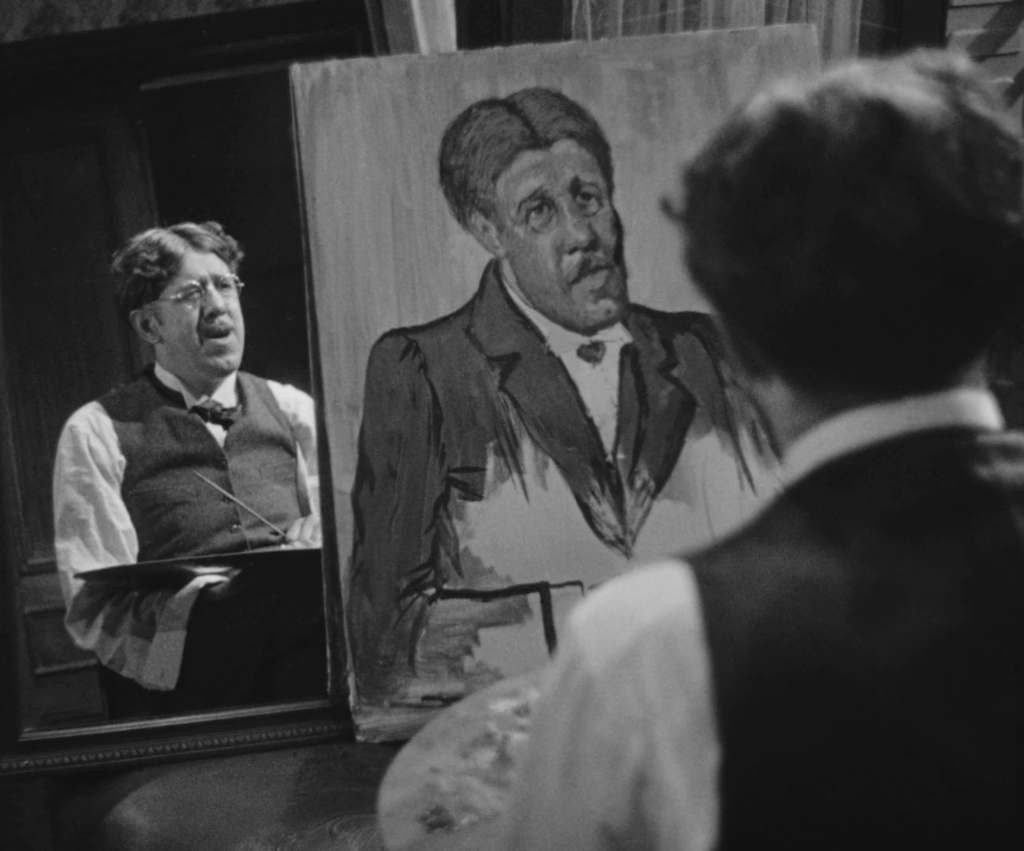
So tragically naïve is aspiring painter Maurice in La Chienne that Jean Renoir does not even let his demeaning fall from grace speak for itself, but rather frames this pitiful antihero as a mere puppet on life’s stage of poetic irony, weaving lyrical musings on romance and despair through his fated love triangle.

The Mother and the Whore (1973)

The infamous Madonna-whore complex is baked right into the title of Jean Eustache’s bleak treatise on juvenile masculinity, as The Mother and the Whore applies an intensive focus to a young narcissist’s thorny relationships with his long-term girlfriend, his secret lover, and the intellectual hypocrisy that underlies his infidelity.

Elevator to the Gallows (1958)

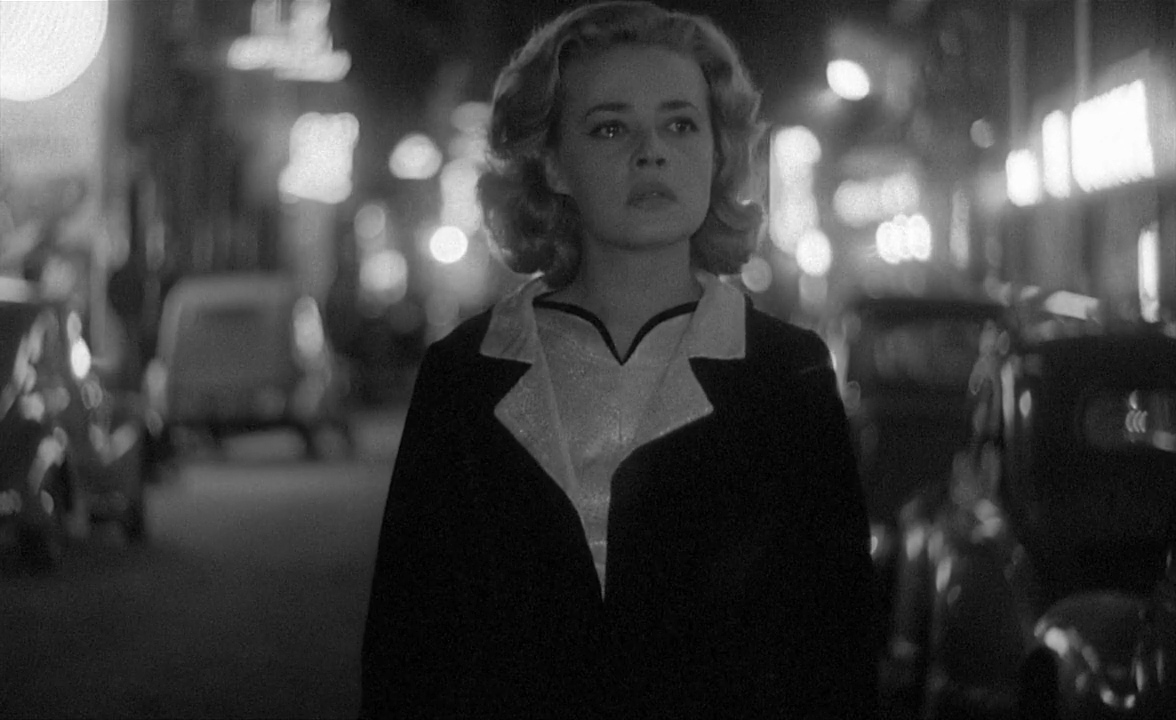
The assassination that will finally allow secret lovers Julien and Florence to elope couldn’t be more carefully planned, and yet the fatalistic pull of destiny has other mischievous intentions in Elevator to the Gallows, as Louis Malle intertwines two Parisian tales of love and crime with dark, seductive malice.

The Devils (1971)

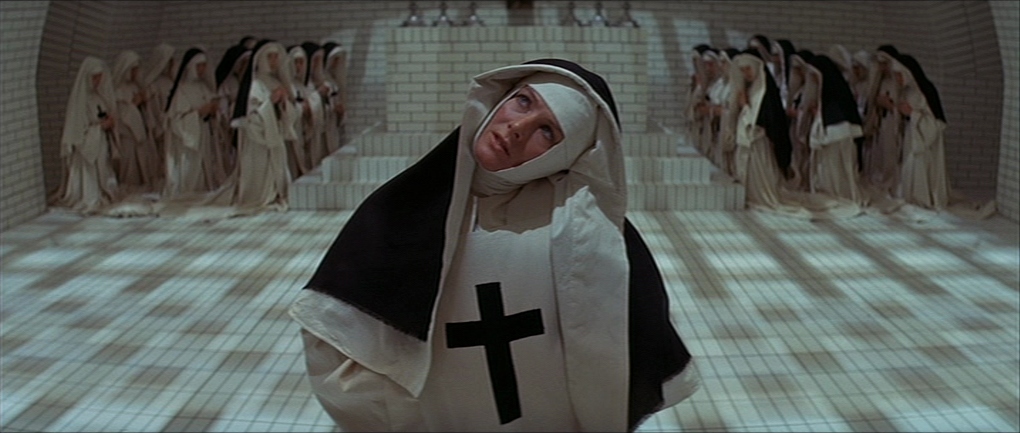
The Devils may be set during the witch trials of 17th century France, and yet Ken Russell’s cynical condemnation of religious tyranny escapes a narrow relegation to the distant past, infusing his cautionary tale with a bitter, anachronistic timelessness.

Scroll to Top