Film Review

Promising Young Woman (2020)

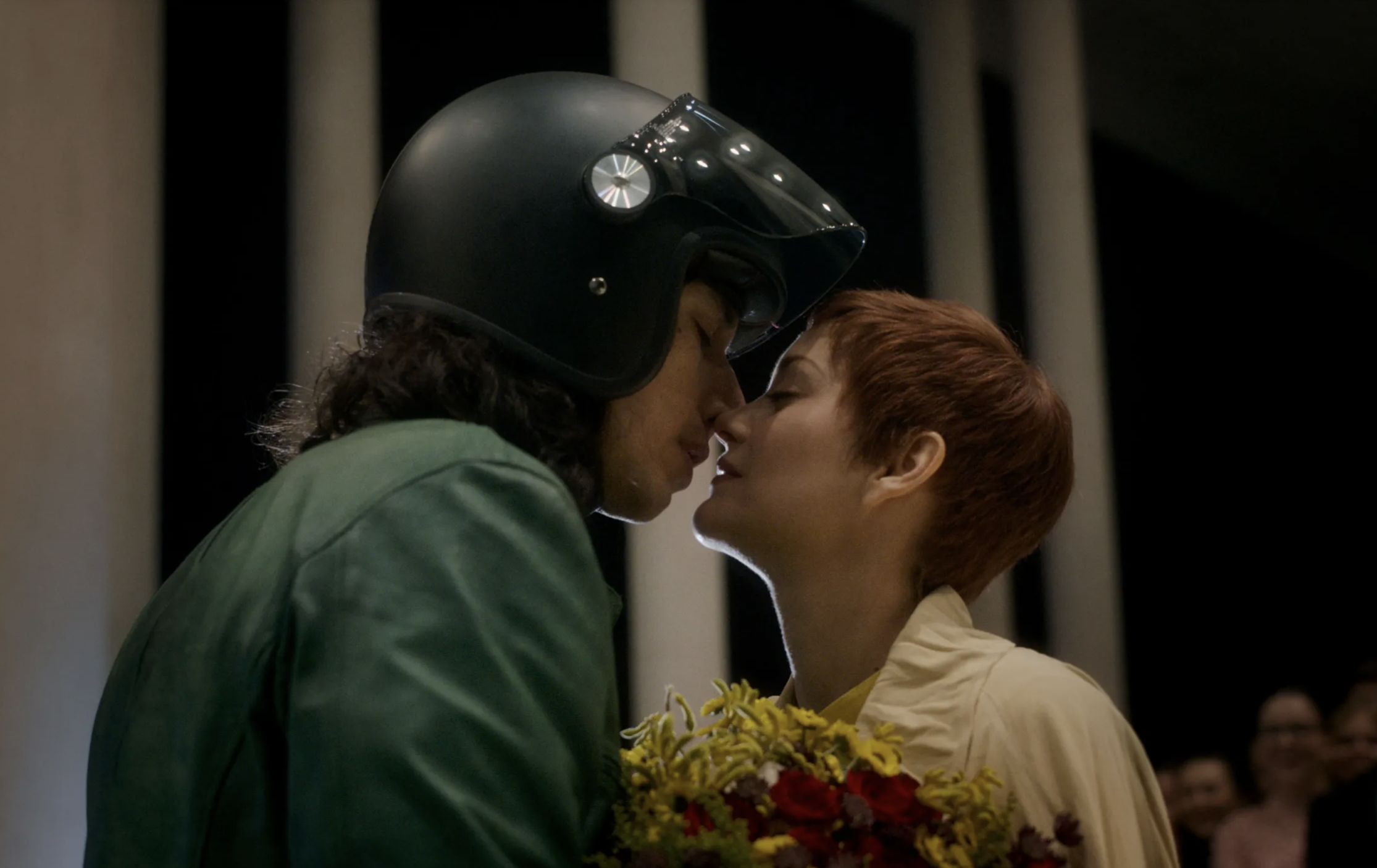
Emerald Fennell never falters in her tonal balancing act of weaving harsh depictions of trauma around gentle nostalgia and humour, thereby creating a moving, thrilling, and darkly incisive black comedy in Promising Young Woman.

The Exorcist (1973)

As William Friedkin’s demented, expressionistic imagery gradually seeps into the quiet suburbs of America, his patient narrative moves in parallel towards a climactic test of faith, ultimately not just crafting a controversial cultural touchstone, but a masterwork of cinematic horror.

Jojo Rabbit (2019)

It takes a while for the humour, sensitivity, and detail of Taika Waititi’s Nazi satire Jojo Rabbit to settle in, but once it finds its footing, he effectively skewers the cowardice and superficiality of those hateful regimes which hide behind the trusting innocence of their children.

The Red Shoes (1948)

Michael Powell’s control over his very specific colour palettes all through The Red Shoes goes beyond the crafting of immaculate compositions, as it furthermore binds us so tightly to the disintegrating mental state of aspiring dancer Vicky, that we can’t help but be plunged right into the psychological depths of her pure, self-destructive ambition.

The Outsiders (1983)

Even as The Outsiders stands up today as a well-done adaptation of a pivotal coming-of-age novel, the odd misstep also marks it as the beginning of Francis Ford Coppola’s descent into less-than-outstanding filmmaking.

The Discreet Charm of the Bourgeoisie (1972)

With each successive scene building on previously established motifs and ideas, The Discreet Charm of the Bourgeoisie develops a rigorous theme and variation structure that serves to bolster Luis Buñuel’s acidic attack on Europe’s wealthy ruling classes.

Duck Soup (1933)

By applying their knack for satire to the incompetent, narcissistic political leaders of the western world in Duck Soup, the Marx Brothers hit on comedy gold.

Groundhog Day (1993)

With its tremendous narrative form in repetition as the basis for a rich character arc, Groundhog Day just keeps allowing for more surprising revelations on each rewatch, giving it, quite ironically, a “timeless” quality.

Nosferatu (1922)

Gaunt-faced, wide-eyed, hunched over, the mere profile of Count Orlok strikes a terrifying image that has persisted in our collective consciousness for almost a century, and yet through F.W. Murnau’s sharp, expressionist lighting, Nosferatu still holds up as being more than just one remarkable performance.

Pride and Prejudice (2005)

Joe Wright’s cinematic interpretation of Jane Austen’s novel brings a stylistic and formal flair to Elizabeth Bennet and Mr Darcy’s swooning romance that we haven’t seen before, efficiently constructing the world of 19th century England in long takes that soar through lavish ballrooms, hallways, and mansions.

Scroll to Top