Film Review

Pickup on South Street (1953)

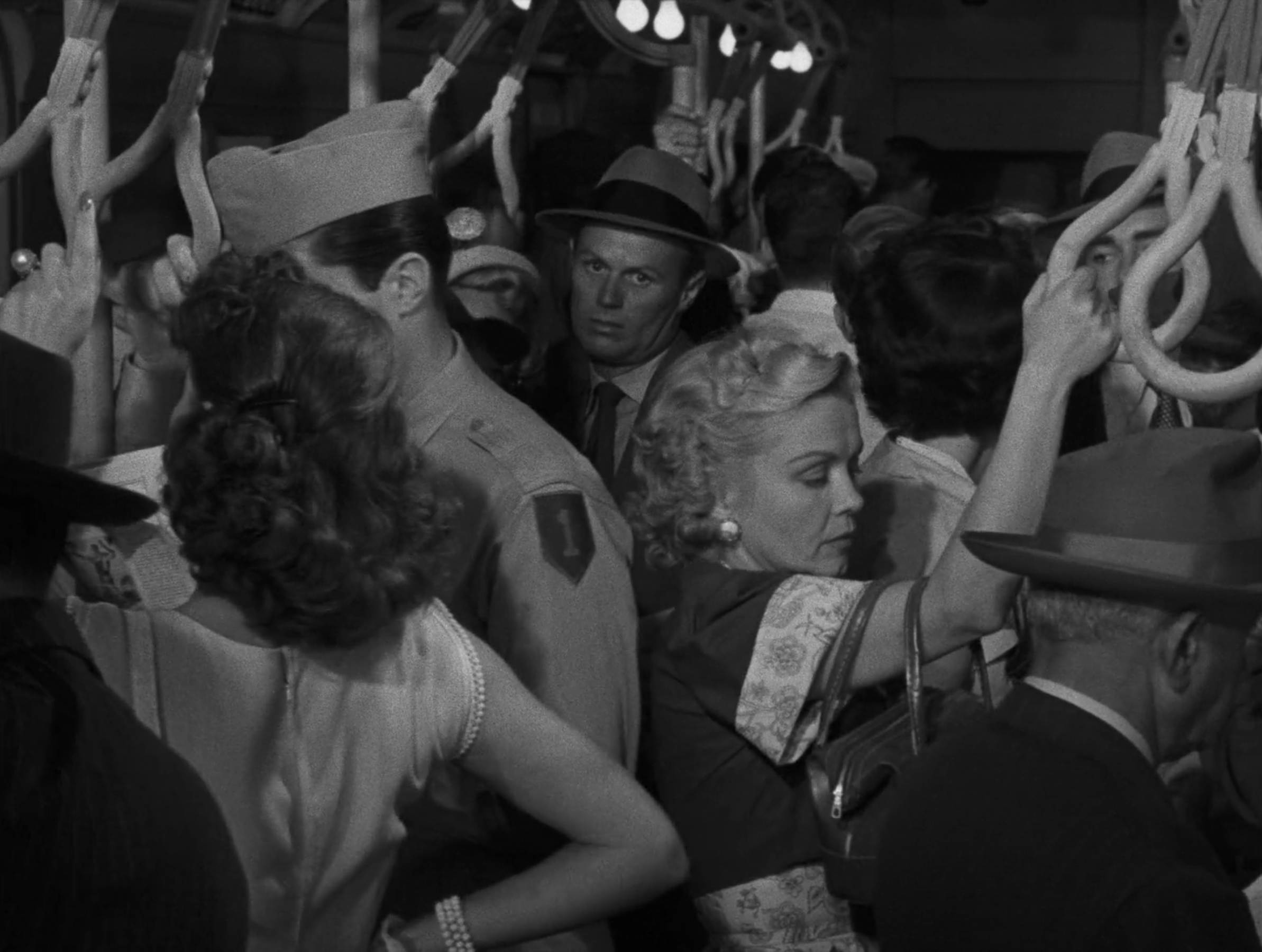
Pickup on South Street is a triumph of writing, character, and stylistic camerawork for Samuel Fuller, and it is in the marriage of all three that he crafts a compelling Cold War thriller crackling with the fizzing tension of stealth, espionage, and a sensual seduction between a pickpocket and his target.

Flee (2021)

There is an inherent clash between animation and documentary filmmaking in their relationship to reality, but in piecing together the memories of an Afghan refugee who fled his country in the 90s through live interviews and hand-drawn reconstructions, Jonas Poher Rasmussen turns Flee into a compellingly fluid examination of historical truth.

King of New York (1990)

The gritty realism of Abel Ferrara’s location shooting in New York City streets, nightclubs, and hotels is a perfect fit for King of New York’s character study of urban grit and power plays, whereby one drug kingpin struggles to find the redemption he seeks, only succeeding in pulling both sides of the law into a dark, muddy underworld of corruption and bloodshed.

Benedetta (2021)

Paul Verhoeven’s irreverent provocations are well-suited to this compelling piece of Italian history, with each of Sister Benedetta’s cunning power plays, false miracles, and sexual advances driving this riveting narrative towards an outburst of wrathful vengeance, violently bringing a hypocritical Catholic Church to its knees.

The Grandmaster (2013)

Wong Kar-wai has rarely indulged so much in the fierceness of action cinema as he does here in the story of legendary martial artist Ip Man, and yet the delicate attention to detail in his slow-motion cinematography and elegant choreography also ties The Grandmaster to the lyrical style that he has spent decades honing with such precision.

C’mon C’mon (2021)

There is an invitation built into both the title and story of C’mon C’mon, beckoning us to join a radio journalist and his nine-year-old nephew on a road trip across the United States, through which Mike Mills’ beautiful greyscale cinematography and stream-of-consciousness montages paint a portrait of a relationship as sweet and unhurried as his narrative’s easy-going pace.

Jour de Fête (1949)

Though Jour de Fête feels slightly limited without Jacques Tati’s bizarre displays of architecture to bounce his physical comedy off, he is still as resourceful as ever in both his acting and direction, whimsically sending up modern ideals of efficiency and progress when they begin to invade a tiny French village amid Bastille Day celebrations.

Passing (2021)

Rebecca Hall’s shallow focus and hazy black-and-white cinematography in Passing takes a dreamy hold over this interrogation of racial assimilation in 1920s New York, bringing together two old African-American childhood friends whose strikingly divergent lives lead to a reunion over thorny questions of identity and prejudice.

The Magnificent Ambersons (1942)

The Magnificent Ambersons floats along like a whispered echo of a bygone era, recounting the downfall of an entire family brought about by one man’s resistance to progress and standing as a powerful elegy from Orson Welles to those forgotten dynasties of American history, despite his artistic compromises.

Barb and Star Go To Vista Del Mar (2021)

No doubt there are plot points in Barb and Star Go to Vista del Mar which don’t quite cohere with everything else, but with a screwball commitment to absurdly inventive visual gags and dialogue, the inspired collaboration between Josh Greenbaum, Kristen Wiig, and Anne Mumolo pushes the film’s narrative logic in hilariously unexpected directions.

Scroll to Top