Film Review

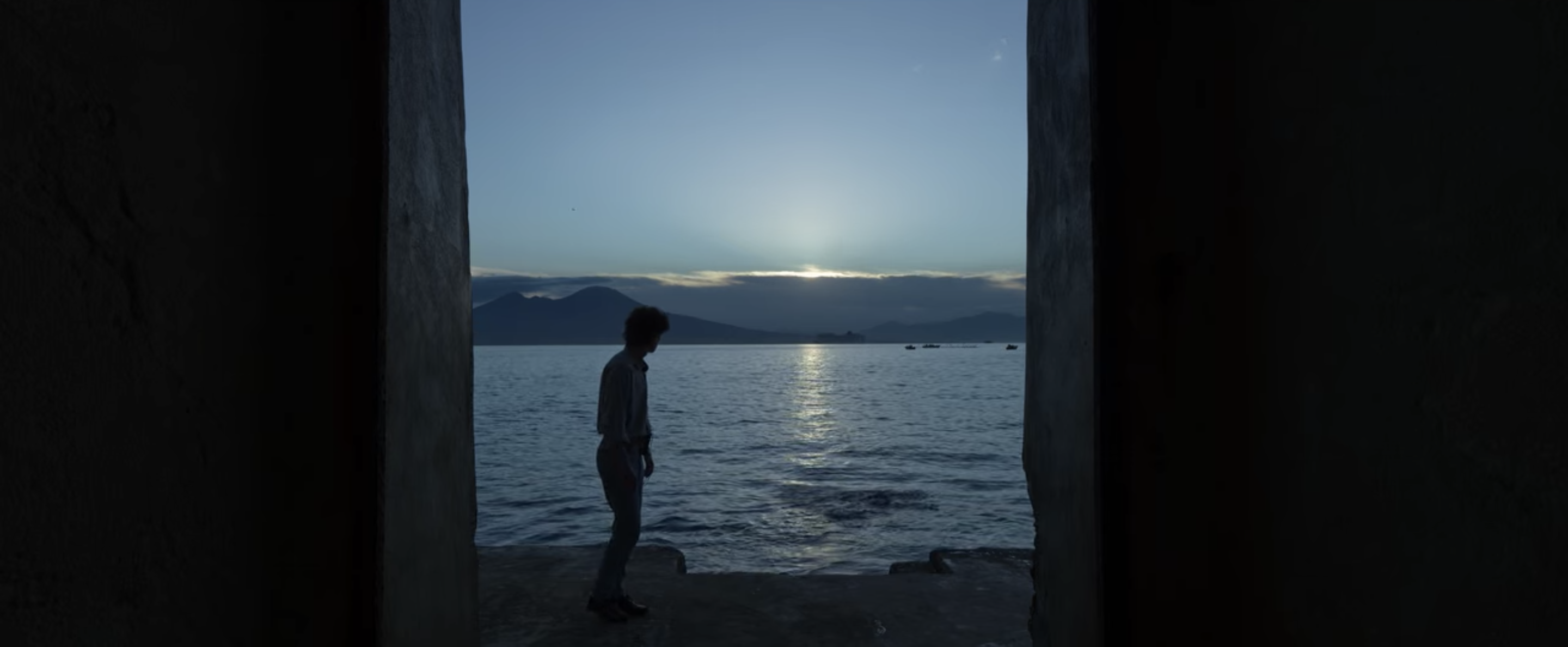
The Hand of God (2021)

Paolo Sorrentino weaves a light Christian mysticism into his autobiographical coming-of-age piece, The Hand of God, threading a theological sense of destiny and exquisite visual artistry through its narrative parallels of Italian folklore, sporting legends, and cinema culture.

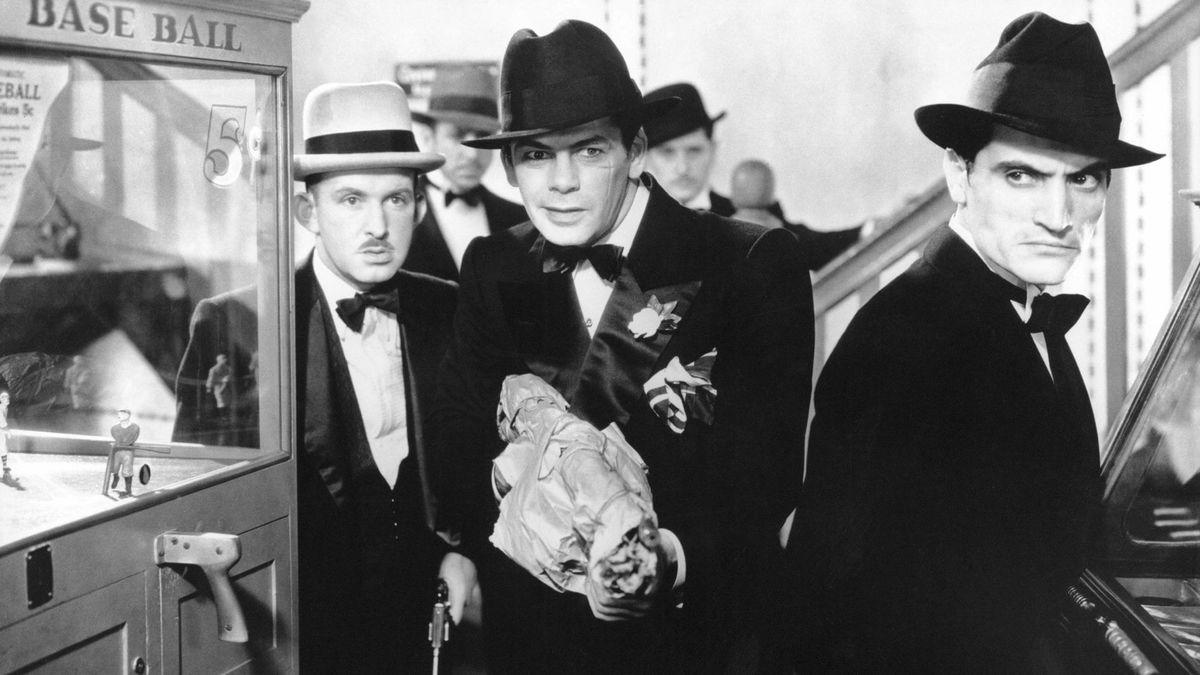
Scarface (1932)

Within the Prohibition era of Scarface where Tony Camonte reigns supreme, violence is conducted with secrecy and treachery, intermittently rupturing Howard Hawk’s patient, brooding narrative with bursts of brutality.

The Batman (2022)

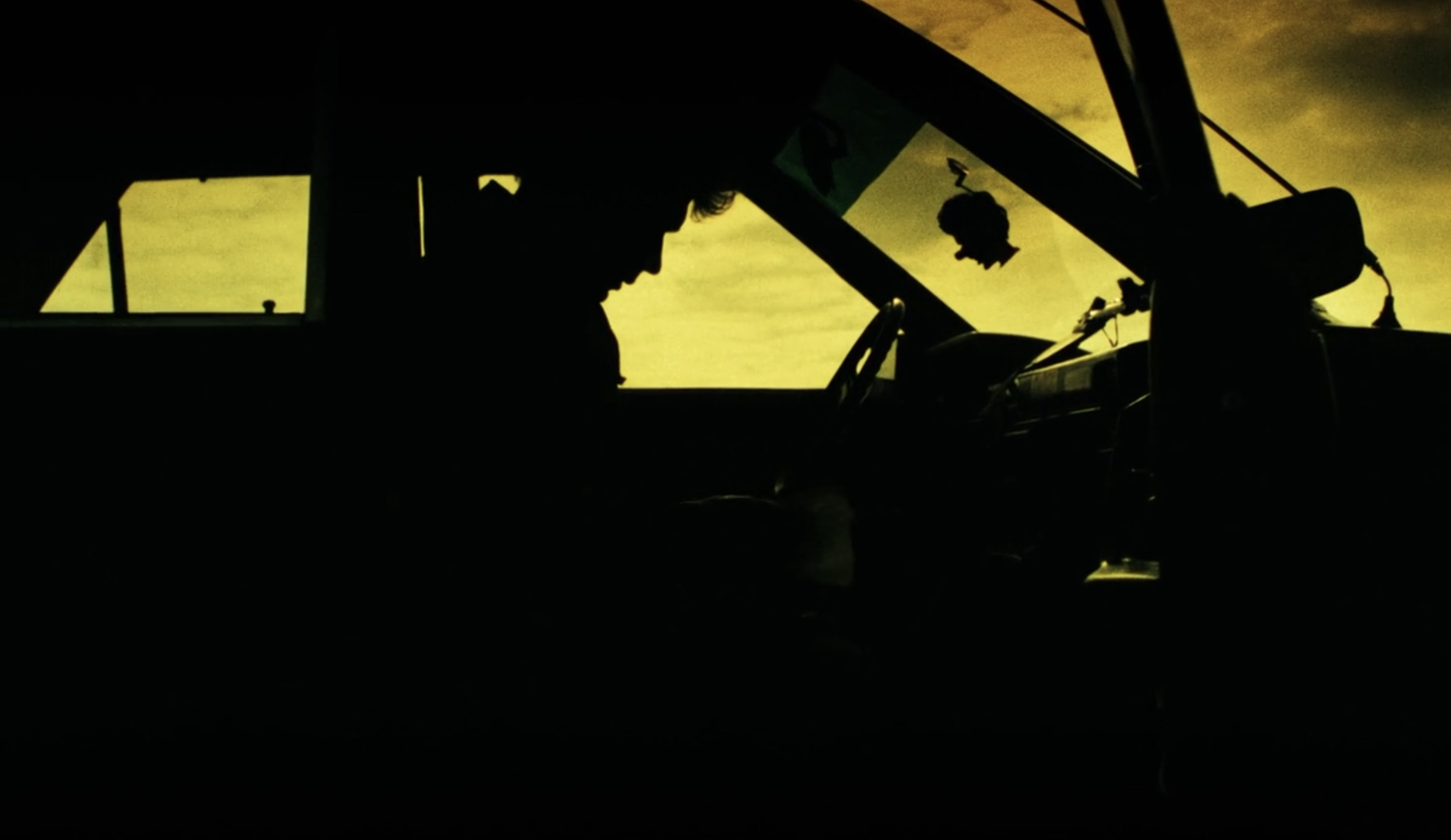
It is in the dingy, yellow lighting and deliberately hazy camera focus of The Batman that Matt Reeves crafts an entirely new vision of Gotham City and its morally ambiguous vigilante, thoughtfully examining notions of vengeance as a corrupting force within the tight grip of its magnificently thrilling narrative.

Pig (2021)

Ex-chef Rob’s ability to evoke emotions so powerful that he can move hearts with a single dish may seem like the basis of a ludicrously sentimental character, but the patient honesty of both Nicolas Cage and director Michael Sarnoski sells every tender minute of his quest to recover his stolen truffle-hunting pig.

The Godfather (1972)

In transposing classical storytelling traditions onto a 1940s New York crime family in The Godfather, Francis Ford Coppola effectively crafts an epic piece of American mythology for the twentieth century, unravelling one of the greatest pure narratives put to film with monumental ambition in its sheer economy and compellingly tragic characters.

The Worst Person in the World (2021)

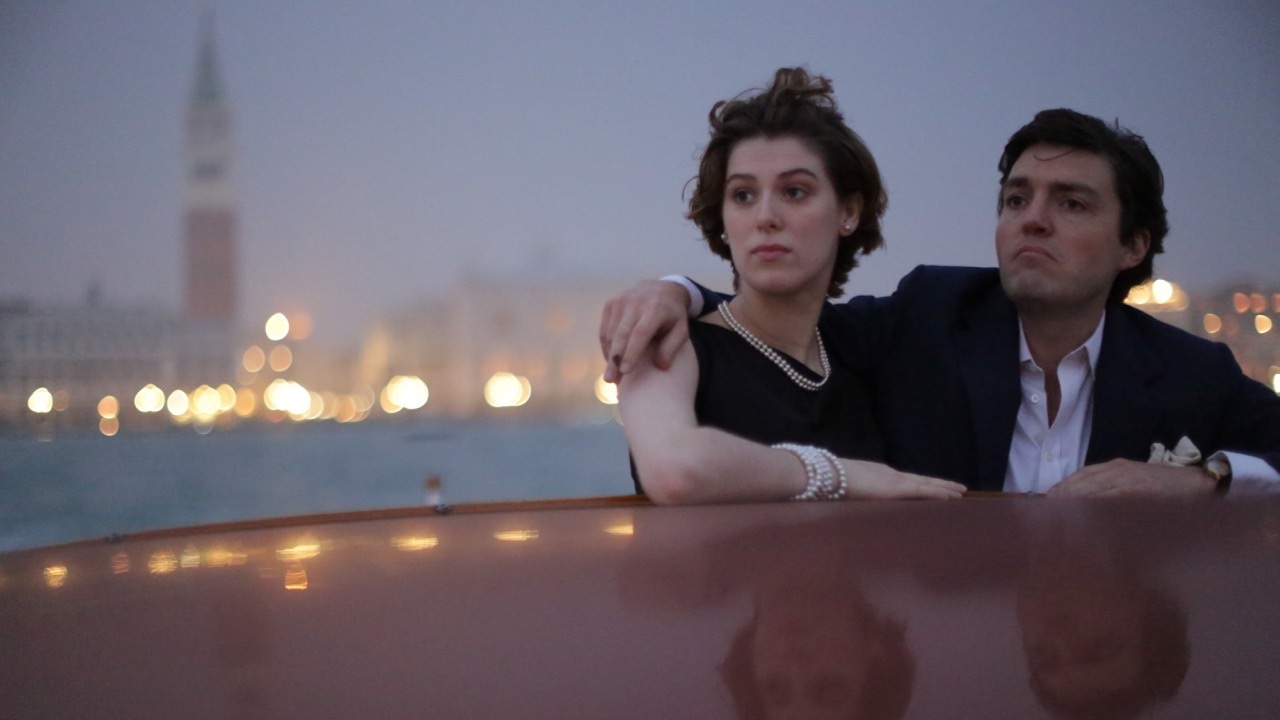
There is something playfully novelistic about the way Joachim Trier lays The Worst Person in the World out in a series of chapters around our young protagonist, Julie, guiding us through her messy mistakes and complicated relationships with a superbly formal structure, and thoughtfully constructing what might as well be a coming-of-age film for those approaching their 30s.

Terminator 2: Judgment Day (1991)

It is in the spectacle of James Cameron’s action set pieces, dynamic camerawork, and his narrative’s creative basis in deep-rooted archetypes that Terminator 2: Judgement Day reveals itself as a raw cinematic experience, concerned less with musings over what it means to be human as it is with the immediate, visceral impact of such questions.

Cyrano (2021)

Joe Wright’s elegantly fluid camerawork flourishes in the tragic love story of Cyrano, as even while it struggles against the odd piece of contrived sentiment in its musical numbers, its narrative of classical literary archetypes serves as a perfect canvas for his stunning visual displays of French Baroque beauty.

Portrait of a Lady on Fire (2019)

The painter’s perspective that Céline Sciamma offers us in Portrait of a Lady on Fire uses its delicate renderings of seaside cliffs and eighteenth-century French manors as the setting for a gorgeous romance between an artist and her reluctant subject, powerfully intertwining their passions with classical archetypes vividly rooted in ancient Greek mythology.

Being the Ricardos (2021)

Though Aaron Sorkin’s screenplay for Being the Ricardos may at times indecisively tug its narrative in multiple directions at once, it is tough faulting the electric dialogue that keeps us glued to Lucille Ball’s behind-the-scenes television troubles, holding firm to its empathetic understanding of the comedic television star.

Scroll to Top