Film Review

Napoleon (1927)

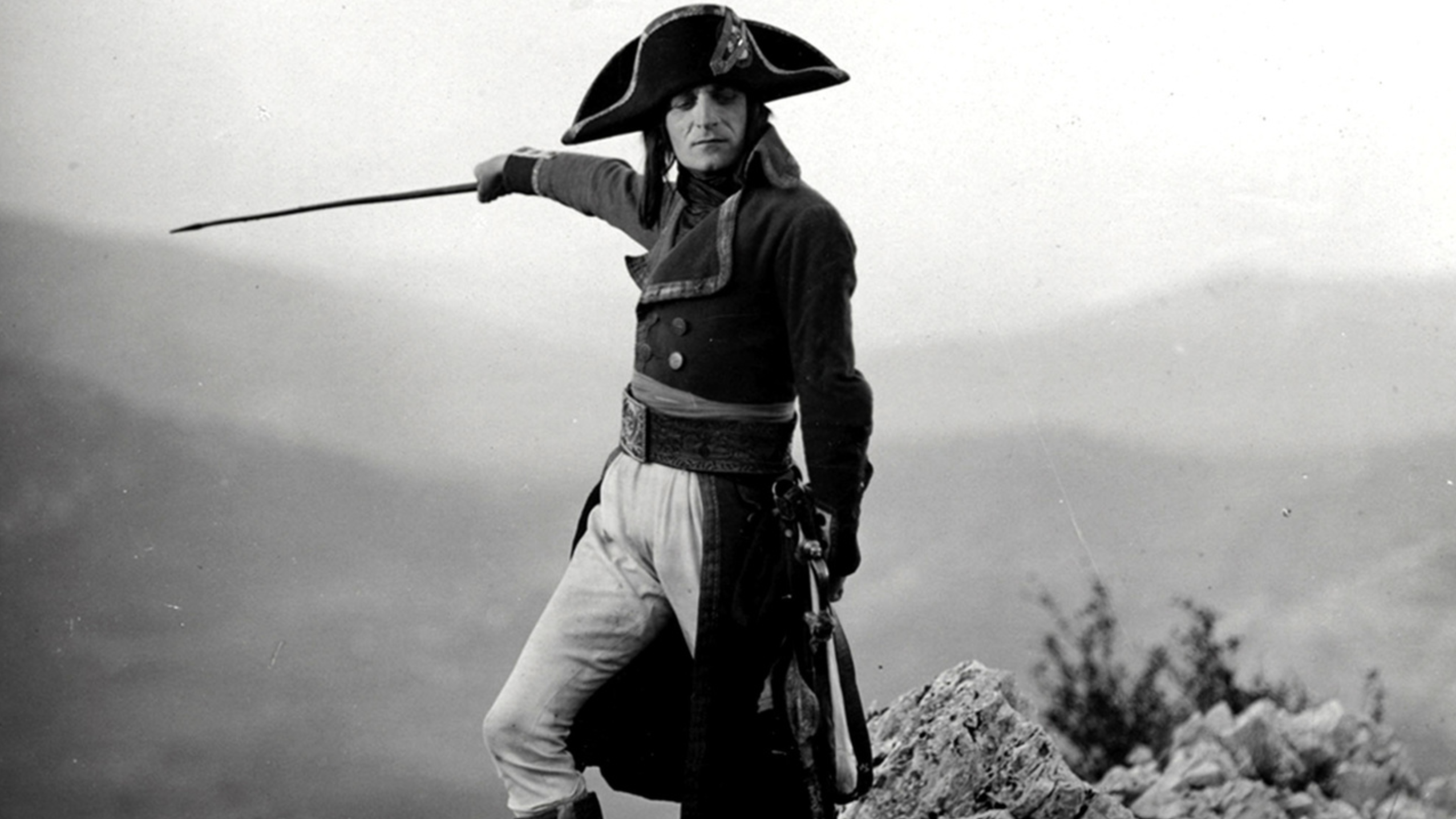
More than simply establishing a language of visual storytelling, Abel Gance pioneers cinematic techniques in Napoleon that have not been touched since, punctuating every key beat in this dense, sprawling account of the historical leader’s rise to power with epic flourishes of artistic grandeur wholly unique to his own trailblazing intuitions.

Les Vampires (1915)

In centring a shady gang of thieves known as Les Vampires that haunts Paris’ streets, Louis Feuillade crafts an epic crime serial that plays right into the pulpy sensationalism of their macabre characters, each one inhabiting their own compelling archetype within a thrilling narrative of hypnotised servants, cunning disguises, and secret poisons.

The Headless Woman (2008)

From the moment Vero hits something with her car on a rural road in The Headless Woman, every second of her waking life is haunted by guilt and paranoia, closing in around her through Lucrecia Martel’s claustrophobic camerawork that keeps us removed from definitive answers regarding who or what she might have killed.

No End (1985)

Four days on from the passing of Polish lawyer Antek in No End, his ghost still haunts his widowed wife and final client, forming the metaphorical basis of Krzysztof Kieslowski’s solemn eulogy for a defeated political movement that spiritually unites its mourners, and whose death carries demoralising implications across multiple levels of society.

Blind Chance (1981)

As one man runs towards his departing train in Blind Chance, Krzysztof Kieslowski splits his life into three separate timelines that send him down conflicting paths, thoughtfully probing metaphysical questions of fate and regret while exposing the flimsiness of political conformity in 1980s Poland.

Camera Buff (1979)

Polish factory worker Filip first picks up his camera to film the birth of his daughter, but as he grows more ambitious throughout Camera Buff, Krzysztof Kieslowski turns his tale into one of calloused obsession and denial, seeing the aspiring documentarian point his lens at everyone but himself in an effort to avoid examining his own shortcomings.

The Scar (1976)

Relative to Krzysztof Kieslowski’s great masterpieces of the 80s and 90s, The Scar is a modest piece of social realism, grounded in the details of Communist Poland’s bureaucracy and its controversial small-town development of a chemical factory that challenges one sympathetic Party member’s hopeful ideals.

The Yards (2000)

Even if The Yards is not a wholly original crime drama, it still retains a freshness in moving its study of classical corruption and redemption arcs in inverse directions, as James Gray draws heavily from The Godfather in style and narrative to closely examine a young gangster’s struggle within his corrupt family.

Incendies (2010)

The characters of Incendies contain remarkable and shocking depths, hidden not just to others but to themselves as well, and the process of uncovering these by tracing the footsteps of family history through the Middle East makes for a disturbingly revelatory journey delivered with a deft hand by Denis Villeneuve.

Fresh (2022)

Although Mimi Cave’s remarkable crafting of atmospheric tension through blood-red production design and relationship metaphors may exceed her ability to craft a wholly original story, that is all Fresh needs to pull us along in its tight, repulsive grip, where a young woman’s kidnapping at the hands of a charming, business-minded cannibal develops into a sinister, upside-down dating game.

Scroll to Top