Film Review

The Color of Pomegranates (1969)

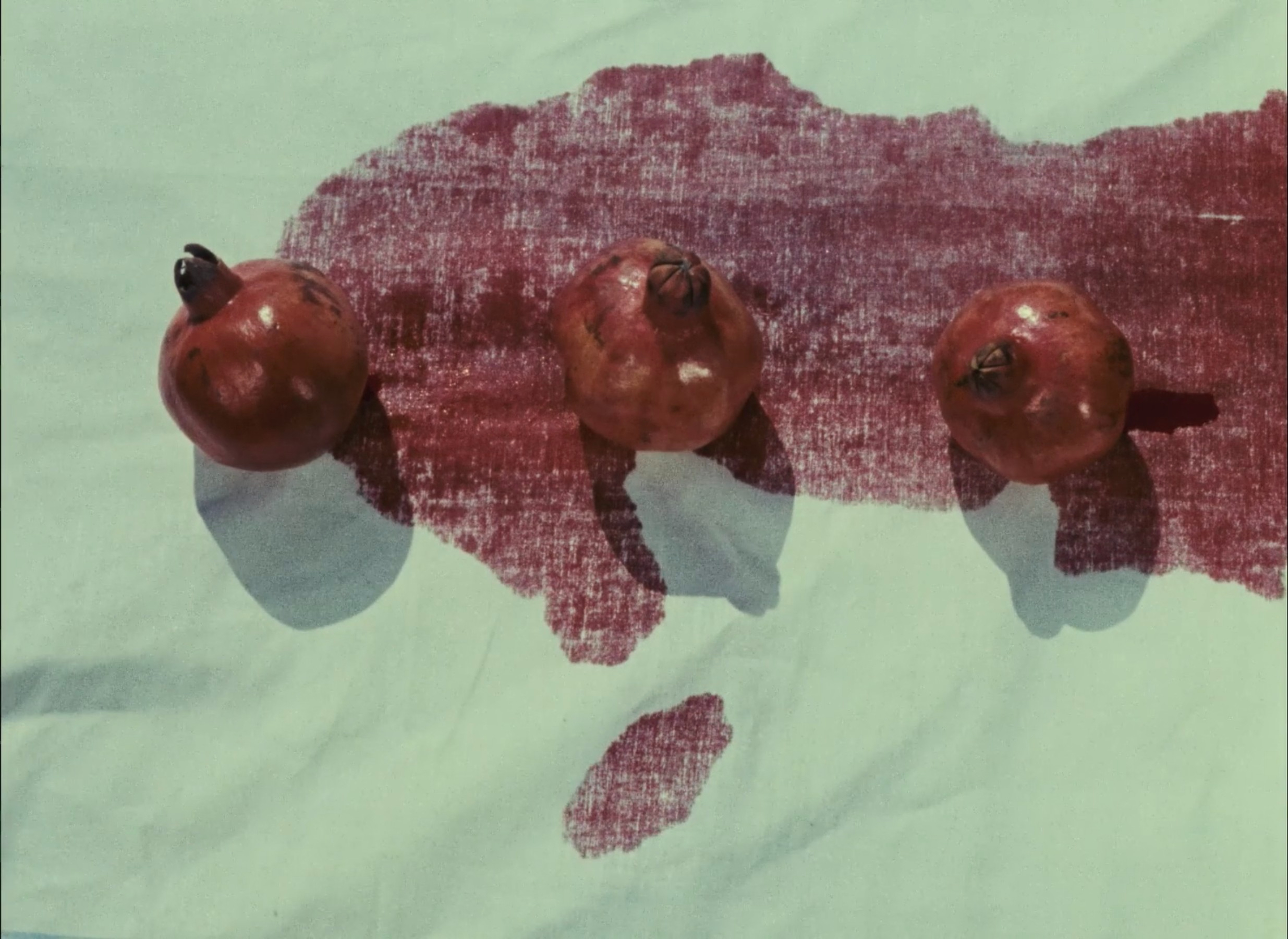
It is not the factual details of Sayat-Nova’s life that The Color of Pomegranates seeks to explore in its hypnotic surrealism, but rather his inner creativity that gave birth to such enchanting music and poetry, and it is through Sergei Parajanov’s elusive imagery that it stands as a mystifying tribute to Armenia’s rich history and culture, vibrantly independent of any political or cinematic convention.

Requiem for a Dream (2000)

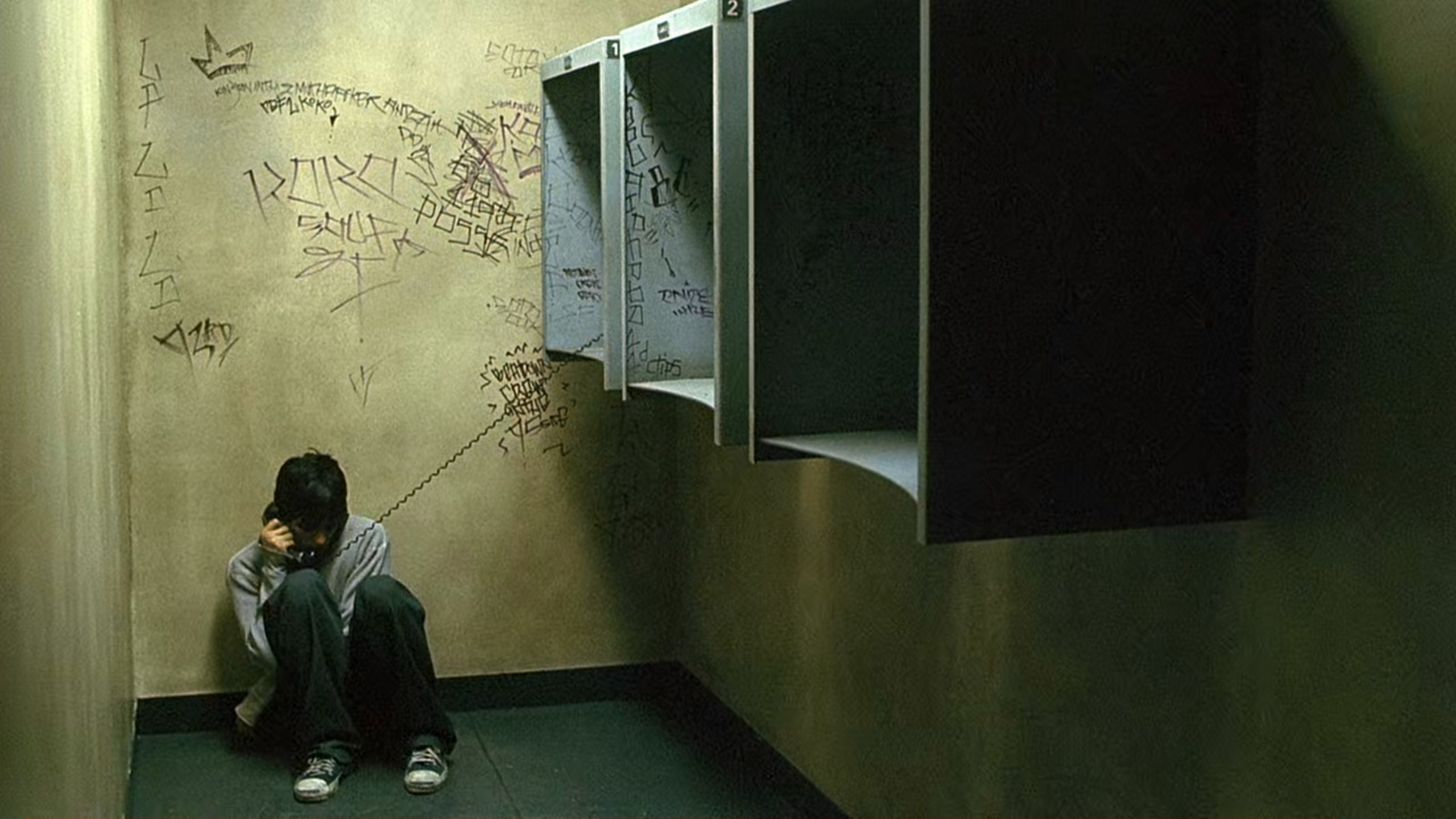
Though it mourns the souls of the deceased in the way its title suggests, Requiem for a Dream even more fully evokes a nightmare of disorientating maximalism that oversees a total degradation of humanity, as Darren Aronofsky draws on the existential horror of drug addiction in his aggressive editing to pessimistically conjure up an ensemble of tragic fates worse than death.

Midsommar (2019)

Recovering from a tragedy as horrific as that which Dani experiences in the opening minutes of Midsommar seems impossible, but even more disturbing than this crushing darkness is the insidious monster Ari Aster crafts in the dazzling, psychedelic radiance of a pagan Swedish commune, delivering a distorted catharsis from past trauma through sinister, ancient rituals.

Nope (2022)

Armed with a sharp wit and a penchant for intelligent subtext, Jordan Peele goes about examining the thread connecting humanity’s hunger for spectacle and its arrogant domination of nature in Nope, confronting us with a cosmic horror that lives in the sky above one ranch of Hollywood animal trainers.

Something Wild (1986)

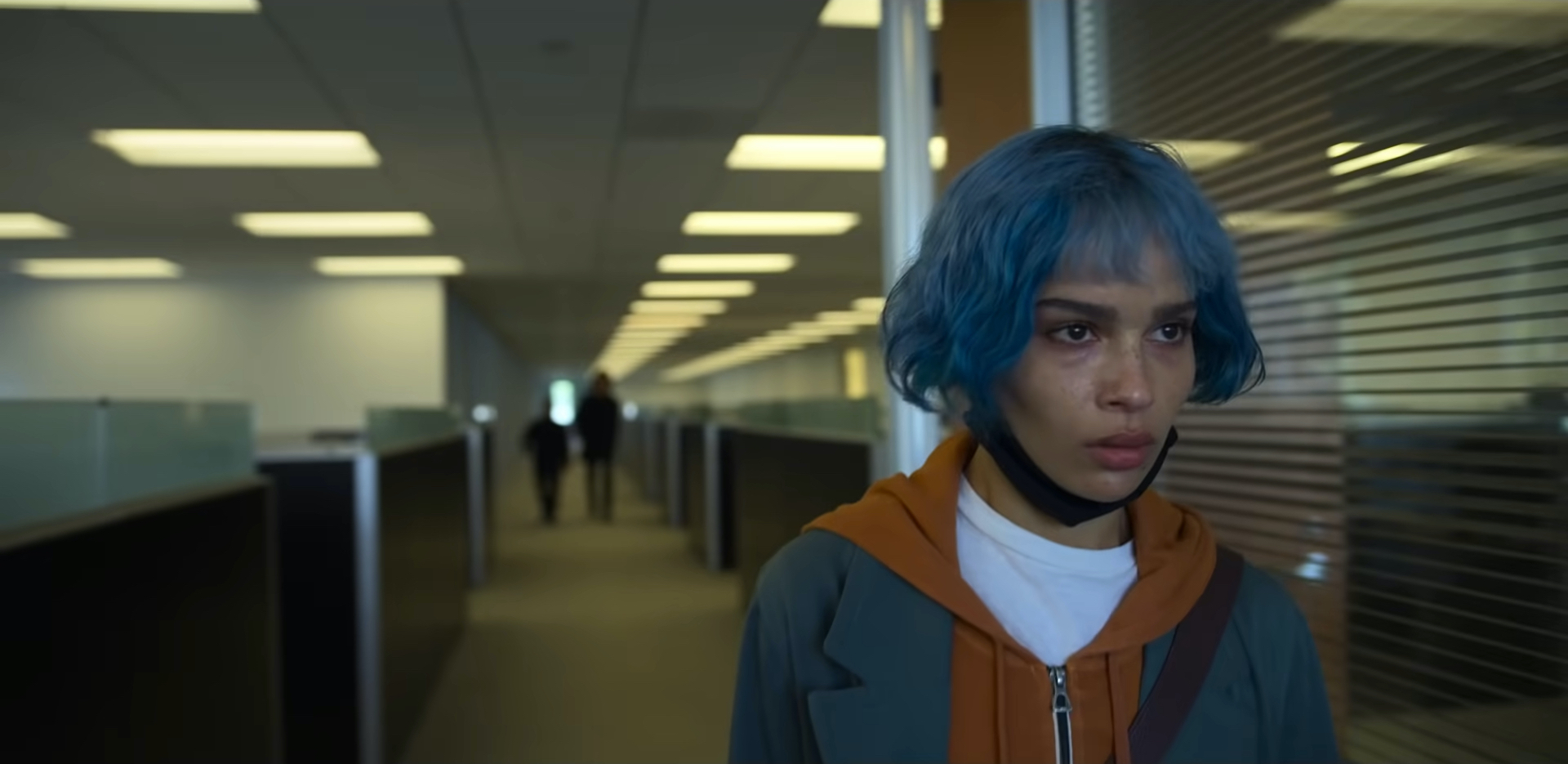
A sudden immersion into the screwball comedy genre might be the perfect challenge to the stagnant lifestyle of middle-class yuppie Charlie, as through his impromptu road trip with the freewheeling Lulu, Jonathan Demme sends Something Wild spinning off in hilarious and terrifying directions, drawing us into the orbit of characters trying to reconcile their own contradictory, innate desires.

The Cook, The Thief, His Wife & Her Lover (1989)

While The Cook, The Thief, His Wife & Her Lover’s indictments of Thatcherism’s anti-intellectualism operate as a sharp political allegory in the vein of George Orwell, Peter Greenaway’s opulent Baroque aesthetic lifts it to another transcendent level altogether, transforming a restaurant into a gallery of vivid tableaux illustrating the horrific abuses of one gangster’s despicably gluttonous conquest.

Mr. Turner (2014)

On every level of its stylistic construction, Mr. Turner inhabits the watercolours of its titular historical painter with ethereal elegance, and though this exquisite aesthetic initially seems at odds with the coarse, prickly figure at its centre, Mike Leigh’s exceptional orchestration of such beautiful contradictions affectingly reveals the complex creative processes shared by both artists.

Fitzcarraldo (1982)

In Fitzcarraldo’s absurd dream of building an opera house in the Amazon jungle and his even stranger endeavour of hauling a giant steamship up a mountain, Werner Herzog centres him as a tragic figure in an epic fable of extraordinary ambition, fully consuming his mind with a megalomania that threatens the foundations of his own conceited, fragile mortality.

The Master (2012)

The inverted journeys of self-control and surrender that lonely drifter Freddie Quell and cult leader Lancaster Dodd travel along go beyond excellent screenwriting, but also affirm The Master’s extraordinary formal achievement, as Paul Thomas Anderson layers every single interaction with patterns that elusively float these soulmates through a post-war America lost in its identity.

The Thin Red Line (1998)

There is a jarring contrast between Terrence Malick’s violent imagery and his affecting spiritual expressions in The Thin Red Line, but it is exactly this disparity upon which he hinges his condemnation of war as an ugly stain on the natural world, playing out the human struggle between dominance and grace through stirring, lyrical rhythms.

Scroll to Top