Film Review

It Rains On Our Love (1946)

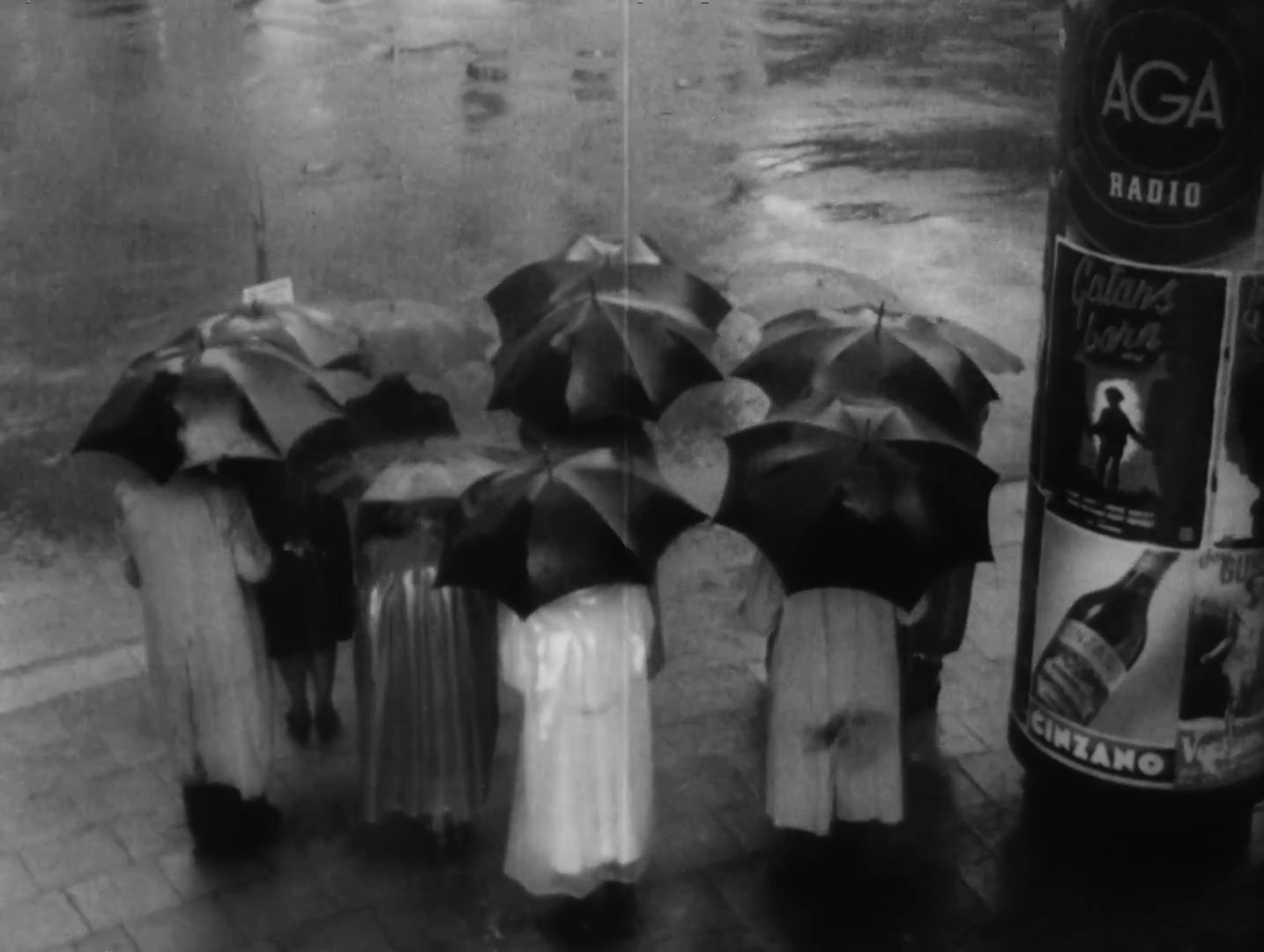
Ingmar Bergman screenplays are rarely so blunt as the melodrama he delivers in It Always Rains on Our Love, and yet the touch of magical realism he injects into this fable of endless hardships is charming nonetheless, formally rounding out a heartfelt call for compassion towards society’s young outcasts.
Total Recall (1990)

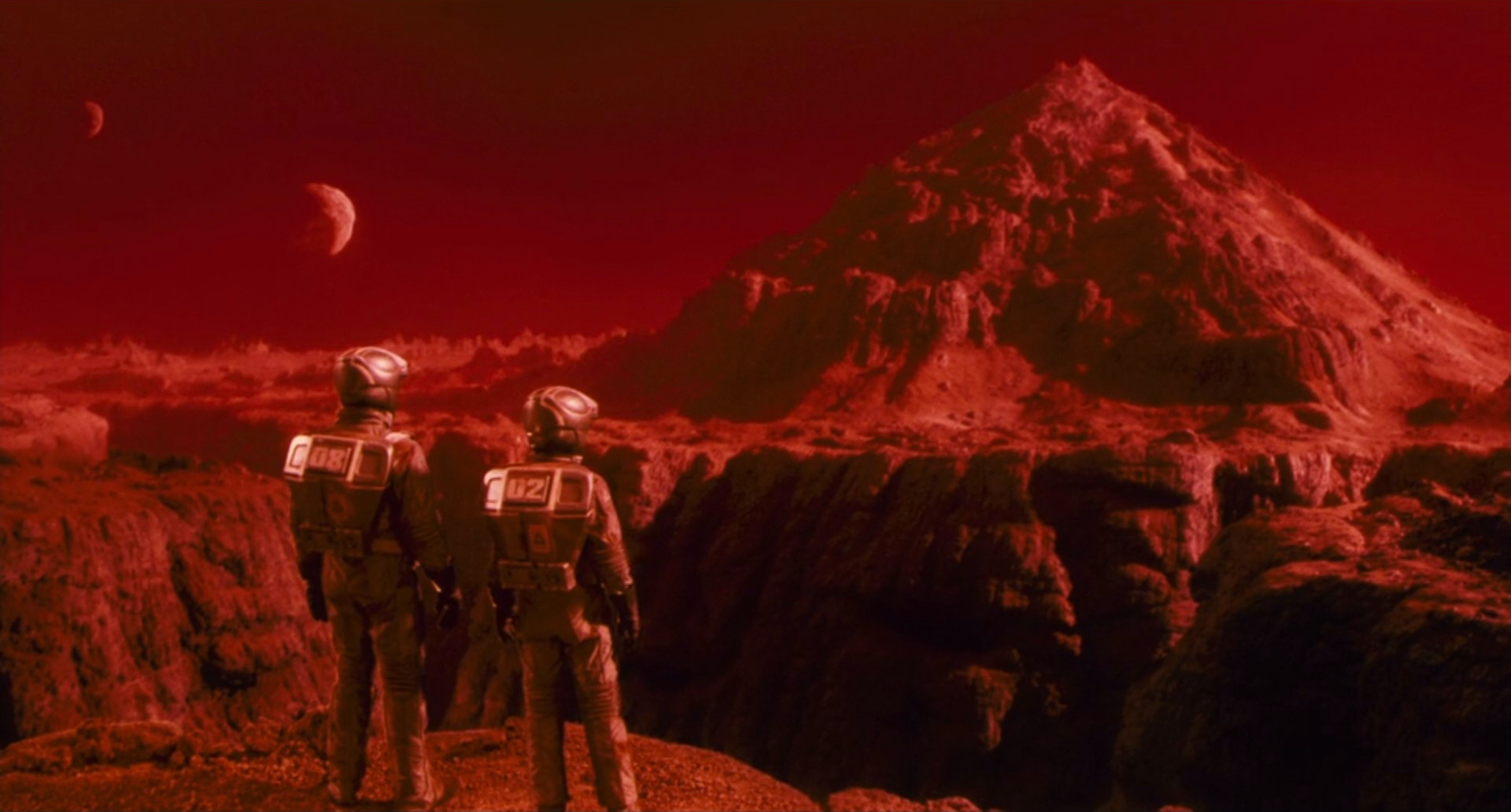
Even in his escapist storytelling, Paul Verhoeven still finds a way to let the philosophical questions of identity and perception uncomfortably linger in our minds, sweeping us away on Total Recall’s waves of outlandish retrofuturism and thrilling set pieces that lead us into the depths of a Martian conspiracy, though never letting us forget the existential possibility of its unreality.

Punch-Drunk Love (2002)

Random chaos defines Barry Egan’s world in Punch-Drunk Love, reaching out across his work and personal life to diminish his meek existence, and yet there is a balanced coordination across every level of Paul Thomas Anderson’s incredibly formal filmmaking in this offbeat romantic comedy that finds colourful, delicate harmony among the dissonance.

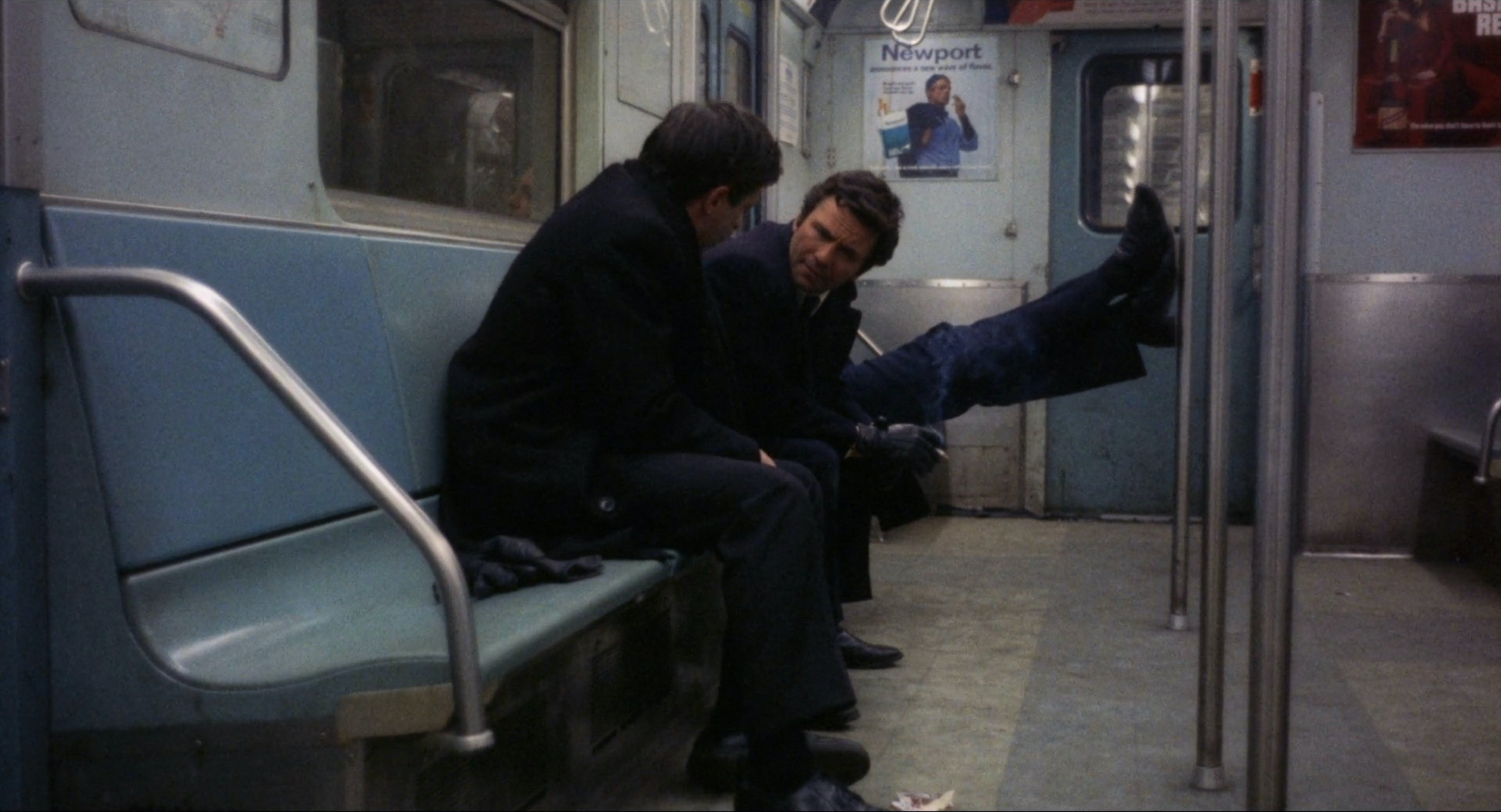
Husbands (1970)

As the title Husbands might suggest, wives are largely absent from the efforts of these emotionally inept men to deal with the repressed grief of losing a friend, thereby letting John Cassavetes’ plotless realism and intrusive camera uncomfortably linger on its exhausting portrait of middle-aged, toxic masculinity.

The Big Sleep (1946)

Howard Hawks wields his convoluted narrative like a weapon in The Big Sleep, where fatalistic forces wind together in a treacherous labyrinth seeking to ensnare Humphrey Bogart’s cynical private detective, Phillip Marlowe, thereby immersing us into a gloriously pulpy film noir that sizzles with sexual innuendoes and coy provocations.

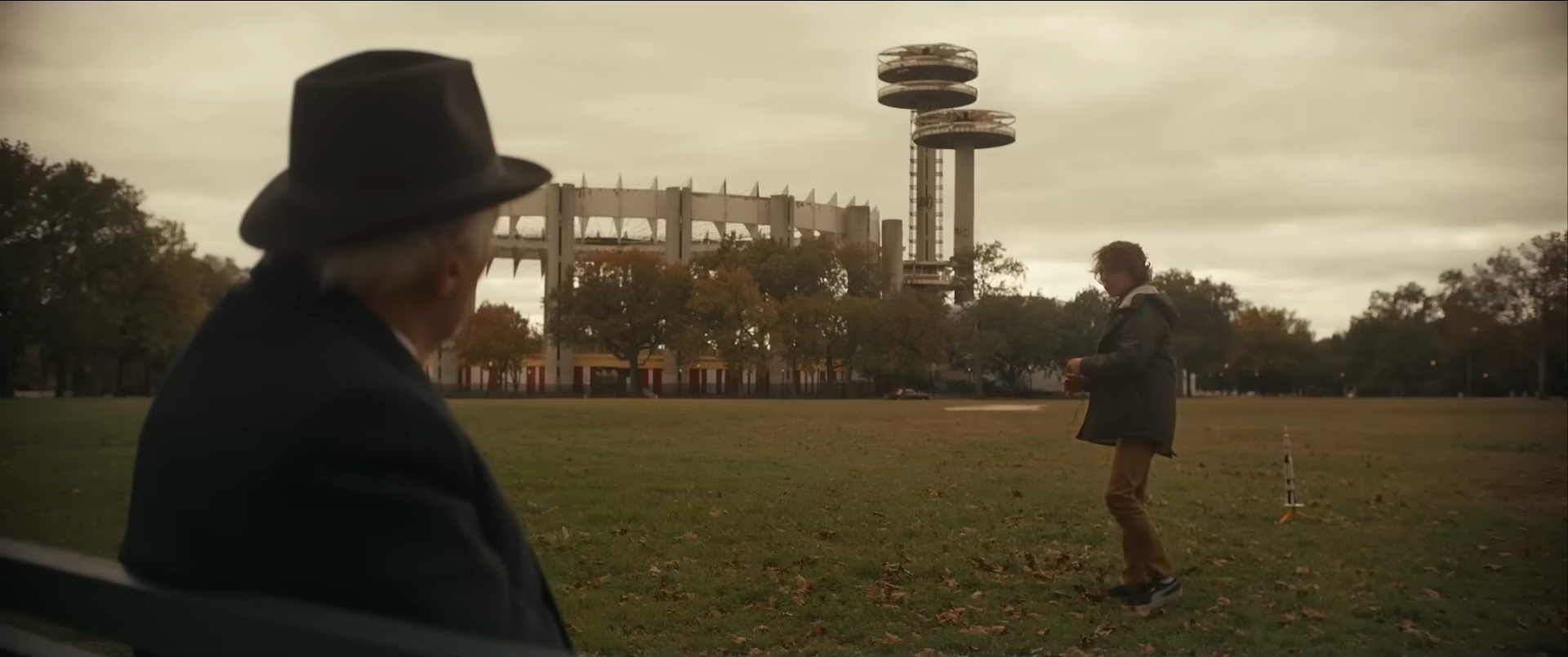
Armageddon Time (2022)

In his light sepia filter and lavish retro design of 1980s New York, James Gray infuses Armageddon Time with a nostalgia that could only exist in the eyes of a child as innocent as him, thoughtfully examining a survivor’s guilt that echoes across generations of inherited privilege, prejudice, and the cultural weight of Jewish history.

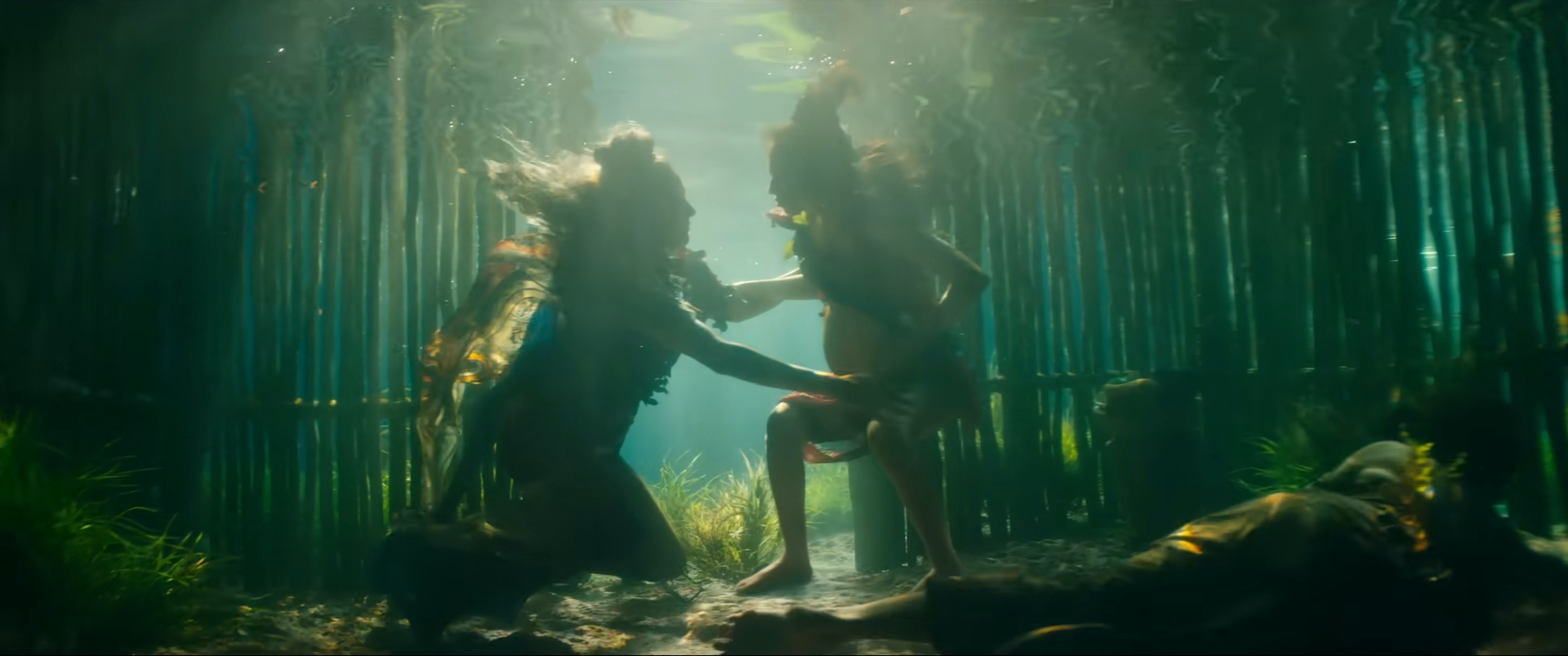
Black Panther: Wakanda Forever (2022)

The outpouring of grief felt in Black Panther: Wakanda Forever is a refreshingly sincere change of pace for Marvel Studios, as Ryan Coogler’s heartfelt eulogising for his late friend underscores new political tensions in Wakanda and the sophisticated world-building of a hidden, underwater kingdom, delivering a visual majesty that sensitively reflects on what has been lost.

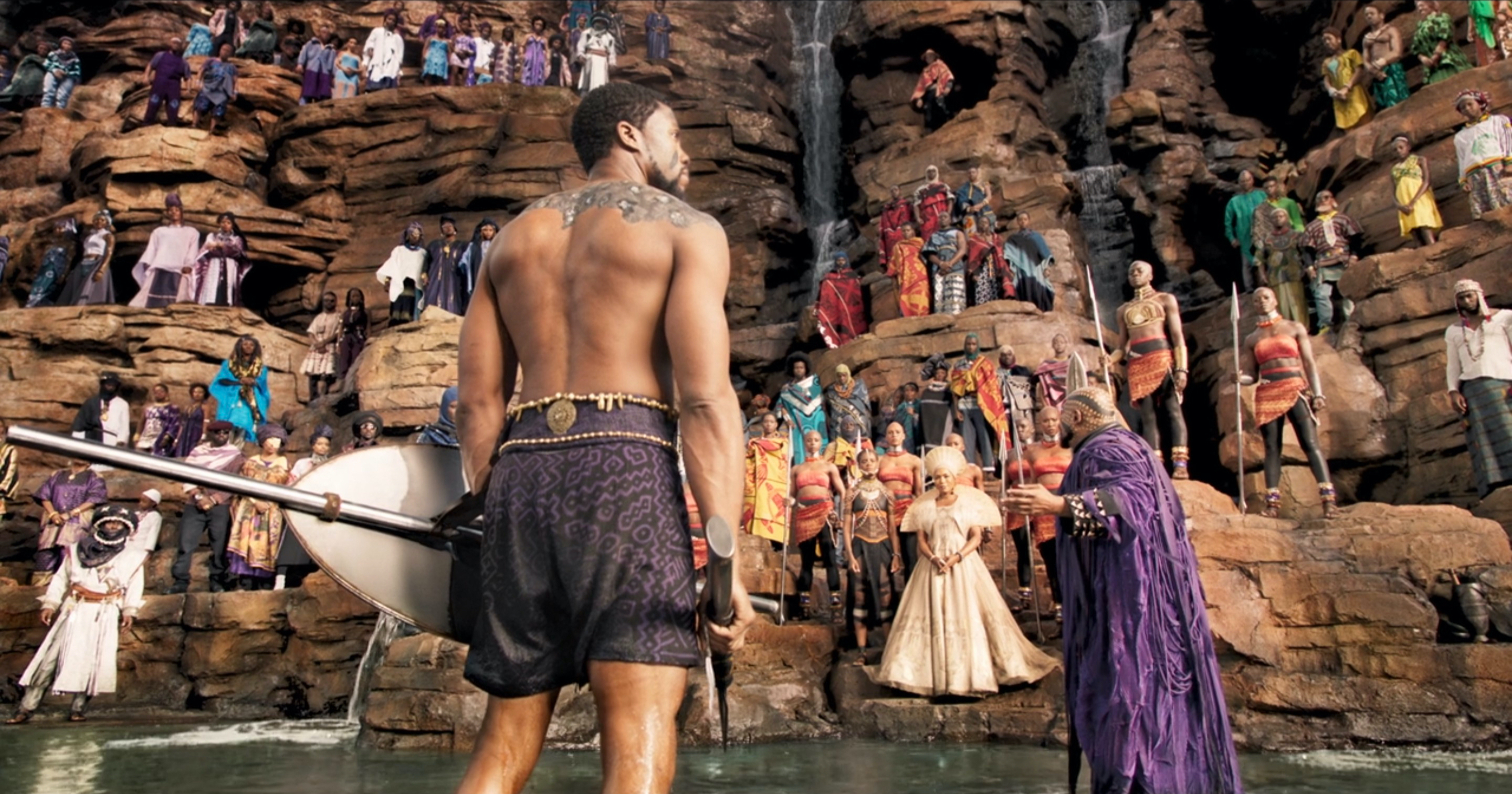
Black Panther (2018)

Black Panther may not entirely break the mould of its genre, but Ryan Coogler’s rich world-building and thoughtful characterisations offer new depths to familiar superhero archetypes, grounding its conflict surrounding the distribution of Black resources within a vibrantly drawn, Afro-futurist kingdom of ancient rituals and modern politics.

Charade (1963)

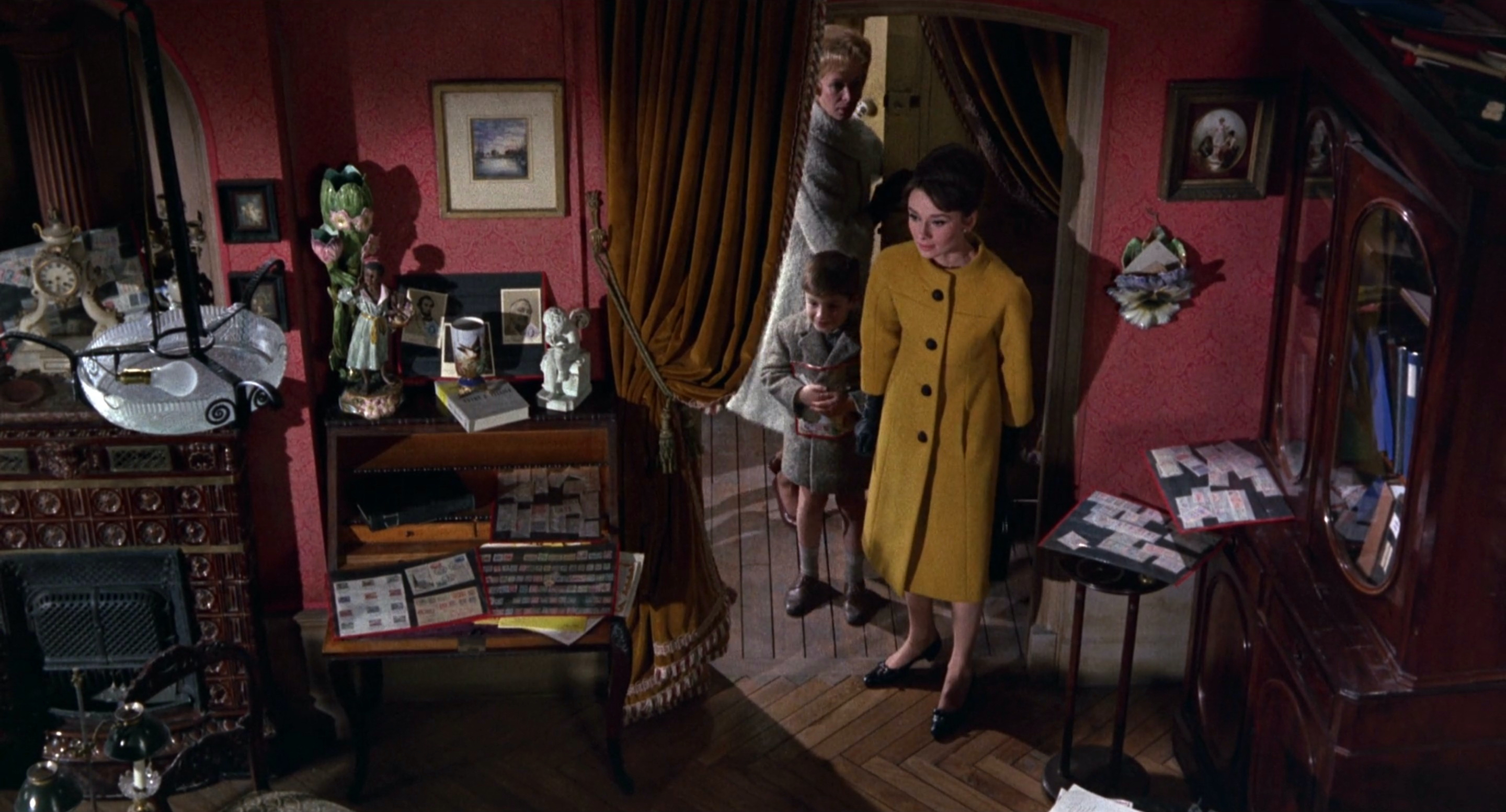
Stanley Donen’s eclectic mix of calculated plotting, screwball antics, and authentic location shooting makes for a fascinating blend of tones in Charade, and yet he skilfully integrates all three with playful ease, infusing its Hitchcockian espionage narrative with an air of Parisian romance and peril.

Love Me Tonight (1932)

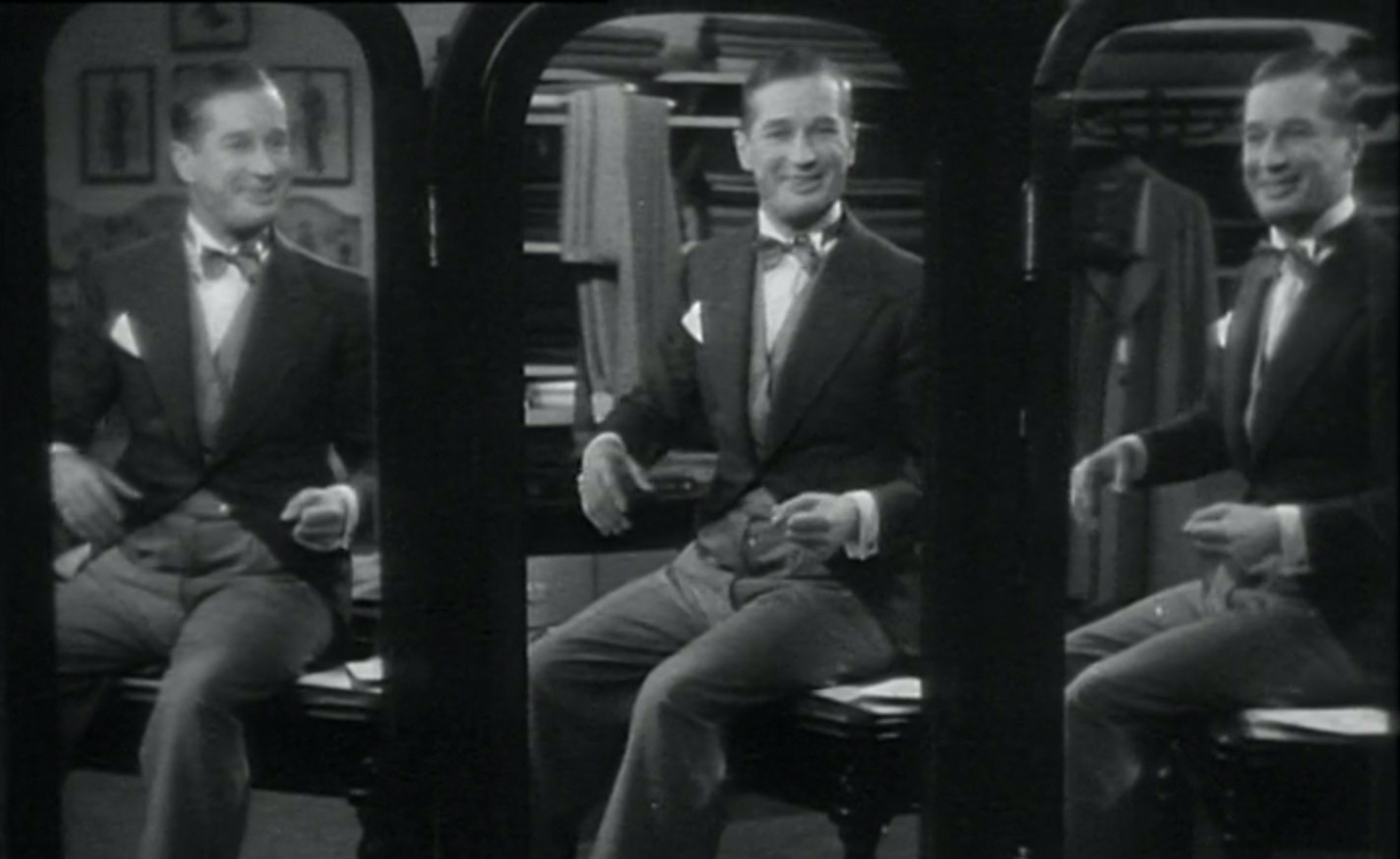
Blowing in the wind through the French cities and royal castles of Love Me Tonight, Rouben Mamoulian’s infectious melodic motifs unite distant characters from across class boundaries under stirring expressions of love, carrying a narrative dexterity and formal texture that canonises this early movie-musical as one of cinema’s great fairy tales.

Scroll to Top