Film Review

Triangle of Sadness (2022)

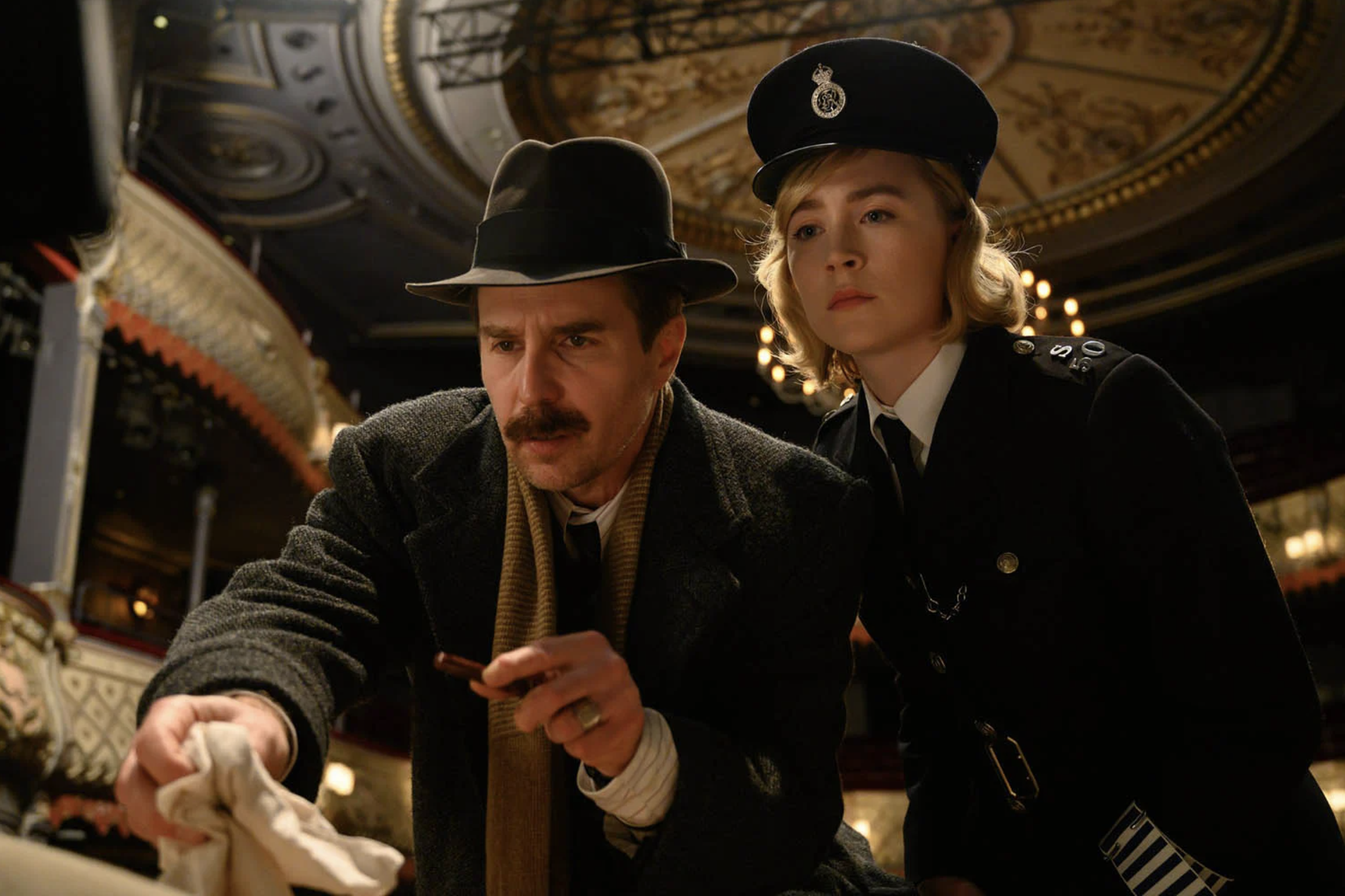
Each time we are convinced that the luxury cruise vacation in Triangle of Sadness has hit rock bottom, Ruben Östlund torments his eccentric ensemble of millionaires, influencers, and service workers with yet another horrific development, satirising the extravagant worlds of the ultra-wealthy with a darkly subversive wit and explosively foul set pieces.

To Joy (1950)

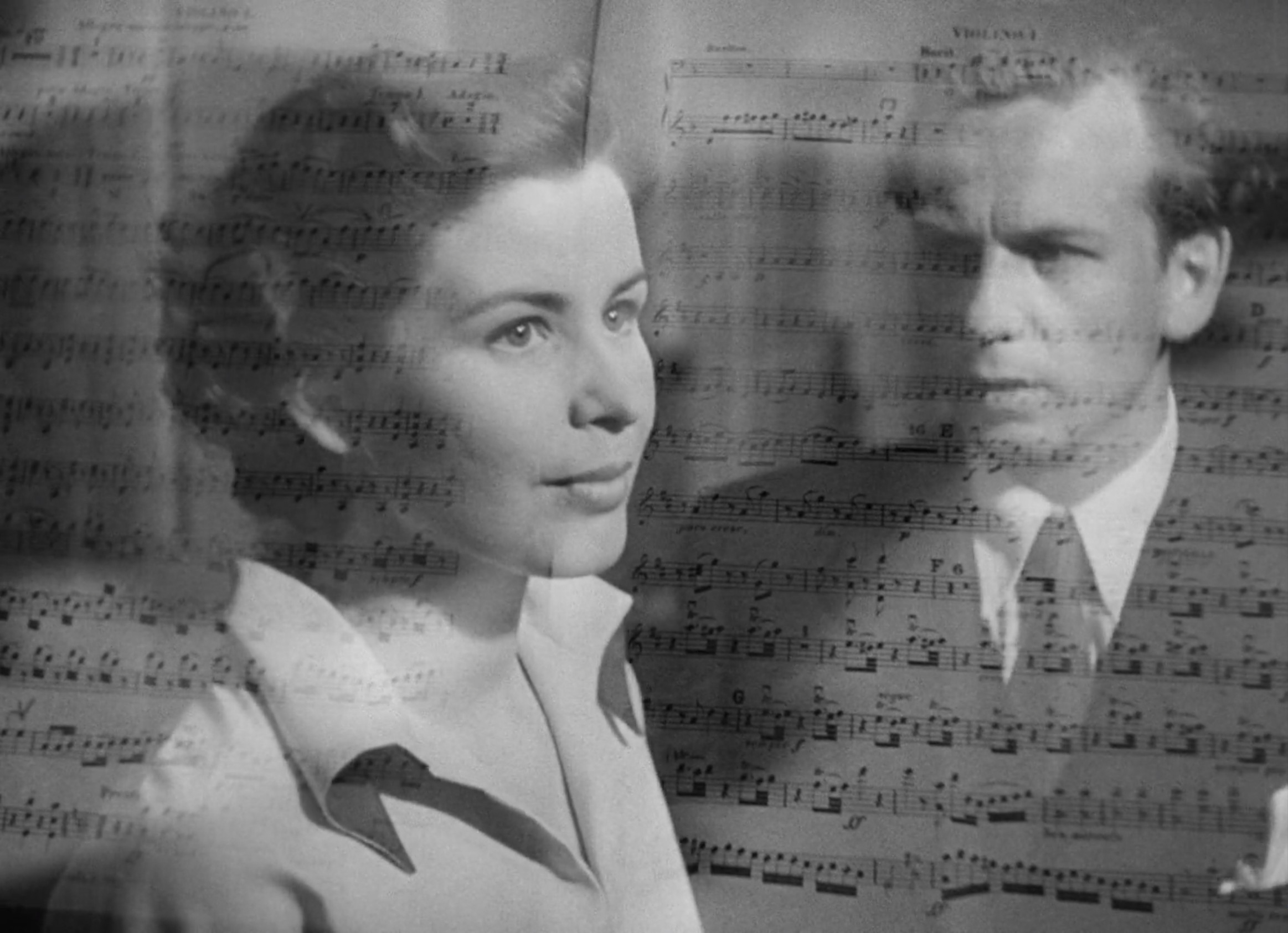
Ingmar Bergman’s tribute to artistic expressions that speak directly to the human soul resonate loudly all through To Joy’s visual and musical orchestrations, each one harmonising to pinpoint the intersection of love, tragedy, and wistful longing shared by two married violinists and their perfectionistic, fatherly conductor.

Thirst (1949)

As Bertil and Rut ride a train through a war-ravaged Europe in Thirst, the nostalgic affairs and heartbreaking traumas of their past rise to the surface in uneasy flashbacks, bringing a faintly nightmarish edge to their festered love which Ingmar Bergman contains within claustrophobic interiors, seeing them viciously pour their frustrations out onto each other.

All Quiet on the Western Front (2022)

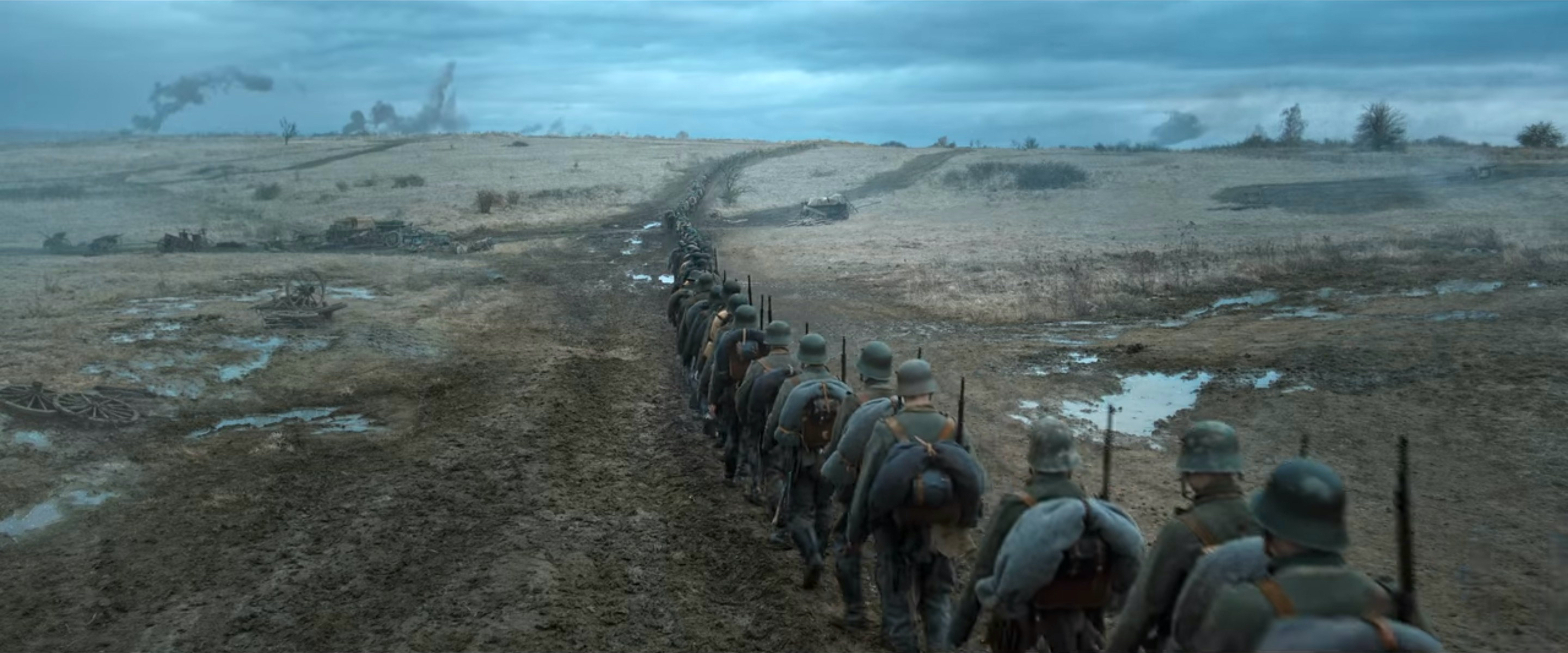
The violent sounds of battle may be confronting to hear, but in Edward Berger’s take on All Quiet on the Western Front, the true tragedy of war emerges in the still, lifeless aftermath where grief is born, painting out World War I’s carnage in scenes of harrowing beauty, and centring a group of traumatised German soldiers trying to survive the last few weeks before armistice.

Chimes at Midnight (1965)

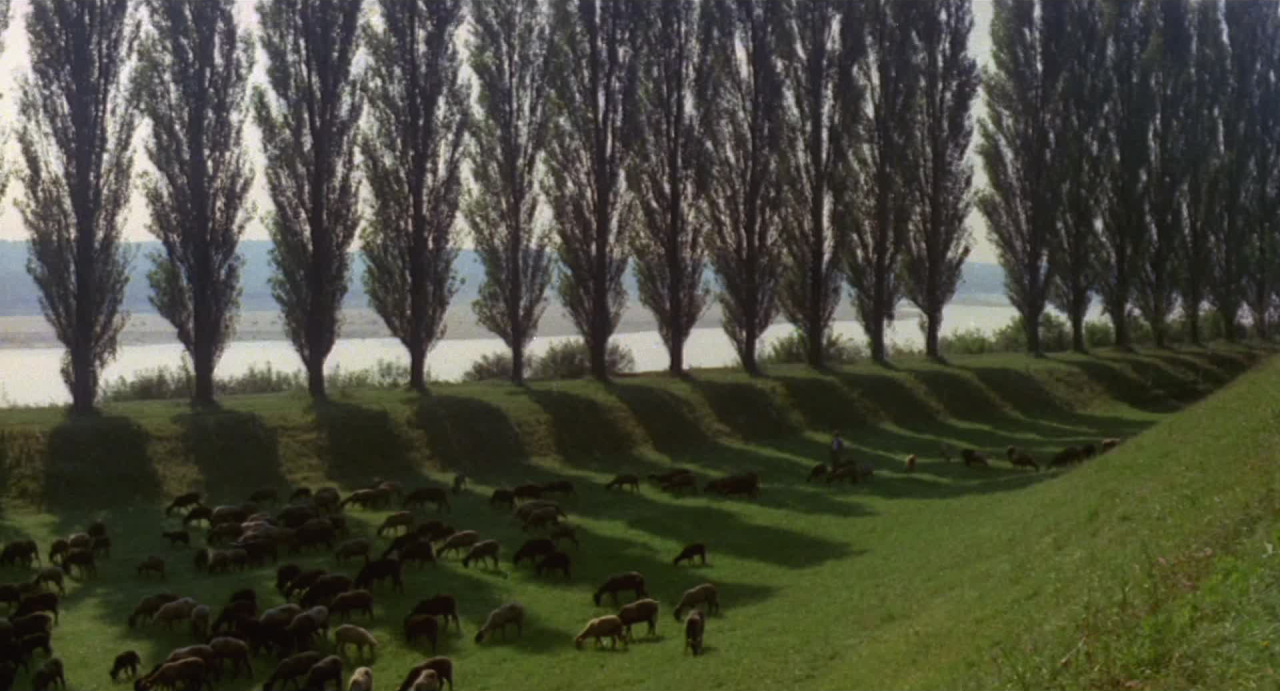
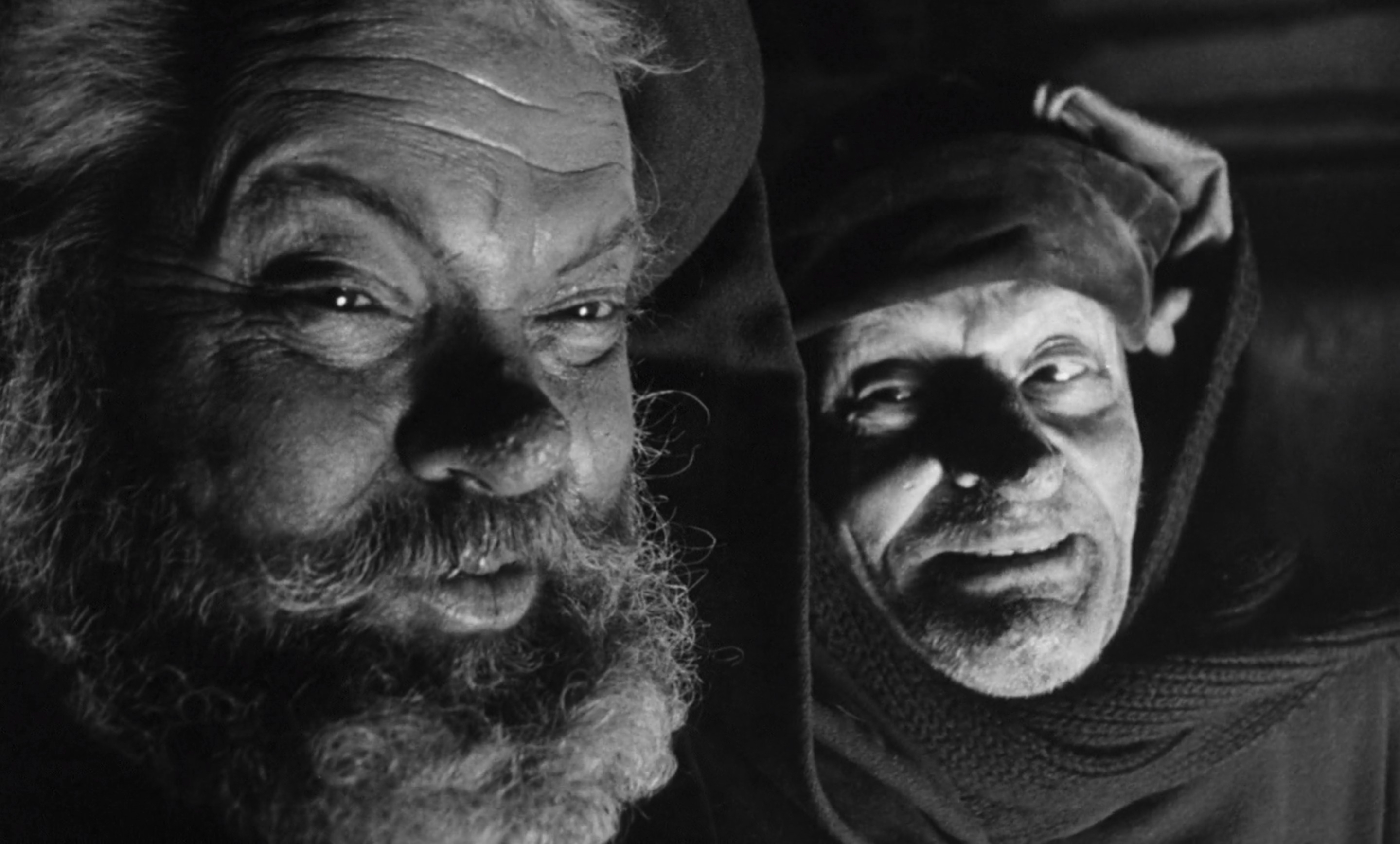
As he is written in Shakespeare’s works, the drunk, buffoonish Sir John Falstaff is a minor character, and yet in rearranging his scenes from multiple plays into Chimes at Midnight’s compelling tragicomedy, Orson Welles compellingly peels back the layers of his carefree hedonism, resourcefully reinventing the Bard’s classical narrative structures and archetypes as he goes.

The Fabelmans (2022)

Despite the odd flash of visual inspiration and dissection of cinema’s raw power, The Fabelmans is not so interested in pushing formal boundaries than offering a pure insight into the youth of its own director, Steven Spielberg, whose memories, fears, and passions eloquently flow through what is his most personal film yet.

Seconds (1966)

In the absurd, Kafkaesque nightmare of Seconds, rebirth into a new body and life is a prospect that only the wealthy can afford, though what starts as high-concept sci-fi is transformed into psychological horror under the steady hand of John Frankenheimer, whose intrusive camerawork and unsettling narrative carves out existential musings over the source of human misery.

The Man Who Fell to Earth (1976)

The title The Man Who Fell to Earth may suggest a science-fiction tale of great wonder, but in skilfully piecing together an eccentric array of montages, flashbacks, and cutaways, Nicolas Roeg seeks to understand David Bowie’s androgynous extra-terrestrial from a more sociological perspective, literalising the alienation felt by citizens of a material, modern world.

Funny Girl (1968)

Whatever compassionate respect that comedienne and Broadway star Fanny Brice was denied in her lifetime, Barbara Streisand and William Wyler make up for in their representation of her as a sensitively layered figure in Funny Girl, radiating an upbeat irreverence and vibrant musicality out from this subversive innovator of women’s roles in American entertainment.

Port of Call (1948)

Romantic melodrama may be the basis of Port of Call’s romantic storyline, and yet in the authentic location shooting and miserable suffering of its suicidal protagonist, Ingmar Bergman imbues it with a discomforting grit inspired by Italy’s neorealist movement, setting in a bleak tone that sees old traumas surface and threaten the chance for new beginnings.

Scroll to Top