Film Review

The English Patient (1996)

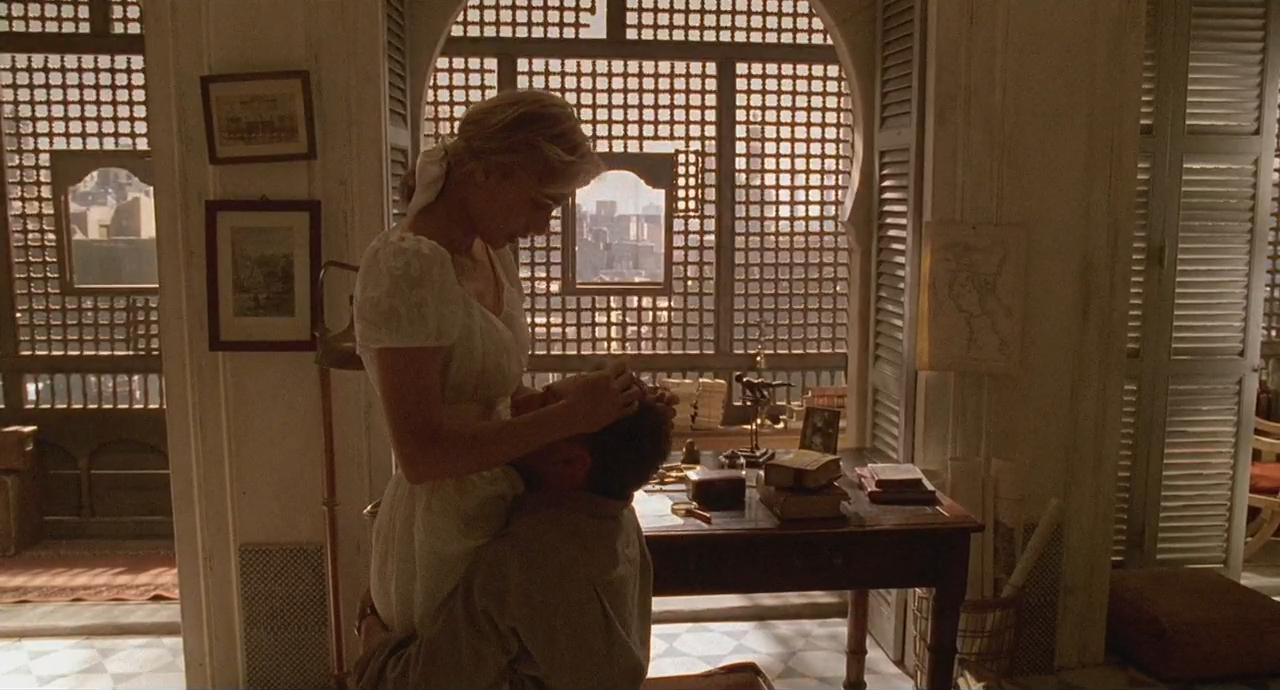
Wistful memories and melancholy regrets swirl all through The English Patient’s vast, time-leaping narrative, developing its gentle ruminations over national identity into a historical epic of extraordinary beauty, as Anthony Minghella uses the sprawling emptiness of the desert to underscore the majesty and romance of the larger-than-life characters traversing it.

Broken Blossoms (1919)

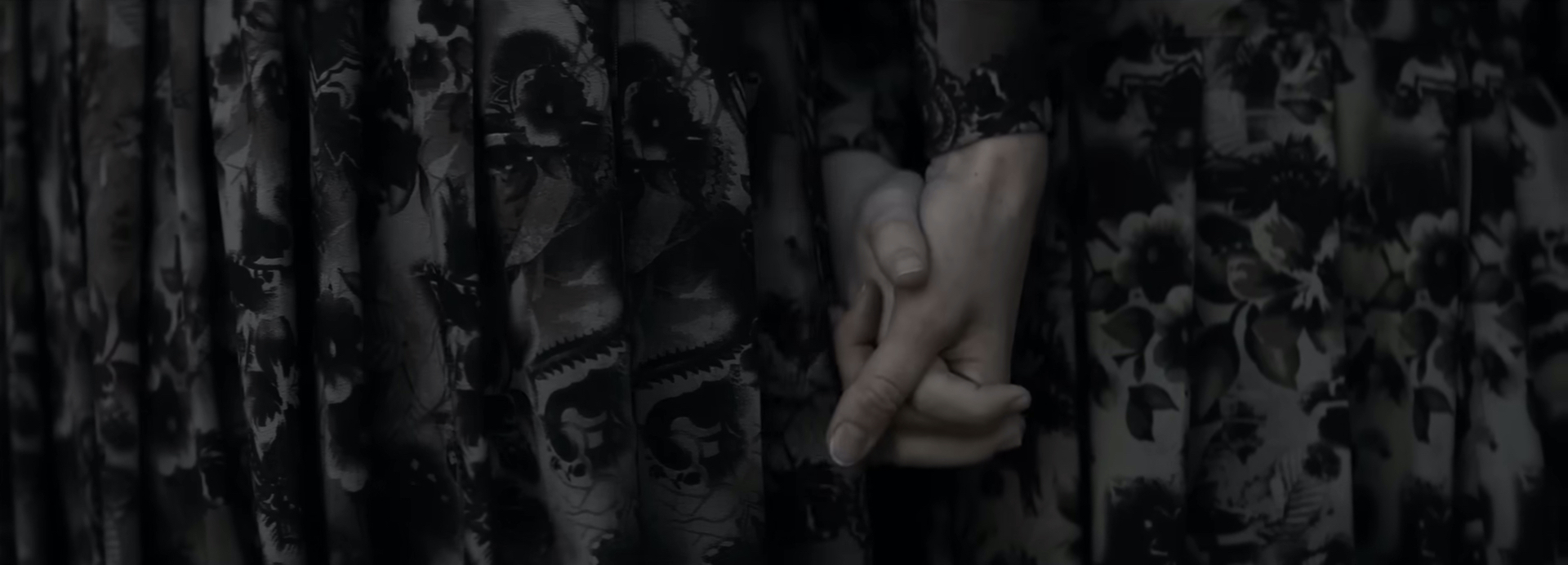
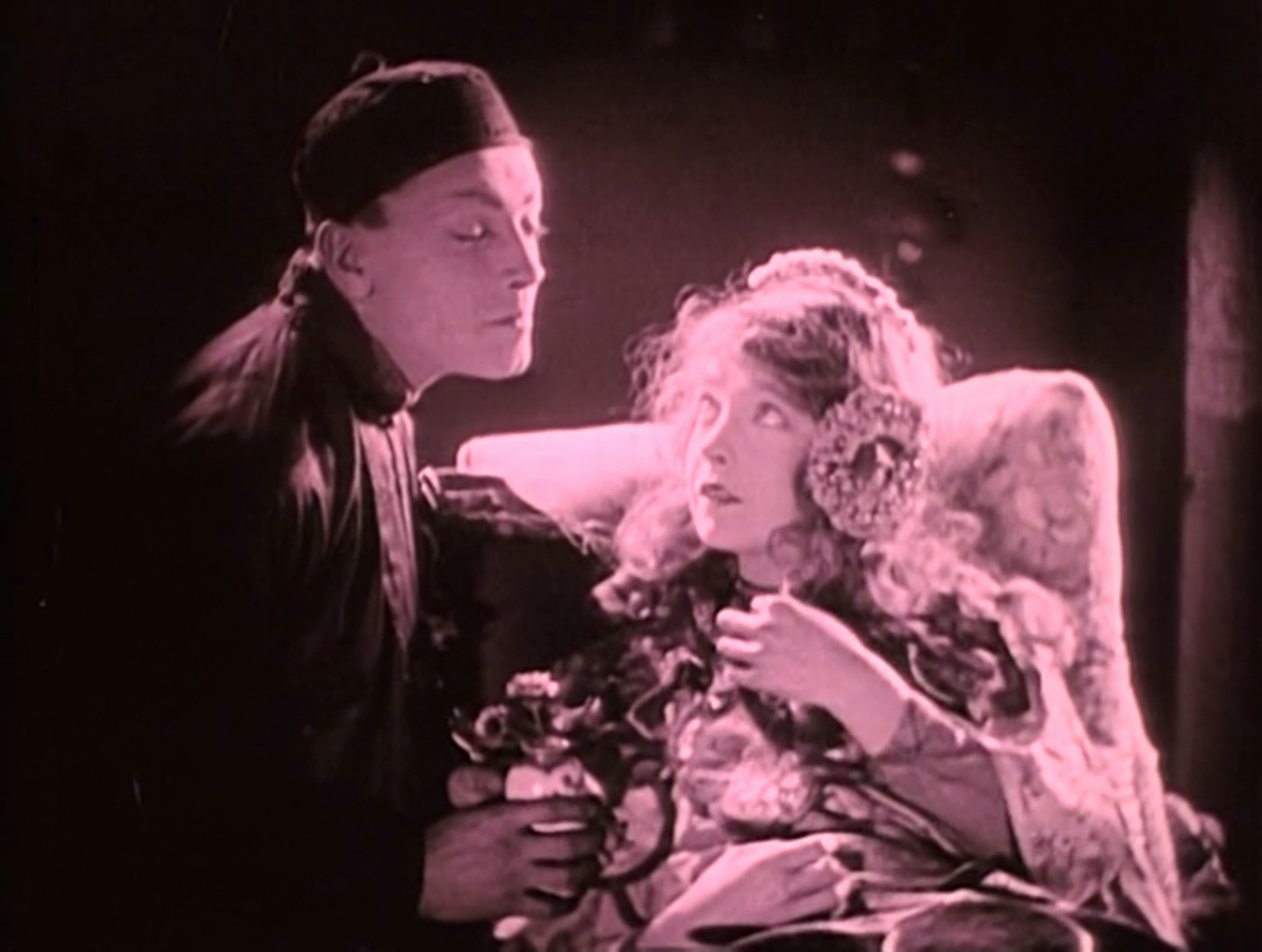
Broken Blossoms may be a simple, tragic fable of ill-fated lovers, though such eloquent visual poetry refreshes its archetypes through crisp close-ups and propulsive editing, inviting the sort of intimacy that D.W. Griffith alone realised in these early years of cinema was uniquely suited to this young, nascent artform.

Bellissima (1951)

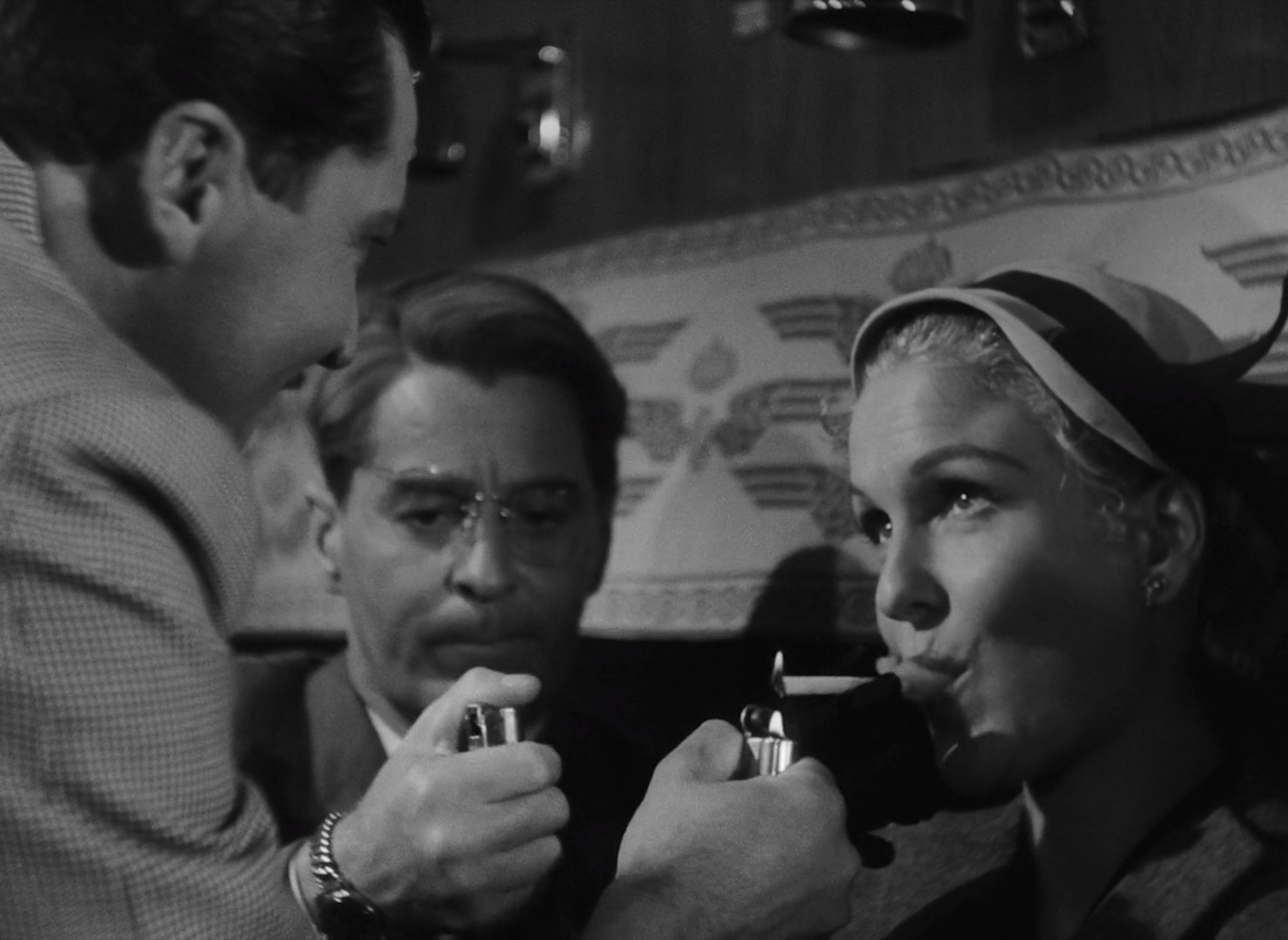
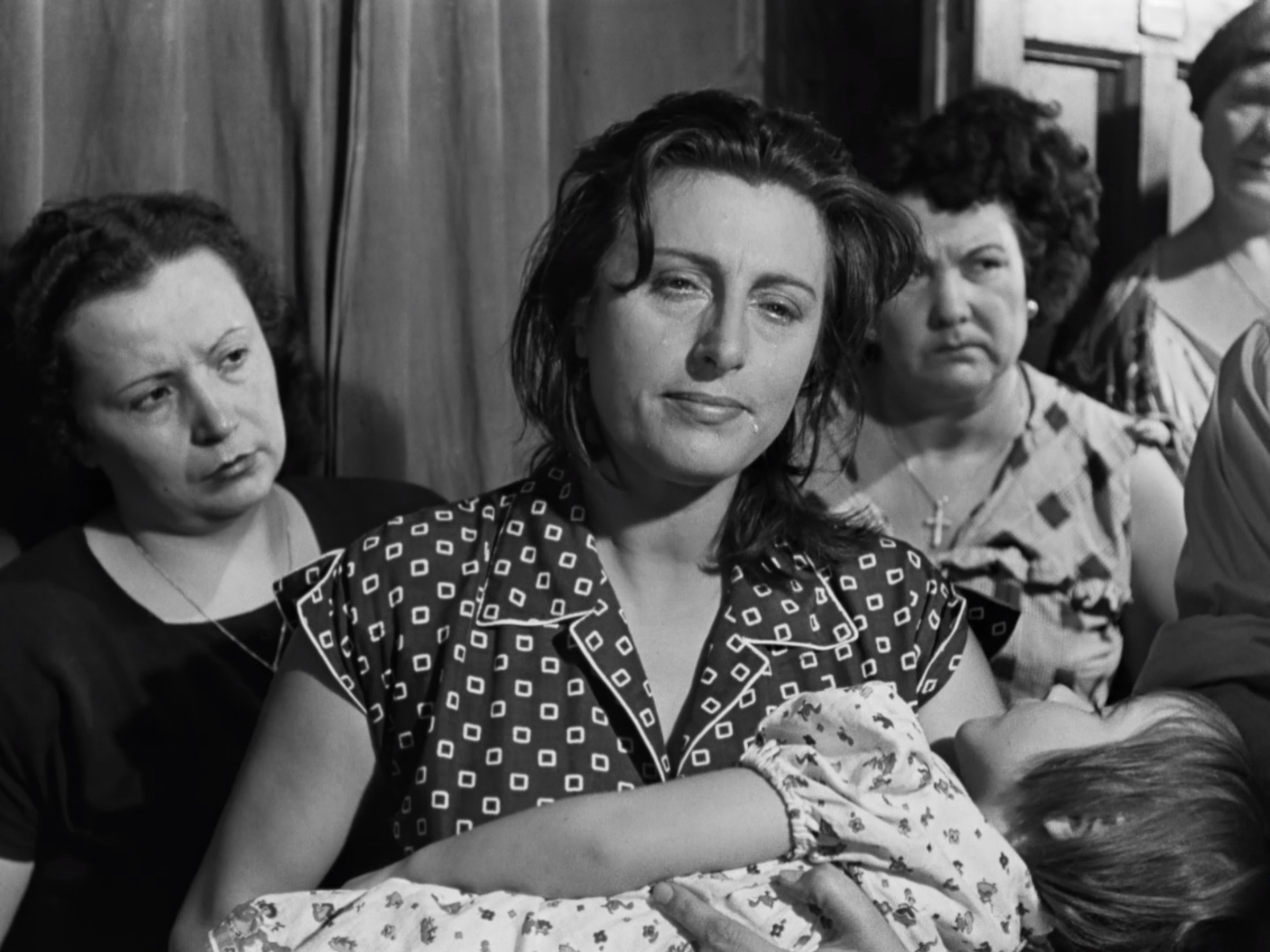
In Bellissima’s unconventional blend of Italian neorealism and comedic satire, Luchino Visconti takes sharp aim at the ludicrous glorification of the entertainment industry, identifying an authentic connection between one effusive show mum’s pursuit of stardom for her daughter, and her struggles of post-war poverty.

4 Months, 3 Weeks and 2 Days (2007)

Leading the peak of the Romanian New Wave, Cristian Mungiu turns his government’s historic oppression into the pervasive, unseen antagonist of 4 Months, 3 Weeks and 2 Days, haunting the dangerous attempts of two women to secure an illegal abortion with a passive cruelty that lingers in long takes, and holds us in its tight, uncompromising stranglehold.

Summer with Monika (1953)

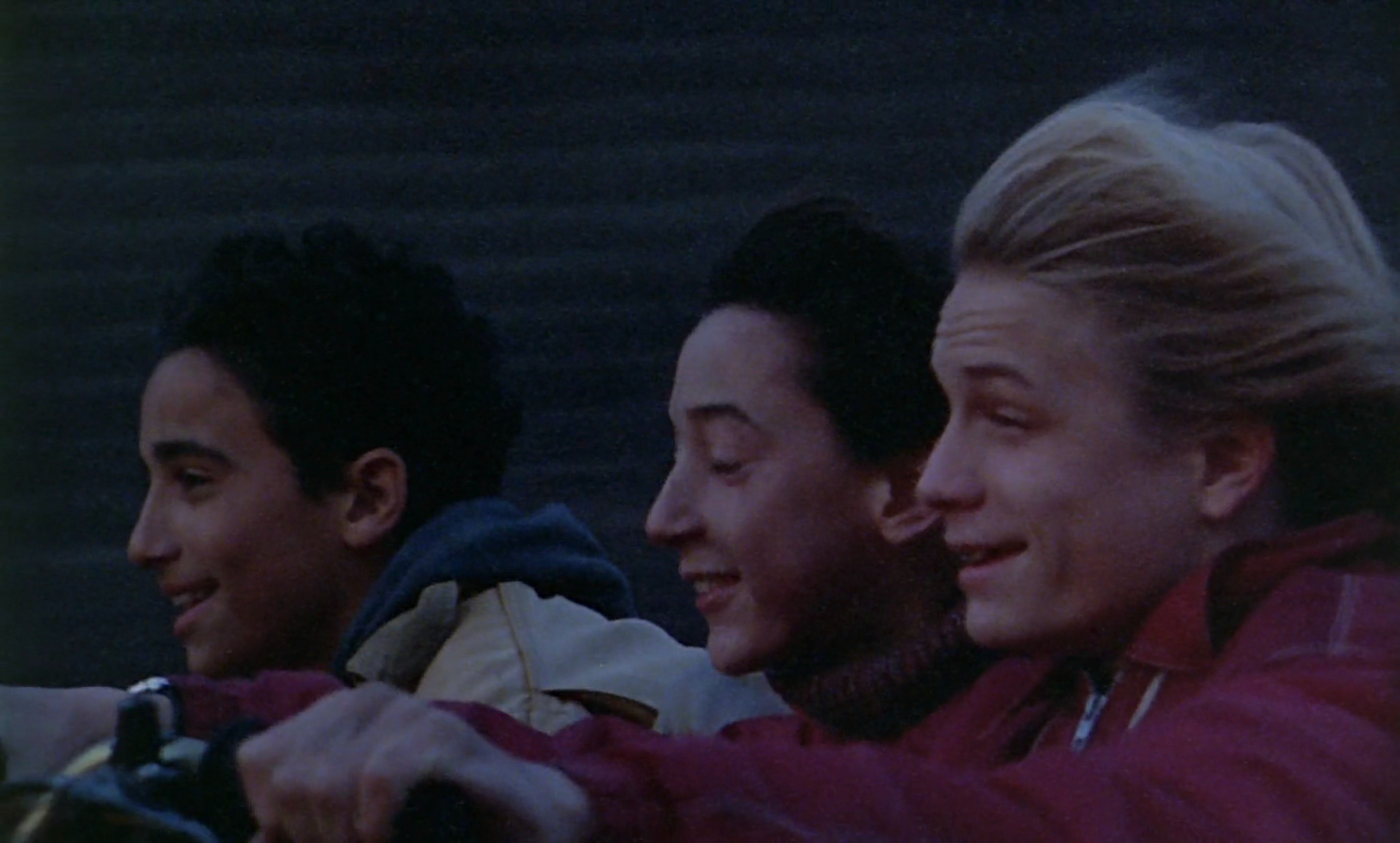
Ingmar Bergman guarantees the loss of youthful innocence in Summer with Monika as sure as seasonal changes, contrasting the light nostalgia of a gleeful escape against the demoralising fatigue of contrived, urban living by studying the expressive contours of his young lovers’ faces, poignantly recognising what modern society has so cruelly stolen from them.

Unforgiven (1992)

Unforgiven is not a new story for men like ex-outlaw Will Munny who are so capable of pitiless murder, but in Clint Eastwood’s brilliantly cutting genre subversions and sensitively layered performance, it emerges as a horrific reminder of what lies dormant beneath America’s glorified history, incisively undermining the lies of the Old West’s mythology.

Tár (2022)

Todd Field remains at a chilly distance from the casually cruel subject of his interrogation in Tár, unleashing the full, daunting force of a gifted yet abusive musician with Kubrickian precision, and tracing her psychological disintegration to the depths of a painstakingly formal study in unchecked power, exploitation, and highbrow art.

Babylon (2022)

Just as Babylon writhes with excitement at cinema’s potential during the early years of its formation, so too does Damien Chazelle eagerly tease apart the connection between artistic genius and debauchery in its first pioneers, swinging as hard with his decadent maximalism as the modern empire of insurmountable, ruinous ambition at the centre of it all.

Ludwig (1973)

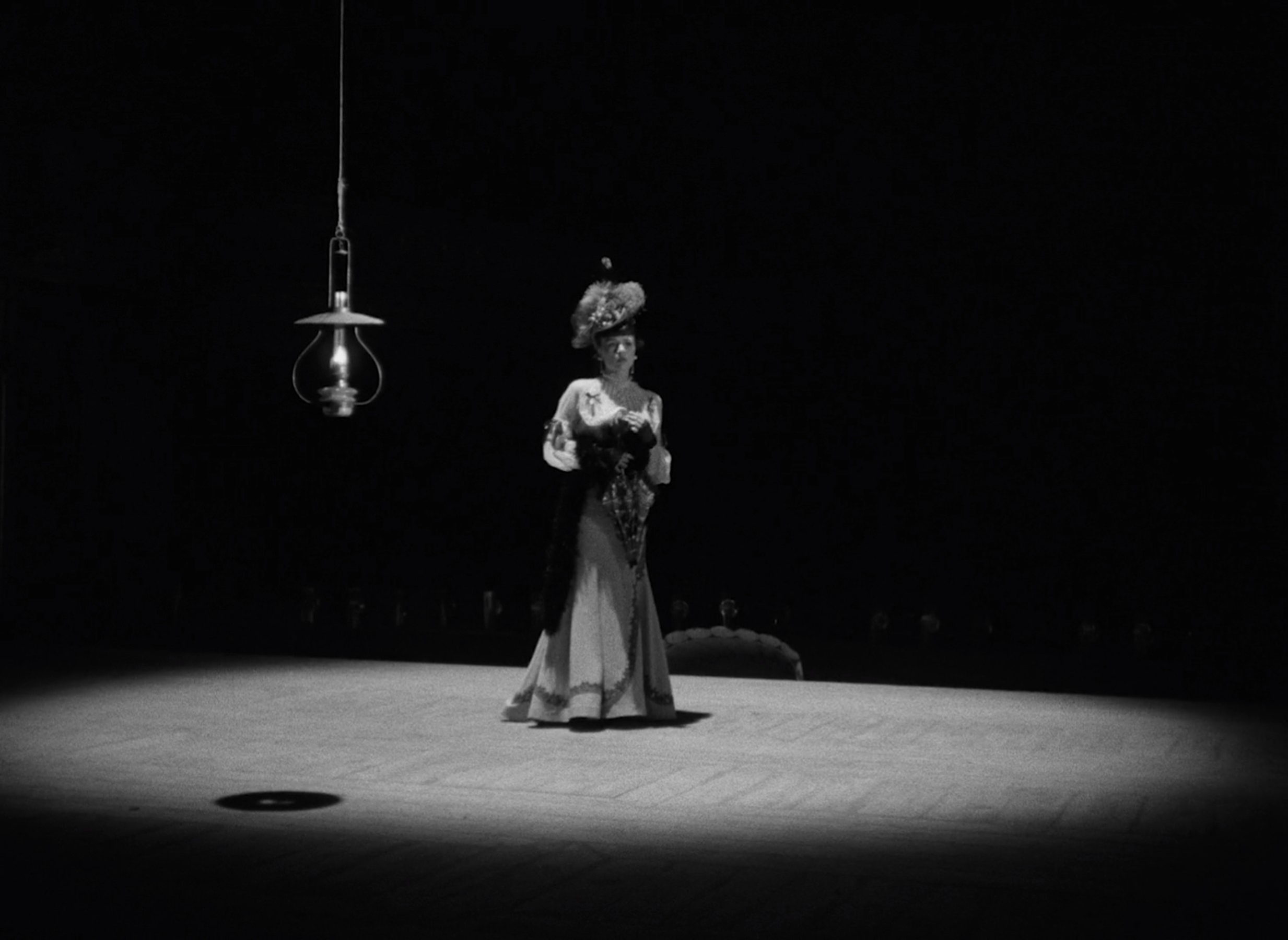
Within the opulent palaces of 19th century Bavaria, Luchino Visconti’s operatic staging exquisitely details King Ludwig II’s decadent dreams and gradual deterioration, seeking to understand the legacy of this historical empire through the strange mix of sexual insecurities, mental illnesses, and artistic obsessions which roil around in his lonely, troubled mind.

Atonement (2007)

Whether Briony could ever find genuine redemption after irreparably destroying the lives of two lovers is the provocative question that she may never get an answer to, and in Joe Wright’s impressionistic camerawork and ever-shifting structure, we too find it eerily winding its way through Atonement’s formal puzzle of lies, truths, and alternate perspectives.

Scroll to Top