Film Review

Pi (1998)

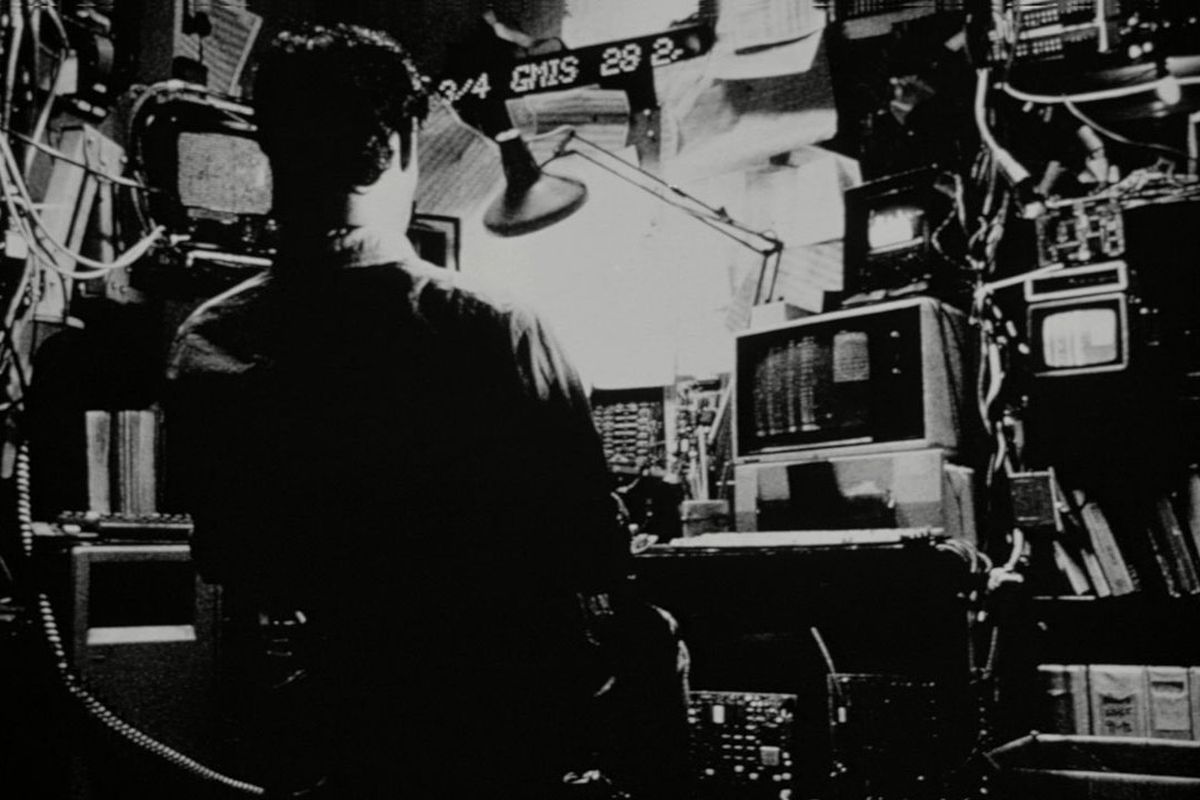
True order is found not by trying to penetrate a complex universe in Pi, but rather by accepting its dazzling, wondrous incomprehensibility, as Darren Aronofsky conducts a character study of psychedelic focus that submits us to one mathematical genius’ delusional obsessions.

The New Boy (2023)

As the mystical powers of one mute Indigenous Australian boy begin to emerge within a 1940s Catholic orphanage in The New Boy, Warwick Thornton delicately weaves a magical realist allegory of spirituality, assimilation, and colonialism’s stranglehold on ancient cultures, set against the backdrop of the beautifully unfathomable outback.

Scenes From a Marriage (1973)

Ingmar Bergman uses six isolated episodes of Johan and Marianne’s married life to piece together a collage of a fragmenting relationship in Scenes From a Marriage, turning their divorce not into a battle of husband versus wife, but rather lovers versus the space between them.

2001: A Space Odyssey (1968)

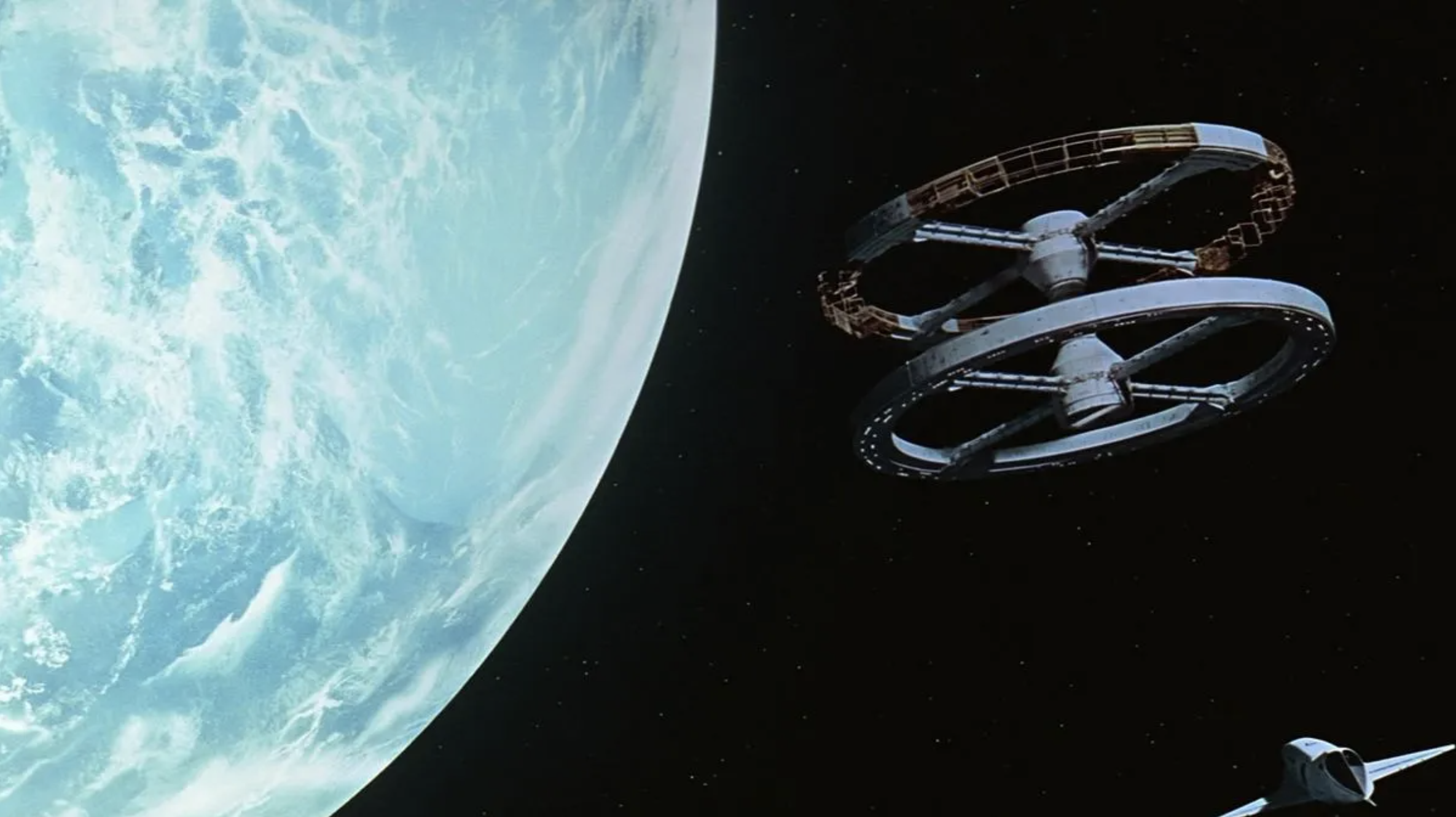
Through his indisputable talent as an avant-garde storyteller, Kubrick accomplishes a formal rigour and aesthetic precision in 2001: A Space Odyssey that so few artists have ever come close to, revealing a glimpse of humanity’s infinite potential through a staggering feat of filmmaking that measures up to the transcendent, cosmic scale it is representing.

Cries and Whispers (1972)

Ingmar Bergman’s wrestling with matters of faith and tortured female relationships has never been so vividly illustrated as it is in Cries and Whispers, confining its three sisters and their maid to the crimson-saturated dreams of their family home, and surreally interrogating the fractures which only deepen with their parallel suffering.

Throne of Blood (1957)

Akira Kurosawa’s landscapes of ambition, fate, and consequences make for a perfect marriage with Shakespeare’s Macbeth in Throne of Blood, formally integrating the narrative’s treacherous power plays with historical elements of Japanese Noh theatre, and mounting the forces of nature and destiny against the dishonourable samurai at its centre.

Sympathy for Mr. Vengeance (2002)

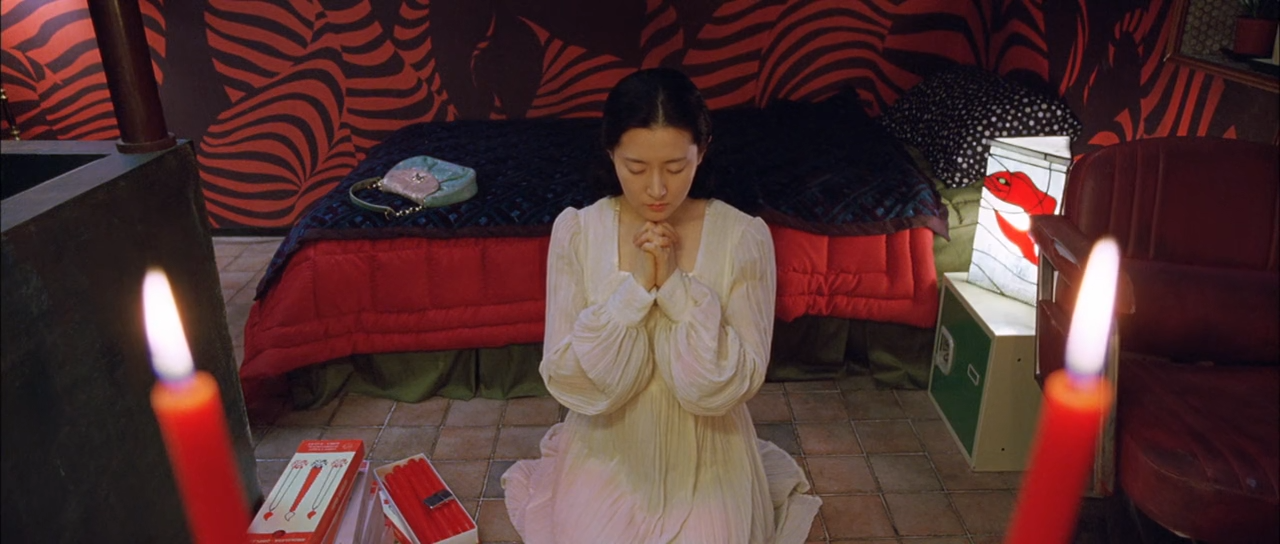
Violent retribution is not a solution in Sympathy for Mr. Vengeance, but an endless chain of wounded victims seeking mutually assured destruction, delineated with cool precision in Park Chan-wook’s murky green palette, measured pacing, and formal mirroring of two parallel men on futile quests for justice.

The Elephant Man (1980)

At first glance, The Elephant Man does not hold to David Lynch’s usual trademark of dreamlike narrative structures, and yet a dark thread of surrealism nevertheless emerges in this gorgeously photographed biopic of the severely deformed John Merrick, locating the true key to his dignified self-acceptance through the hypnotic landscape of his own mind.

The Touch (1971)

The Touch may be one of Ingmar Bergman’s plainer stylistic efforts, but his wielding of theological symbolism to interrogate a broken love triangle is deft, bitterly driving the Madonna’s degraded image and a tainted Garden of Eden between his doomed lovers.

Notorious (1946)

There is remarkable dramatic tension in Notorious’ thickly plotted conflict of romance and thriller conventions that tugs a pair of post-war spies between deep passion and cold pragmatism, but through his motifs of seemingly innocuous refreshments Alfred Hitchcock also develops an even more intricate formal structure, containing darker secrets within them than one might expect.

Scroll to Top