Film Review

Out of Africa (1985)

To truly revere a land as incomprehensibly vast and complex as Africa is to feed a connection to one’s own soul, and yet as Out of Africa absorbs us into Baroness Karen von Blixen’s bubble of romantic bliss, Sydney Pollack also develops a poignant metaphor that keeps her greatest love as distant as her nostalgic reminiscences.

Fellini Satyricon (1969)

Through its surreal blend of modern art and classical antiquity, Fellini Satyricon becomes a direct embodiment of our most maddening psychological conflicts, leading an absurd odyssey through the decadent parties, brothels, and temples of Ancient Rome as it stands on the brink of social collapse.

Juliet of the Spirits (1965)

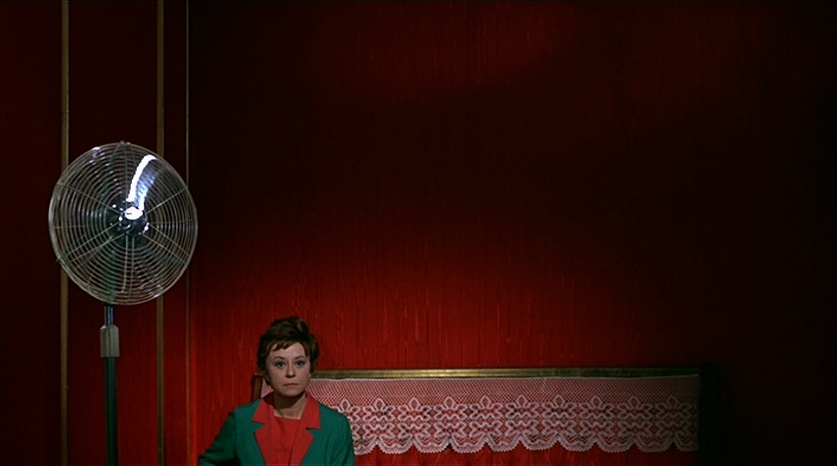
One upper-class housewife’s discovery of her husband’s affair in Juliet of the Spirits may incite a surreal reckoning with religion, sexuality, and womanhood, though the insecurities that these kaleidoscopic dreams surface have evidently haunted her since childhood, as Federico Fellini holds up a feminine mirror to 8 ½ that seeks to understand the other side of his ailing marriage.

The Bad Sleep Well (1960)

Only by blackmailing, intimidating, and investigating from the shadows can one vengeful son expose the corporate corruption of mid-century Japan in The Bad Sleep Well, as Akira Kurosawa adapts Hamlet with a severe, noirish cynicism, examining the foundations of bloodshed which the upper-class bureaucracy shrouds in obscure conspiracies.

8 1/2 (1963)

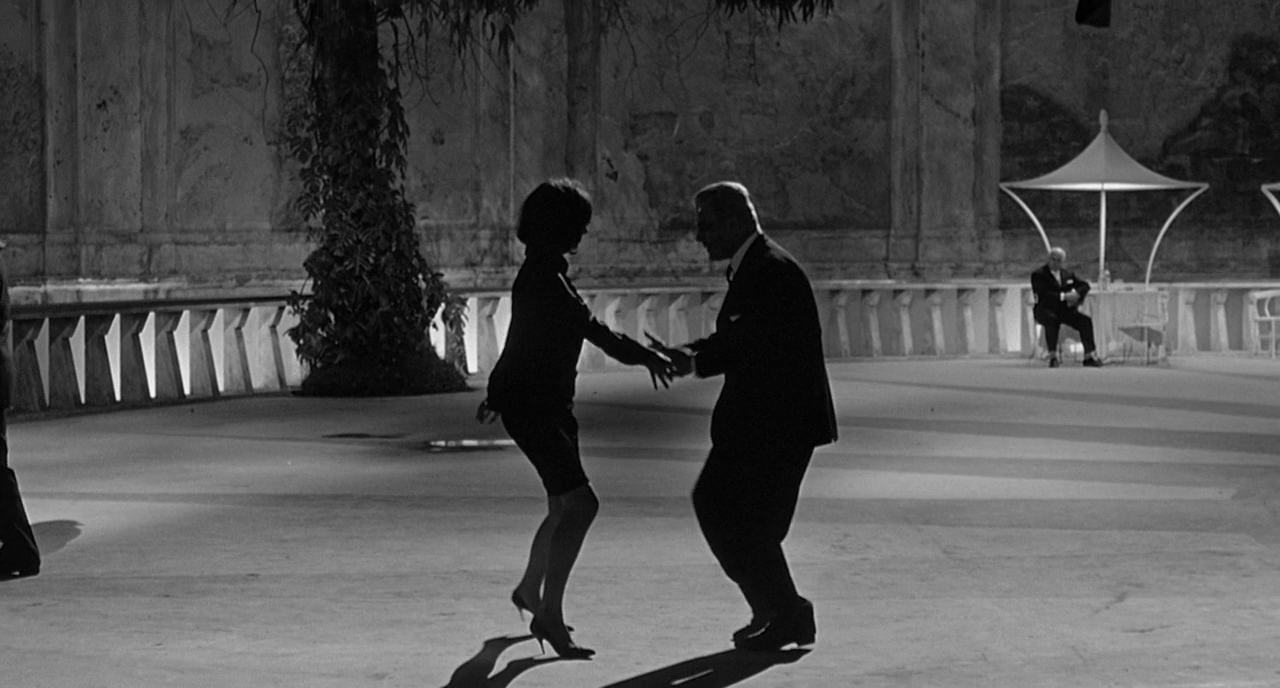
Through one Italian filmmaker’s struggle with creative block, contemptuous shame, and overwhelming pressures, Federico Fellini crafts a surrogate representation of himself, elusively traversing a surreal sea of memory and dreams in a film that seeks to intuitively examine the arduous processes of its own self-reflexive construction.

The Last of the Mohicans (1992)

Michael Mann’s grand mythologising of colonial America forecasts a solemn future in The Last of the Mohicans, and yet it is also through the cross-cultural relationships formed between Europeans and Native Americans that seeds of harmony are planted, miraculously blooming in the unfertile soil of war.

La Dolce Vita (1960)

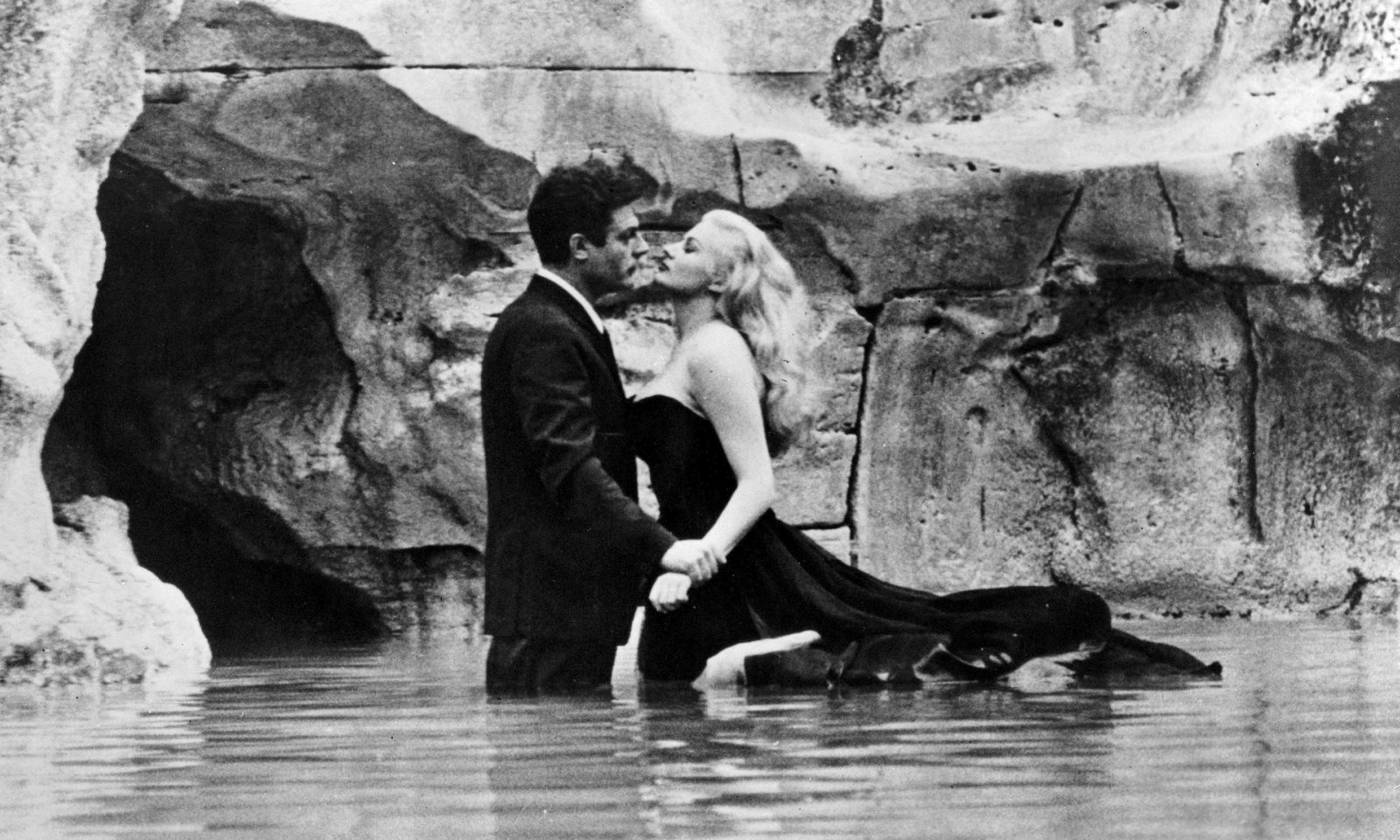
Through Federico Fellini’s cynical subversion of theological iconography and episodic parables, La Dolce Vita traces a tortured soul’s weary descent to the depths of an amoral, existentialist hell, examining modern-day Rome’s spiritual corruption to ultimately become one of cinema’s great religious epics.

Knife in the Water (1962)

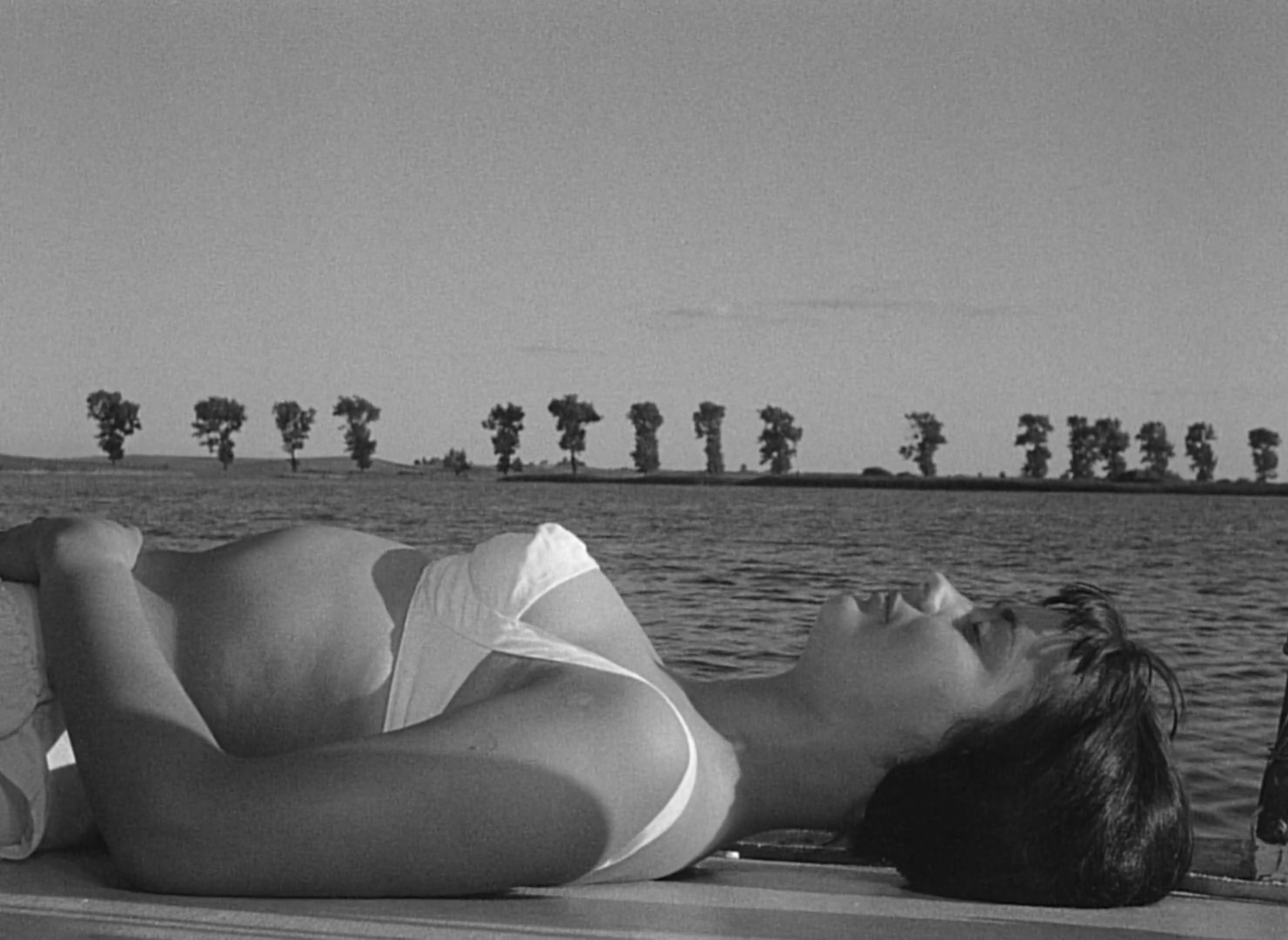
Although the hitchhiker in Knife in the Water is spontaneously invited along as a plaything on a wealthy couple’s yacht, the insecurity he sparks transcends class boundaries, as Roman Polanski acutely stages a series of power plays that slowly strips away pretensions of dignity and moral character.

Furiosa: A Mad Max Saga (2024)

A return to the Mad Max series once again turbocharges George Miller with raw, high-octane vigour, as Furiosa expands its demented, post-apocalyptic wasteland to remarkably expansive proportions, and gives us even greater reason to admire its titular warrior as a force of undistilled willpower.

Nights of Cabiria (1957)

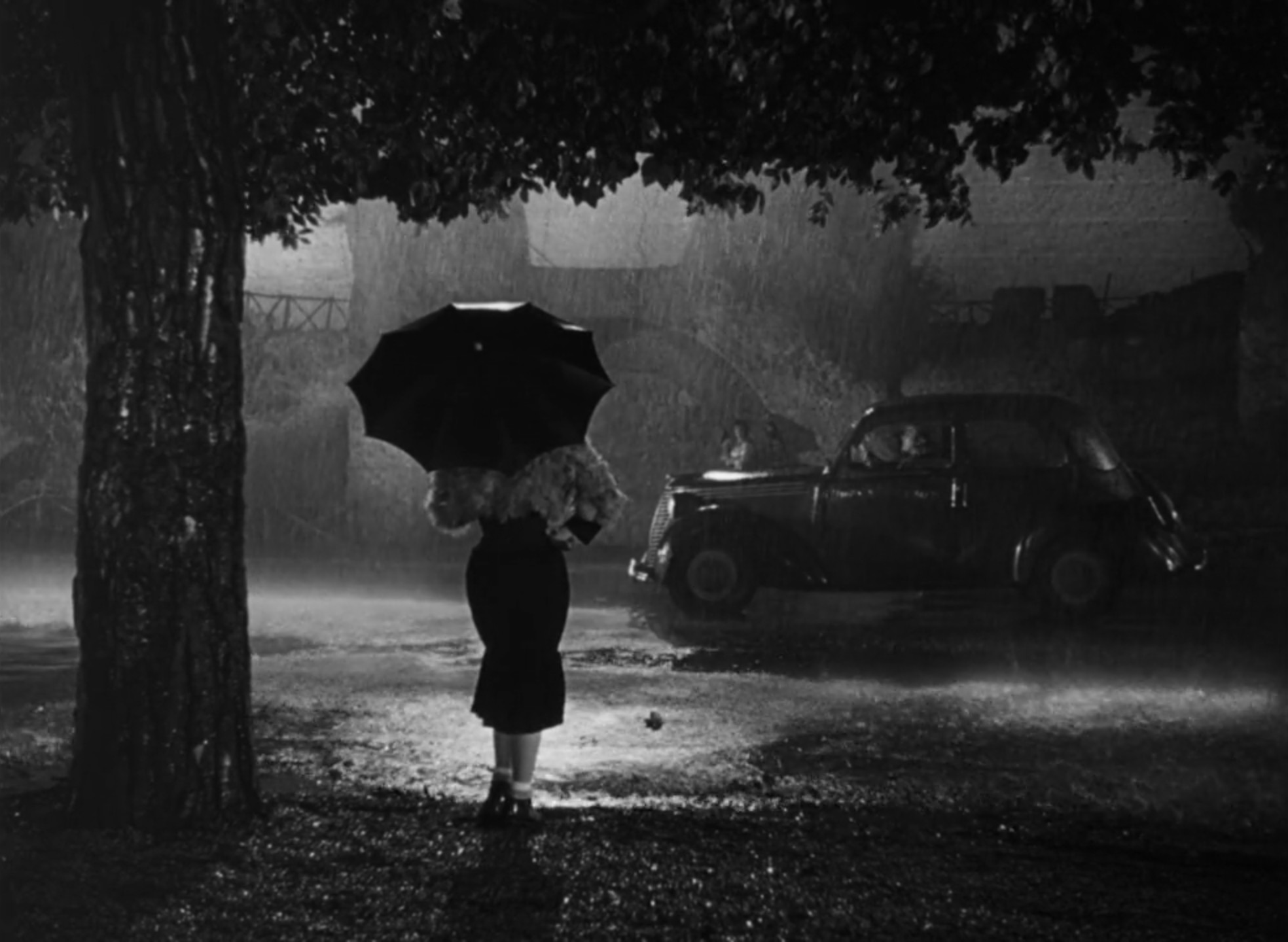
With an intelligent employment of religious and demonic imagery at hand, Federico Fellini and Giulietta Masina craft one of the most indelible cinematic characters of the 1950s, allowing us an empathetic vessel through which we contemplate the religious hypocrisies and class struggles of post-war Italy.

Scroll to Top