Film Review

The Bikeriders (2023)

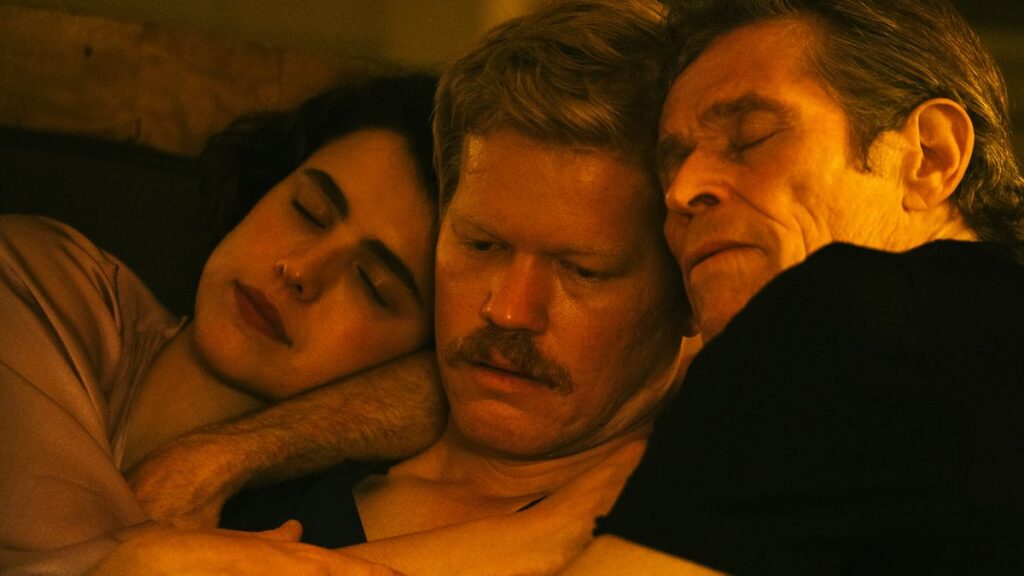
Those 1960s greasers who live fast and die young may be immortalised in The Bikeriders, yet theirs is also a subculture visibly seeping away, as Jeff Nichols examines the inner workings of one Chicago motorcycle club with equal parts sensitivity, scepticism, and swagger.

Fellini’s Casanova (1976)

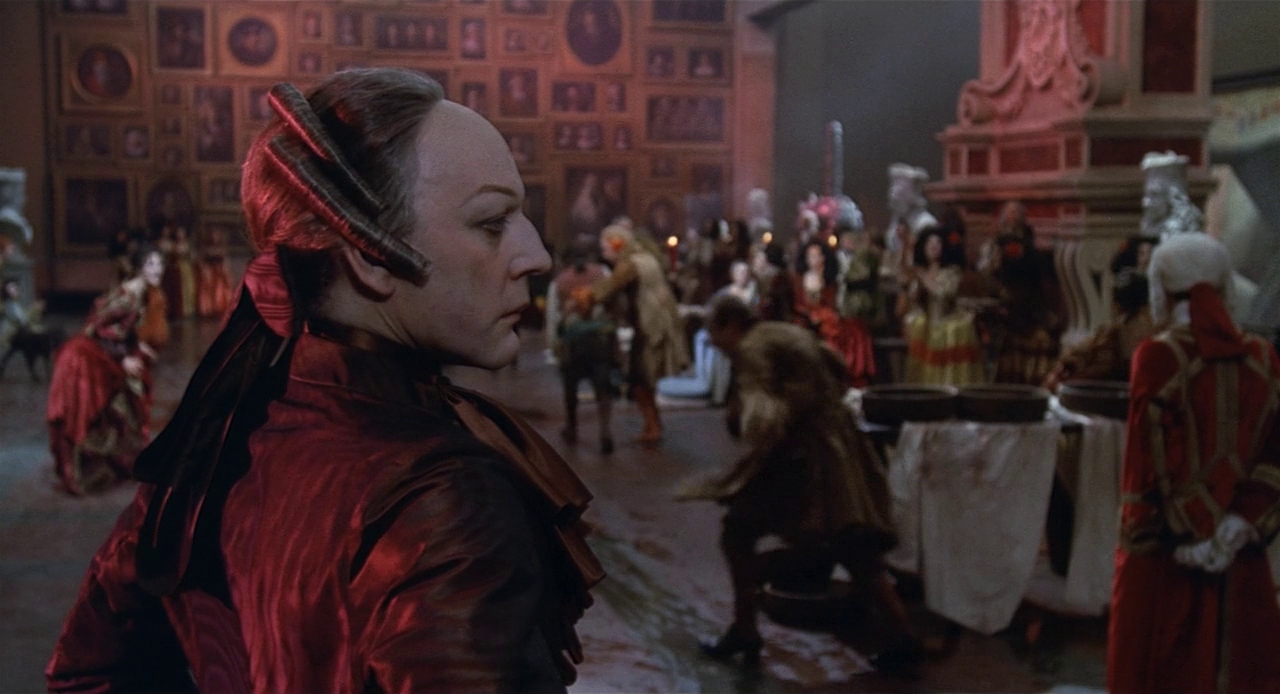
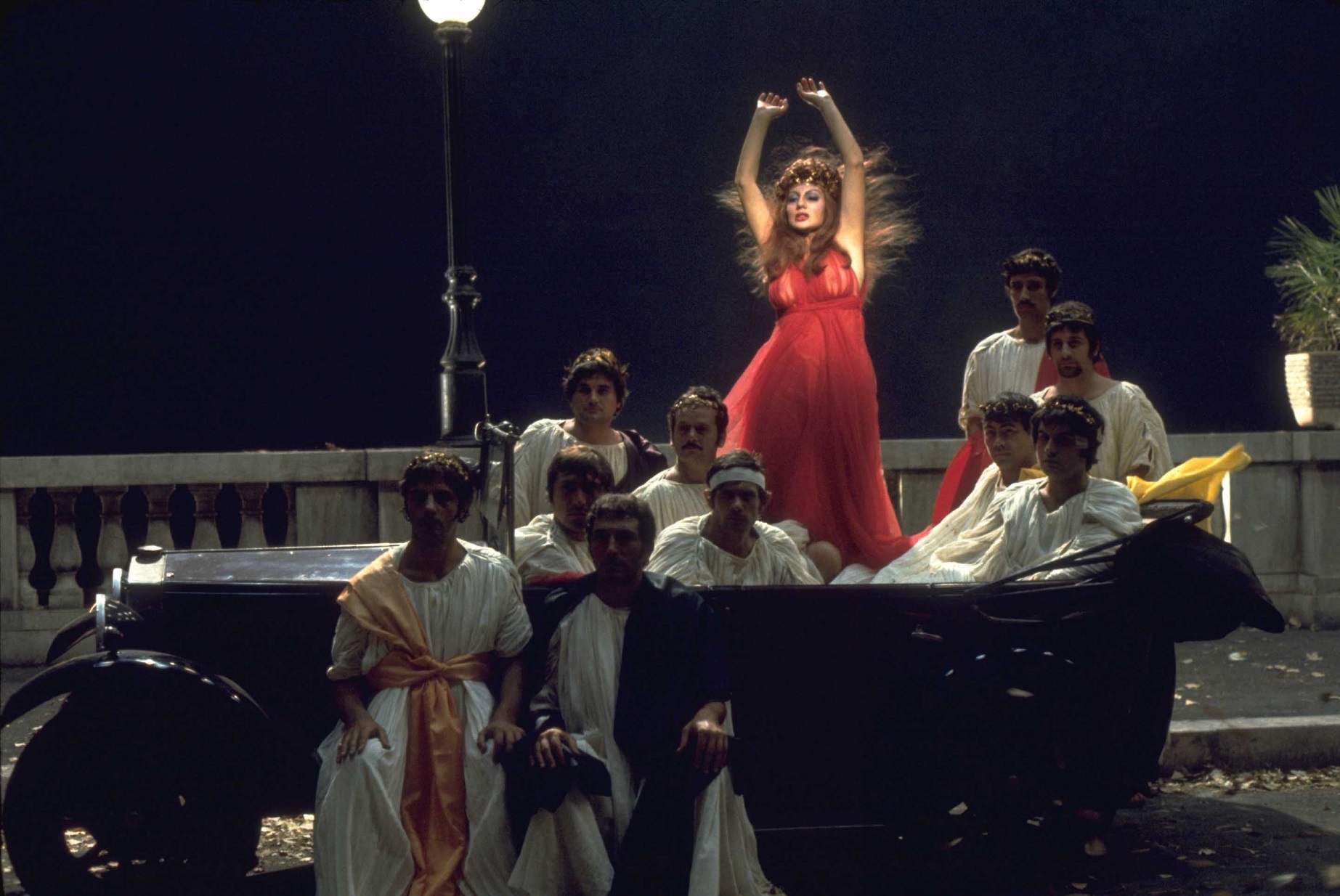
Though based on the autobiography of the historical Venetian adventurer and his expansive voyage through 18th century Europe, Federico Fellini’s reimagining of Casanova’s life manifests with demented surrealism, trapping this lonely man in cycles of absurd carnal exploits fuelled by a profound, existential emptiness.

Hit Man (2023)

Dweeby college professor Gary relishes the challenge of posing as fake assassins for police sting operations in Hit Man, though beneath the darkly comic romance he strikes up with a client, Richard Linklater applies a macabre, psychoanalytic lens to false constructs of self-image and identity.

Amarcord (1973)

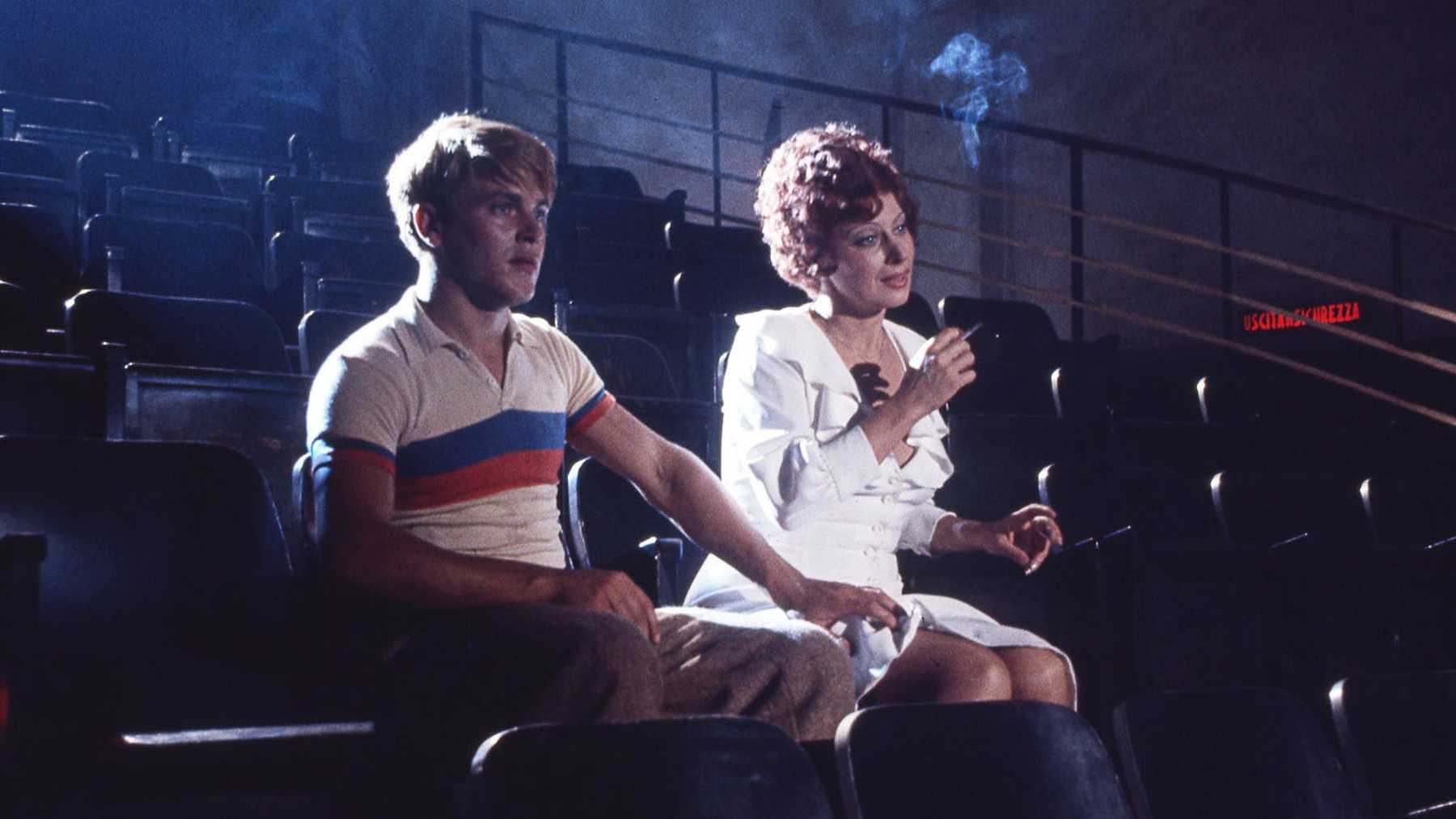
The year that passes over the course of Amarcord is not bound by straightforward plot convention, and yet each vignette takes its place in the whimsical portrait of 1930s Italy that Federico Fellini sentimentally models after his hometown, slipping into dreams of oppressive evils and boundless joys with careless, nostalgic abandon.

A Quiet Place: Day One (2024)

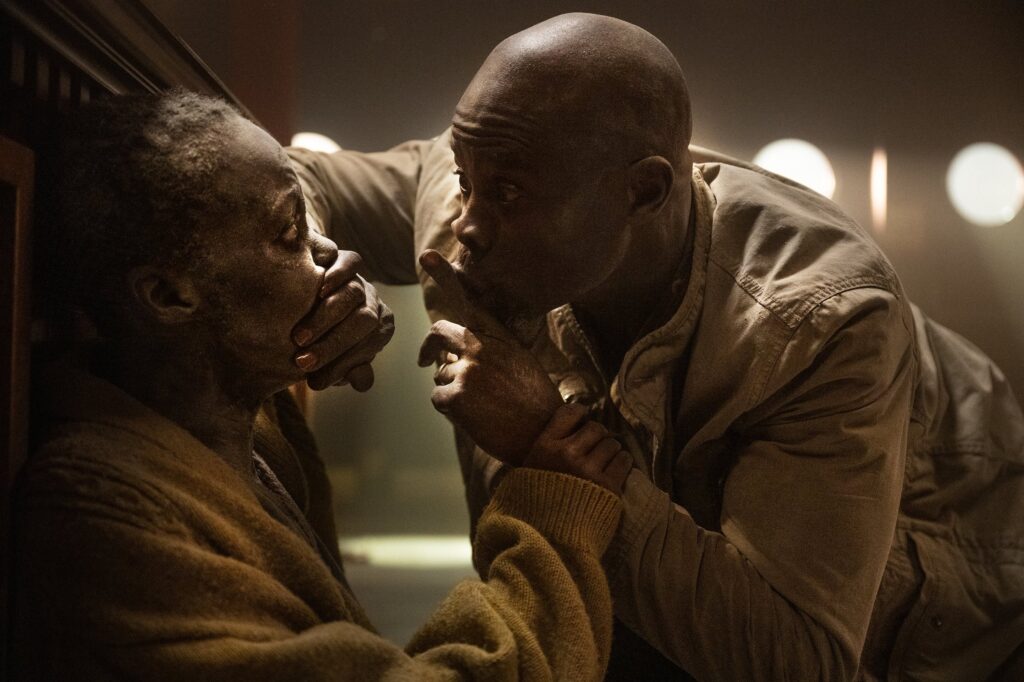
Michael Sarnoski’s reframing of A Quiet Place’s extra-terrestrial threat is conducted with impressive deftness in this prequel, developing an allegory for terminal illness that savours the joys of being alive, even as the series’ formulaic set pieces begin to grow thin.

Fellini’s Roma (1972)

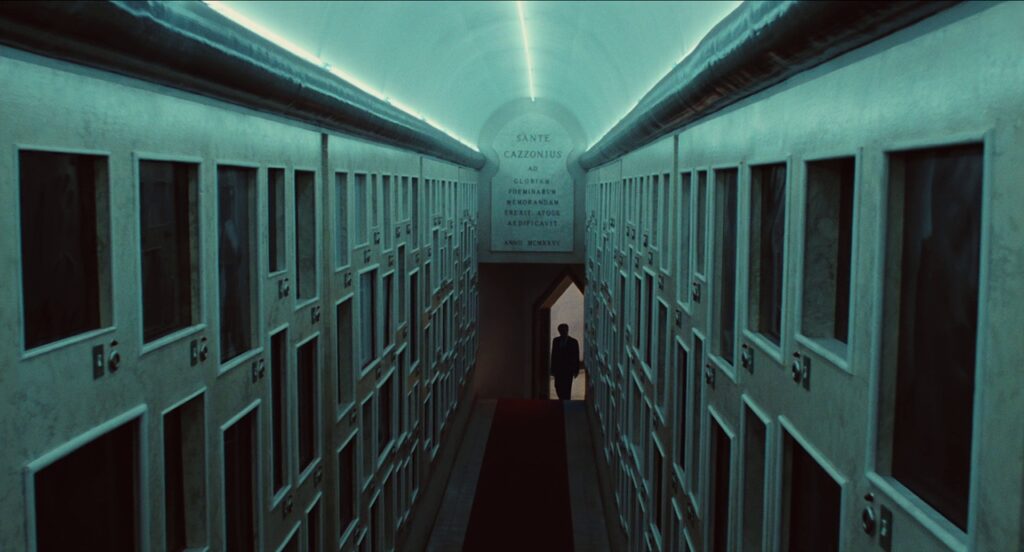
Federico Fellini’s Roma is not quite the familiar city we recognise from history books, but rather an absurd, contradictory landscape of rich impressionistic detail, filtering its vibrant culture, art, and politics through vignettes distorted by the wily incongruity of satire and memory.

Out of Africa (1985)

To truly revere a land as incomprehensibly vast and complex as Africa is to feed a connection to one’s own soul, and yet as Out of Africa absorbs us into Baroness Karen von Blixen’s bubble of romantic bliss, Sydney Pollack also develops a poignant metaphor that keeps her greatest love as distant as her nostalgic reminiscences.

Fellini Satyricon (1969)

Through its surreal blend of modern art and classical antiquity, Fellini Satyricon becomes a direct embodiment of our most maddening psychological conflicts, leading an absurd odyssey through the decadent parties, brothels, and temples of Ancient Rome as it stands on the brink of social collapse.

Juliet of the Spirits (1965)

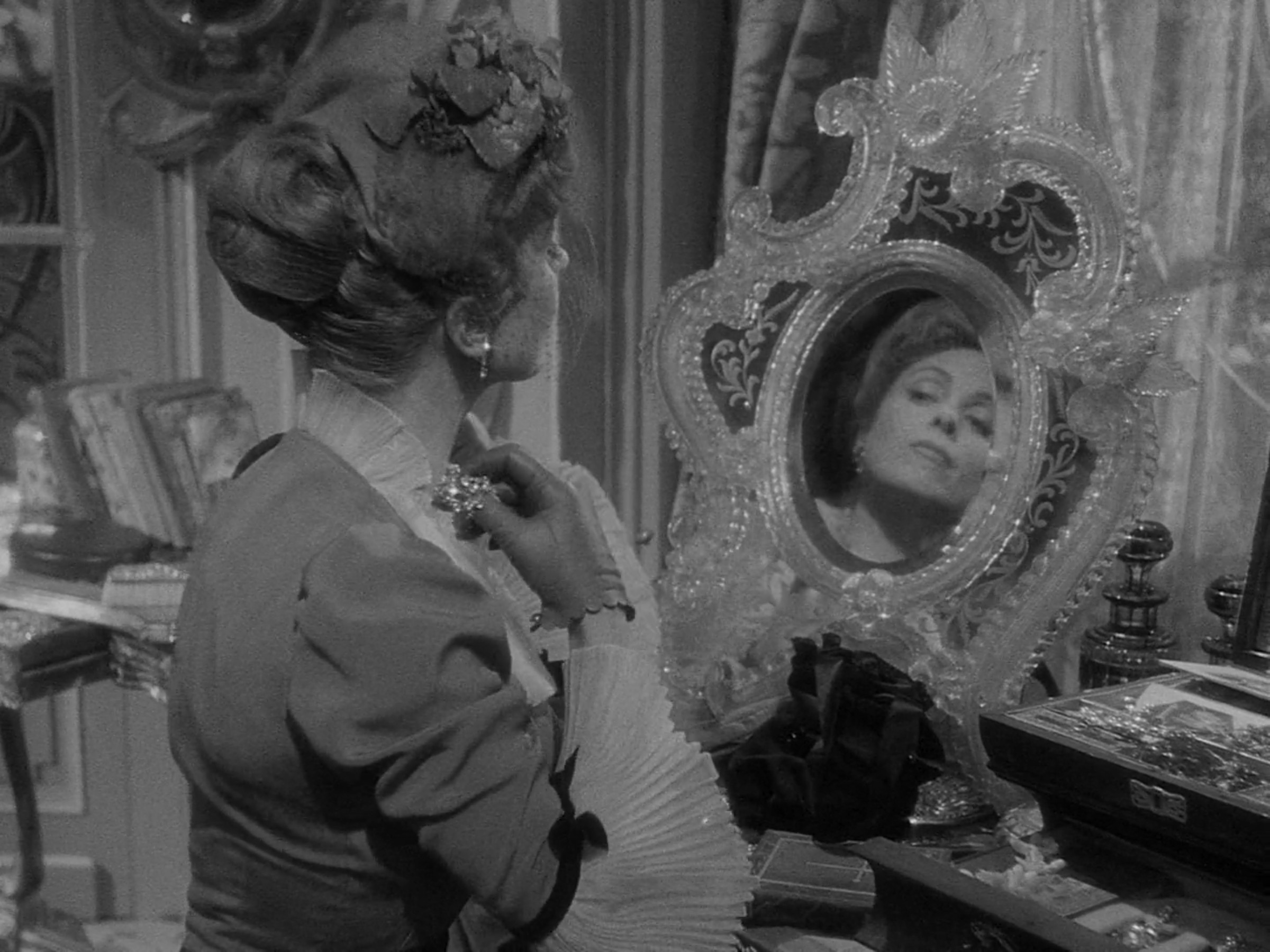
One upper-class housewife’s discovery of her husband’s affair in Juliet of the Spirits may incite a surreal reckoning with religion, sexuality, and womanhood, though the insecurities that these kaleidoscopic dreams surface have evidently haunted her since childhood, as Federico Fellini holds up a feminine mirror to 8 ½ that seeks to understand the other side of his ailing marriage.

The Bad Sleep Well (1960)

Only by blackmailing, intimidating, and investigating from the shadows can one vengeful son expose the corporate corruption of mid-century Japan in The Bad Sleep Well, as Akira Kurosawa adapts Hamlet with a severe, noirish cynicism, examining the foundations of bloodshed which the upper-class bureaucracy shrouds in obscure conspiracies.

Scroll to Top