
Director

Thirst (1949)

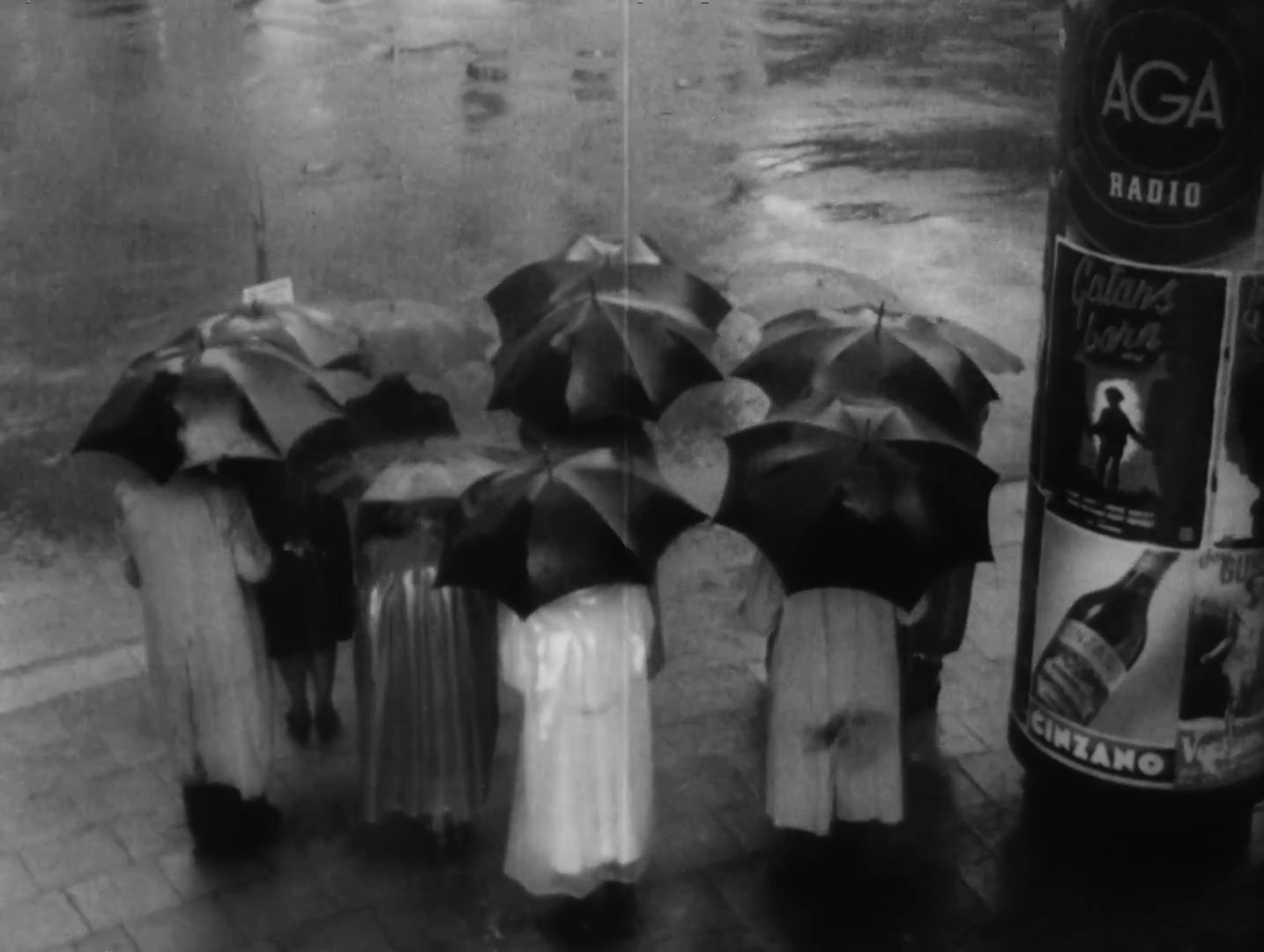
As Bertil and Rut ride a train through a war-ravaged Europe in Thirst, the nostalgic affairs and heartbreaking traumas of their past rise to the surface in uneasy flashbacks, bringing a faintly nightmarish edge to their festered love which Ingmar Bergman contains within claustrophobic interiors, seeing them viciously pour their frustrations out onto each other.
Port of Call (1948)

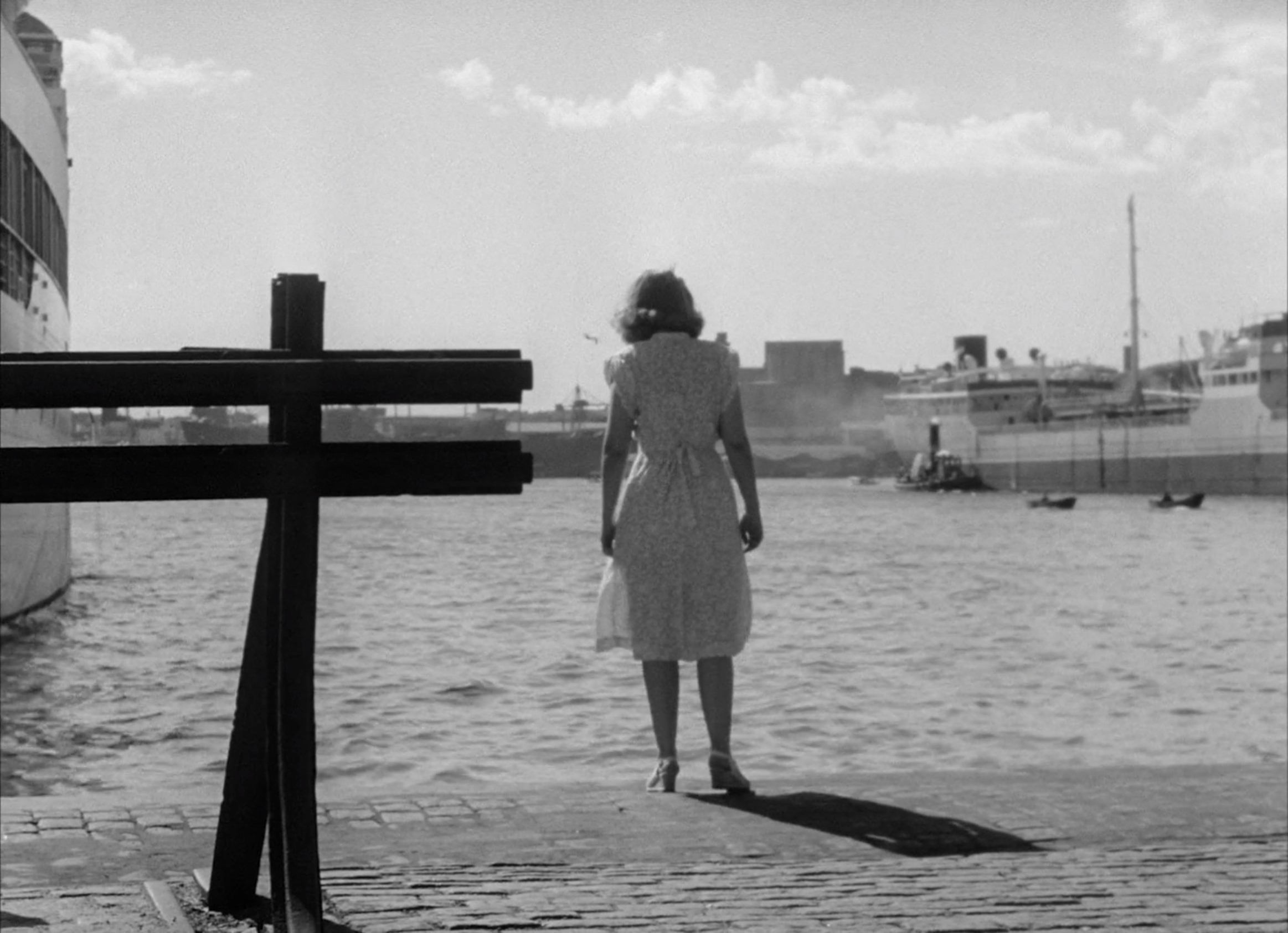
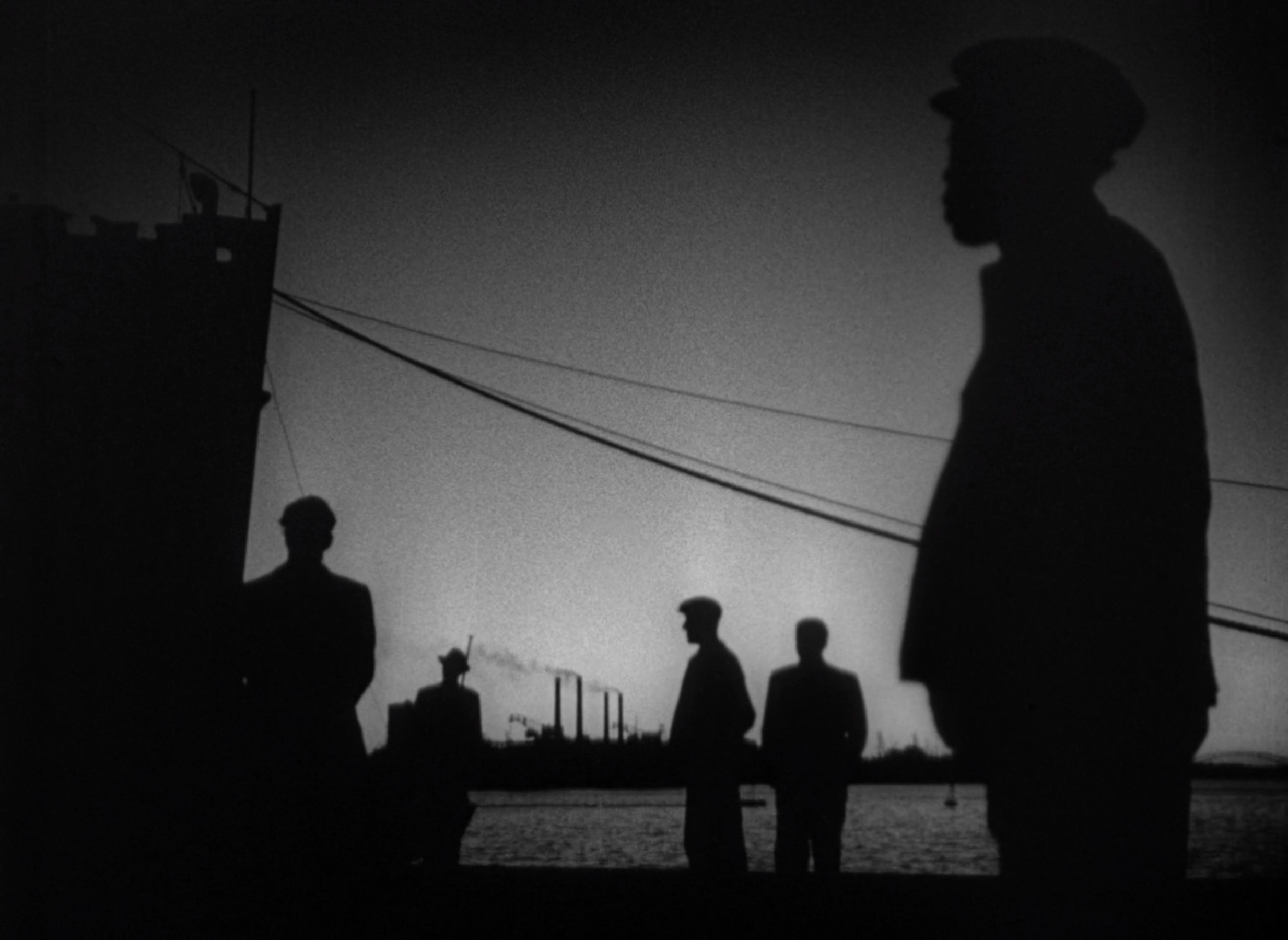
Romantic melodrama may be the basis of Port of Call’s romantic storyline, and yet in the authentic location shooting and miserable suffering of its suicidal protagonist, Ingmar Bergman imbues it with a discomforting grit inspired by Italy’s neorealist movement, setting in a bleak tone that sees old traumas surface and threaten the chance for new beginnings.

A Ship Bound for India (1947)

An air of fleeting transience hangs over A Ship Bound for India, embodied literally by the industrial ships sailing from one dock to the next, and formally weaved into the narrative as an extended, nostalgic flashback, revealing a confidence in Ingmar Bergman’s direction that probes the Oedipal dynamics between a sailor, his father, and his mistress.

It Rains On Our Love (1946)

Ingmar Bergman screenplays are rarely so blunt as the melodrama he delivers in It Always Rains on Our Love, and yet the touch of magical realism he injects into this fable of endless hardships is charming nonetheless, formally rounding out a heartfelt call for compassion towards society’s young outcasts.

Jacques Tati: The Mime of Modern France

The spirit of silent comedy is kept alive in Jacque Tati’s eccentric satires, sending up the inefficient distractions of modern civilisation through bizarrely constructed architectural monuments and gags, many of which stand among cinema’s most brilliantly odd set pieces.

Krzysztof Kieslowski: The Souls of Strangers

As a leading figure in cinematic, philosophical storytelling, Krzysztof Kieslowski probes metaphysical questions of fate, morality, and spirituality, using sensual colour palettes and symbolic cutaways to better understand the lives that lie just beyond our immediate perspectives.

Jia Zhangke: Landscapes of Lost China

With a commitment to raw realism and segmented narrative structures, Jia Zhangke crafts scathing indictments of iron-fisted authority, modernity, and globalisation, setting himself up as a significant leading figure among the Sixth Generation of Chinese filmmakers.

Scroll to Top