1990s

Flowers of Shanghai (1998)

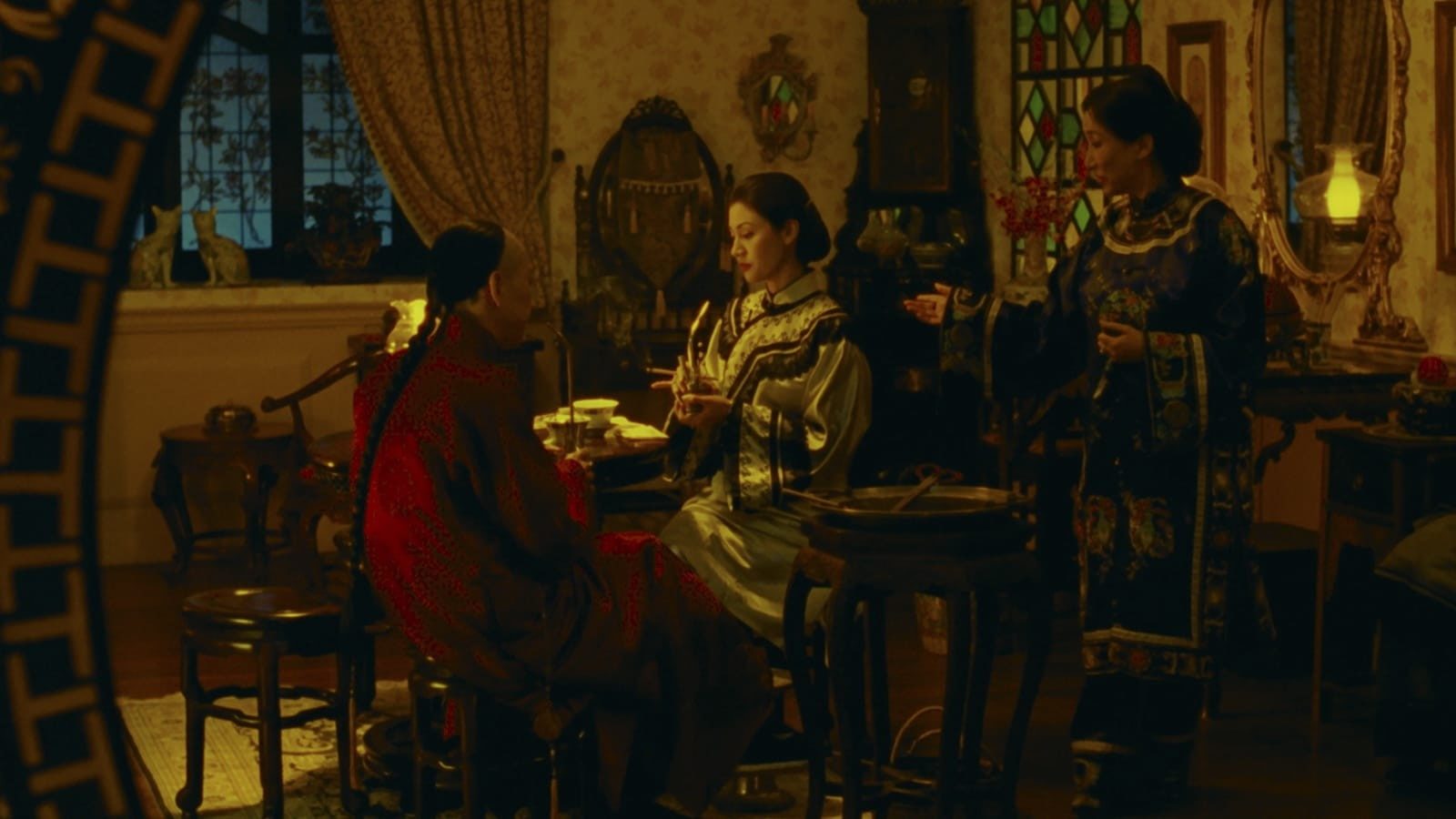
Nineteenth century China has never felt so tangibly cinematic as it does in Flowers of Shanghai, examining the blurred boundaries that lie between sex and business in its most frequented pleasure houses, and positioning us through Hou Hsiao-hsien’s floating camera and elliptical structure as silent observers of its sharply gendered politics.
La Promesse (1996)

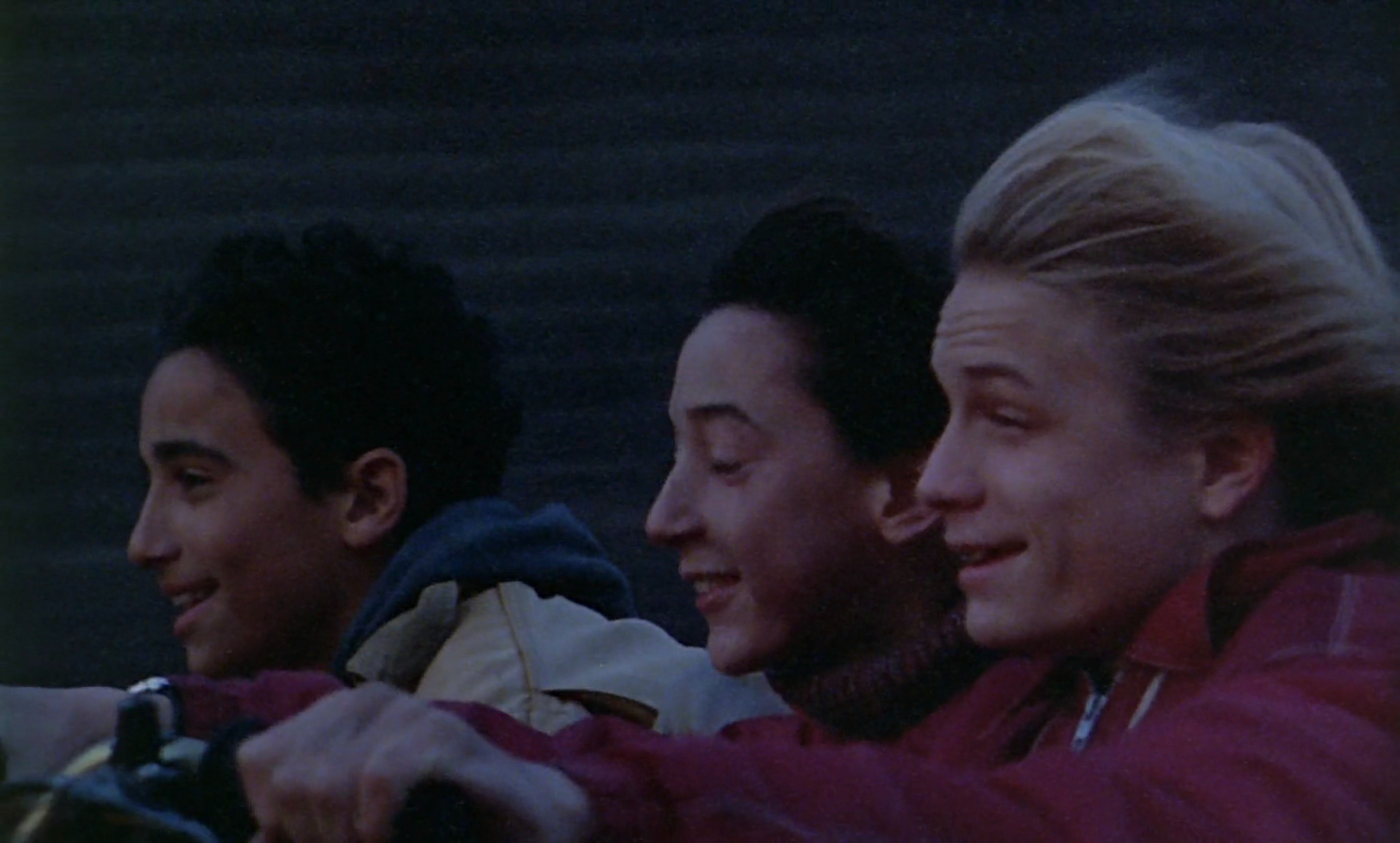
The Dardenne Brothers prove their dedication to social realism in La Promesse, tying their narrative up into knotty moral predicaments around one teenager’s vow to a dying, undocumented immigrant, and through its tiny symbolic developments it progresses with archetypal formality, pushing him to be better than the unjust world he grew up in.

The English Patient (1996)

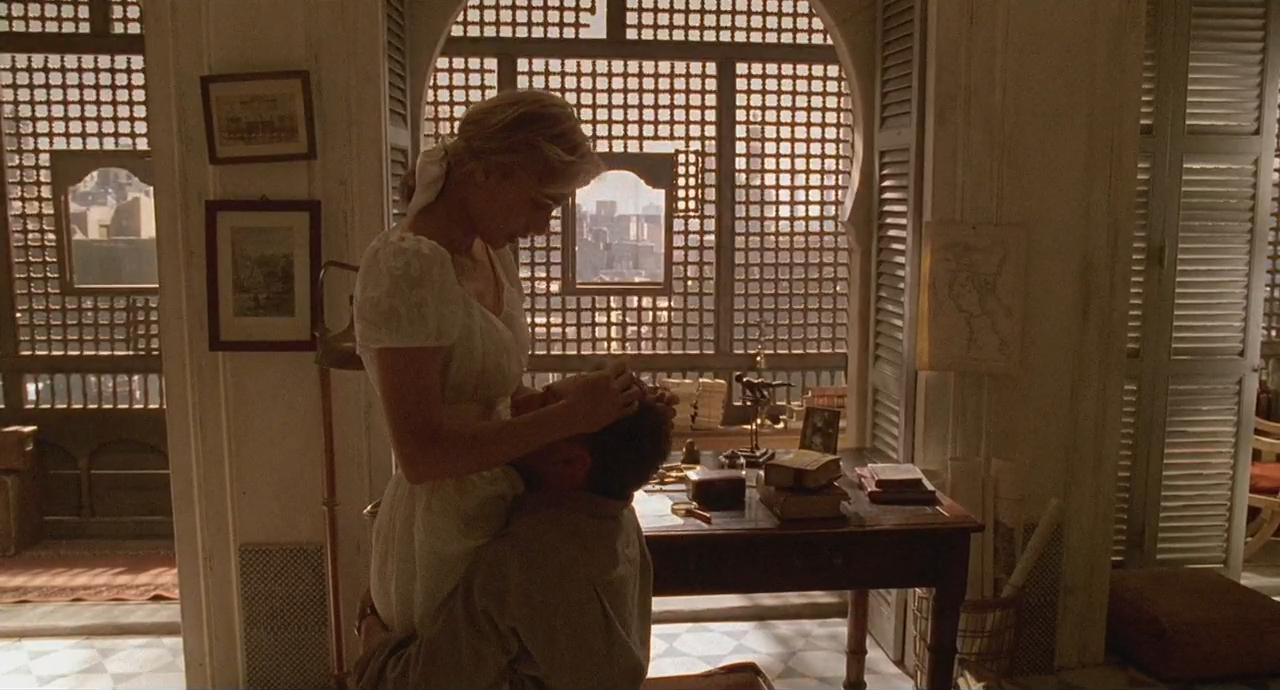
Wistful memories and melancholy regrets swirl all through The English Patient’s vast, time-leaping narrative, developing its gentle ruminations over national identity into a historical epic of extraordinary beauty, as Anthony Minghella uses the sprawling emptiness of the desert to underscore the majesty and romance of the larger-than-life characters traversing it.

Unforgiven (1992)

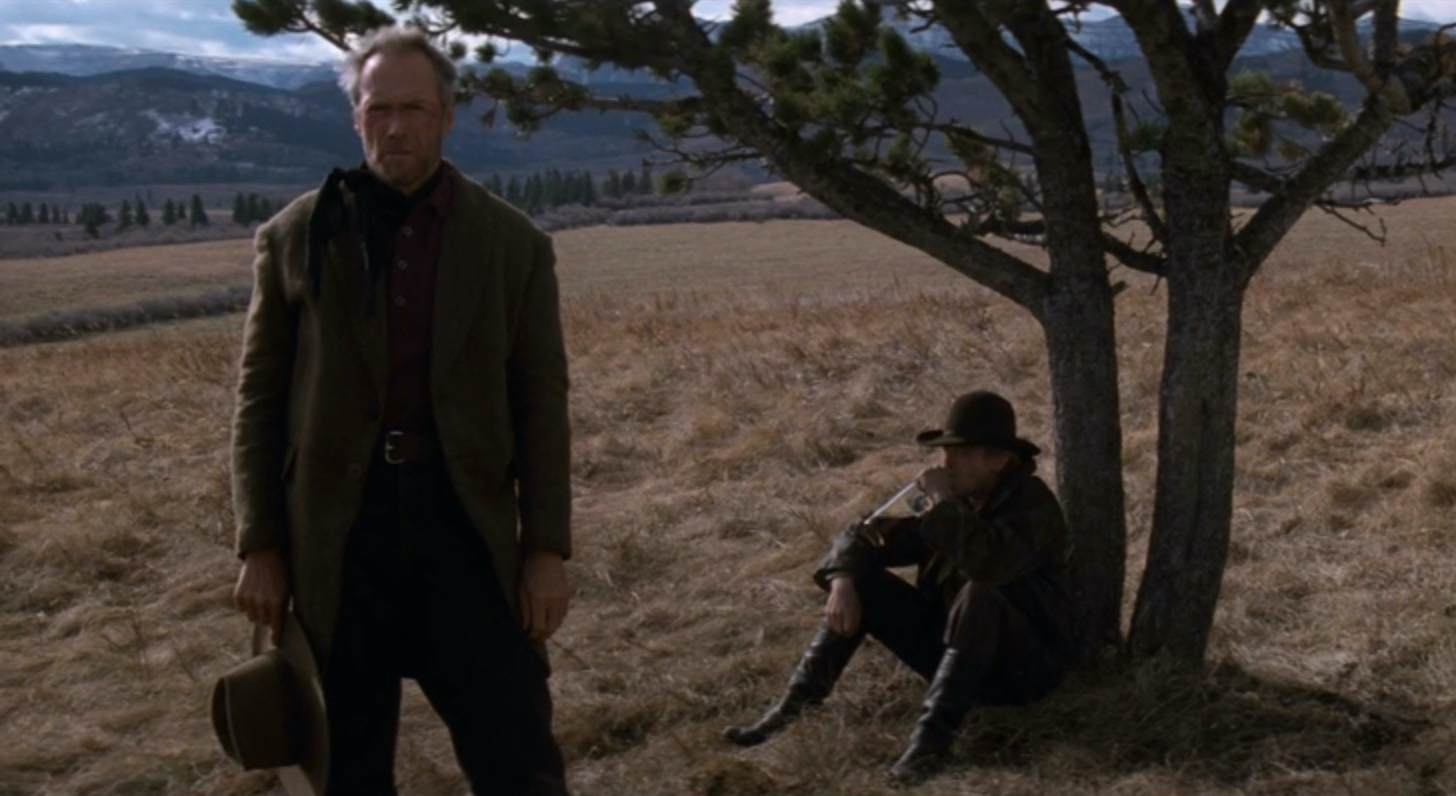
Unforgiven is not a new story for men like ex-outlaw Will Munny who are so capable of pitiless murder, but in Clint Eastwood’s brilliantly cutting genre subversions and sensitively layered performance, it emerges as a horrific reminder of what lies dormant beneath America’s glorified history, incisively undermining the lies of the Old West’s mythology.

Goodfellas (1990)

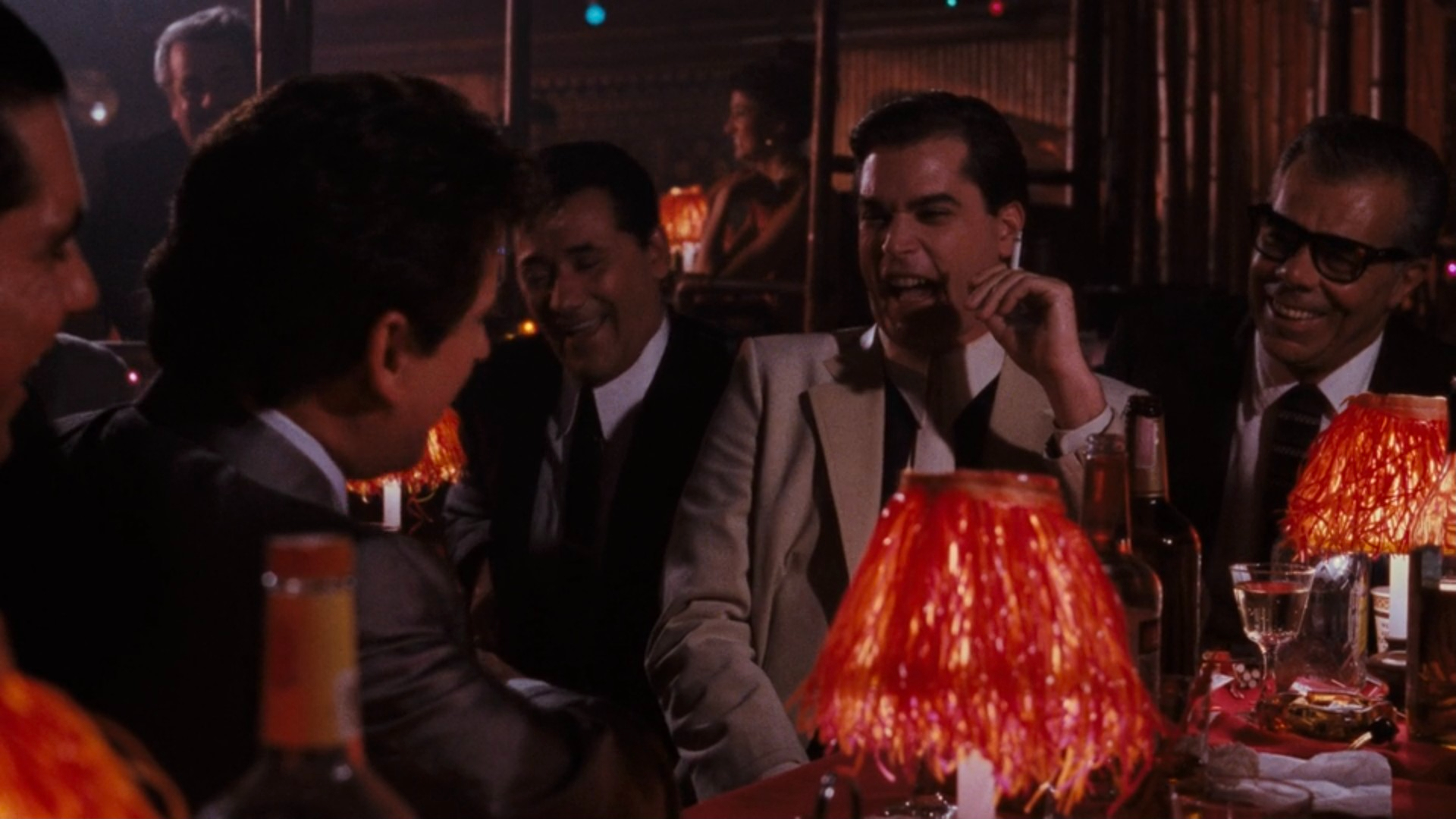
Martin Scorsese’s vibrant filmmaking meets both the luxury and thrills of the gangster lifestyle with a spirited energy in Goodfellas, pushing its brisk pacing forward through kinetic editing and dynamic camerawork, and in his construction of such a transcendently compelling narrative on top of this, he brilliantly stands it up among the finest of its genre.

Out of Sight (1998)

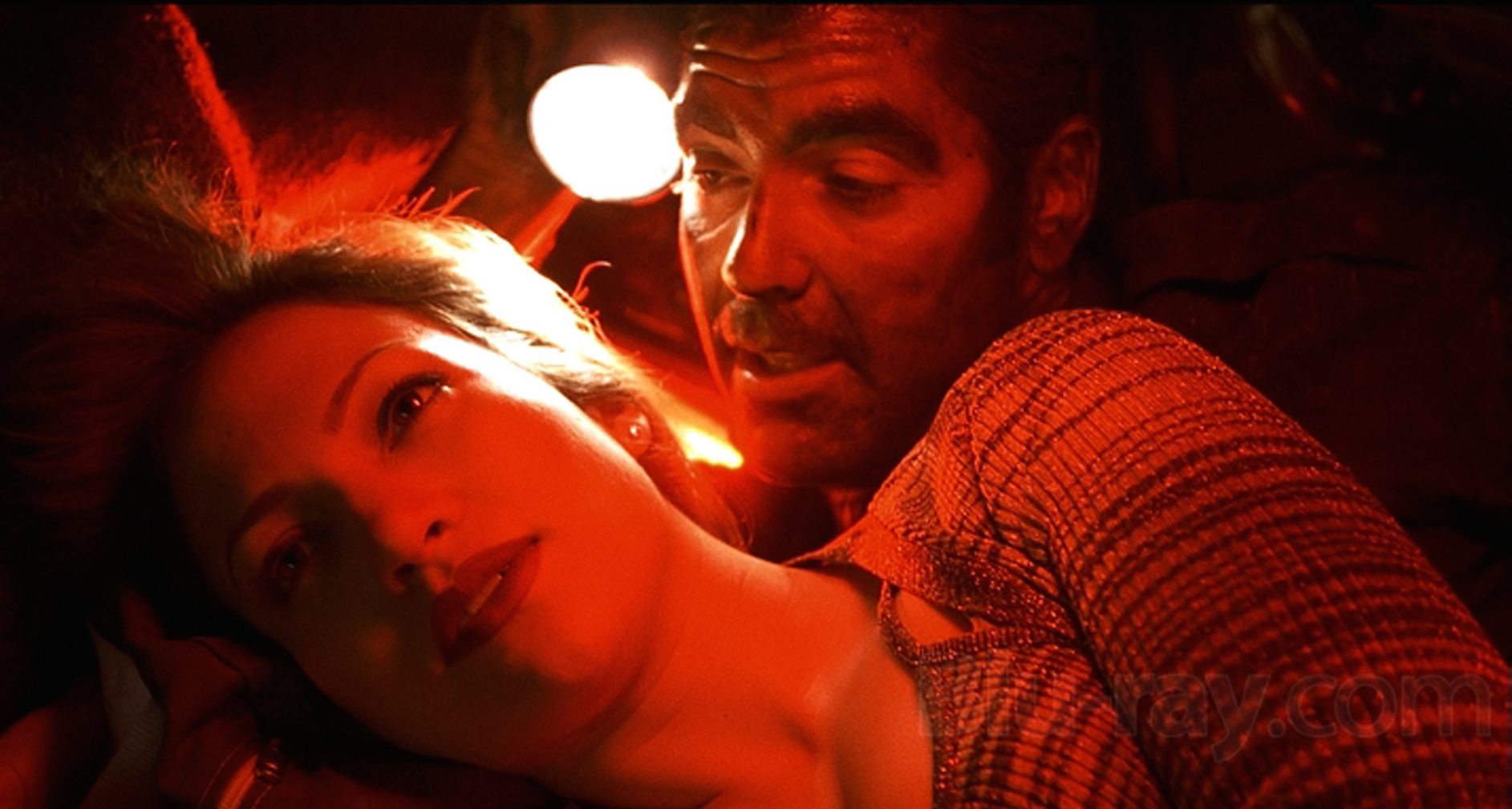
All through Out of Sight, the individual paths of suave bank robber Jack Foley and federal marshal Karen Sisco wind around each other like a tantalising dance, passionately underscored by Steven Soderbergh’s hyper-stylised editing and non-linear structure that build a sprawling, fatalistic world, and which drive the two ends of the law together in a romantic embrace.

Total Recall (1990)

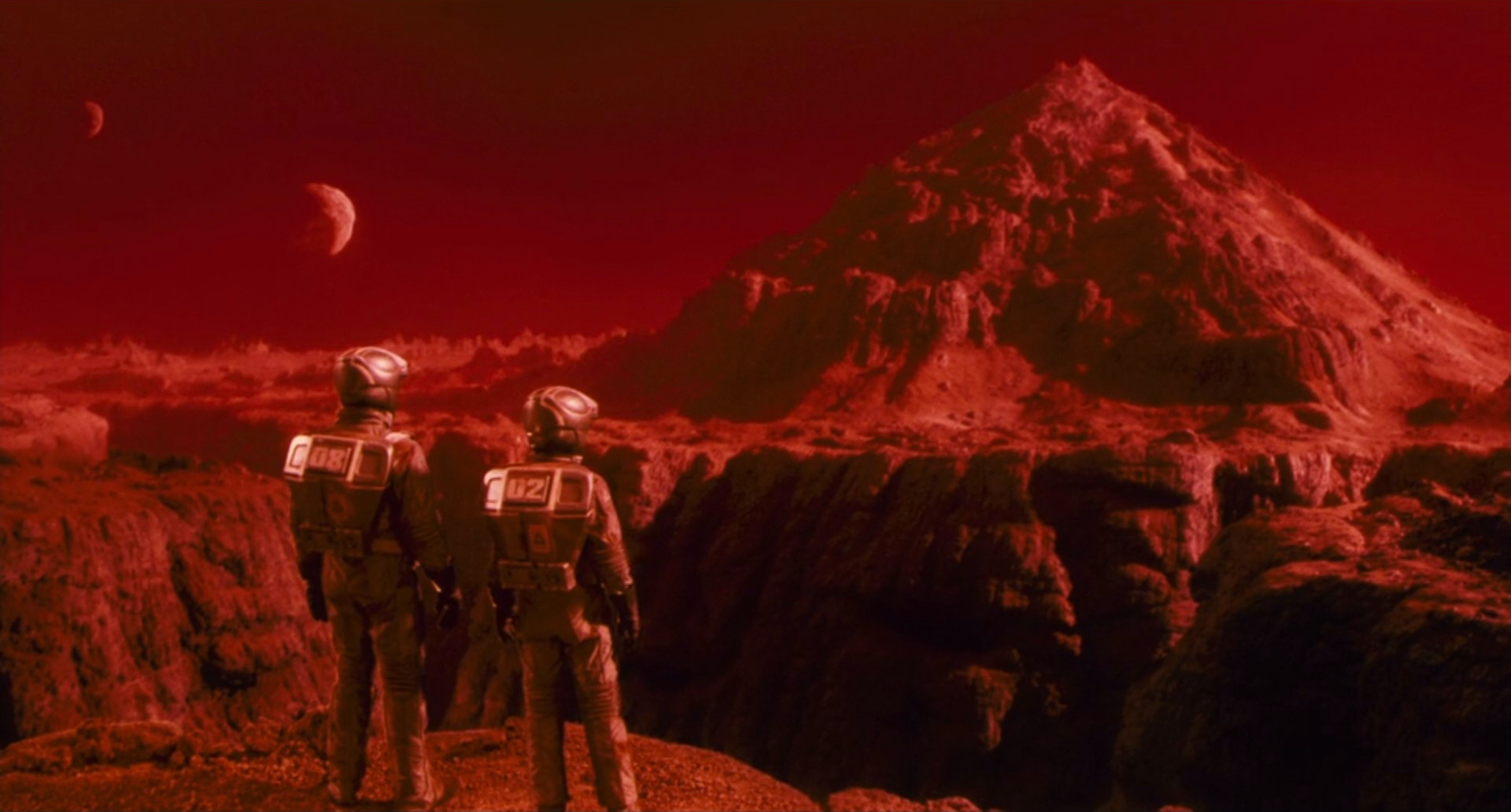
Even in his escapist storytelling, Paul Verhoeven still finds a way to let the philosophical questions of identity and perception uncomfortably linger in our minds, sweeping us away on Total Recall’s waves of outlandish retrofuturism and thrilling set pieces that lead us into the depths of a Martian conspiracy, though never letting us forget the existential possibility of its unreality.

A Little Princess (1995)

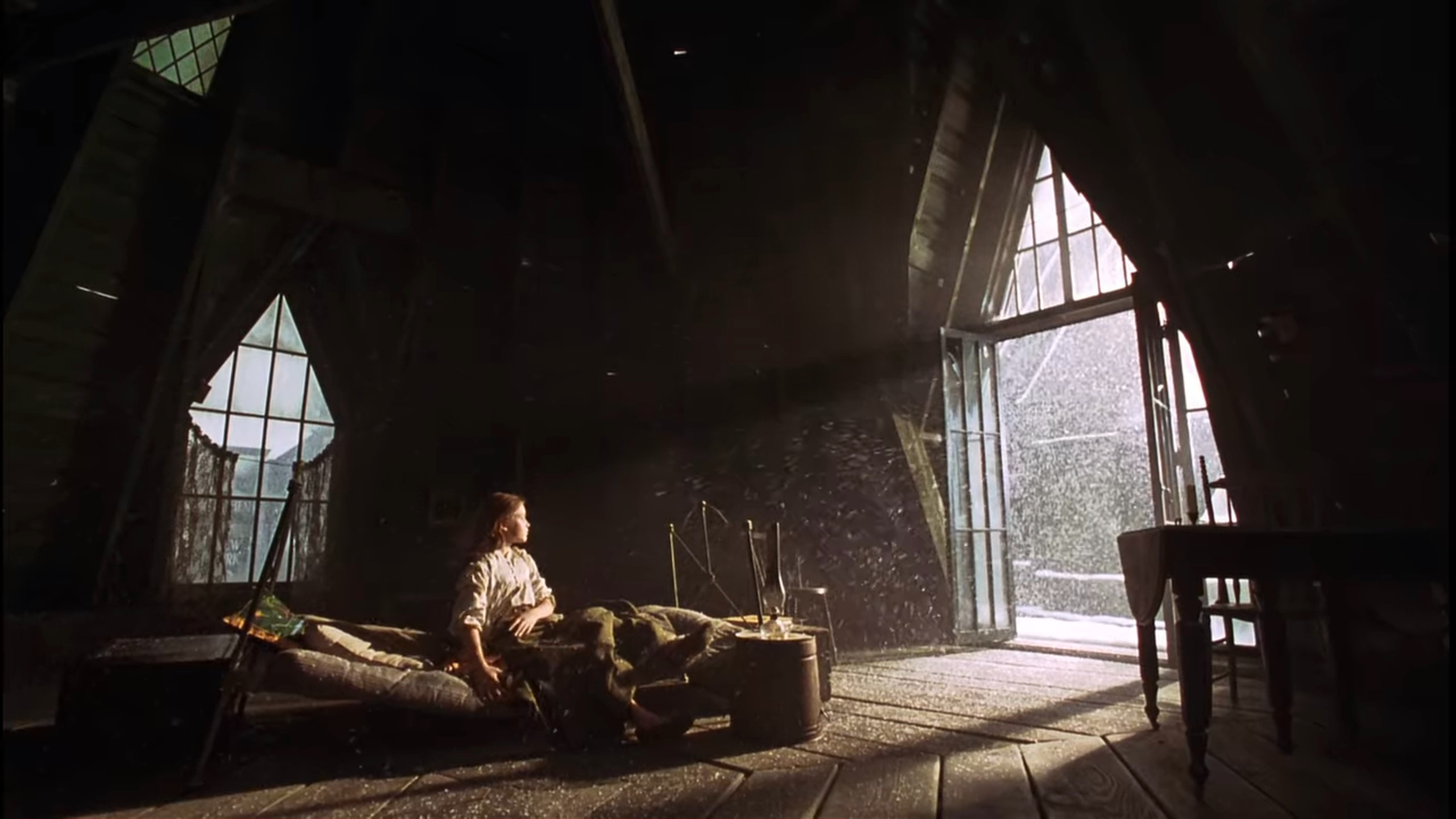
Like the fantastical fables Sara tells her fellow students in A Little Princess, her life in a 1910s New York boarding school takes the form of a whimsical fairy tale painted in evocative green palettes and drawn along a light thread of magical realism, each expressing Alfonso Cuarón’s deep love of stories that liberate prisoners of a cynical world.

Philadelphia (1993)

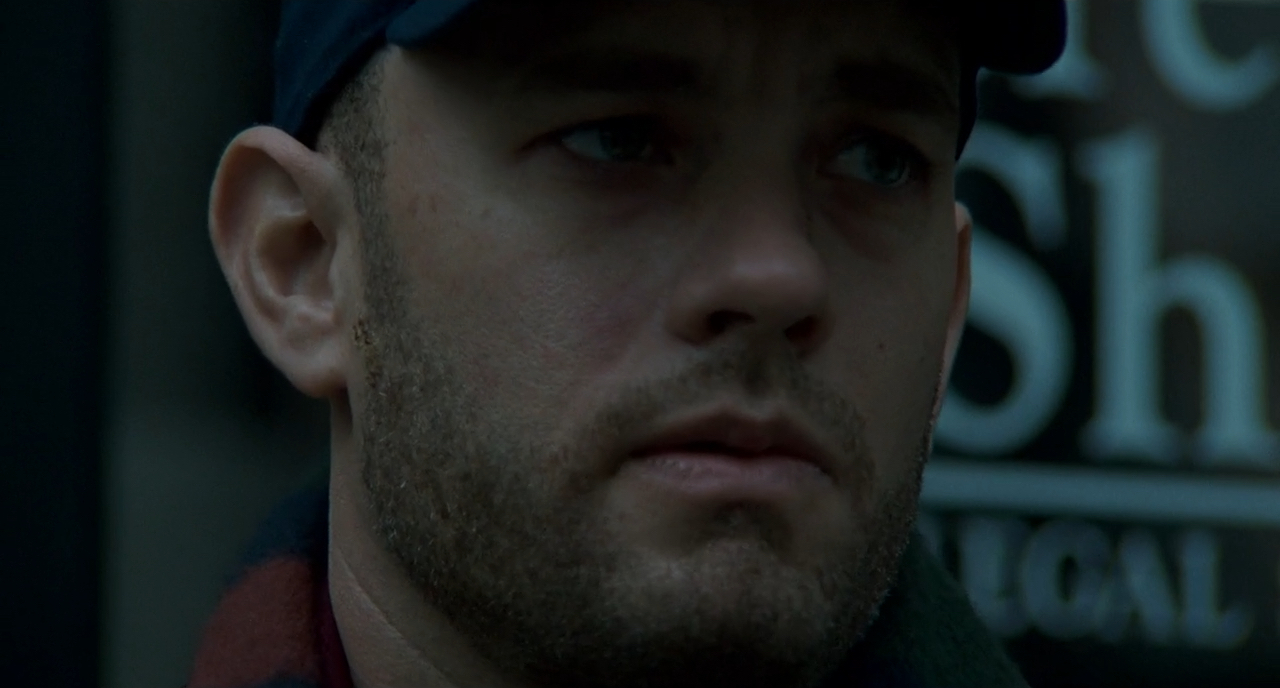
Jonathan Demme’s camera is a vehicle of pure empathy in Philadelphia, as it is through his consistent yet versatile close-ups that he pulls such raw anger, melancholy, and yearning from Tom Hanks’ emotive performance, opening us up to the complicated struggle behind one gay man’s fight for justice against his prejudiced former employers.

Trainspotting (1996)

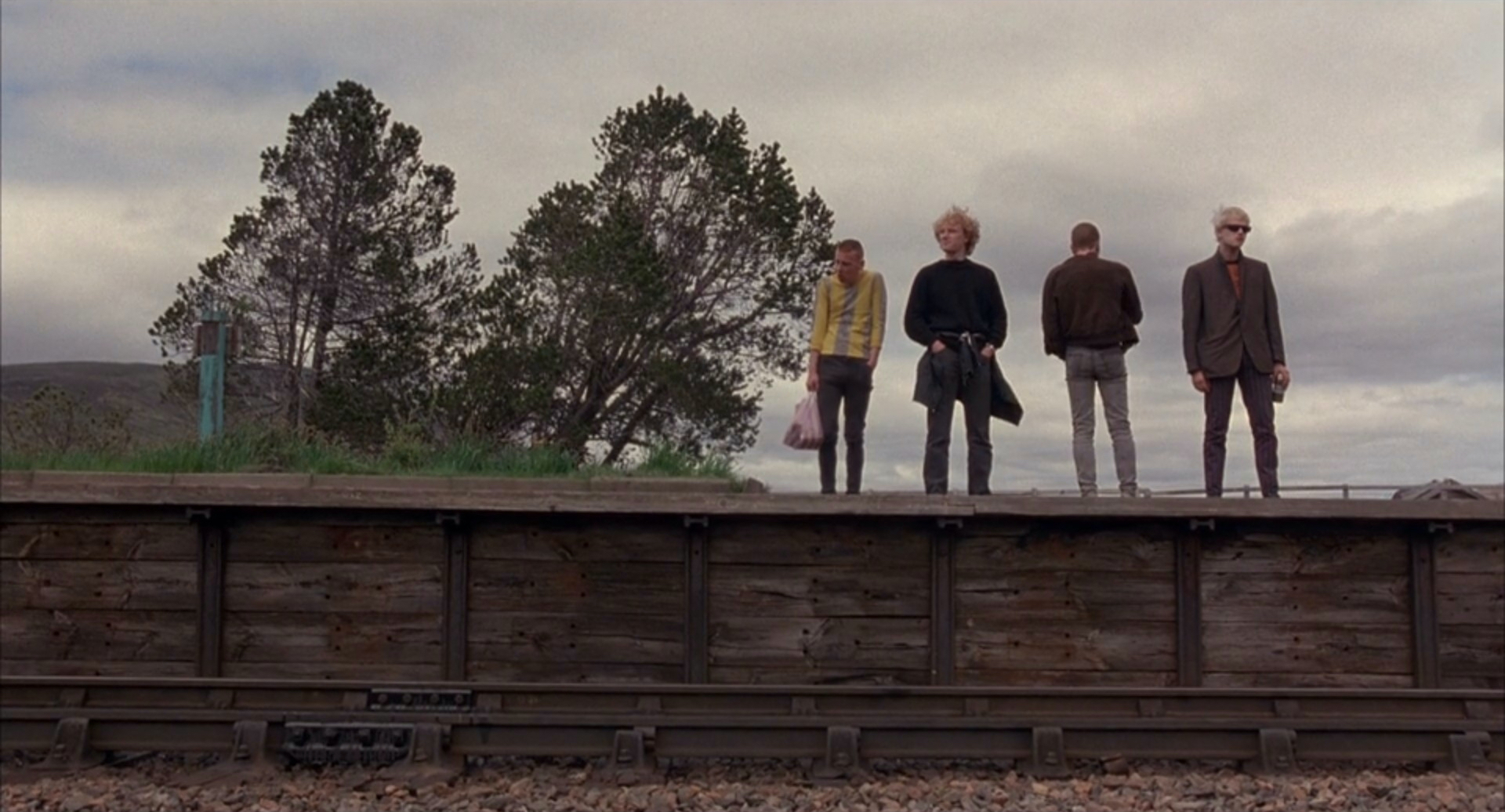
Danny Boyle’s kinetic pacing, surreal trips, and intoxicating camerawork not only match the edgy vigour of Ewan McGregor’s cynical Scottish drug addict in Trainspotting, but he also uses them as distractions from the crushing despair lying just outside its bubble of energetic thrills, drifting through vignettes that stage a darkly comedic battle between primal temptation and sober stability.

Scroll to Top