1960s

High and Low (1963)

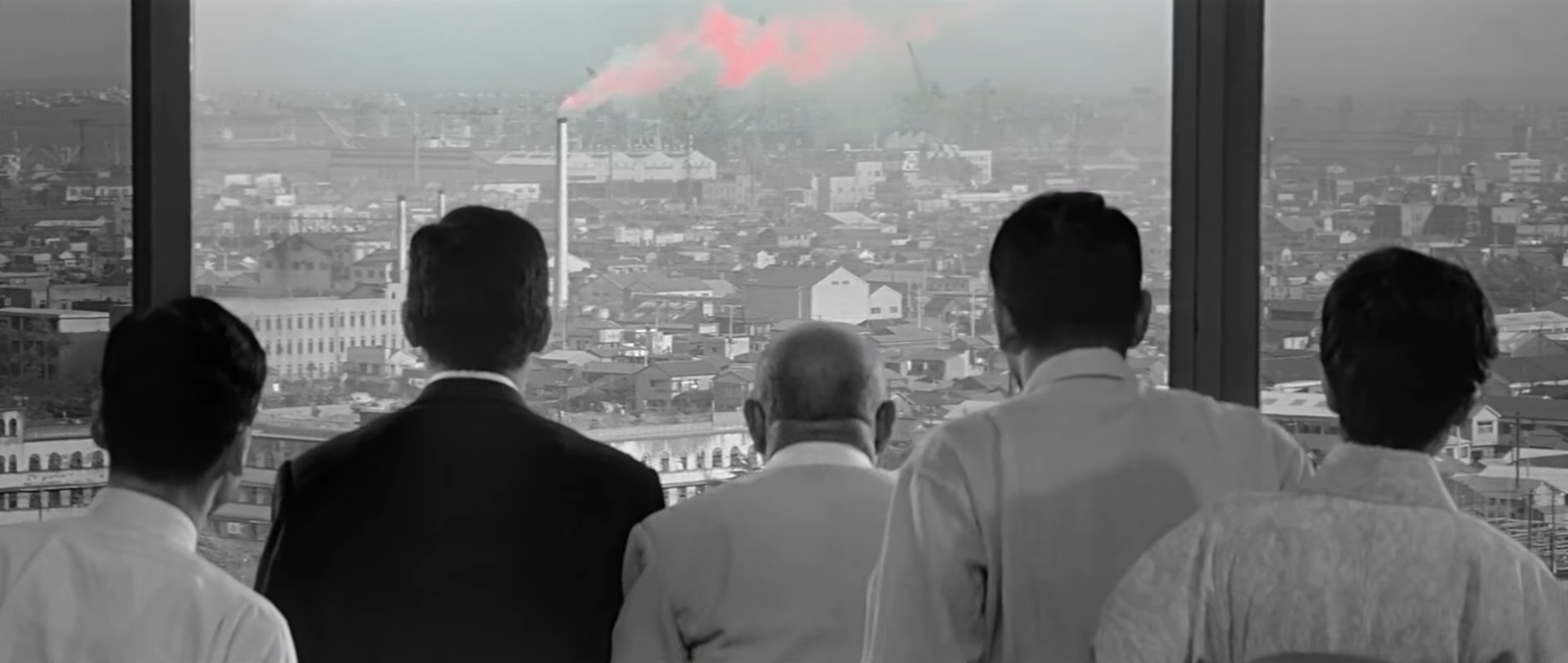
Akira Kurosawa’s riveting narrative in High and Low may start small with an agonising moral dilemma, but by the end of its criminal hunt it feels as if we have touched every corner of a sprawling city wracked with class warfare, forcing the rich and poor into bitter games of twisted revenge which turn both into miserable losers.
Winter Light (1963)

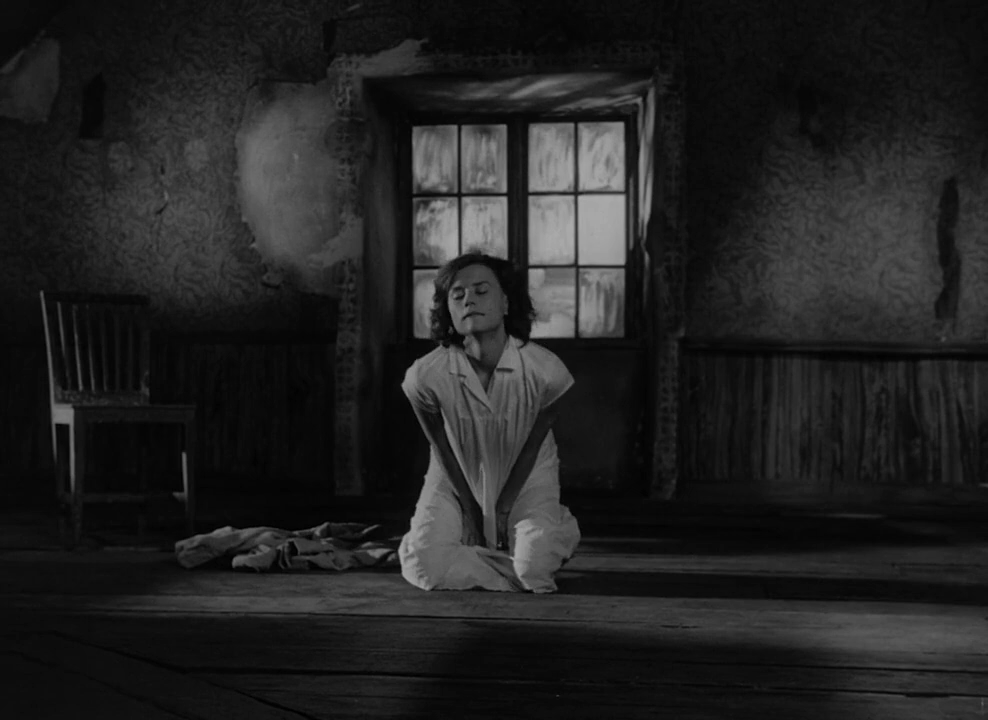
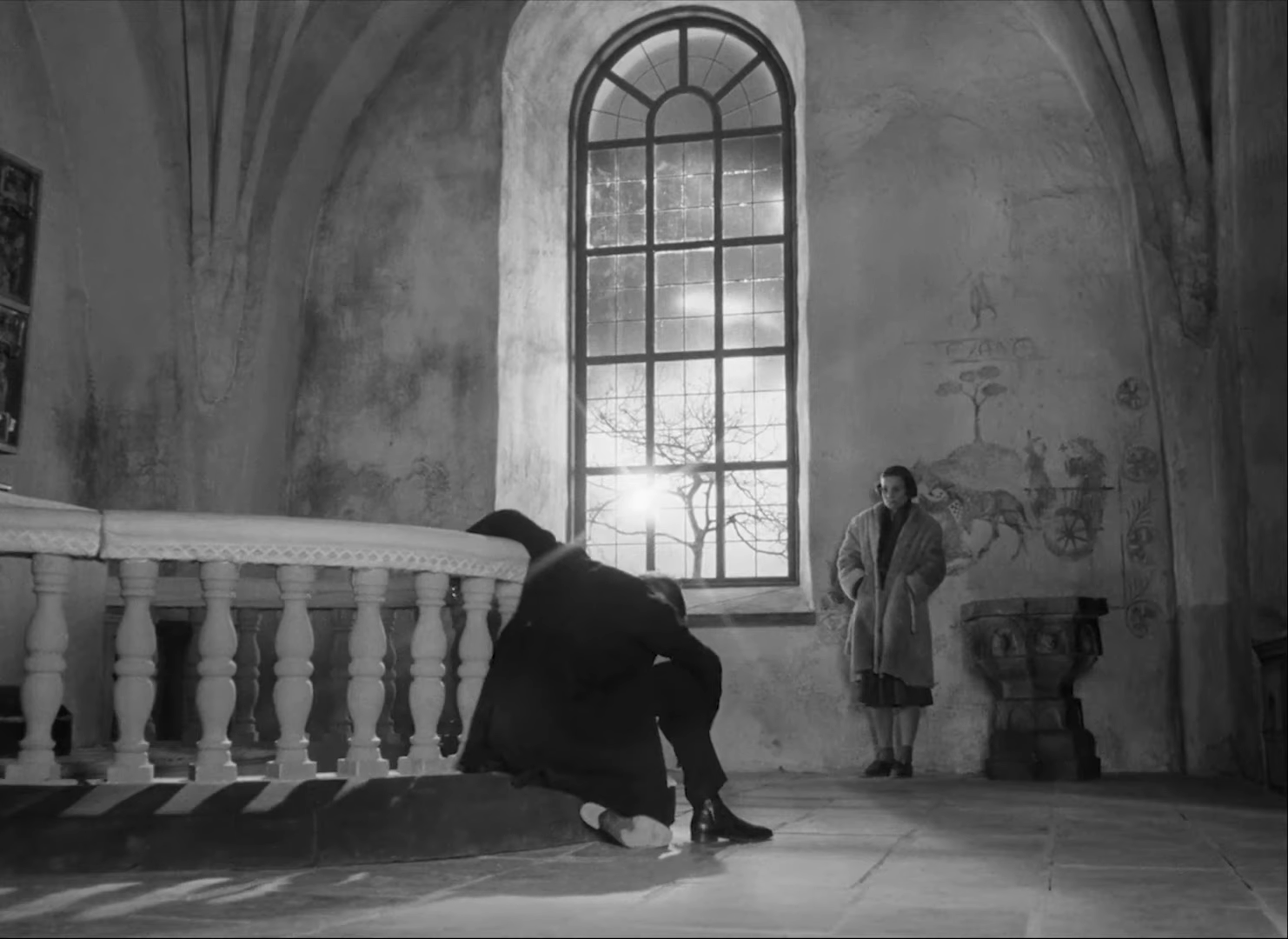
A pair of lonely masses bookends Winter Light’s spiritual crisis with a robust endurance of faith, focusing Ingmar Bergman’s intensive screenplay and severe direction upon a doubting priest bearing numerous similarities to a forsaken Christ, and uncovering a humanistic resilience which transcends religious boundaries.

Le Samouraï (1967)

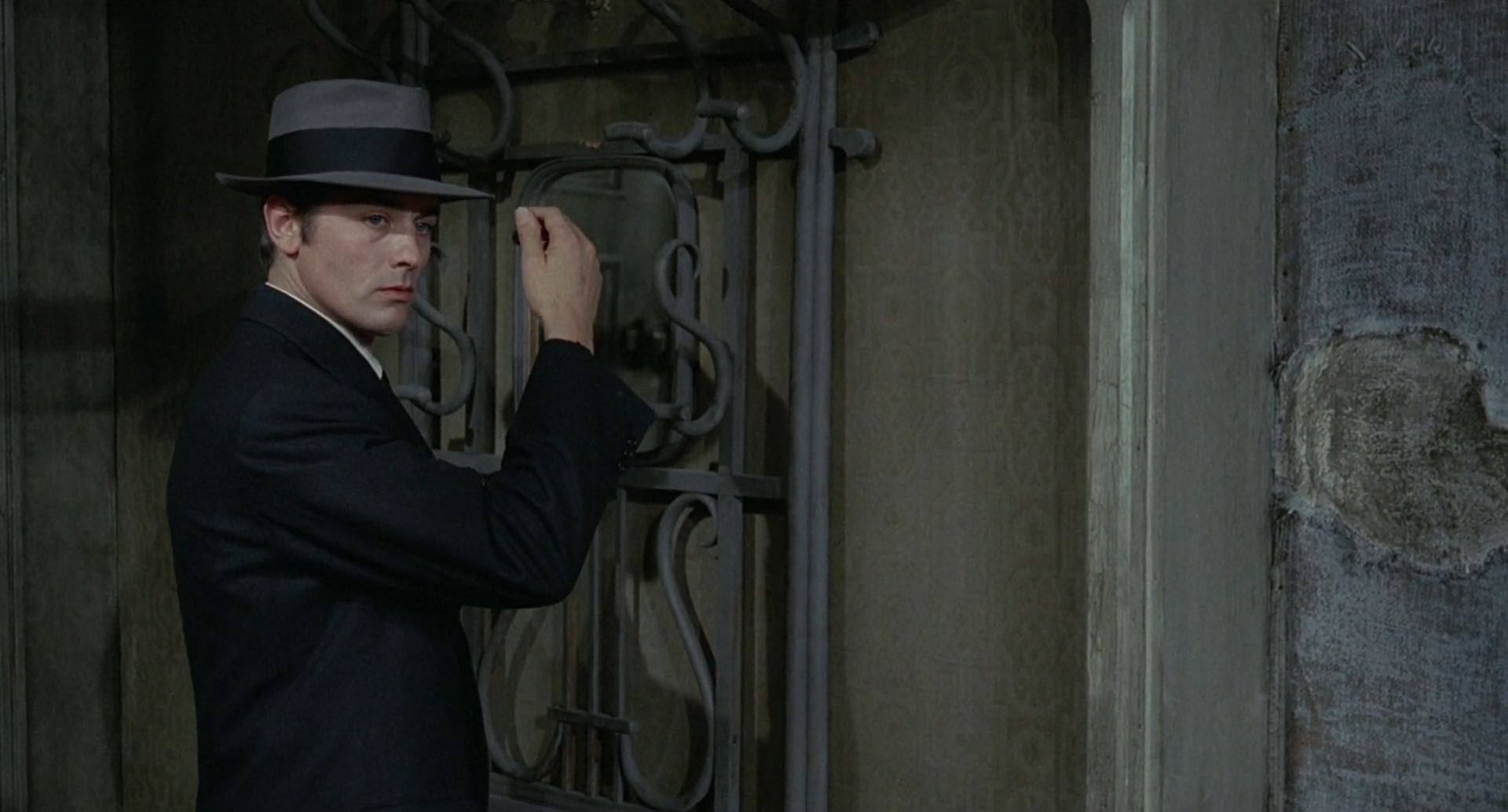
Jean-Pierre Melville’s character study of a lonely, dead-eyed hitman hunted by both sides of the law is one of exceptionally intensive focus, matching Jef’s pragmatic efficiency with an equivalently methodical narrative and austere visual style, and developing the Paris of Le Samourai into a city of crushing isolation.

Through a Glass Darkly (1961)

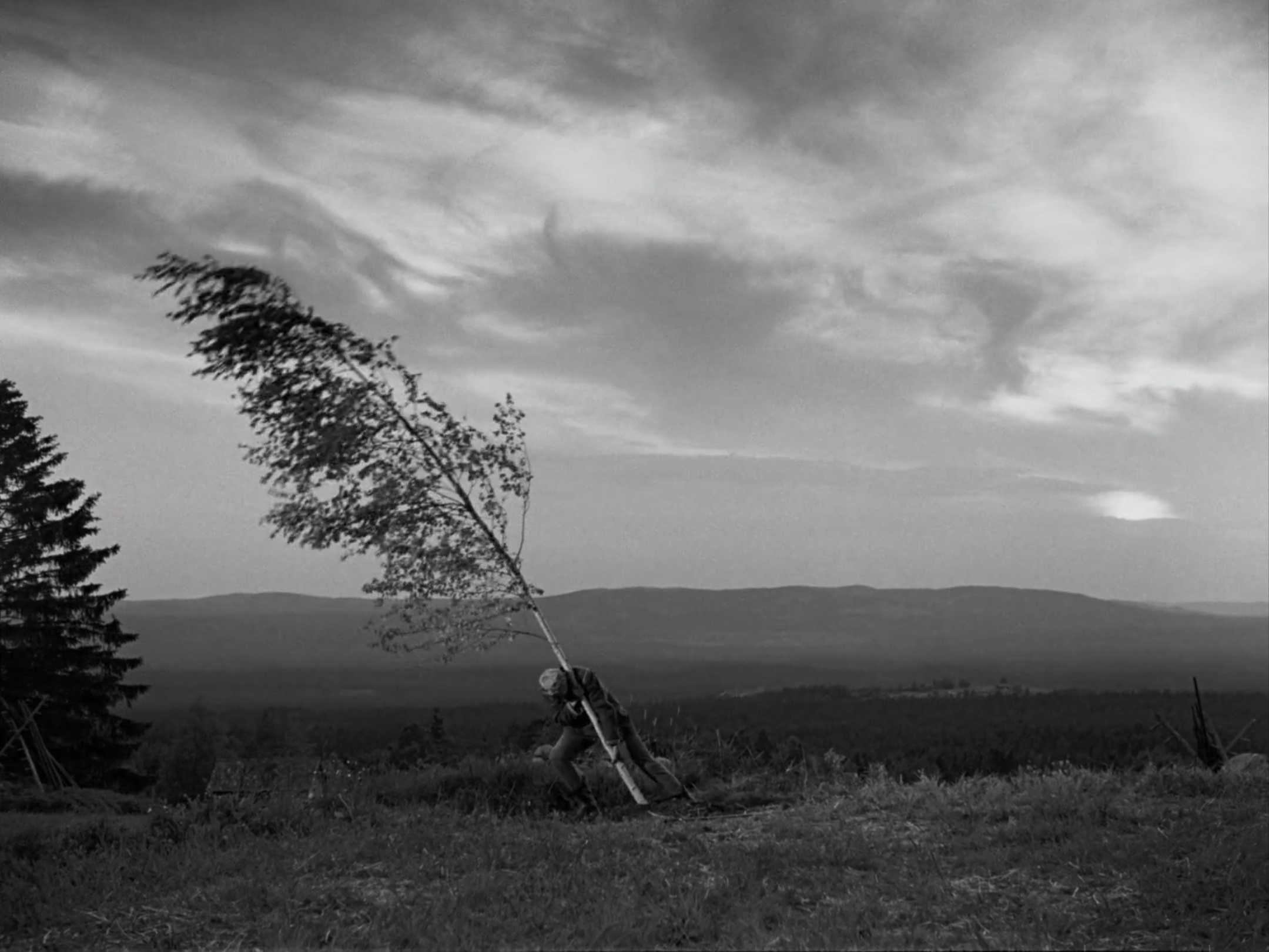
Beneath Ingmar Bergman’s eloquently cutting dialogue in Through a Glass Darkly is a family struggling in the absence of spiritual guidance, magnified to an even greater extent by the isolation of the island where they are vacationing, and yet finding the chance for redemptive grace in the smallest demonstrations of love.

The Virgin Spring (1960)

Christian and pagan symbolism may be nothing new for Ingmar Bergman, but their manifestation in The Virgin Spring through such visceral violence is punishing even by his standards, thoughtfully considering in this parable of murder and revenge how virtue might survive our most guilty, godless instincts.

Au Hasard Balthazar (1966)

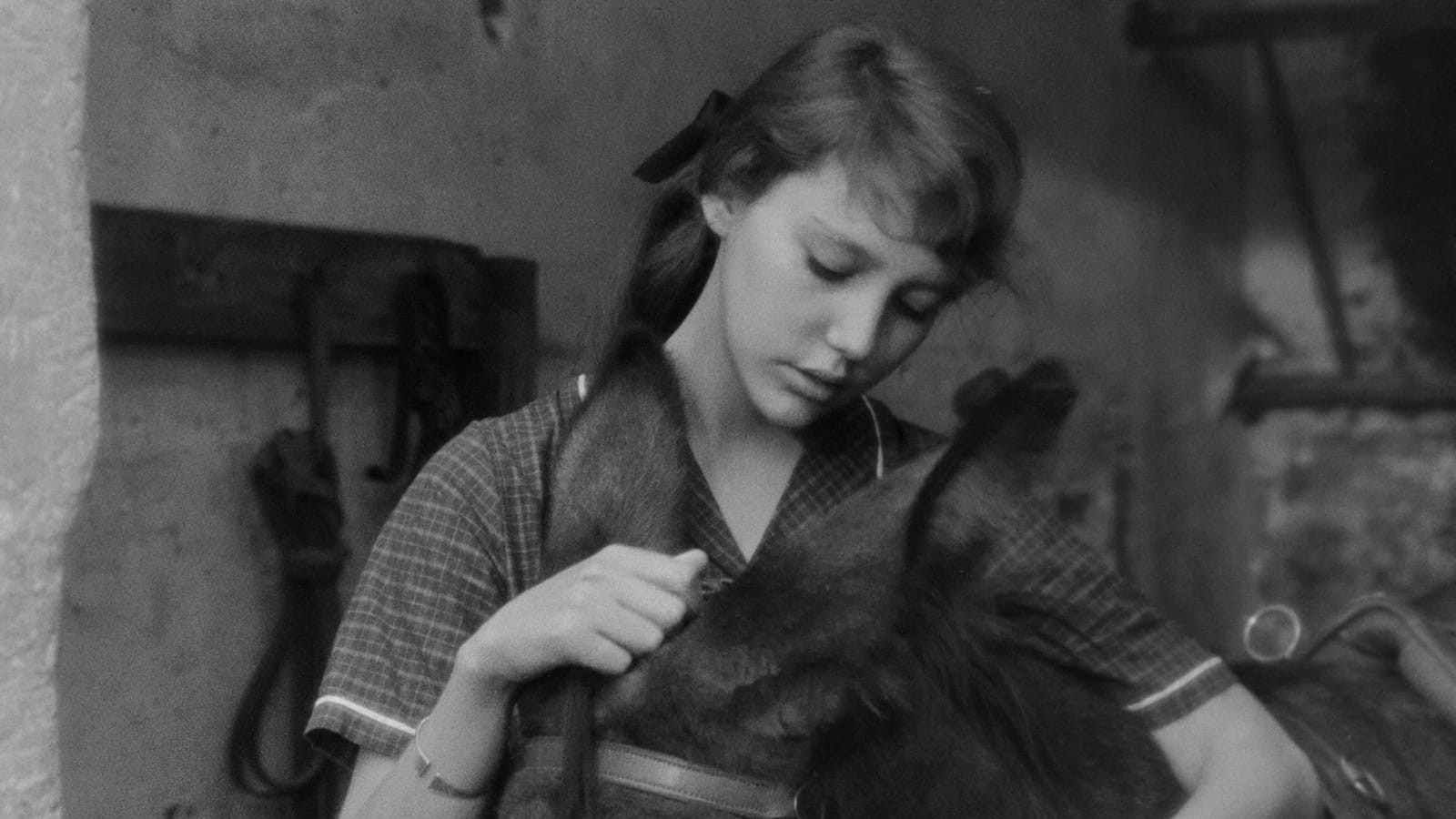
There is grace in the contemplation spurred on by the Bible’s parables, and through Au Hasard Balthazar’s elliptical, iconographic narrative, Robert Bresson conjures a similarly pensive meditation on suffering, adopting the perspective of a donkey being passed between multiple owners and its passive observations of humanity.

Chimes at Midnight (1965)

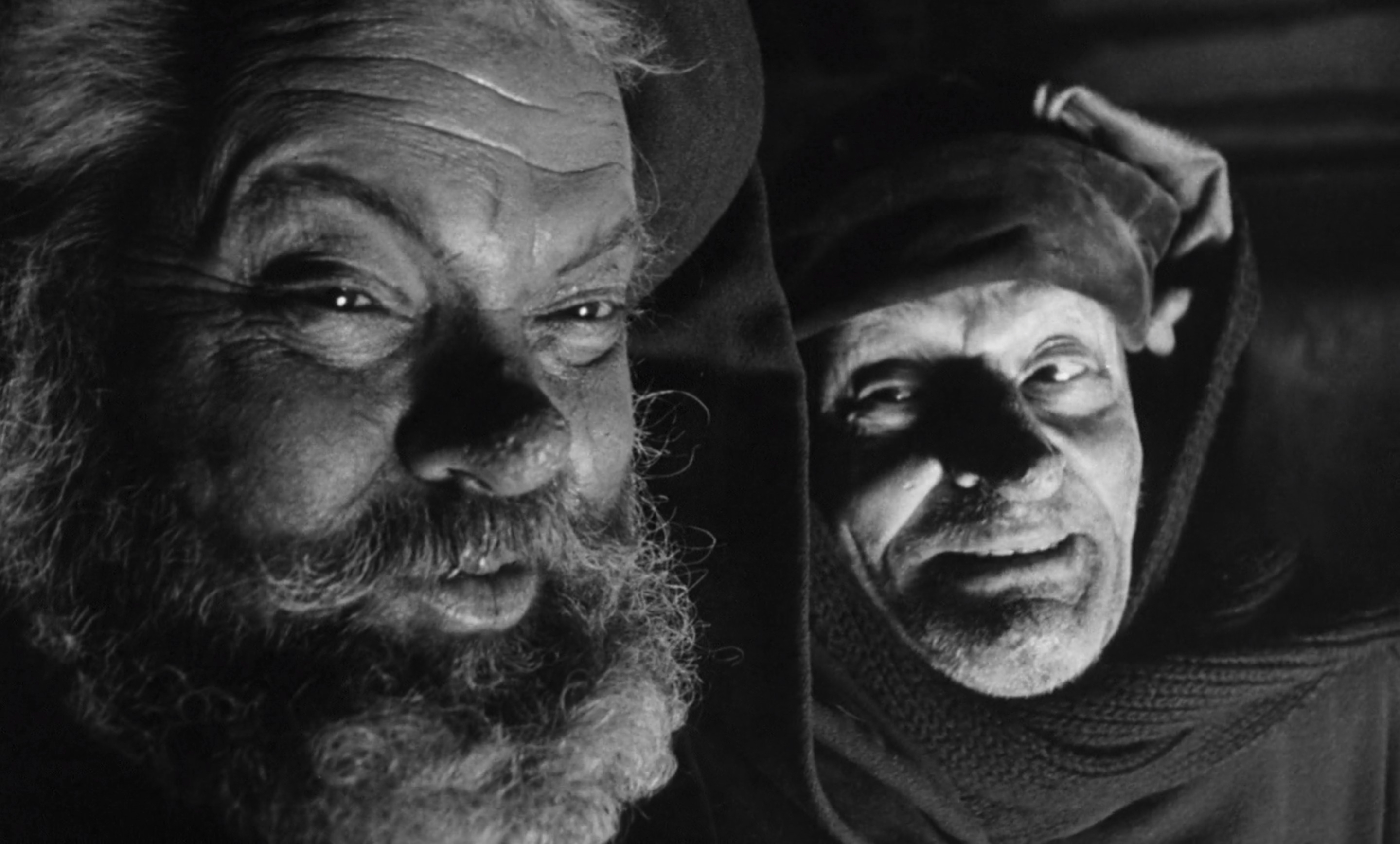
As he is written in Shakespeare’s works, the drunk, buffoonish Sir John Falstaff is a minor character, and yet in rearranging his scenes from multiple plays into Chimes at Midnight’s compelling tragicomedy, Orson Welles compellingly peels back the layers of his carefree hedonism, resourcefully reinventing the Bard’s classical narrative structures and archetypes as he goes.

Seconds (1966)

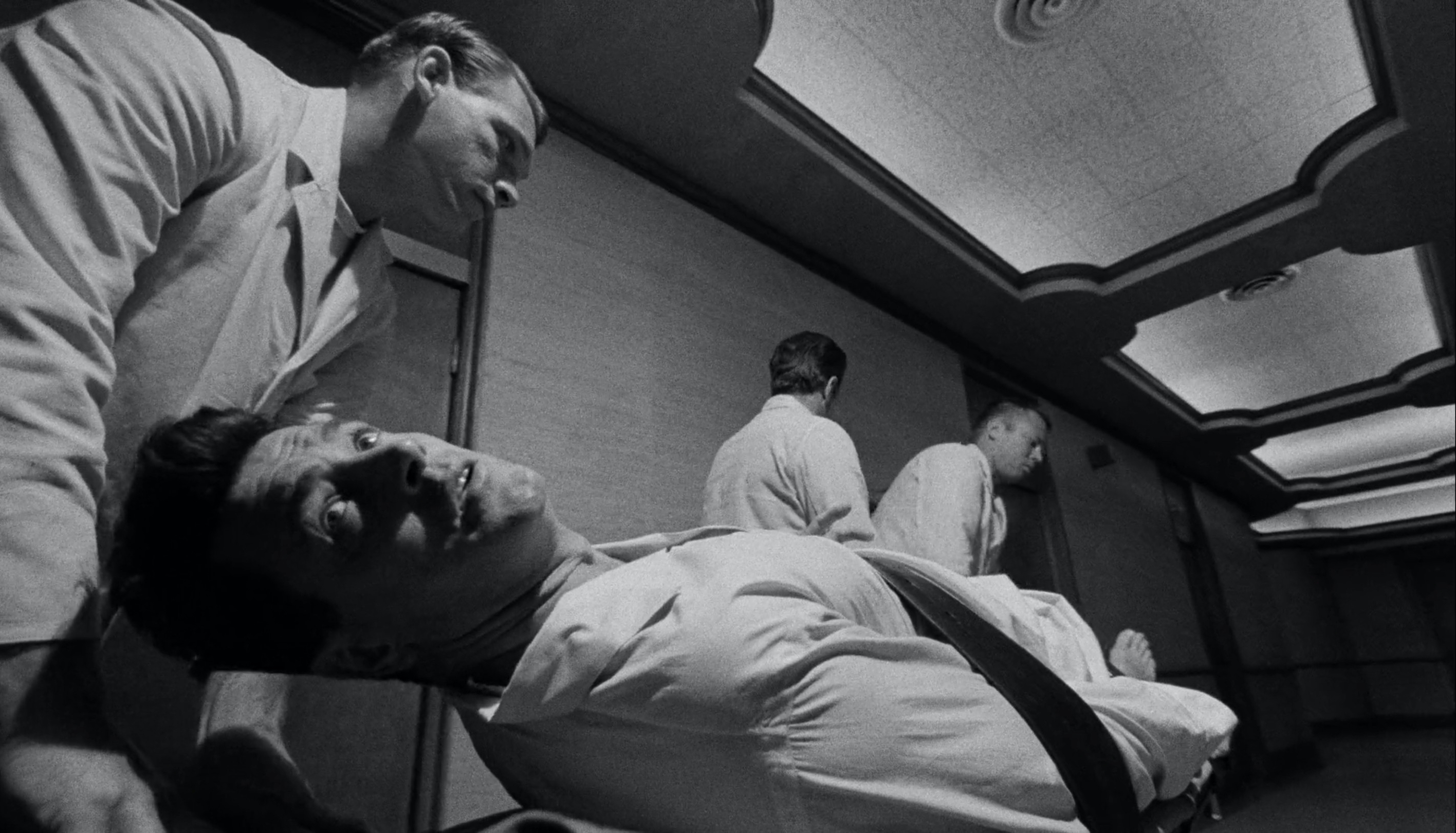
In the absurd, Kafkaesque nightmare of Seconds, rebirth into a new body and life is a prospect that only the wealthy can afford, though what starts as high-concept sci-fi is transformed into psychological horror under the steady hand of John Frankenheimer, whose intrusive camerawork and unsettling narrative carves out existential musings over the source of human misery.

Funny Girl (1968)

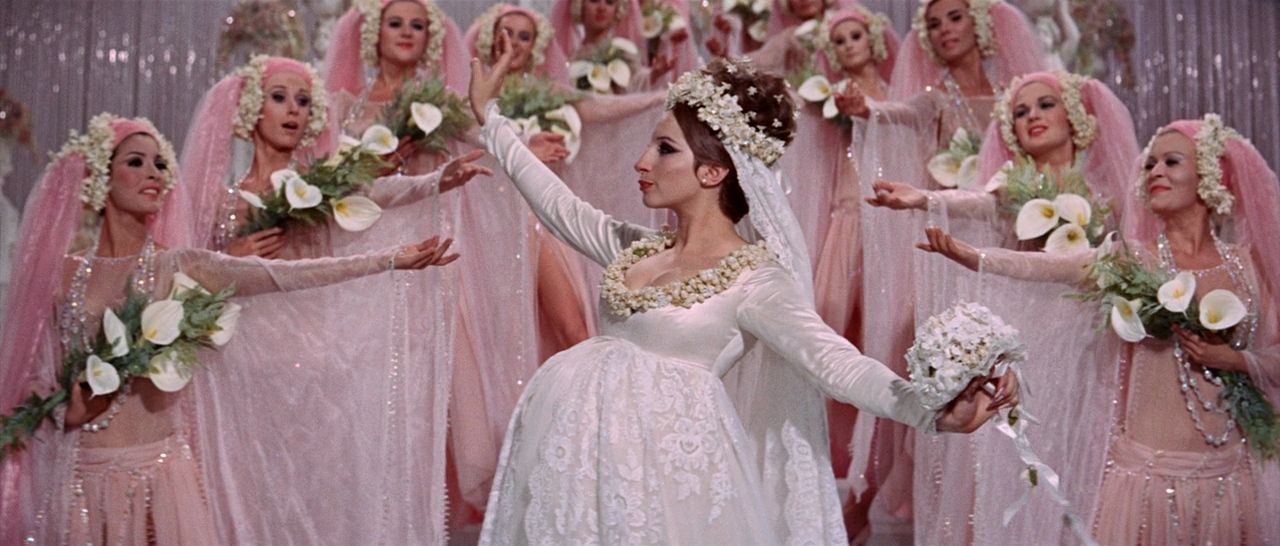
Whatever compassionate respect that comedienne and Broadway star Fanny Brice was denied in her lifetime, Barbara Streisand and William Wyler make up for in their representation of her as a sensitively layered figure in Funny Girl, radiating an upbeat irreverence and vibrant musicality out from this subversive innovator of women’s roles in American entertainment.

If…. (1968)

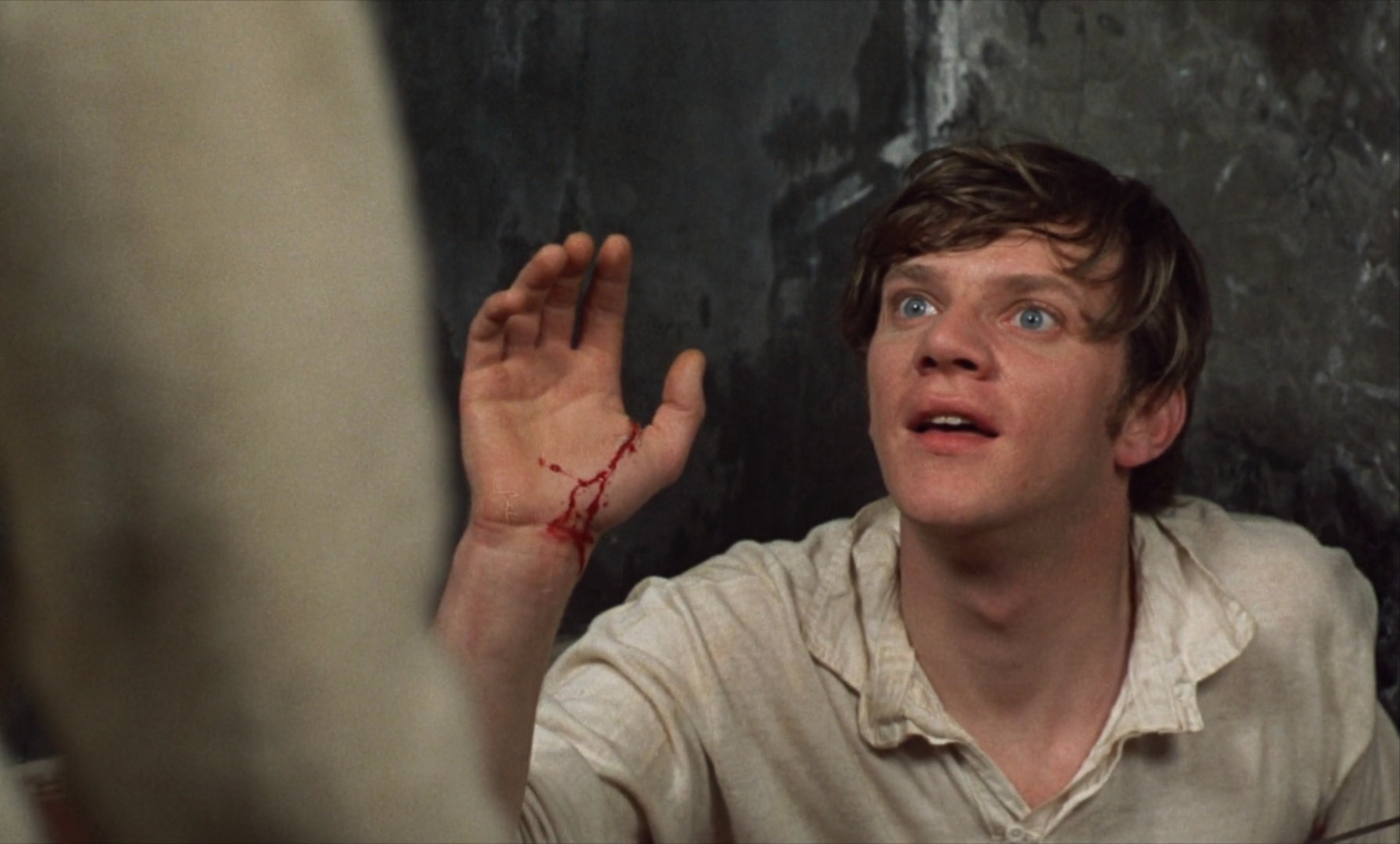
The implication of the title If…. is not a question, but an unfinished dream, as Lindsay Anderson conjectures a surreal world parallel to our own that assembles the strict hierarchy of a British boy’s boarding school into a pointed political allegory of tyrants, revolutionaries, and homoerotic power plays.

Scroll to Top