1960s

Weekend (1967)

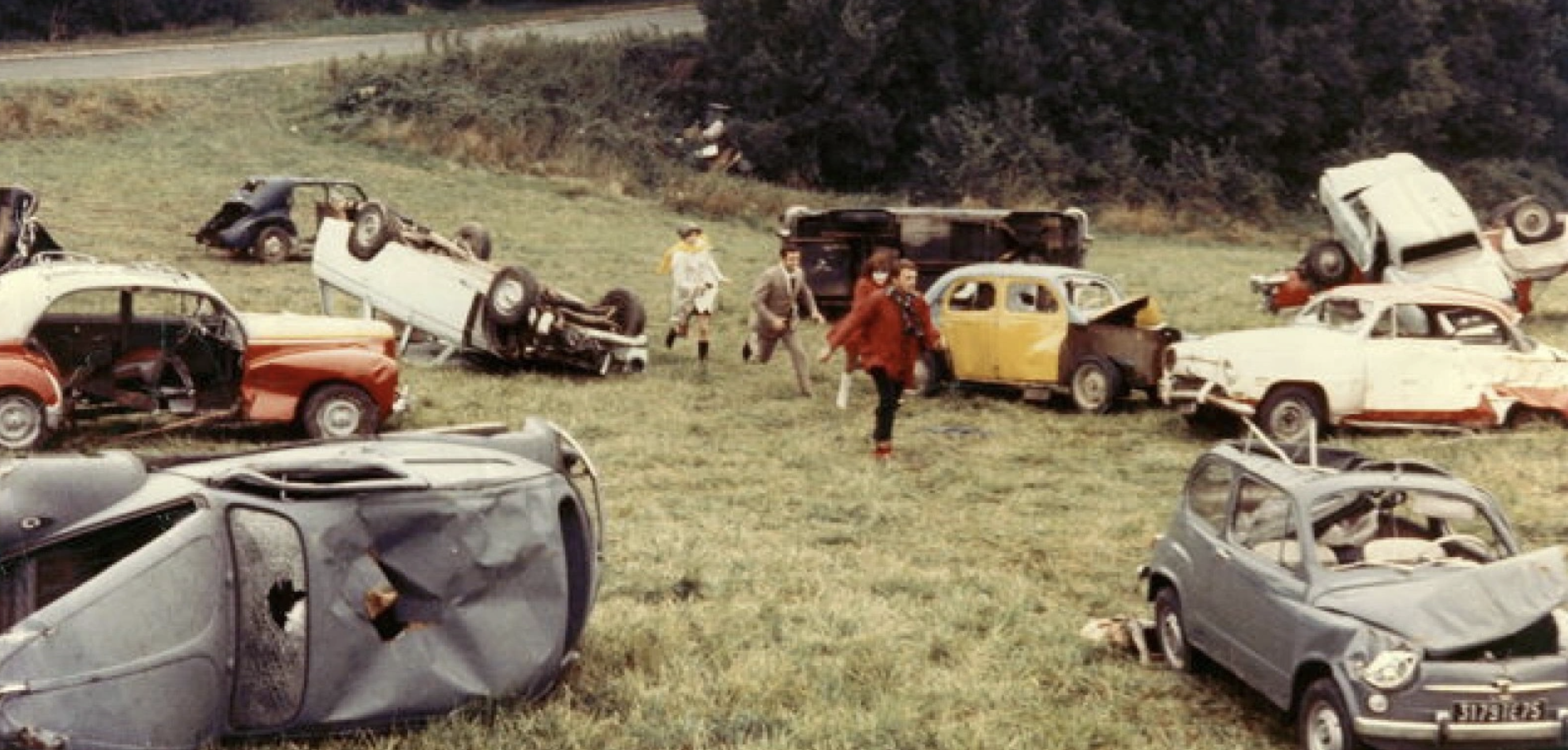
Cars may have once been proud emblems of modern industry and progress a hundred years ago, and yet Jean-Luc Godard proves them to be nothing more than pathetically inept status symbols in the absurd odyssey of Weekend, whisking us through bizarre, dystopian landscapes that take down France’s materialistic bourgeoisie with deconstructive post-irony.
The Haunting (1963)

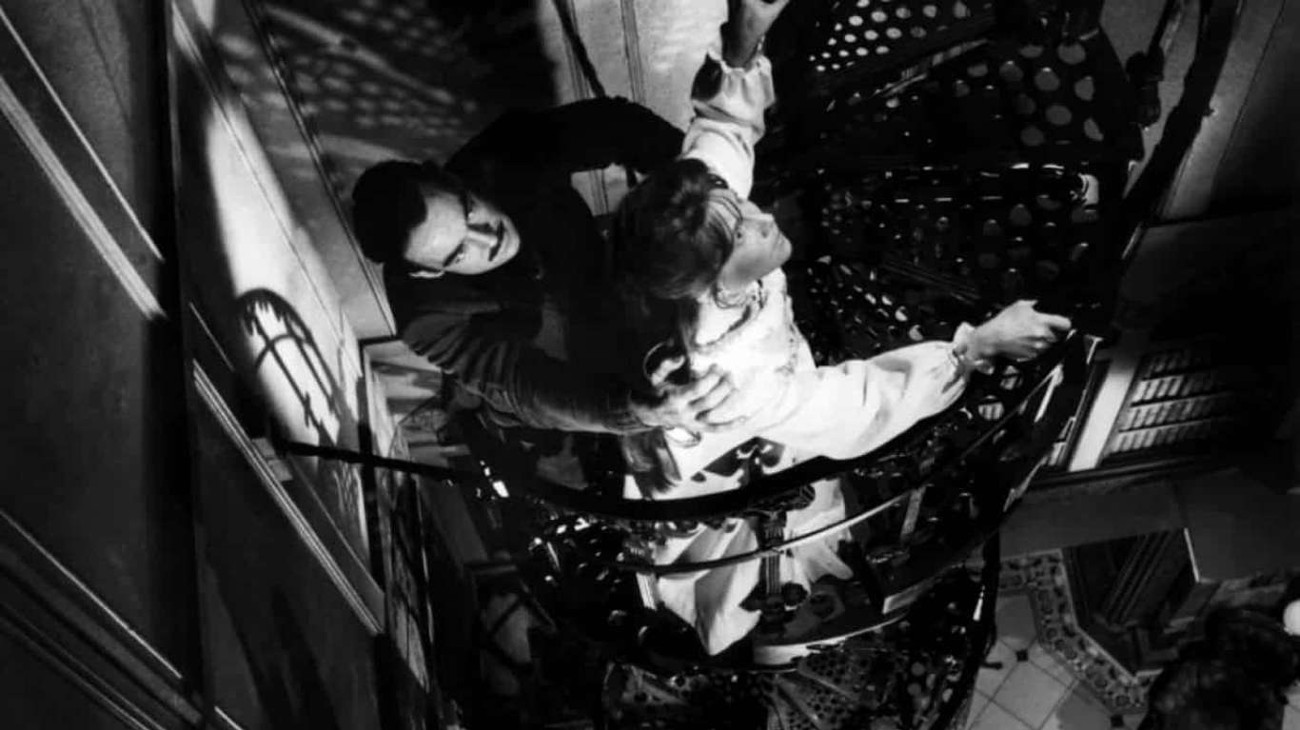
The only place willing to embrace those who have endured life’s deepest psychological pains in The Haunting is the cursed estate of Hill House, consuming its vulnerable visitors in Robert Wise’s expressionistic set pieces and writing out their chilling destinies in ghostly prophecies.

Yojimbo (1961)

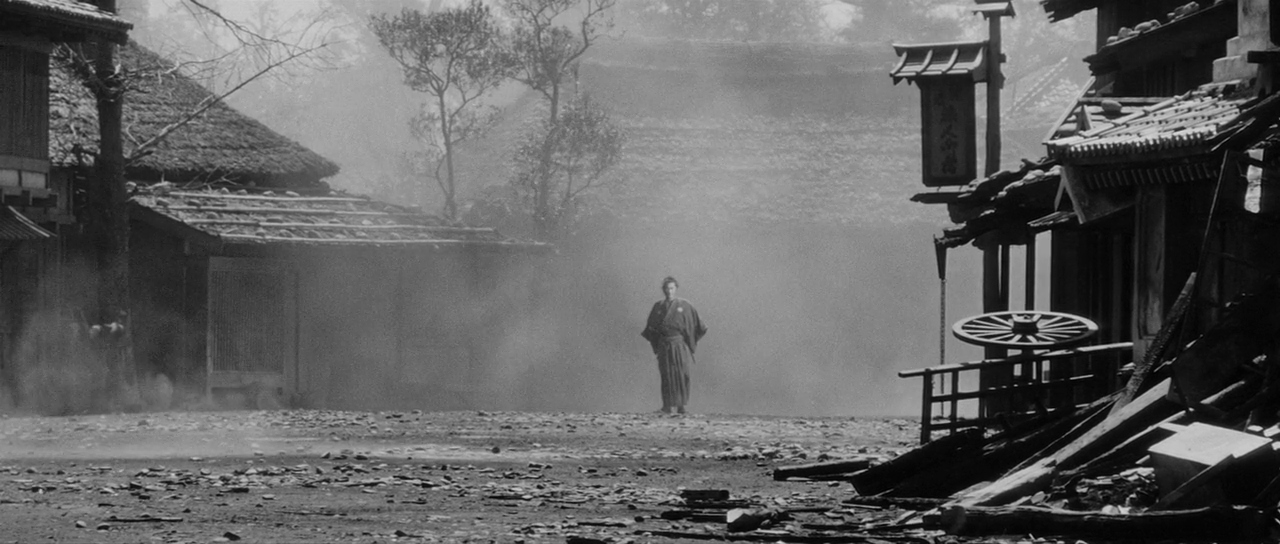
Akira Kurosawa builds a complex ensemble of characters in Yojimbo’s compelling narrative of rival crime lords and Shakespearean power struggles, though it is the mysterious samurai who wanders into their midst who commands the greatest power of them all, seemingly walking straight out of Japanese mythology to save the town held hostage by a violent feud.

2001: A Space Odyssey (1968)

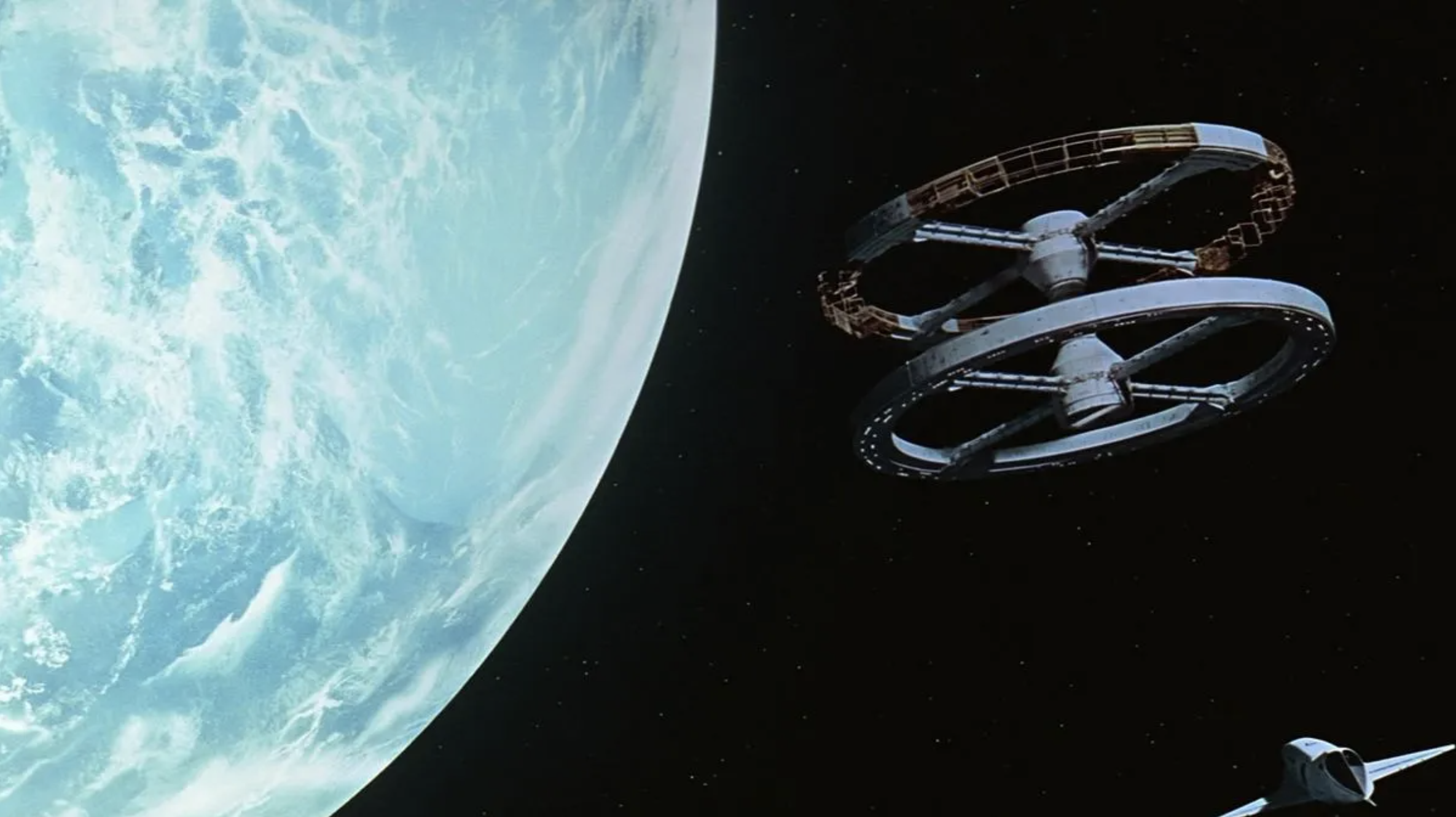
Through his indisputable talent as an avant-garde storyteller, Kubrick accomplishes a formal rigour and aesthetic precision in 2001: A Space Odyssey that so few artists have ever come close to, revealing a glimpse of humanity’s infinite potential through a staggering feat of filmmaking that measures up to the transcendent, cosmic scale it is representing.

The Passion of Anna (1969)

Ingmar Bergman’s personal turmoil during production of The Passion of Anna infuses this chamber drama with a shaggy, improvisational quality, deconstructing its titular widow’s grief with the same imperfect honesty which he himself is guilty of, and bringing a raw vulnerability to complex characters straining against each other’s cruelty.

Shame (1968)

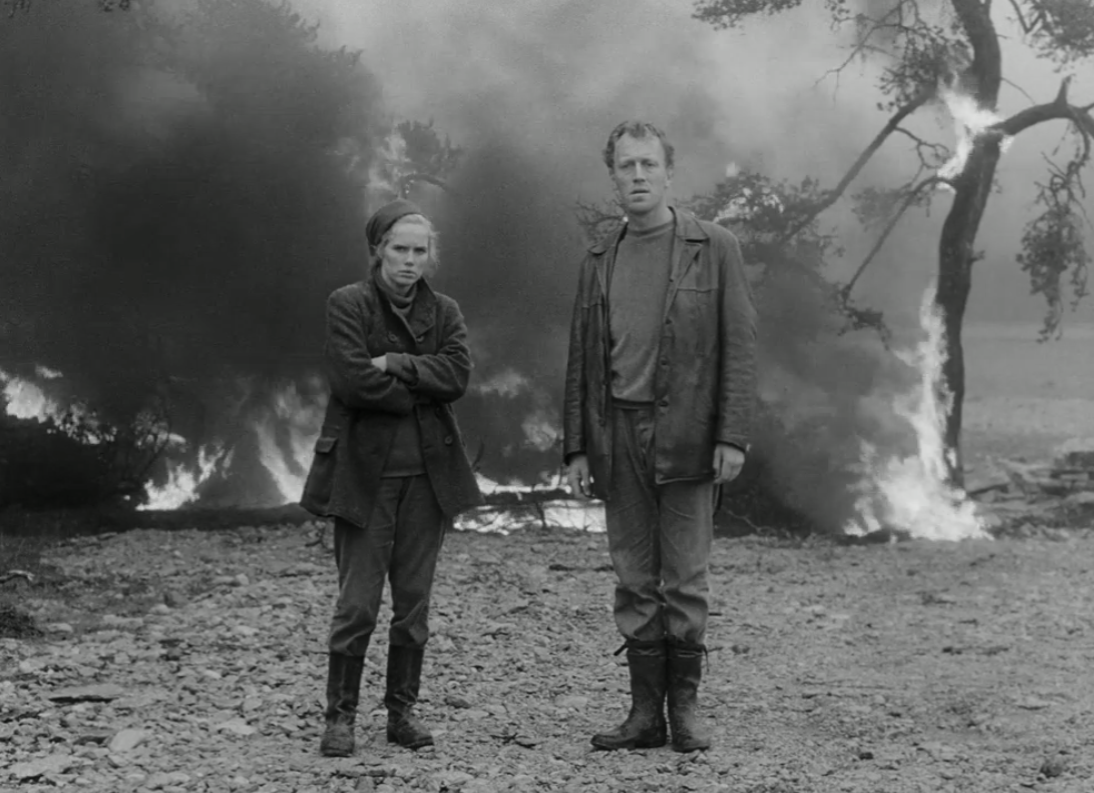
From the moment the first bombs start falling, Ingmar Bergman descends Shame into an irreversible degradation of innocence, love, and compassion, tragically twisting the souls of wartime survivors into distorted shadows of their former selves and taking this study of human violence to its logical, haunting end.

Hour of the Wolf (1968)

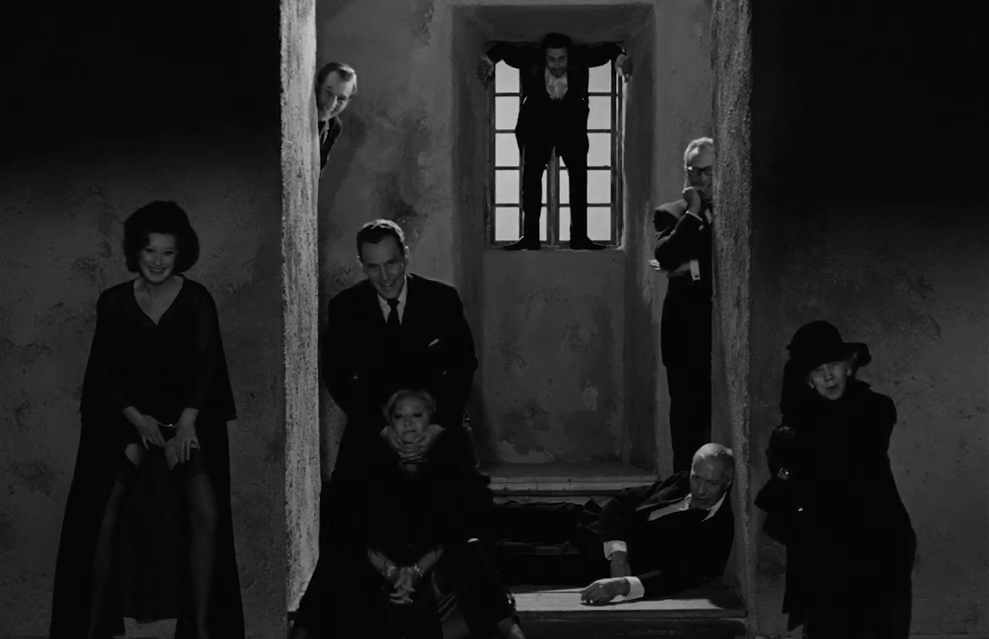
As we trace back the steps of one mentally tortured painter through the days before his disappearance in Hour of the Wolf, it becomes clear that no other Ingmar Bergman film has come this close to outright psychological horror, surreally warping our most intimate relationships into vulnerable weaknesses where demons come to play.

Harakiri (1962)

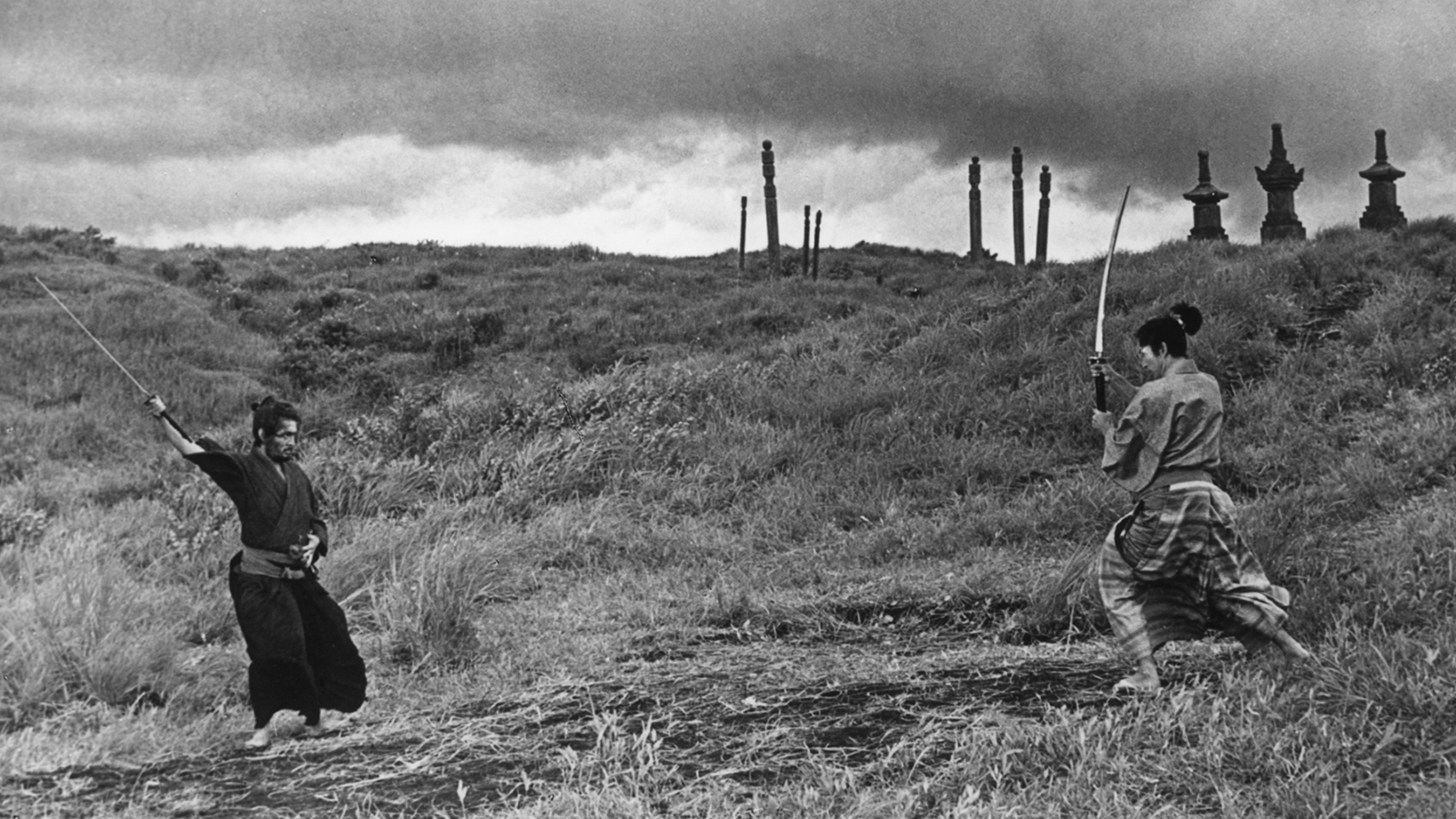
The corruption of samurai tradition in Harakiri has not merely unfolded through passive spiritual negligence, but rather arises from the flawed humanity hiding behind its facade, as Masaki Kobayashi thrillingly lays out a pessimistic Japanese fable of one man’s violent attempt to expose its total hypocrisy.

The Human Condition (1959-61)

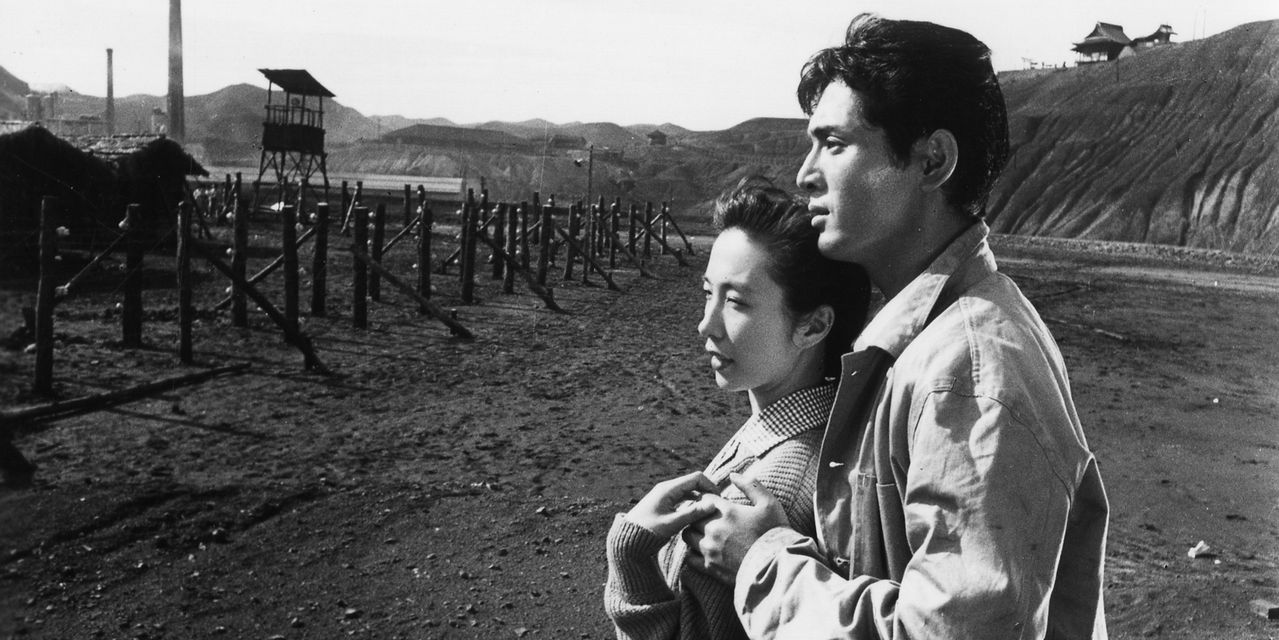
Japanese soldier, prisoner, and pacifist Kaji seems to live multiple lives across the modern odyssey of The Human Condition trilogy, waging his soul as the last battleground of moral fortitude in the final years of World War II, and becoming the compelling centrepiece of Masaki Kobayashi’s devastating study on humanity’s most vital essence.

Persona (1966)

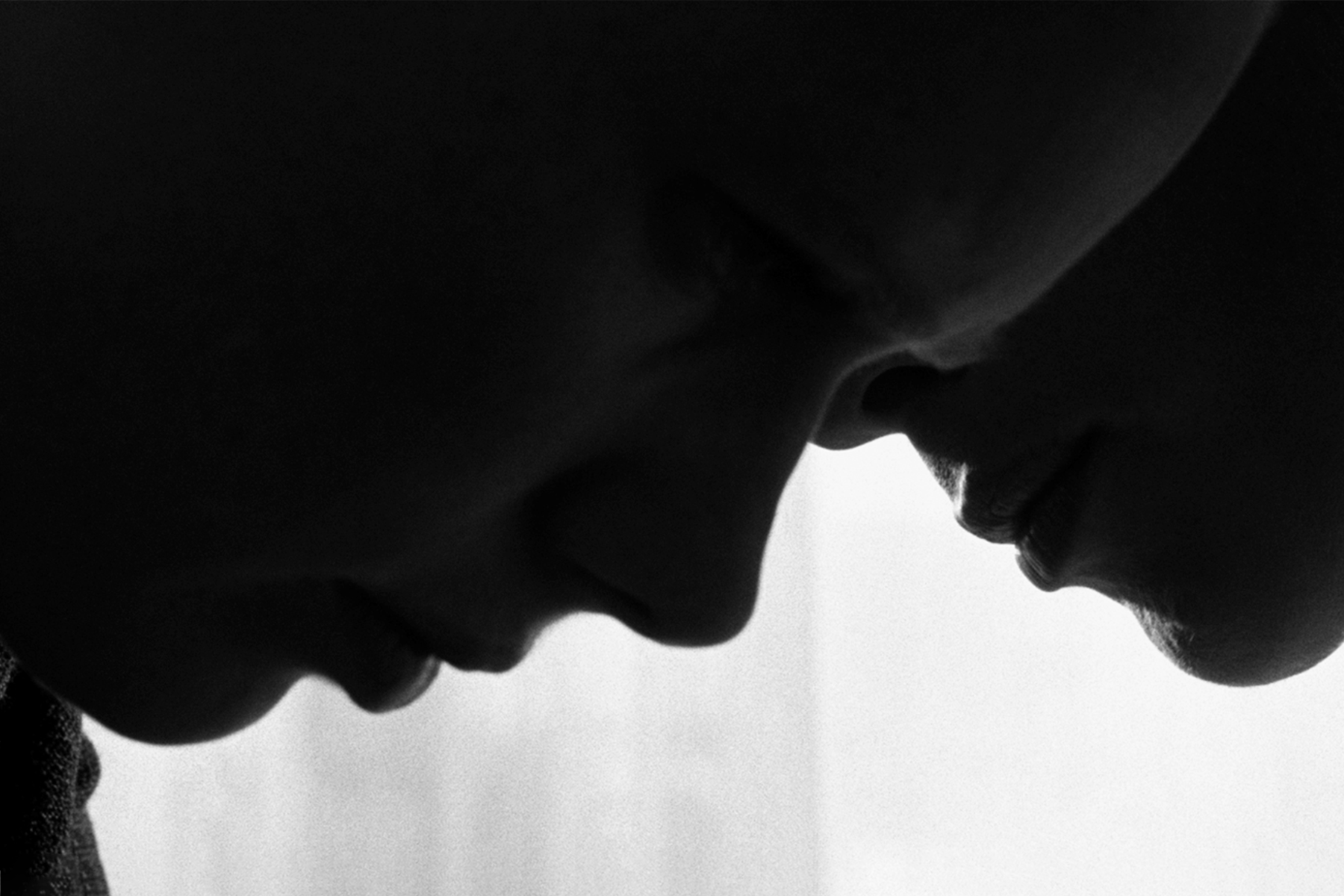
The incredible formal synthesis forged between Ingmar Bergman’s intimate visual style and psychological deliberations in Persona may be the finest of his career, blending the identities of two women through an avant-garde surrealism, and studying the perplexing duality which splits the human mind into outward expressions and internal truths.

Scroll to Top