1951

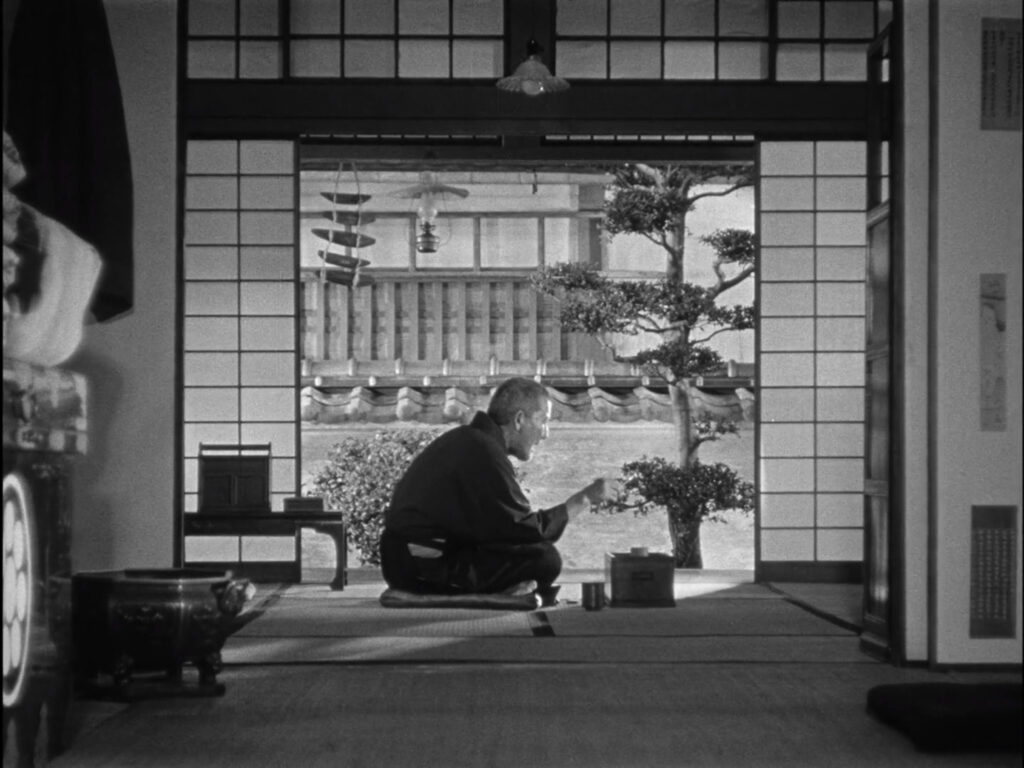
Early Summer (1951)

Post-war Japan’s shifting cultural attitudes tangibly manifest within the cluttered, multi-generational household of Early Summer, its domestic interiors of birdcages and shoji doors infused with Yasujirō Ozu’s introspective meditations, and simmering tension around its eldest daughter’s longing for independence.
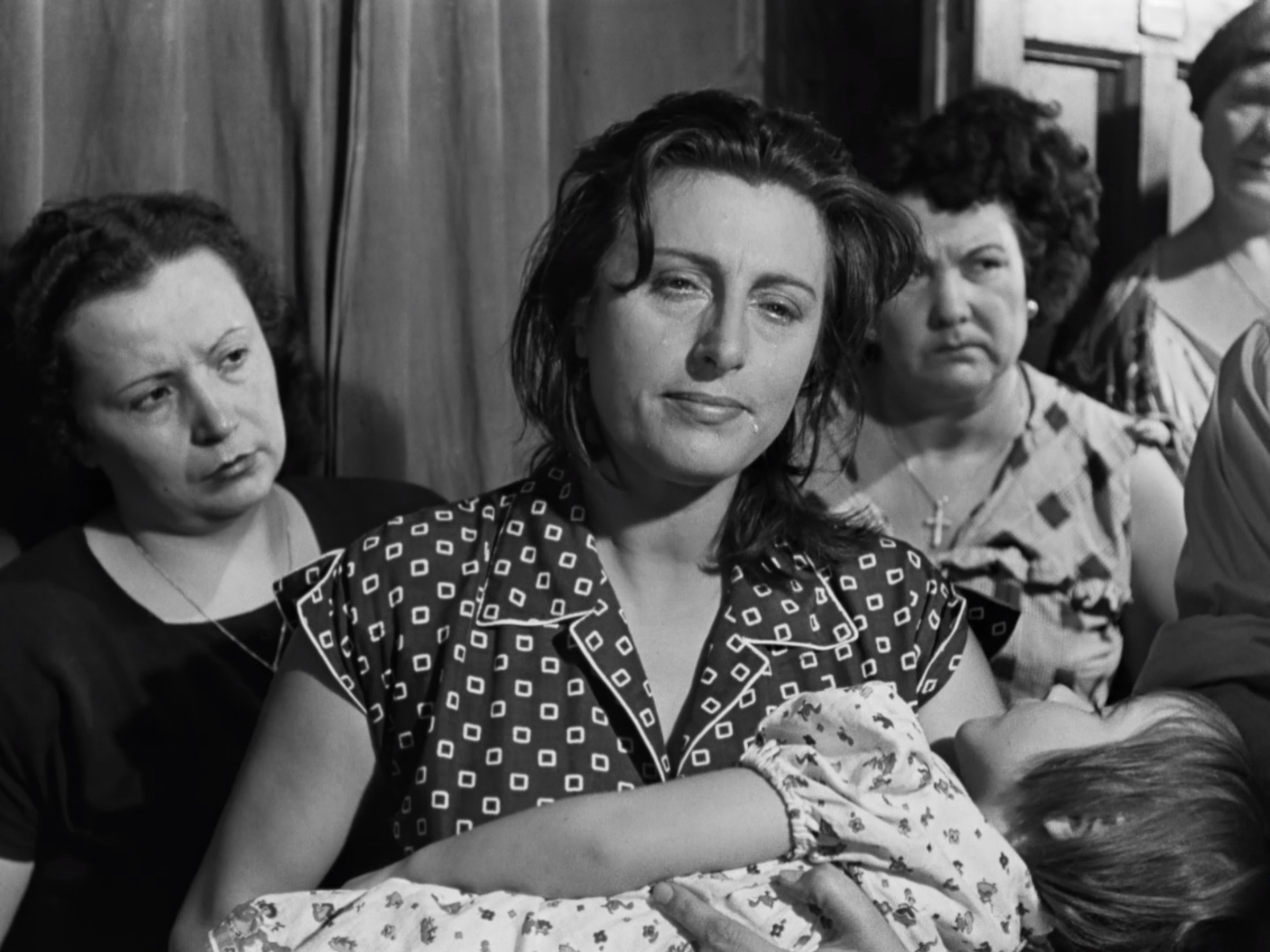
Bellissima (1951)

In Bellissima’s unconventional blend of Italian neorealism and comedic satire, Luchino Visconti takes sharp aim at the ludicrous glorification of the entertainment industry, identifying an authentic connection between one effusive show mum’s pursuit of stardom for her daughter, and her struggles of post-war poverty.

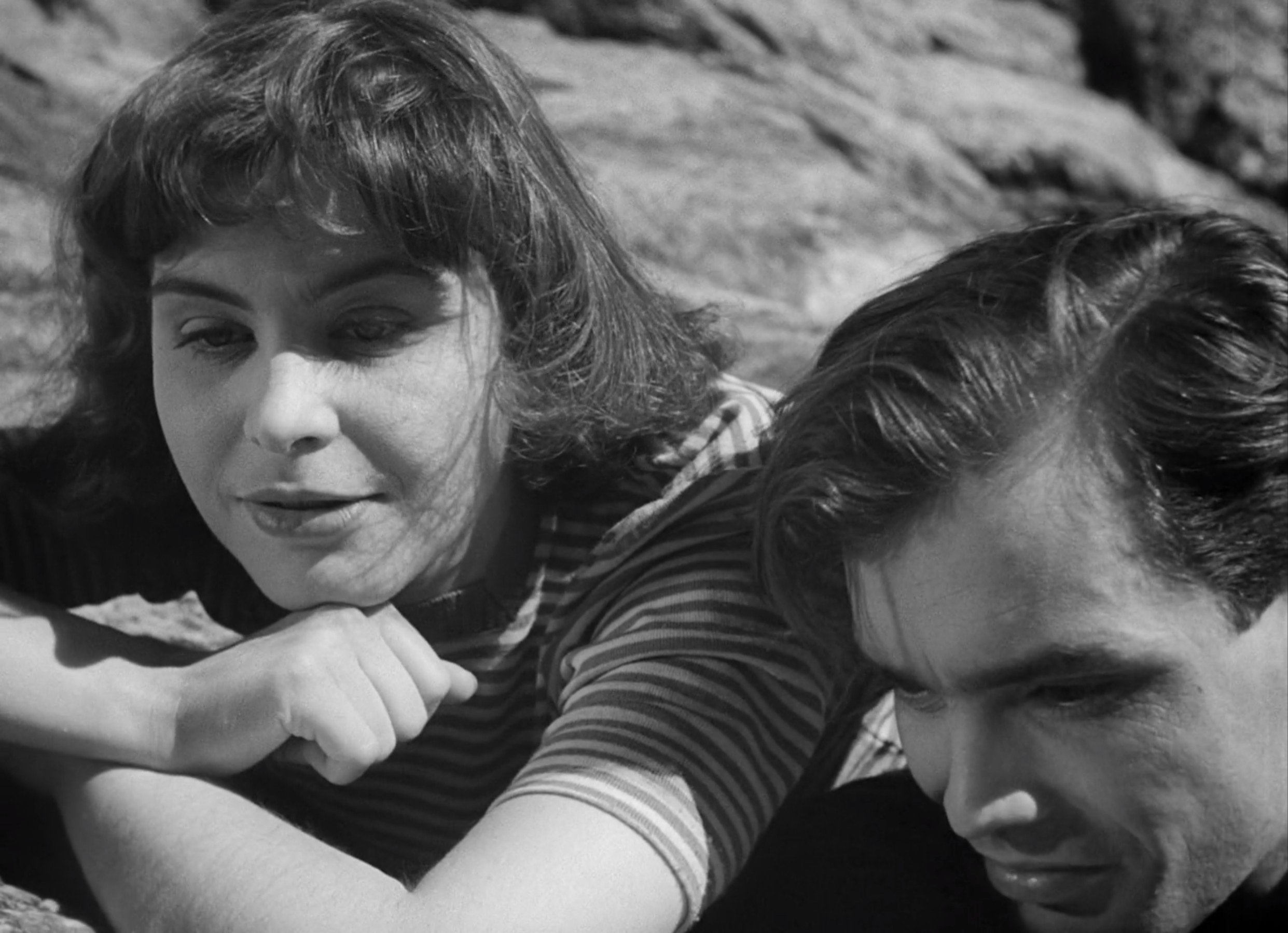
Summer Interlude (1951)

Marie and Henrik aren’t the first lovers in an Ingmar Bergman film to be brutally torn apart, but they are first to be developed with such visual splendour and warmth, as Summer Interlude dreamily calls back to those nostalgic, youthful vacations that seemed to go on forever, flourishing in the tiny tensions and pleasures of one’s first romance and heartbreak.

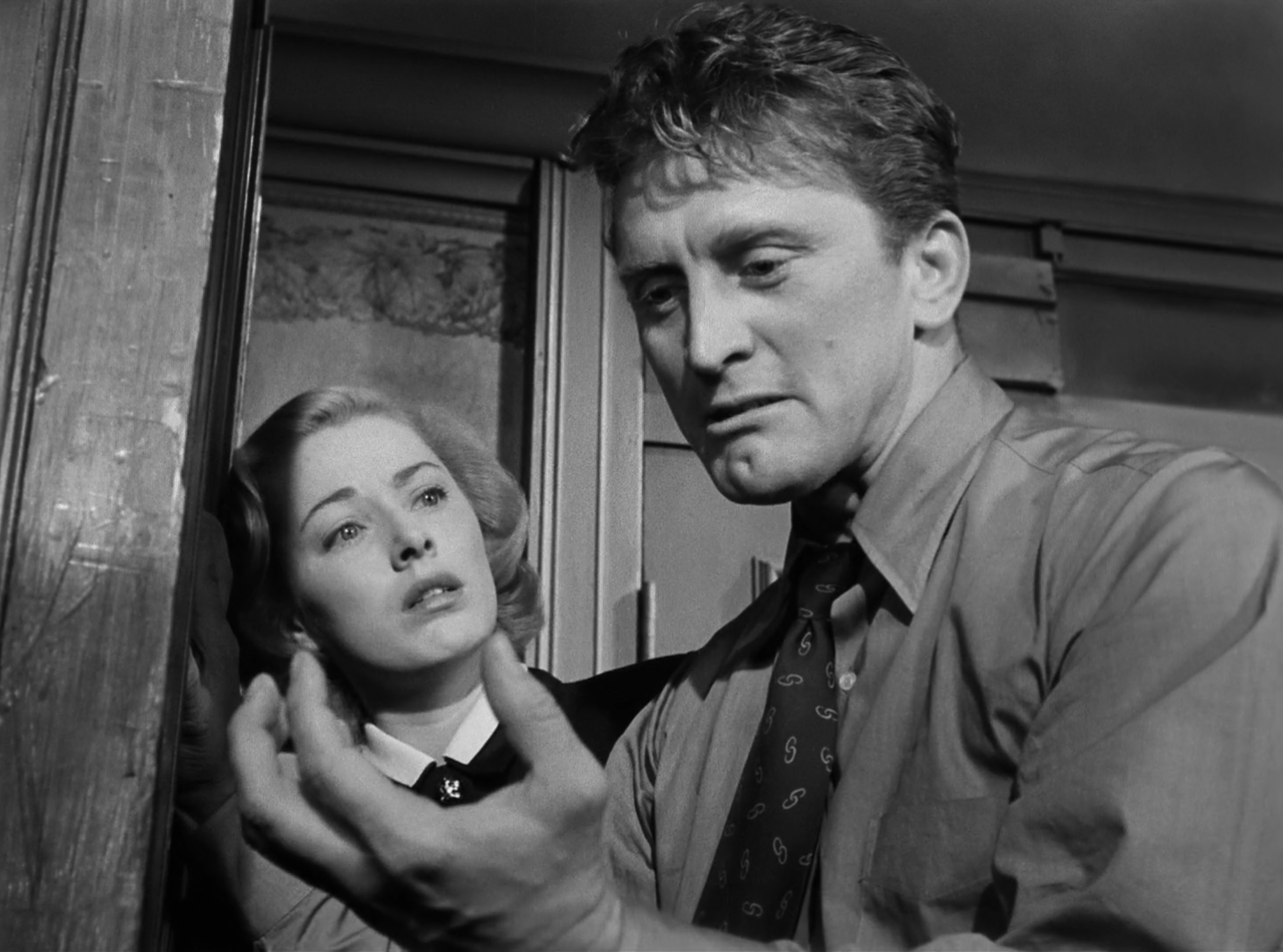
Detective Story (1951)

As Detective Jim McLeod’s personal and professional worlds collide in the web of narrative threads that emerge over the course of one day inside a police station, Wyler’s deep focus staging of his cast brings layers of both visual and subtextual significance to Detective Story, turning it into a character study of an unforgiving, unsalvageable figure.

Scroll to Top