1940s

A Ship Bound for India (1947)

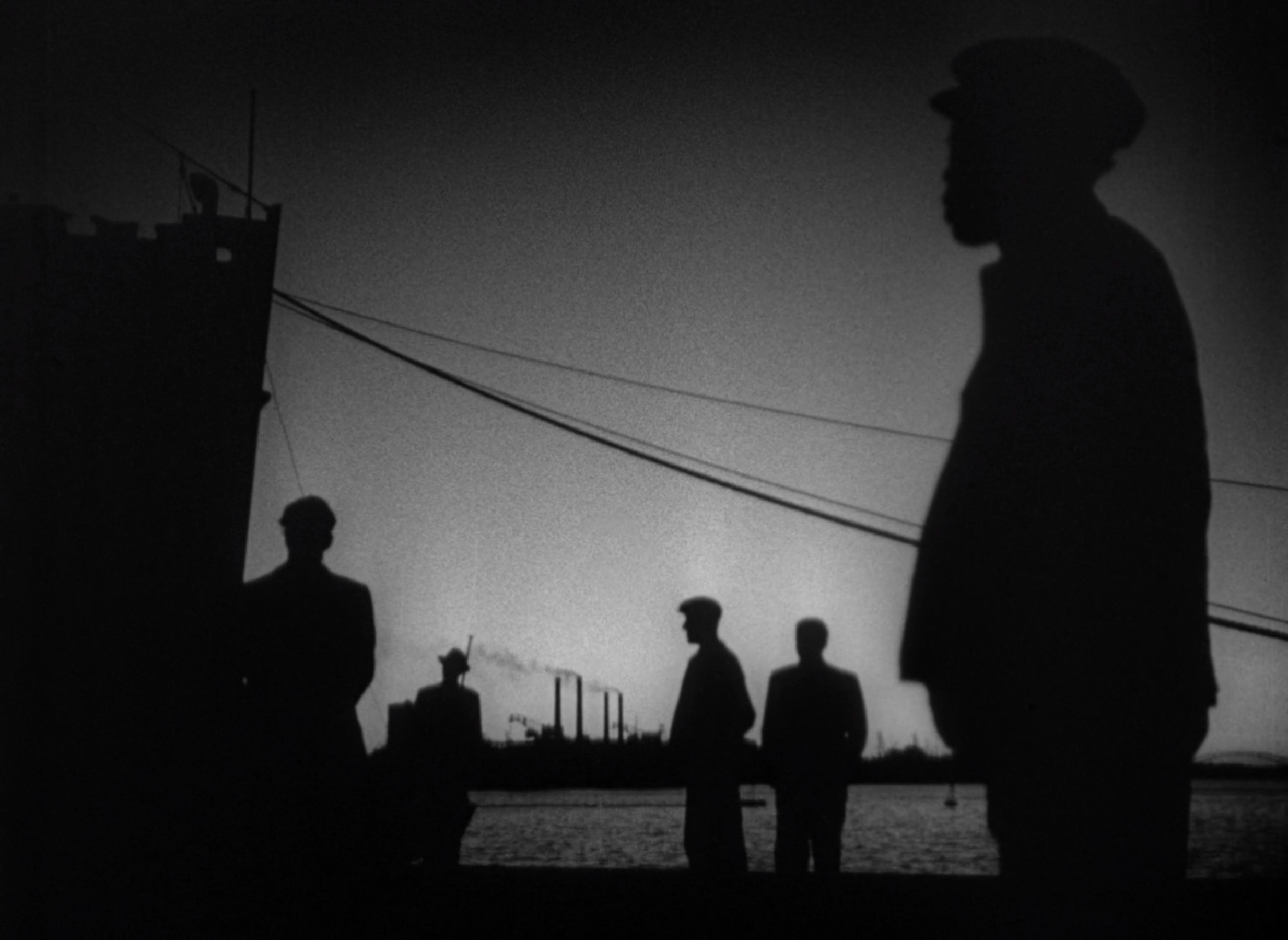
An air of fleeting transience hangs over A Ship Bound for India, embodied literally by the industrial ships sailing from one dock to the next, and formally weaved into the narrative as an extended, nostalgic flashback, revealing a confidence in Ingmar Bergman’s direction that probes the Oedipal dynamics between a sailor, his father, and his mistress.
Yankee Doodle Dandy (1942)

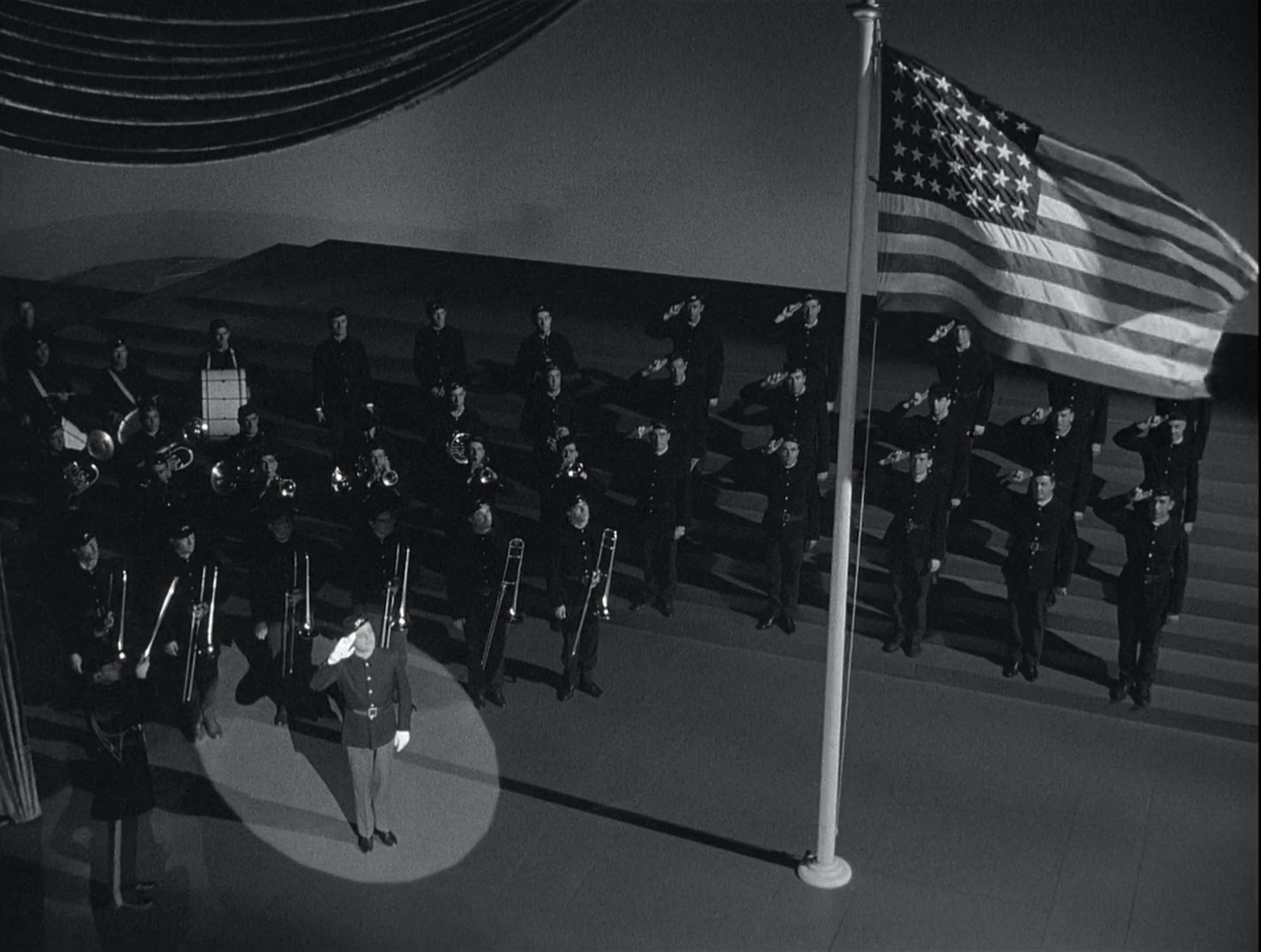
Yankee Doodle Dandy’s jingoistic politics are unsophisticated, but its nostalgic sentiment is strong, beating back whatever accusations of outdated mawkishness might be thrown its way with James Cagney’s energetic take on Broadway star George M. Cohan, whose dynamic presence and patriotic showtunes are rendered by Michael Curtiz onscreen as a propulsive musical biopic.

It Rains On Our Love (1946)

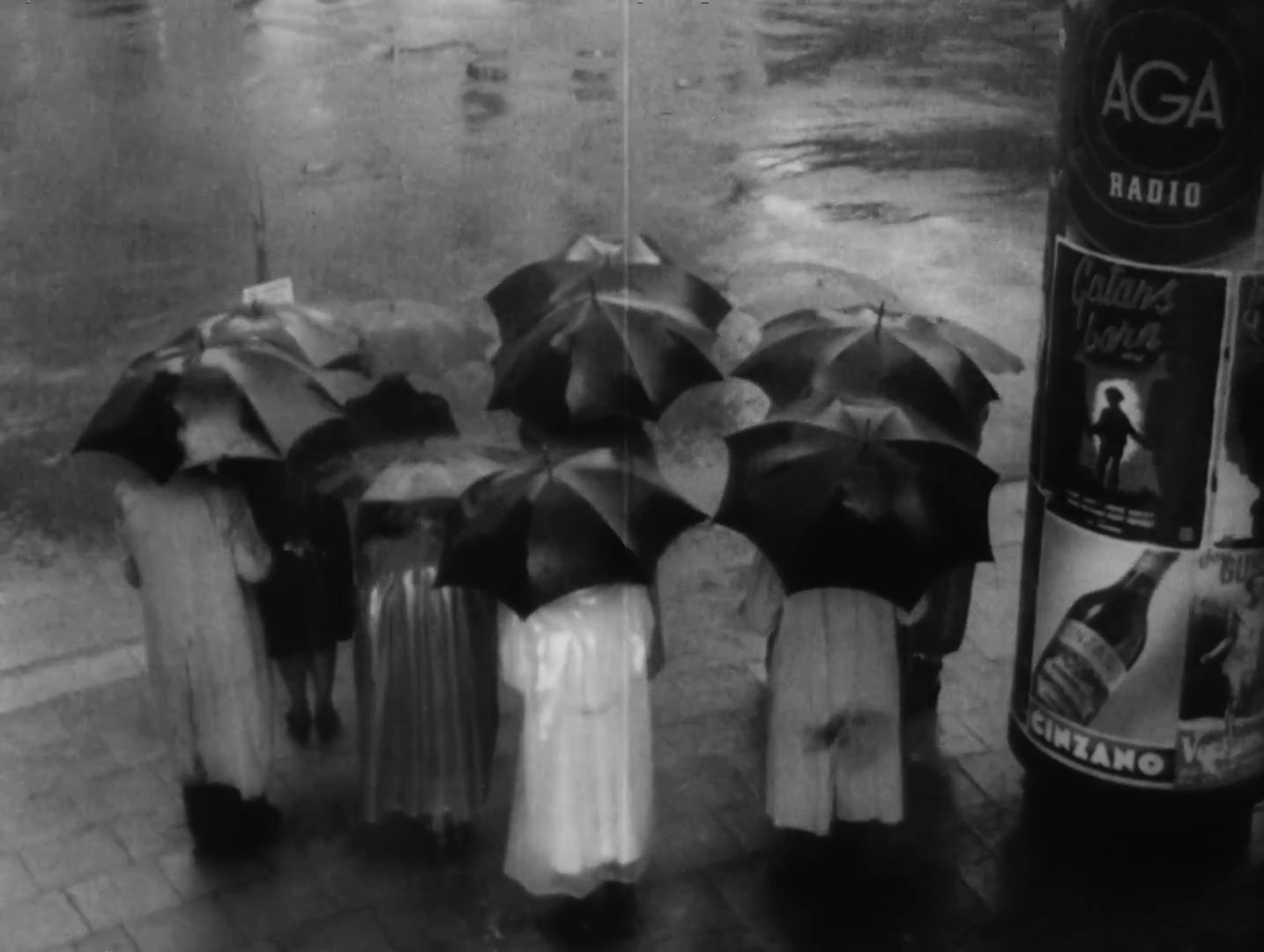
Ingmar Bergman screenplays are rarely so blunt as the melodrama he delivers in It Always Rains on Our Love, and yet the touch of magical realism he injects into this fable of endless hardships is charming nonetheless, formally rounding out a heartfelt call for compassion towards society’s young outcasts.

The Big Sleep (1946)

Howard Hawks wields his convoluted narrative like a weapon in The Big Sleep, where fatalistic forces wind together in a treacherous labyrinth seeking to ensnare Humphrey Bogart’s cynical private detective, Phillip Marlowe, thereby immersing us into a gloriously pulpy film noir that sizzles with sexual innuendoes and coy provocations.

Gentleman Jim (1942)

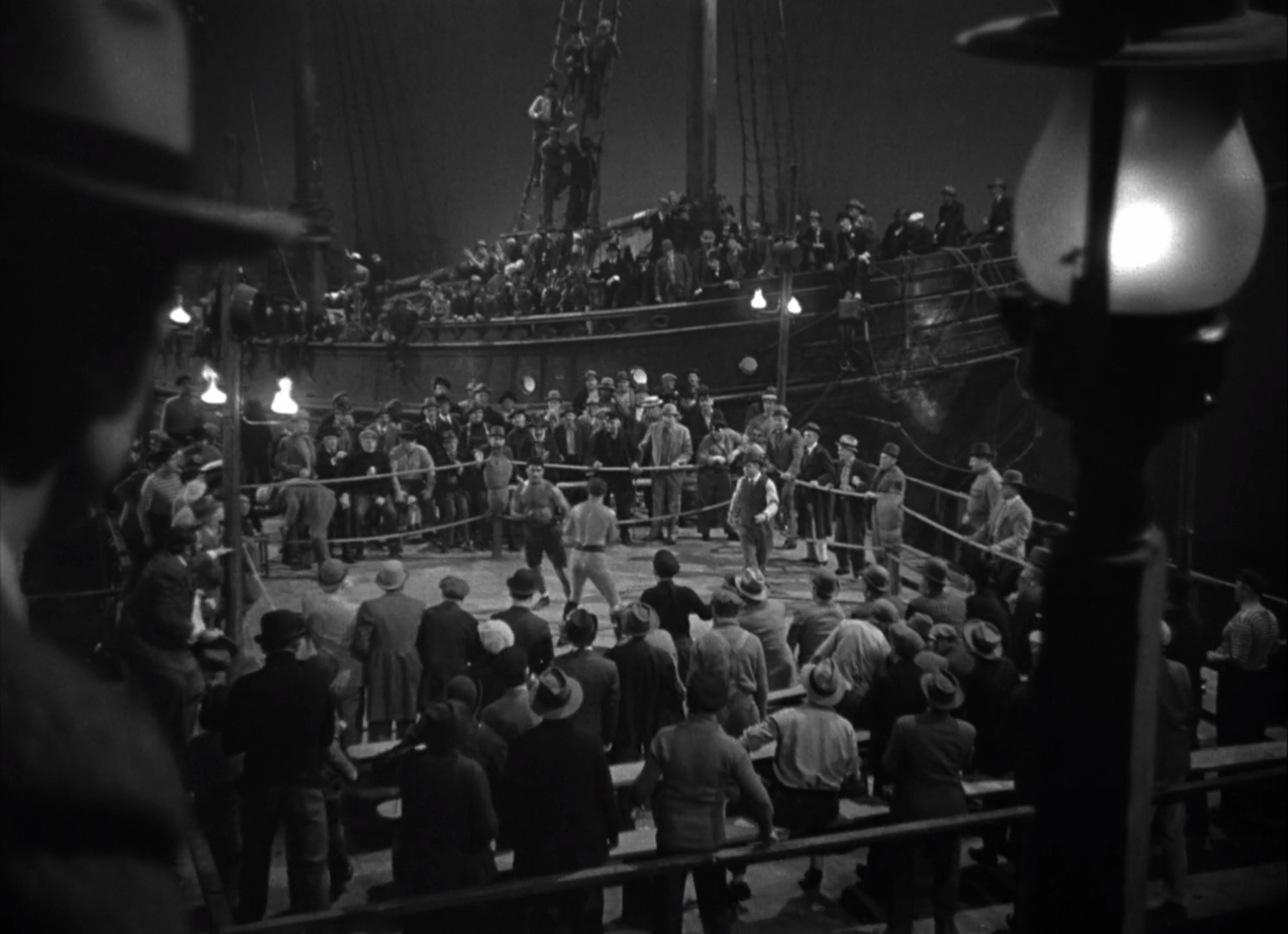
The grand long shots and rapid montage editing of Raoul Walsh’s boxing set pieces in Gentleman Jim are well matched to the agile fighting technique of its historical subject, James J. Corbett, using its action to lightly probe the brutish, primal nature of our sporting passions and the concerted efforts to reconcile those with our refined humanity.

The Philadelphia Story (1940)

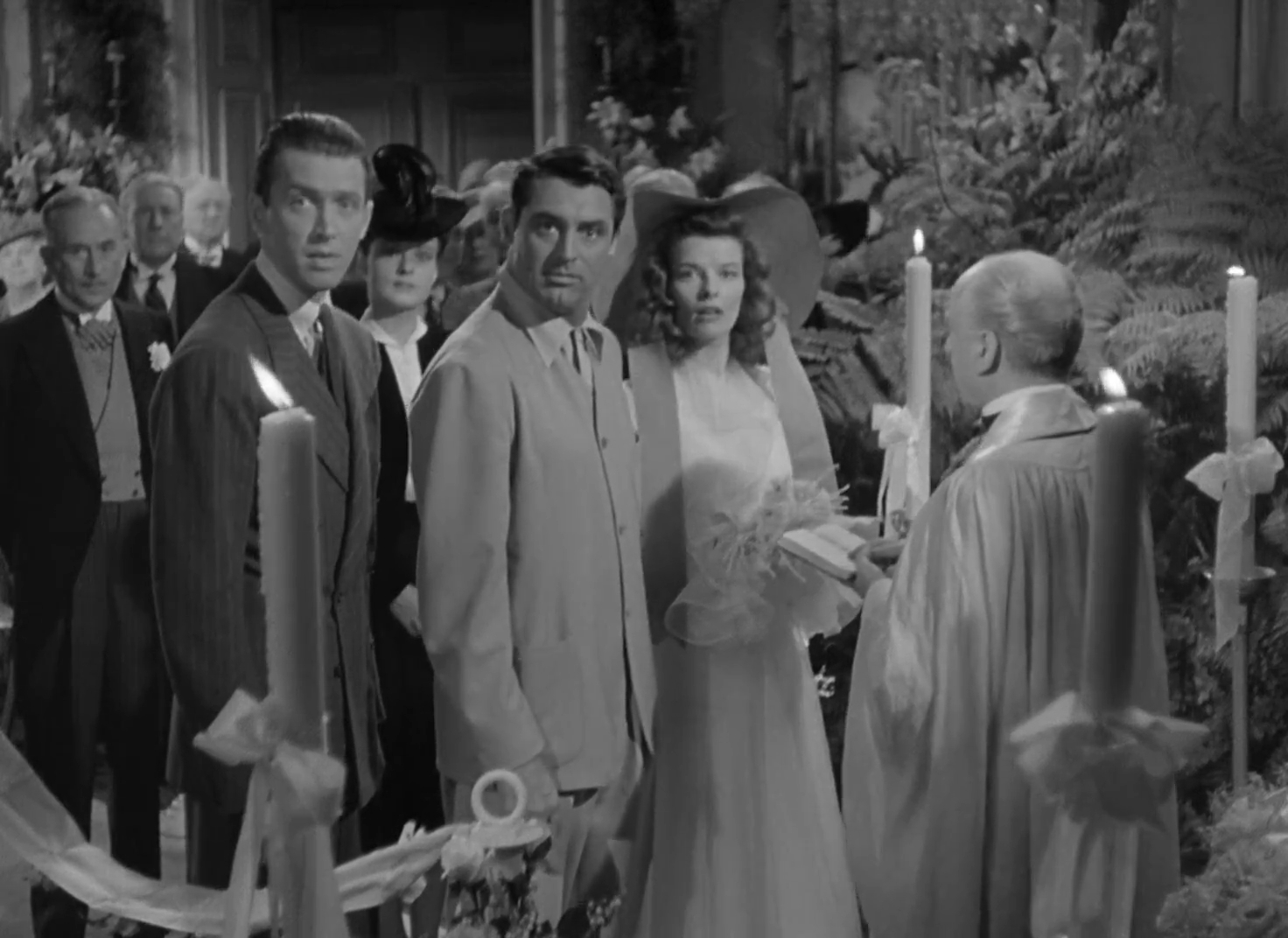
It is remarkable on its own that George Cukor united Katharine Hepburn, Cary Grant, and James Stewart in one film and captured such fine performances from each, though The Philadelphia Story is also even more delightful for its marvellously constructed web of romantic entanglements, which its lively screenplay and stars pick apart with insurmountable charm and a quietly savage wit.

White Heat (1949)

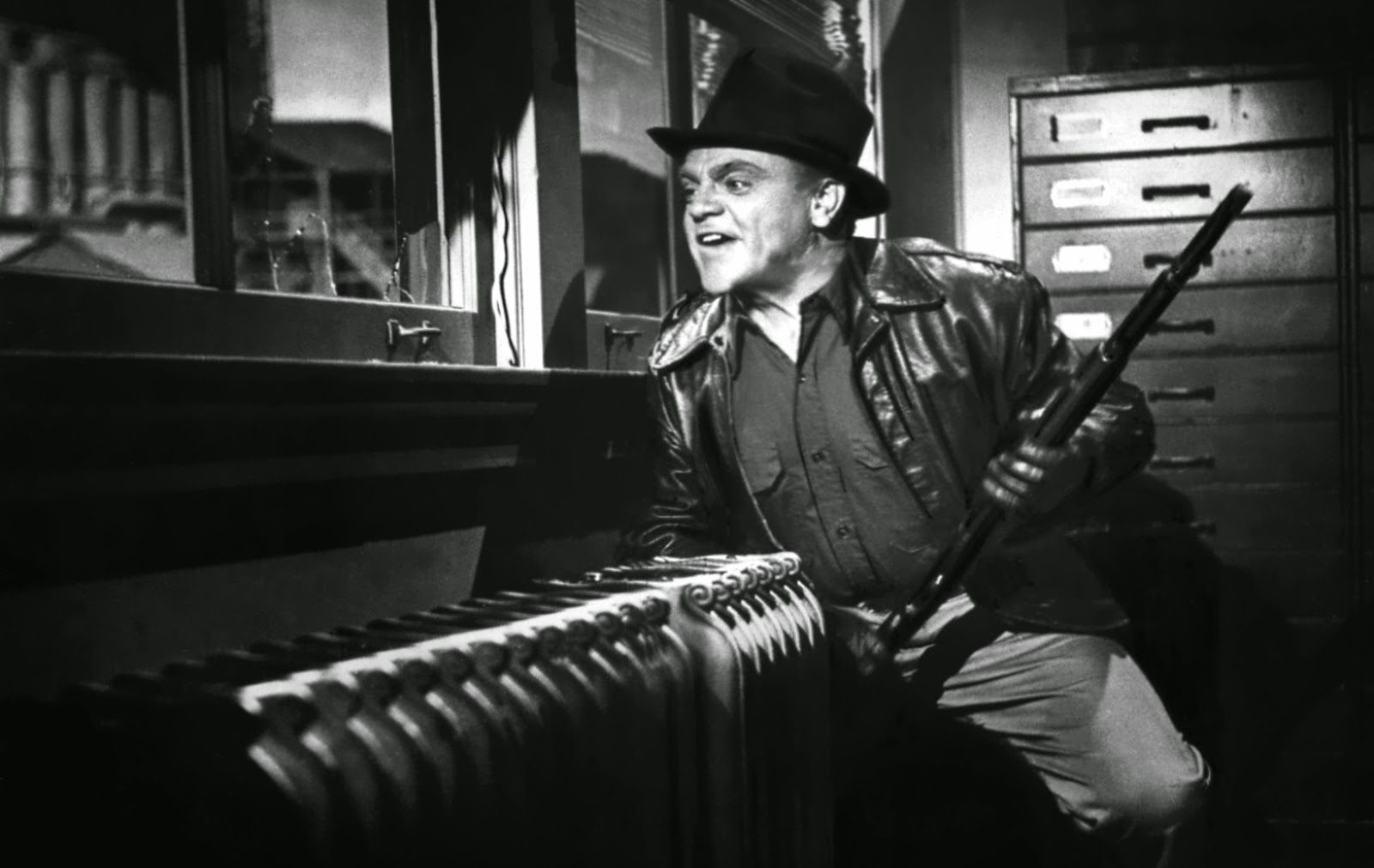
As a crafter of truly stunning set pieces, Raoul Walsh expertly matches gangster Cody Jarrett’s huge emotions with kinetic, bombastic visuals in White Heat, but such slick direction is also perfectly suited to the Freudian bond he shares with his mother, exposing a pitiful underside to the tough, vicious persona he puts out into the world.

Rebecca (1940)

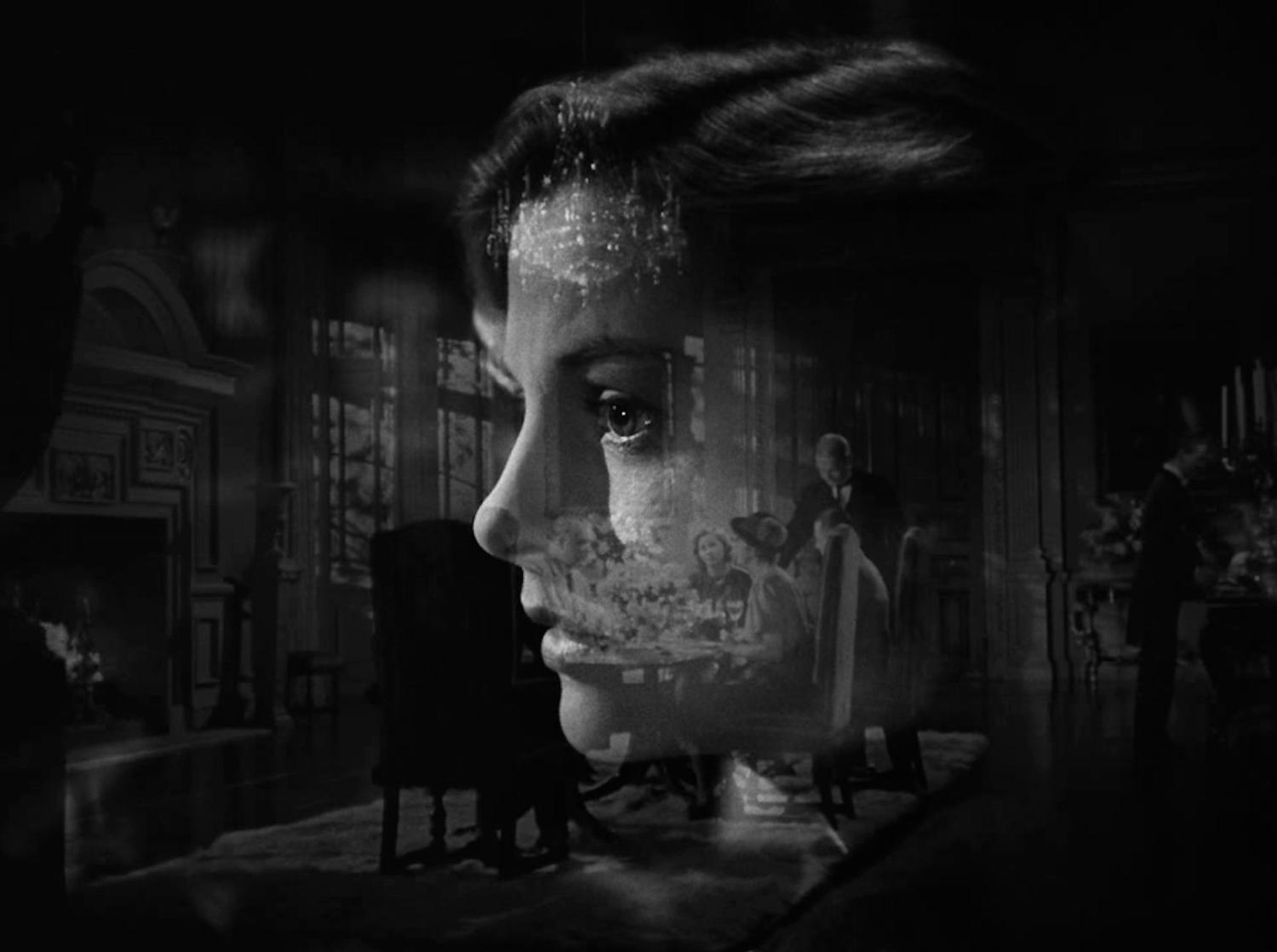
Alfred Hitchcock’s eerie adaptation of Rebecca maintains the Gothic novel’s mysterious, lyrical quality, but it is especially through his floating camerawork and evocative expressionism that he conjures the memory of its unseen title character, psychologically haunting the new wife of a wealthy widower with the legacy she hangs over his estate.

Pinocchio (1940)

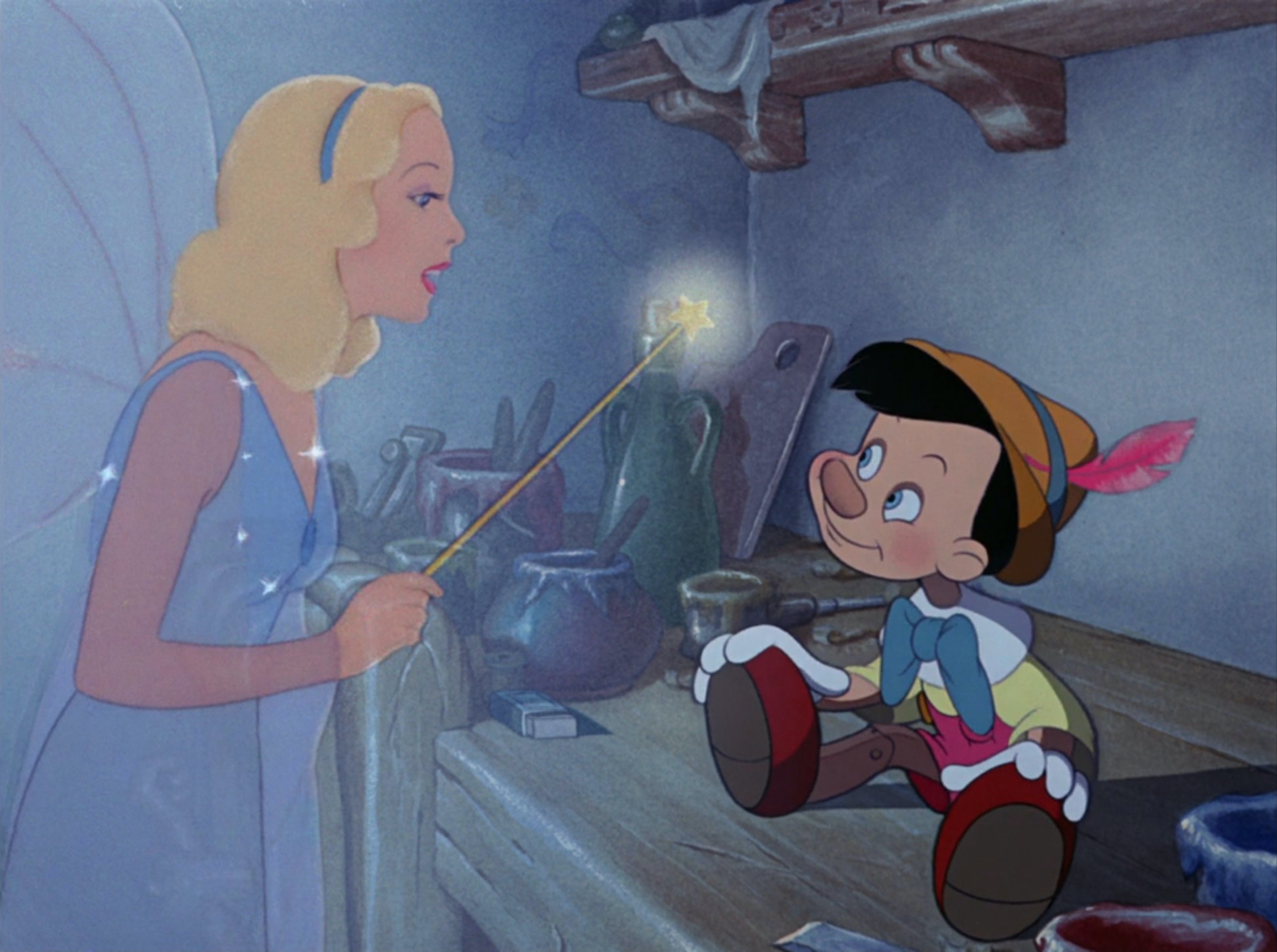
To be human in Pinocchio is to possess both free will and a conscience, and it is through its rich allegory of puppets and donkeys that Walt Disney imparts his dark, moralistic musings with dynamic visual expressions, crafting a staggering accomplishment in hand-drawn animation, each one tangibly alive in their tactile movements and wood-carved textures.

The Lost Weekend (1945)

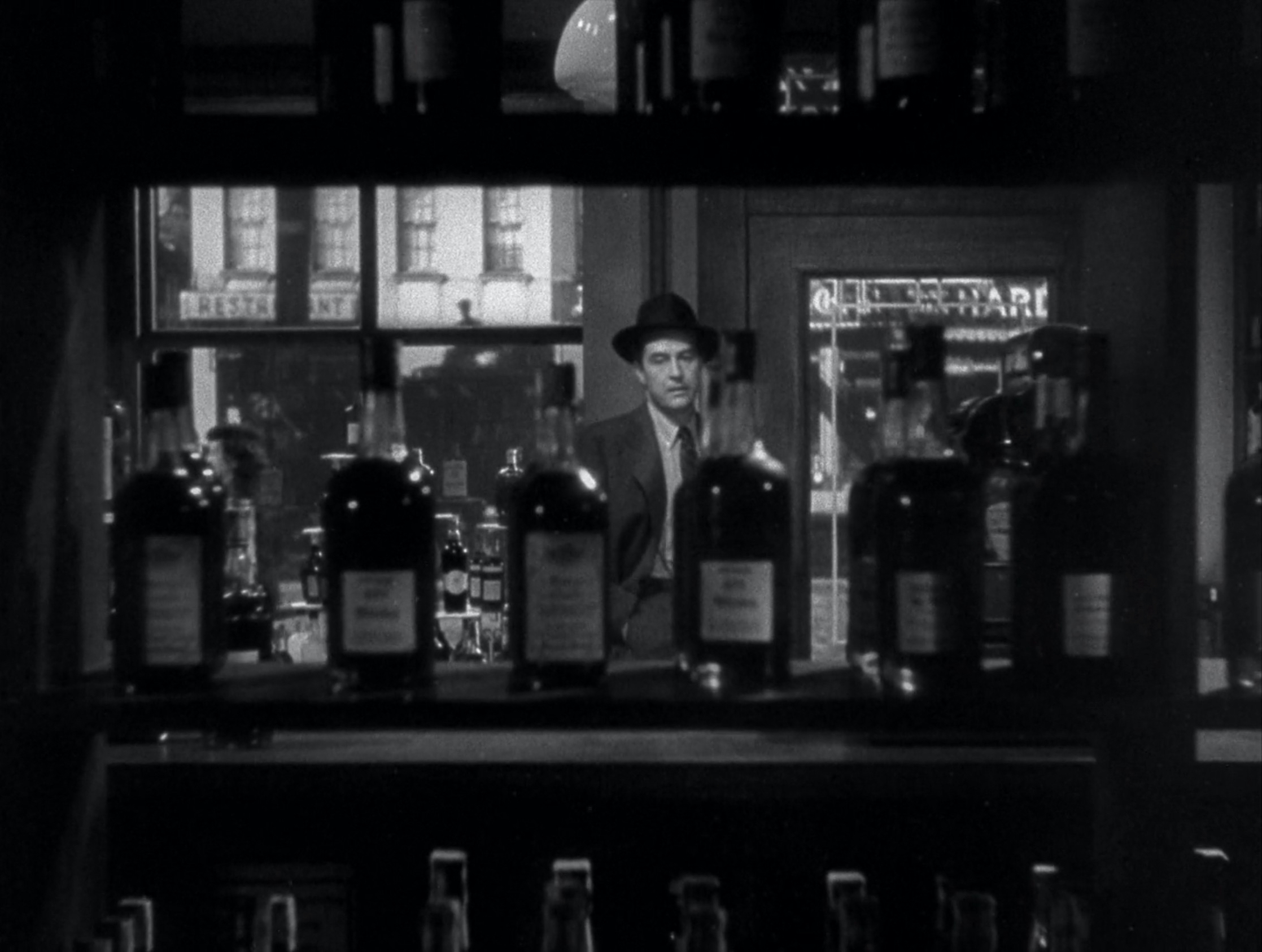
Alcoholic writer Don Birnam may be totally infatuated with his vice, and yet the steady downward slide that Billy Wilder sets him on in The Lost Weekend sinks him deeper than he has ever been before, building out this compelling journey to rock bottom through intoxicating motifs and richly drawn characterisations that paint out an unsettling portrait of addiction at its most devastating.

Scroll to Top