1942

There Was a Father (1942)

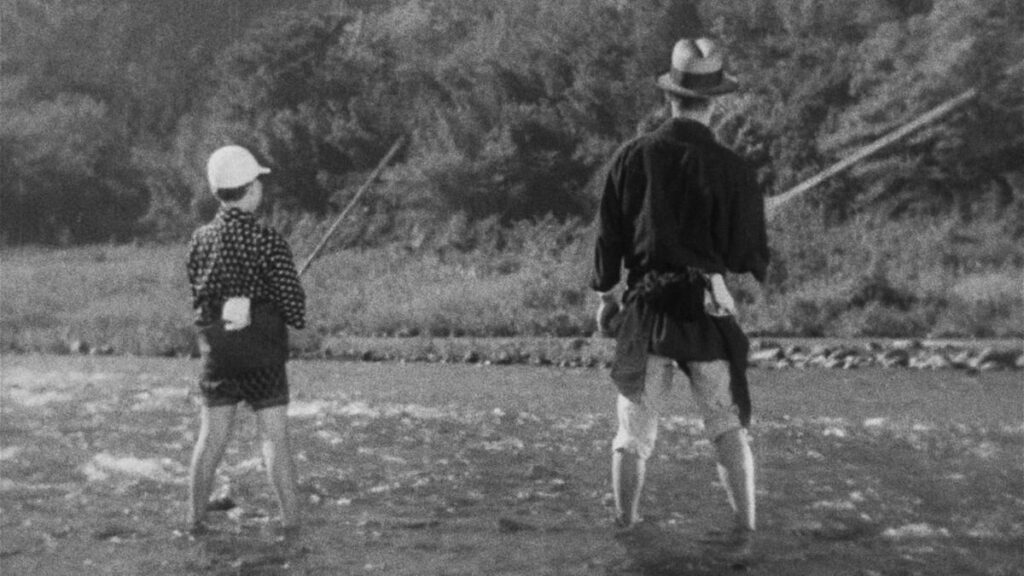
Chaos is simply not part of Yasujirō Ozu’s meditative cinematic language, and There Was a Father especially asserts his proclivity for ritualistic repetition in smoothing over emotional disruptions, recognising the remarkable legacy of one former teacher whose soul is deeply etched with tragedy, grief, and guilt.
Yankee Doodle Dandy (1942)

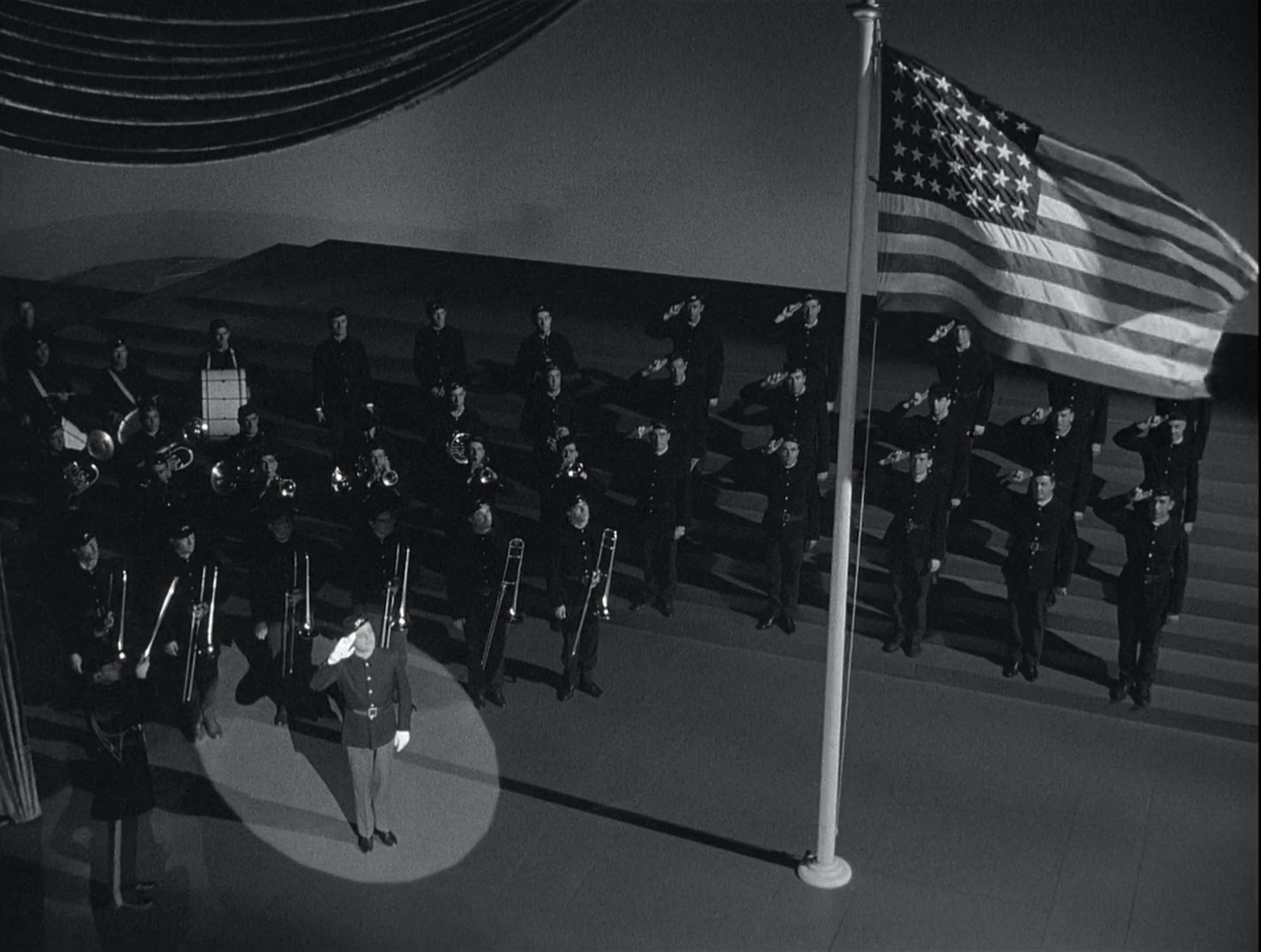
Yankee Doodle Dandy’s jingoistic politics are unsophisticated, but its nostalgic sentiment is strong, beating back whatever accusations of outdated mawkishness might be thrown its way with James Cagney’s energetic take on Broadway star George M. Cohan, whose dynamic presence and patriotic showtunes are rendered by Michael Curtiz onscreen as a propulsive musical biopic.

Gentleman Jim (1942)

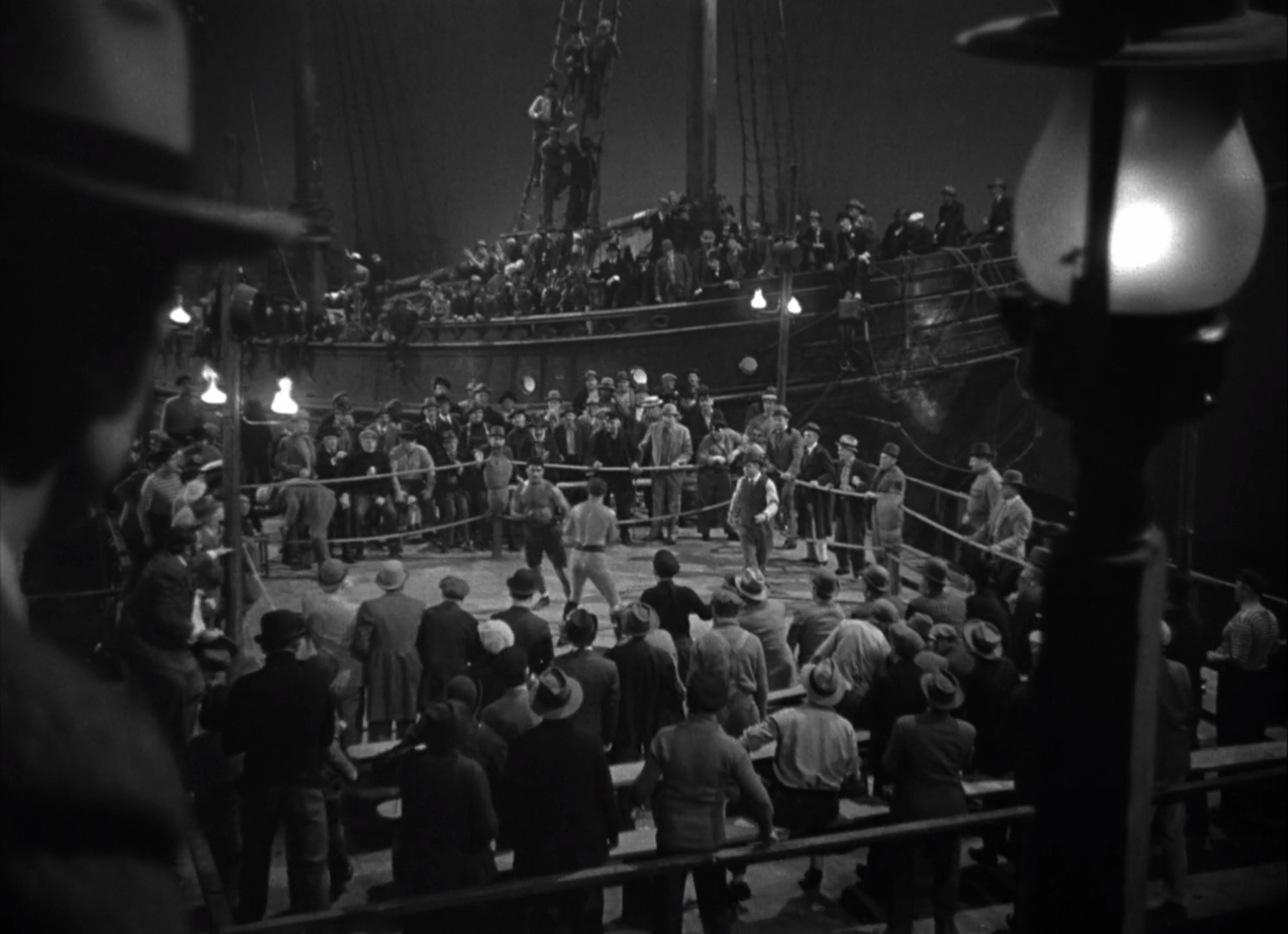
The grand long shots and rapid montage editing of Raoul Walsh’s boxing set pieces in Gentleman Jim are well matched to the agile fighting technique of its historical subject, James J. Corbett, using its action to lightly probe the brutish, primal nature of our sporting passions and the concerted efforts to reconcile those with our refined humanity.

The Magnificent Ambersons (1942)

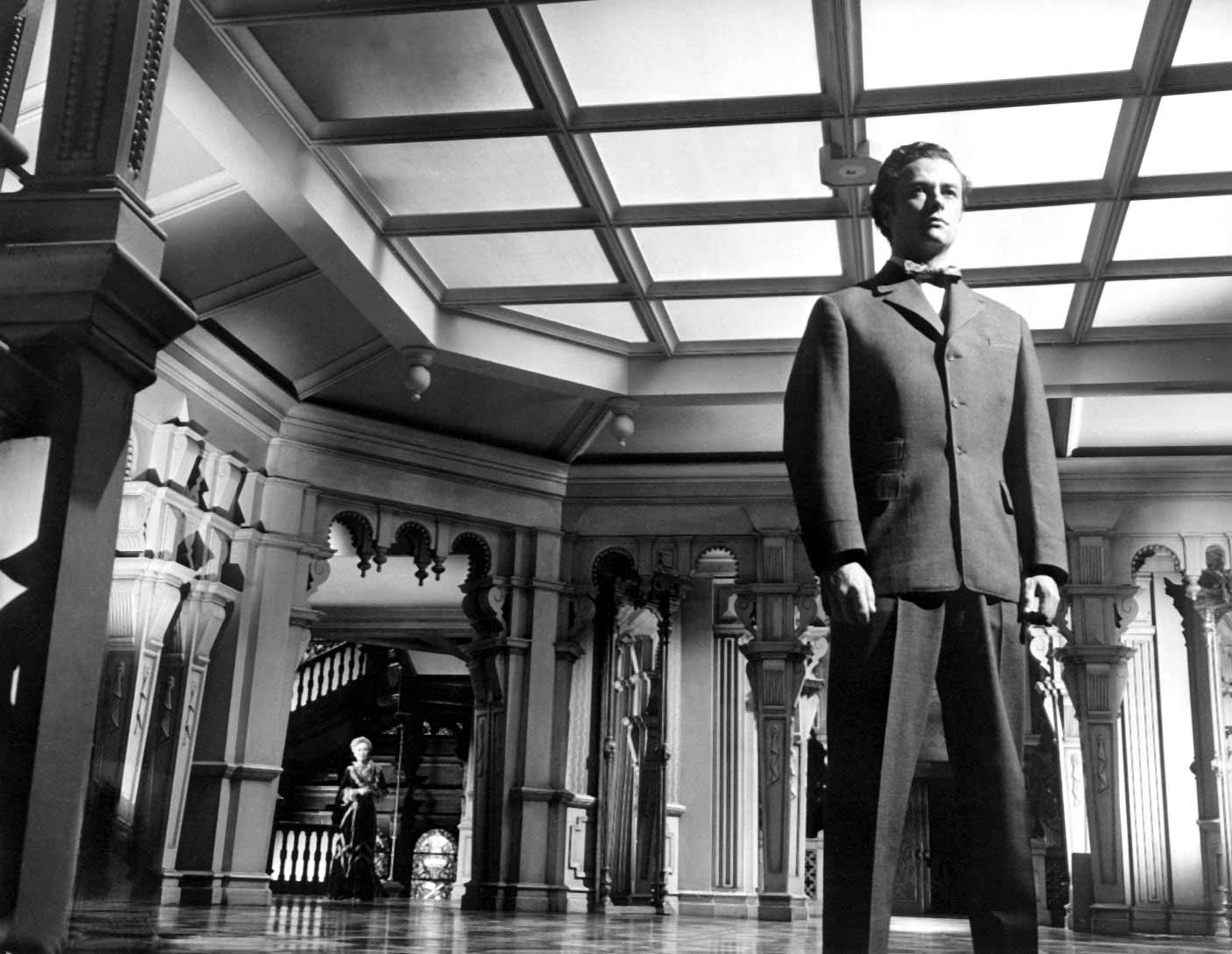
The Magnificent Ambersons floats along like a whispered echo of a bygone era, recounting the downfall of an entire family brought about by one man’s resistance to progress and standing as a powerful elegy from Orson Welles to those forgotten dynasties of American history, despite his artistic compromises.

The Ox-Bow Incident (1942)

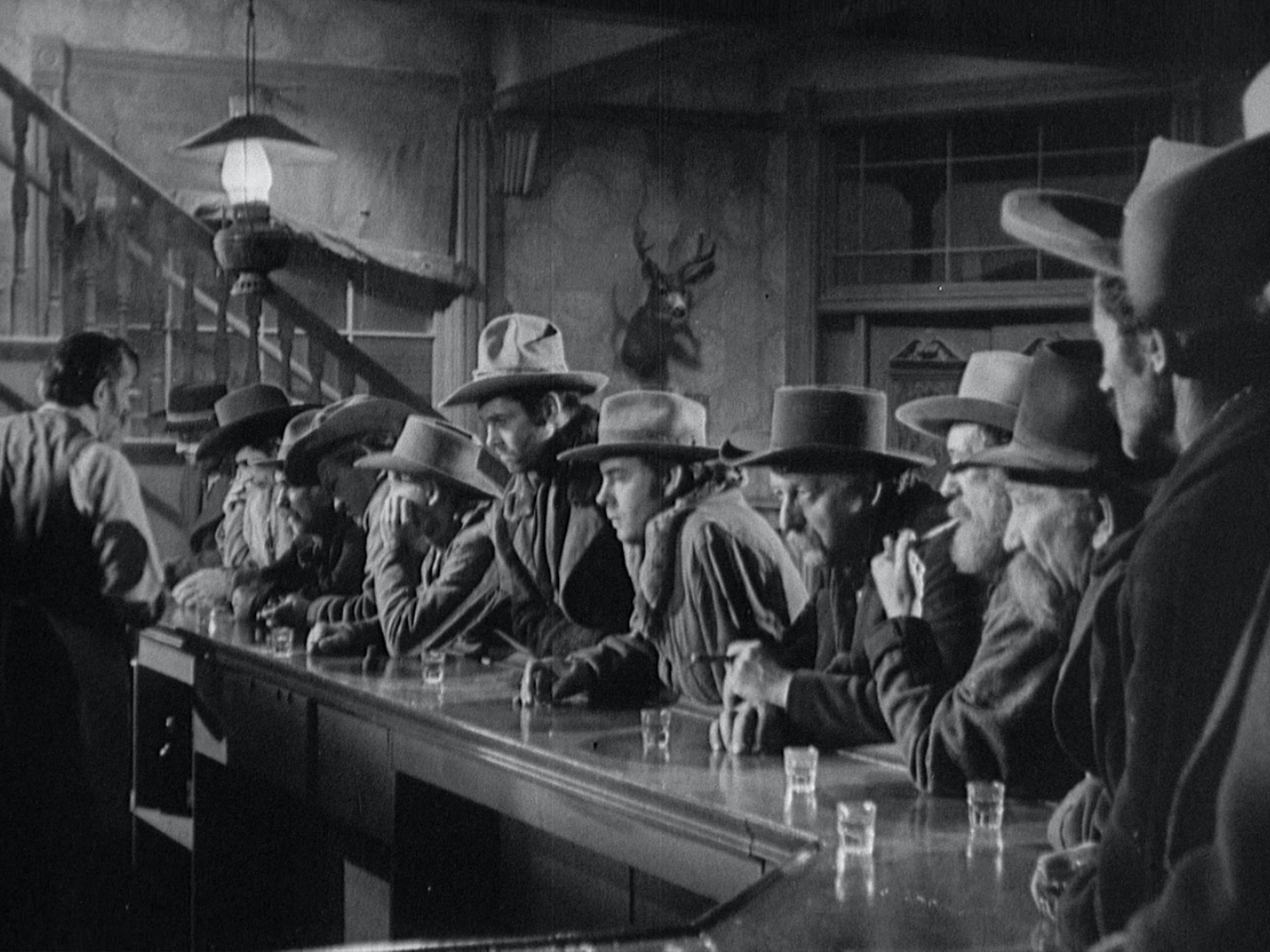
Using the western genre as a simple framework for a self-contained moral tale warning against mob mentality, William A. Wellman’s thoughtful staging in The Ox-Bow Incident finds great empathy in the plight of three falsely-accused men.

Scroll to Top