SceneByGreen

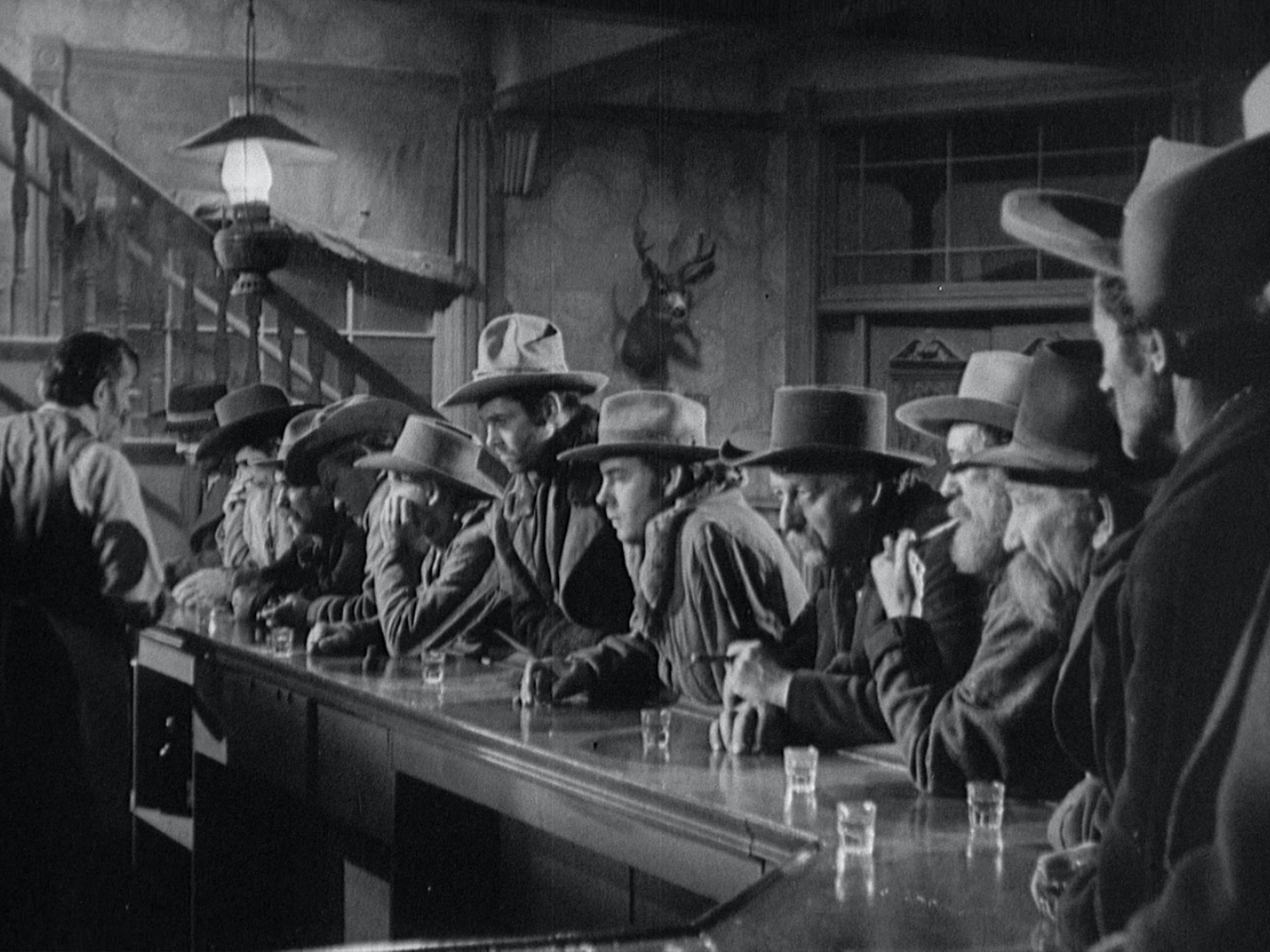
The Ox-Bow Incident (1942)

Using the western genre as a simple framework for a self-contained moral tale warning against mob mentality, William A. Wellman’s thoughtful staging in The Ox-Bow Incident finds great empathy in the plight of three falsely-accused men.
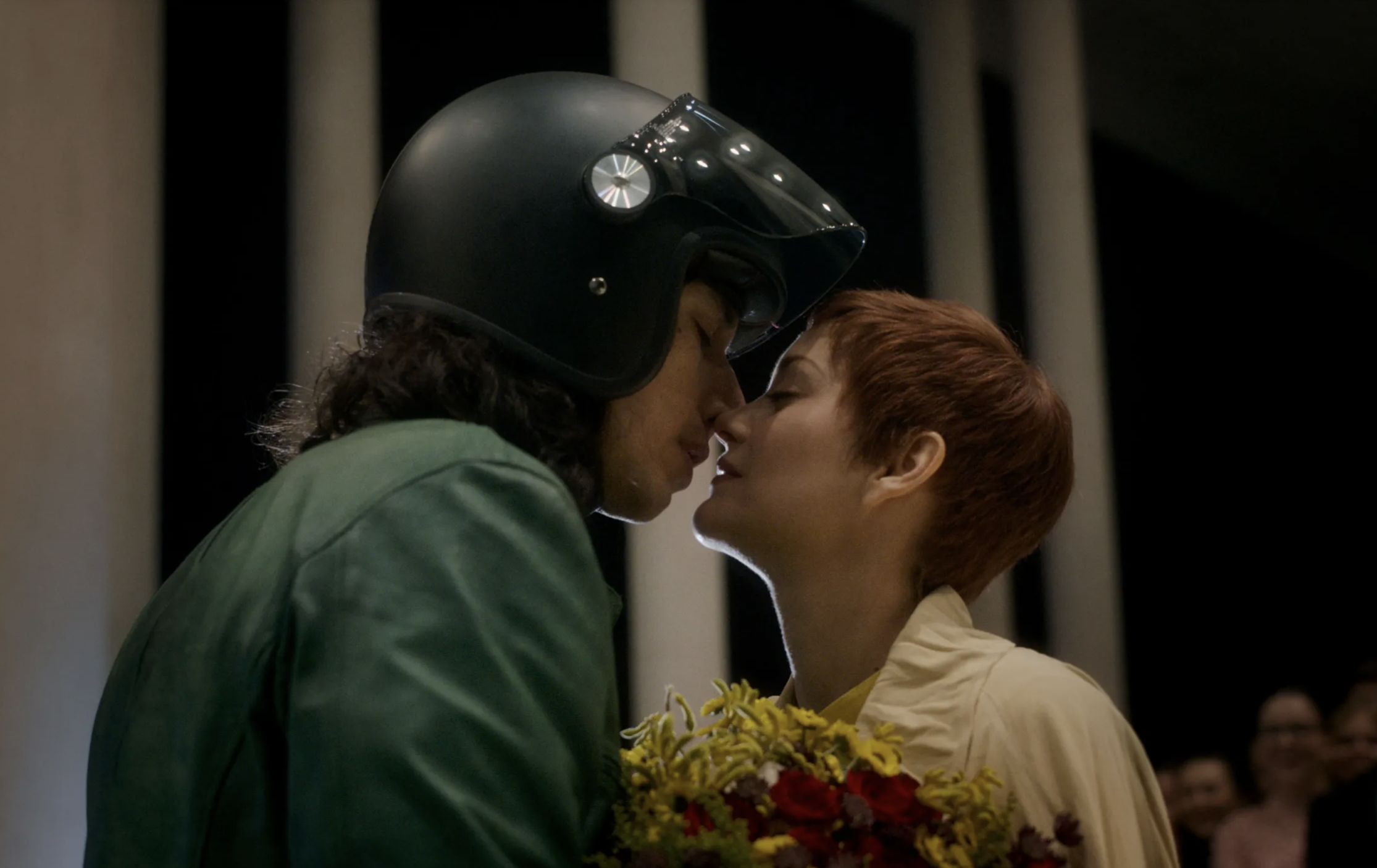
Annette (2021)

There is a glossy sheen to the bizarre, theatrical world that stand-up comedian Henry McHenry lives within, and yet by the end of Annette, Leos Carax raises the question of just how much its peculiar details are simply the warped perceptions of an egomaniac unable to confront a reality that doesn’t place him at its centre.

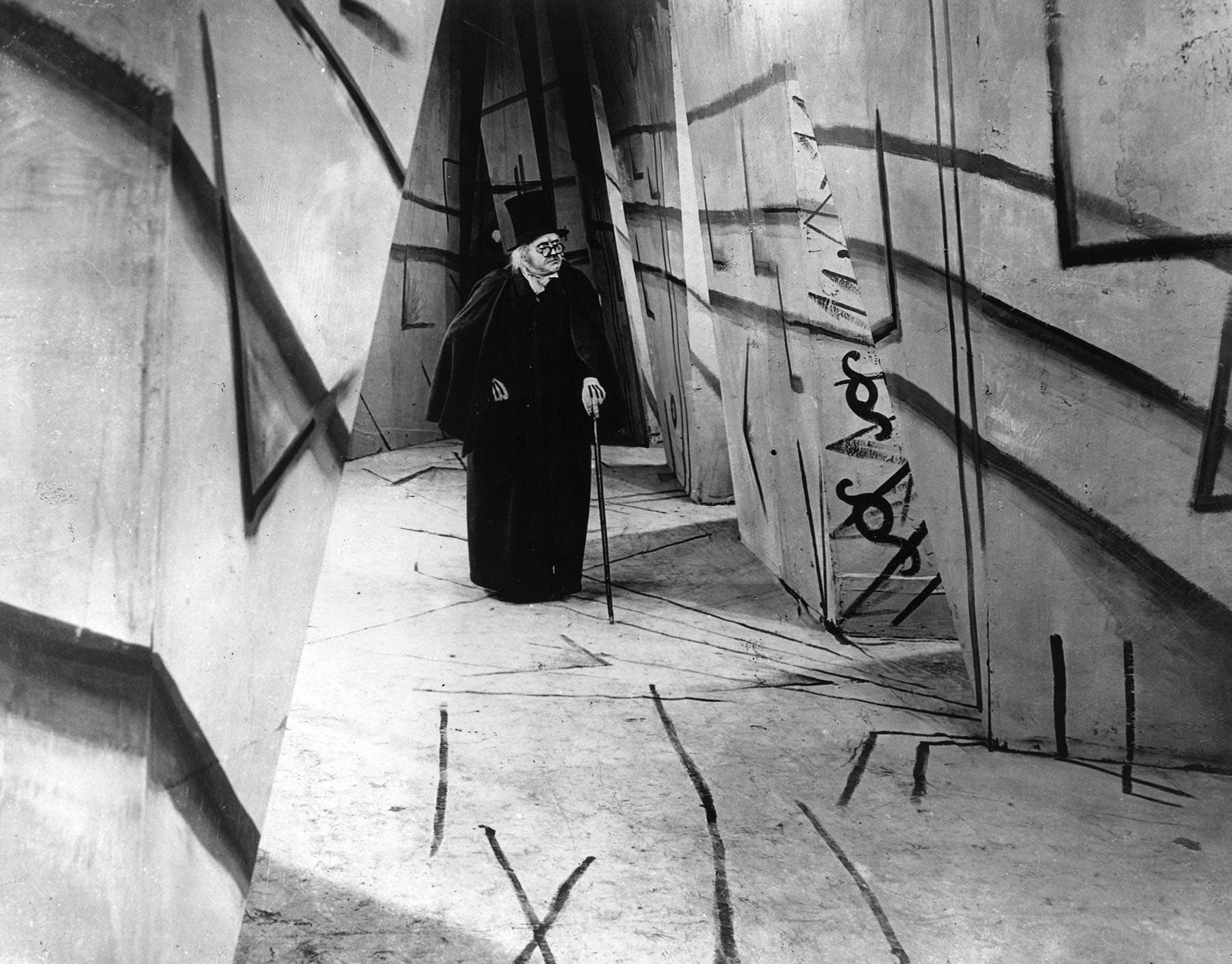
The Cabinet of Dr. Caligari (1920)

Robert Wiene creates the look of a demented, Edvard Munch-like painting brought horrifically to life in The Cabinet of Dr. Caligari, expressing the nightmarish disorientation of an authoritarian society slowly driving everyone insane.

The Dead (1987)

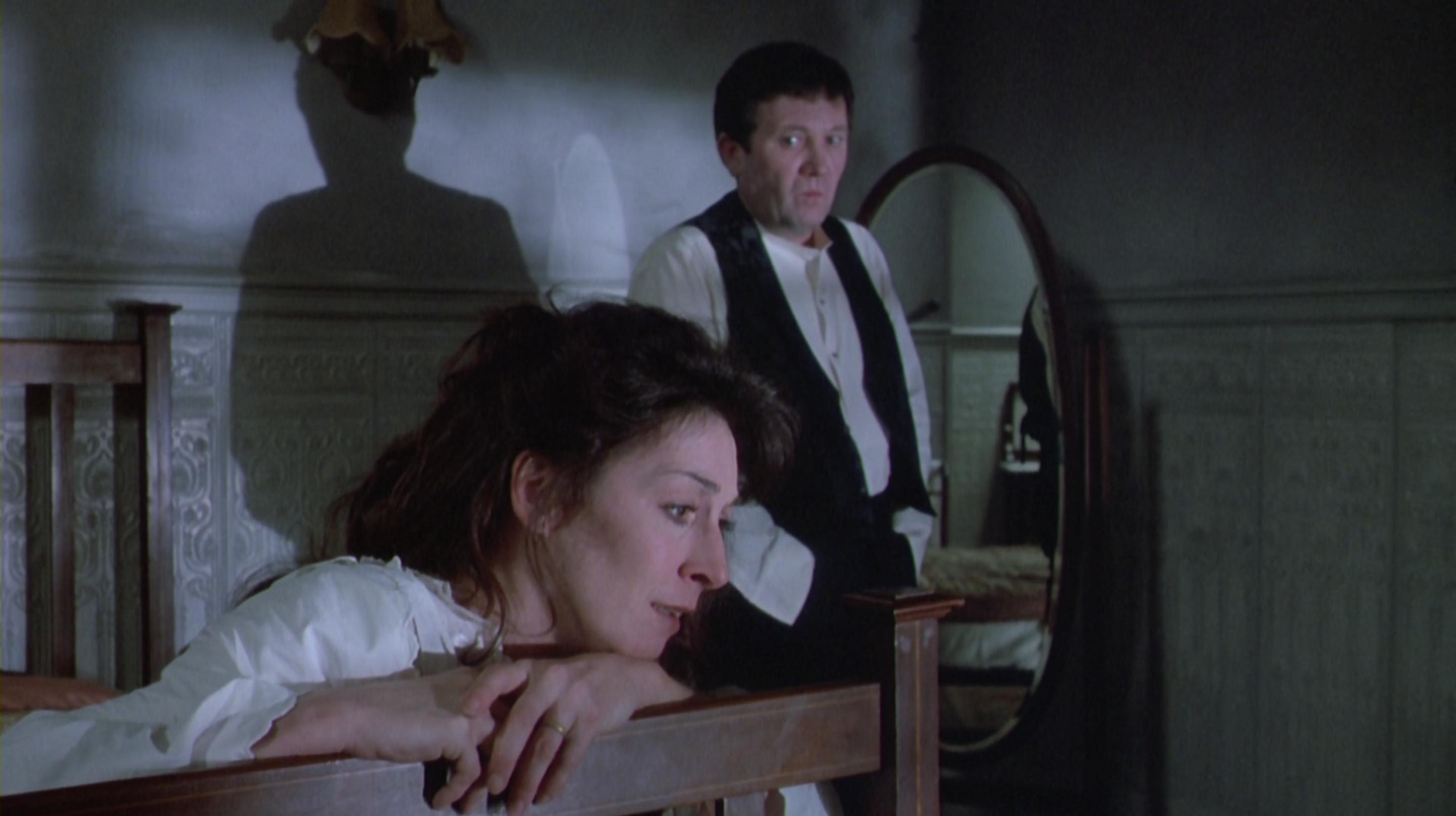
John Huston breathes cinematic life into James Joyce’s short story, The Dead, in an ode to those deceased loved ones who patiently wait for the living to join them, marking a poignant but fitting end to an illustrious directorial career.

Promising Young Woman (2020)

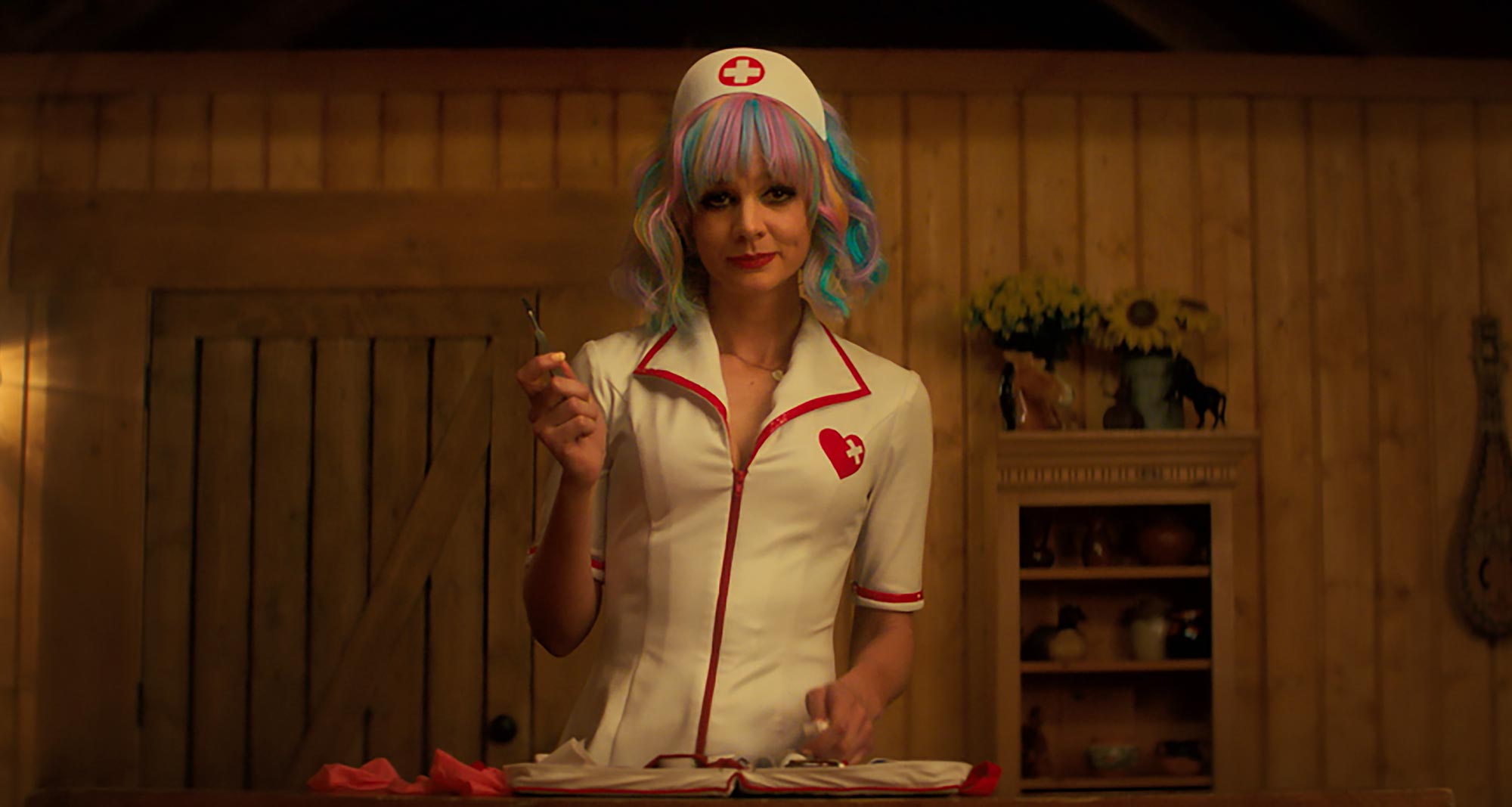
Emerald Fennell never falters in her tonal balancing act of weaving harsh depictions of trauma around gentle nostalgia and humour, thereby creating a moving, thrilling, and darkly incisive black comedy in Promising Young Woman.

The Exorcist (1973)

As William Friedkin’s demented, expressionistic imagery gradually seeps into the quiet suburbs of America, his patient narrative moves in parallel towards a climactic test of faith, ultimately not just crafting a controversial cultural touchstone, but a masterwork of cinematic horror.

Jojo Rabbit (2019)

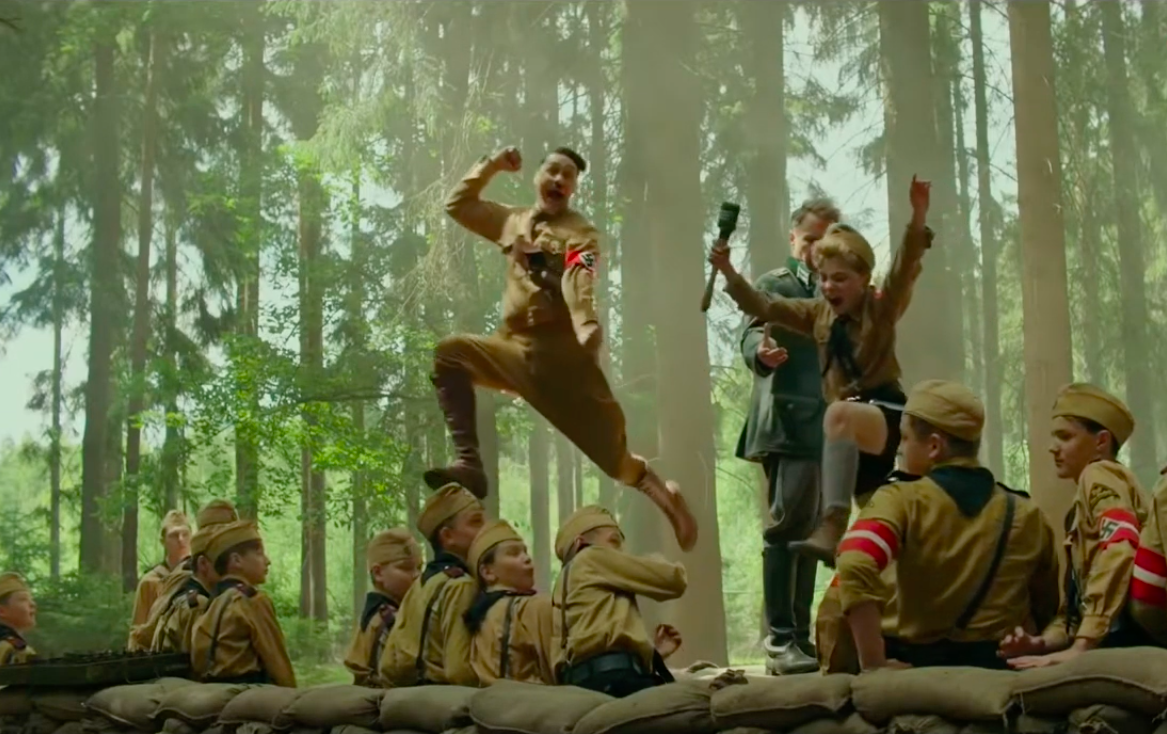
It takes a while for the humour, sensitivity, and detail of Taika Waititi’s Nazi satire Jojo Rabbit to settle in, but once it finds its footing, he effectively skewers the cowardice and superficiality of those hateful regimes which hide behind the trusting innocence of their children.

The Red Shoes (1948)

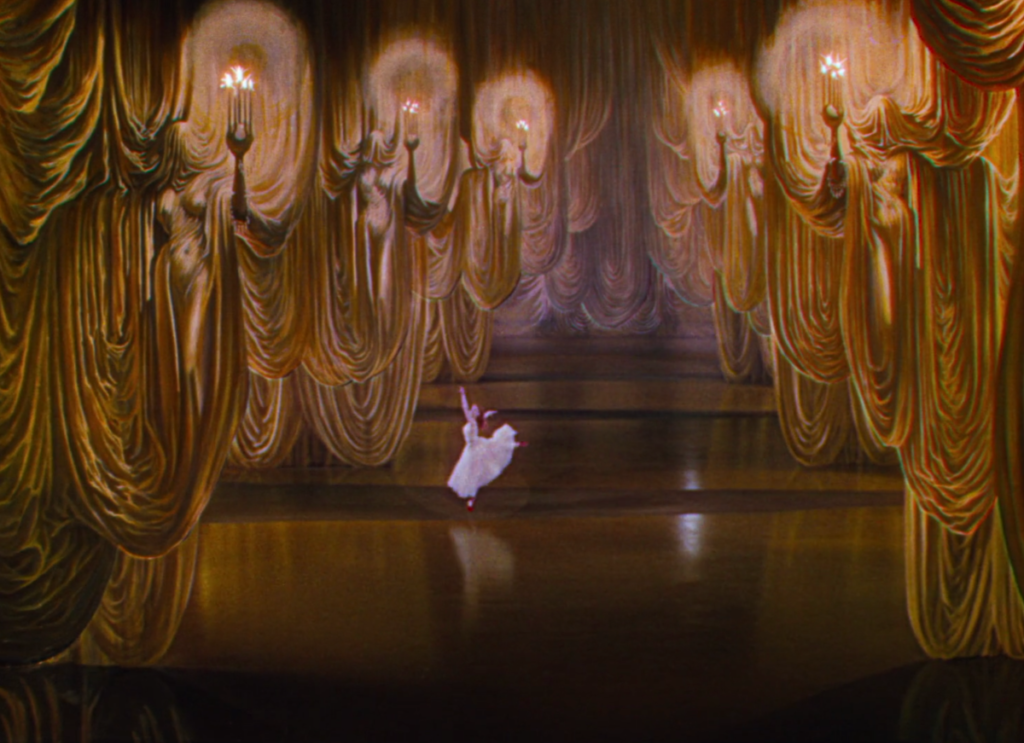
Michael Powell’s control over his very specific colour palettes all through The Red Shoes goes beyond the crafting of immaculate compositions, as it furthermore binds us so tightly to the disintegrating mental state of aspiring dancer Vicky, that we can’t help but be plunged right into the psychological depths of her pure, self-destructive ambition.

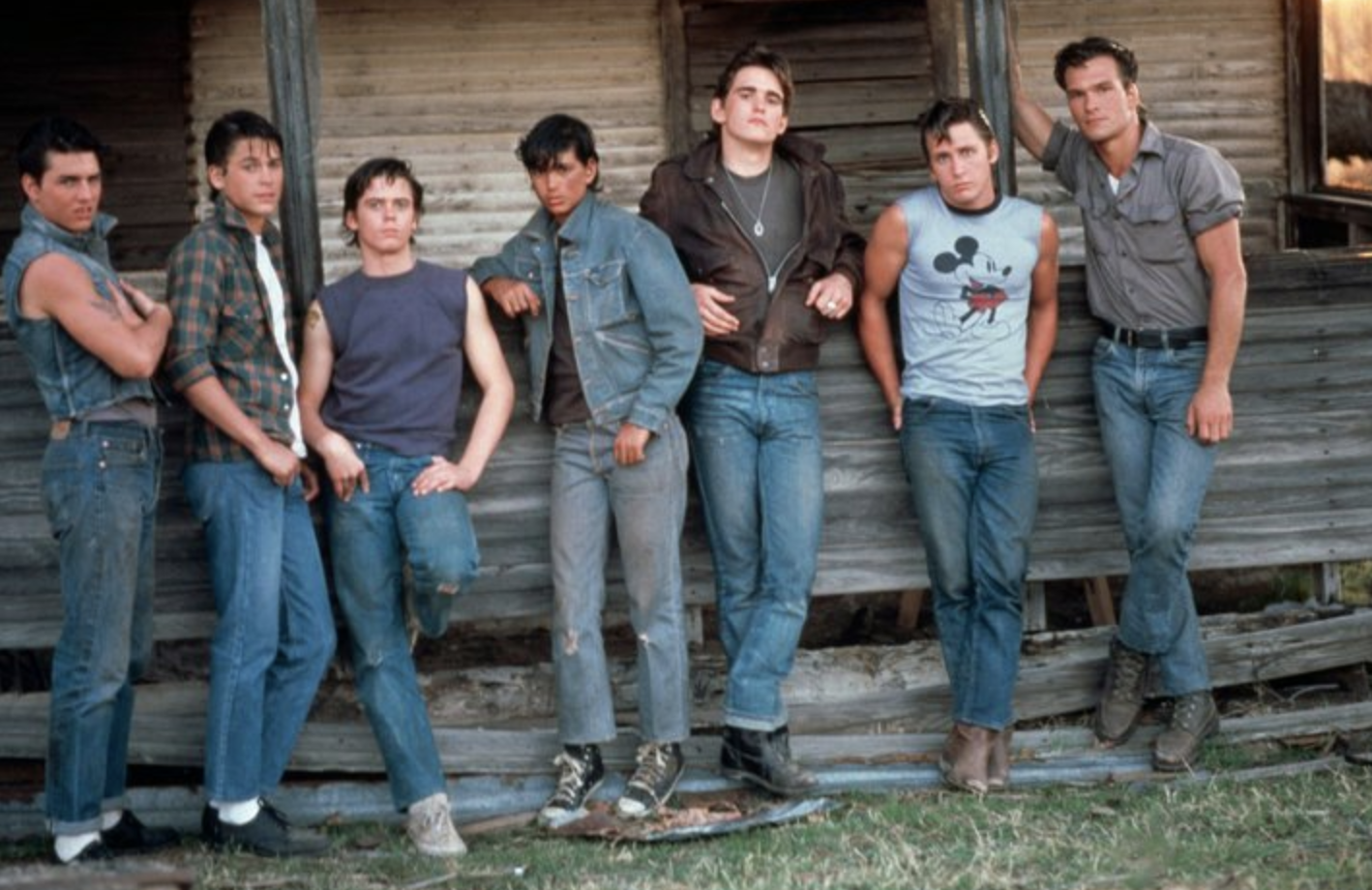
The Outsiders (1983)

Even as The Outsiders stands up today as a well-done adaptation of a pivotal coming-of-age novel, the odd misstep also marks it as the beginning of Francis Ford Coppola’s descent into less-than-outstanding filmmaking.

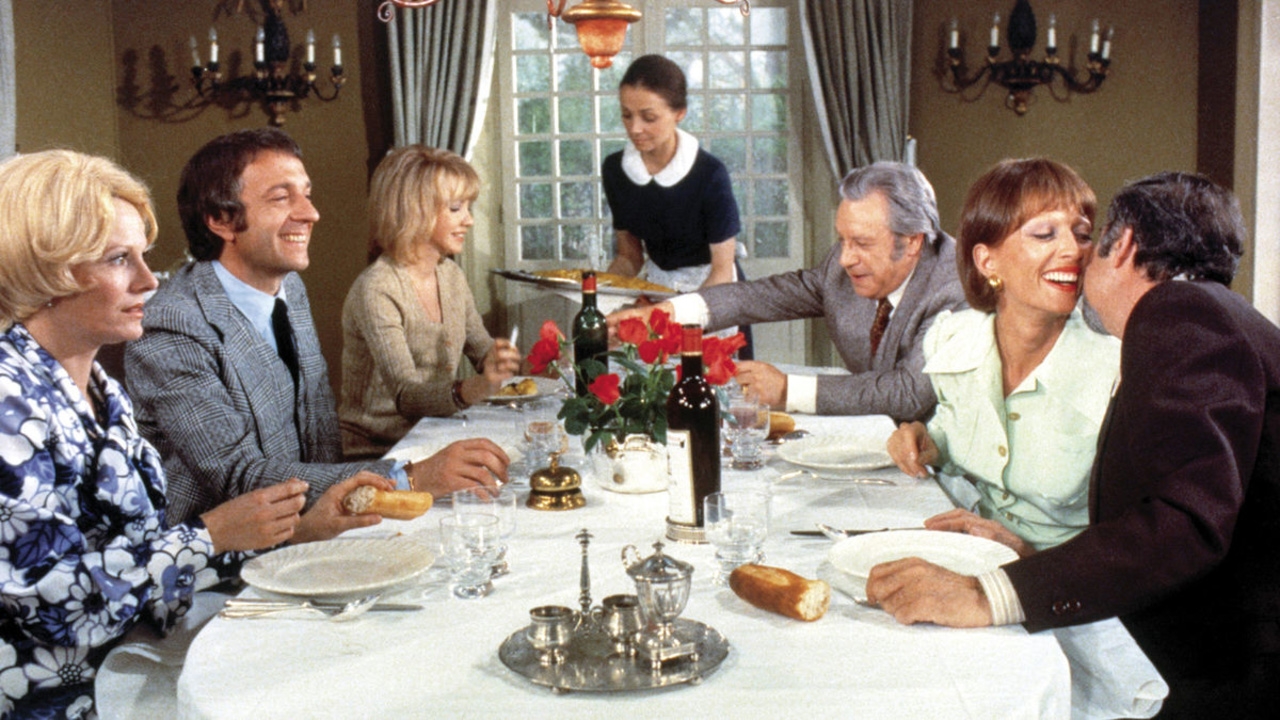
The Discreet Charm of the Bourgeoisie (1972)

With each successive scene building on previously established motifs and ideas, The Discreet Charm of the Bourgeoisie develops a rigorous theme and variation structure that serves to bolster Luis Buñuel’s acidic attack on Europe’s wealthy ruling classes.

Scroll to Top