
-
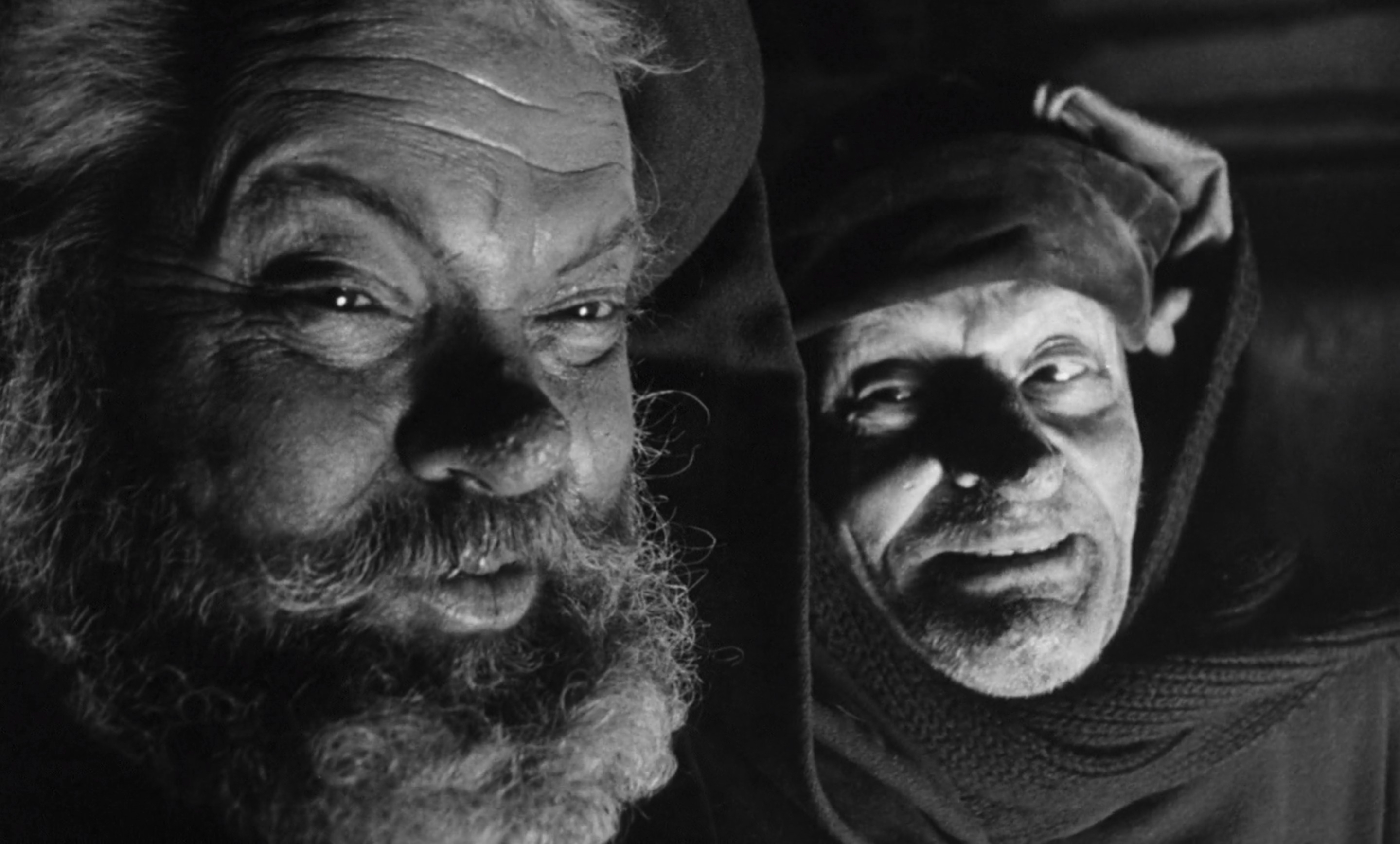
Chimes at Midnight (1965)
As he is written in Shakespeare’s works, the drunk, buffoonish Sir John Falstaff is a minor character, and yet in rearranging his scenes from multiple plays into Chimes at Midnight’s compelling tragicomedy, Orson Welles compellingly peels back the layers of his carefree hedonism, resourcefully reinventing the Bard’s classical narrative structures and archetypes as he goes.
-
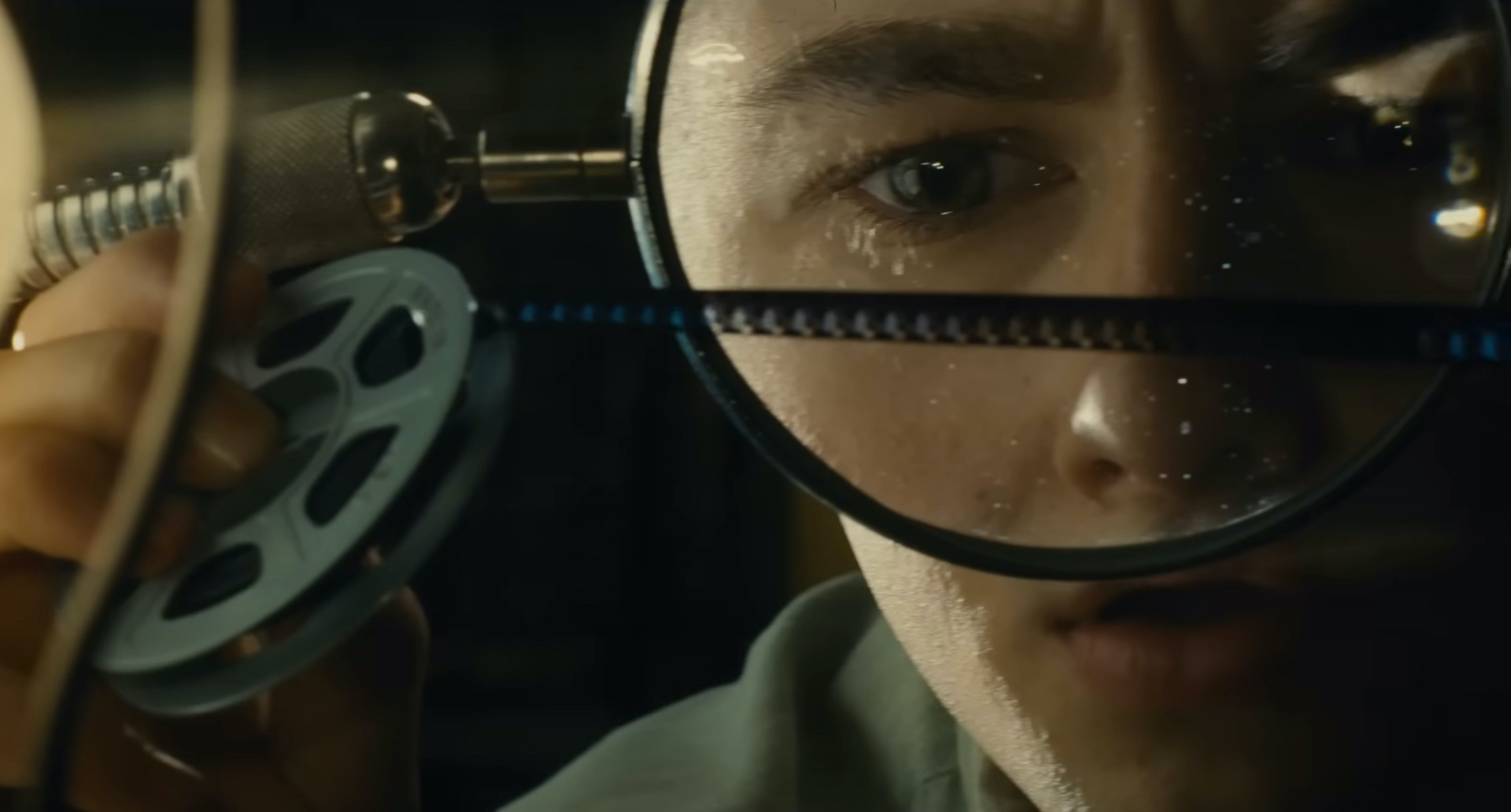
The Fabelmans (2022)
Despite the odd flash of visual inspiration and dissection of cinema’s raw power, The Fabelmans is not so interested in pushing formal boundaries than offering a pure insight into the youth of its own director, Steven Spielberg, whose memories, fears, and passions eloquently flow through what is his most personal film yet.
-

The Banshees of Inisherin (2022)
Whether it through deathly omens or visceral threats, violence in The Banshees of Inisherin never comes without warning, as Martin McDonagh powerfully settles an air of dread over a rural Irish community on the outskirts of civil war where his darkly comical fable of petty feuds and broken brotherhood unfurls.
-
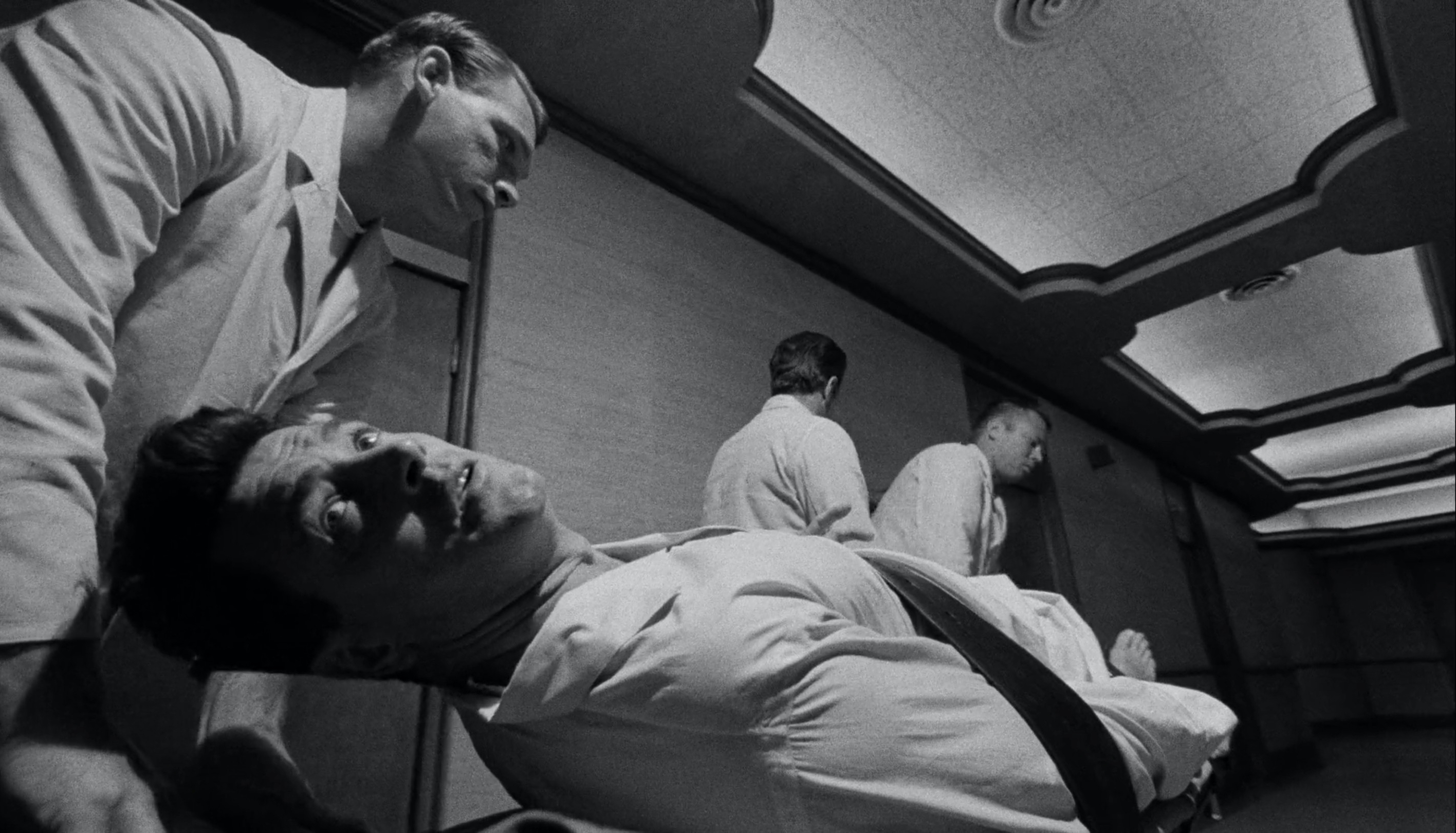
Seconds (1966)
In the absurd, Kafkaesque nightmare of Seconds, rebirth into a new body and life is a prospect that only the wealthy can afford, though what starts as high-concept sci-fi is transformed into psychological horror under the steady hand of John Frankenheimer, whose intrusive camerawork and unsettling narrative carves out existential musings over the source of…
-
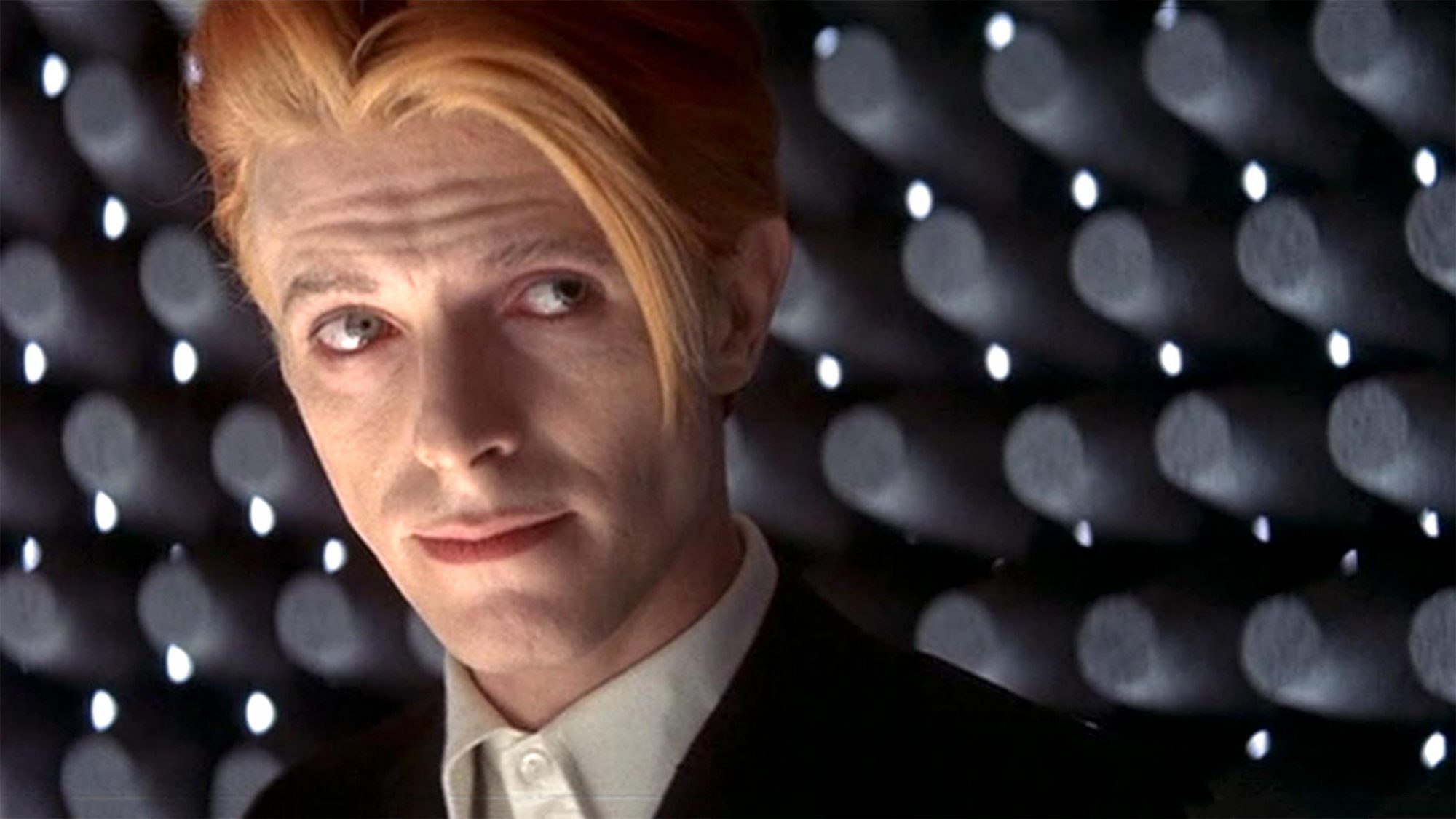
The Man Who Fell to Earth (1976)
The title The Man Who Fell to Earth may suggest a science-fiction tale of great wonder, but in skilfully piecing together an eccentric array of montages, flashbacks, and cutaways, Nicolas Roeg seeks to understand David Bowie’s androgynous extra-terrestrial from a more sociological perspective, literalising the alienation felt by citizens of a material, modern world.