
-
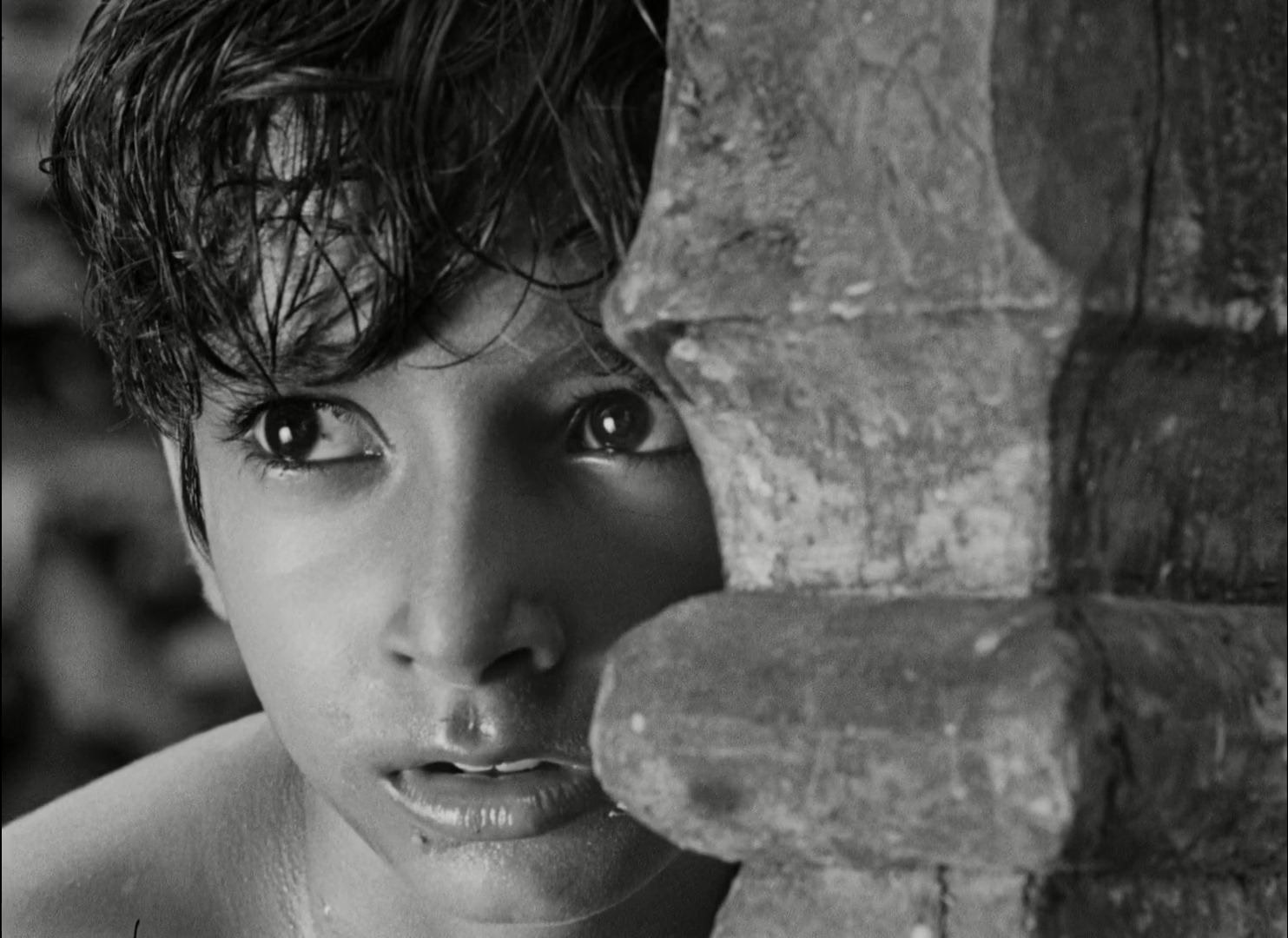
Pather Panchali (1955)
Six-year-old Apu may revel in the bright innocence of his rural childhood, yet the sacred cycles of Satyajit Ray’s natural world persist, holding memories of joy and sorrow within Pather Panchali’s timeless, primordial pulse.
-
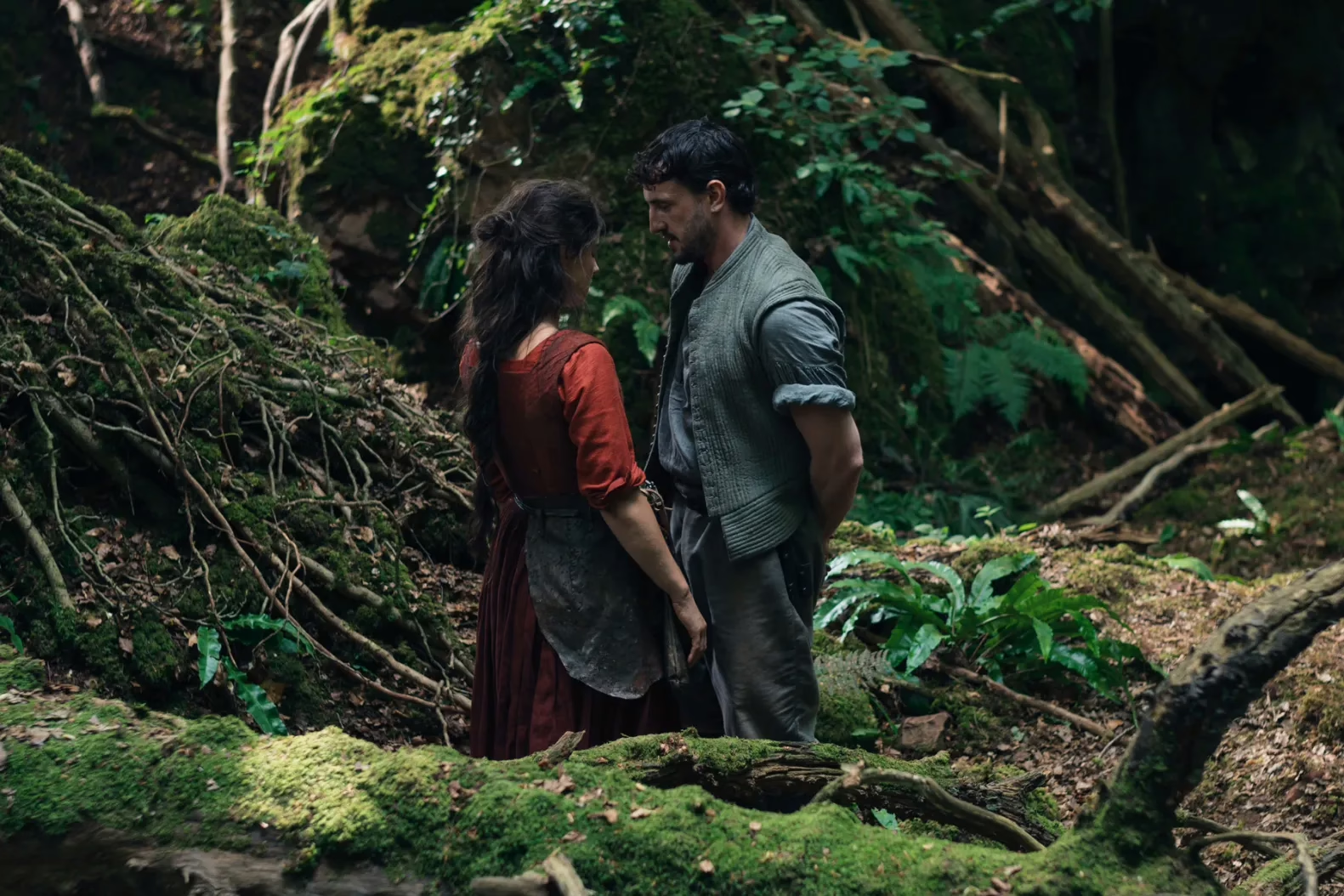
Hamnet (2025)
There is no reading of Shakespeare’s plays more intimate than that which considers his grief over his son’s passing, and as Chloé Zhao lyrically visualises this transmutation of pain into poetry in Hamnet, the very act of storytelling bridges the chasm between life and death.
-
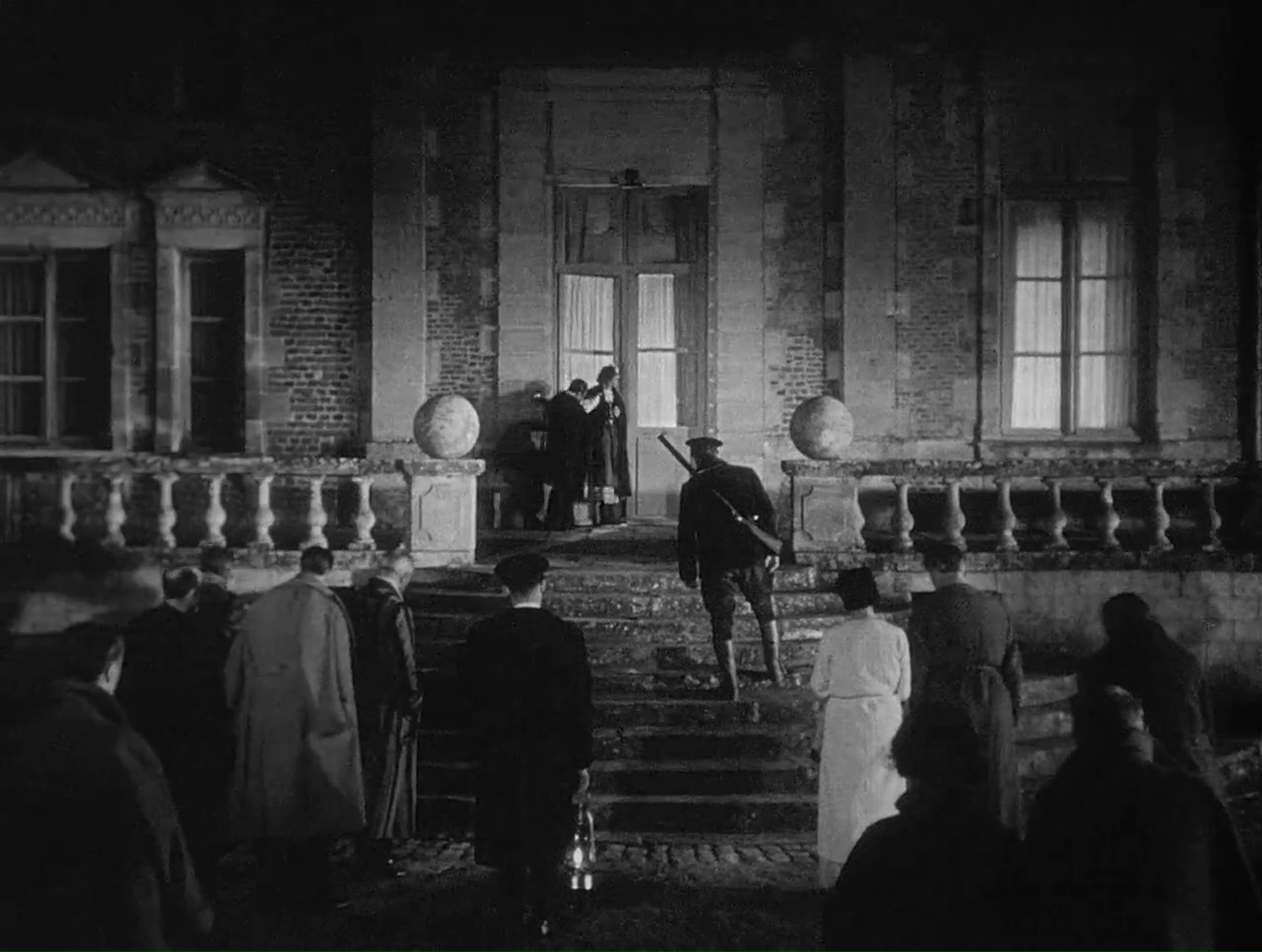
The Best Films of the 1930s
The greatest films of the 1930s, from France’s poetic realism to the rise of Technicolor and talkies.
-
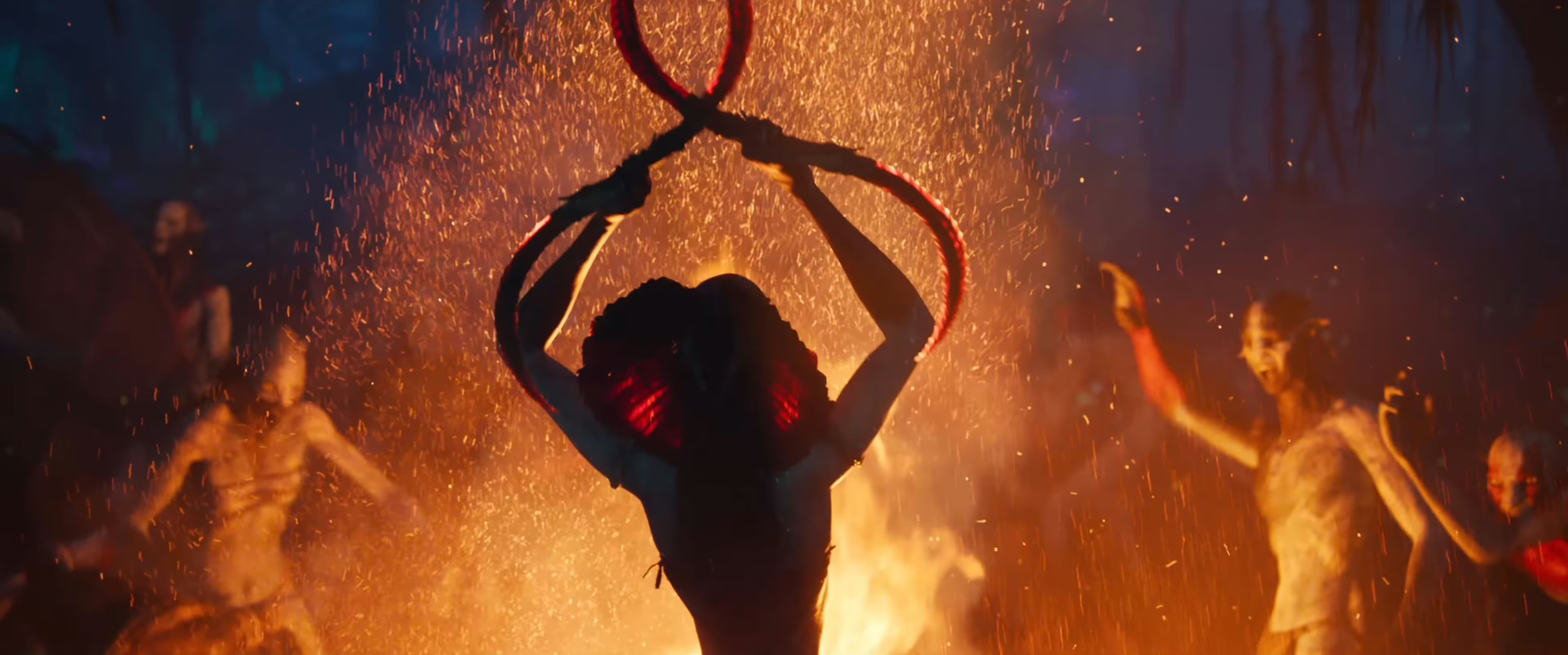
Avatar: Fire and Ash (2025)
As James Cameron continues to forge his epic saga of spirituality and survival through the elements, Avatar: Fire and Ash tests the threads of tradition which binds its clans together, drawing dangerous new alliances that ignite a crucible of faith, fury, and primordial spectacle.
-
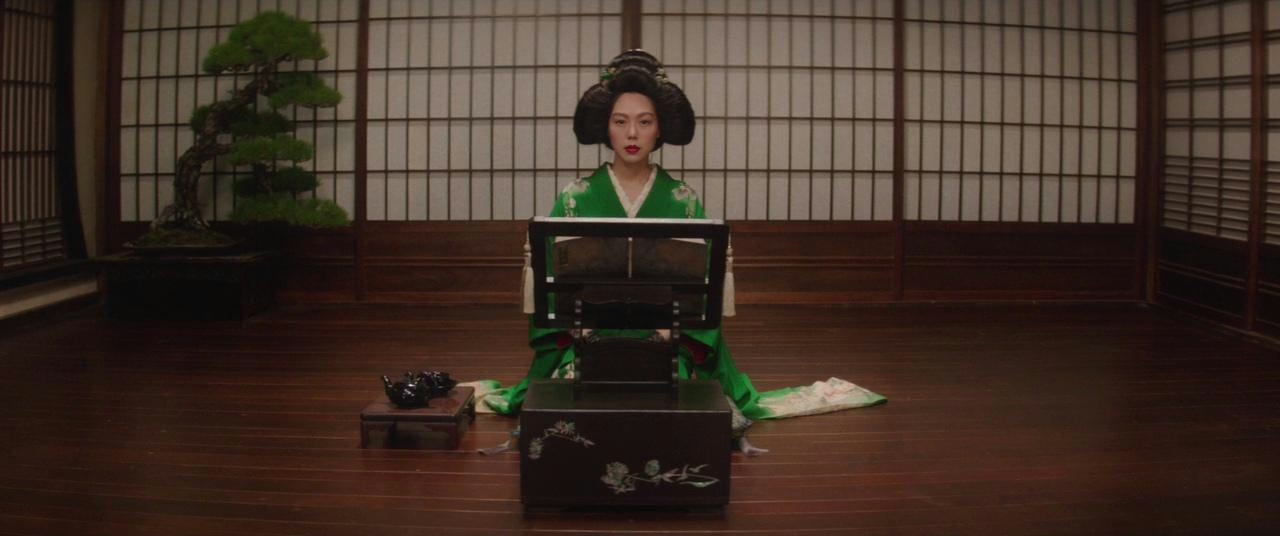
The Handmaiden (2016)
So intricately woven are the layers of deception in The Handmaiden, the cons that masquerade as plot become part of its very structure, staging a seductive dance between cunning swindlers and discerning victims that Park Chan-wook choreographs with masterful precision.