
-
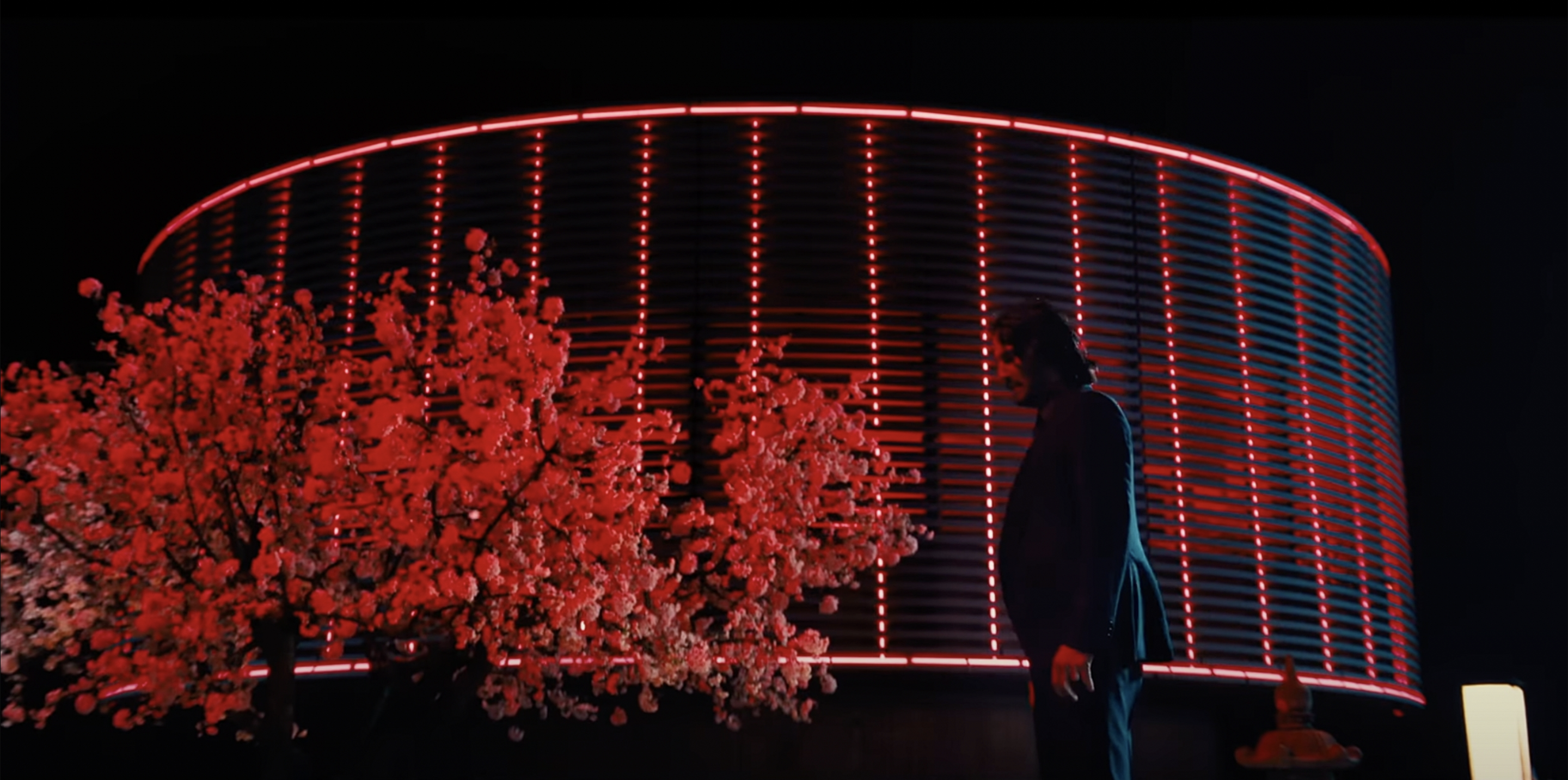
John Wick: Chapter 4 (2023)
With its staggering set pieces and consequential narrative stakes, John Wick: Chapter 4 ends this series on a majestic cinematic high, not just confirming Chad Stahelski’s well-earned position among our great modern action directors, but also his talents as a storyteller communicating through striking theological symbolism.
-
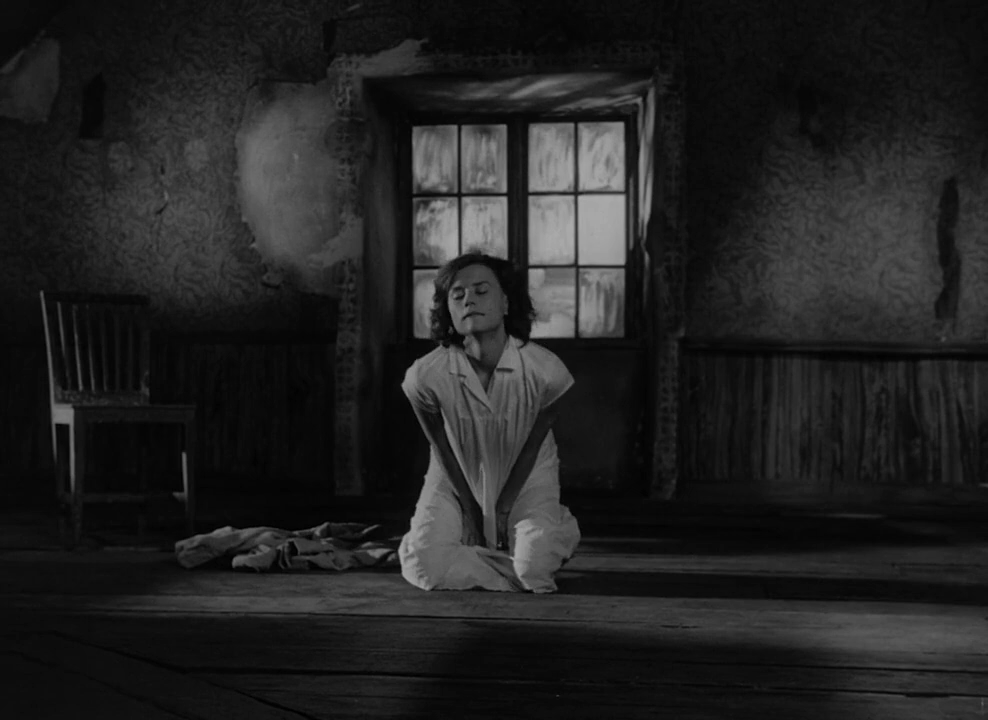
Through a Glass Darkly (1961)
Beneath Ingmar Bergman’s eloquently cutting dialogue in Through a Glass Darkly is a family struggling in the absence of spiritual guidance, magnified to an even greater extent by the isolation of the island where they are vacationing, and yet finding the chance for redemptive grace in the smallest demonstrations of love.
-
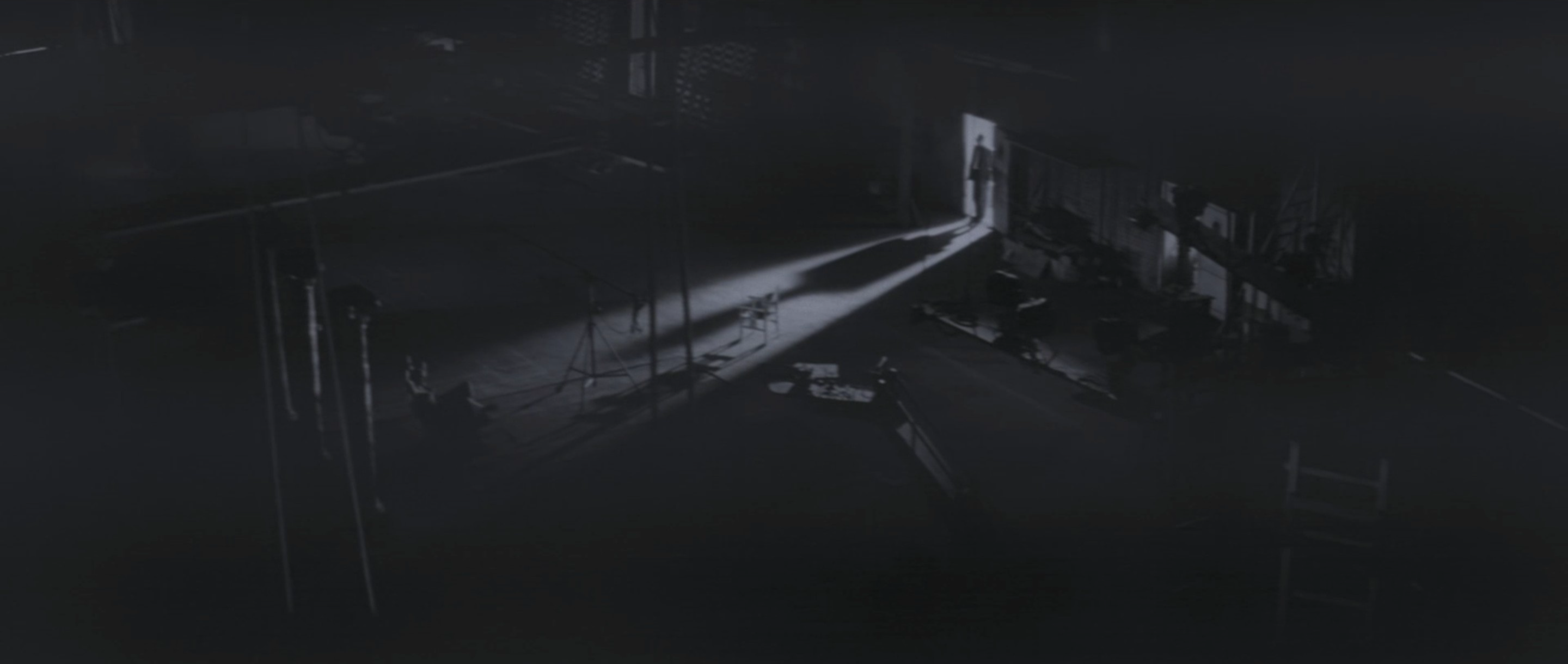
Kaagaz Ke Phool (1959)
There is certainly something poignantly poetic in the way Guru Dutt’s premature passing mirrors the ending of his final film, tracing the tragic fall of a once-famous filmmaker, but Kaagaz Ke Phool also captures the essence of an artistic imagination profuse with creative joy, lyrically reminiscing the love which inspired him to craft some of…
-
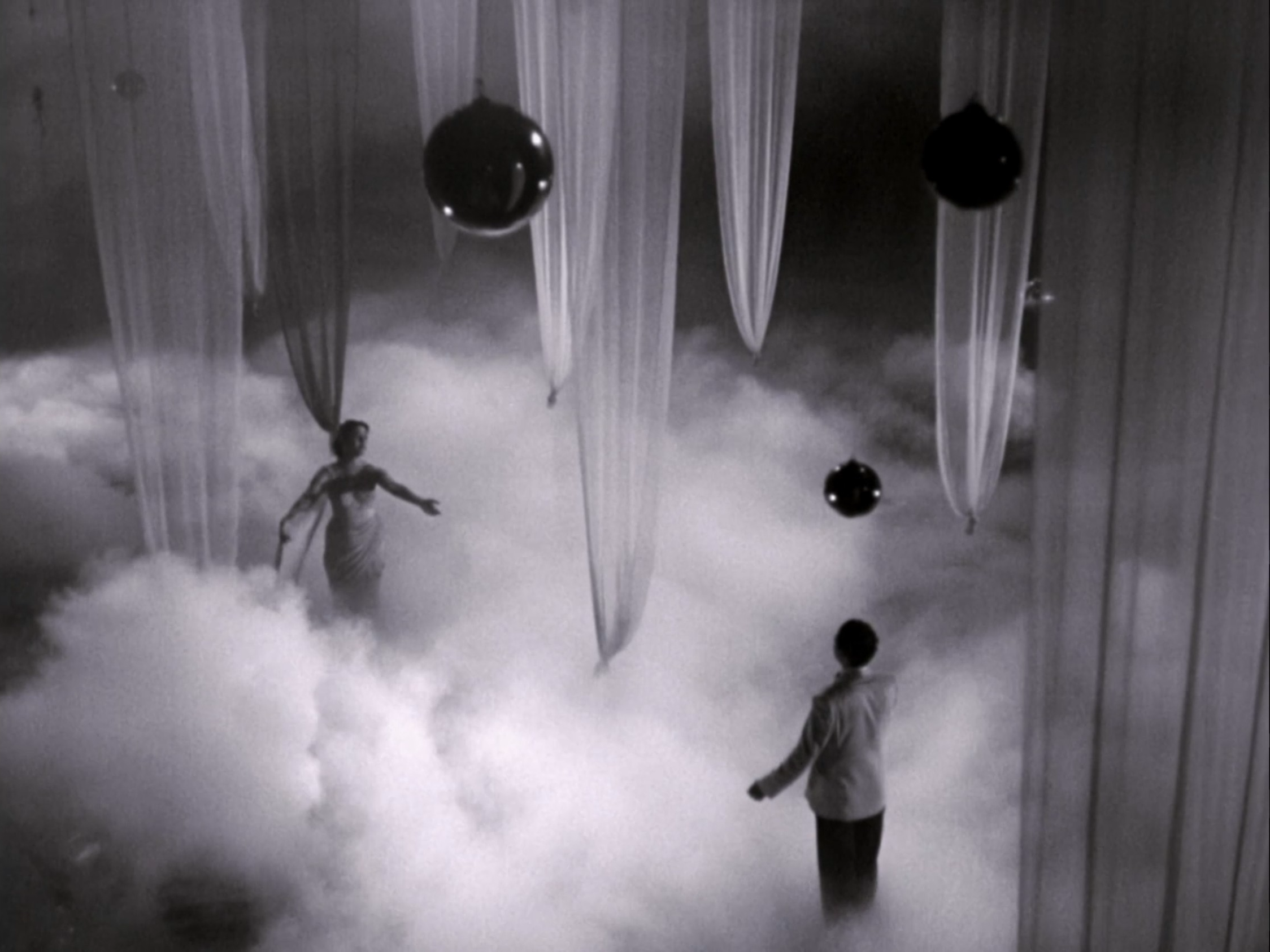
Pyaasa (1957)
Often cited as the peak of Bollywood’s Golden Age, Pyaasa flows with incredible joy, sensitive eloquence, and profound cynicism, adopting the passionate romanticism of the struggling Urdu poet at its centre with lyrical camerawork, and marking the musical epic as Guru Dutt’s crowning achievement.
-
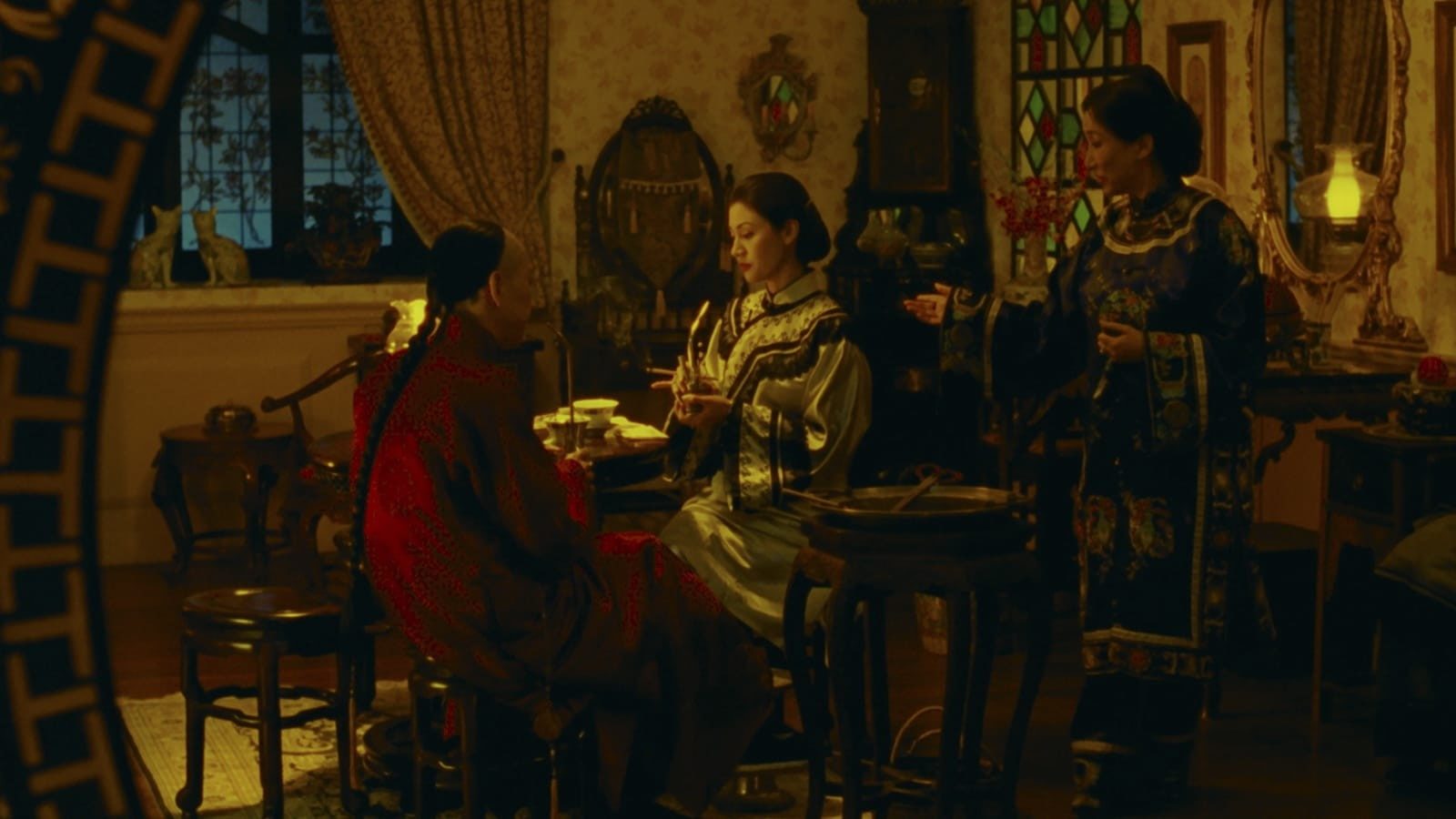
Flowers of Shanghai (1998)
Nineteenth century China has never felt so tangibly cinematic as it does in Flowers of Shanghai, examining the blurred boundaries that lie between sex and business in its most frequented pleasure houses, and positioning us through Hou Hsiao-hsien’s floating camera and elliptical structure as silent observers of its sharply gendered politics.