
-
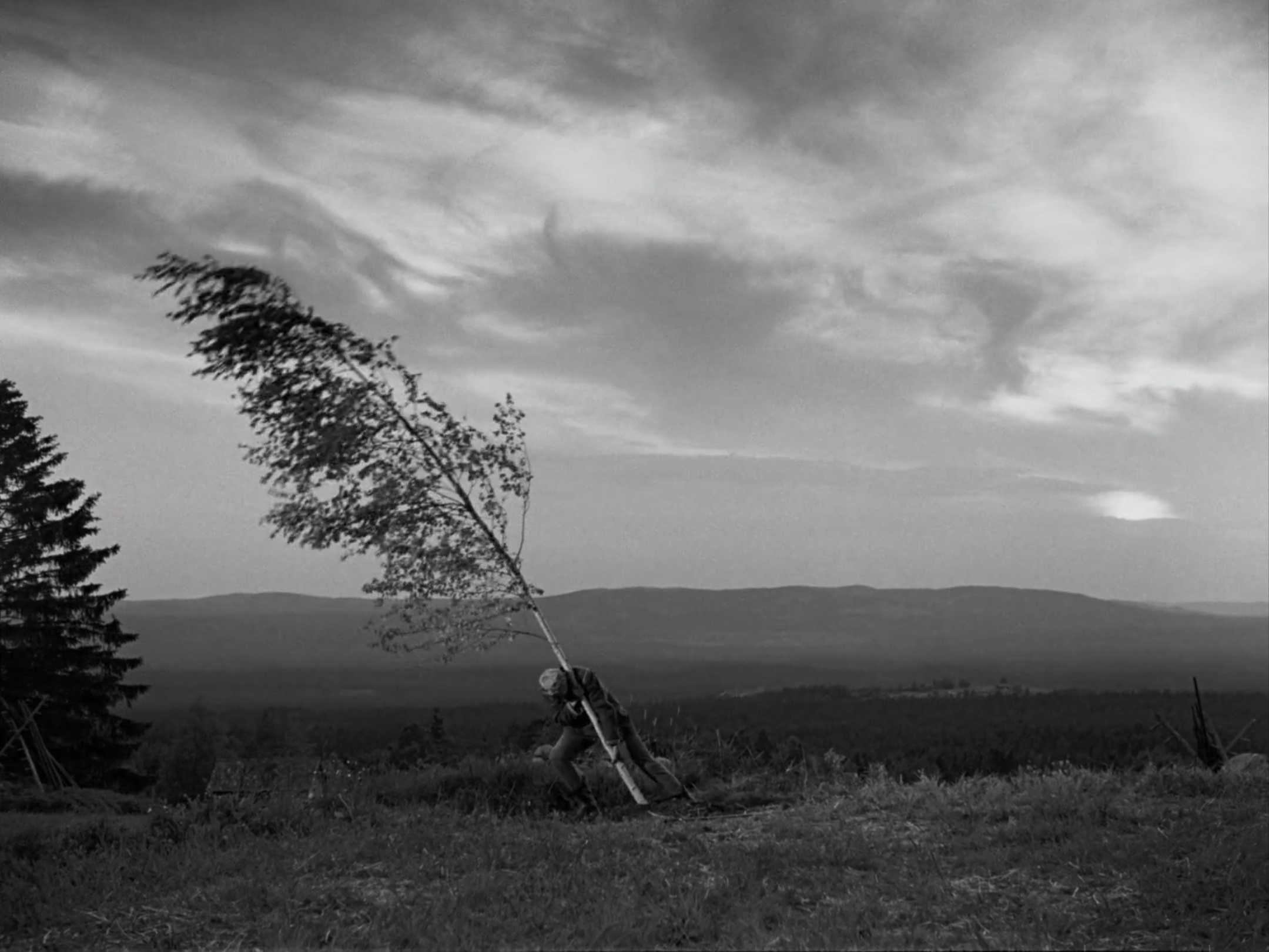
The Virgin Spring (1960)
Christian and pagan symbolism may be nothing new for Ingmar Bergman, but their manifestation in The Virgin Spring through such visceral violence is punishing even by his standards, thoughtfully considering in this parable of murder and revenge how virtue might survive our most guilty, godless instincts.
-
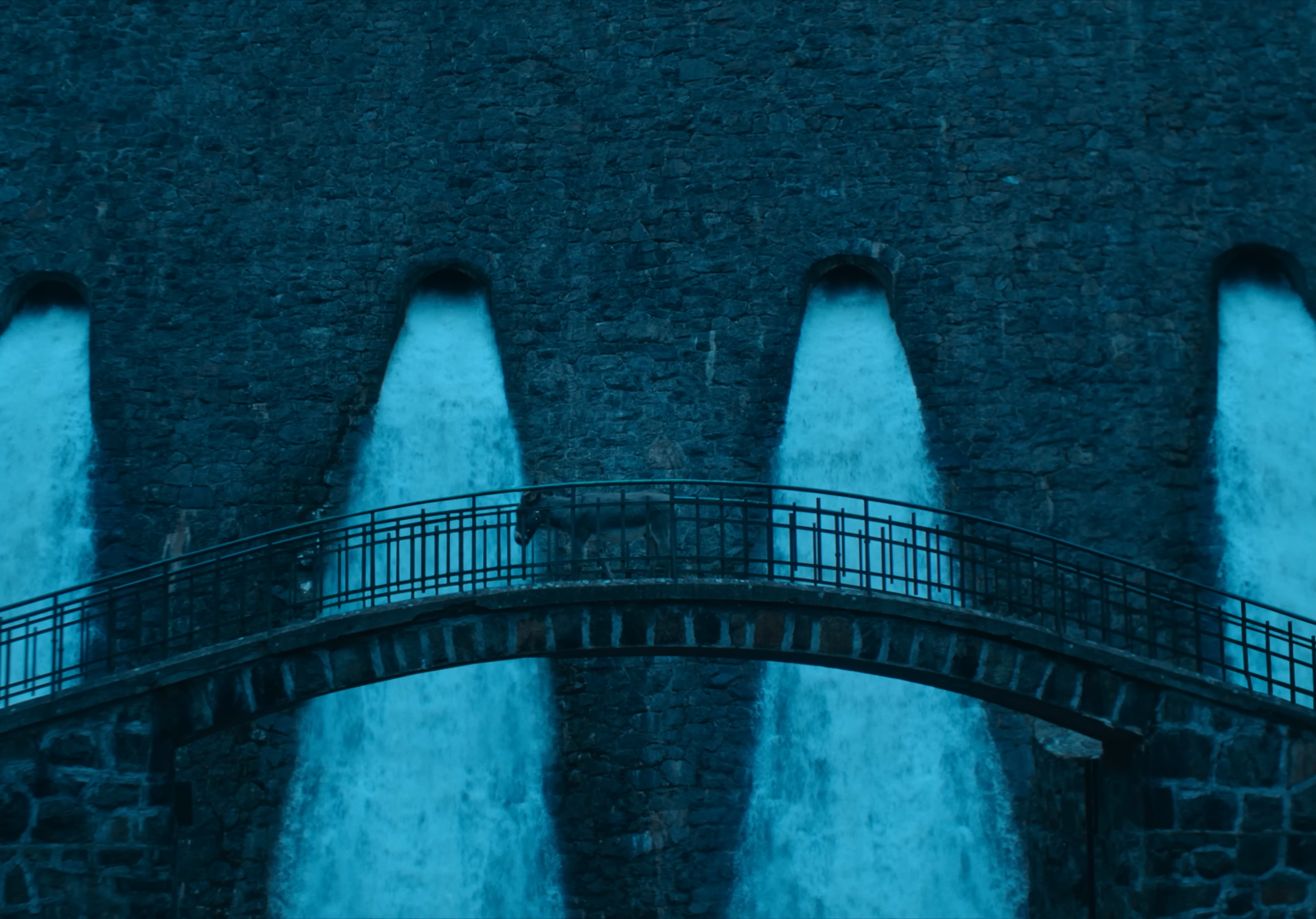
EO (2022)
Humanity has never looked as simultaneously kind and cruel as it does through the eyes of the world’s lowliest beast in EO, as Jerzy Skolimowski’s elliptical direction effortlessly drifts us along one donkey’s nomadic odyssey, unveiling profoundly graceful meditations on our most fundamental nature.
-
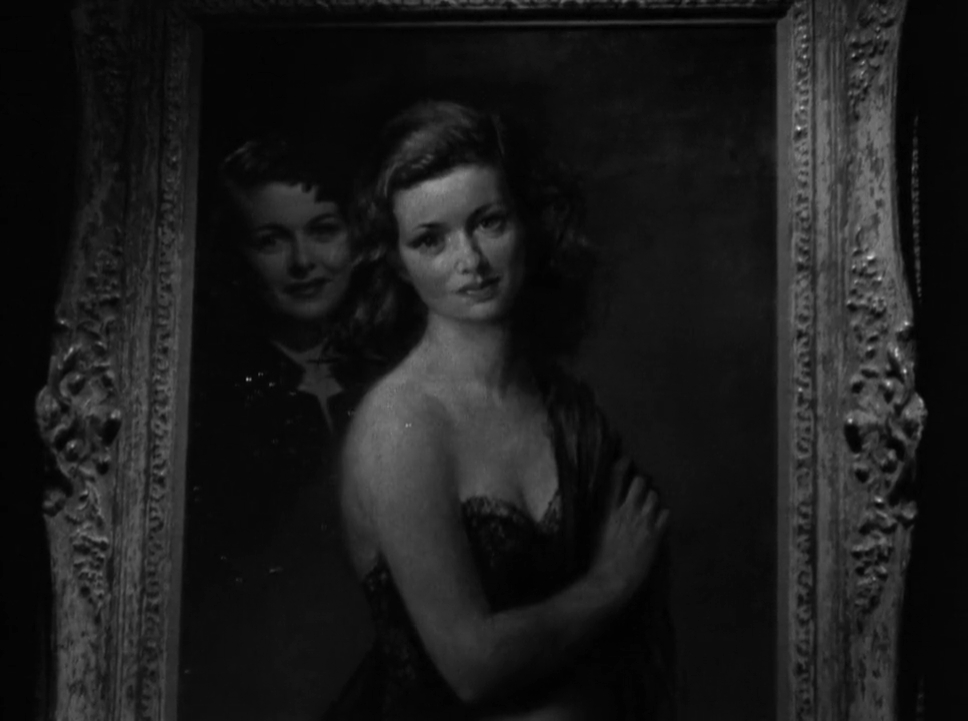
The Woman in the Window (1944)
The nervous mistrust built into the duplicitous narrative and motifs in The Woman in the Window speaks to film noir’s most classical archetypes, and in further literalising the genre’s expressionist nightmares Fritz Lang delves even deeper into one naïve professor’s dreams of seduction, murder, and subterfuge.
-
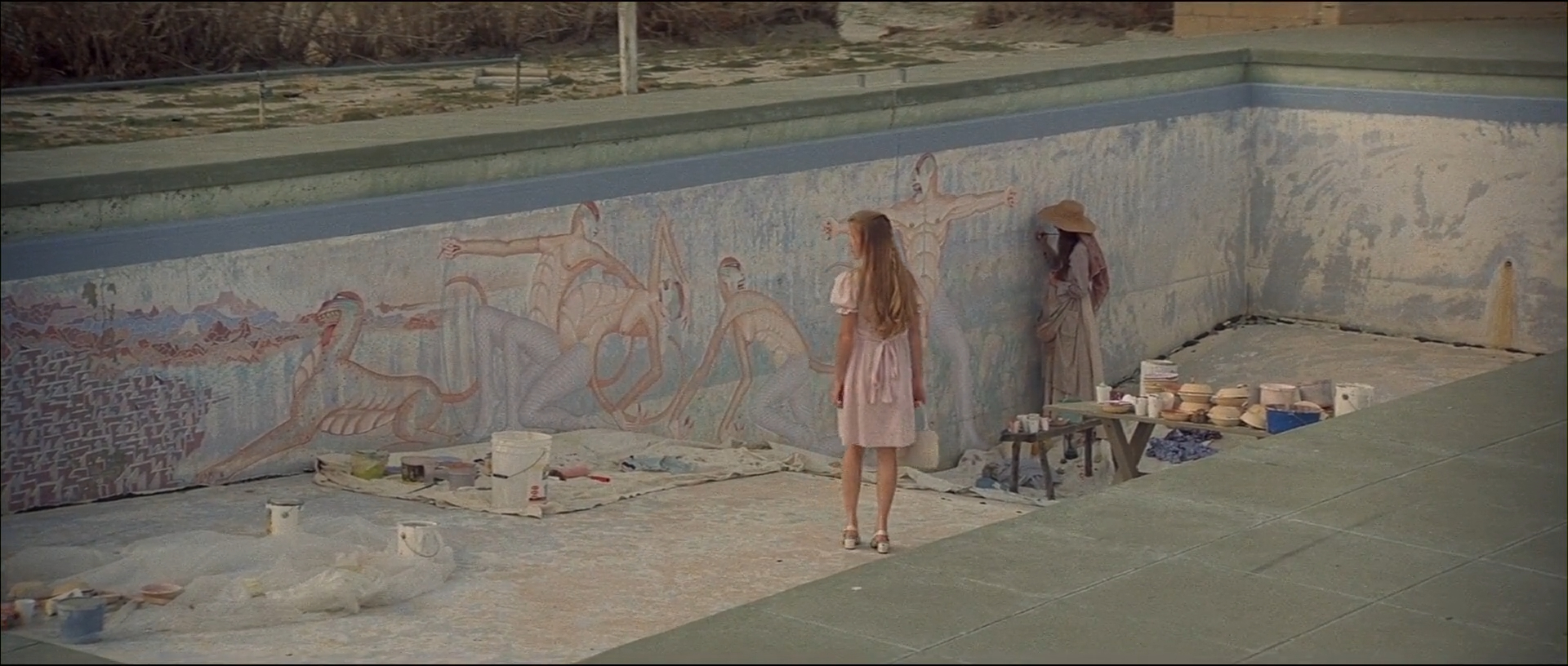
3 Women (1977)
The motifs of monsters and mirrors drawn through Pinky’s obsession with local popular girl Millie make for some powerfully abstract imagery in 3 Women, finding remarkable psychological tension in Robert Altman’s enigmatic blending of female identities, as well as in its setting of a modern culture where individuality is everything.
-
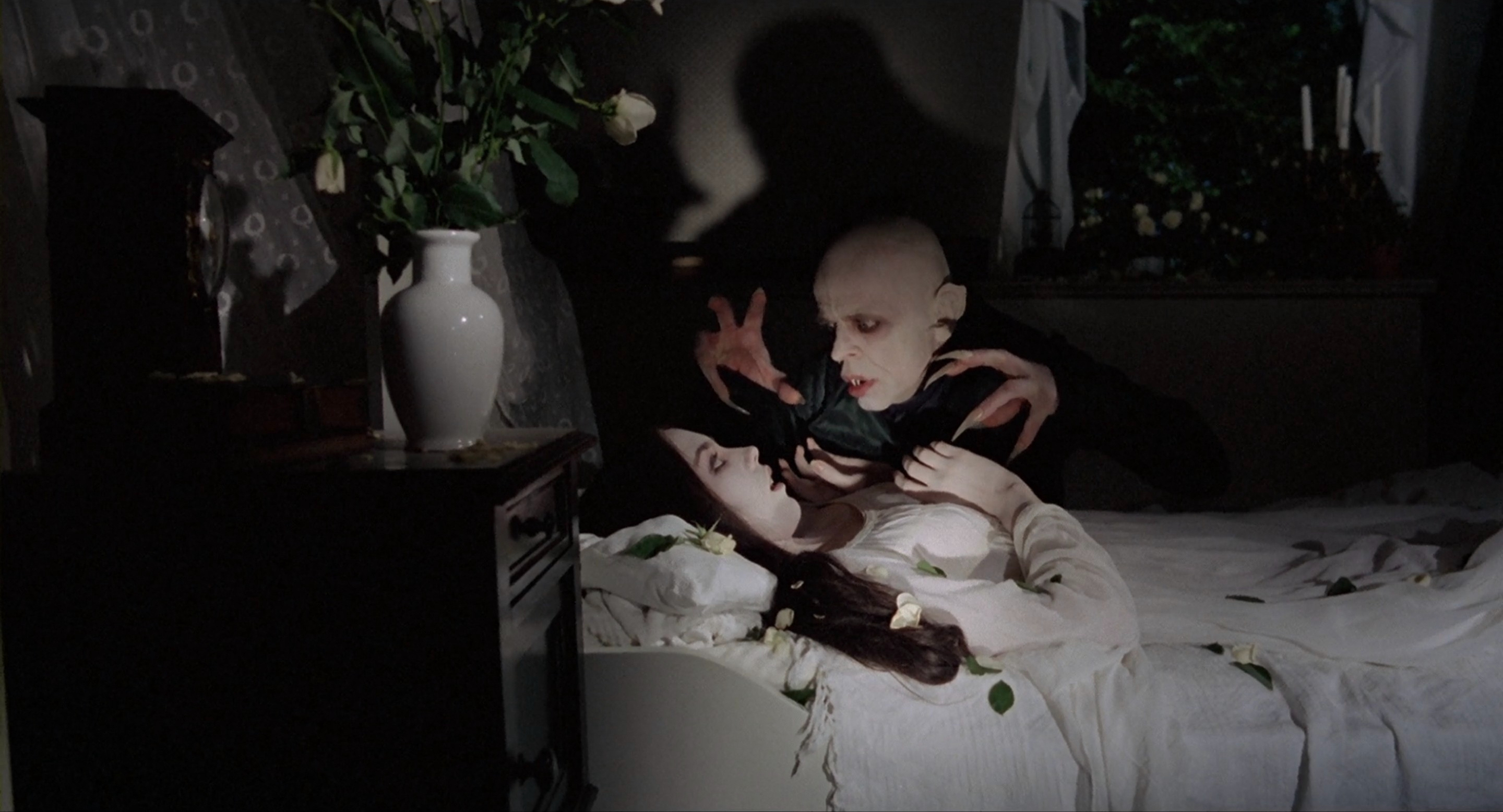
Nosferatu the Vampyre (1979)
Nosferatu the Vampyre may emerge within a long lineage of Dracula adaptations, and yet is infused on every cinematic level with Werner Herzog’s fear and awe at a godless world, lulling us into its slow-burn narrative which drifts by with tragic, hypnotic dread.