
-

Naked (1993)
Like a man ready to tear the world down with him on his way to hell, there is no real direction to Johnny’s intellectual bullying through London’s nocturnal streets in Naked, yet around him Mike Leigh constructs a character study of such immense nihilism that even he can’t escape the miserable darkness he emits.
-
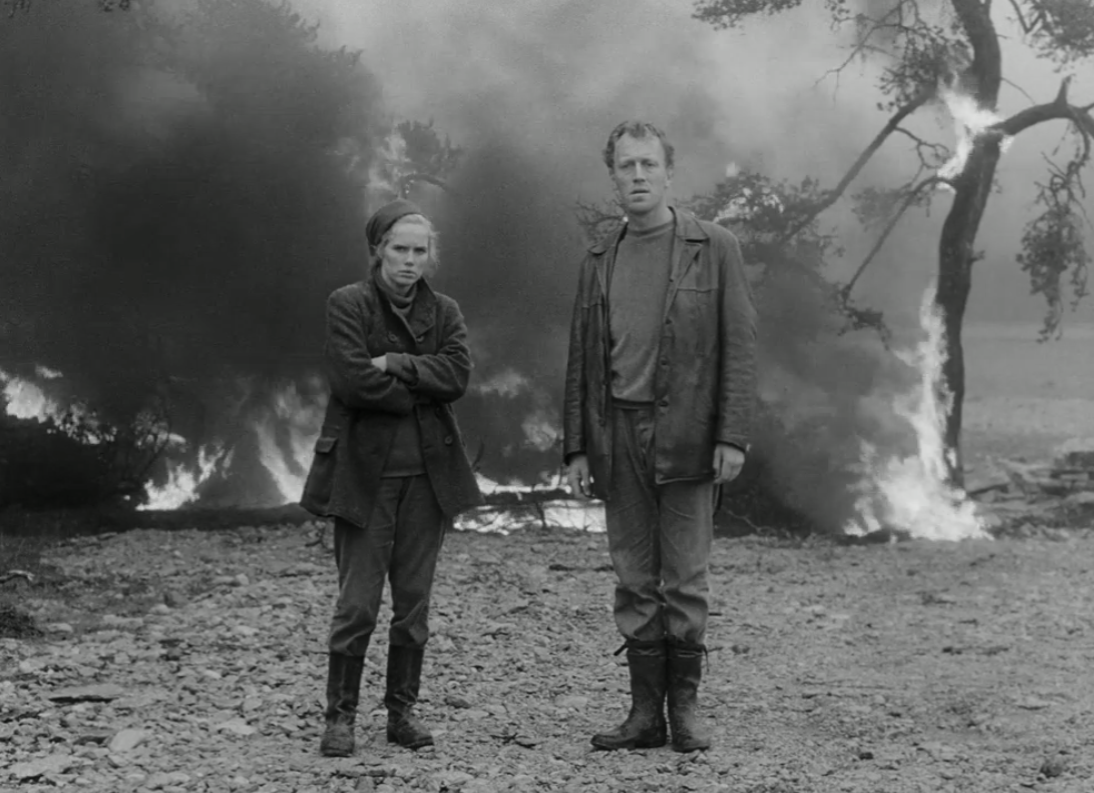
Shame (1968)
From the moment the first bombs start falling, Ingmar Bergman descends Shame into an irreversible degradation of innocence, love, and compassion, tragically twisting the souls of wartime survivors into distorted shadows of their former selves and taking this study of human violence to its logical, haunting end.
-
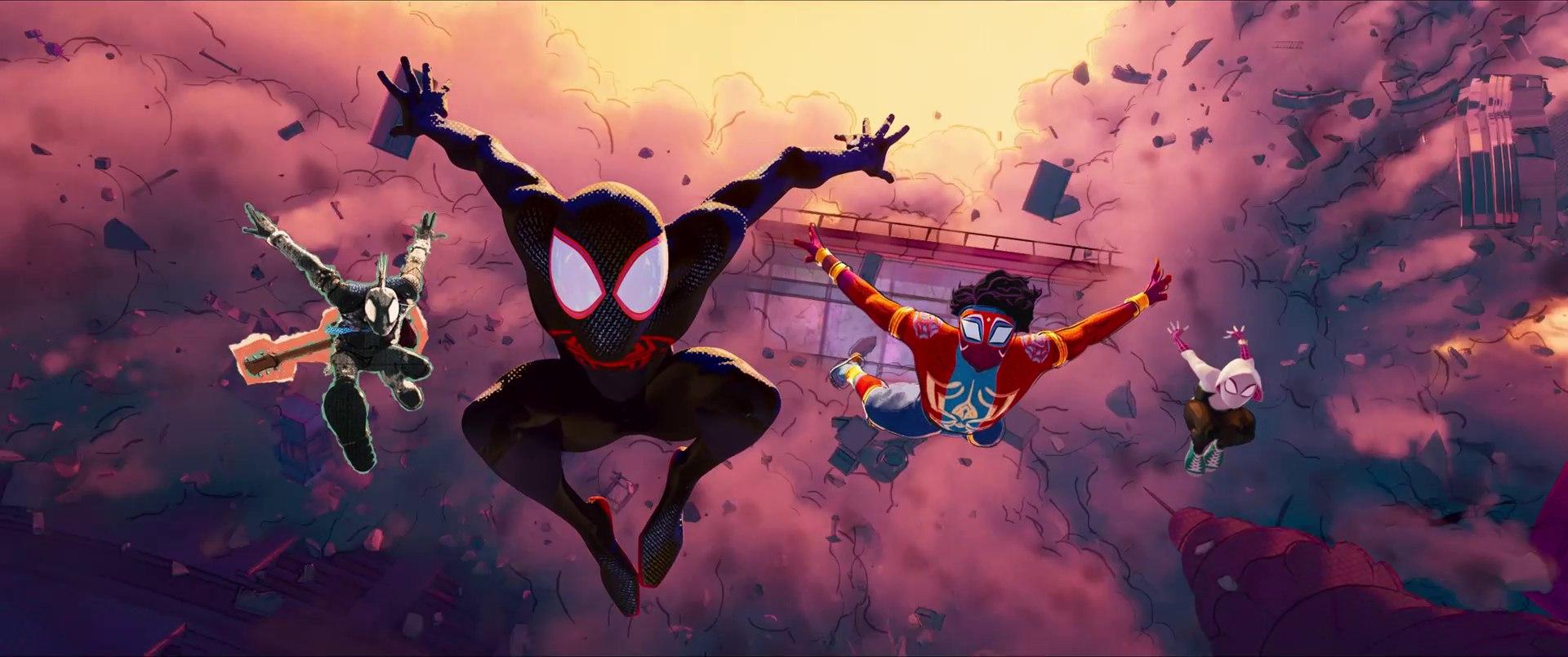
Spider-Man: Across the Spider-Verse (2023)
Even as Spider-Man: Across the Spider-Verse hurtles through universes of conflicting pop art aesthetics, the archetypal hero conventions it deconstructs binds them together within a set ‘canon’, all the while pushing against such restrictive notions of fate with a meta-modernist humour and hyper-kinetic animation.
-
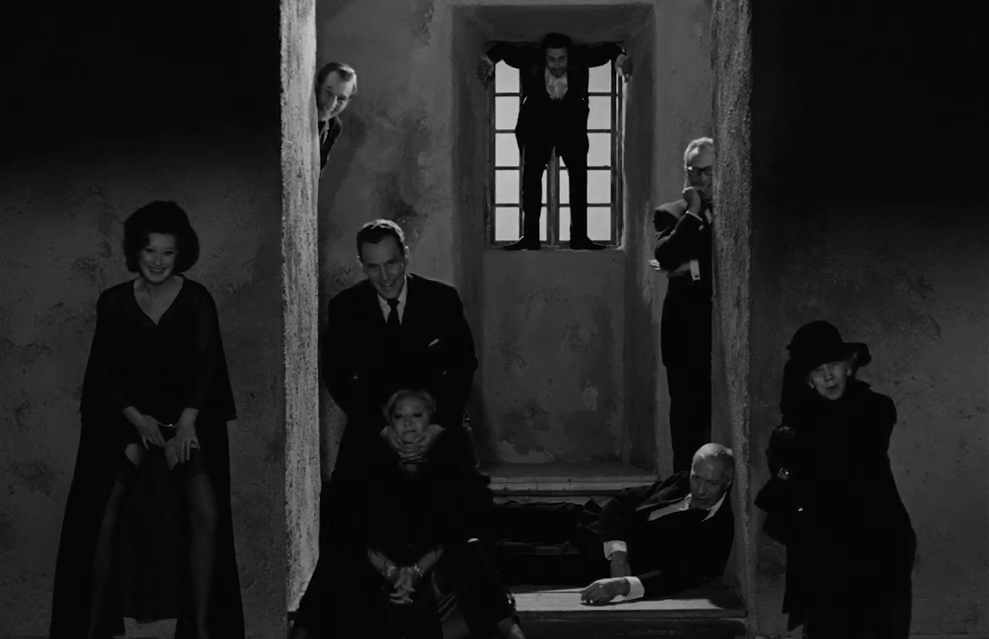
Hour of the Wolf (1968)
As we trace back the steps of one mentally tortured painter through the days before his disappearance in Hour of the Wolf, it becomes clear that no other Ingmar Bergman film has come this close to outright psychological horror, surreally warping our most intimate relationships into vulnerable weaknesses where demons come to play.
-
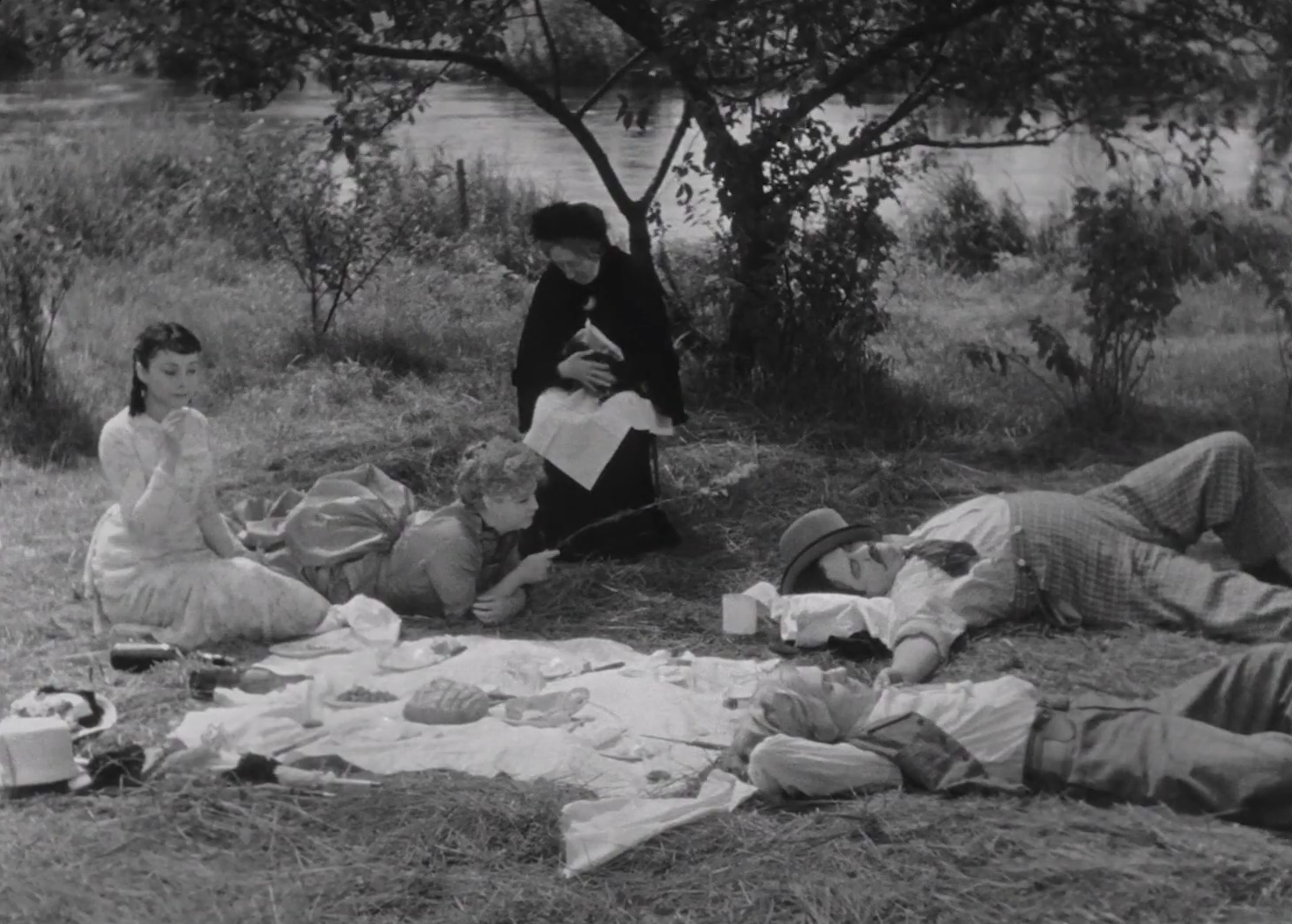
A Day in the Country (1936)
That wistful memories last far longer than the events they are born from is a painful paradox in A Day in the Country, but with a visual style and narrative pacing as elegant as Jean Renoir’s, it is fully possible to recognise the beauty of these moments as they pass us by, manifesting as scintillating…