
-
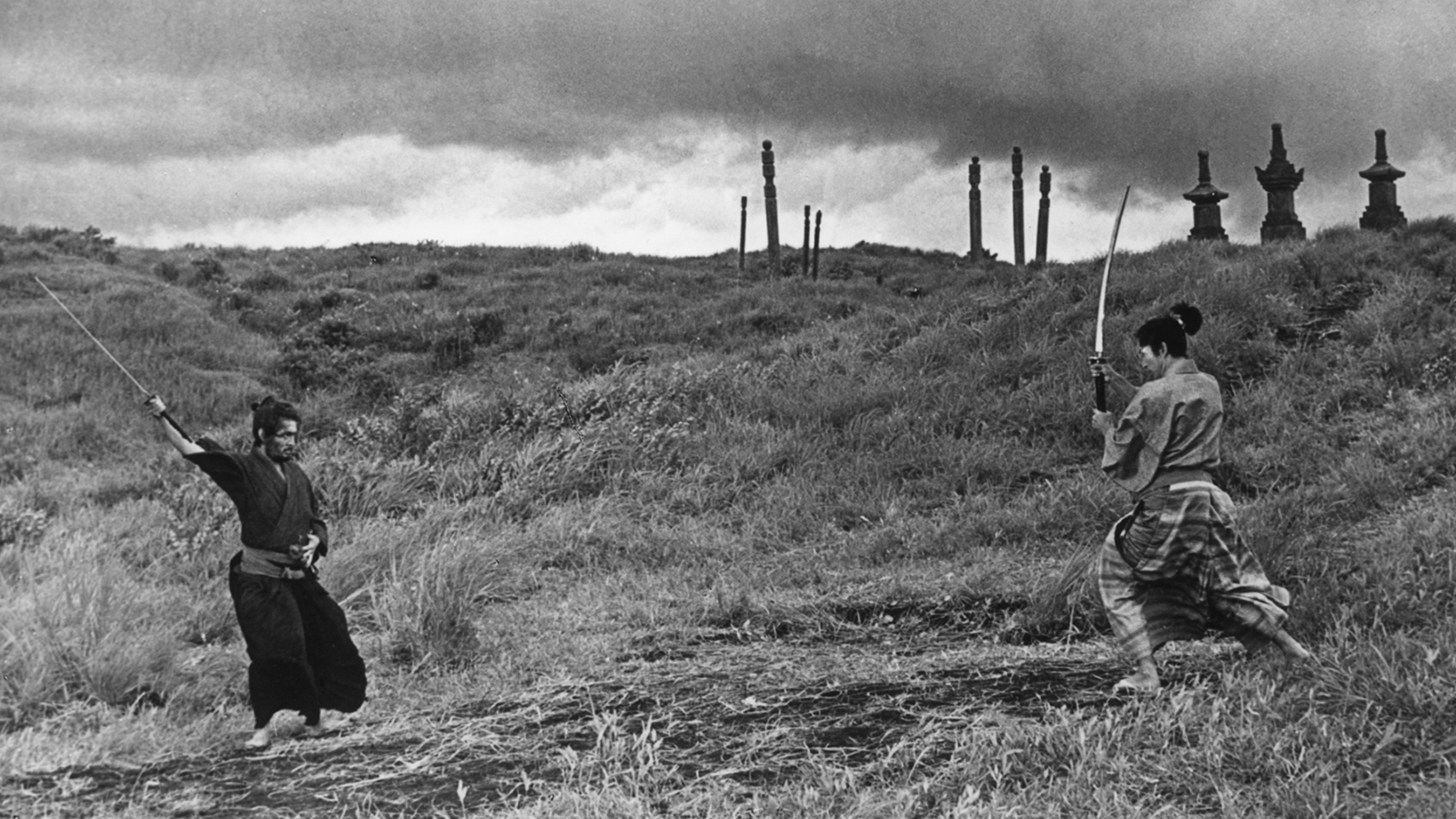
Harakiri (1962)
The corruption of samurai tradition in Harakiri has not merely unfolded through passive spiritual negligence, but rather arises from the flawed humanity hiding behind its facade, as Masaki Kobayashi thrillingly lays out a pessimistic Japanese fable of one man’s violent attempt to expose its total hypocrisy.
-
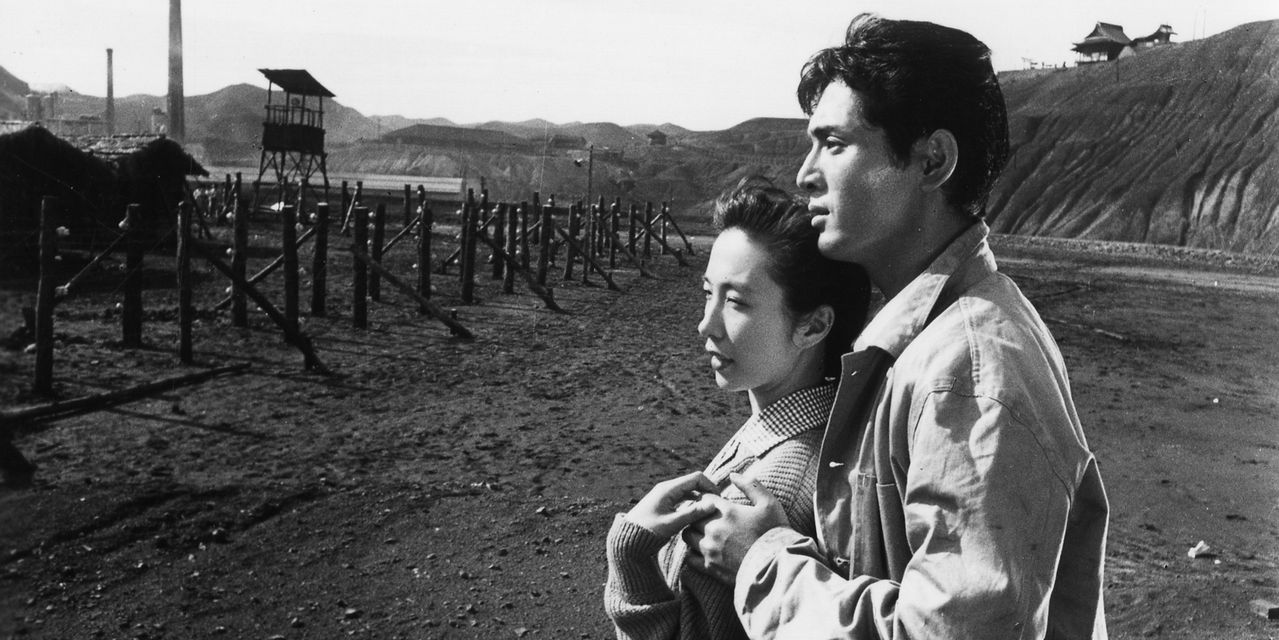
The Human Condition (1959-61)
Japanese soldier, prisoner, and pacifist Kaji seems to live multiple lives across the modern odyssey of The Human Condition trilogy, waging his soul as the last battleground of moral fortitude in the final years of World War II, and becoming the compelling centrepiece of Masaki Kobayashi’s devastating study on humanity’s most vital essence.
-
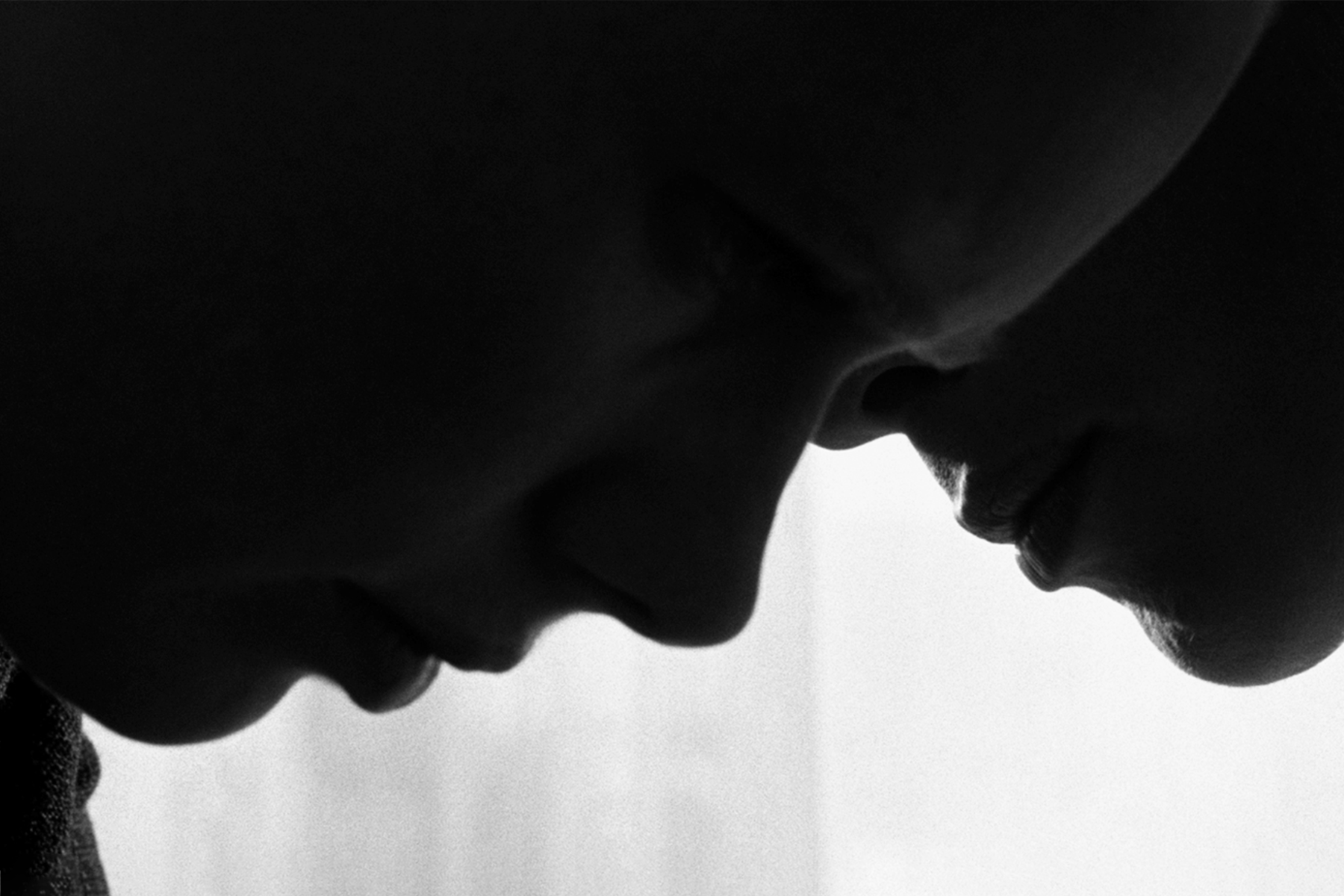
Persona (1966)
The incredible formal synthesis forged between Ingmar Bergman’s intimate visual style and psychological deliberations in Persona may be the finest of his career, blending the identities of two women through an avant-garde surrealism, and studying the perplexing duality which splits the human mind into outward expressions and internal truths.
-
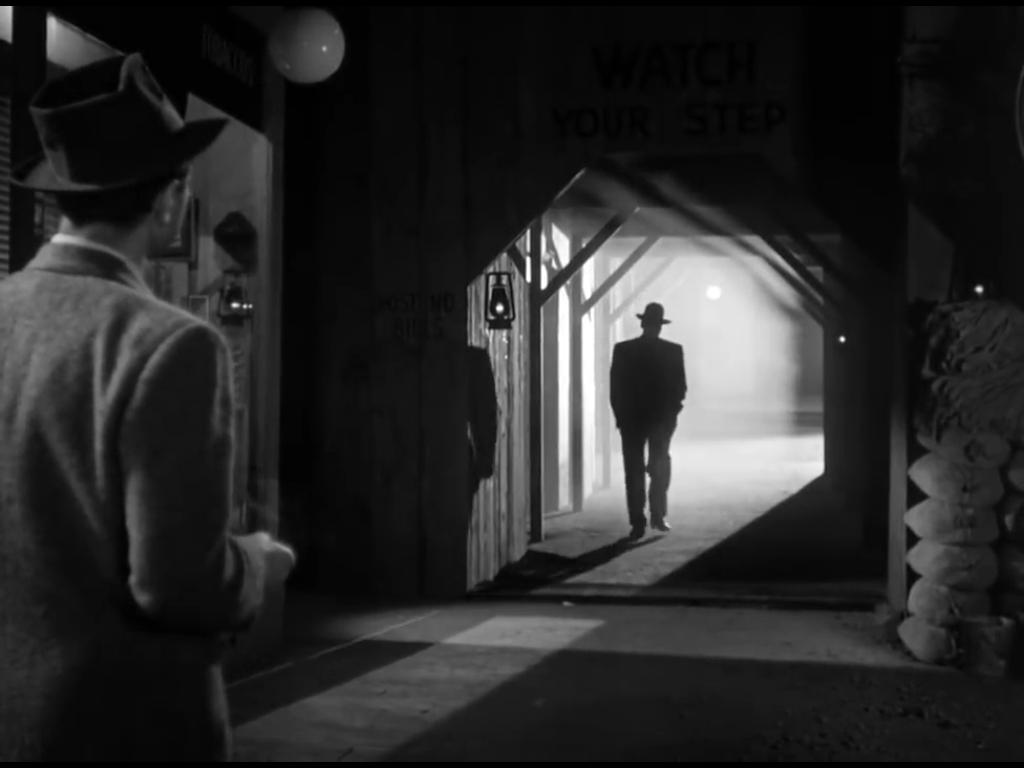
The Killers (1946)
The many acquaintances of one young murder victim each hold a piece of the puzzle to his mysterious death in The Killers, and as Robert Siodmak traces his life back through splintered collections of memories, clues, and treacherous triple crosses, the layers of his fatally obsessive insecurity begin to unfurl.
-
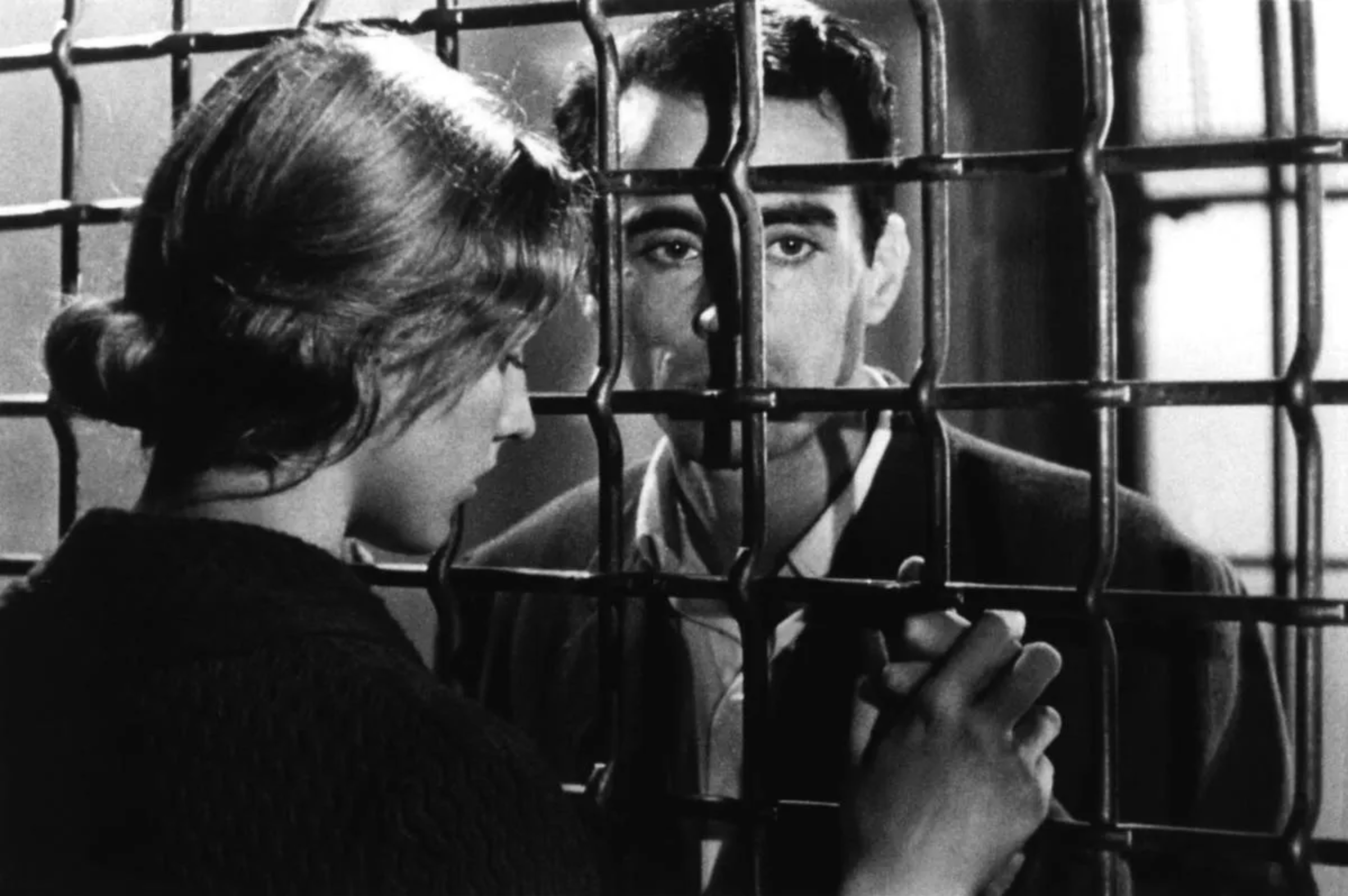
Pickpocket (1959)
The sensitivity that is absent on the faces of Robert Bresson’s actors can be found instead in the dextrous movements of their fingers, palms, and wrists in Pickpocket, drawing a transgressive eroticism from the penetration of personal spaces, and building out a subtle interrogation of one thief’s unlikely guilt.