
-
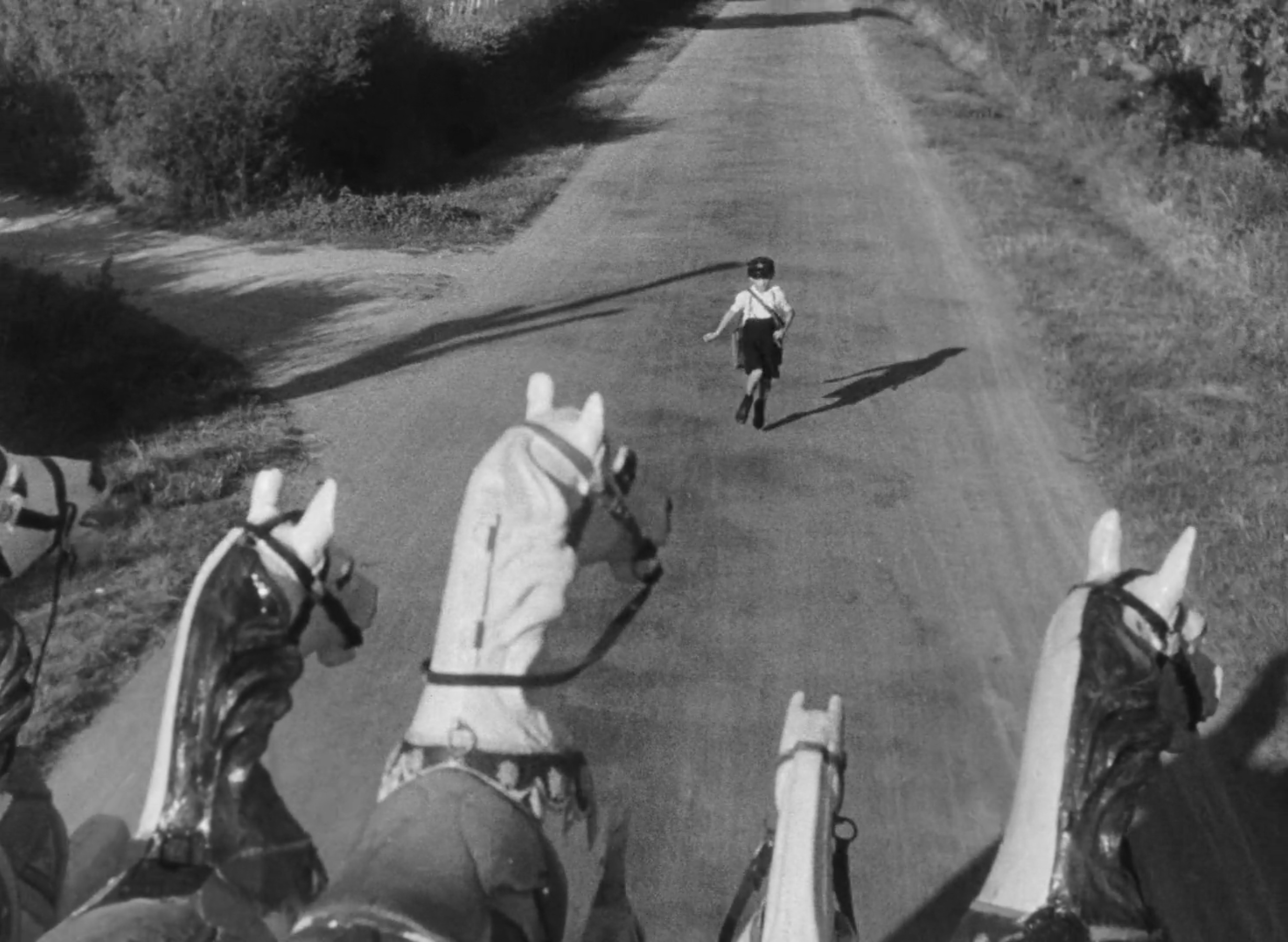
Jour de Fête (1949)
Though Jour de Fête feels slightly limited without Jacques Tati’s bizarre displays of architecture to bounce his physical comedy off, he is still as resourceful as ever in both his acting and direction, whimsically sending up modern ideals of efficiency and progress when they begin to invade a tiny French village amid Bastille Day celebrations.
-
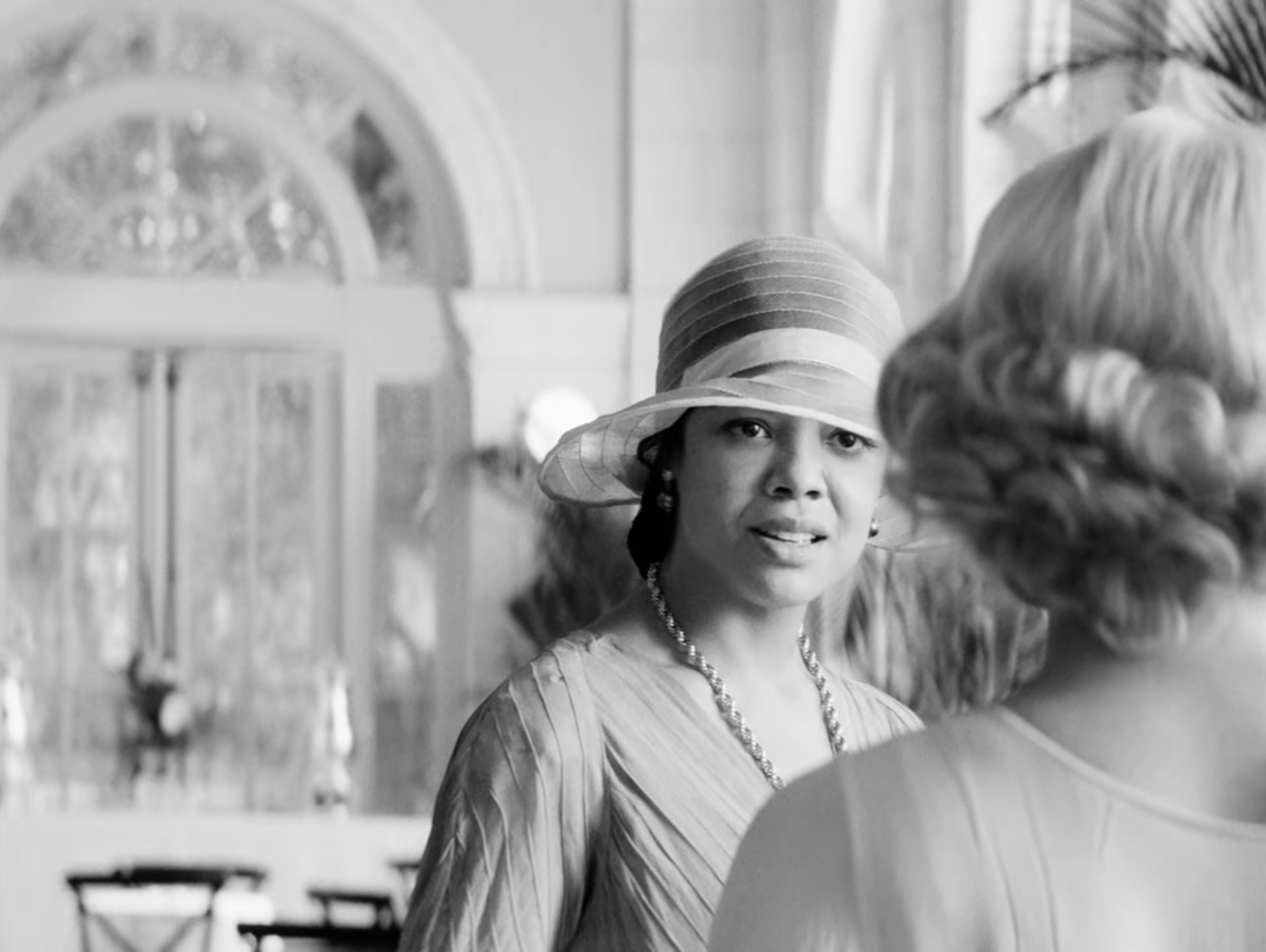
Passing (2021)
Rebecca Hall’s shallow focus and hazy black-and-white cinematography in Passing takes a dreamy hold over this interrogation of racial assimilation in 1920s New York, bringing together two old African-American childhood friends whose strikingly divergent lives lead to a reunion over thorny questions of identity and prejudice.
-
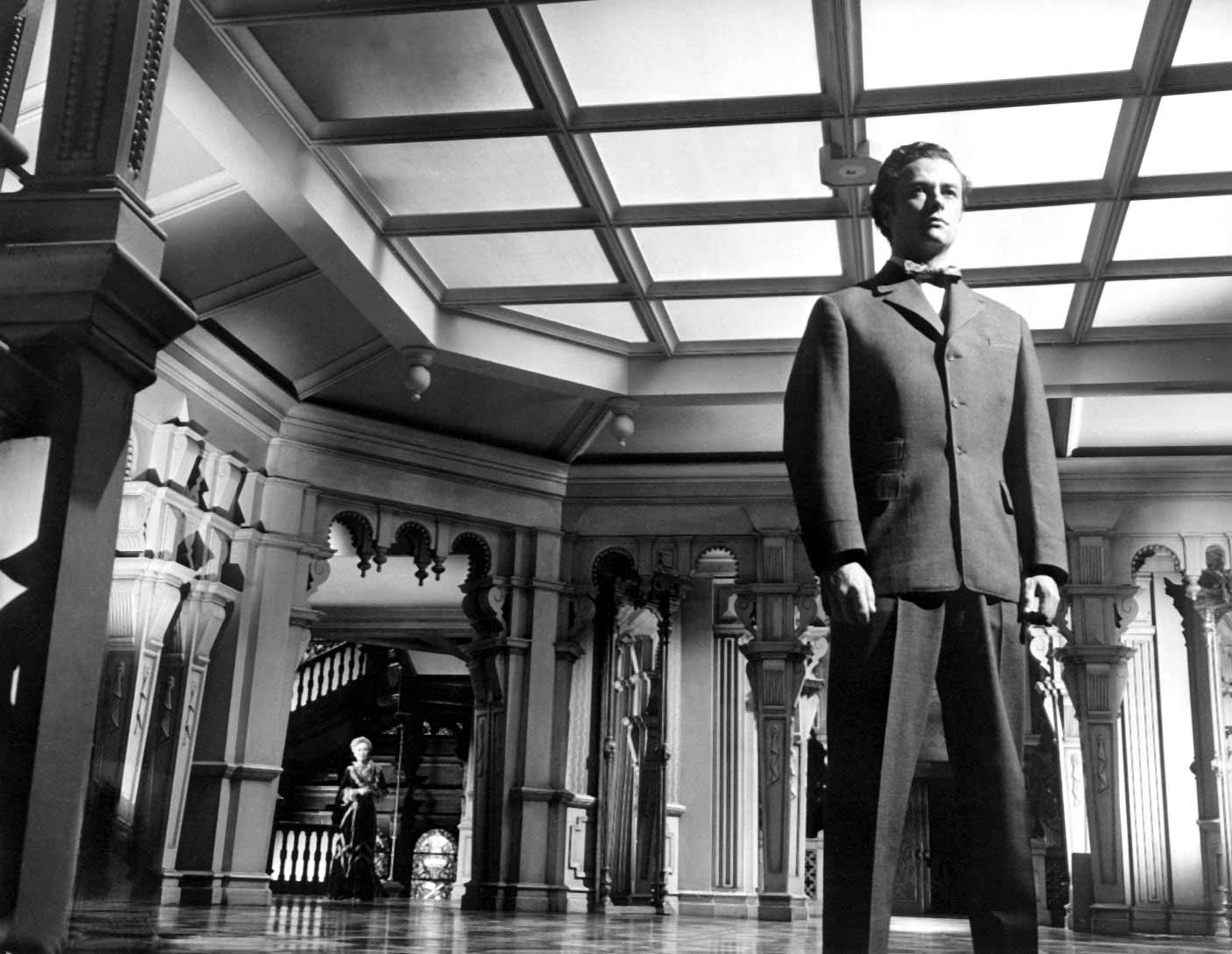
The Magnificent Ambersons (1942)
The Magnificent Ambersons floats along like a whispered echo of a bygone era, recounting the downfall of an entire family brought about by one man’s resistance to progress and standing as a powerful elegy from Orson Welles to those forgotten dynasties of American history, despite his artistic compromises.
-
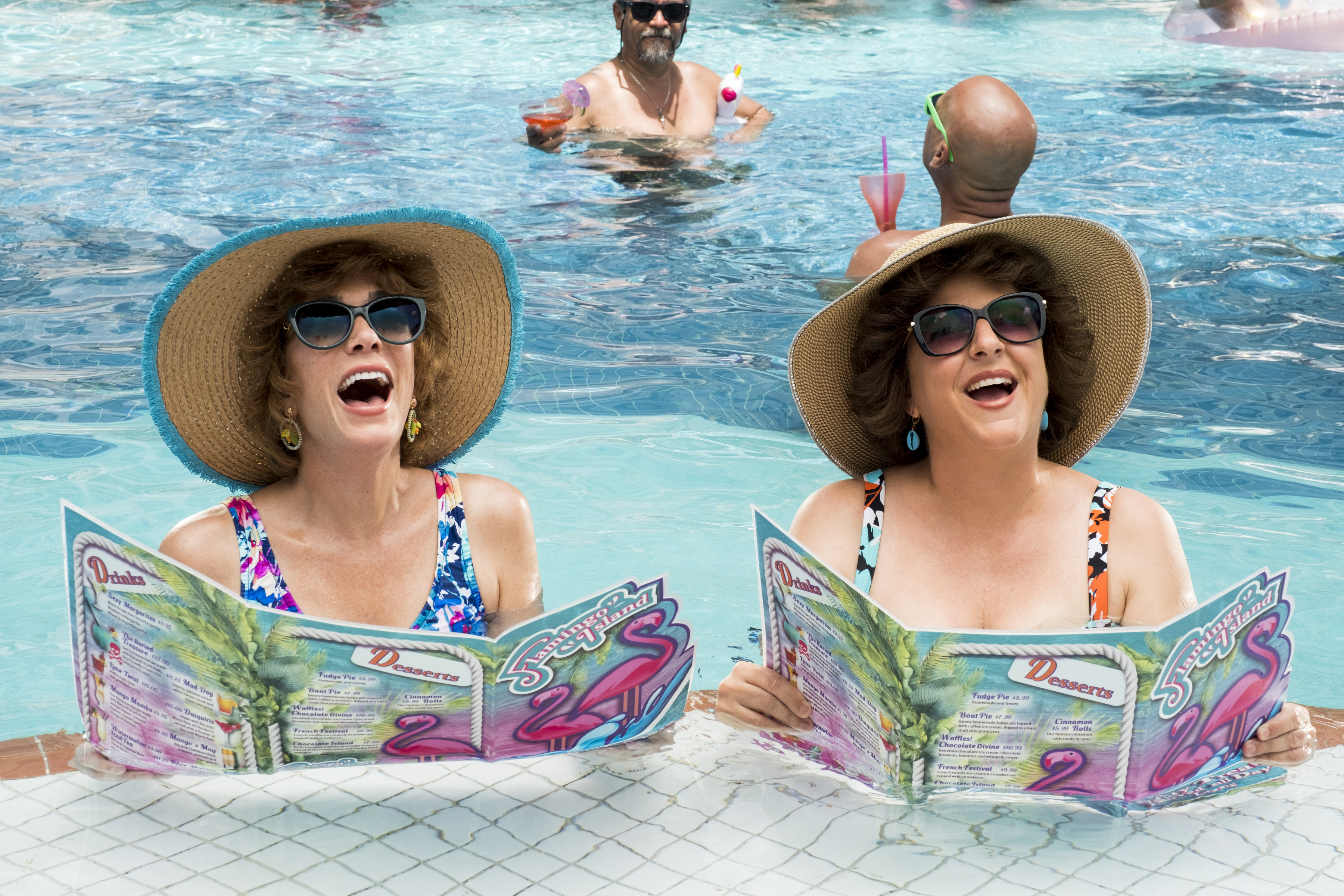
Barb and Star Go To Vista Del Mar (2021)
No doubt there are plot points in Barb and Star Go to Vista del Mar which don’t quite cohere with everything else, but with a screwball commitment to absurdly inventive visual gags and dialogue, the inspired collaboration between Josh Greenbaum, Kristen Wiig, and Anne Mumolo pushes the film’s narrative logic in hilariously unexpected directions.
-

Sleeping Beauty (1959)
In using the full scope of its widescreen format, Sleeping Beauty creates the layered look of Renaissance tapestries hand-drawn on canvas, effectively infusing the whimsical style of its narrative into its dreamy imagery and delicate orchestrations.