
Hiroshi Teshigahara | 2hr 27min
This review was requested by Ravshan. Find out how to commission review of a film of your choice here.

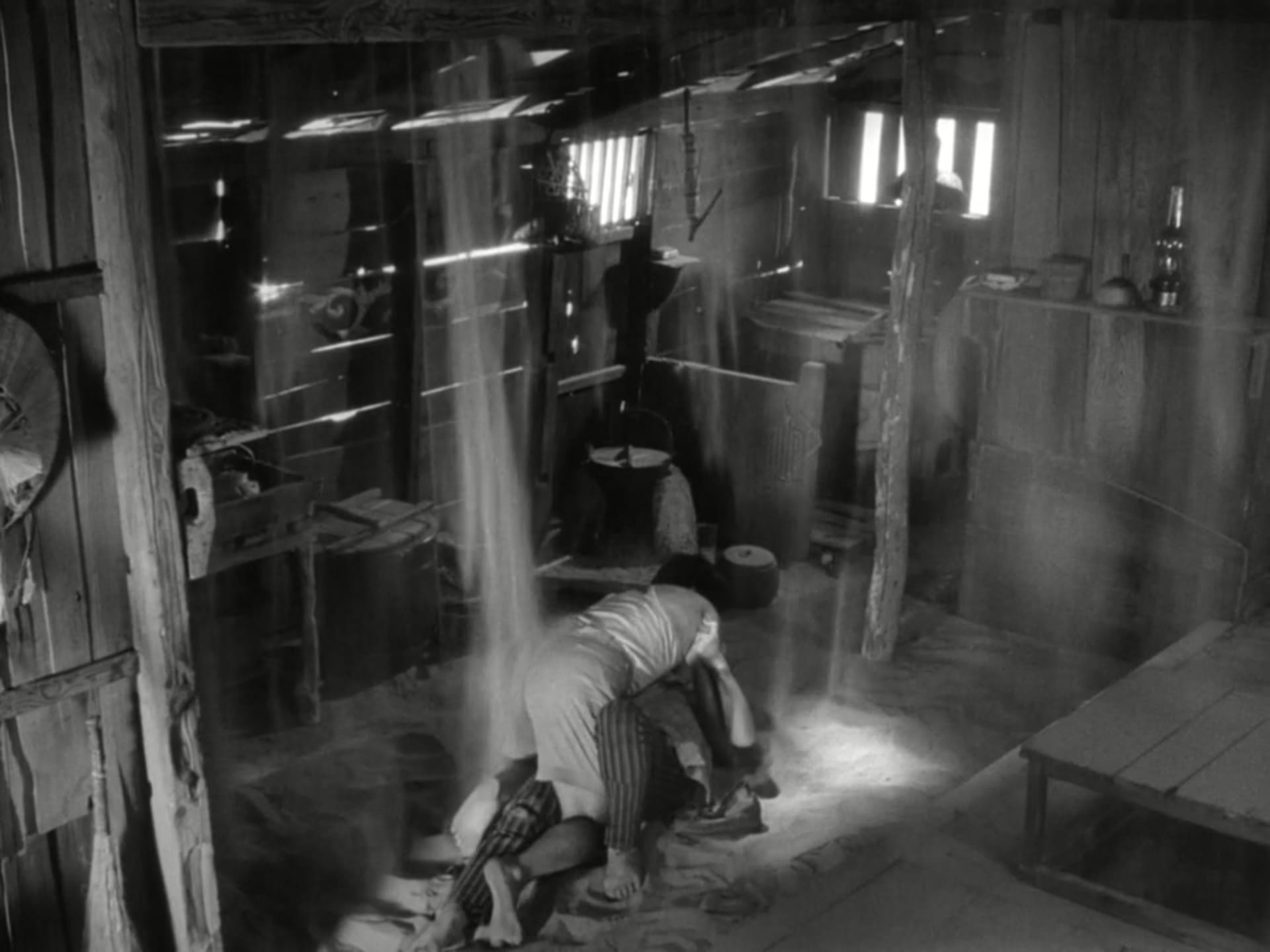
Sand belongs somewhere between the elements of water and earth in Woman in the Dunes, possessing an equally irritating fluidity and coarseness. The prison it forms for amateur entomologist Junpei is twofold – not only does it keep him from climbing out of the pit he has been cast into, crumbling beneath his fingers whenever he tries to scale its walls, but it also seeps into every corner of his existence. It clings to skin and clothes, fills his mouth as he drinks, and pours through the ceiling of the hut he occupies with a young widow. She lost her husband and daughter to a sandstorm just a year ago, she confides, leaving her alone in her monotonous task. Every night, she shovels the sand that has accumulated throughout the day, just to avoid being buried alive.
“If it weren’t for the sand, no one would bother about me,” the widow acknowledges, and indeed, this Sisyphean labour seems to be her only value to the surrounding village. In return for basic supplies, she continues to shovel, keeping the shifting sands from swallowing their houses too. As such, this dusty enclosure transcends physical confinement – through Hiroshi Teshigahara’s existential metaphor, sand becomes the unstable, repetitive, and indifferent condition of our daily lives. Every attempt at asserting structure and defying its entropy is futile in Woman in the Dunes, reducing Junpei and the widow to instruments of ceaseless routine.
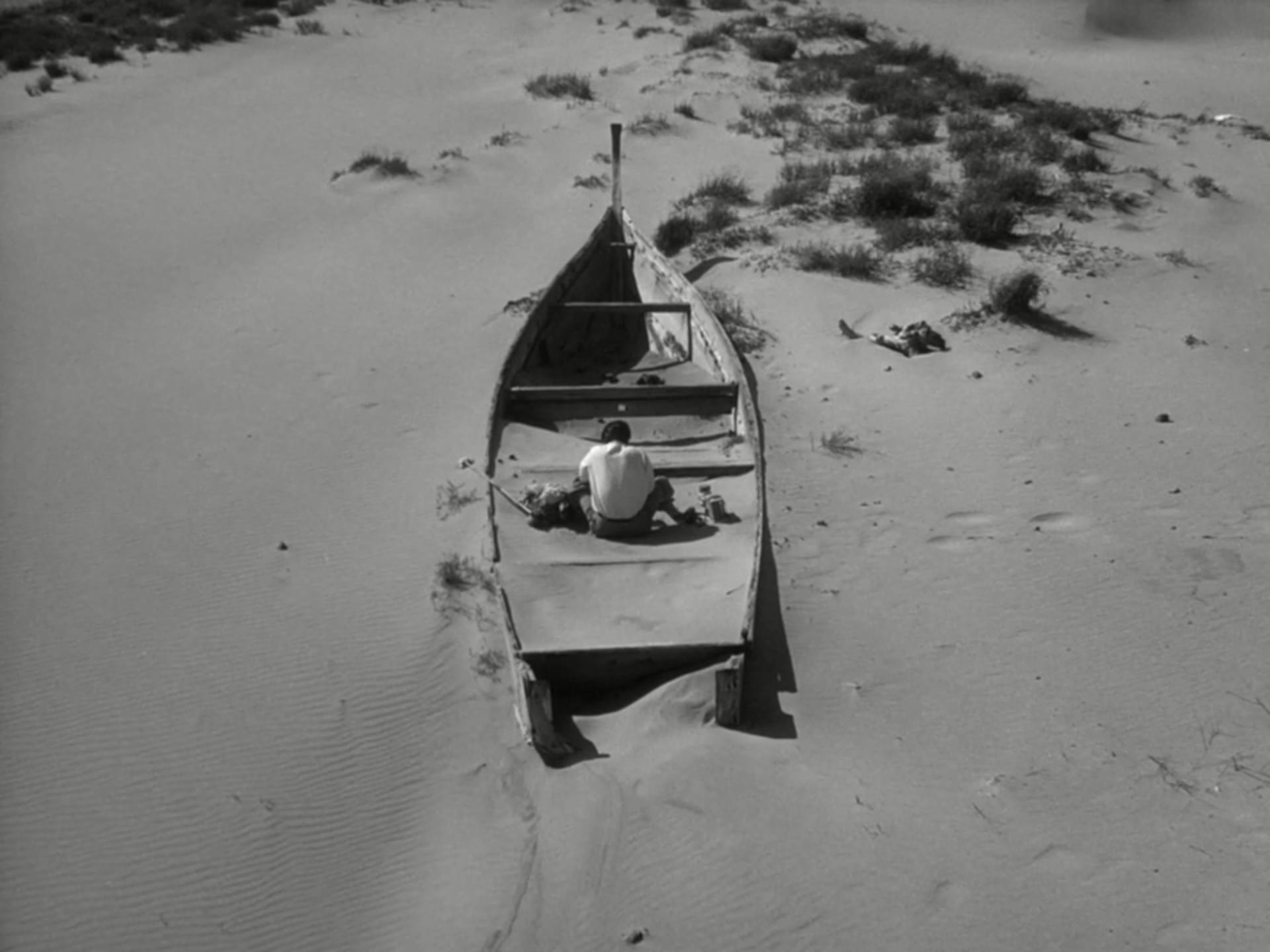
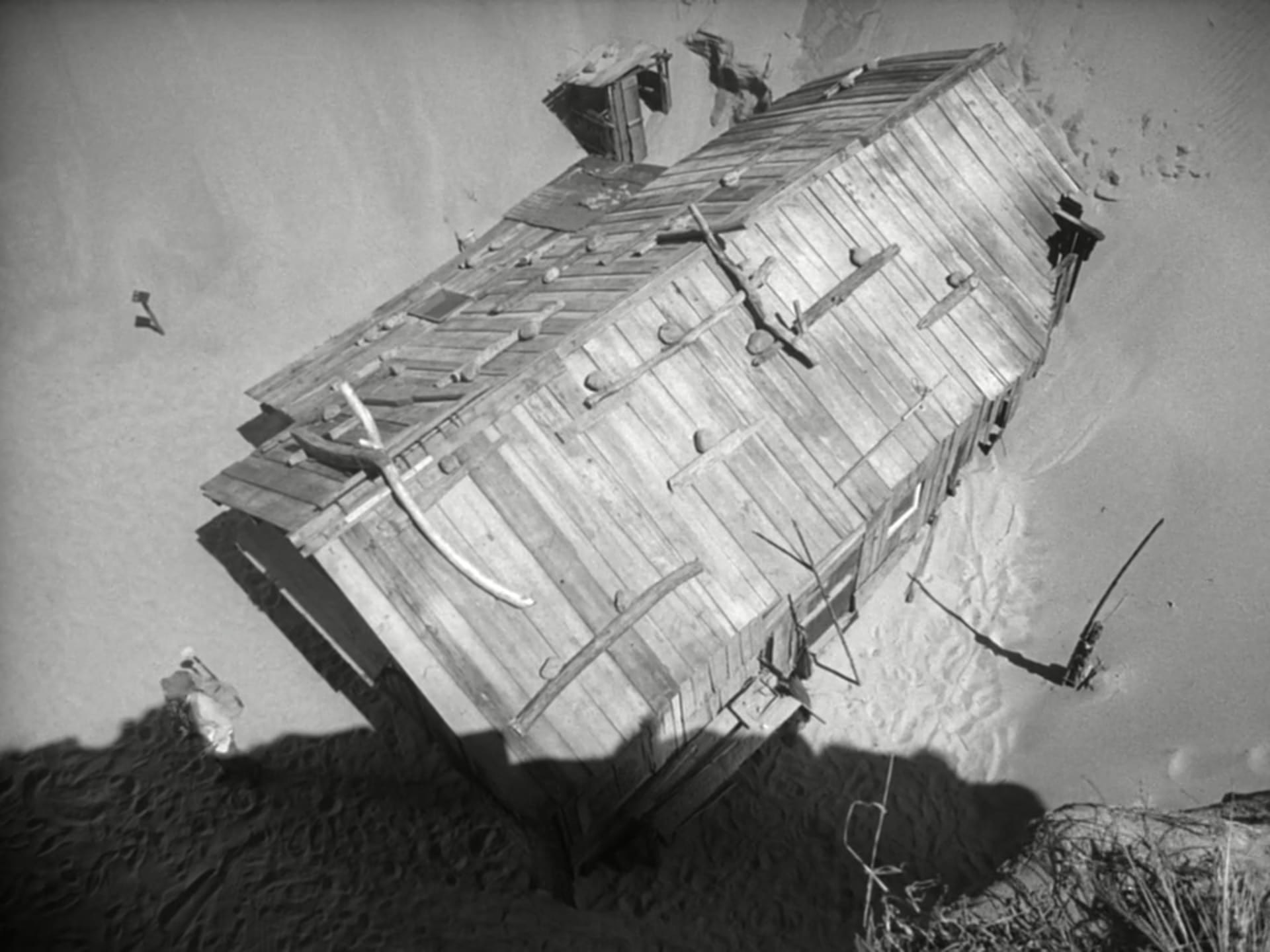
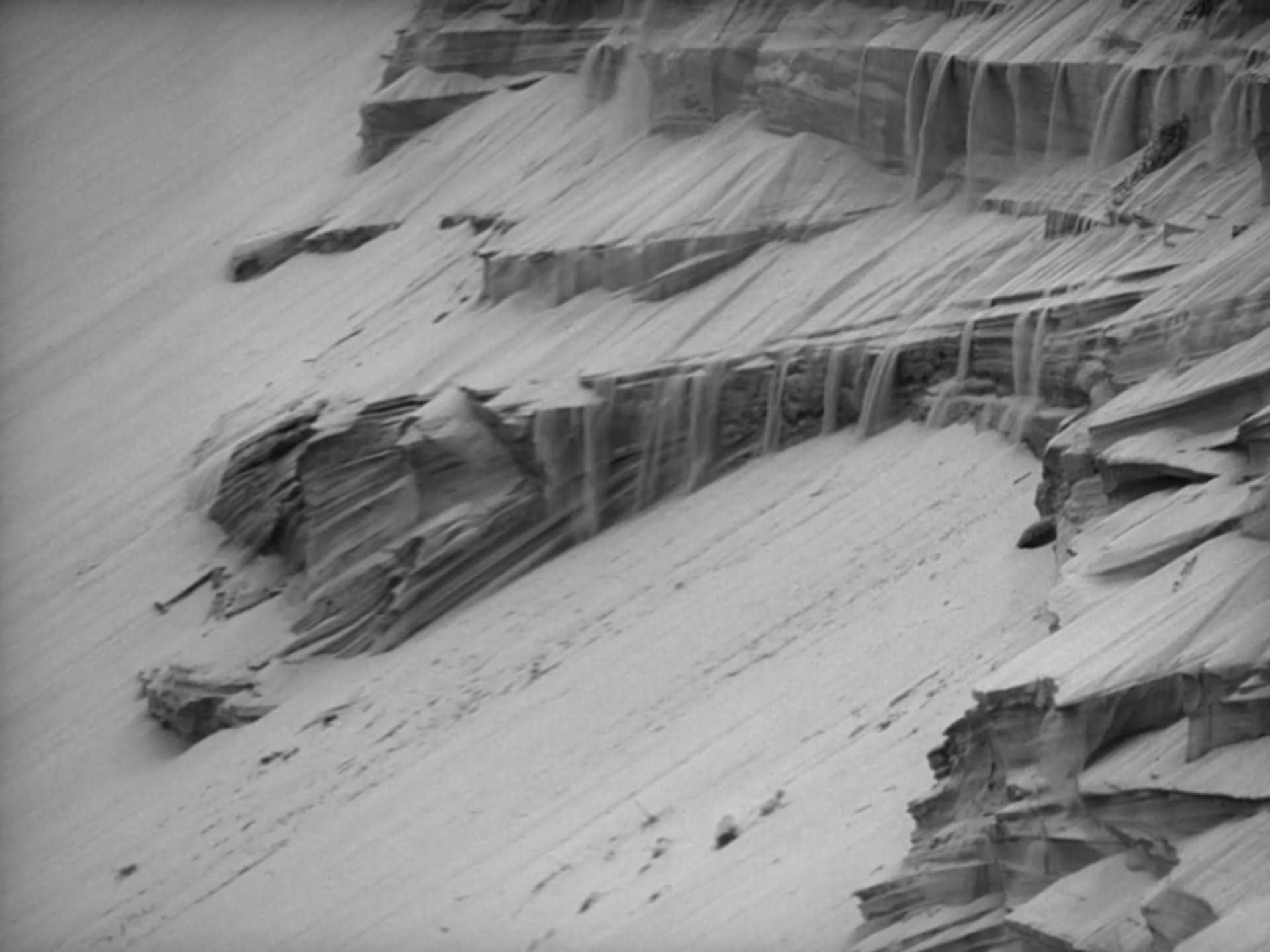
It is fitting that the desert’s insects are what draws Junpei to this location in the first place, particularly given how the villagers soon turn his impulse to trap and observe life back on him. He is disillusioned with the city’s bureaucracy, lamenting the reduction of individuals down to documents and certificates, yet his work nevertheless subscribes to the belief that the world may be classified under some rational order. If only he might take control of the situation and find an escape route, perhaps he can return to the safety of Tokyo, though that thinking fundamentally misunderstands the dunes as a terrain of raw, primordial chaos. We can place its insects and grains of sand under microscopes, and indeed Teshigahara often does exactly that, examining them in extreme, close-up detail – yet through Junpei’s scientific gaze, this perspective only ever dissolves structure into pure texture and motion.
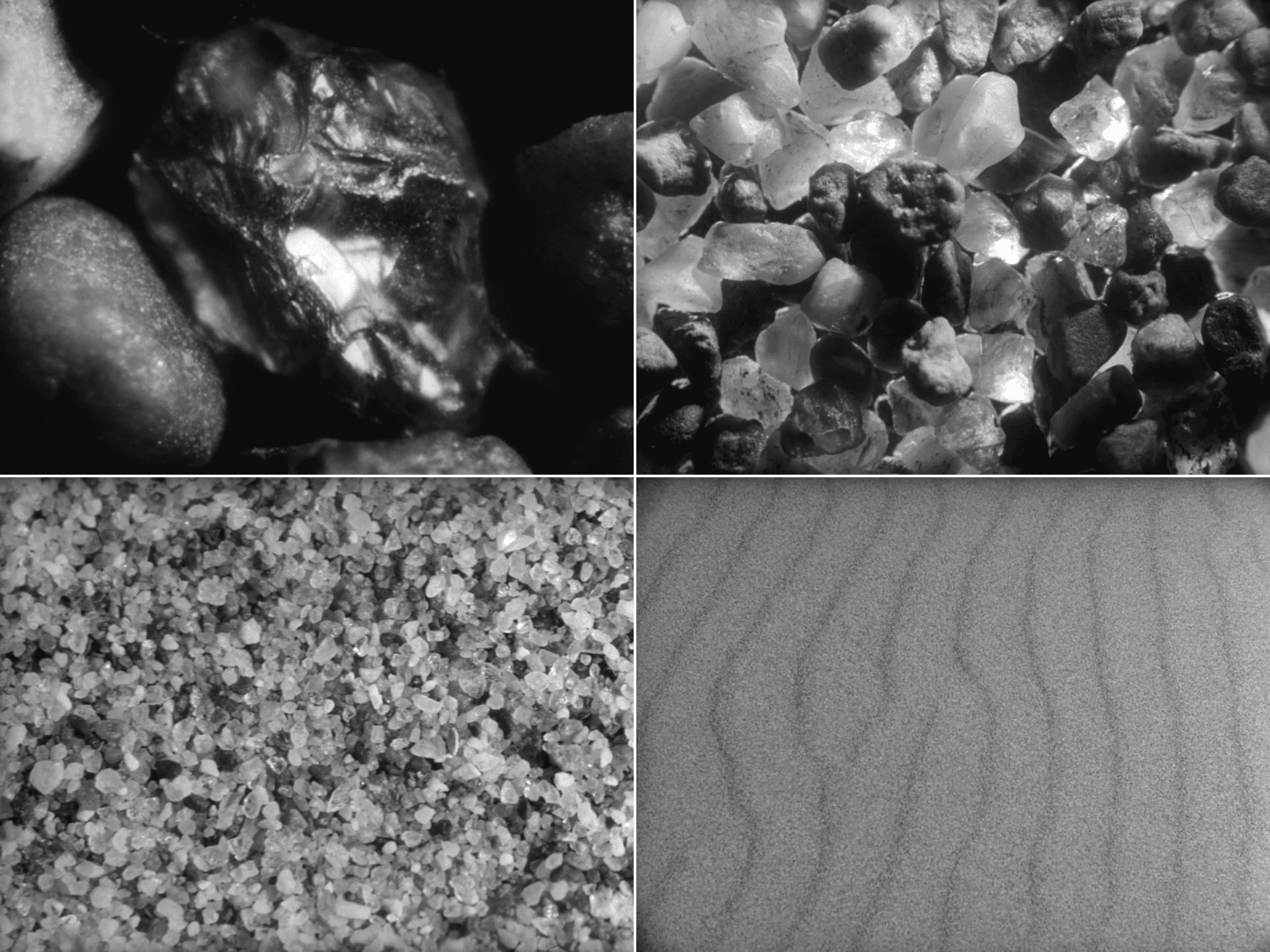
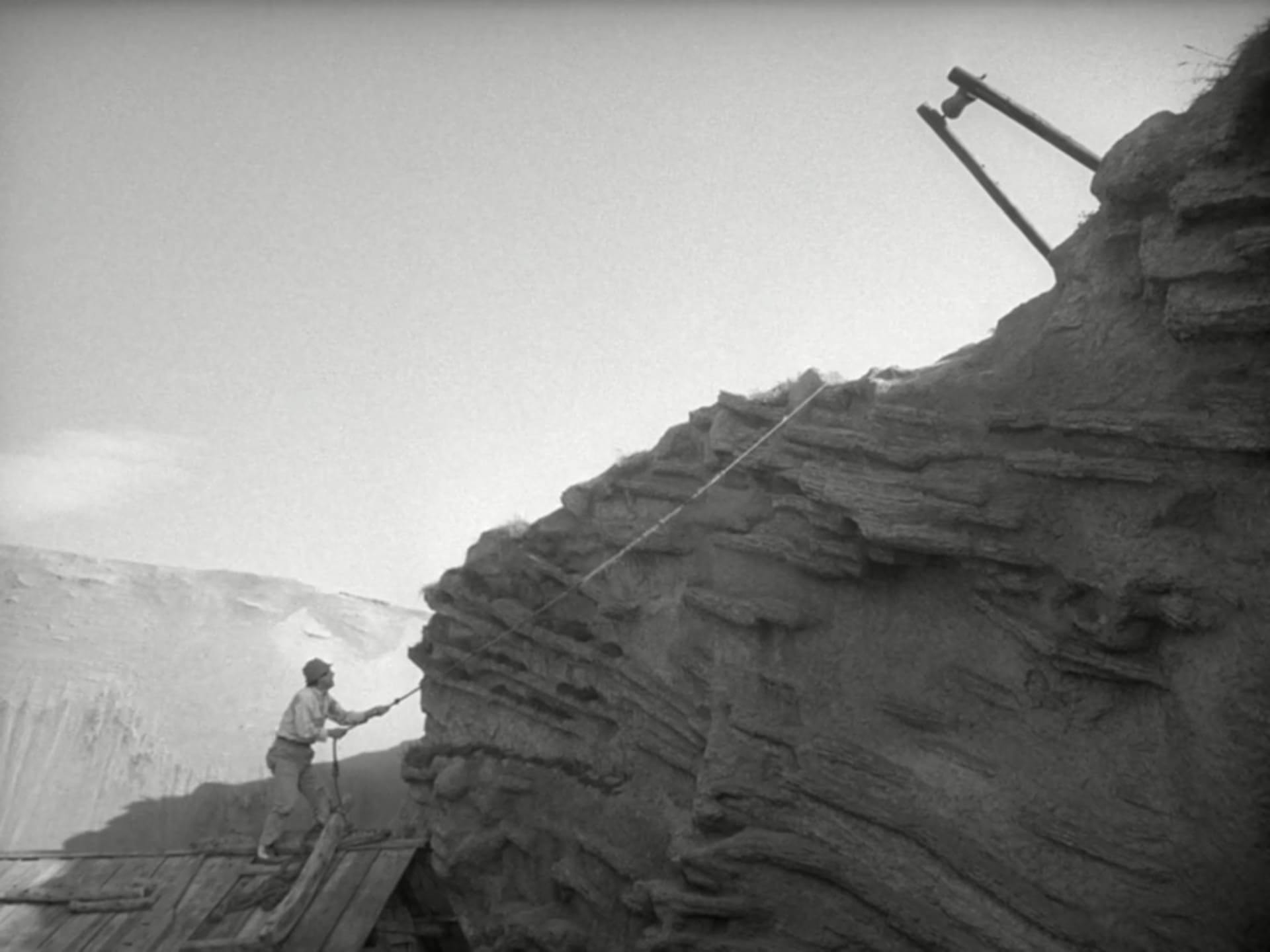
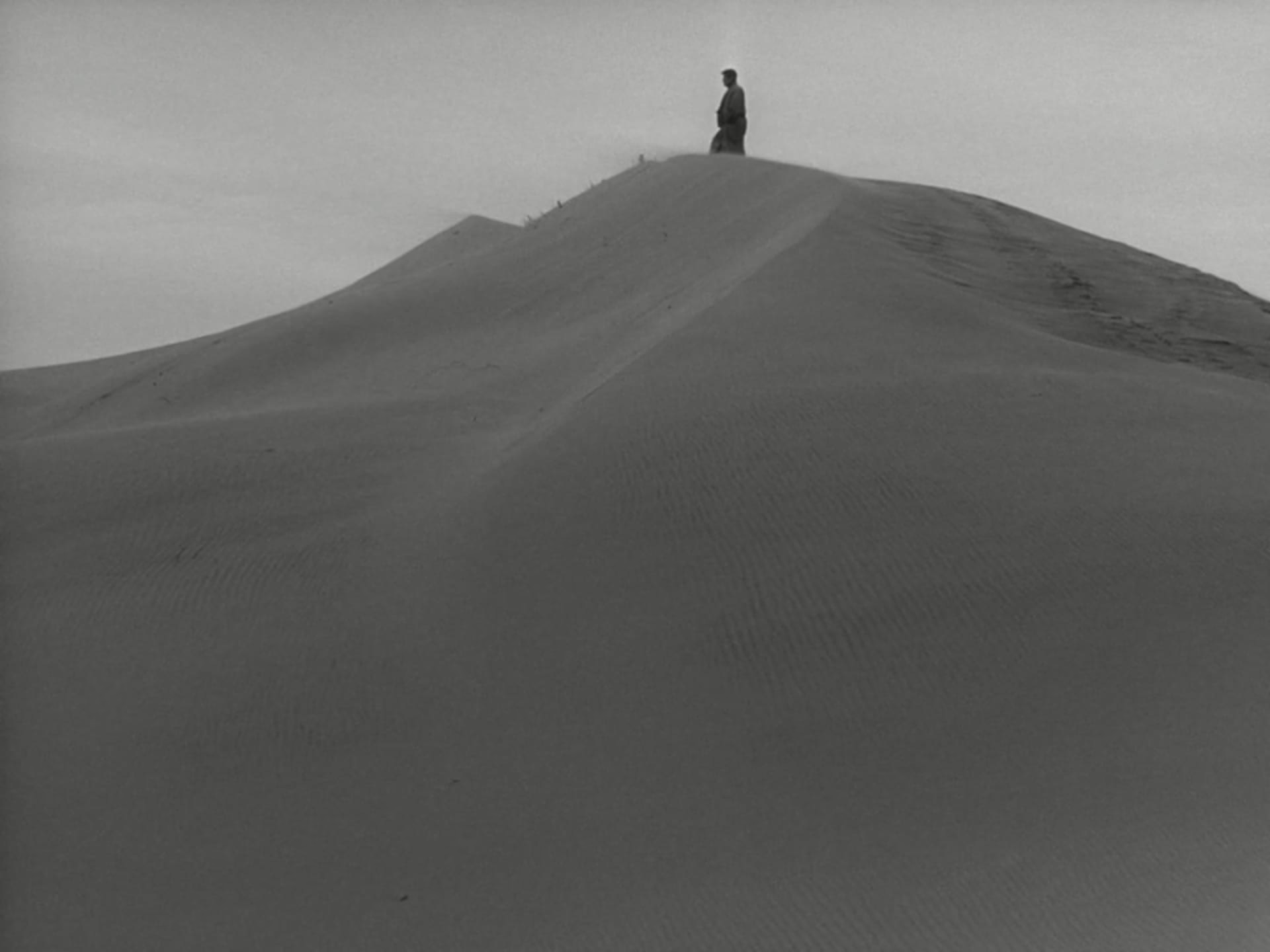
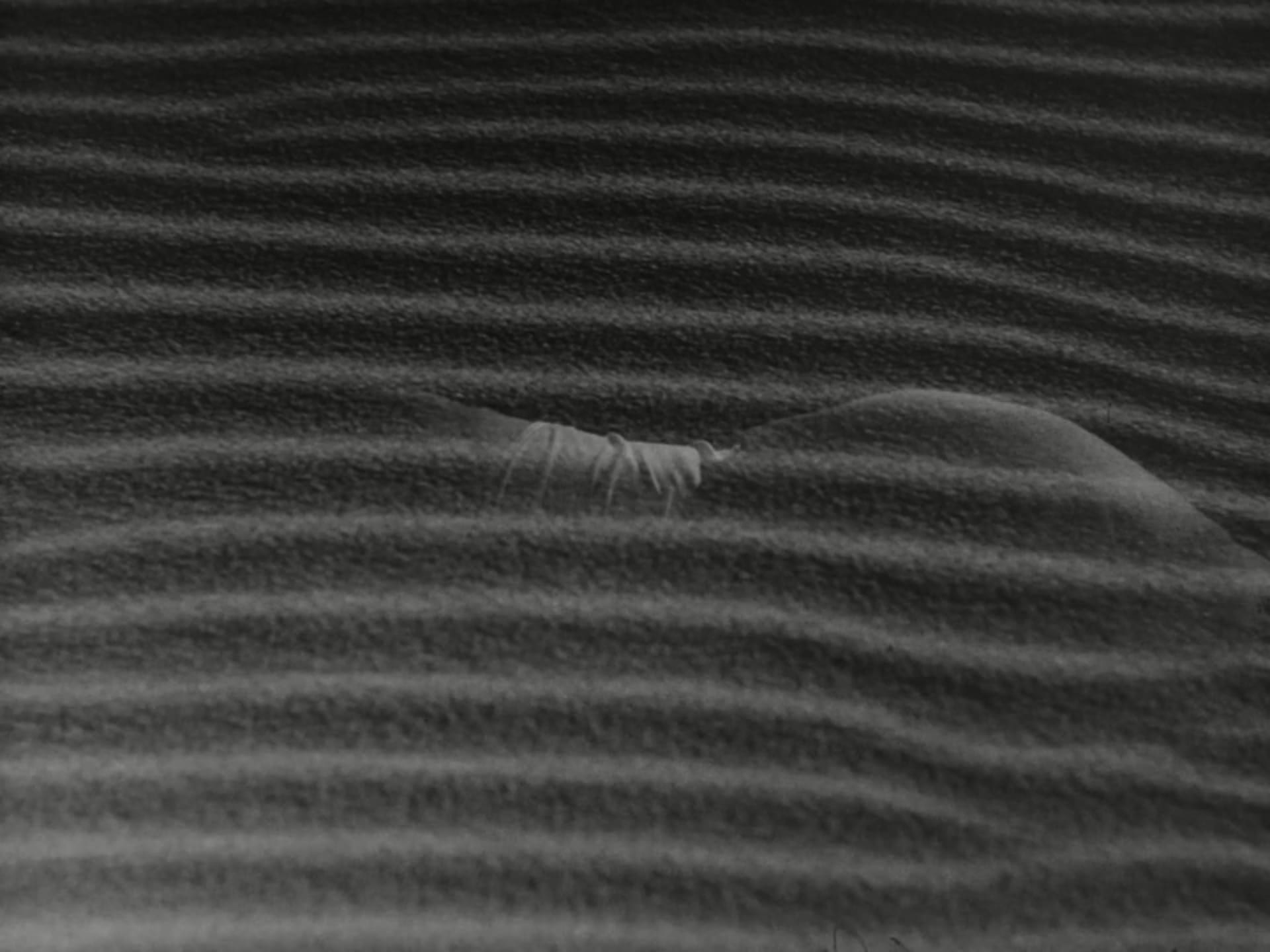
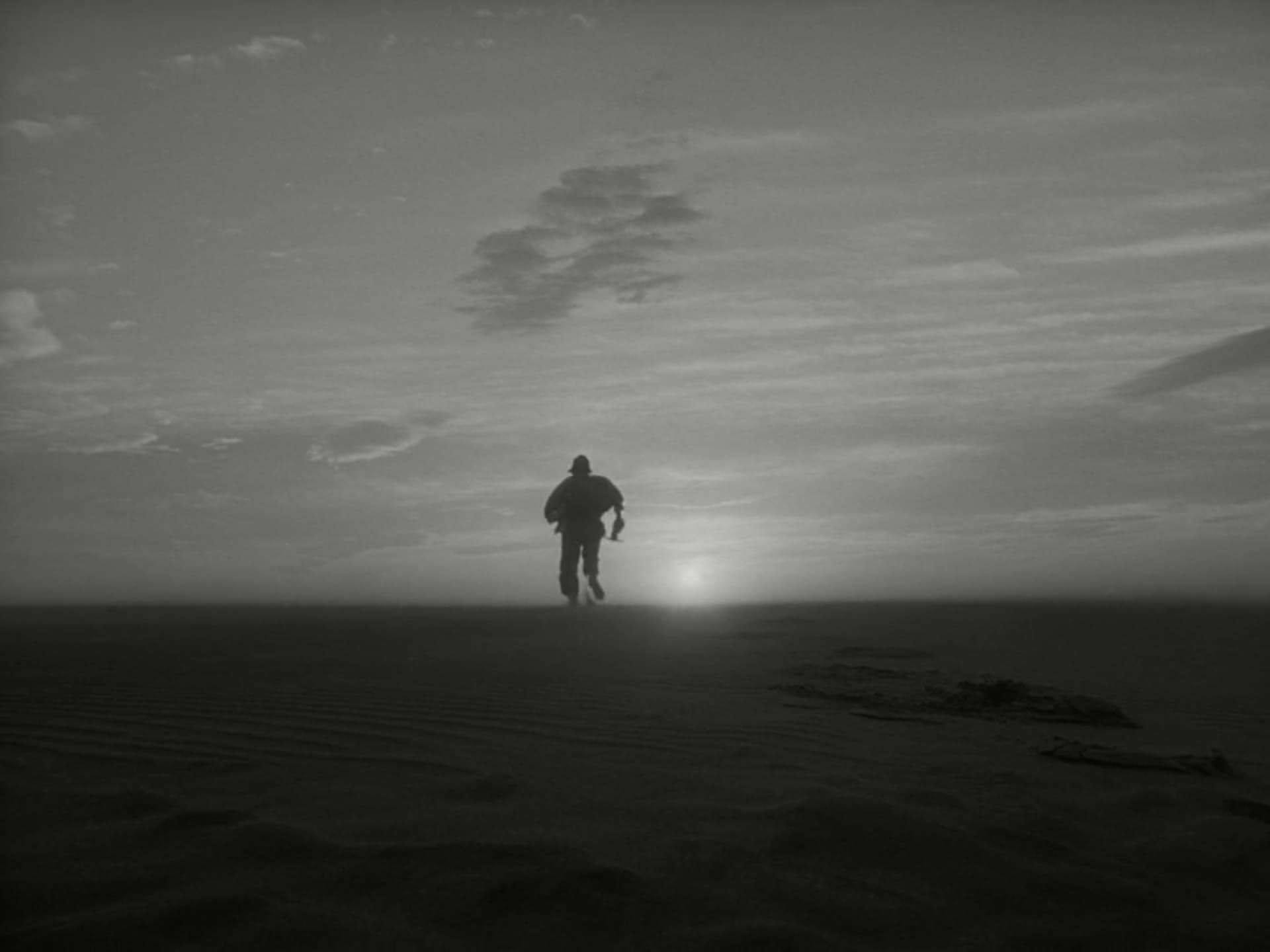
Just because we cannot comprehend the form of such elemental madness does not mean there isn’t some deeper logic beneath its surface though. At first glance, these are ever-changing landscapes of drifting sand, yet Teshigahara’s visual poetry uncovers faint patterns in its turbulence that bear no regard for stability. Only two years after Lawrence of Arabia, Woman in the Dunes cinematically reinvents the desert as a granular, claustrophobic prison, dwelling on ripple marks formed by howling winds and rocky landforms shaped by millennia of erosion. Furthermore, its topography emphasises vertical descent over horizontal expanse, imprinting tall figures against grey skies and emphasising Junpei’s entrapment below ground level. Even the danger of quicksand threatens to pull escapees back into the earth, reclaiming those who try to ascend from its depths, and countering physical resistance with slippery surrender.
There’s no doubt the desert is a destructive, awe-inspiring force, yet its power transcends devastation alone. It is also entirely hypnotic, as Junpei learns after several weeks spent living with the widow, entrancing them into rhythms of survival. Although he initially refuses to help shovel the sand and actively seeks a way out of the pit, a tentative connection begins to form between these prisoners, born from the intimacy of routine and dependence.
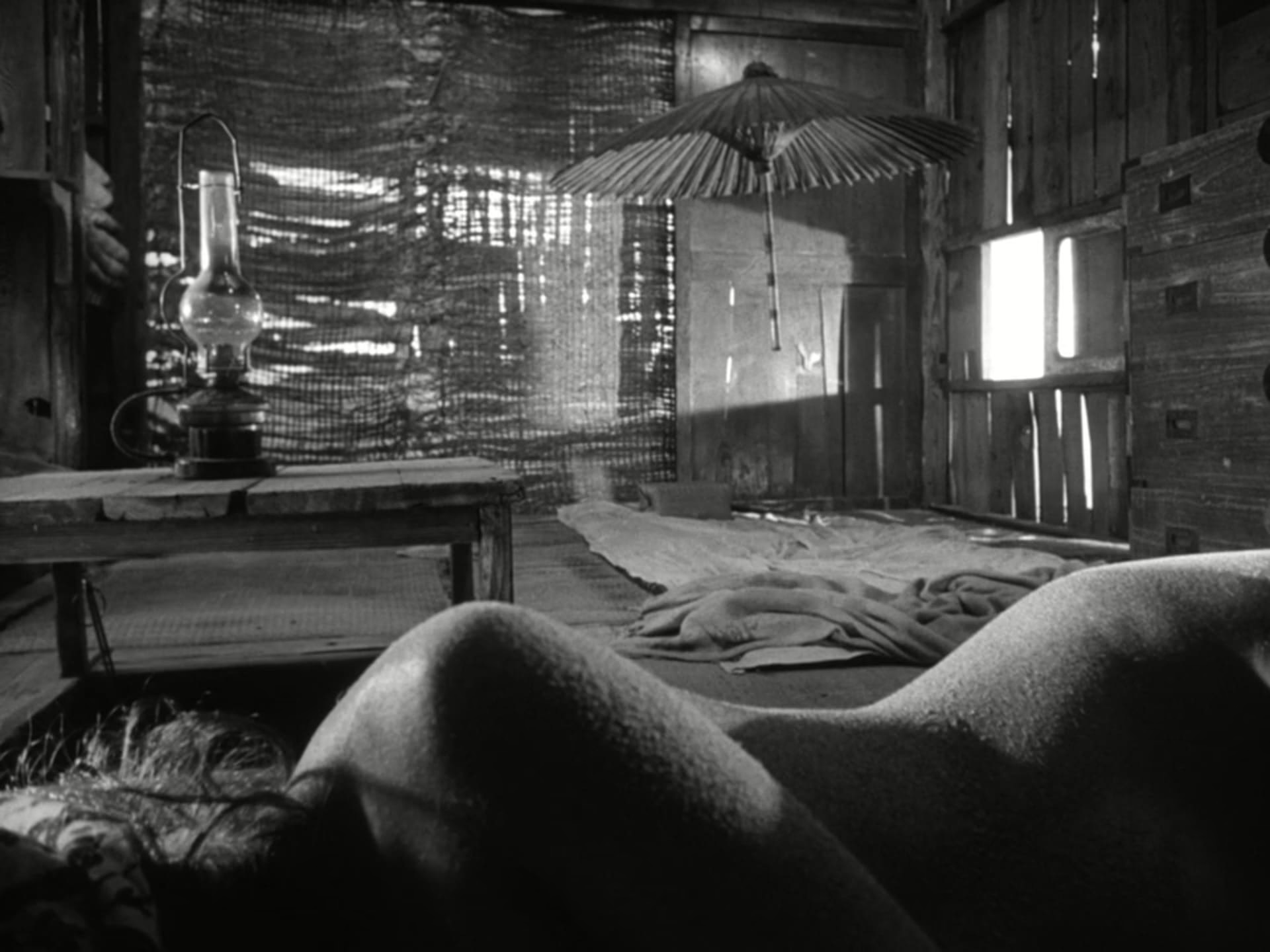
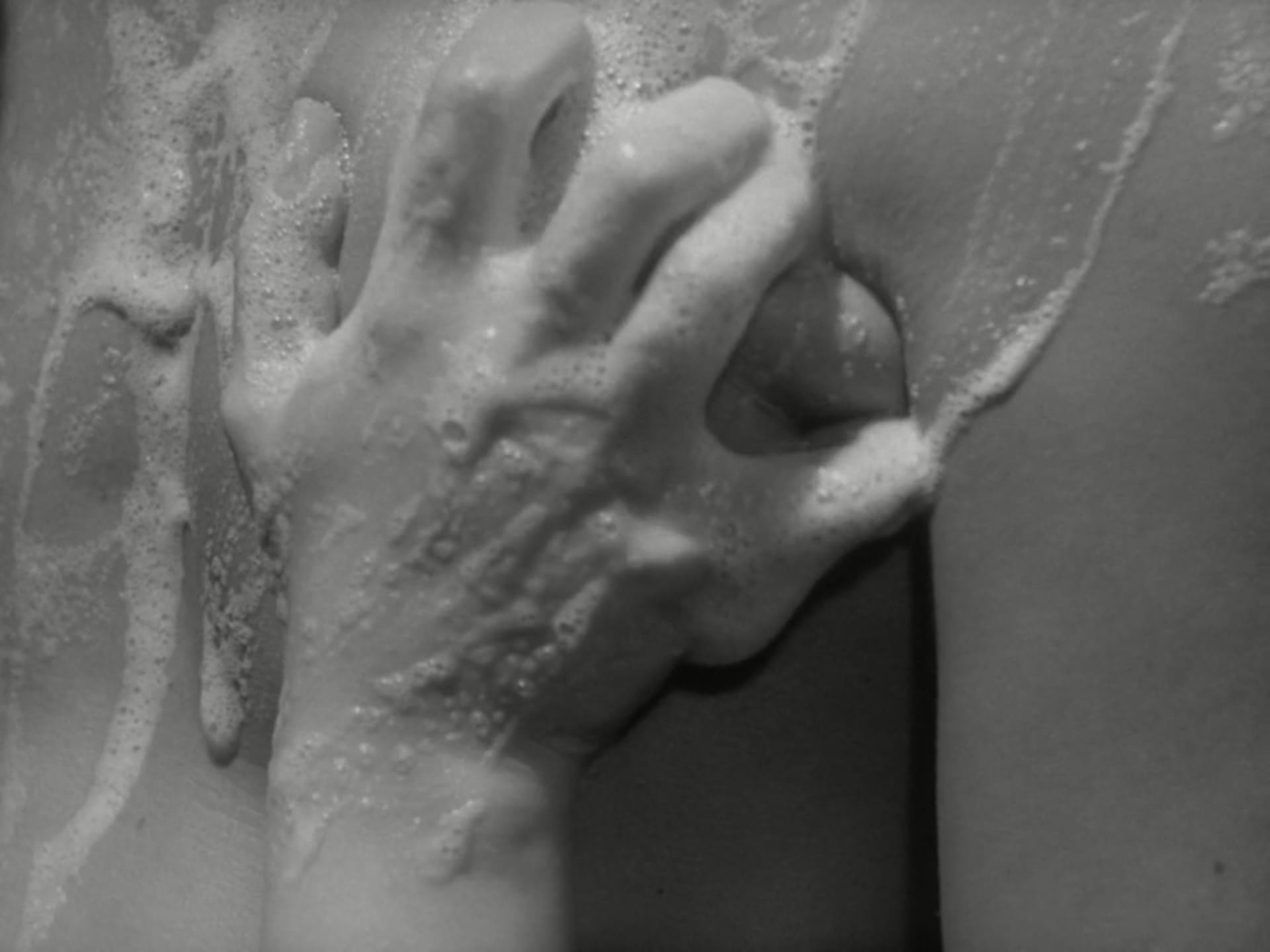
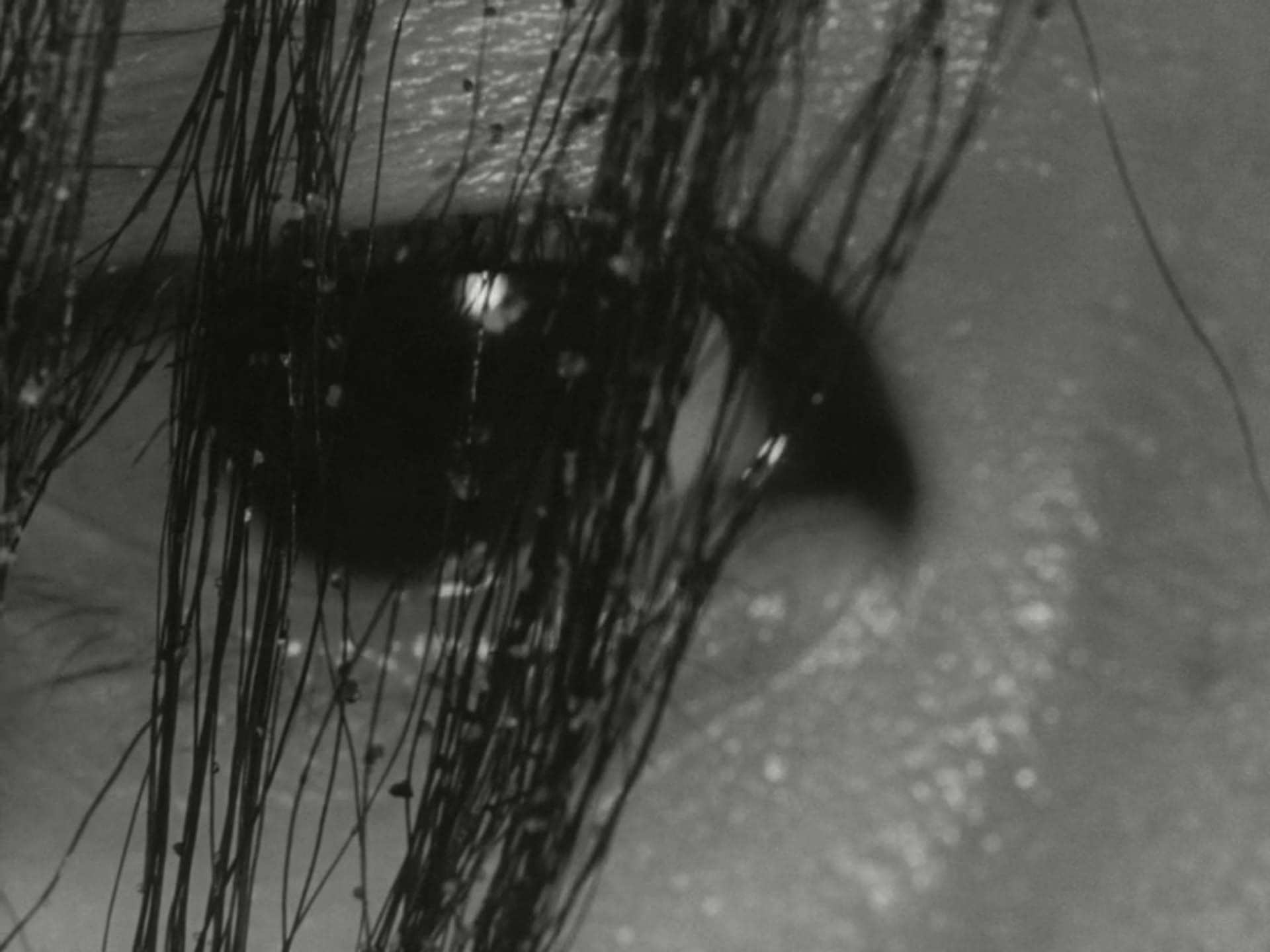
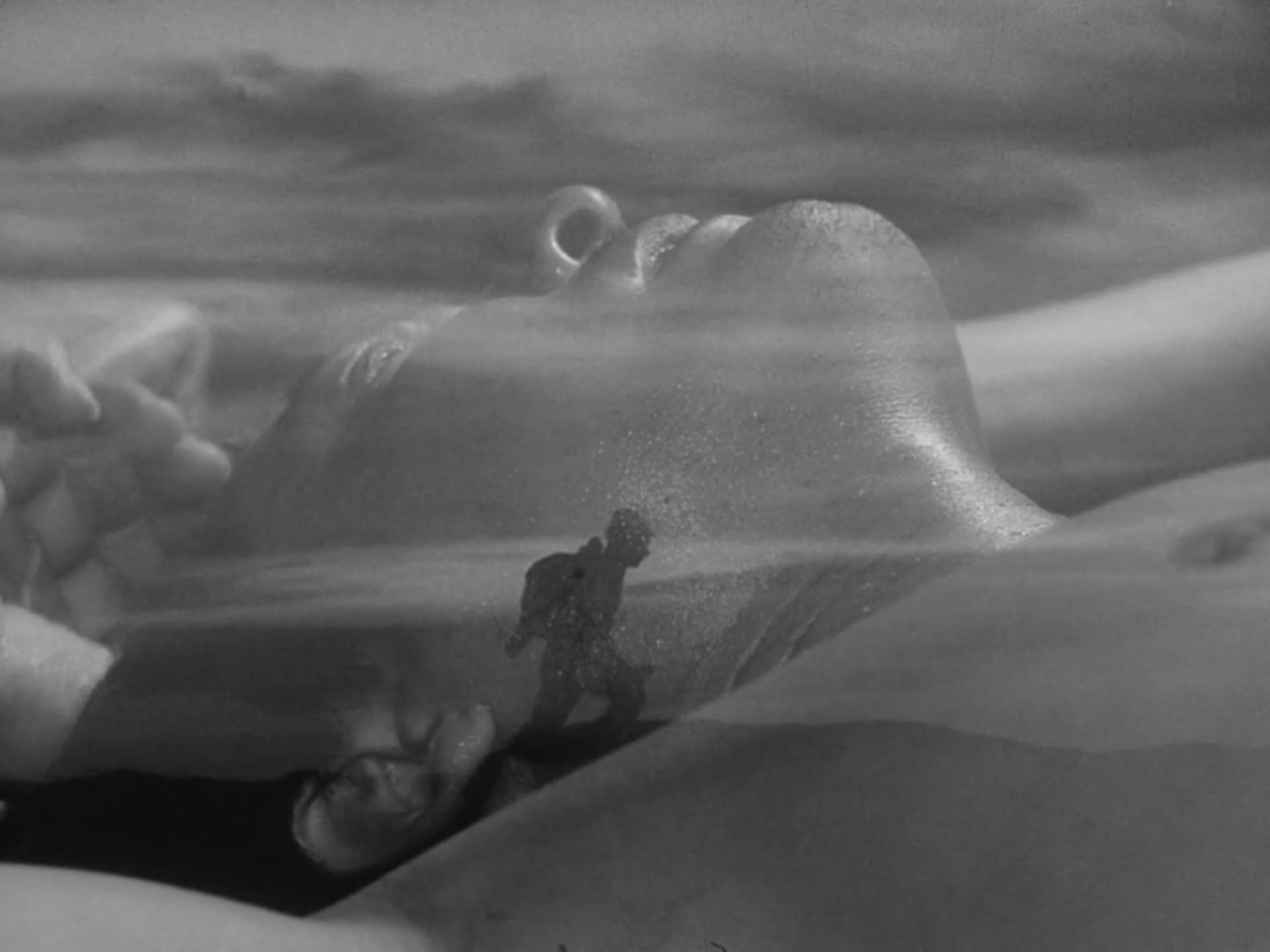
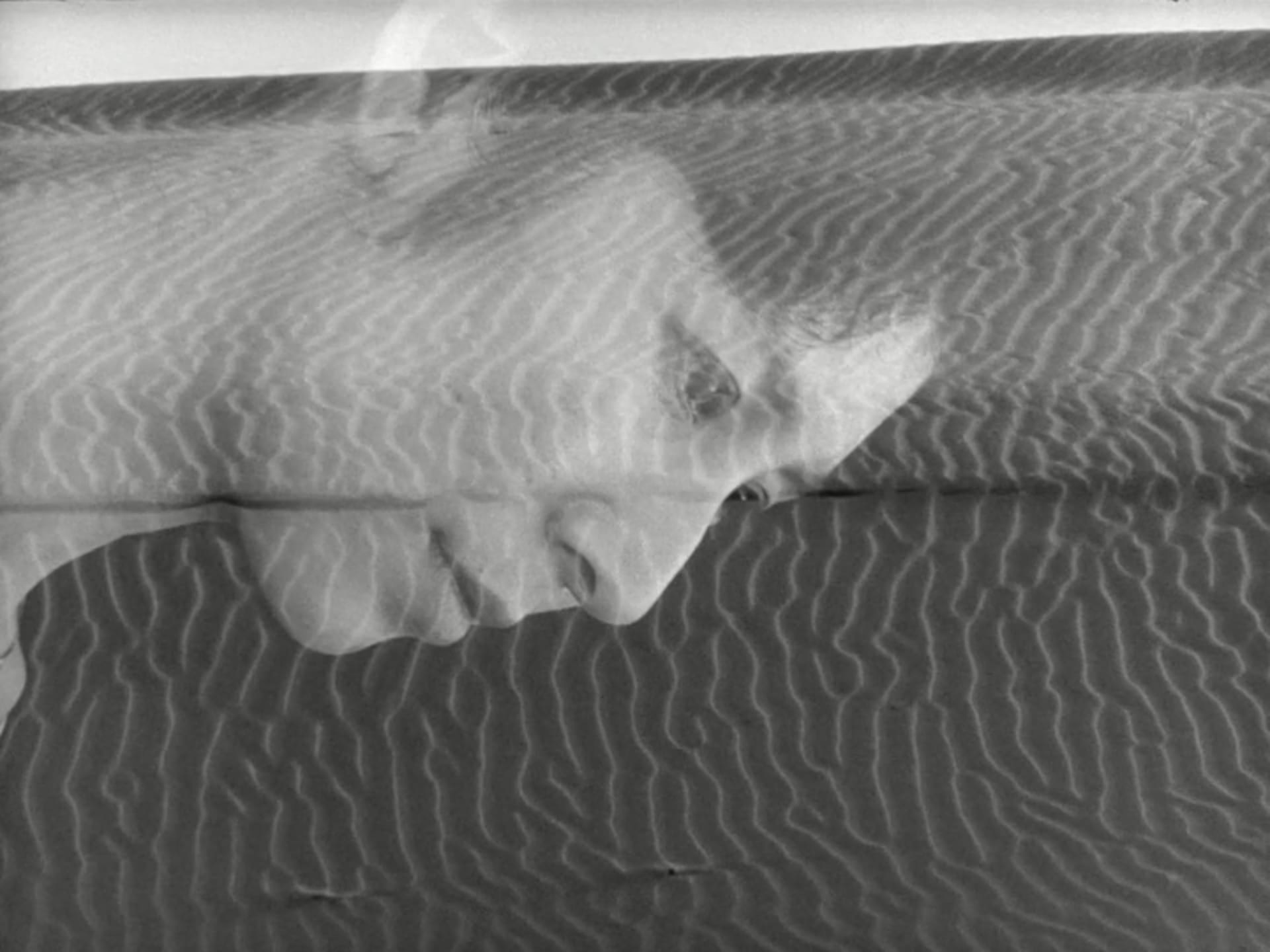
Despite its primal hostility, Woman in the Dunes is a profoundly sensual film after all, drawing Junpei and the widow’s bodies together as he brushes sediment off her neck and she washes him in soapy water. Close-ups on hands, eyes, and skin return them to a condition of pure physical being, while cutaways to cascading sand manifest the emotional unrest between them, and long dissolves merge the widow’s naked figure with the natural contours of the dunes. In refusing her a name, she consequently becomes an icon of feminine endurance, nurturing through habitual care and teaching Junpei the dignity of adaptation.
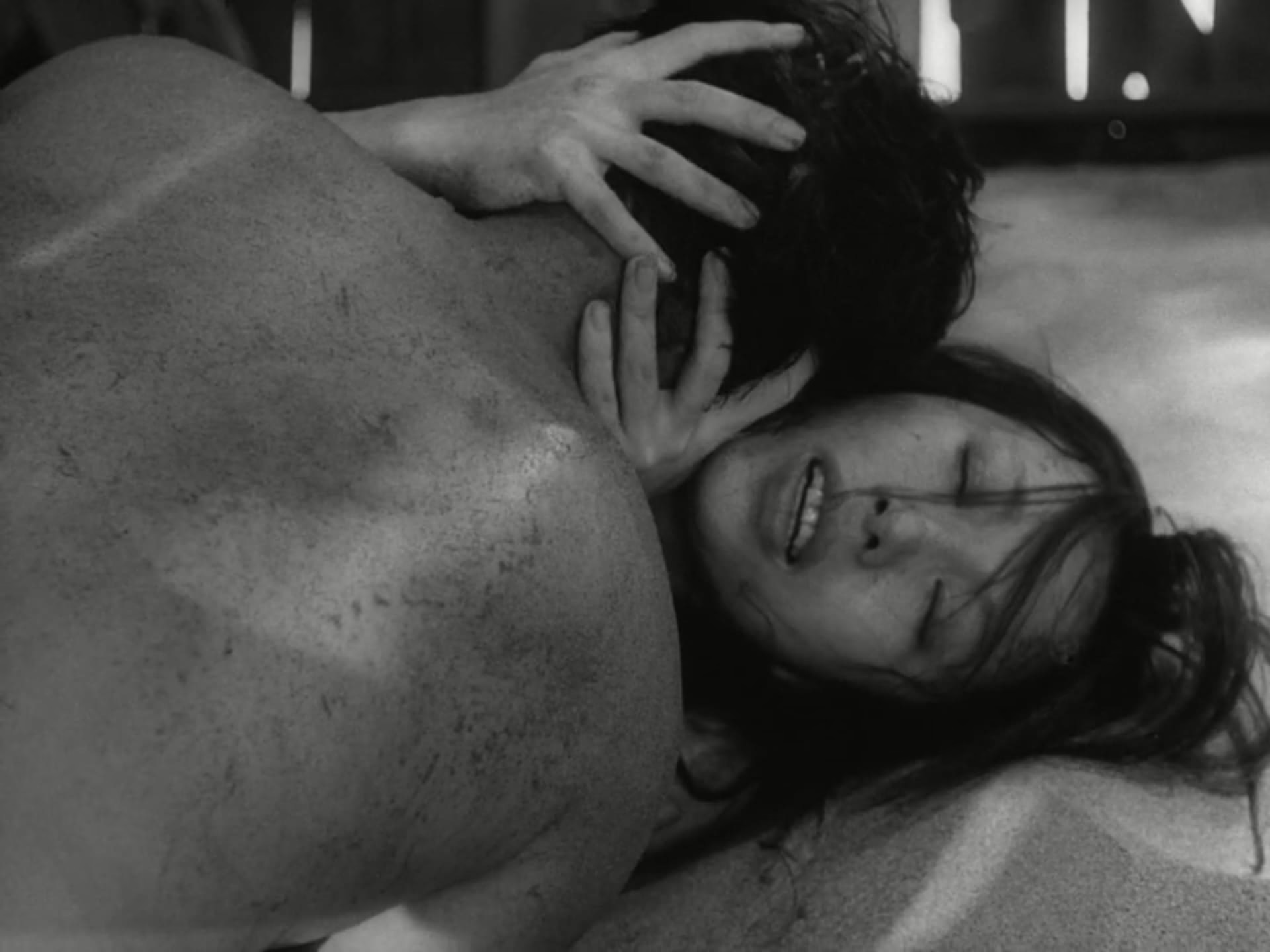
Within the confines of the rugged hut where their relationship settles into routine, perhaps some semblance of stability may even be momentarily achieved, as Teshigahara’s camerawork and blocking begins to resemble the domestic stillness of Yasujirō Ozu. Creating meaning in isolation is seemingly the only way to endure, yet Teshigahara never quite loosens the deeply unsettling tension of Junpei and the widow’s shared circumstance, smothering faces and bodies in the low, wavering light of oil lamps. Sonically as well, Toru Takemitsu composes an atonal, avant-garde soundscape of strings and woodwinds that circulate without resolution, matching the Kafkaesque fatalism of Kōbō Abe’s forbidding screenplay.
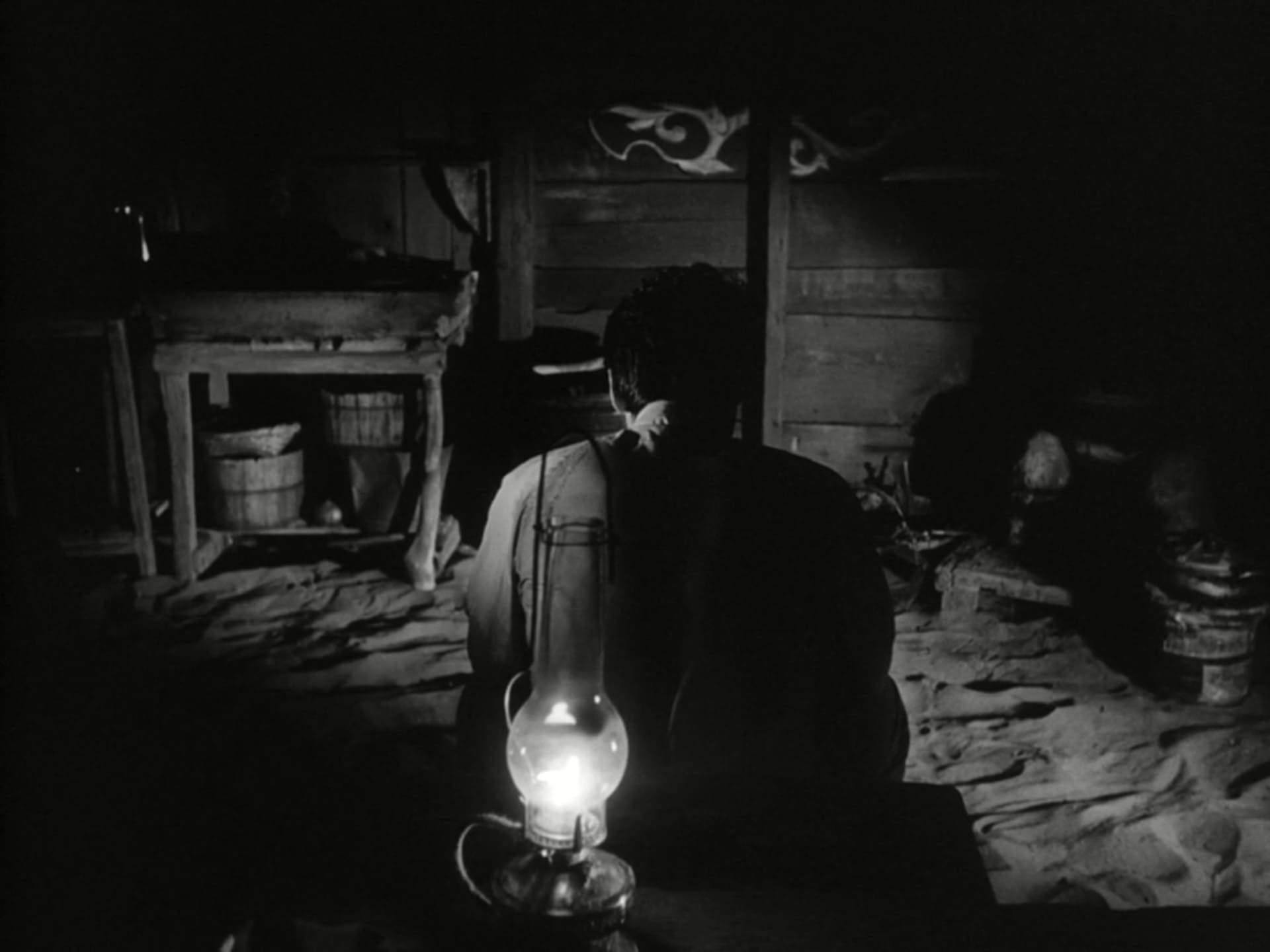
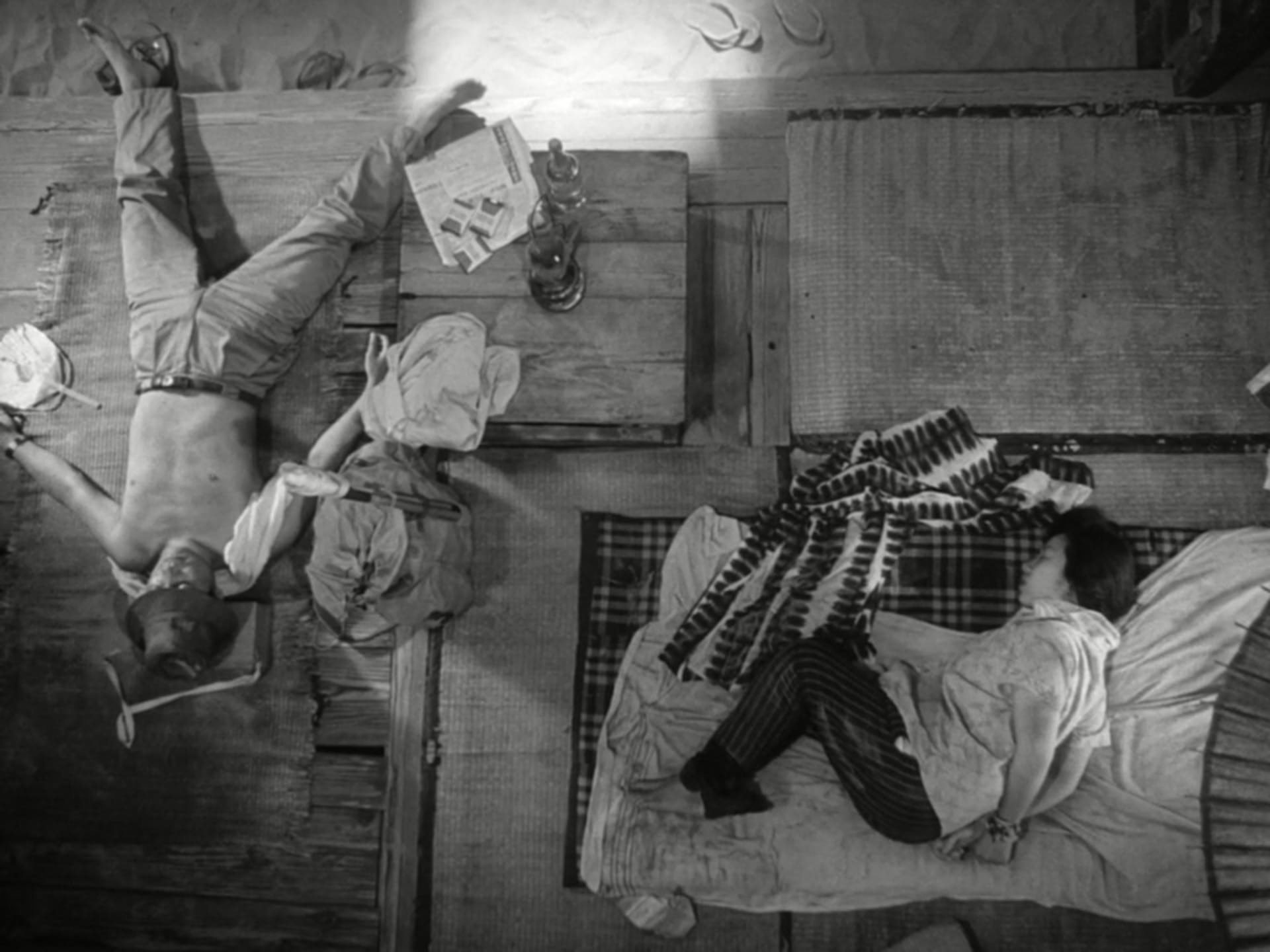
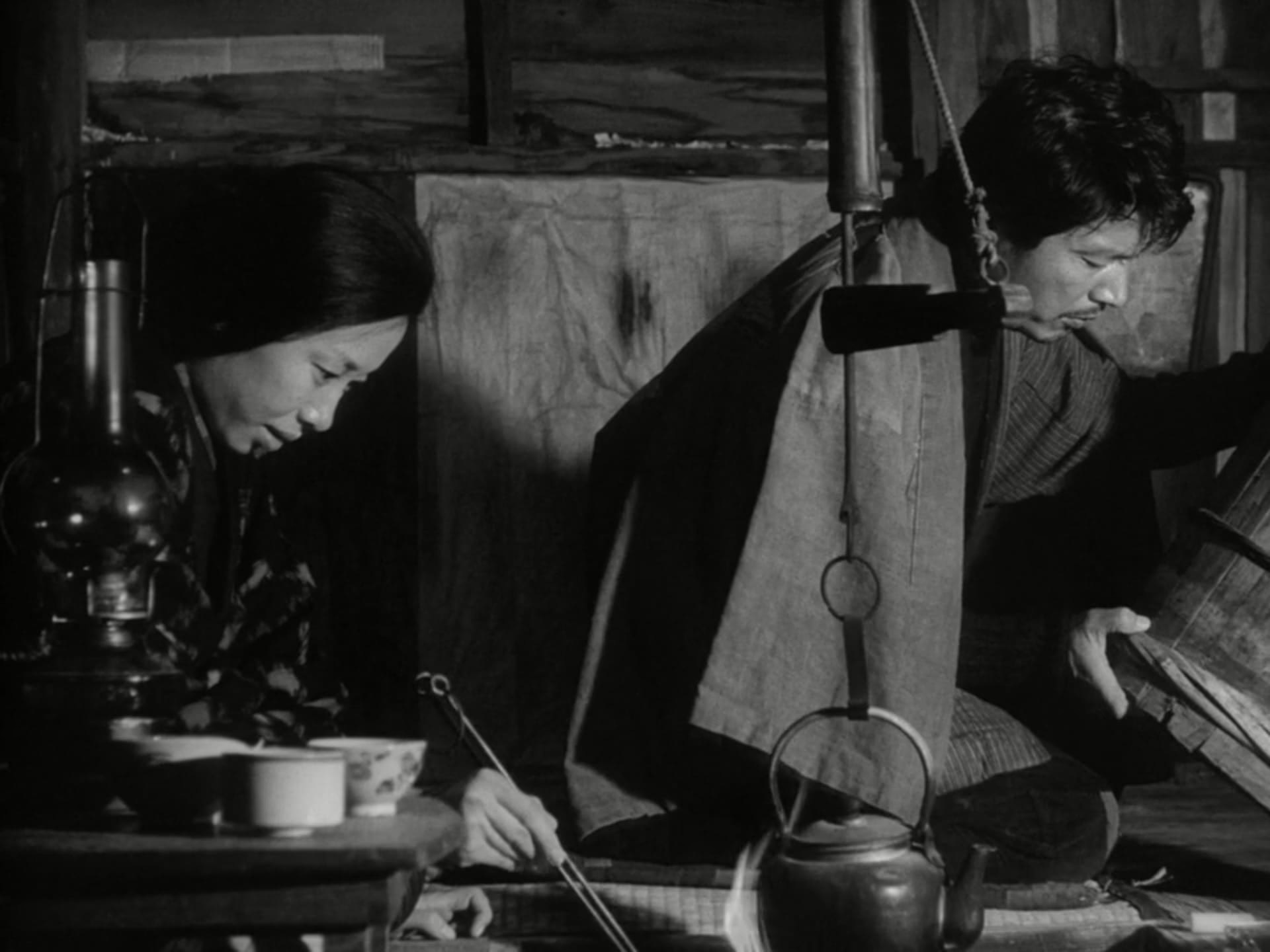
As a result, even when Junpei is on the verge of freedom, we never truly believe that he will break free. He cannot be blamed for his initial imprisonment, yet he nevertheless entered the pit of his own free will, believing that it is a system he can interpret from the outside. Once there, his sense of self-determination only functions as illusion, devising various methods of escape that consistently return him to where he began. Threats, grappling hooks, and makeshift traps fail to disrupt the logic of this sandy prison, and in response to his appeal for a daily glimpse of the nearby sea, the villagers merely taunt him with a cruel proposition – if he has sex with the widow in full view, his request will be fulfilled.
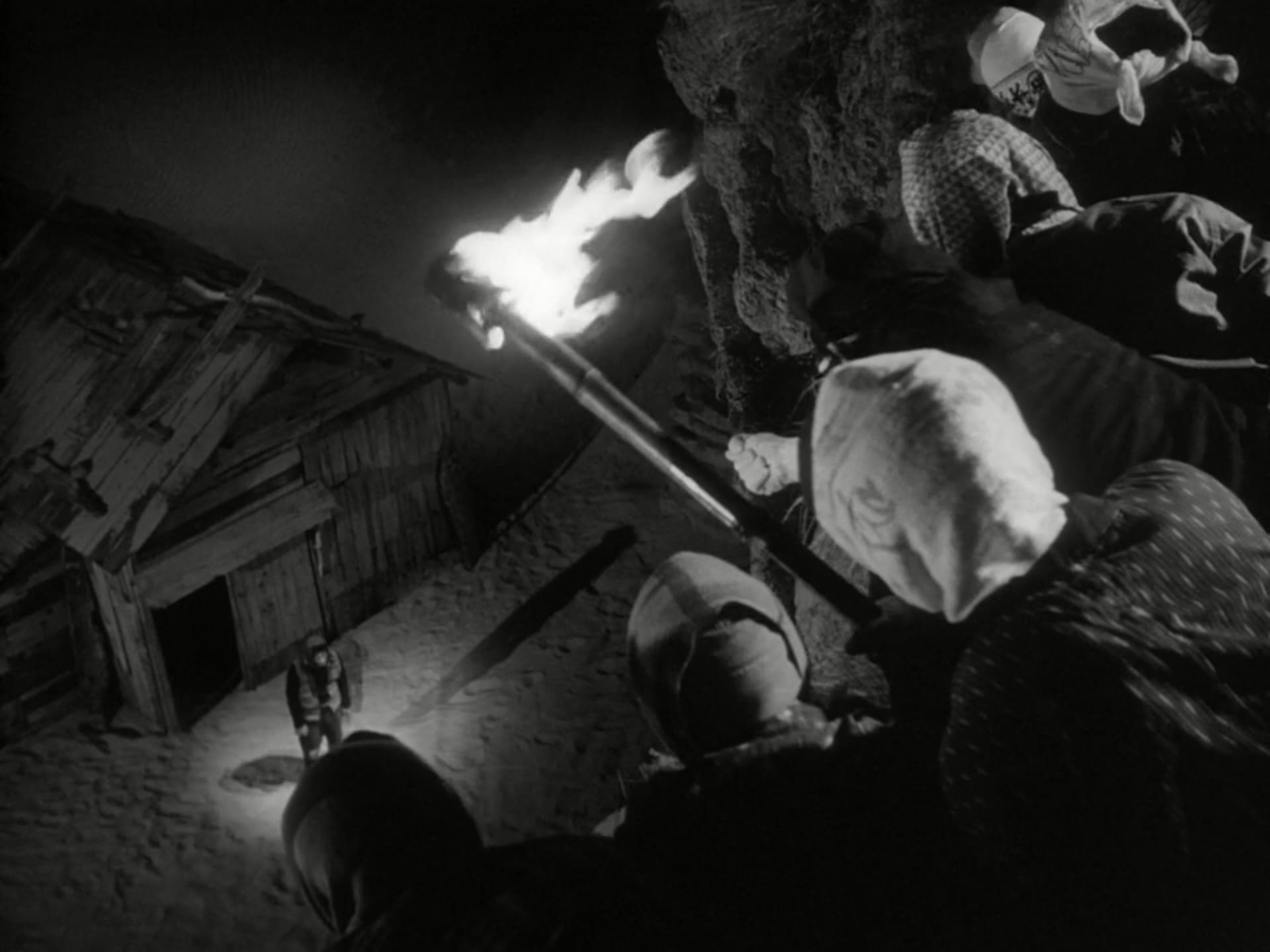
Tribal drums pound, masks are donned, and fires are lit in this ritualistic humiliation, shining torches like spotlights on the couple below while the audience jeers from above. Perhaps most horrific of all however is Junpei’s concession to their demands, begging the crying widow to comply and attempting to force himself onto her. Though she throws him off and the villagers do not receive their gratification, they have succeeded in their objective – by turning Junpei’s disgust inward, they have subdued the ego which sustains agency.
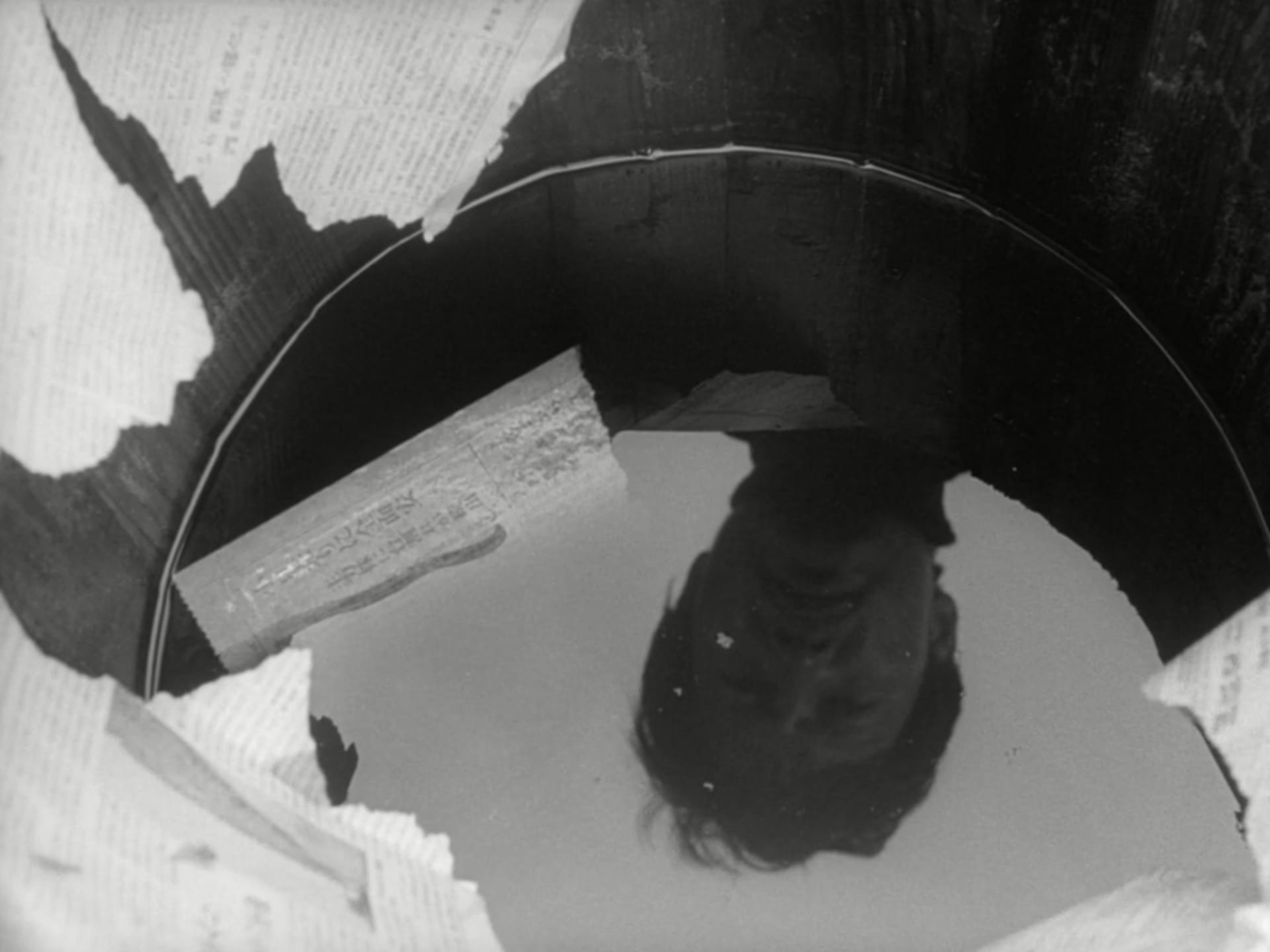
It is shortly after this that we recognise a shift in Junpei’s motivations. The crow trap he builds to send a message via a bird fails its intended purpose, and instead collects clean, filtered water underground, even without rain. Perhaps if he can perfect this technique, he and the widow will never have to worry about thirst again – and just like that, his attention has switched from escape to survival.
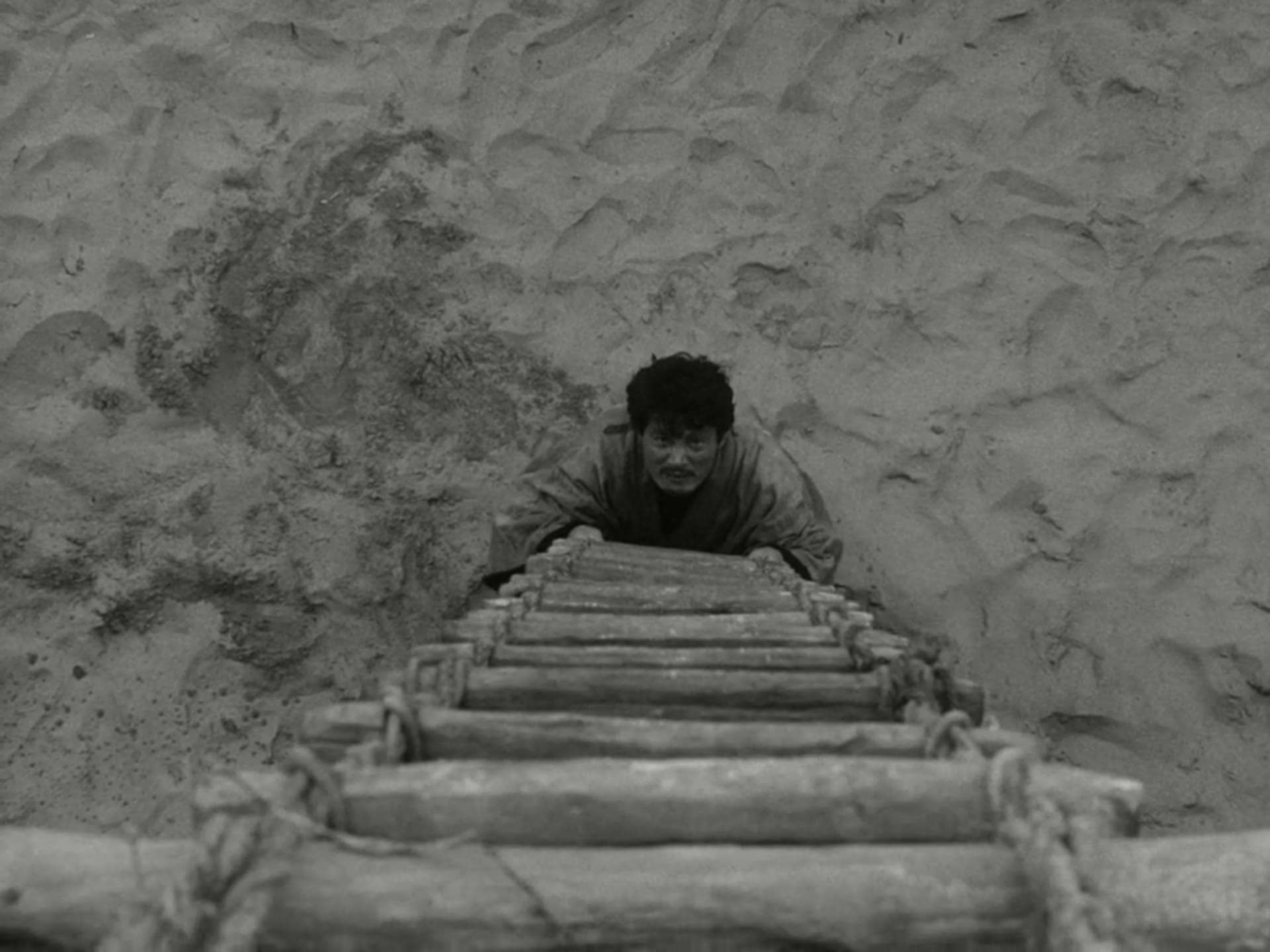
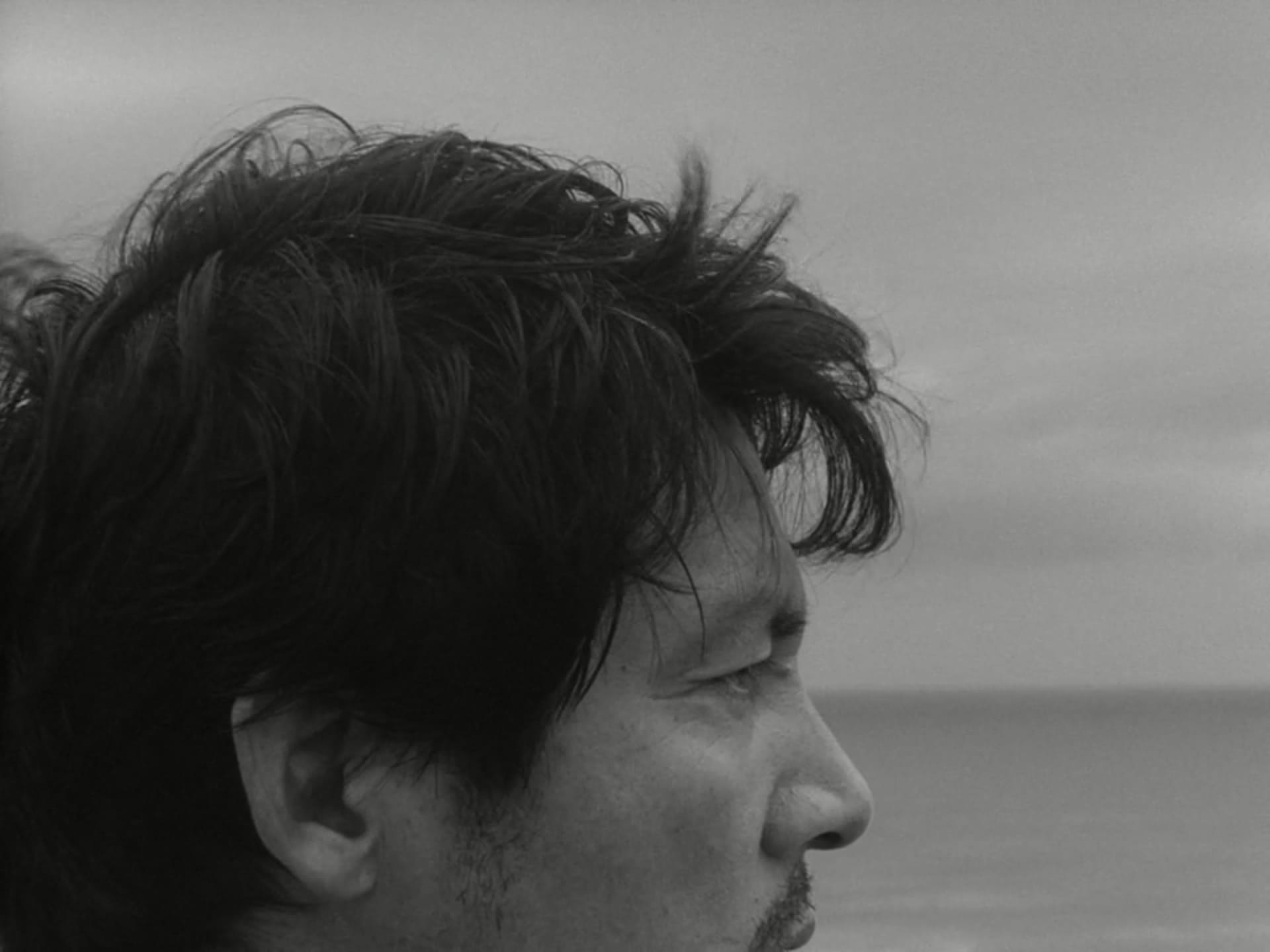
By the time the widow falls pregnant with his child, Junpei has found a new purpose in the pit, and the rope ladder left dangling when she is evacuated for a medical emergency suddenly acquires a very different significance than it might have earlier. Unsupervised, he hesitantly climbs to freedom, and begins to walk toward the sea. Still, against that vast, limitless horizon of water, he is not content. Departure will not restore what has already been altered within him, Teshigahara observes as Junpei makes his way back to the pit. This man’s prison is not made of walls or sand, but of psychological dependency, anchoring him to the self-constructed meaning he has imposed upon familiar, monotonous routines.
“There’s no need to run away just yet. I have a return ticket. I’m free to write in my own origin and destination. Besides, I’m bursting with the desire to tell someone about the pump. And who better to tell than these villagers? If not today, maybe tomorrow. I’m sure I’ll end up telling someone. I can think about escaping the day after that.”
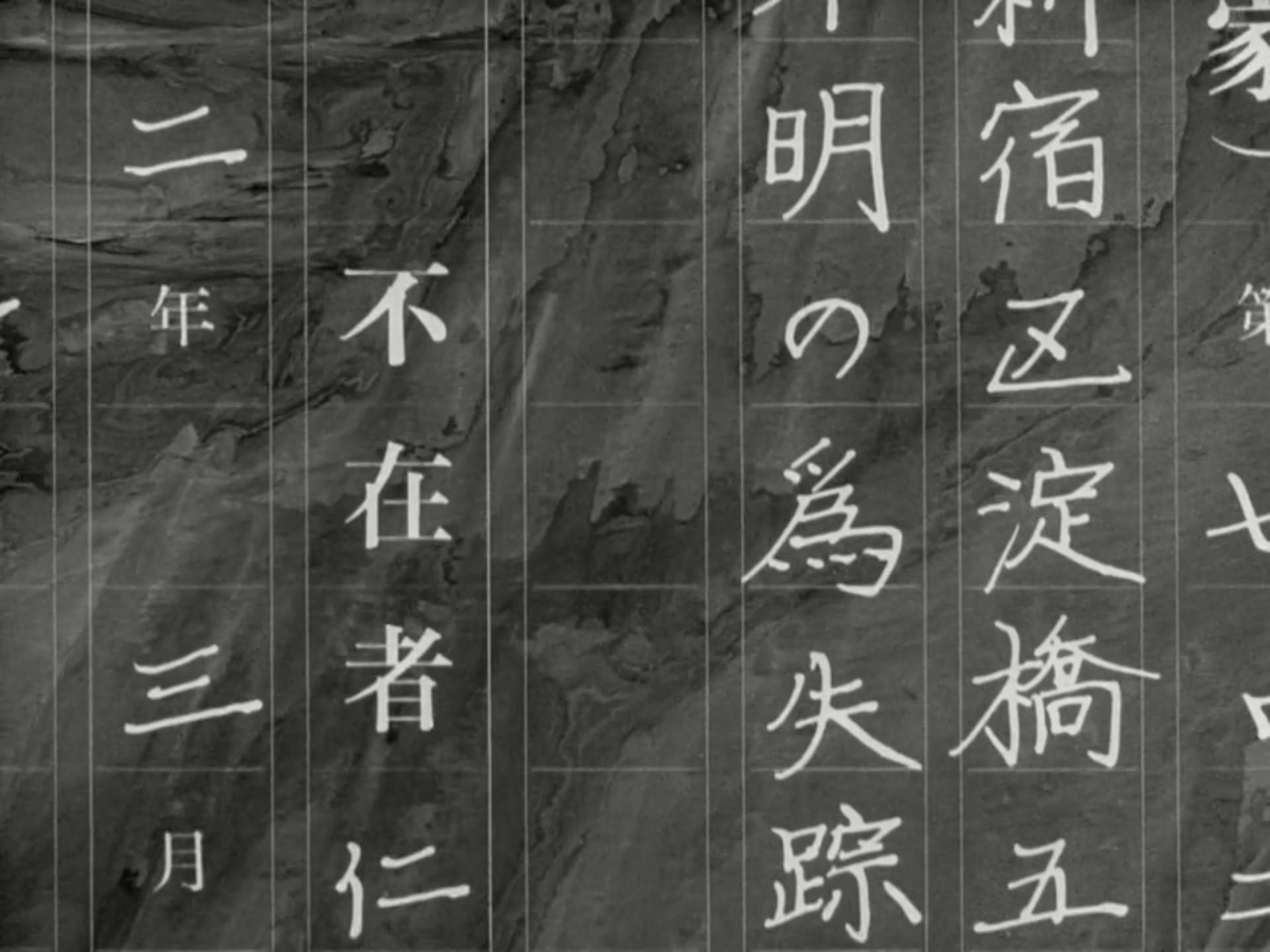
Woman in the Dunes never once steps outside this boundless landscape, yet through a haunting double exposure effect over the sandy pit walls, we glimpse what becomes of Junpei back home in Tokyo. Seven years after his disappearance, the man who once railed against documents used to catalogue individuals now exists only as a missing person report, his absence formatted, filed away, and forgotten. The desert and city may be opposed as organic and artificial environments, yet regardless of where Junpei is situated, he is rendered indistinguishable from the systems that contain him. Just as sand encrusts skin and buries homes, the self erodes into its environment, and Teshigahara ultimately finds no remainder of the human outside the world’s perceptual, material surface.
Woman in the Dunes is currently streaming on The Criterion Channel.
Have a film you’d like me to write about next? Request a review here.
And that’s another movie in my watchlist