Kristoffer Borgli | 1hr 46min

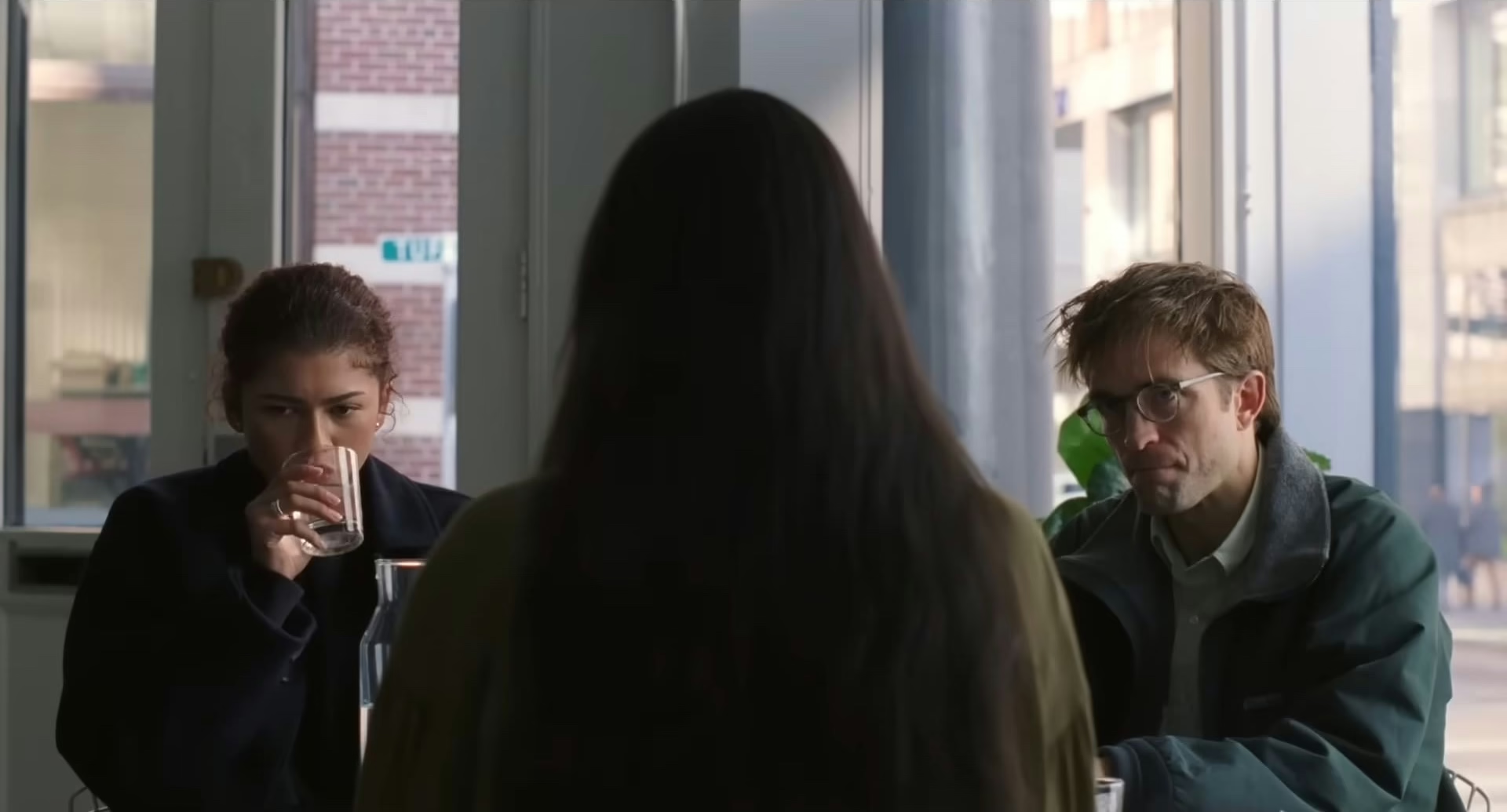
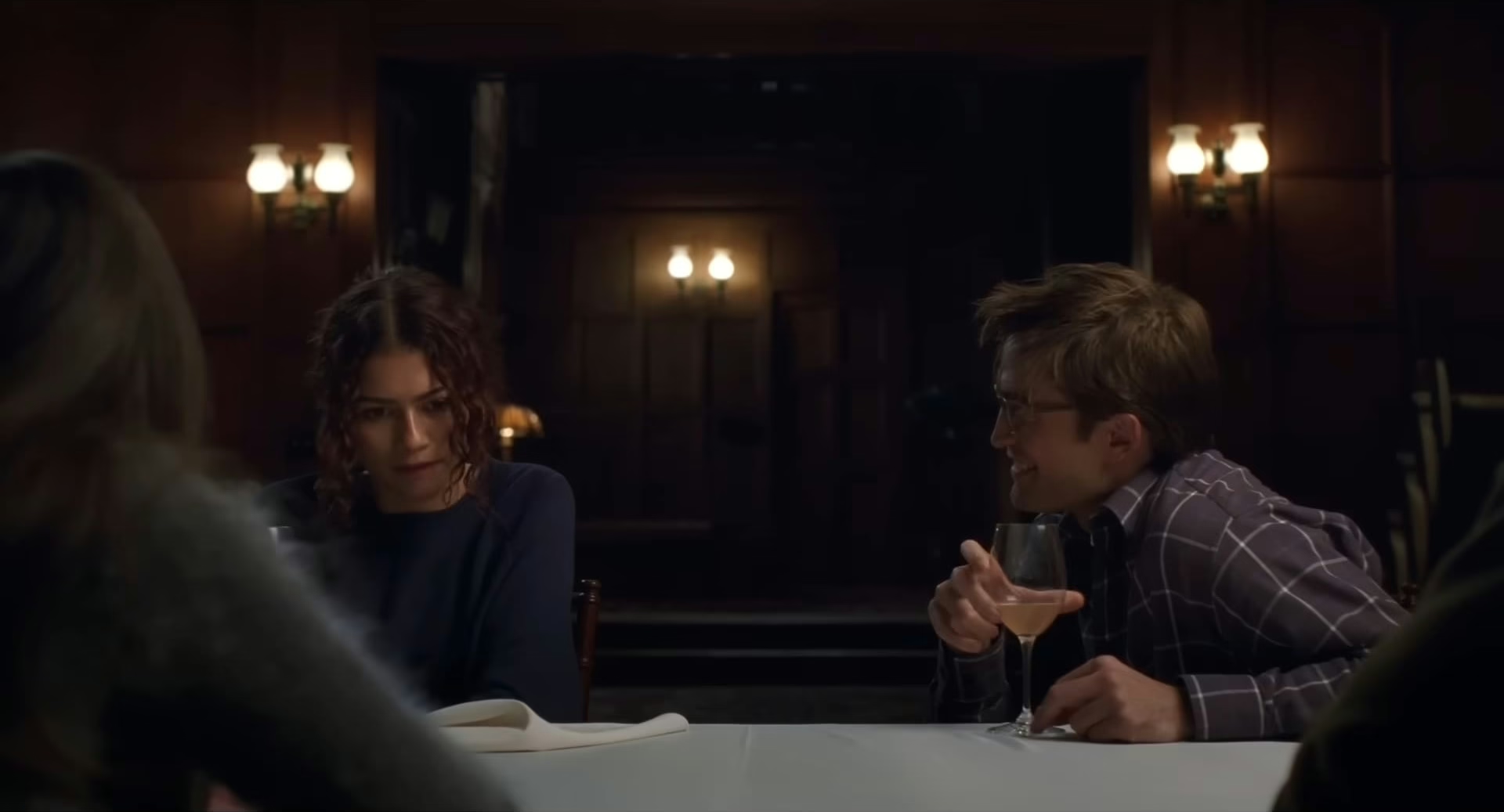
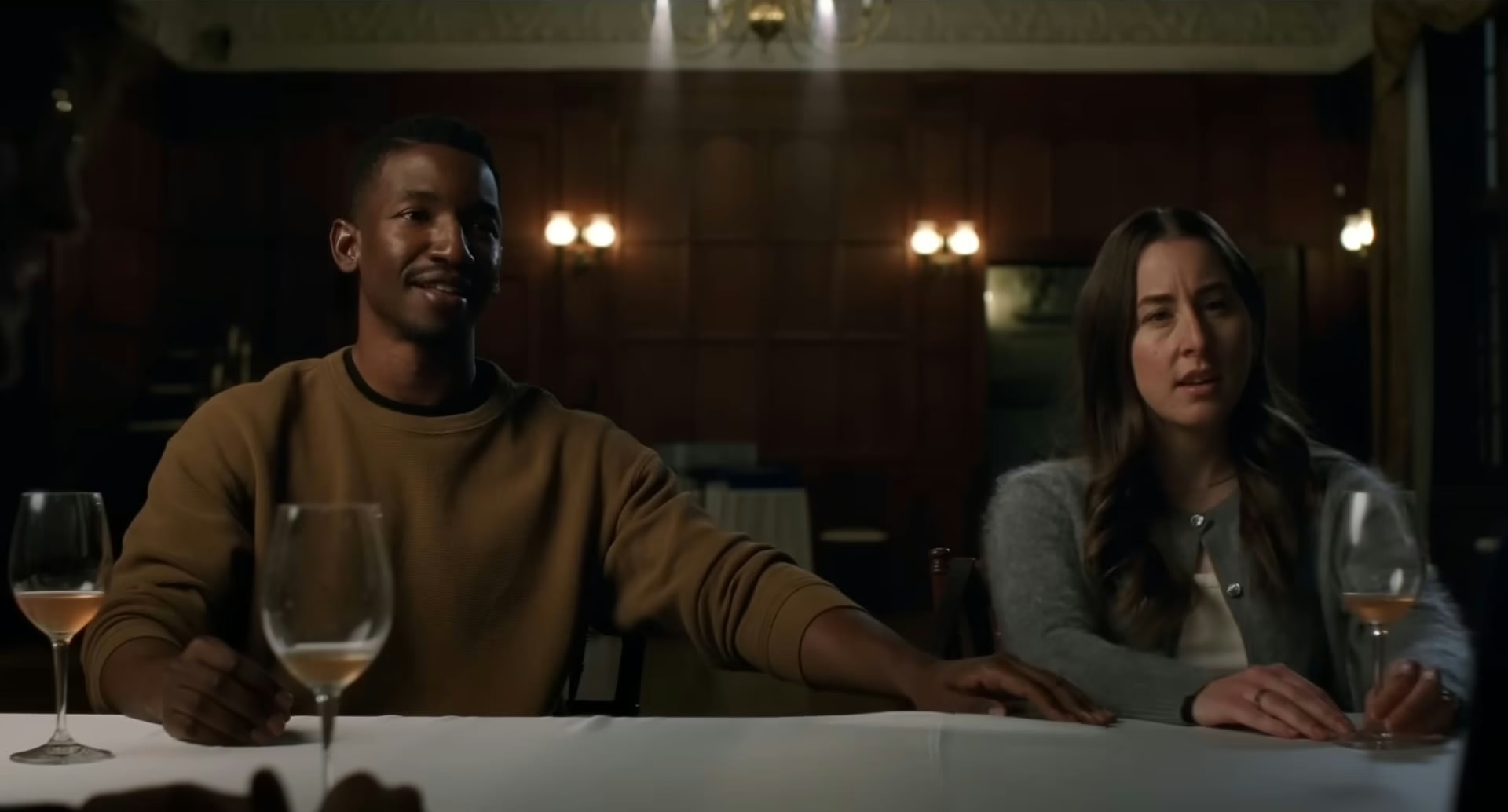
The secrets we keep from loved ones are born of survival, preserving a sense of order that makes relationships manageable. It barely matters whether they are revealed willingly or forcibly exposed – society rests upon an unspoken agreement we each conceal our darkest truths, and The Drama recognises how readily we condemn in others what we silently accommodate in ourselves. Sitting down with friends for their wedding menu tasting, Emma and Charlie hear how best man Mike once used his ex-girlfriend as a shield against a vicious dog, and how maid-of-honour Rachel horrifically locked a child in an abandoned RV for several hours. This divulgence of past transgressions is simply a trust exercise for engaged couples, they suggest, yet not even they are prepared for Emma’s candid, drunken confession.
This is the twisted secret upon which Kristoffer Borgli hinges The Drama’s narrative, luring audiences into one of the funniest, messiest, and darkest romantic comedies of recent years. While Rachel hypocritically reacts with sanctimonious repulsion, barely considering the depravity of her own revelation, Charlie’s response unfolds as a slow, painful unravelling. The image of his fiancée he previously held is shattered, and beyond simply grappling with the corrupted vision that has taken it place, he cannot shake the suspicion that this hidden, terrifying impulse may one day reemerge. That this total collapse of trust should take place in the week leading up to their wedding only further raises the stakes of The Drama, leading both Emma and Charlie to a vital, inescapable question – can love withstand the truths it is built to suppress?
Emma is not alone in her deception after all. Their entire meet-cute was based on a lie that Charlie is a fan of the book she’s reading, though this pretence is soon exposed on their first date when he can barely hold a conversation about it. He too is prone to dishonesty, and as he further spirals over her confession, is driven to increasingly reckless acts of betrayal that he immediately tries to conceal. On the other side, although Emma downplays the significance of her secret, she too is quick to cast judgement on their wedding DJ when they catch her smoking heroin one evening. Apparently the only reasonable course of action is to fire her from the event, yet in doing so, Emma ironically proves incapable of granting others the leniency that she demands.
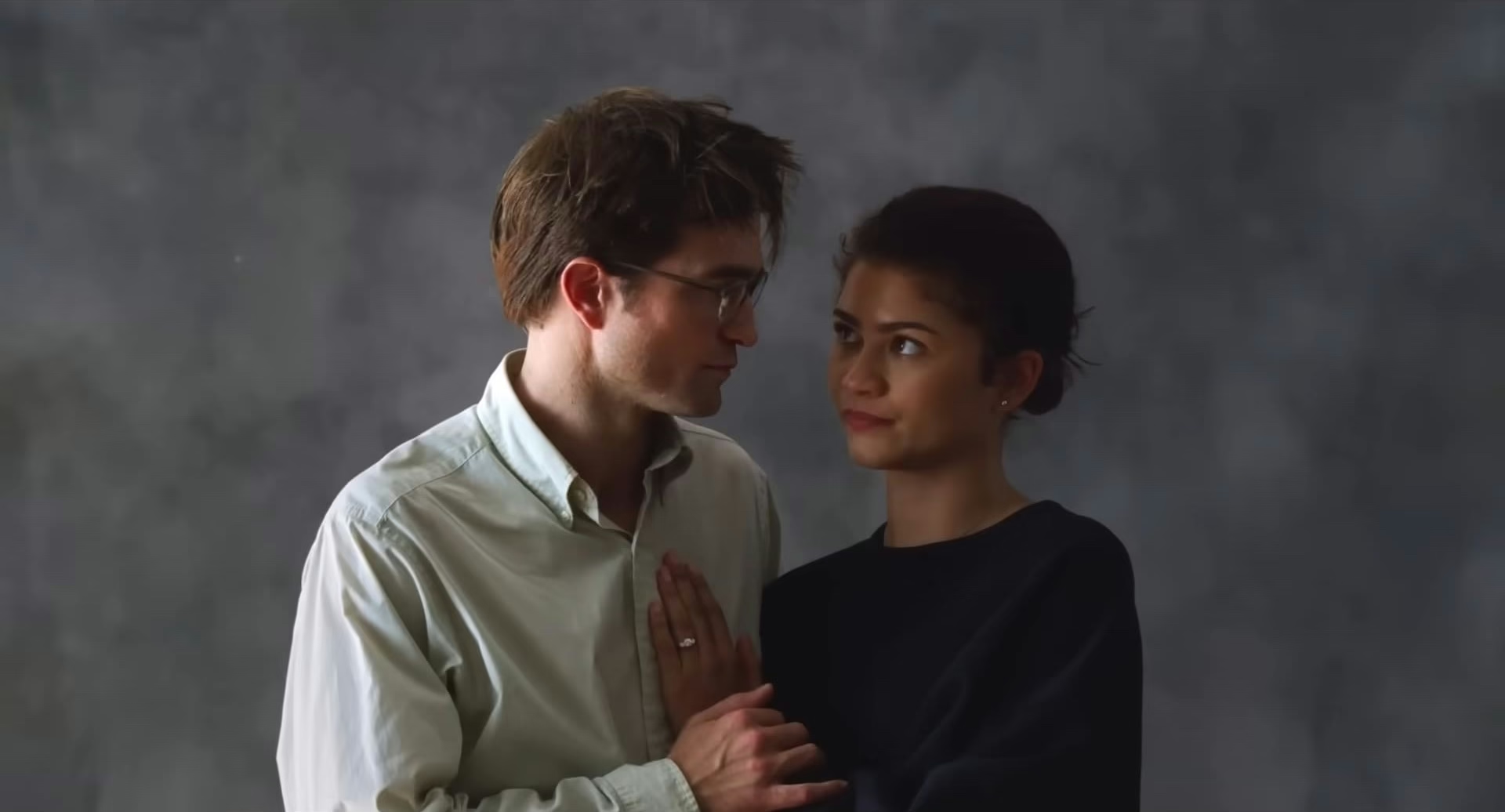
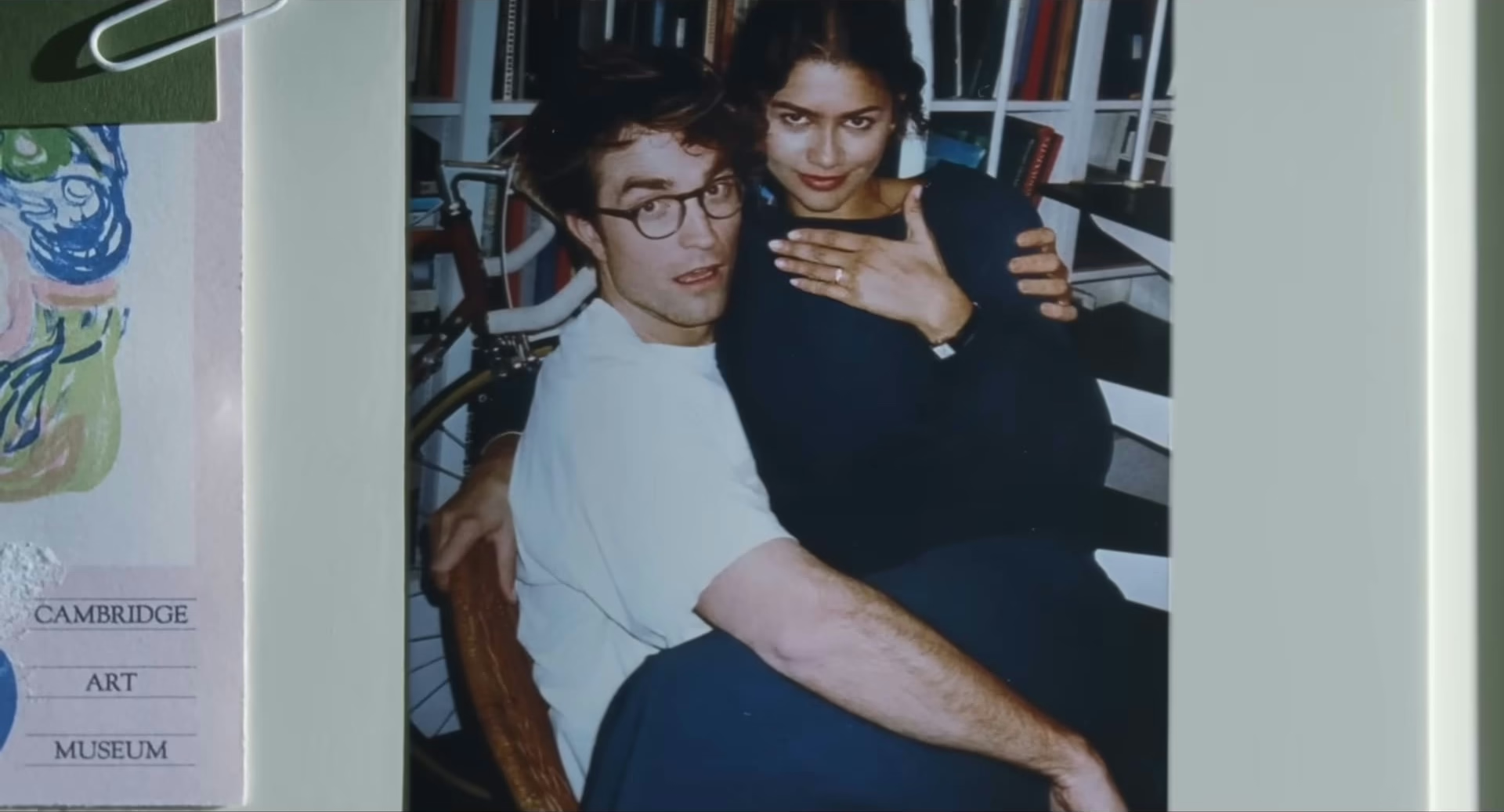
Perhaps everyone at some point has been pushed to the edge of absolute moral collapse, Charlie considers as we anxiously pass through a montage of strangers, though no amount of rationalisation can steady him against his fiancée’s own capacity for it. Between his escalating paranoia and Emma’s dread that her secret will unravel, Borgli’s editing in The Drama thoroughly dismantles traditional notions of continuity, and externalises their mutual, psychological disintegration. Scenes abruptly end mid-sentence and jump cuts disrupt narrative coherence, though most disorienting of all are his fractured manipulations of time, frequently bleeding intrusive flashbacks into the present. Charlie often finds the younger, more disturbed Emma physically taking the place of the woman hanging onto his arm, while Emma herself imagines conspiratorial conversations taking place behind her back, threatening to cancel the wedding.
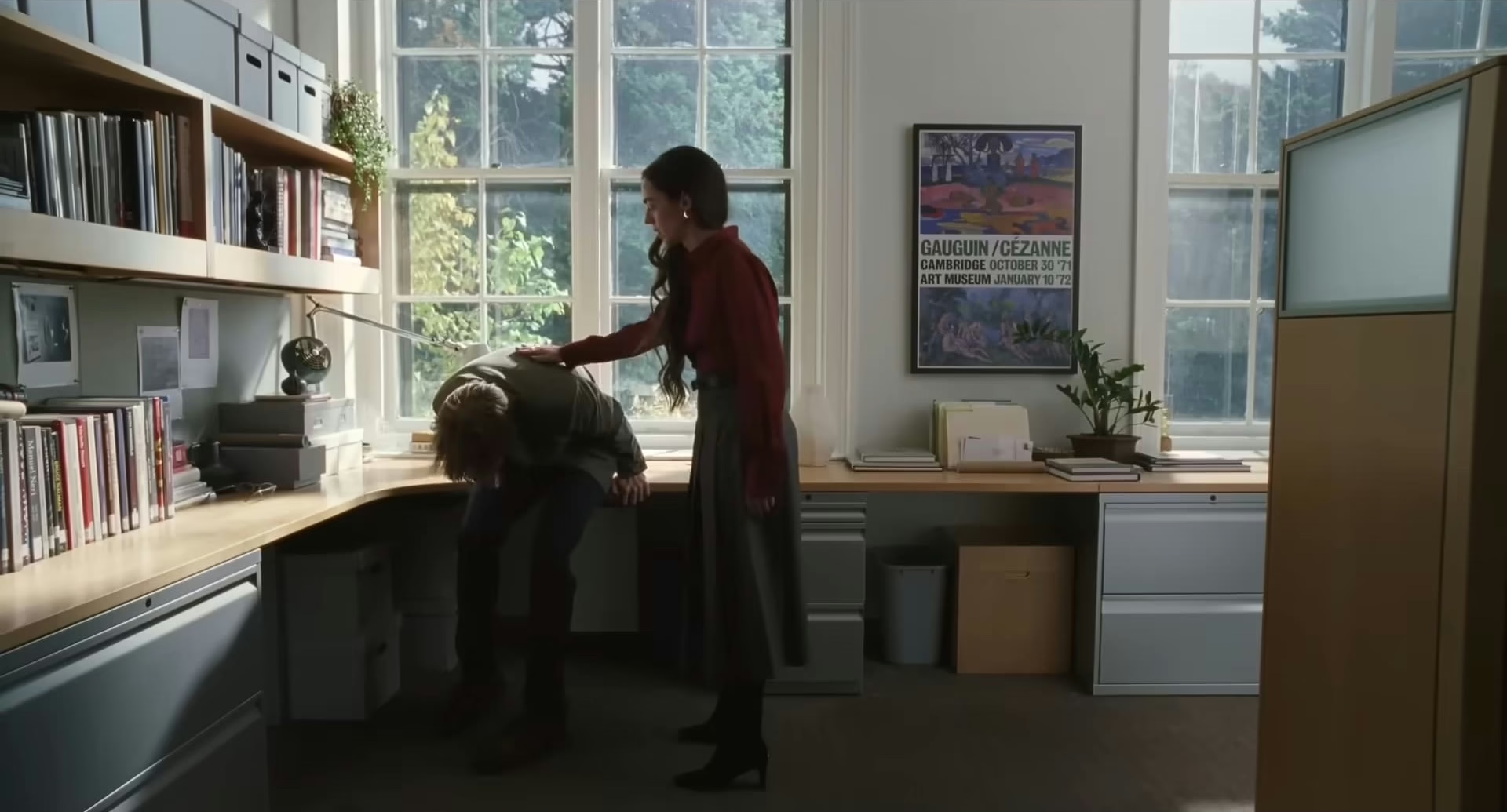
This is the act of overthinking rendered in dissonant, cinematic terms, and Borgli delights in amplifying that instability, aligning us with Charlie’s heightened sensitivity as he begins to register Emma’s latent volatility and recoils at inadvertent yet darkly funny wordplay. Just as his defensive reflexes are triggered by seemingly innocuous cues, so too do we flinch at the tense sound design and off-kilter flute score as they unexpectedly puncture scenes, both of which intensify as the wedding nears. Once there, it is simply a waiting game for total derailment, though it is the chain of accidents and betrayals leading there which produces such a morbid, comic momentum.
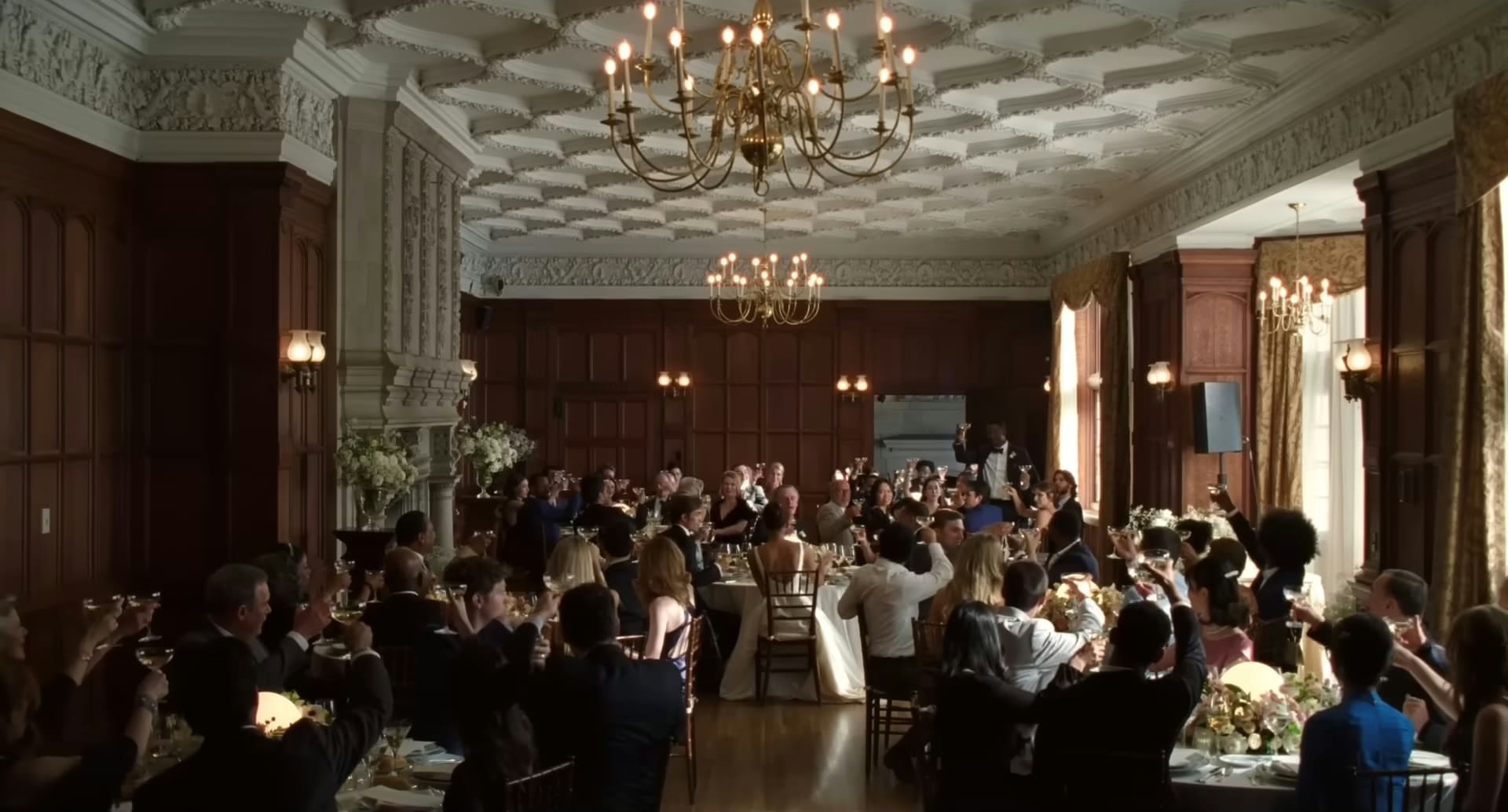
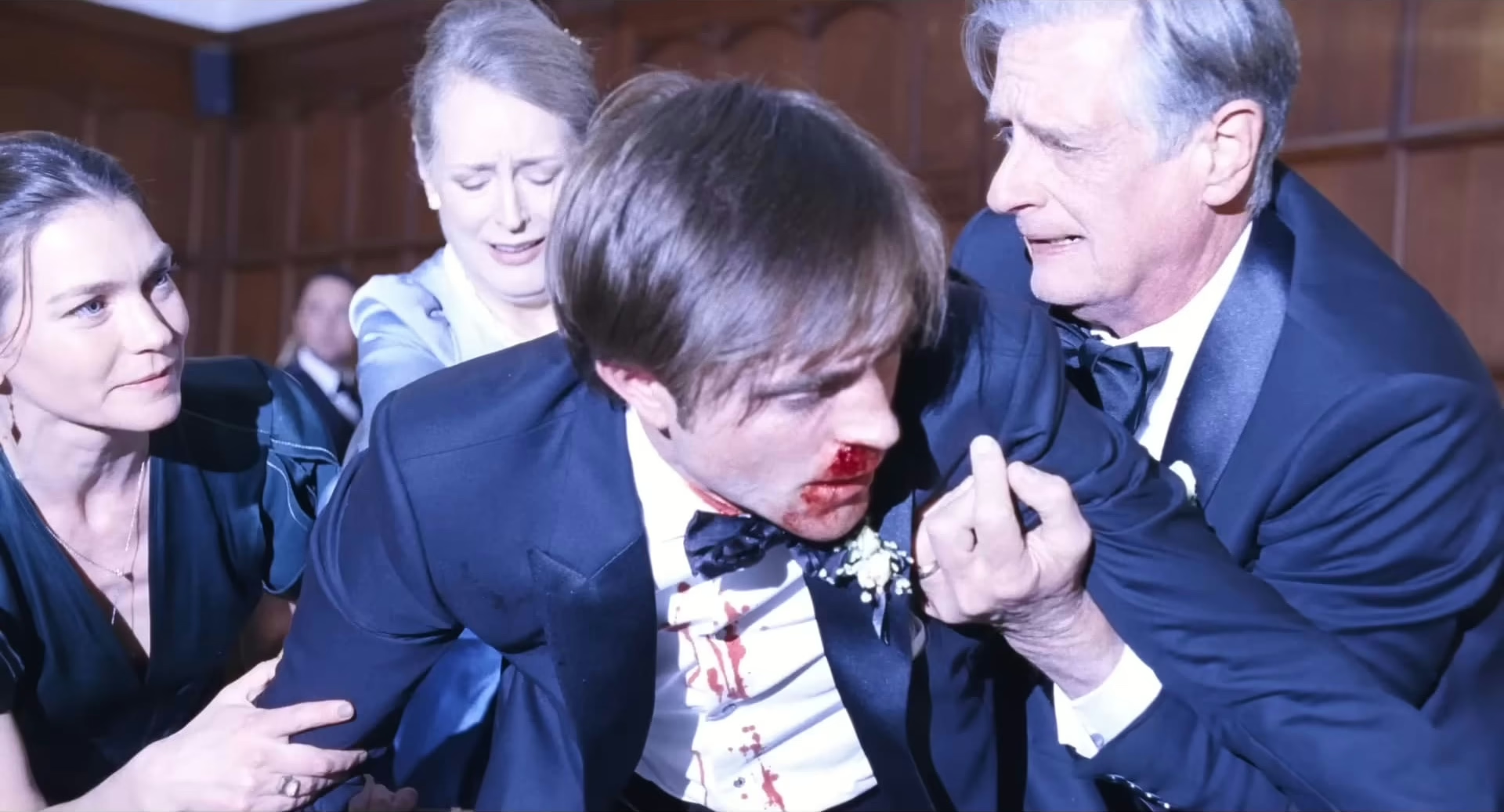
Of course, the secret itself which instigates The Drama is unavoidably controversial and extremely topical, and while Borgli lightly engages with its social implications, his narrative is clearly far more invested in the fallout. Elliptical pacing and recursive motifs withhold easy resolution here, trapping a fidgety Robert Pattinson and Zendaya in a tightening spiral of shame, anxiety, and mistrust, and inviting us into their deteriorating bond. Every single character here is a hypocrite, simultaneously committing private transgressions and rebuking others, yet none are able resolve that moral contradiction within themselves. Then again, perhaps this paradox is merely in our human nature, Borgli’s sardonic drama suggests – as innate as our desire to be fully known, compassionately accepted, and unconditionally loved.
The Drama is currently playing in theatres.