
Edward Berger | 1hr 44min

For aristocratic English gambler Lord Doyle, hell is never far away in the Chinese enclave of Macau. Its gaudy excess shamelessly outdoes Las Vegas, bleeding city lights into a lurid wash of neon blues and toxic reds, yet even the highest roller recognises how damaging it is to the human soul. An old joke shared among its visitors tells of a gambler who died, woke up in a lavish casino, and hit a winning streak – only to learn that this infinite loop of victory is hell. In Chinese Buddhism, such questions of material desire are treated with far greater weight, positing a realm of “hungry ghosts” where those driven by greed are doomed to eternal insatiability. Whether through Western wisecracks or Eastern spiritualism though, Ballad of a Small Player locates Lord Doyle within a glittering, spectral underworld, driven to an endless consumption that will inevitably consume him too.
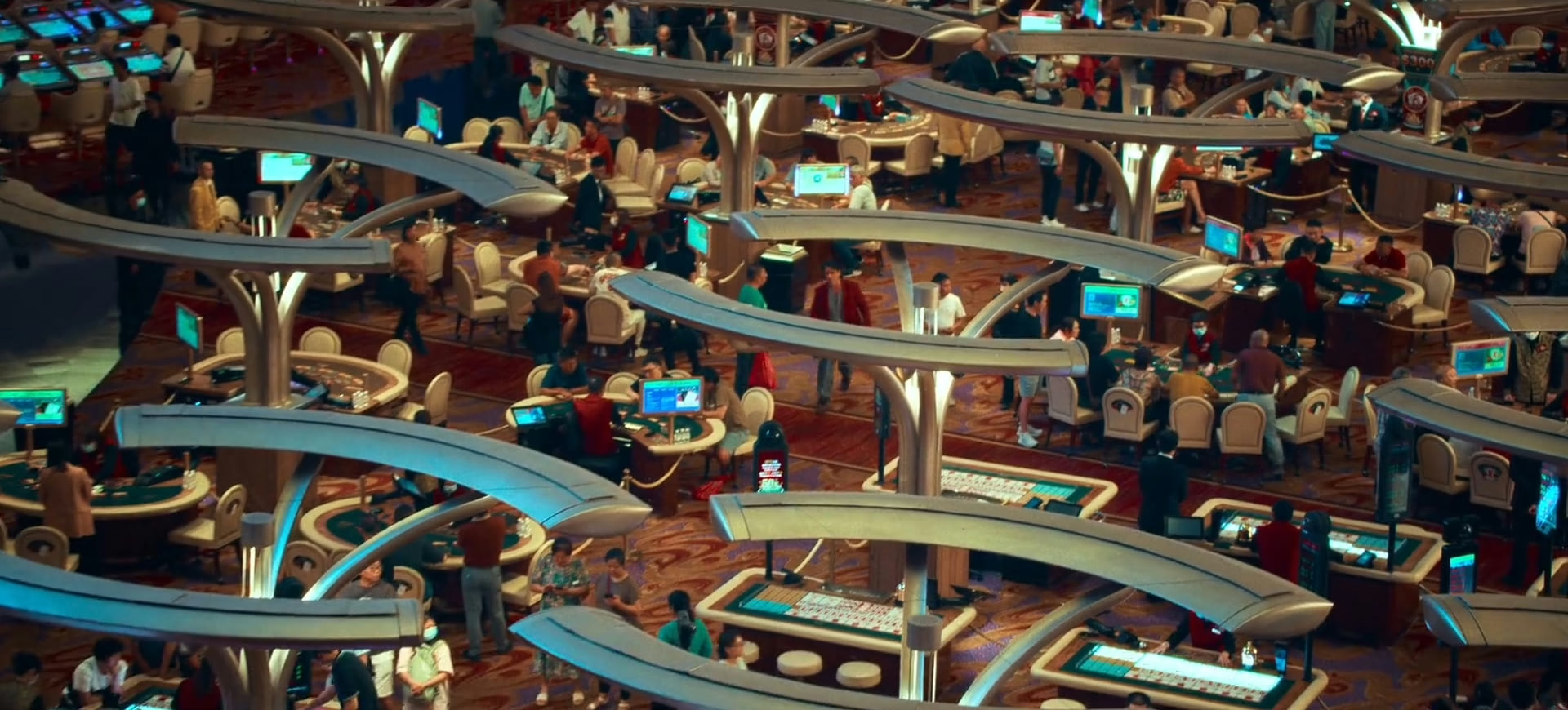
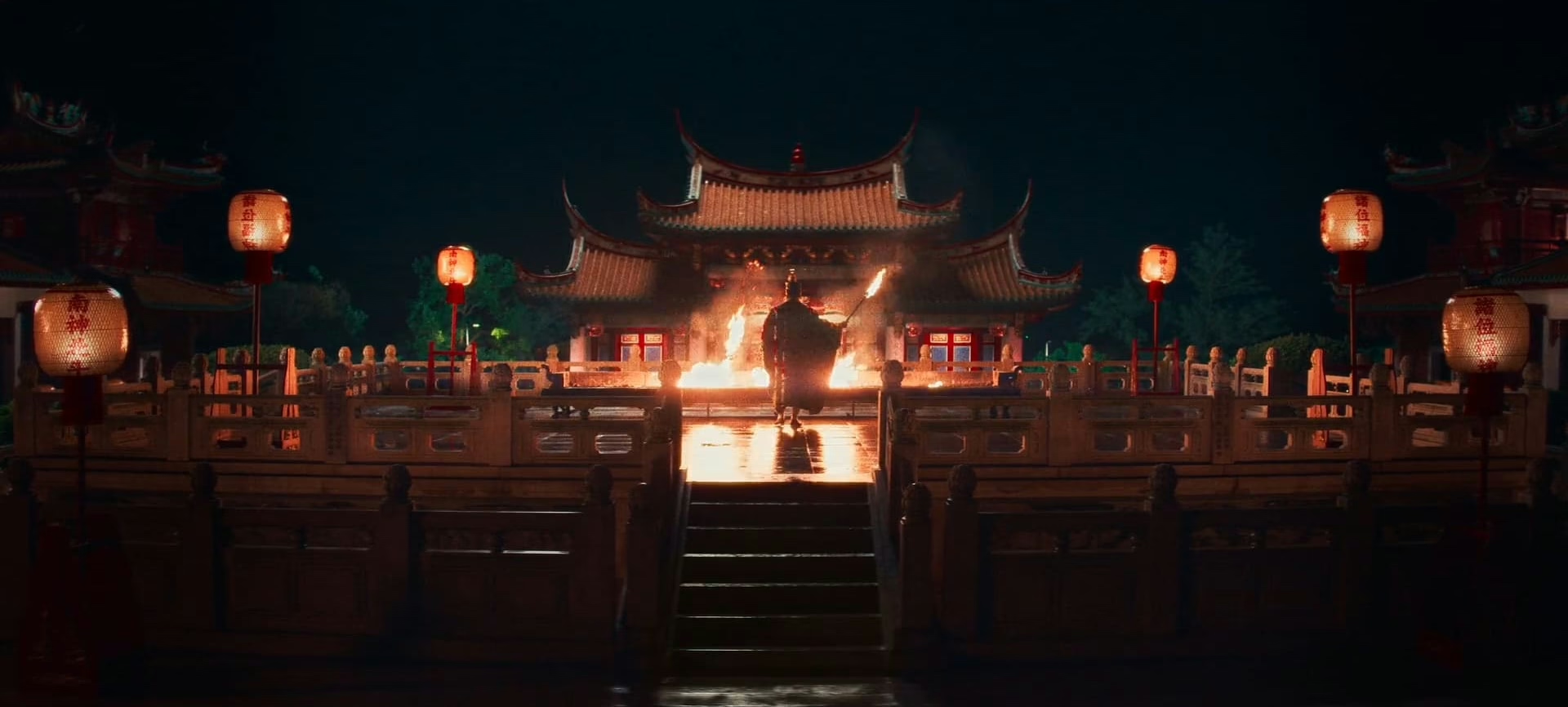
This intersection of worldly cosmologies is crucial to Edward Berger’s hyper-stylised study of compulsion and ruin. After all, Lord Doyle is not the English gentleman he presents himself as. This persona is merely a mask for disgraced financier Brendan Reilly, who has escaped financial crimes committed back in Ireland by hiding out in Macau. Within a Western moral framework, his degeneracy is the result of choice and habit – far from the Buddhist philosophy of his new friend Dao Ming, which casts it as a deeper, existential condition. Set during the Festival of the Hungry Ghost when offerings are made to the dead, Ballad of a Small Player renders the boundary between material and spiritual planes dangerously thin, and thus consequence and curse overlap in the volatile, liminal space that Brendan has made his lavish home.
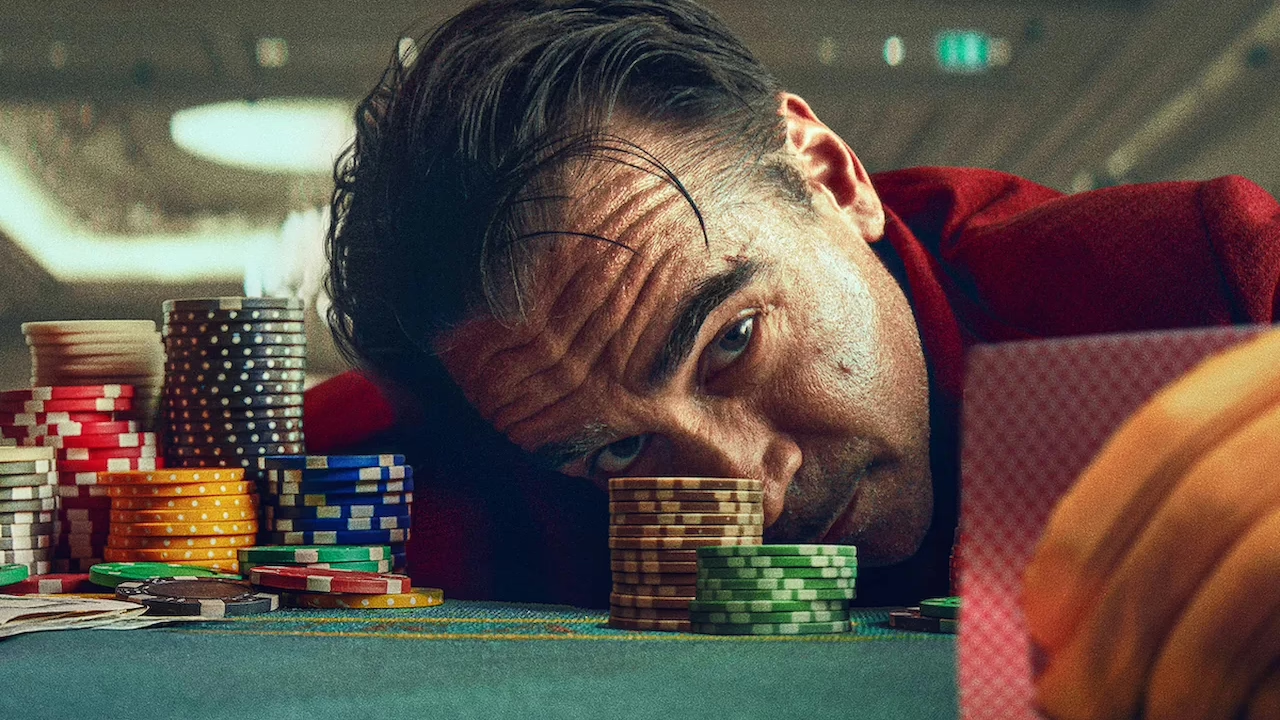
Even before Brendan begins to transform into one of those voracious, wide-mouthed spirits, he already regards himself as a “foreign ghost cloaked in invisibility,” and is derogatorily labelled by locals a “gweilo,” or ghost man. His only faith lies in the lucky yellow gloves he superstitiously wears at the baccarat table, though given his velvet jacket, slicked back hair, and brazen overconfidence, one might easily mistake him as another demon born of Macau’s decadence.
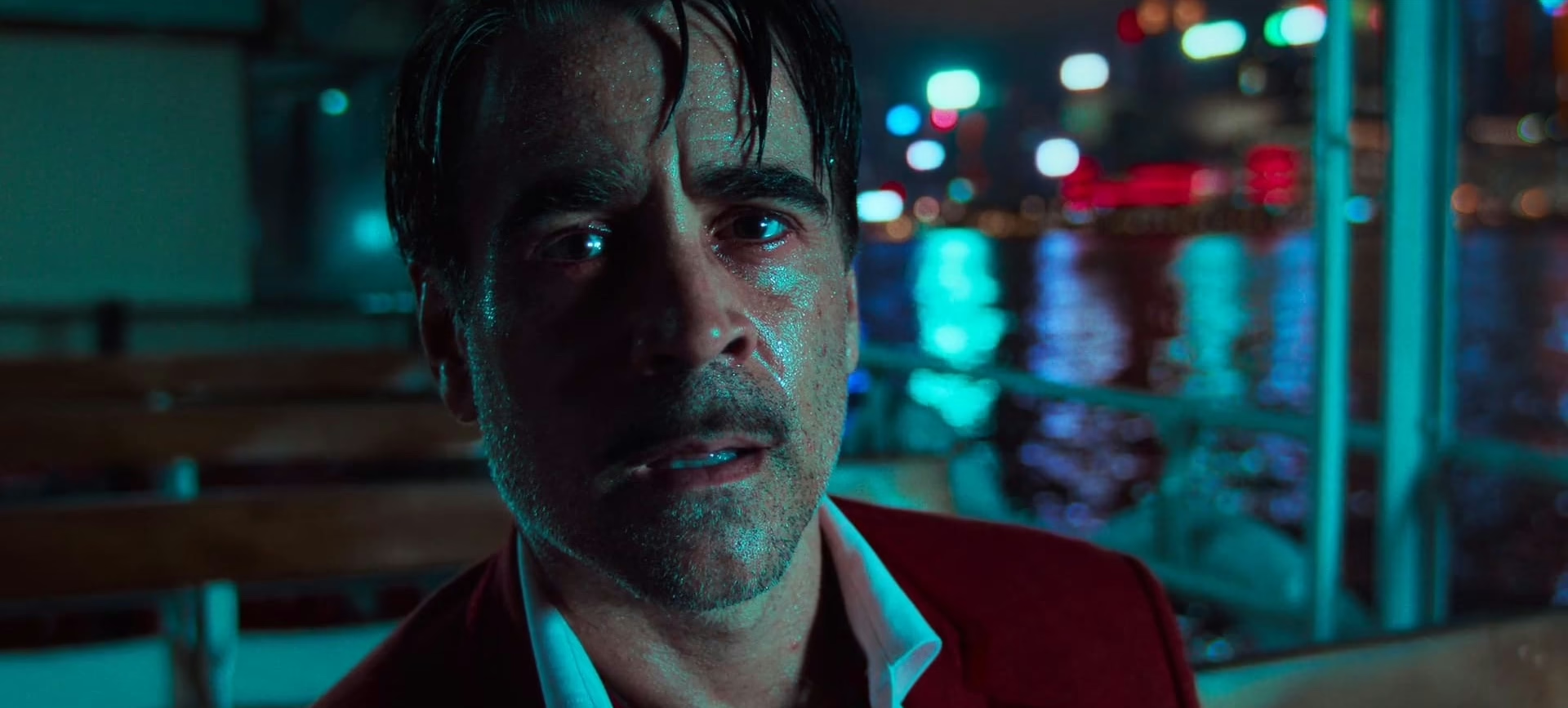
Beneath this carefully constructed façade however, there is a conscience beginning to stir. Credit broker Dao is the catalyst here, as after she is forced to confront her predatory exploitation of the vulnerable, Brendan’s own shame painfully surfaces. Wide-angle close-ups on Colin Farrell’s sweat-beaded face draw us into discomforting proximity, and with cutaways to his imagined suicide rupturing reality, we begin to wonder whether this gambler has indeed fallen into a torturous afterlife. Berger plays this slippage with haunting ambiguity, as through Brendan’s deteriorating mental state, a mysterious, magical realism insidiously unfurls.
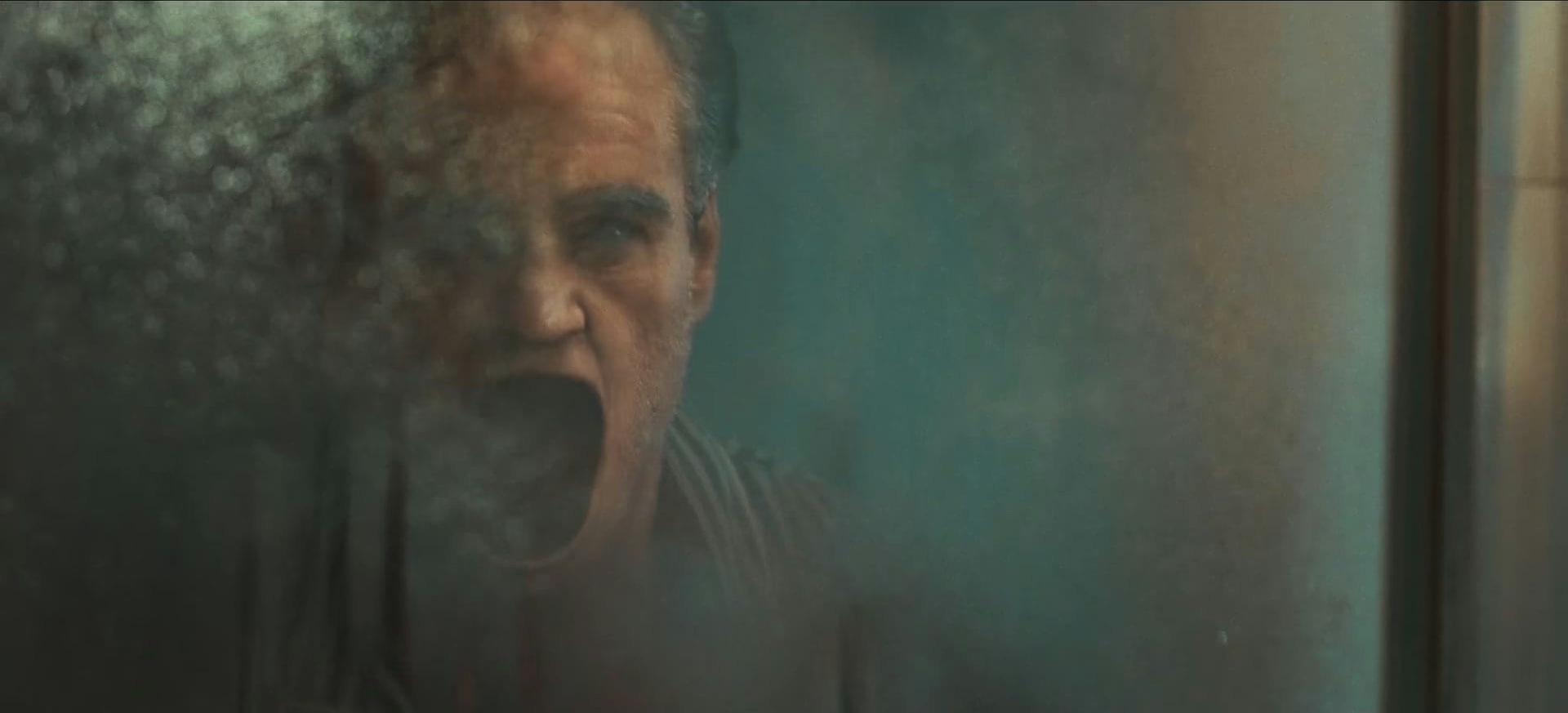
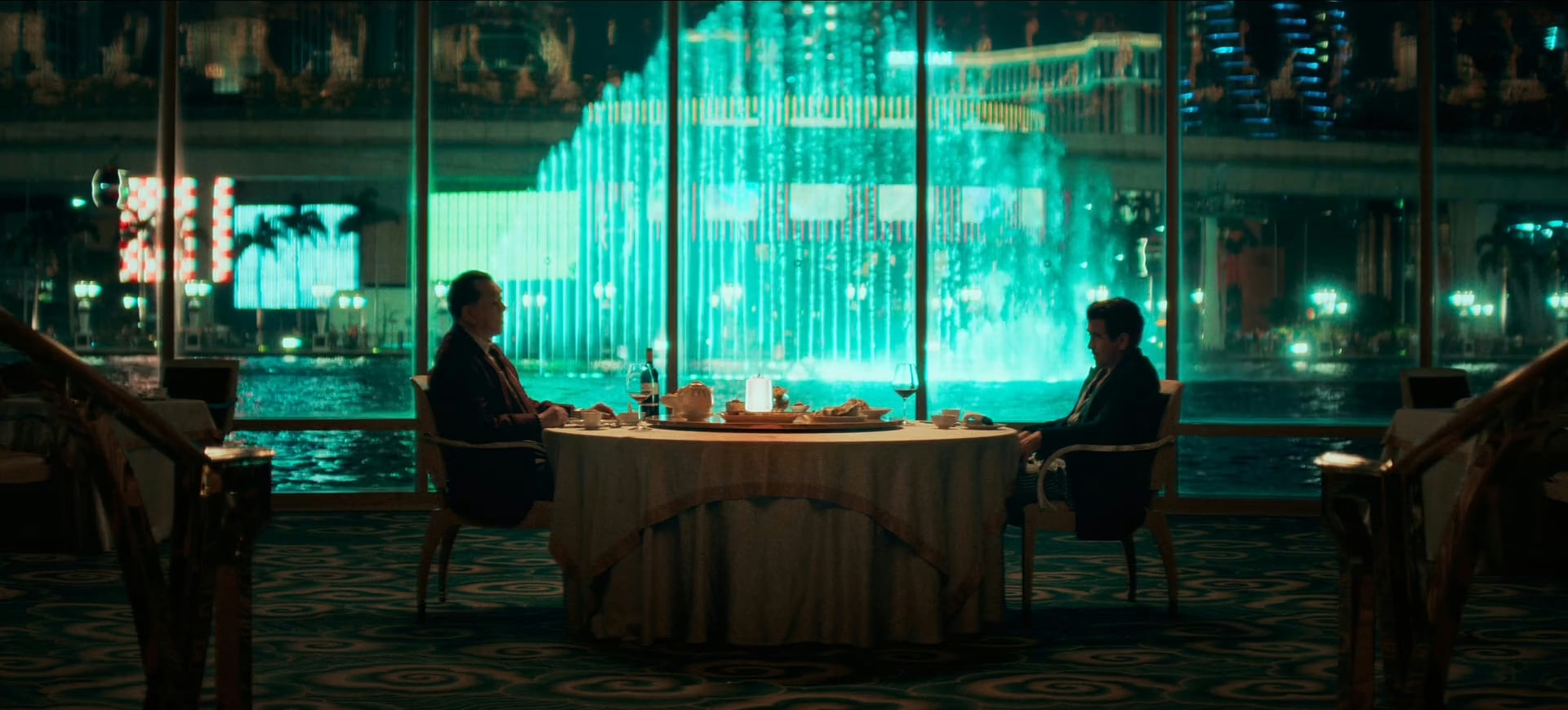
Maligned as it may be by critics and audiences alike, Ballad of a Small Player signals a dazzling step forward for Berger, further sharpening his visual command following the bleak desolation of All Quiet on the Western Front and the procedural ascetism of Conclave. This is no doubt his most flamboyant, operatic work so far, yet he approaches it with a razor-edged precision, particularly in those meticulously composed high angles of Brendan’s cluttered hotel rooms. There, his life of debauched indulgence taints otherwise clean, modern architecture, scattering alcohol bottles, food, flowers, and cash across the floor and furniture. Glamorous city views bleed a blue, neon wash through giant windows, and when he sinks down to the streets below, he is thoroughly enveloped by glaring neon lights and signs of all hues.
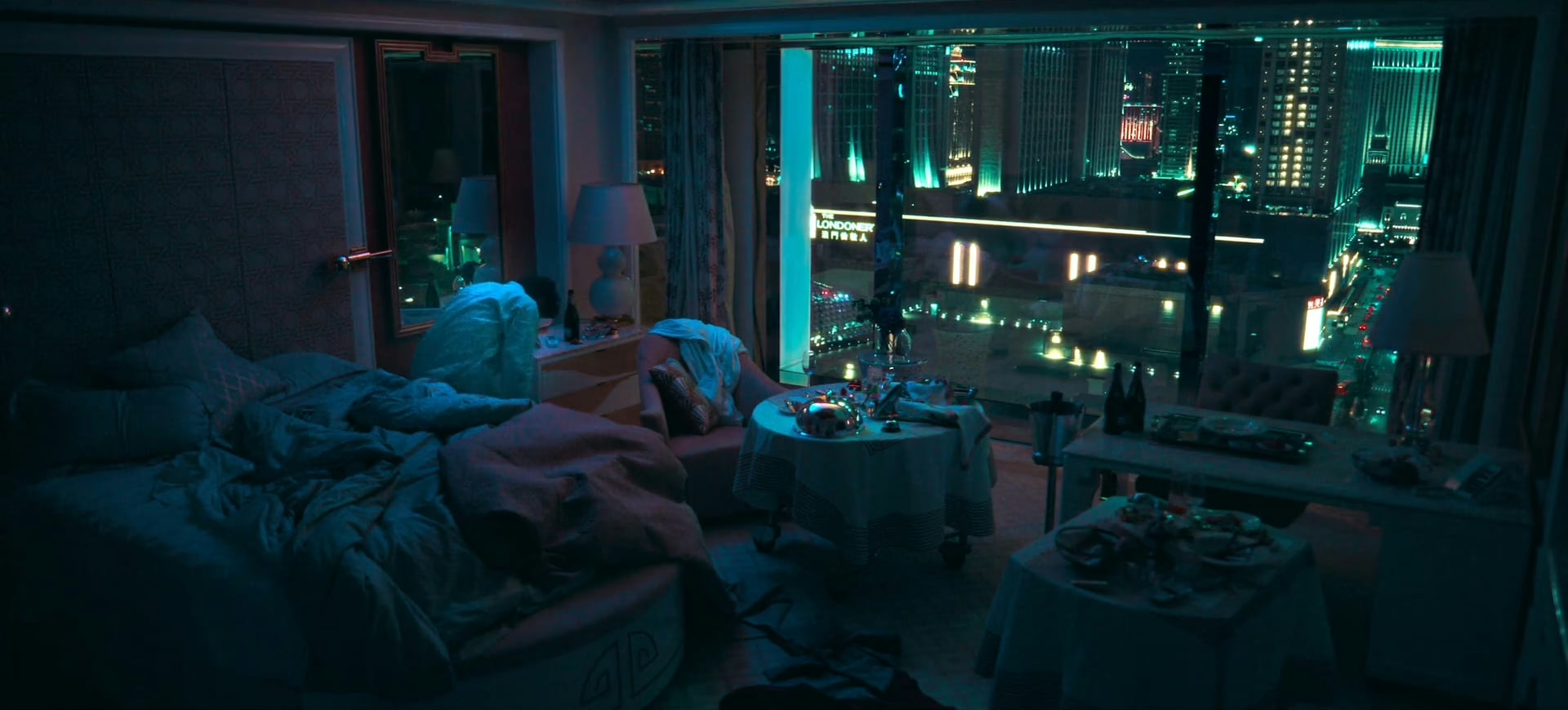
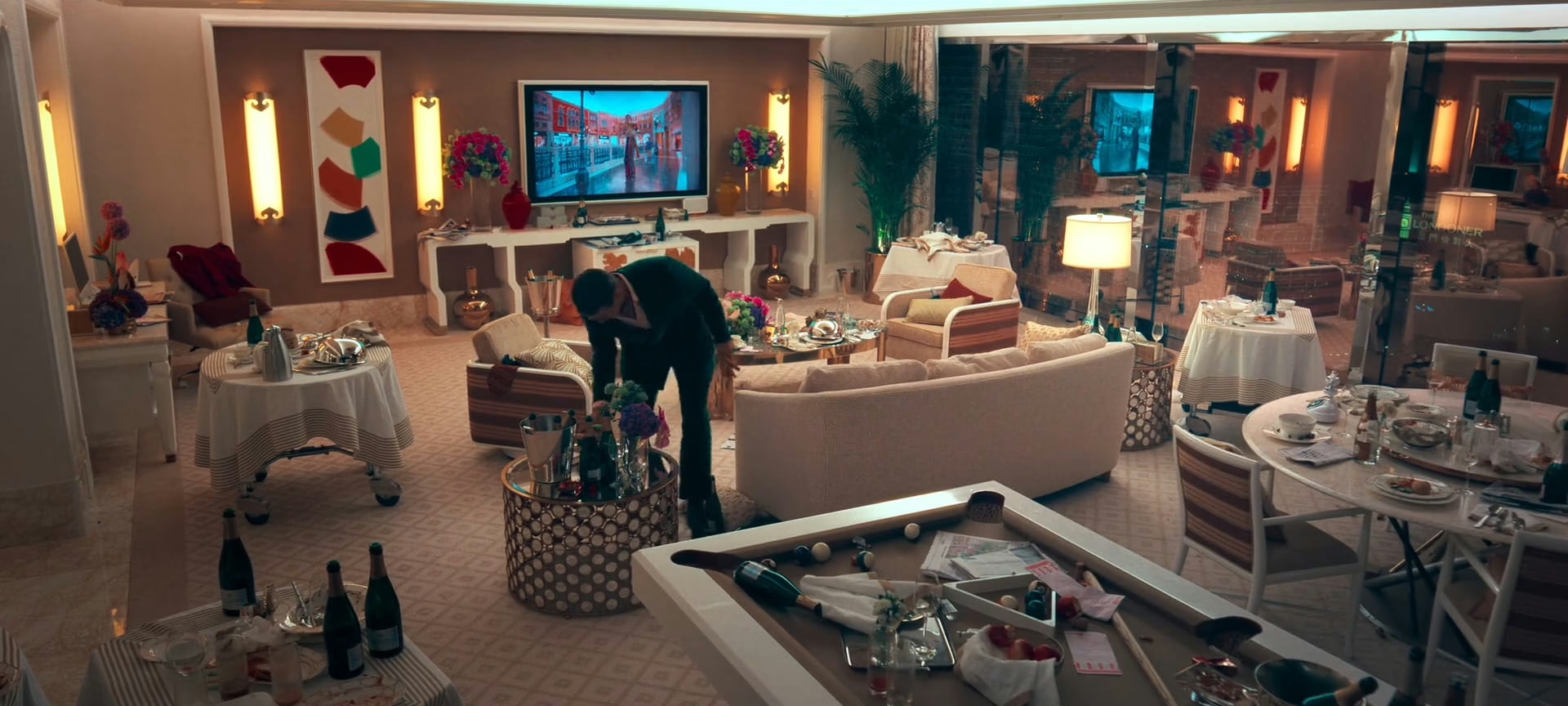
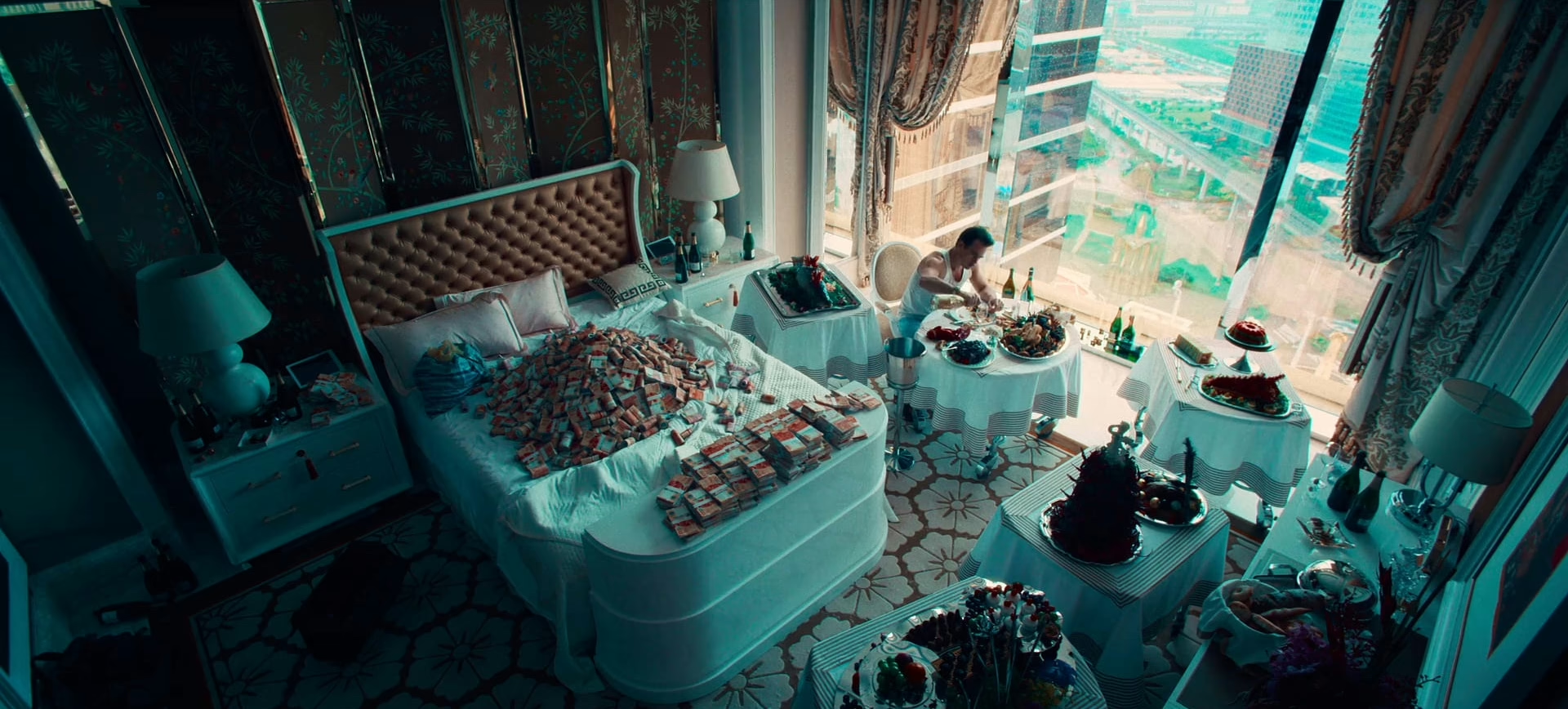
Here among the nocturnal crowds of Macau, Brendan’s bloated ego rises with a thundering brass symphony, and articulated in a self-mythologising voiceover. Through Berger’s lens, this entire city is designed to feed into this gambler’s fantasy, particularly in the slow-motion photography, low angles, and unwavering tracking shots that centre Brendan as a monument to his own delusion. Nevertheless, there is a persistent instability in this camerawork, aggressively tilting into canted angles or focusing on extreme, discomforting close-ups. In games of chance, there is inevitably an element of chaos at play, and through this visual volatility we too find ourselves intoxicated by its unpredictable, feverish energy.
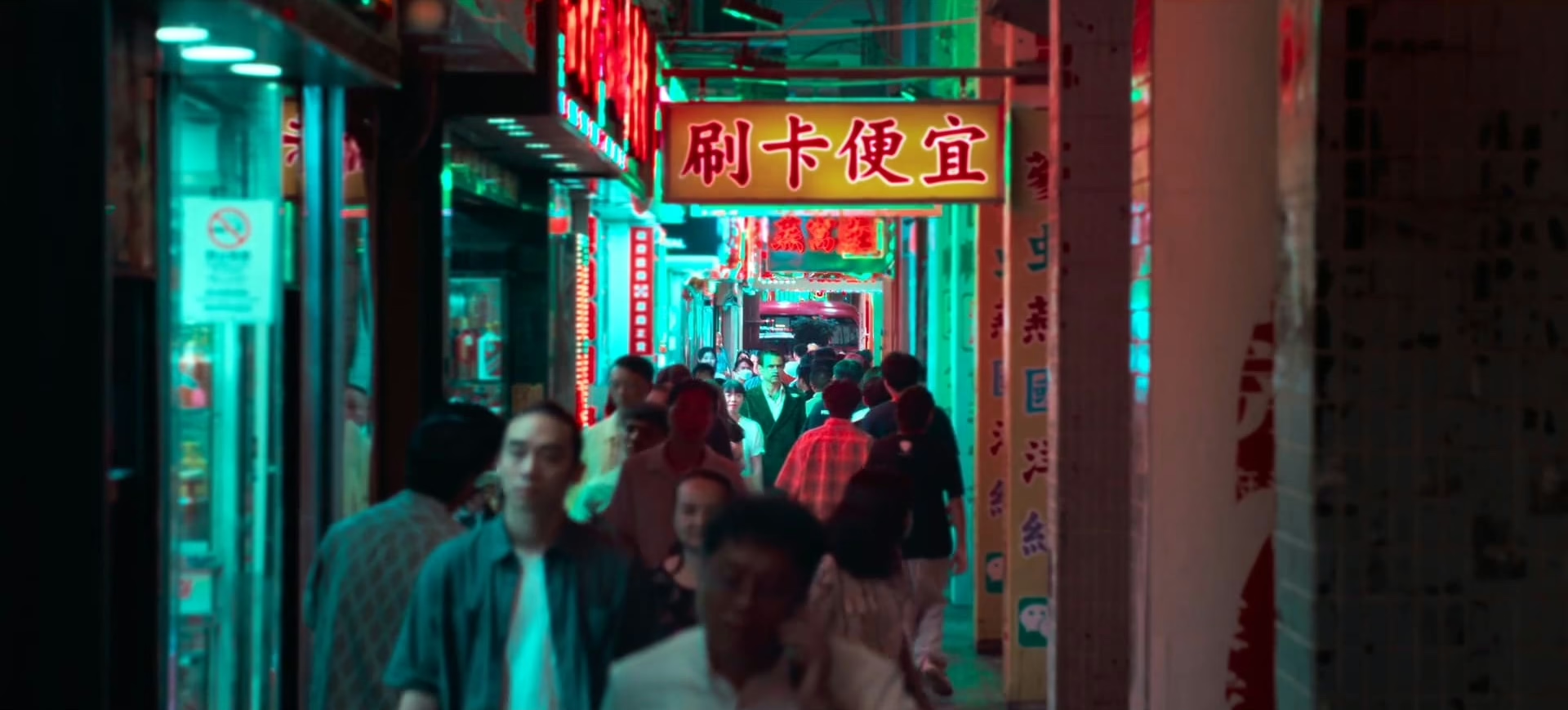
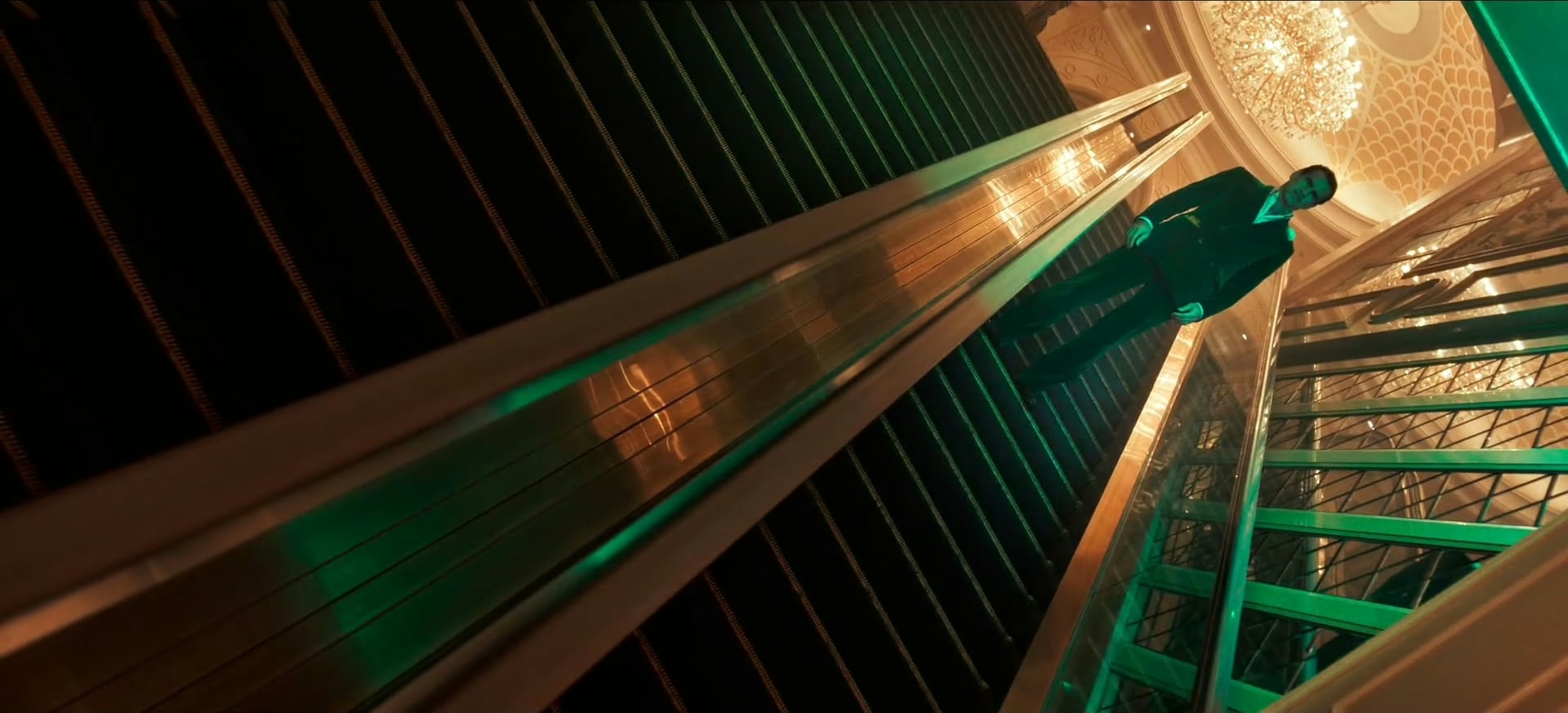
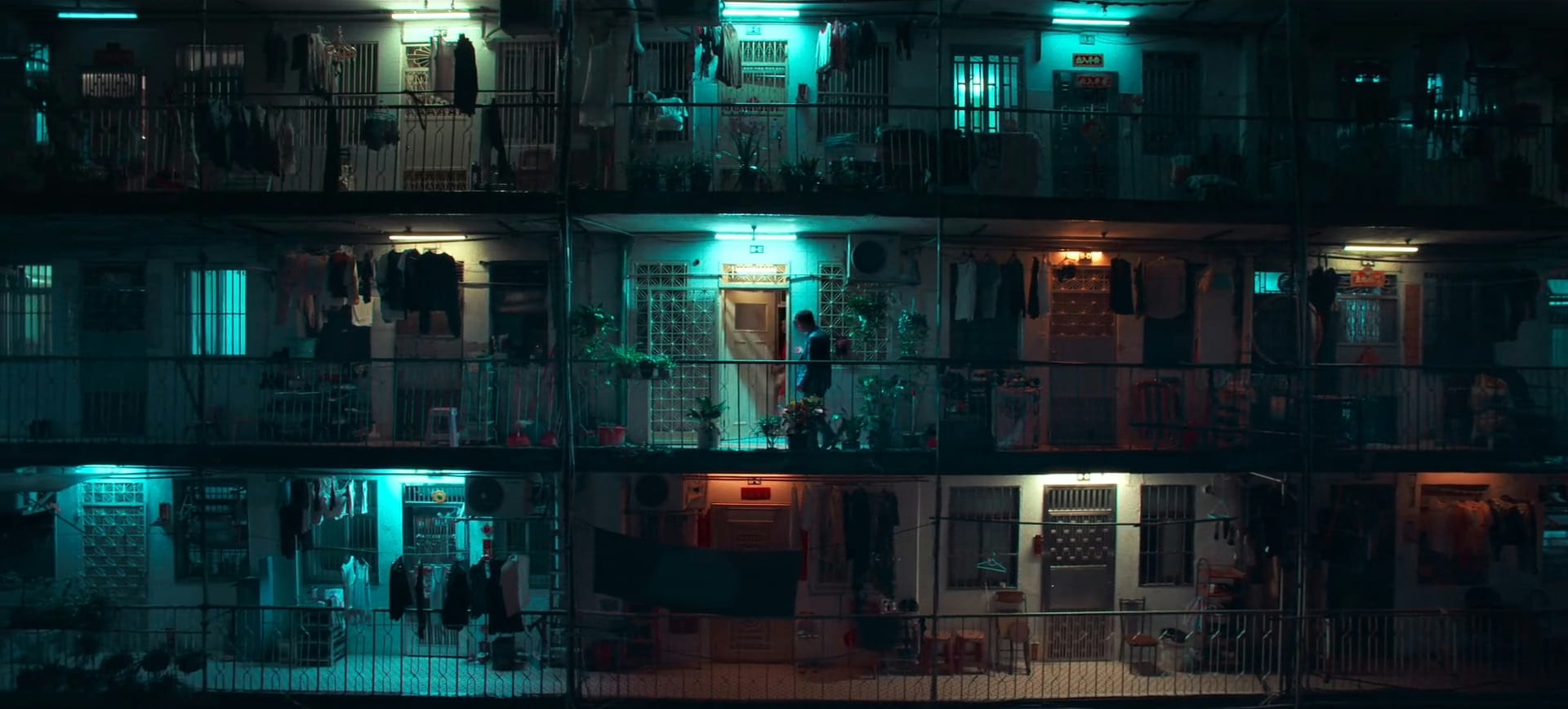
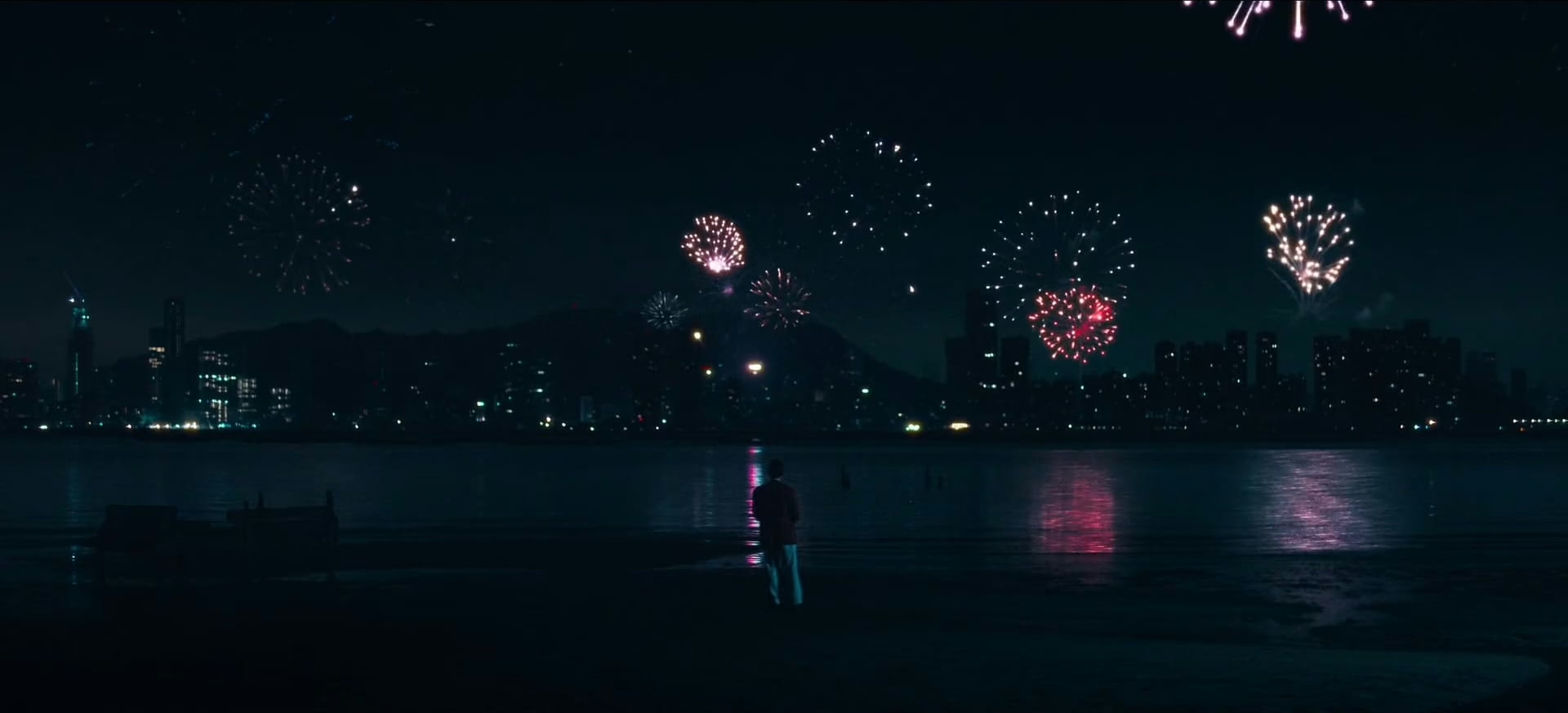
Beyond one man’s hedonistic exploits though, this is a city that never stops moving. Dynamic backgrounds spurt fountains high in the air and slowly rotate garment conveyors, reinforcing Macau’s ceaseless momentum, though even more compelling are the spiritual undercurrents that imperceptibly guide Brendan’s journey. The Festival of Hungry Ghosts hangs a ritualistic tension in the air as he simultaneously submits to ravenous impulse and chases redemption through Dao, and when Berger’s second act departs from the city altogether, an ethereal peace is found among China’s rural islands. The atmosphere seems permeated by a soft blue haze here as Dao pulls him towards a world without illusion, and for once we see Brandon truly exposed, momentarily free of his constructed self.
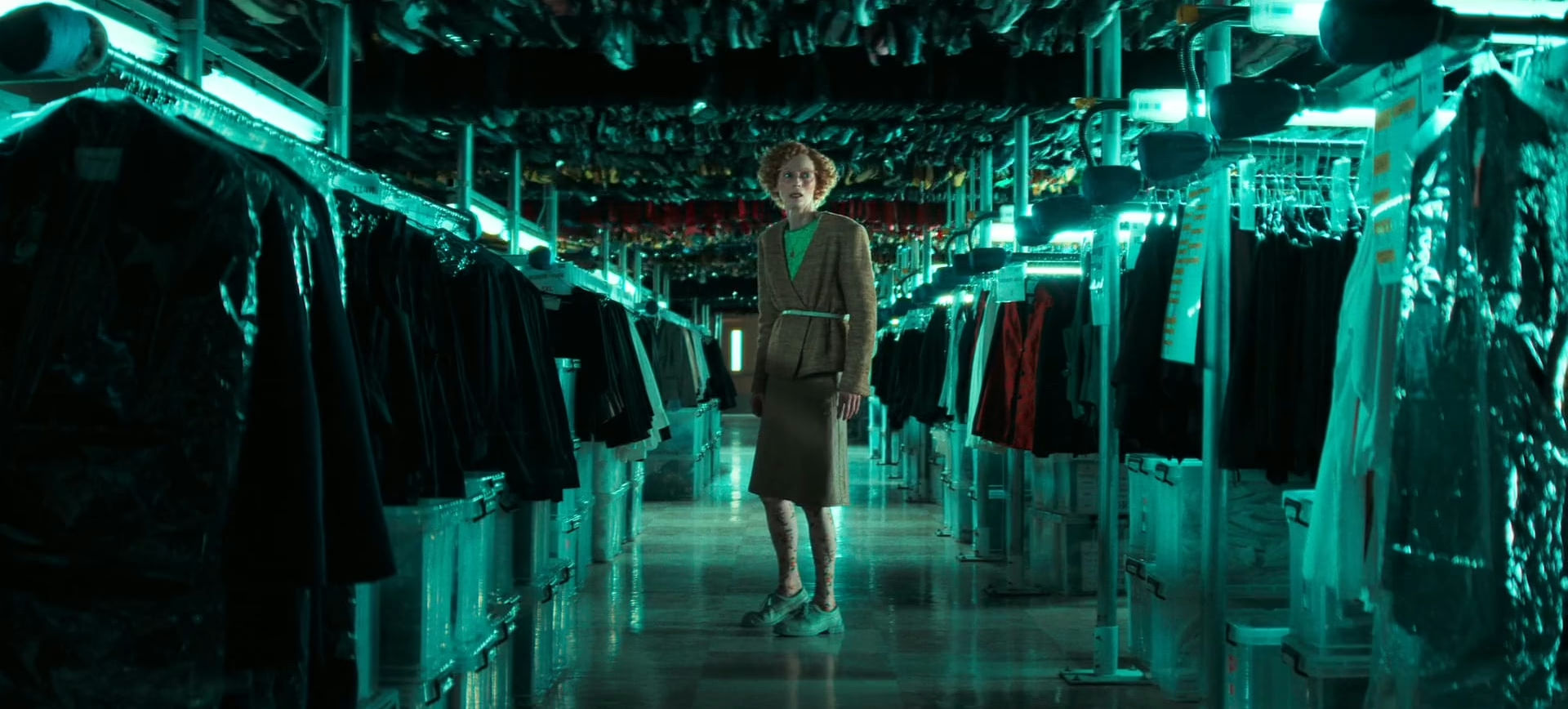
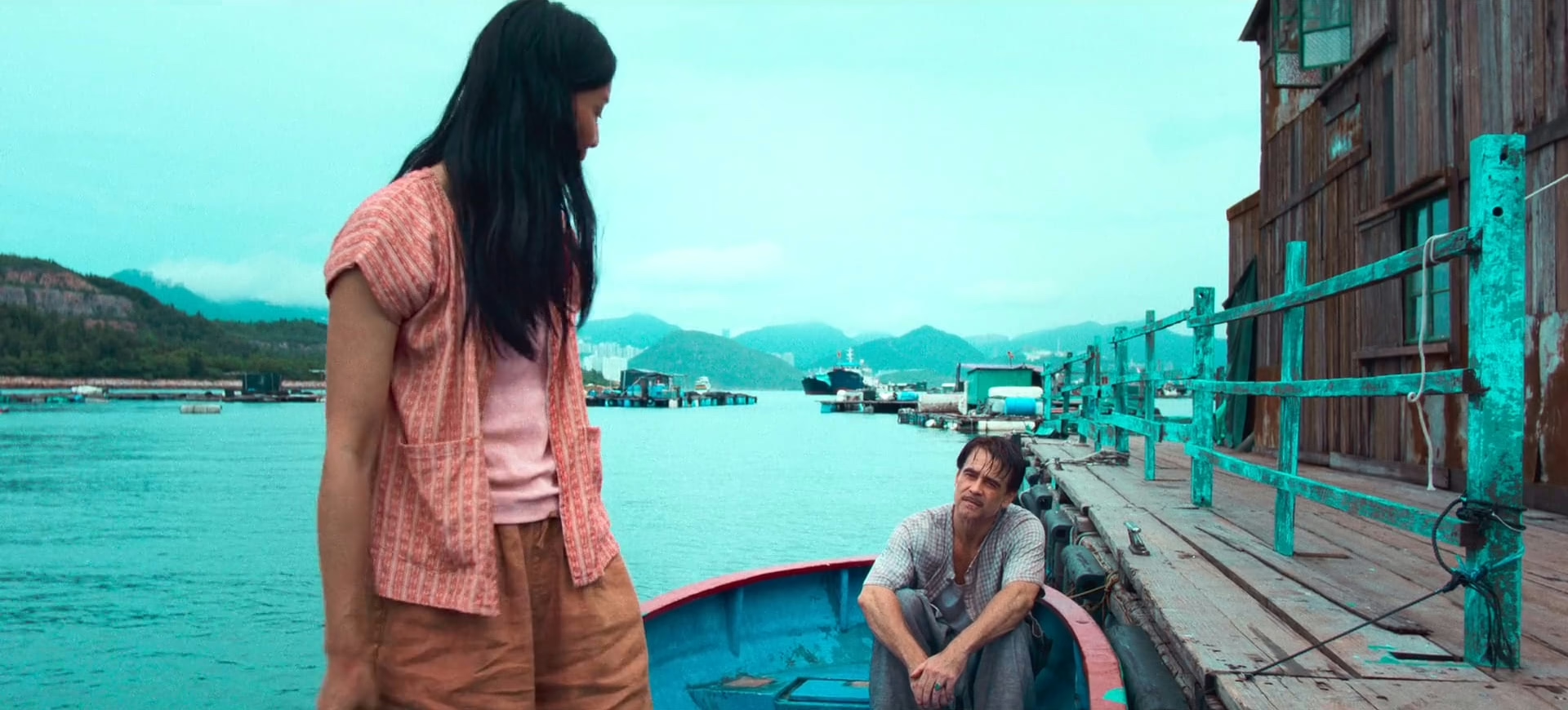
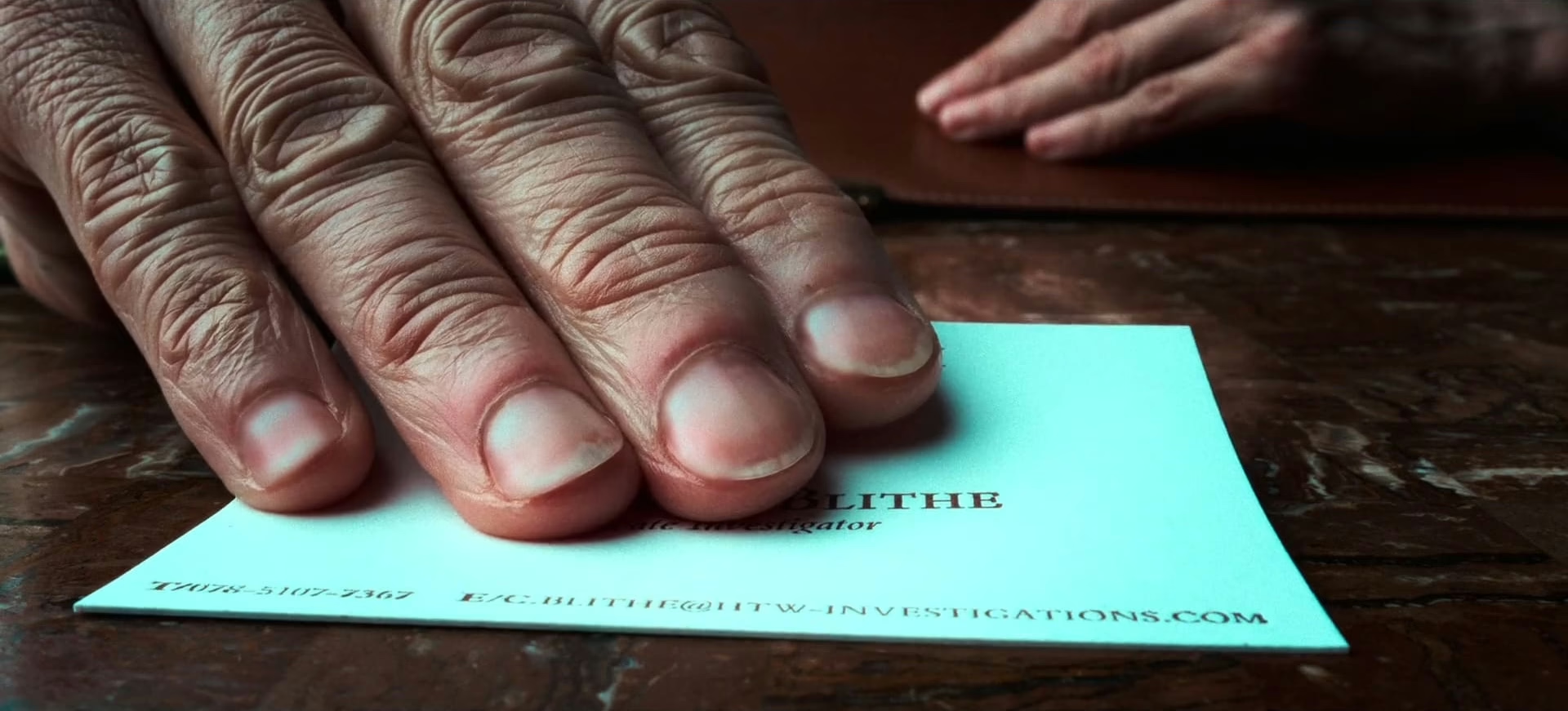
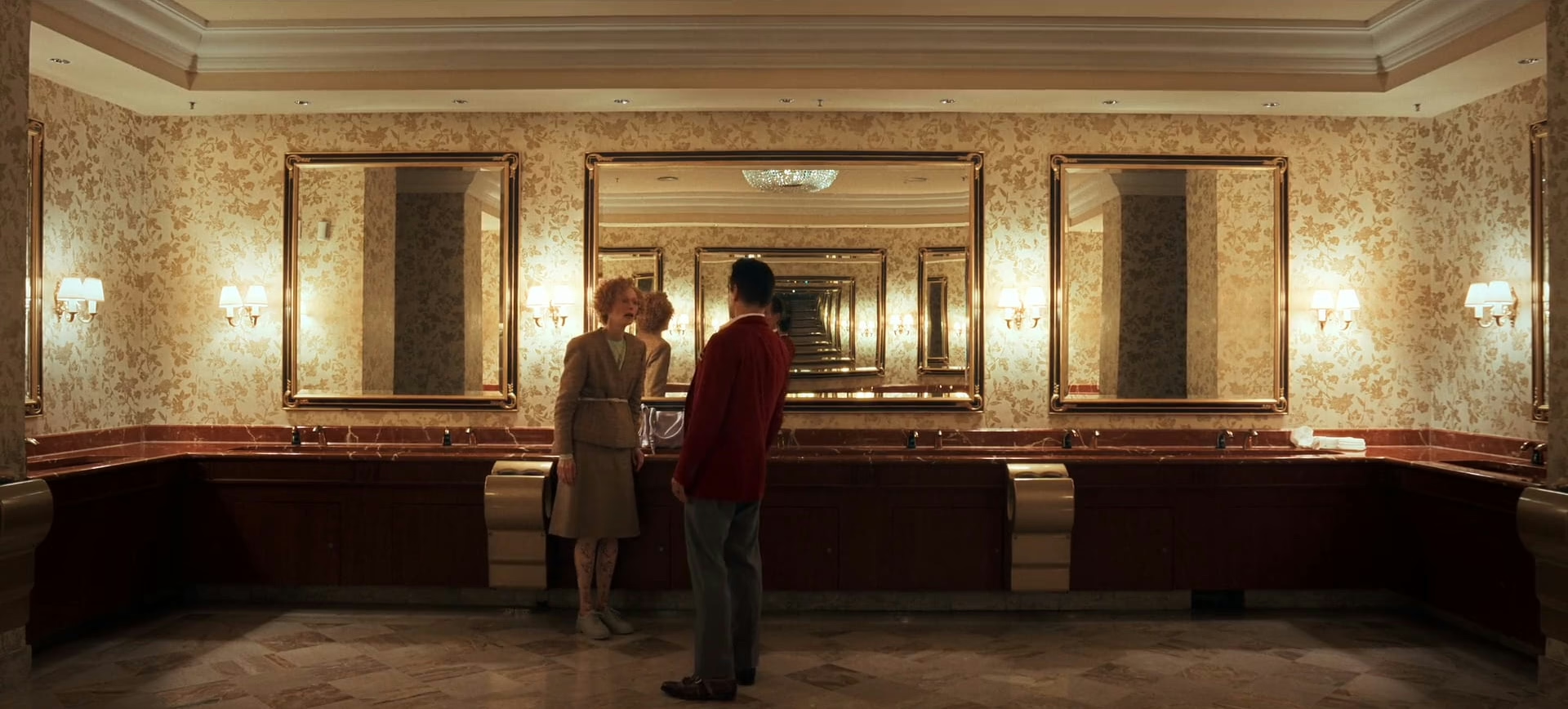
Unfortunately, Brendan’s time spent on tranquil waters is short-lived when temptation inevitably pierces composure. The deep, creaking groan of Dao’s wooden houseboat instils in him an unease that refuses to dissipate after his return to the city, echoing like an empty stomach that cannot be filled, and reverberating through Berger’s hyper-sensitive sound design as Brendan falls further into a hallucinatory realm of uncanny enigmas. Real world stakes tighten as Tilda Swinton’s private investigator tails him through gleaming casinos, yet the ghost which seems to linger over his shoulder stokes an even greater dread, seemingly presiding over a winning streak that morbidly resembles his friend’s old joke.
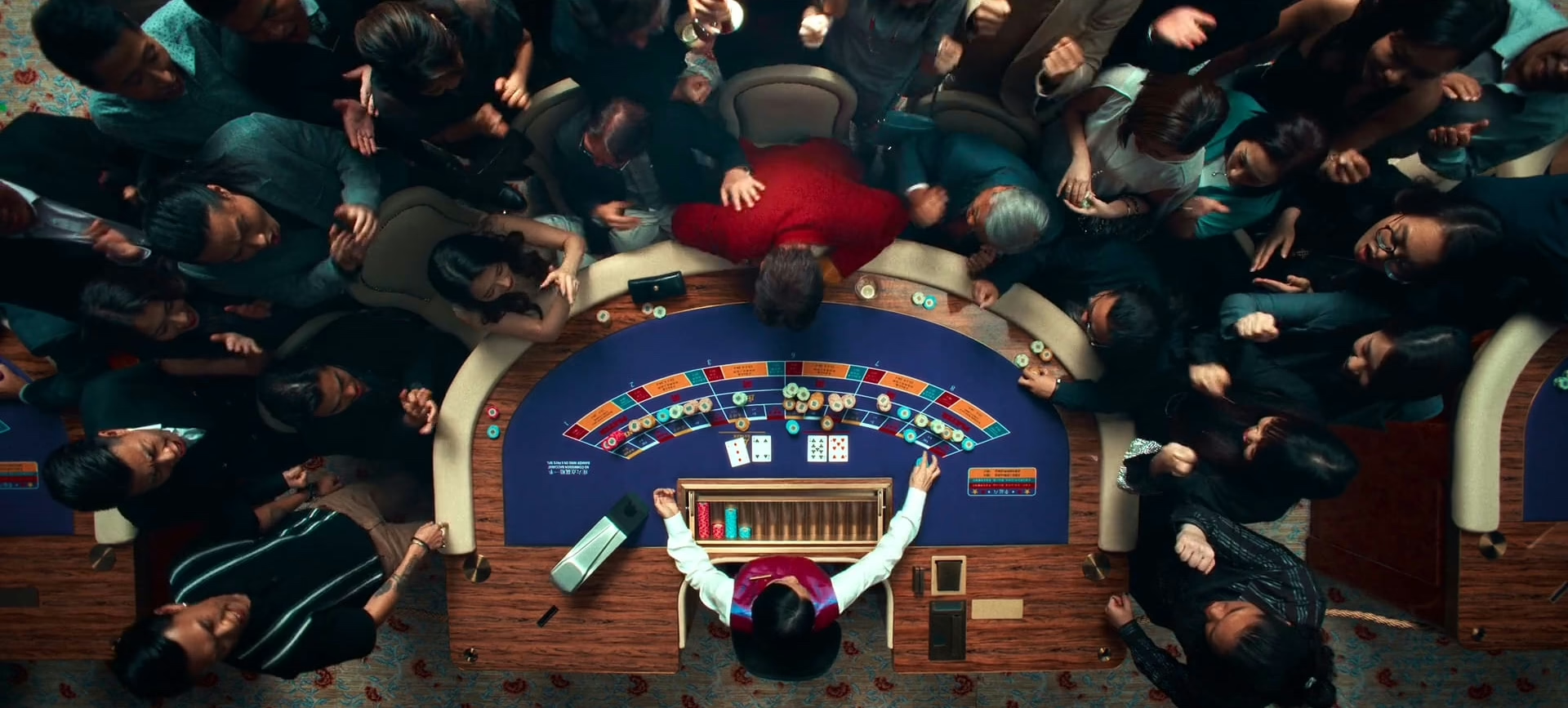
Indeed, perhaps a gambler’s luck is not quite the blessing it first appears to be, though of course the cost of such fortune rests entirely with the man who knows when to walk away. Even when faced with the Devil offering just one more bet that tips clearly in his favour, redemption is not entirely out of reach for this lost soul, though it would demand a herculean act of will to shatter an otherwise unbreakable cycle. More than just a place on Earth, hell is a condition of being in Ballad of a Small Player, and one that Berger hauntingly blurs into a gilded convergence of cultures, superstitions, and conflicting desires.
Ballad of a Small Player is currently streaming on Netflix.
I haven’t seen it yet but I do hope this movie gets re-evaluated by most movie fans one day cause I know a lot of people didn’t like this