Óliver Laxe | 1hr 55min

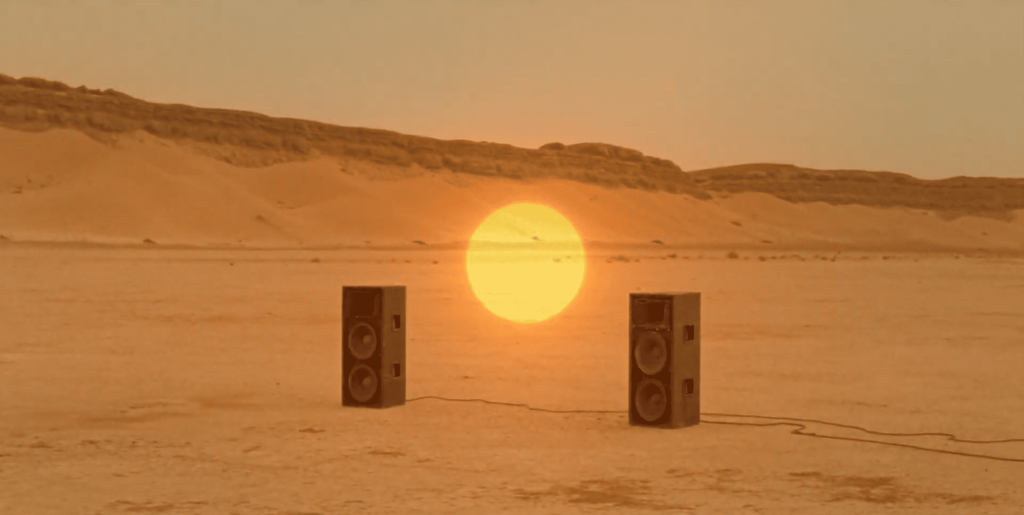
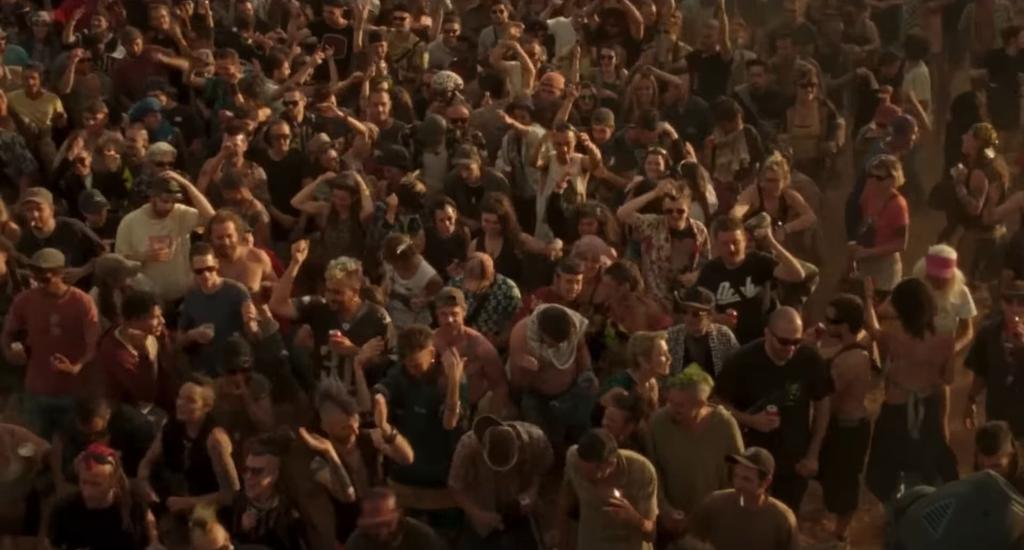
In the scorching heat of the southern Moroccan desert, ravers from across Europe gather to ingest psychedelics, dance without inhibition, and lose themselves in a trance of collective oblivion. There is no social hierarchy in its liminal space, where electronic rhythms pound like ritual drums and industrial frequencies batter bodies into submission, though this is not a grasp at escapism. Here unfolds a precarious form of transcendence, conjoining ecstasy and danger in a modern pilgrimage that destroys some, and leaves others as surviving witnesses to something unspeakable. Even after returning to the illusory comforts of civilisation, they will never be the same. Just as there is no undoing enlightenment, there is no erasure of the trauma required to reach it.
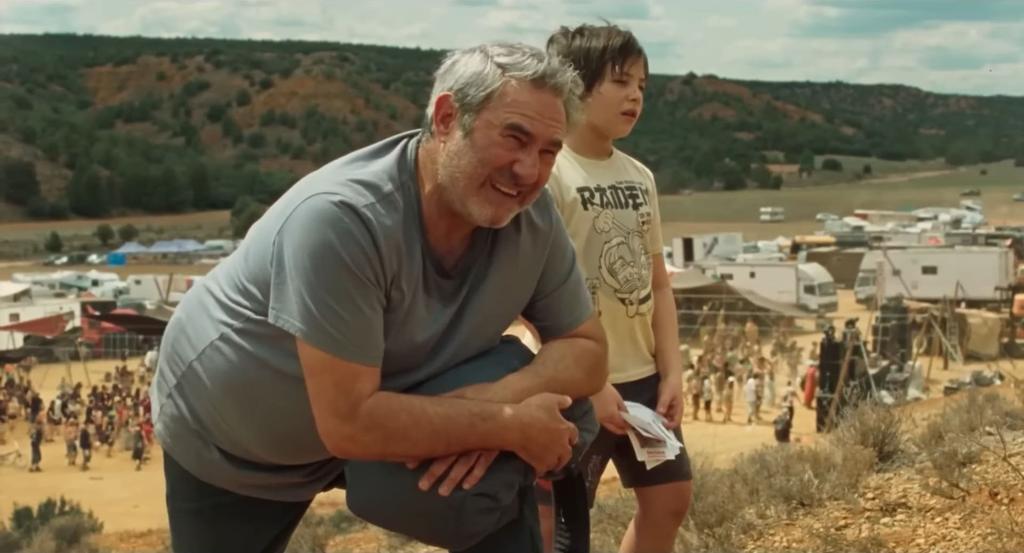
Therein lies the paradox of Óliver Laxe’s metaphor in Sirāt, named after the bridge in Islamic eschatology that connects hell and paradise. “It is narrower than a strand of hair, sharper than a sword,” the opening text warns us, foreshadowing the peril that comes with such a transformative journey. It is not a path that Luis intends to traverse when he initially sets out to find his daughter Mar, who has disappeared into the local rave culture, yet it is one he is nonetheless forced to undertake with his teenage son Esteban by his side. Helped along the way by an eccentric group of ravers navigating Morocco’s arid expanse, he is thus drawn into a delirious, treacherous odyssey, testing the limits of one’s physical and psychological endurance against the edge of sanity.
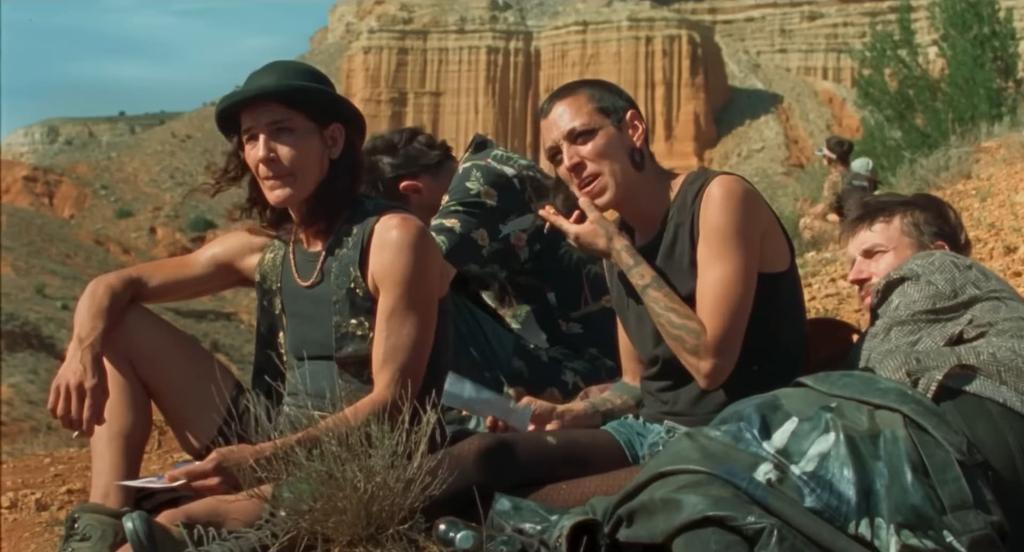
Just as the desert once bore witness to the Temptation of Christ, so too does it deliver Luis his own trials of mind and spirit – though to begin with, these are at least tempered by laughter and acts of kindness. Peculiar as the ravers may be, they inhabit a community of shared food and resources, and Luis’ initial anxiety slightly eases off as he recognises solidarity in their spiritual abandon of the material world.
Unfortunately, this peaceful reprieve is short-lived. Each obstacle placed in his path appears to increase in severity, as if purposefully placed by an indifferent, divine hand, and he is evidently unprepared for such ruthless ordeals. Forced to cross unforgiving rivers, endure his dog’s poisoning, and brave lethal mountain passes, the option to turn back slips steadily out of reach, leaving him no choice but to press on toward the next great reckoning.
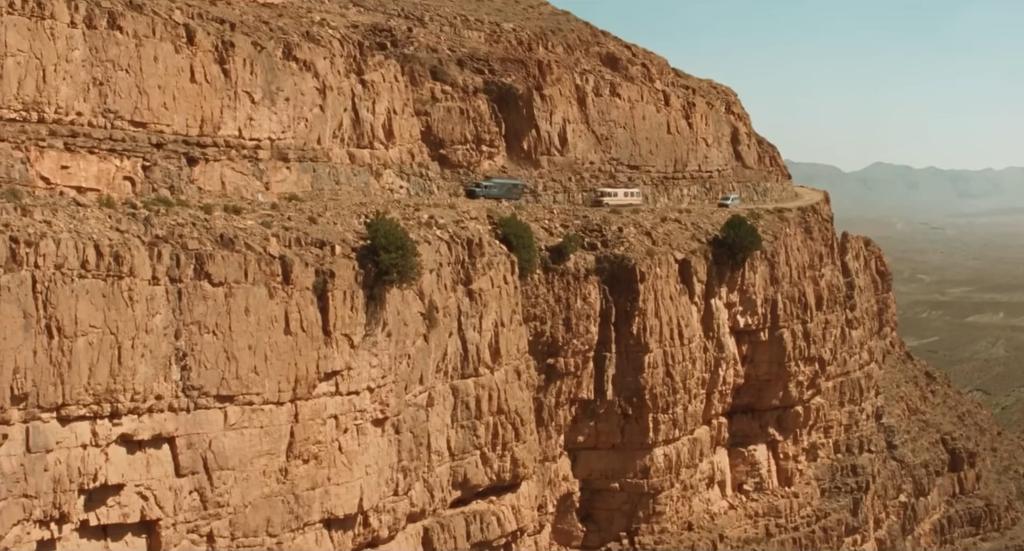
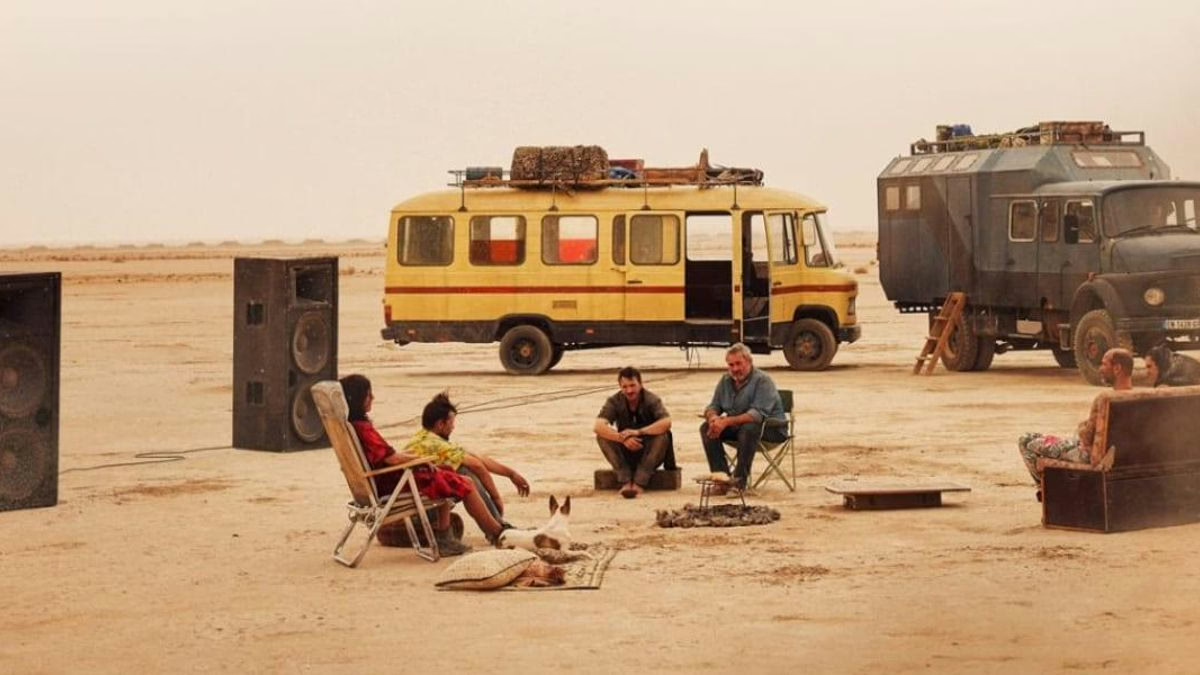
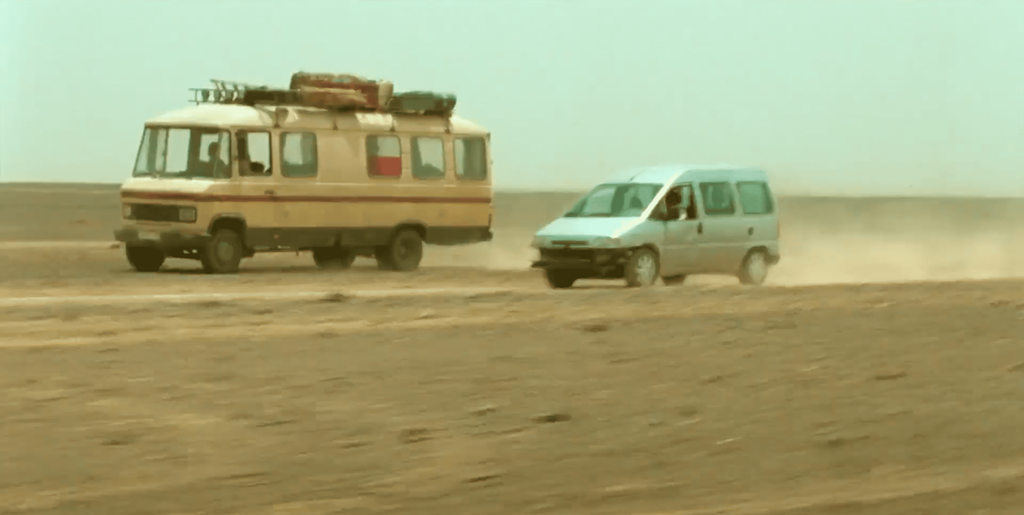
At a certain point, advancing deeper into the wilderness for Luis also means abandoning pieces of himself still clinging to familiar comforts, though the price is not always consciously paid. Within the ravers’ convoy of rattling trucks and caravans, his beat-up minivan appears woefully ill-equipped to navigate this merciless terrain, revealing just how deeply those fragile certainties of civilisation are ingrained within him. As Laxe’s camera hurtles alongside them through clouds of dust, Sirāt even unexpectedly echoes the grungy, diesel-fuelled anarchy of Max Max, barrelling forward into a horizon that swallows everything in its path. All the while, dance music continues to thrum in ominous, repetitive rhythms, numbing reason and stretching time through its discomforting hypnosis.
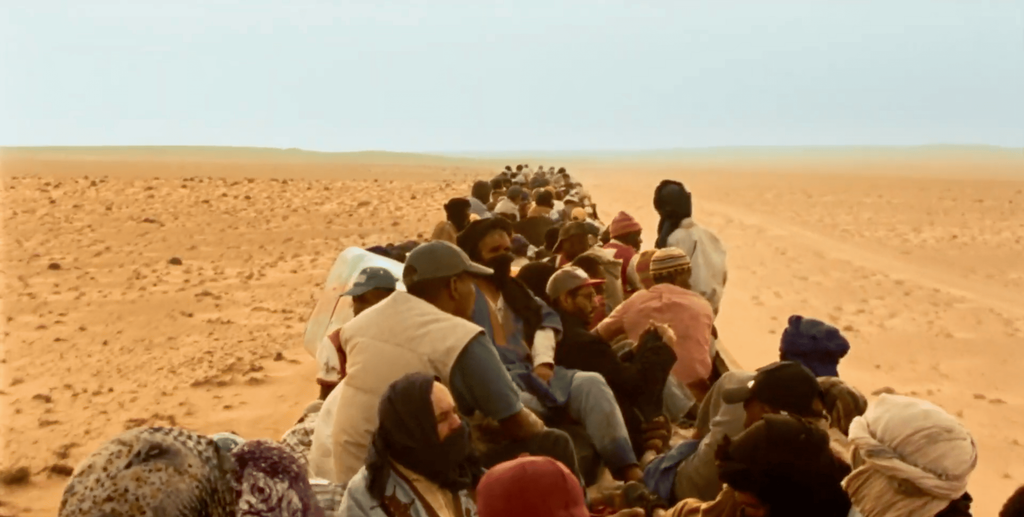
Perhaps most foreboding of all though is that which lurks just of sight. Somewhere far off, a war is escalating between nations, destabilising the world order that once promised safety and certainty. At first it only reaches the desert through radio broadcast, though eventually it begins to manifest in military vehicles tearing across barren planes and refugees riding precariously atop trains. Civilisation teeters on the edge of apocalyptic ruin, and still Mad Max parallels continue to resonate, raising the existential question at the heart of Luis’ journey – even if he does eventually find his way home, how much of it will be left standing?
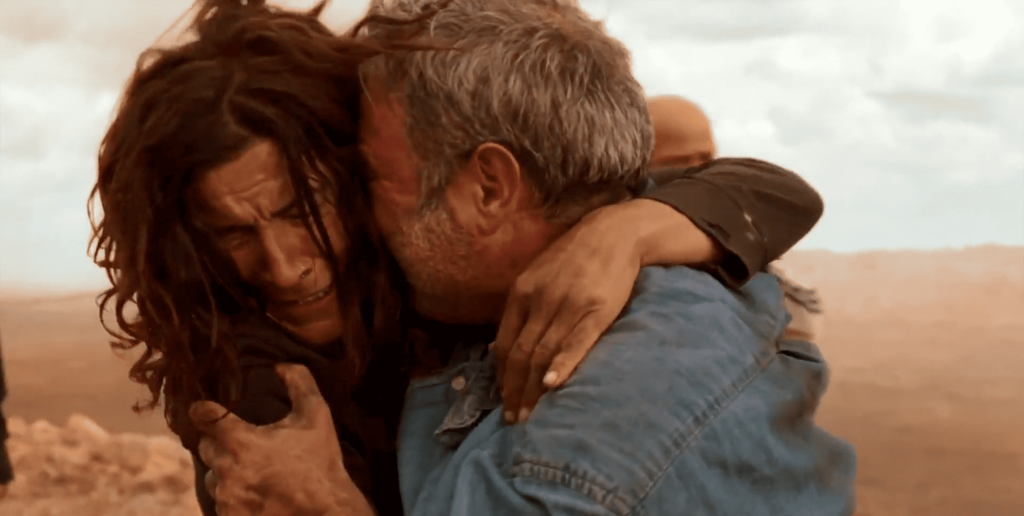
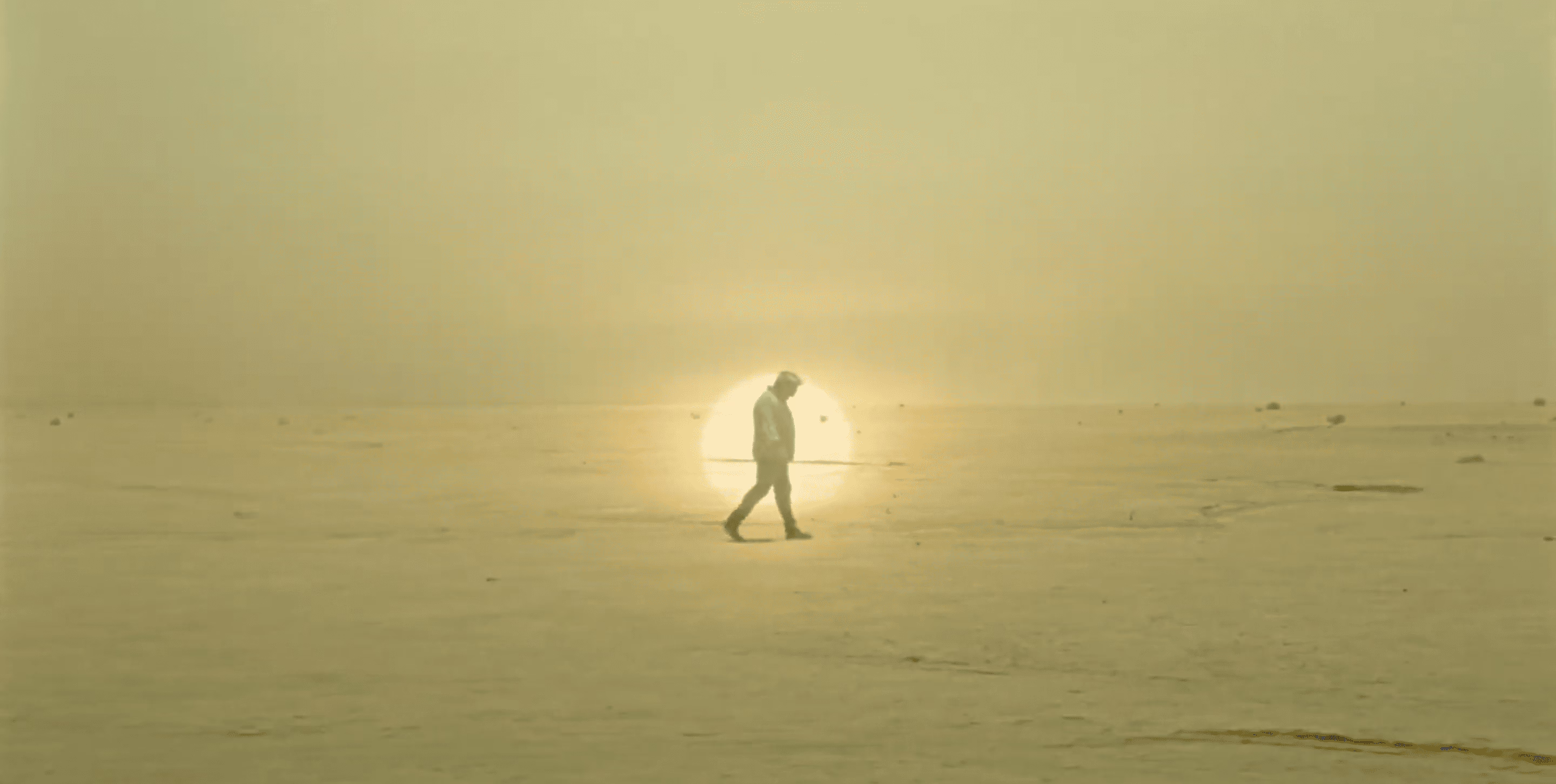
As Sirāt reaches its apex however, the answer to this question becomes entirely inconsequential. In a moment of transcendent clarity, we witness whatever tethers Luis to his world of certainty fall away. Perhaps it is born of nihilism, resigning him to a cleansing grief, yet it nonetheless marks a surrender to something larger than he could have ever comprehended before entering the desert. His mind is clear, and his body moves with unerring purpose along an impossible path, guided by instinctive attunement to his surroundings. We can see that the ego which fears, calculates, and seeks order has died, and in that emptying of self, the key to survival is discovered.
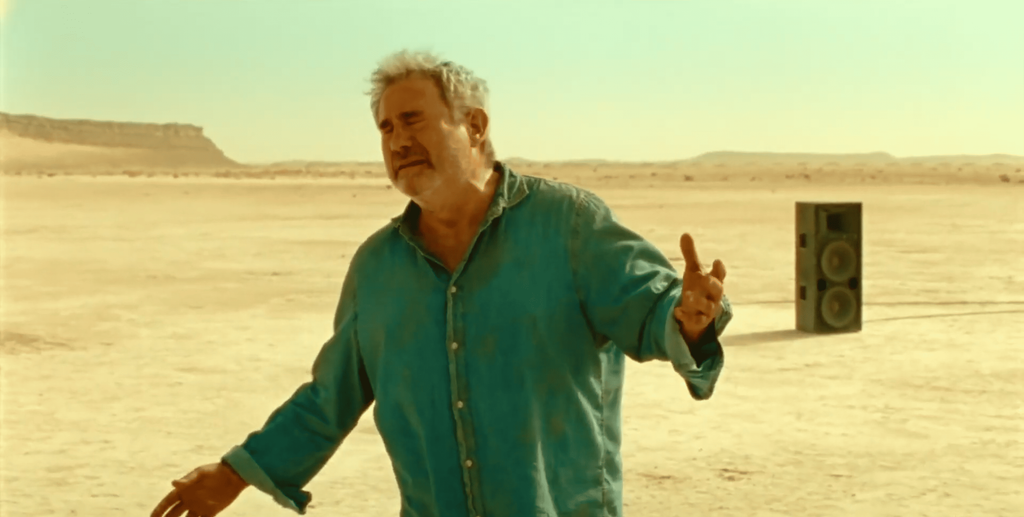
There is deliverance to be found on this bridge between hell and paradise, though it evidently does not come without tremendous, shattering sacrifice. Dragging us through dust, heat, and excruciating tension, Sirāt deposits us into an unfamiliar world on the far side, wholly aware of what has been lost and may never be reclaimed. Whether the journey ultimately claims one’s life or identity, no one here emerges unchanged – yet for souls burdened by attachment, it may also be the only path to freedom in its truest, most disquieting form.
Sirāt is not currently streaming in Australia.