
-
The Best Films of the 2020s (so far)
The greatest films of the 2020s so far, from the growth of auteur television to boundary-pushing metamodernism.
-

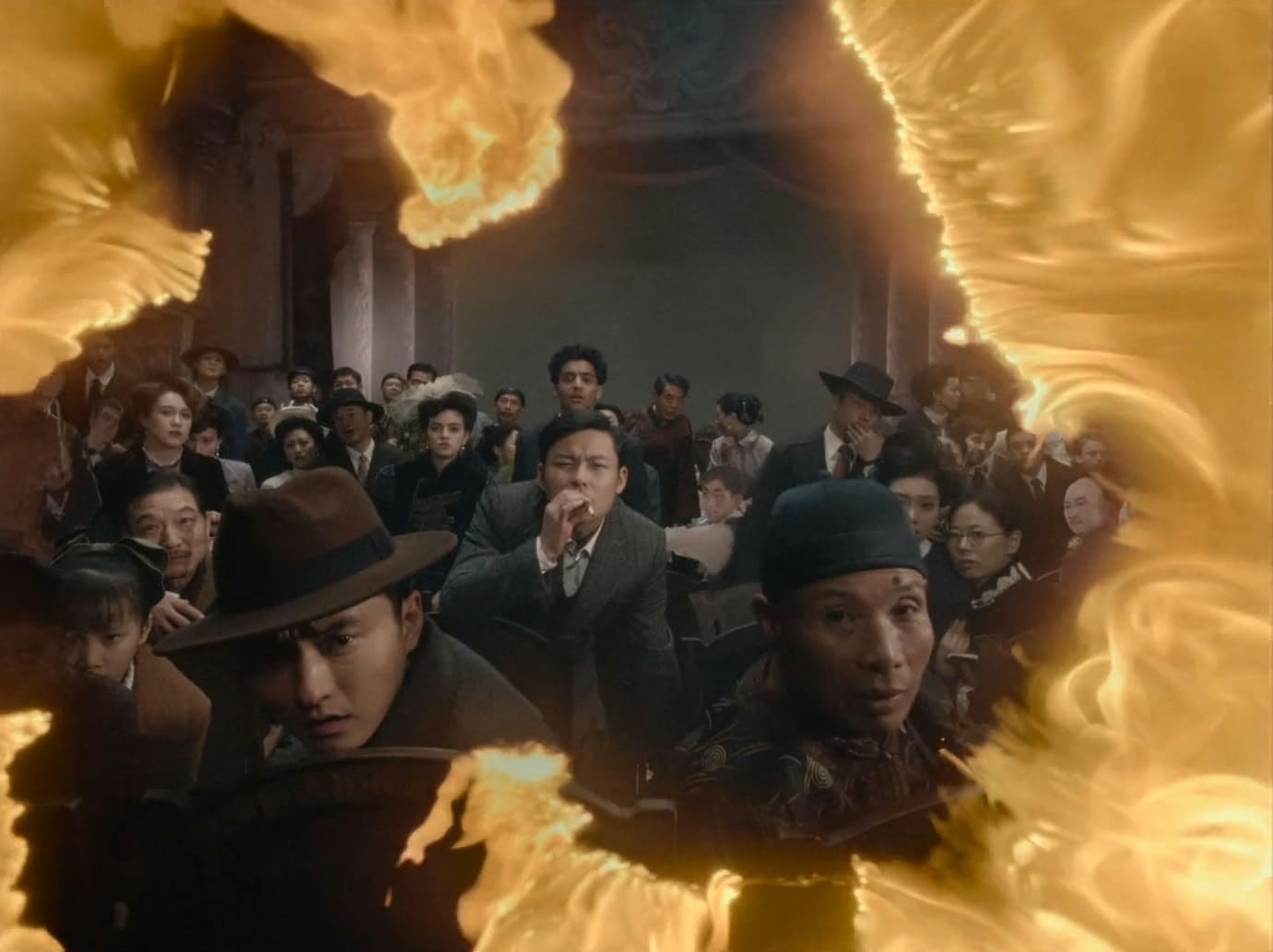
Bardo, False Chronicle of a Handful of Truths (2022)
Alejandro Iñárritu’s sprawling abstraction of one Mexican filmmaker’s existential musings may be absurdly funny at points, but in Bardo’s surreal, stream-of-consciousness dive into his lucid dreams, it is also a deeply spiritual work, building a mountain of rich visual metaphors to deliver one of the most formally complex and cinematically ambitious films of the past…
-
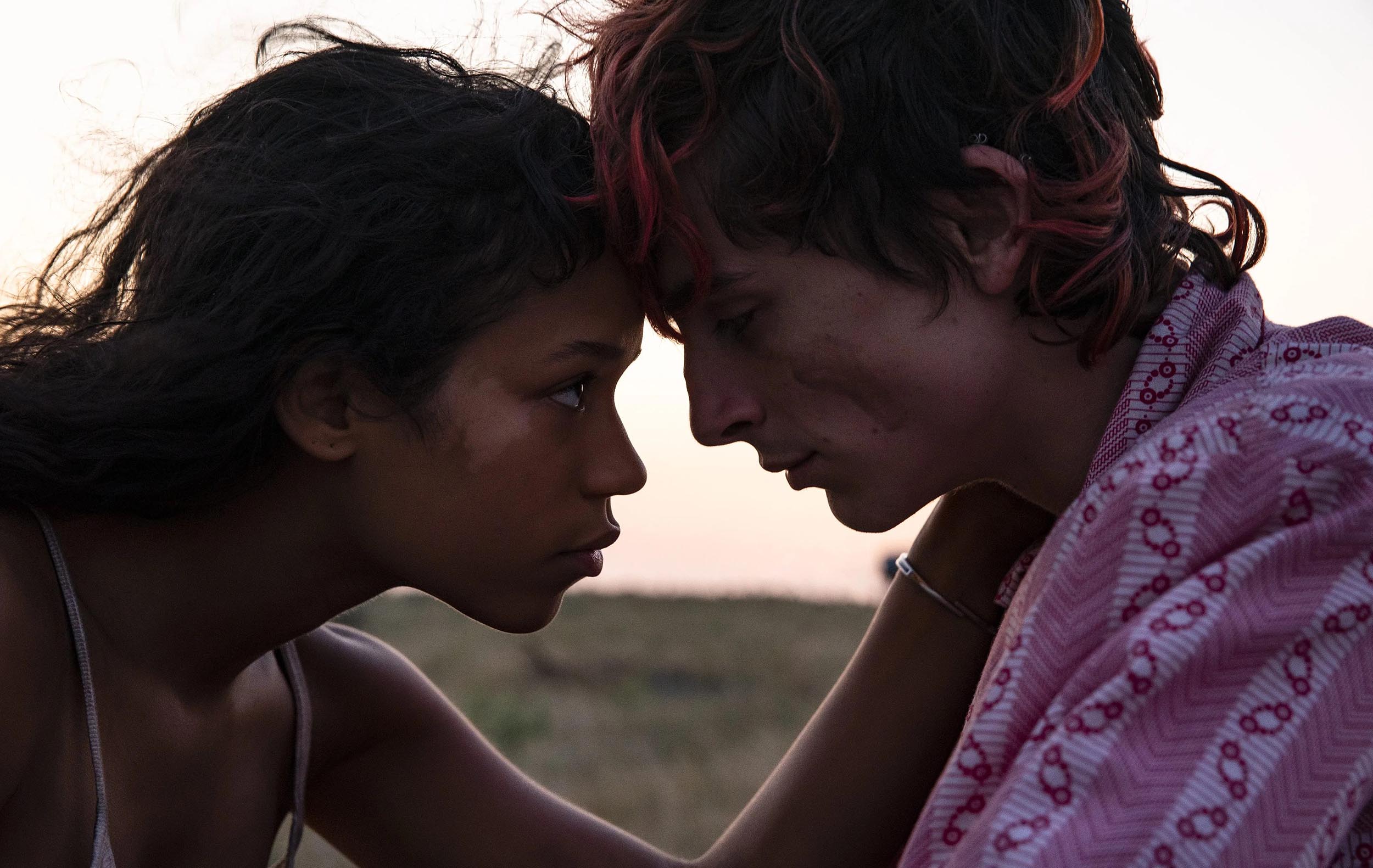
Bones and All (2022)
Haunted by cannibalistic urges ever since she was young, Maren sets out on a nomadic journey of self-discovery across America with fellow ‘eater’ Lee in Bones and All, and through Luca Guadagnino’s morbidly nuanced characterisations, he tenderly transforms this horror-tinged premise into a coming-of-age tale, a sweet romance, and a sensitive, queer allegory.
-

She Said (2022)
She Said wisely does not dip into the familiar aftermath of Harvey Weinstein’s sexual abuse allegations, but rather centres on the painstaking investigations that toppled over dominoes towards the earth-shattering exposé, building an ensemble of affecting performances atop a sensitive screenplay that carries us through stretches of otherwise uninspired visual direction.
-
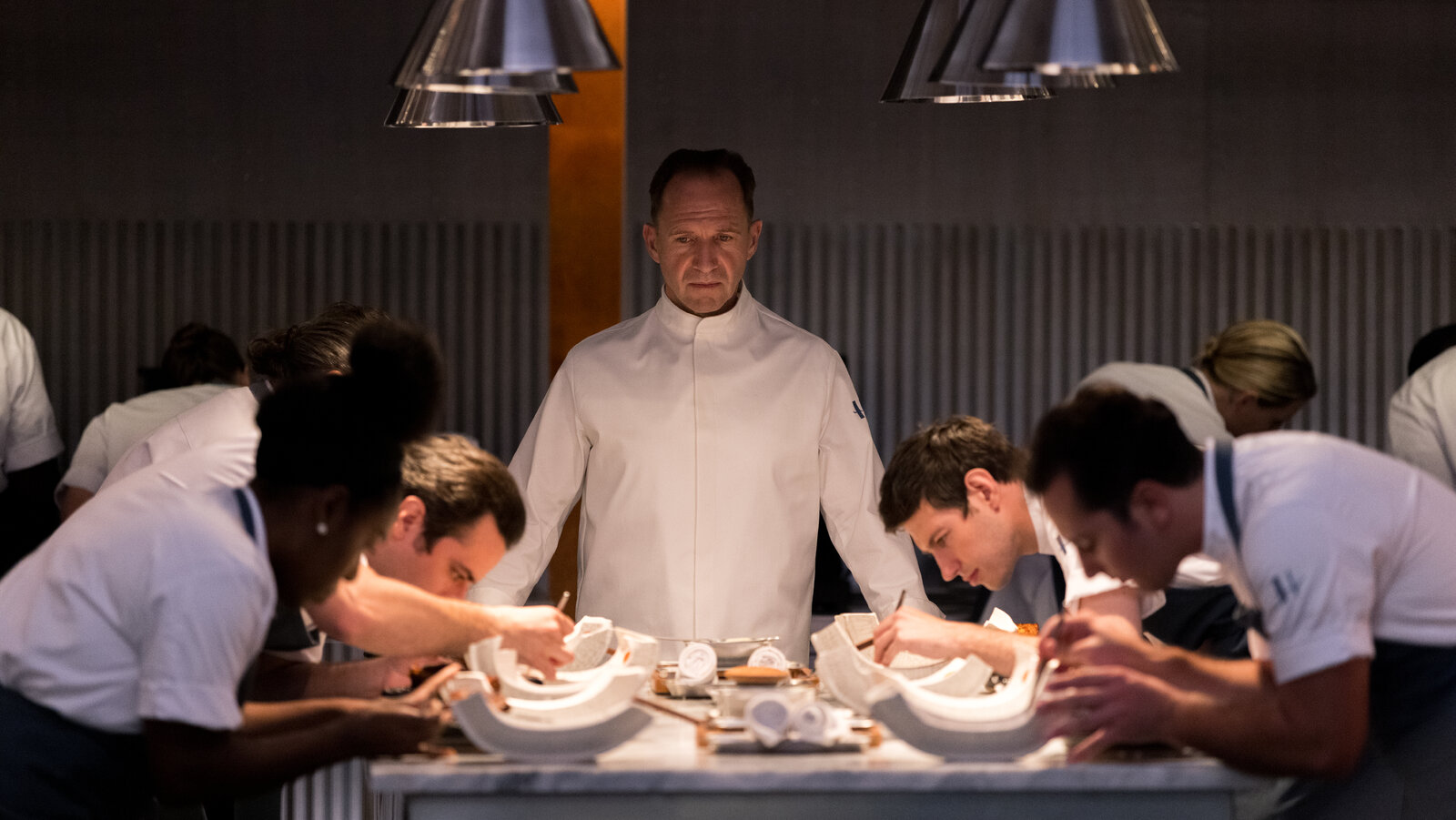
The Menu (2022)
Through The Menu’s gradual descent to gastronomical madness, Mark Mylod crafts a biting horror satire of up-class foodie culture full of all its recognisably niche archetypes, plunging one group of wealthy restaurant goers into the twisted mind of a resentful chef determined to inflict upon them the disturbing consequences of their arrogant, commercialised pretension.
-
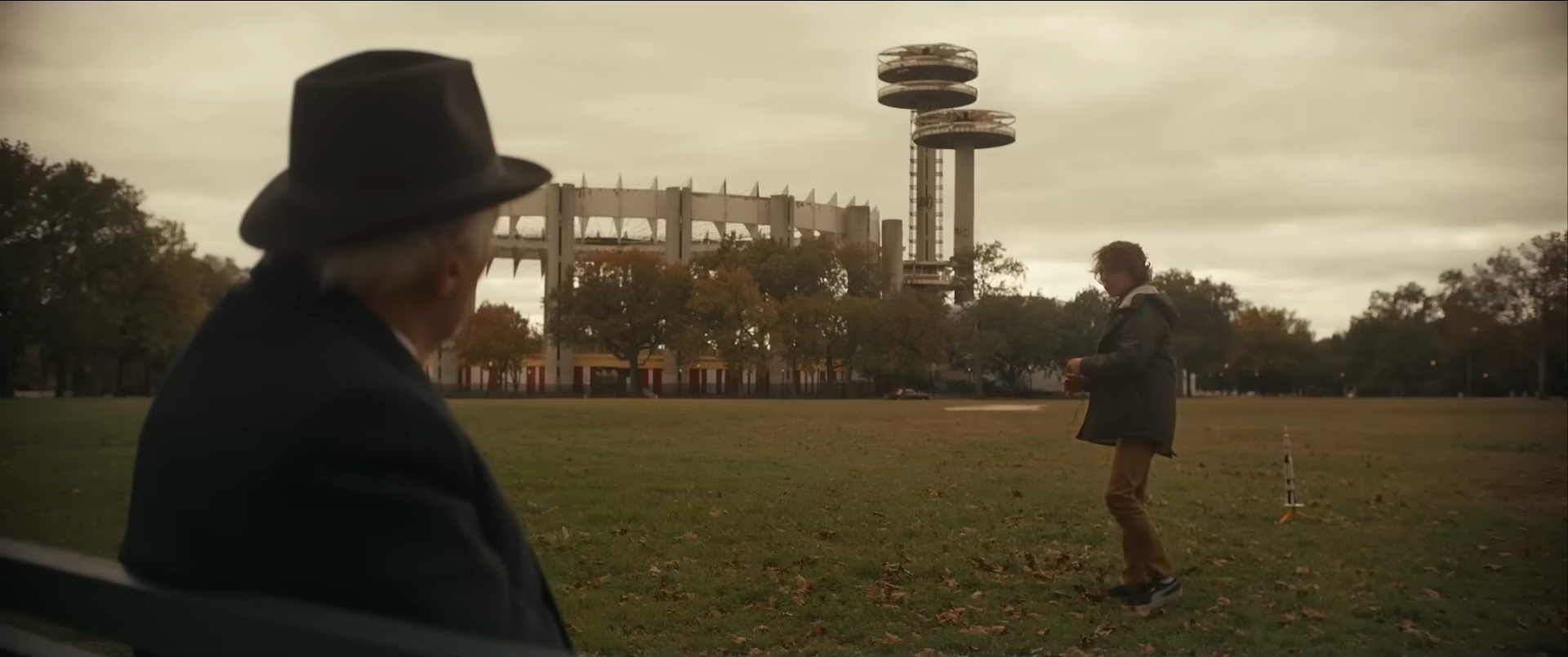
Armageddon Time (2022)
In his light sepia filter and lavish retro design of 1980s New York, James Gray infuses Armageddon Time with a nostalgia that could only exist in the eyes of a child as innocent as him, thoughtfully examining a survivor’s guilt that echoes across generations of inherited privilege, prejudice, and the cultural weight of Jewish history.
-
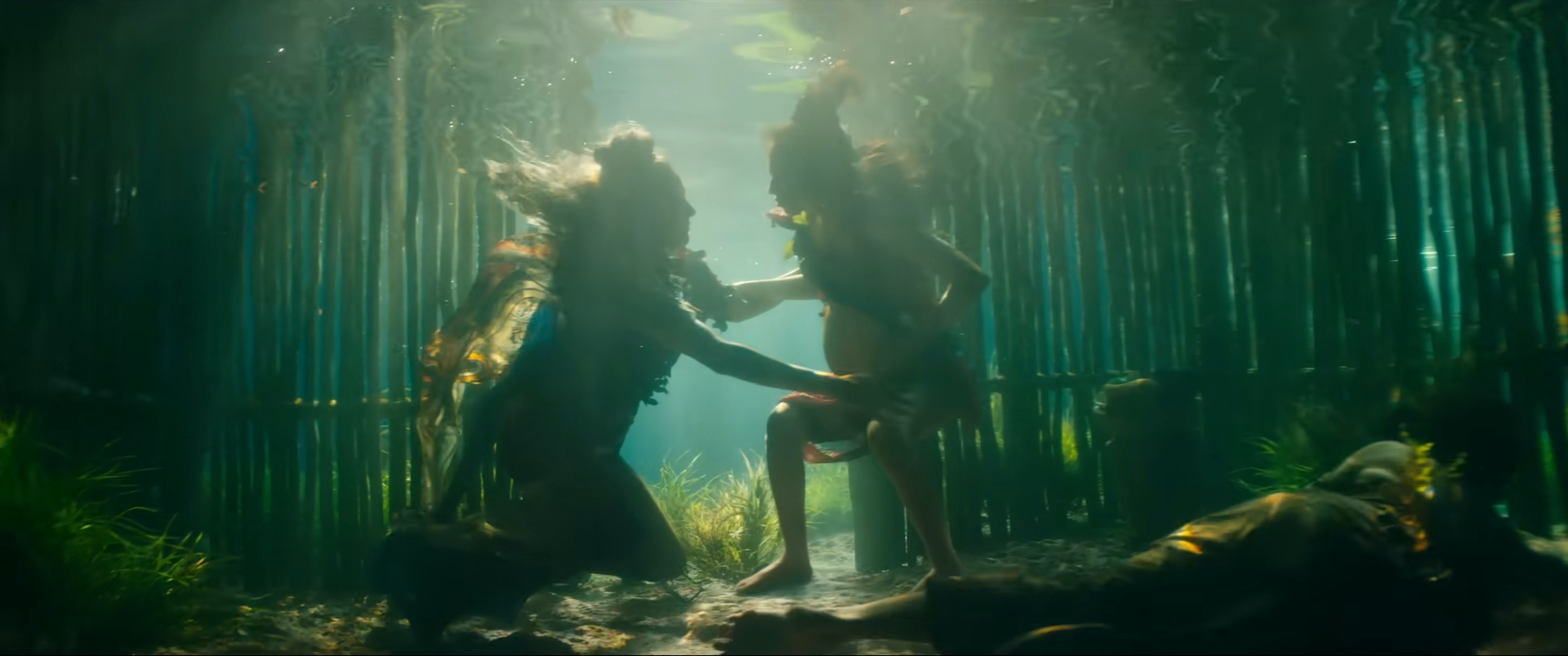
Black Panther: Wakanda Forever (2022)
The outpouring of grief felt in Black Panther: Wakanda Forever is a refreshingly sincere change of pace for Marvel Studios, as Ryan Coogler’s heartfelt eulogising for his late friend underscores new political tensions in Wakanda and the sophisticated world-building of a hidden, underwater kingdom, delivering a visual majesty that sensitively reflects on what has been…