
-
The Best Films of the 2020s (so far)
The greatest films of the 2020s so far, from the growth of auteur television to boundary-pushing metamodernism.
-
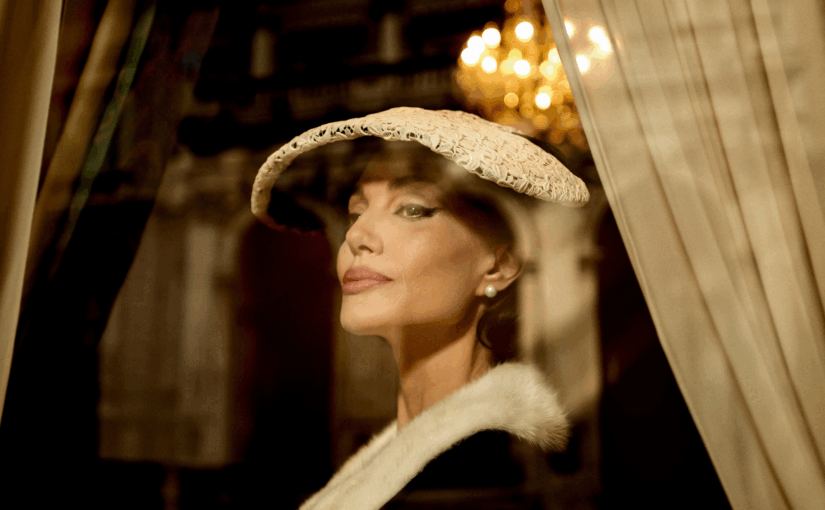
Maria (2024)
Opera singer Maria Callas’ astonishing talent is both her greatest gift and curse in Pablo Larraín’s impressionistic, melancholy biopic, simultaneously giving her reason to live and eroding her tormented soul as she wanders through the final week of her extraordinary life.
-
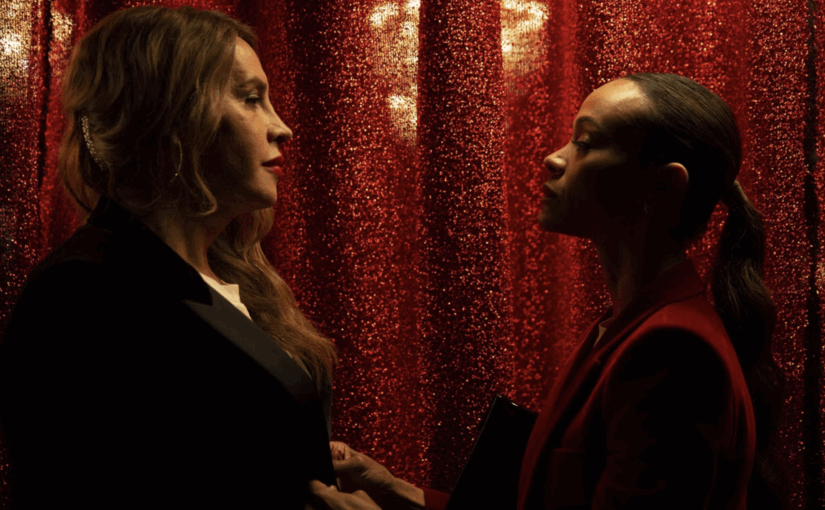
Emilia Pérez (2024)
Jacques Audiard is no hack, and there is some merit to the outlandish ambition of this pulpy, musical melodrama about a cartel kingpin’s transition, yet its constant misfires keep Emilia Pérez from ever settling on a coherent direction.
-
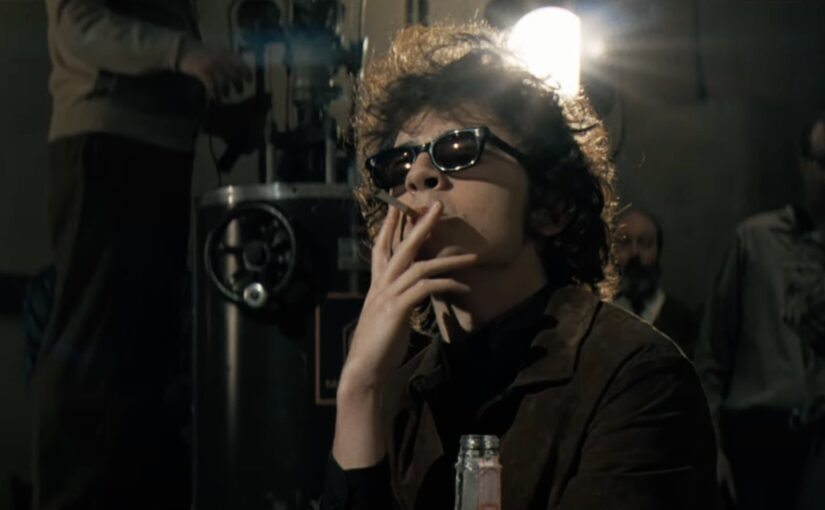
A Complete Unknown (2024)
The unity of art and politics was not exactly a new concept in the 1960s, but Bob Dylan’s refreshing brand of celebrity that is both radically outspoken and mysteriously private inspires awe in A Complete Unknown, soulfully capturing the countercultural icon’s elusive, inscrutable essence.
-
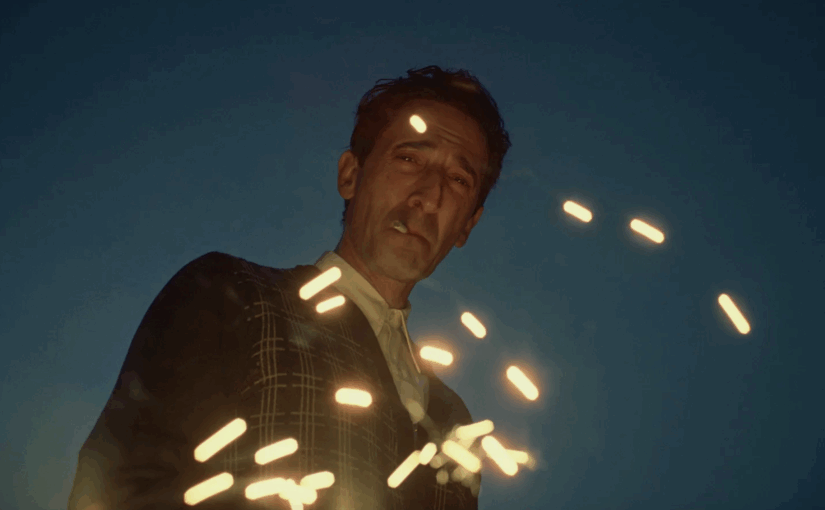
The Brutalist (2024)
As we traverse Brady Corbet’s epic saga of a Hungarian-Jewish architect forging a new life, his ties to both America and his homeland intertwine, yielding complex artistic fusions born of bitter nostalgia, soured dreams, and deep-seated cultural trauma.
-
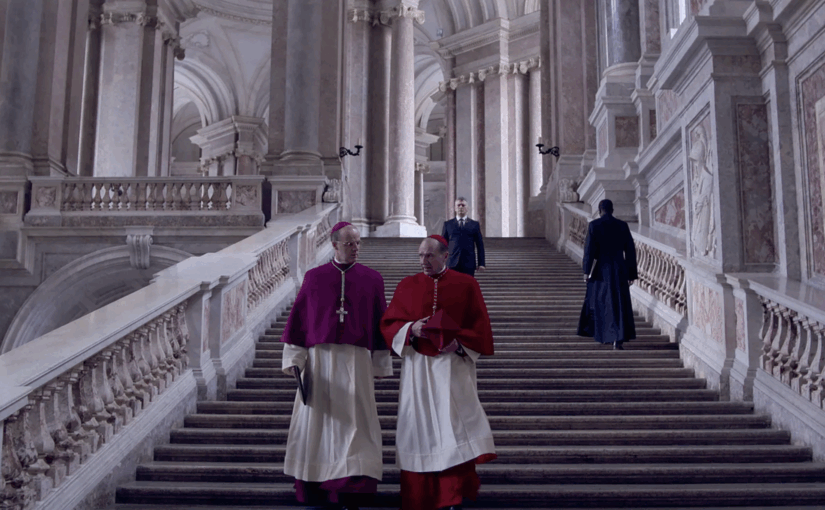
Conclave (2024)
What unfolds behind the closed doors of the Sistine Chapel in the wake of a pope’s death makes for a tantalising source of intrigue in Conclave, yet Edward Berger brings a solemn gravity to his staging of this suspenseful political thriller, exposing the secrets and moral weaknesses of those who vie for that newly vacant…
-
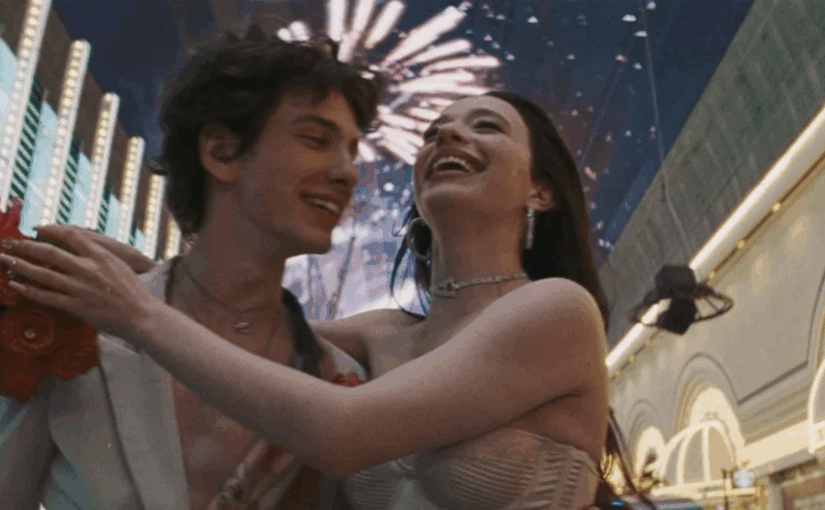
Anora (2024)
Sean Baker captures the whirlwind marriage between a New York stripper and wealthy Russian bachelor with spontaneous realism in Anora, colliding two worlds in euphoric, chaotic romance, and dragging it through the disenchantment of even messier heartbreak.