
-

The Best Films of the 1960s
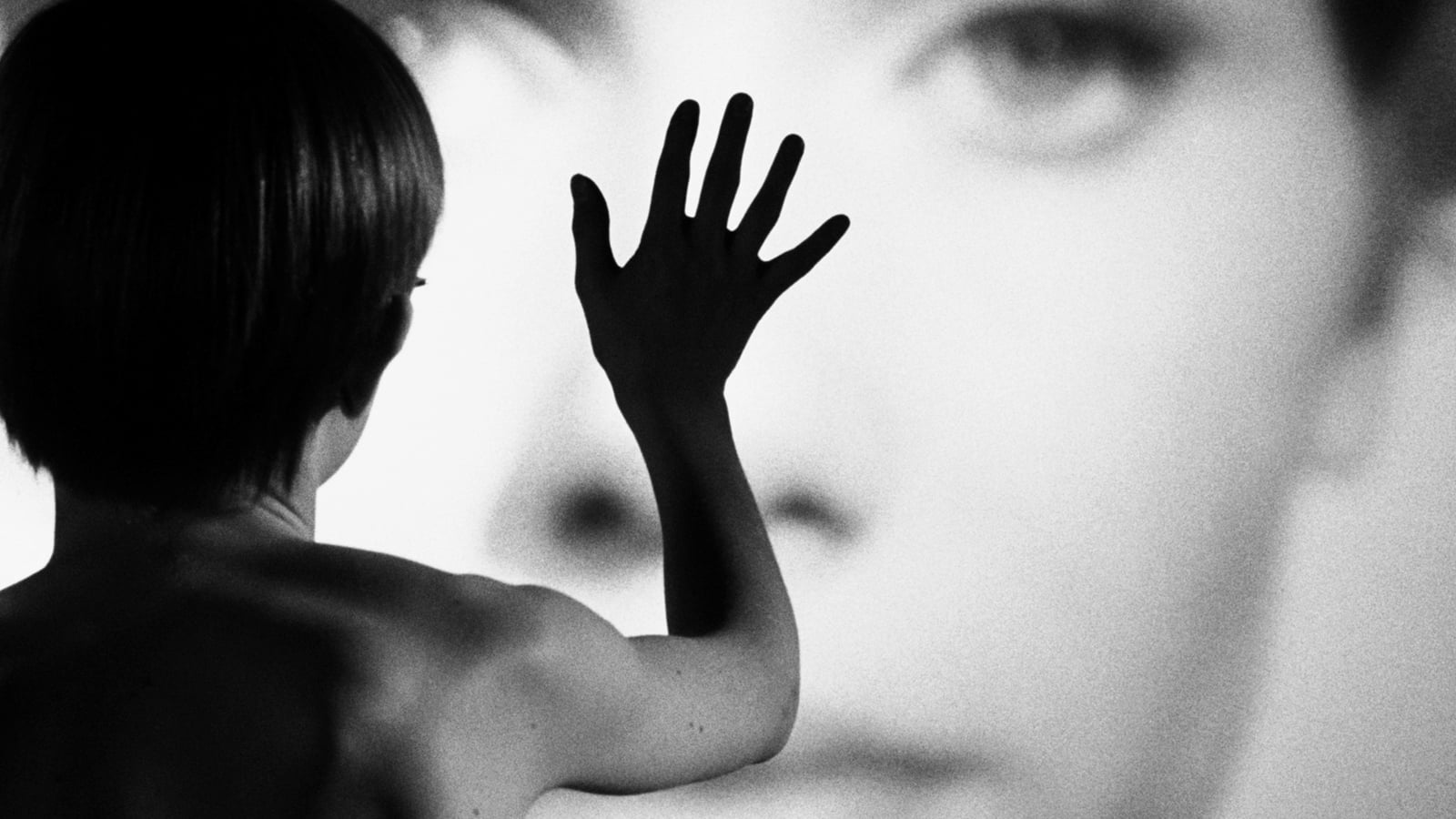
The greatest films of the 1960s, from the French New Wave to its subversive Spaghetti Westerns.
-
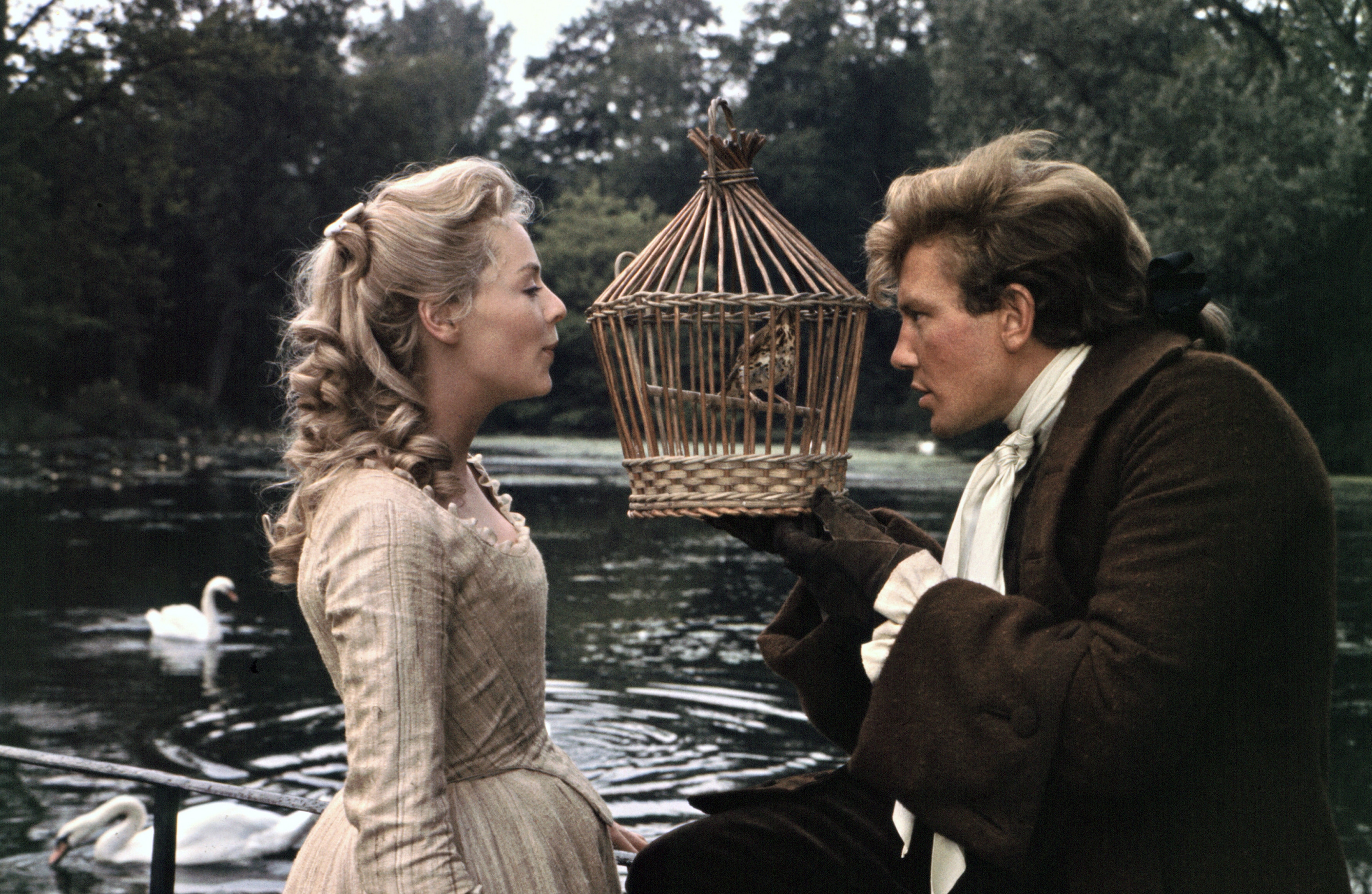
Tom Jones (1963)
Tony Richardson’s adaptation of classic novel Tom Jones is imbued with the rebellious spirit of the young maverick himself, throwing out the playbook of cinematic convention to skilfully blend highbrow social satire and lowbrow slapstick in its coming-of-age narrative, while finding comfort in the frivolities of an absurdly unpredictable world.
-
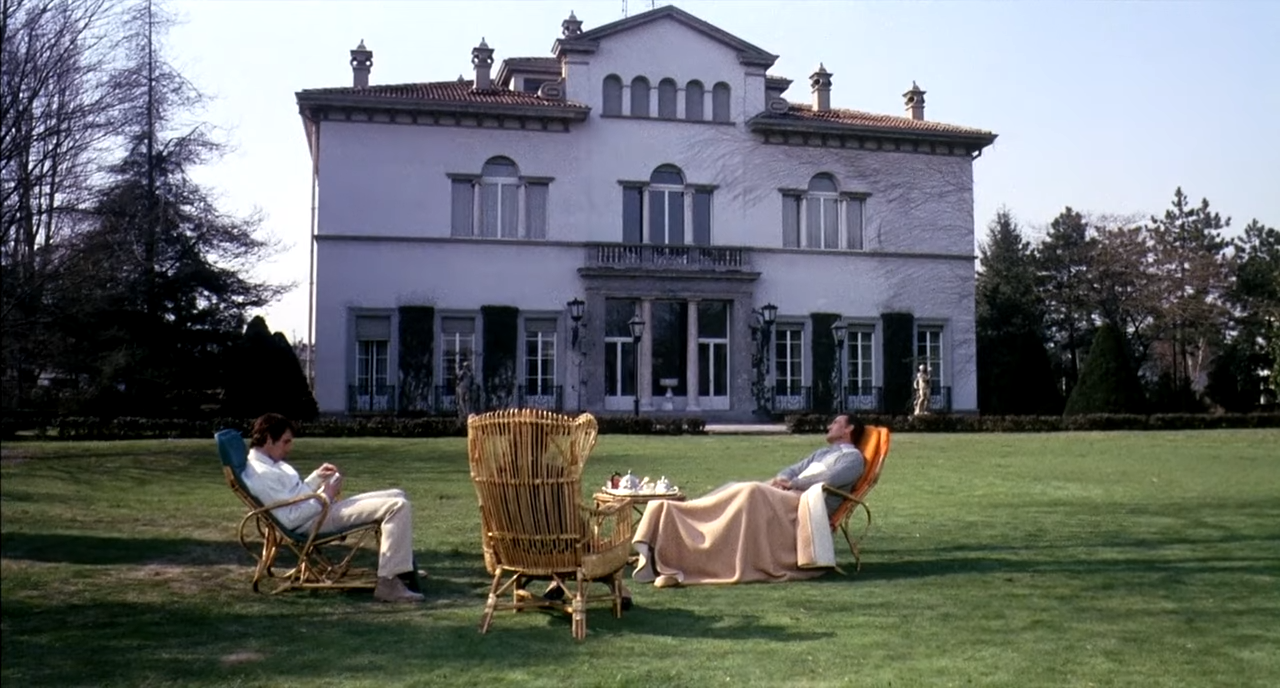
Teorema (1968)
The ease with which one mysterious Visitor falls into the life of a bourgeoisie family in Teorema is surprisingly intimate, but his spiritual and sexual influence is also a catalyst for seismic shifts in their superficial lives, as Pier Paolo Pasolini strips away the material distractions of class, capitalism, and religion to expose the emptiness…
-
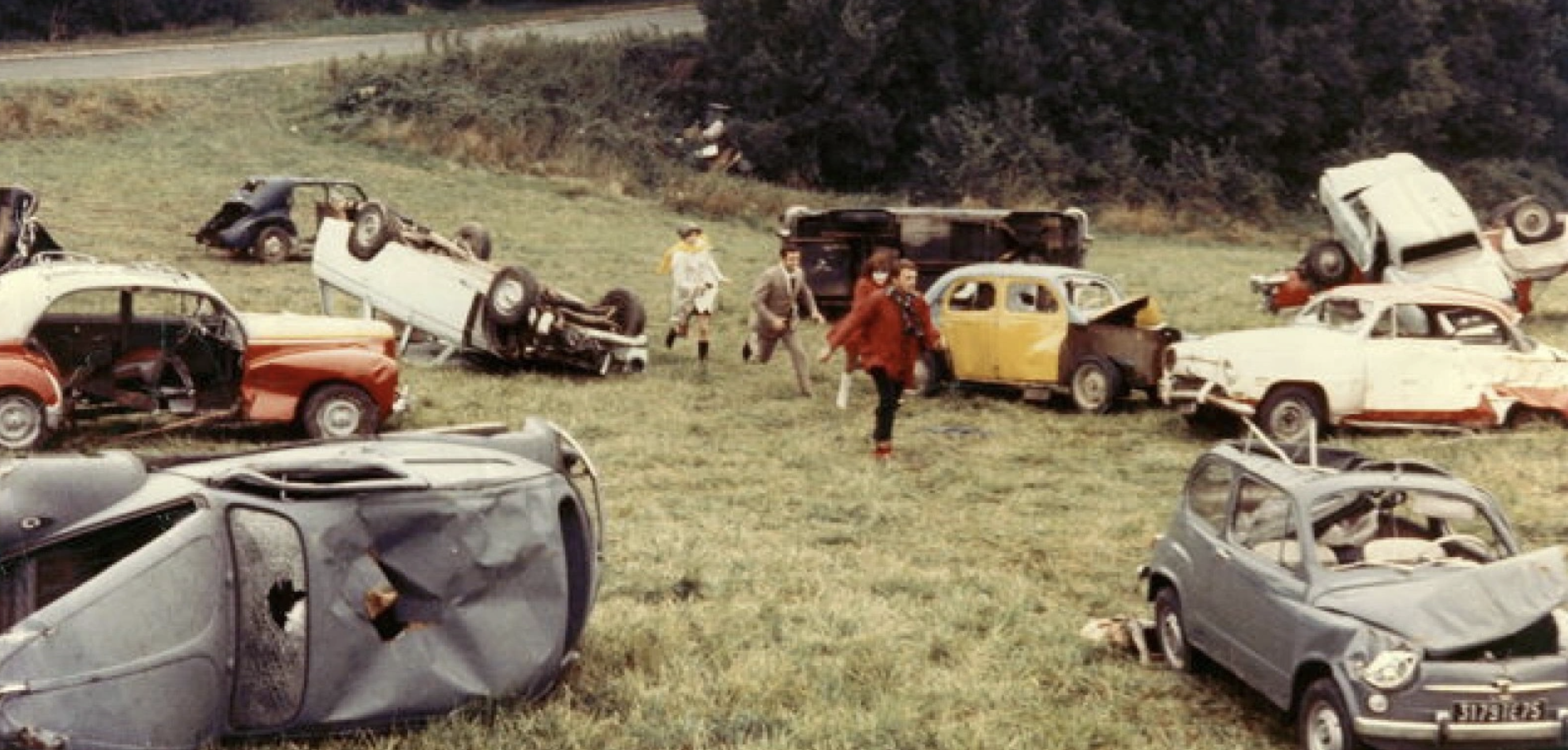
Weekend (1967)
Cars may have once been proud emblems of modern industry and progress a hundred years ago, and yet Jean-Luc Godard proves them to be nothing more than pathetically inept status symbols in the absurd odyssey of Weekend, whisking us through bizarre, dystopian landscapes that take down France’s materialistic bourgeoisie with deconstructive post-irony.
-
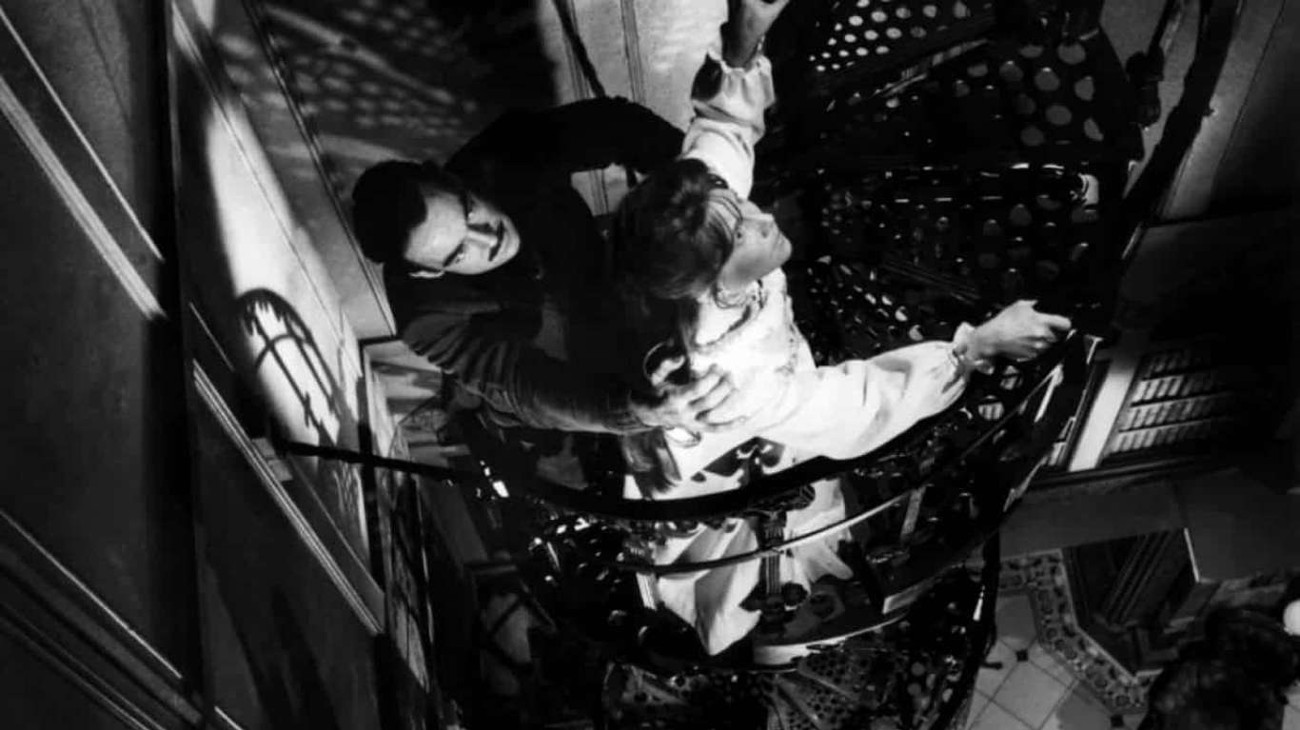
The Haunting (1963)
The only place willing to embrace those who have endured life’s deepest psychological pains in The Haunting is the cursed estate of Hill House, consuming its vulnerable visitors in Robert Wise’s expressionistic set pieces and writing out their chilling destinies in ghostly prophecies.
-
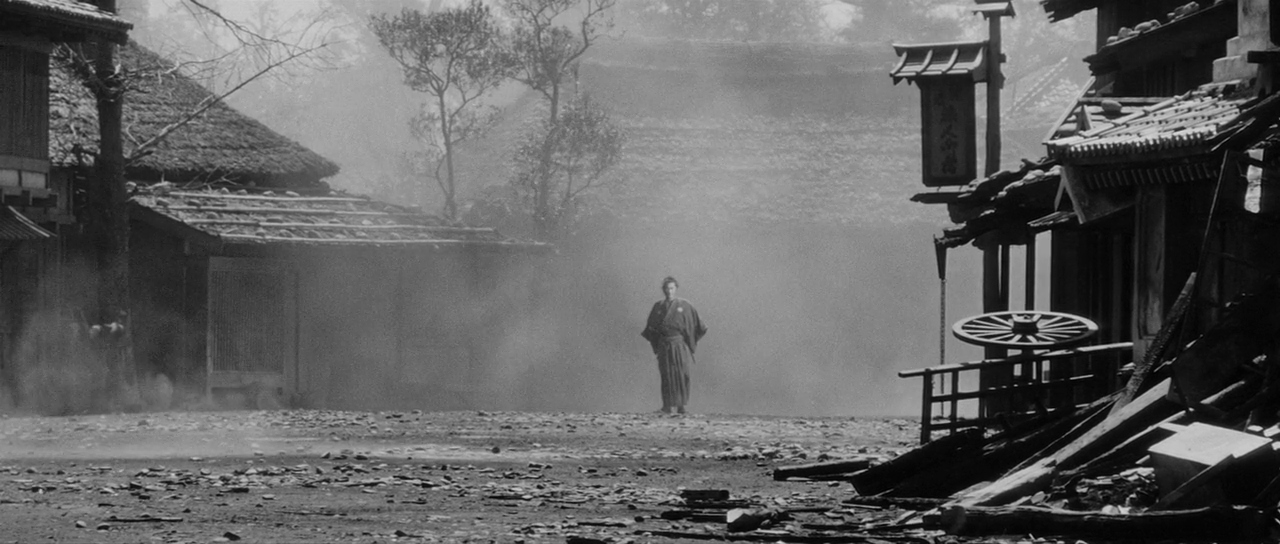
Yojimbo (1961)
Akira Kurosawa builds a complex ensemble of characters in Yojimbo’s compelling narrative of rival crime lords and Shakespearean power struggles, though it is the mysterious samurai who wanders into their midst who commands the greatest power of them all, seemingly walking straight out of Japanese mythology to save the town held hostage by a violent…
-
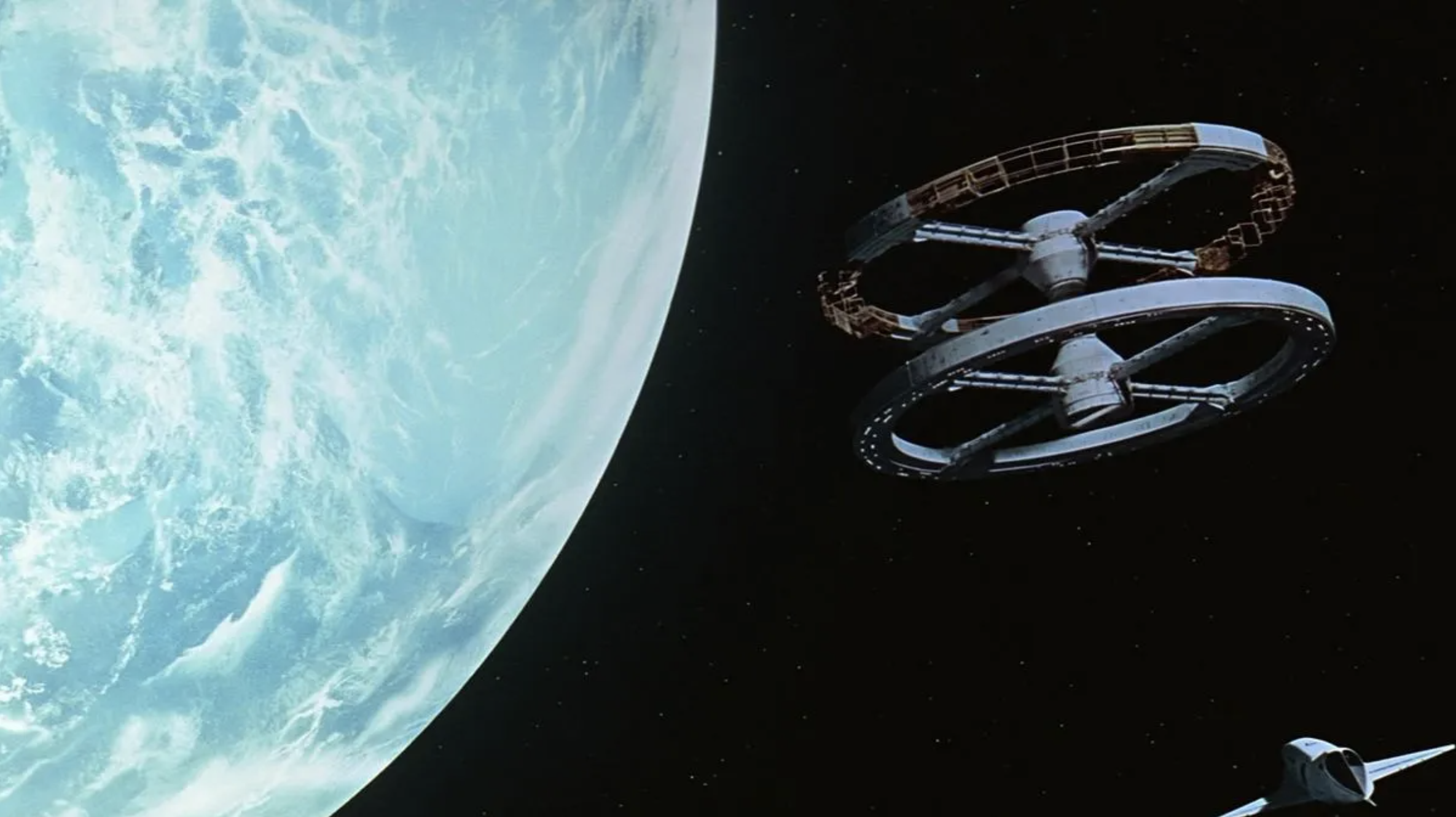
2001: A Space Odyssey (1968)
Through his indisputable talent as an avant-garde storyteller, Kubrick accomplishes a formal rigour and aesthetic precision in 2001: A Space Odyssey that so few artists have ever come close to, revealing a glimpse of humanity’s infinite potential through a staggering feat of filmmaking that measures up to the transcendent, cosmic scale it is representing.