
-

The Best Films of the 1960s
The greatest films of the 1960s, from the French New Wave to its subversive Spaghetti Westerns.
-
The Passion of Anna (1969)
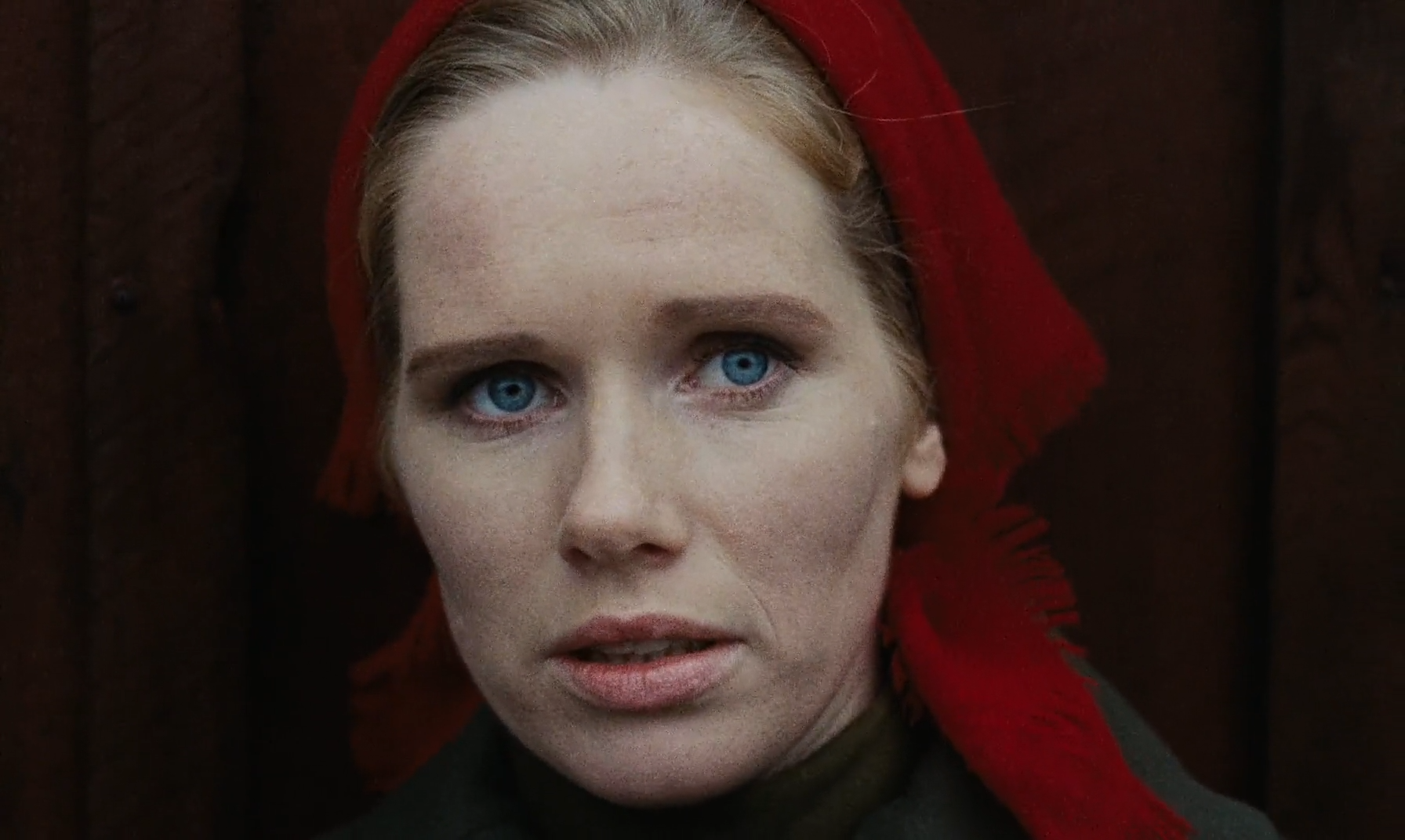
Ingmar Bergman’s personal turmoil during production of The Passion of Anna infuses this chamber drama with a shaggy, improvisational quality, deconstructing its titular widow’s grief with the same imperfect honesty which he himself is guilty of, and bringing a raw vulnerability to complex characters straining against each other’s cruelty.
-
Shame (1968)
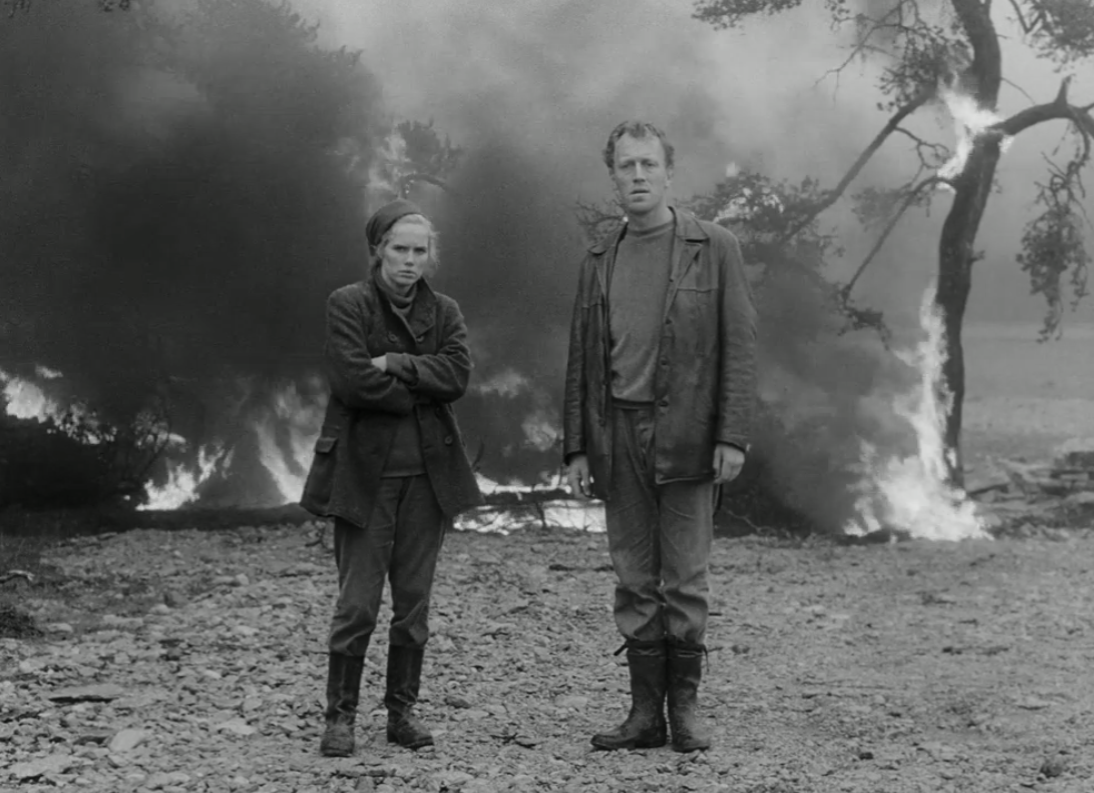
From the moment the first bombs start falling, Ingmar Bergman descends Shame into an irreversible degradation of innocence, love, and compassion, tragically twisting the souls of wartime survivors into distorted shadows of their former selves and taking this study of human violence to its logical, haunting end.
-
Hour of the Wolf (1968)
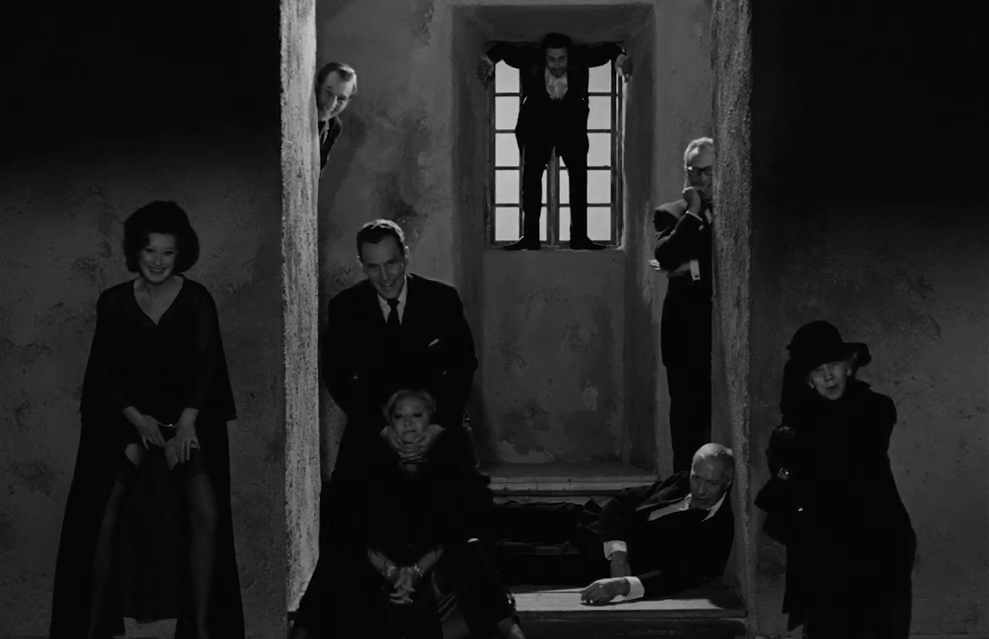
As we trace back the steps of one mentally tortured painter through the days before his disappearance in Hour of the Wolf, it becomes clear that no other Ingmar Bergman film has come this close to outright psychological horror, surreally warping our most intimate relationships into vulnerable weaknesses where demons come to play.
-
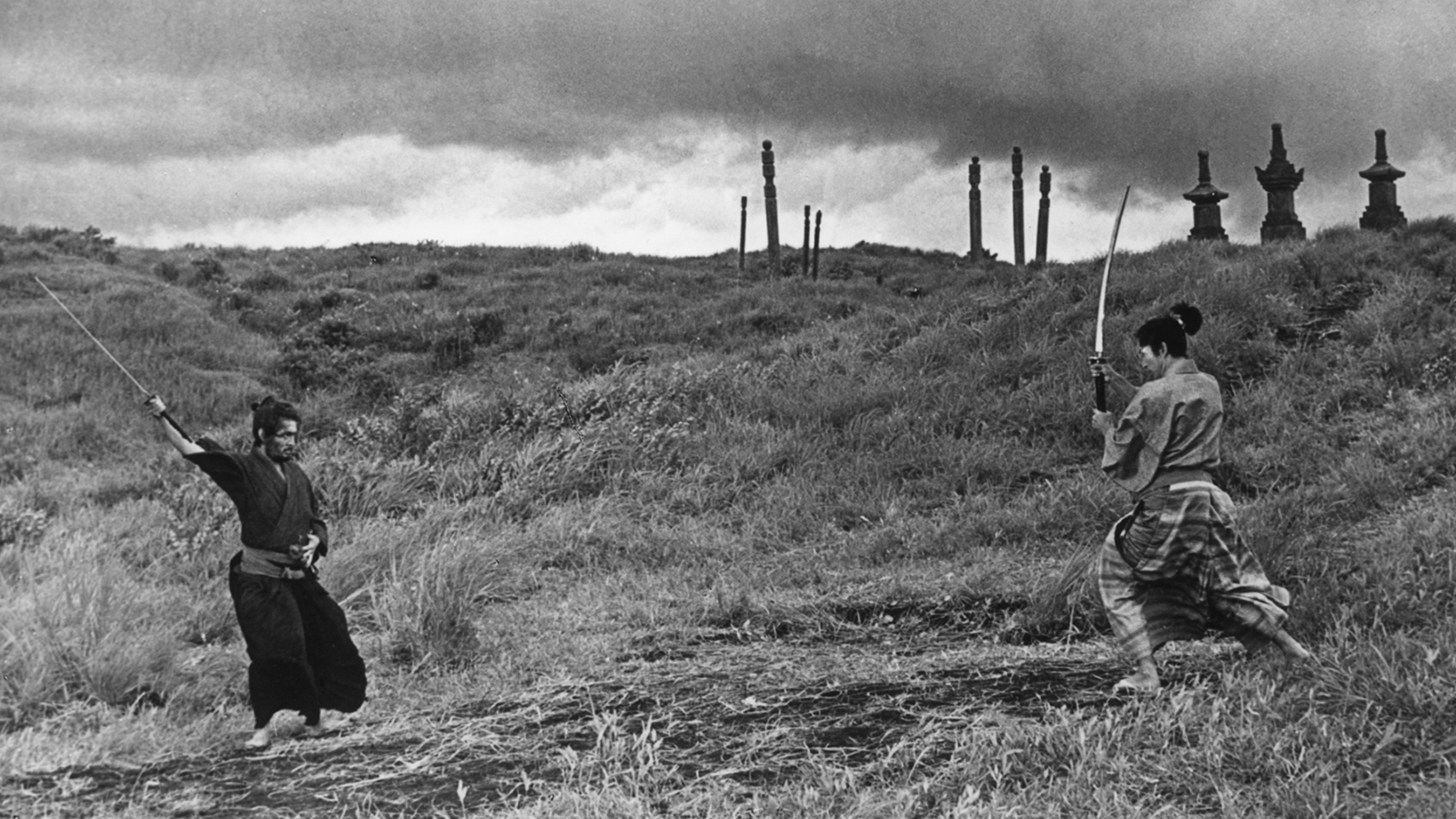
Harakiri (1962)
The corruption of samurai tradition in Harakiri has not merely unfolded through passive spiritual negligence, but rather arises from the flawed humanity hiding behind its facade, as Masaki Kobayashi thrillingly lays out a pessimistic Japanese fable of one man’s violent attempt to expose its total hypocrisy.
-
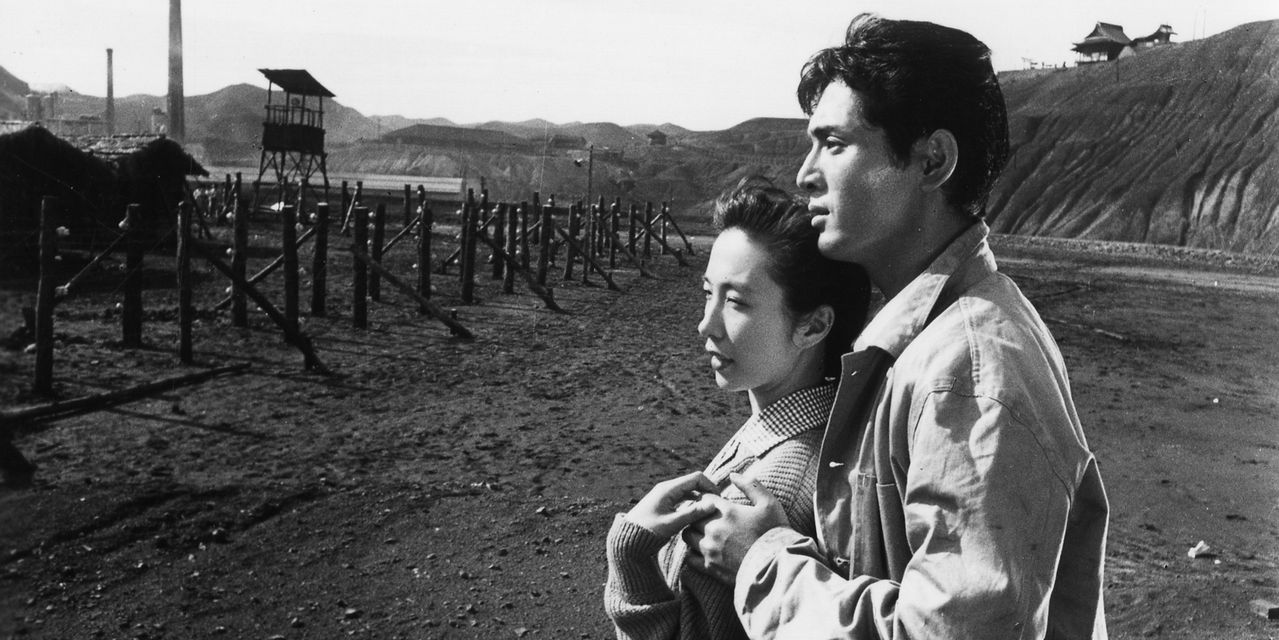
The Human Condition (1959-61)
Japanese soldier, prisoner, and pacifist Kaji seems to live multiple lives across the modern odyssey of The Human Condition trilogy, waging his soul as the last battleground of moral fortitude in the final years of World War II, and becoming the compelling centrepiece of Masaki Kobayashi’s devastating study on humanity’s most vital essence.
-
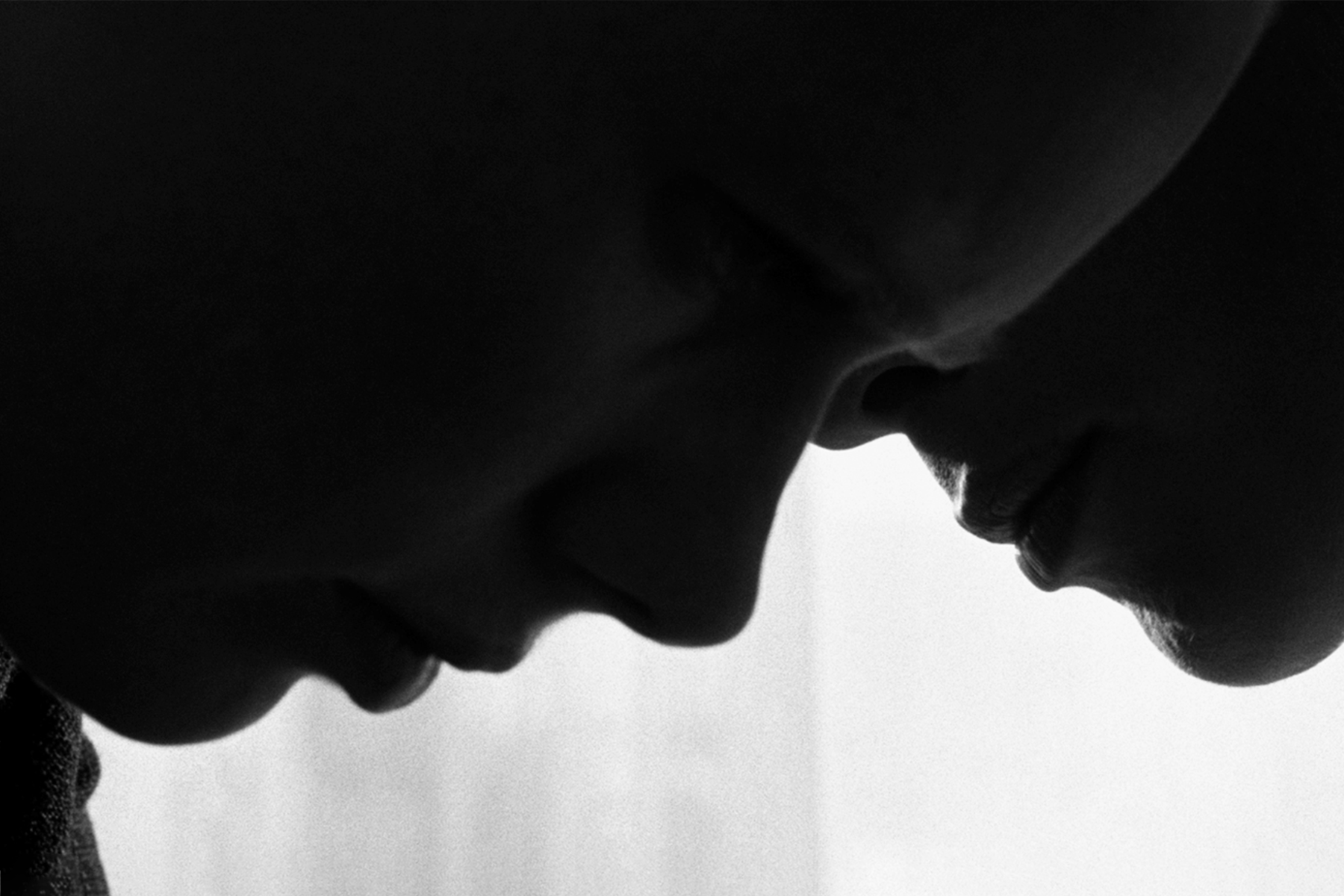
Persona (1966)
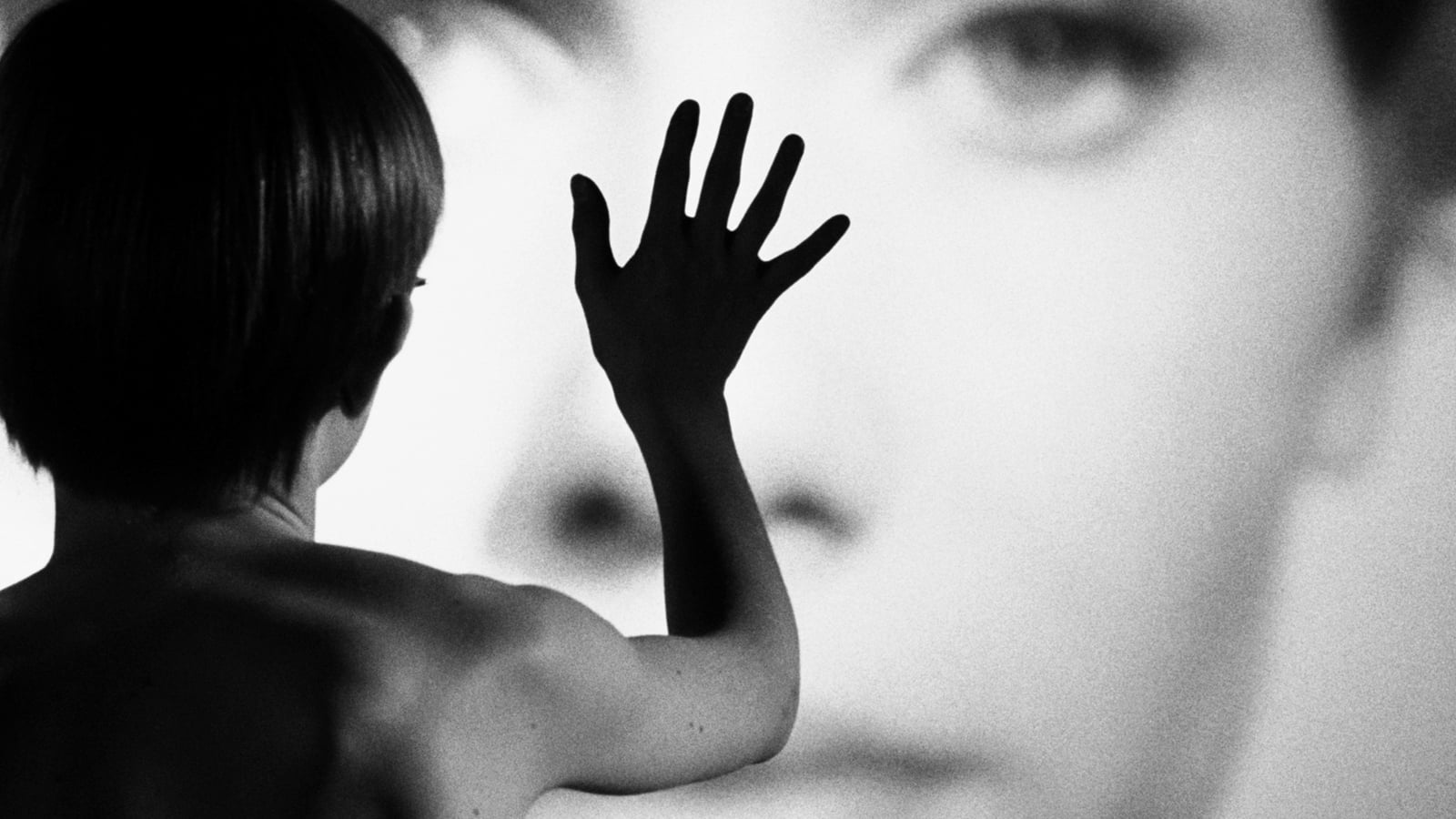
The incredible formal synthesis forged between Ingmar Bergman’s intimate visual style and psychological deliberations in Persona may be the finest of his career, blending the identities of two women through an avant-garde surrealism, and studying the perplexing duality which splits the human mind into outward expressions and internal truths.