
-

The Best Films of the 1960s
The greatest films of the 1960s, from the French New Wave to its subversive Spaghetti Westerns.
-

The Bad Sleep Well (1960)
Only by blackmailing, intimidating, and investigating from the shadows can one vengeful son expose the corporate corruption of mid-century Japan in The Bad Sleep Well, as Akira Kurosawa adapts Hamlet with a severe, noirish cynicism, examining the foundations of bloodshed which the upper-class bureaucracy shrouds in obscure conspiracies.
-
8 1/2 (1963)
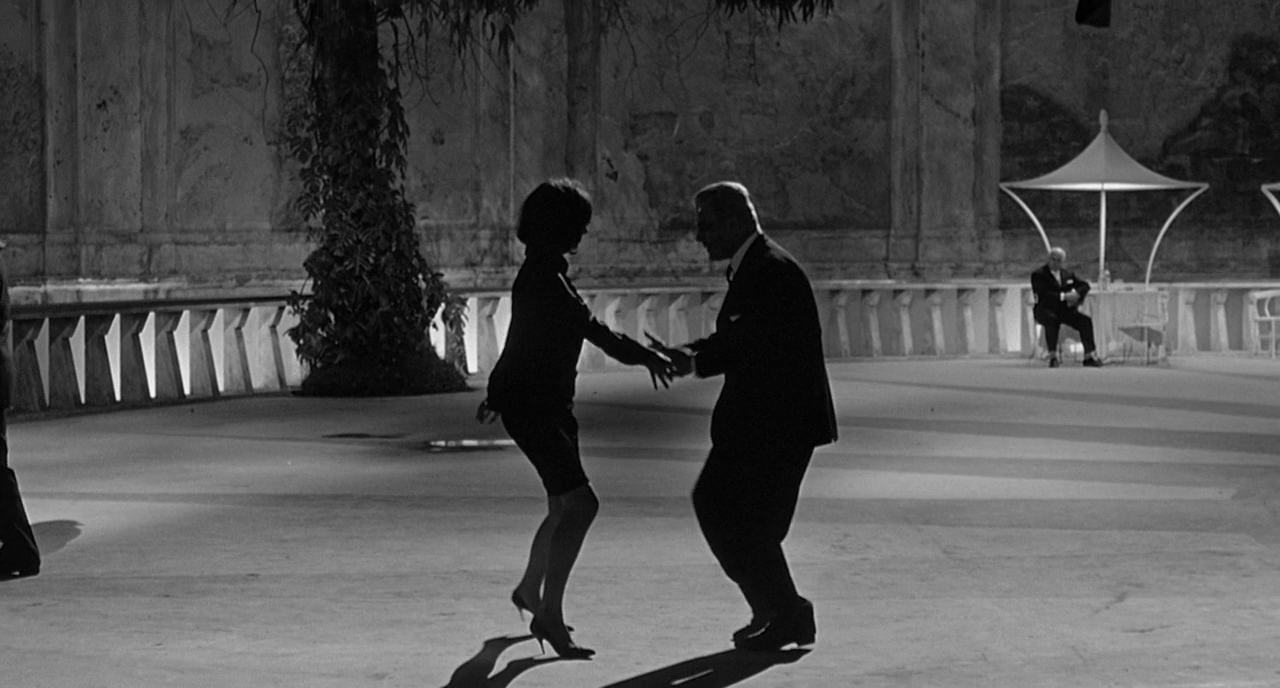
Through one Italian filmmaker’s struggle with creative block, contemptuous shame, and overwhelming pressures, Federico Fellini crafts a surrogate representation of himself, elusively traversing a surreal sea of memory and dreams in a film that seeks to intuitively examine the arduous processes of its own self-reflexive construction.
-
La Dolce Vita (1960)
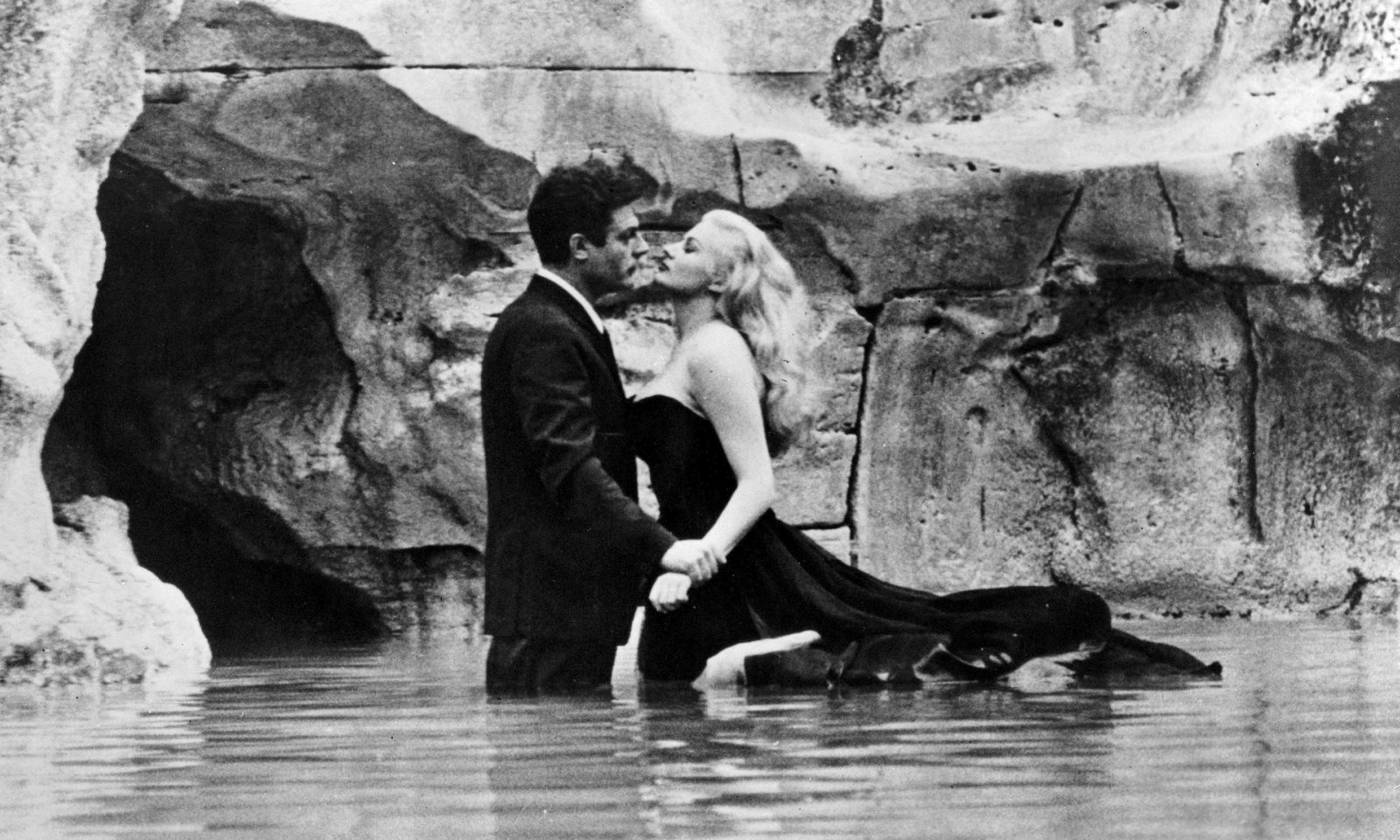
Through Federico Fellini’s cynical subversion of theological iconography and episodic parables, La Dolce Vita traces a tortured soul’s weary descent to the depths of an amoral, existentialist hell, examining modern-day Rome’s spiritual corruption to ultimately become one of cinema’s great religious epics.
-
Knife in the Water (1962)
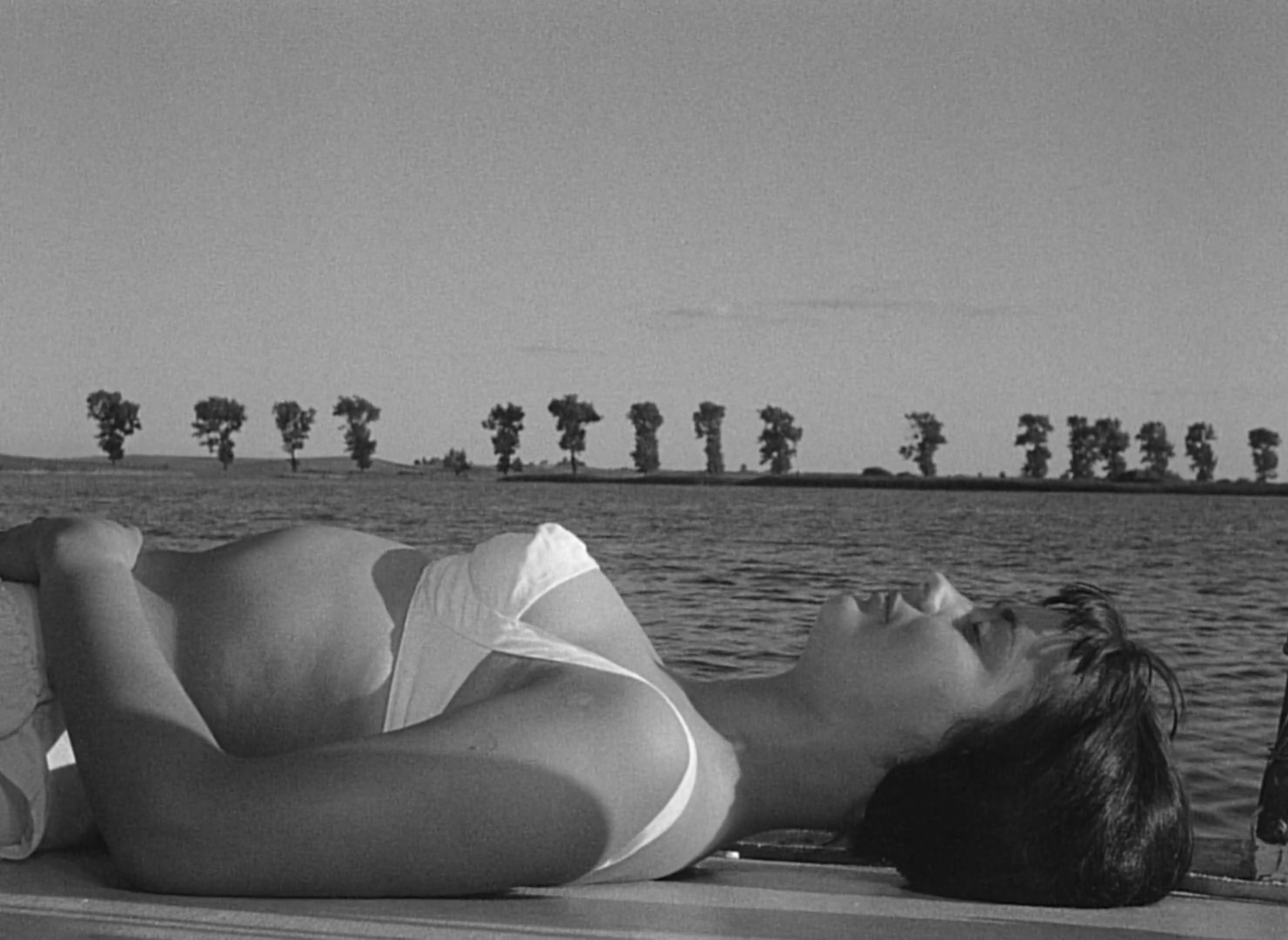
Although the hitchhiker in Knife in the Water is spontaneously invited along as a plaything on a wealthy couple’s yacht, the insecurity he sparks transcends class boundaries, as Roman Polanski acutely stages a series of power plays that slowly strips away pretensions of dignity and moral character.
-

Repulsion (1965)
At the core of Repulsion’s surreal, psychological horror, Roman Polanski centres a woman with an inexplicable revulsion towards men, eerily surrounding her repressed trauma with psychosexual symbols while she desperately tries to contain the resulting damage to her mind, home, and whoever dares to cross the threshold into either.
-
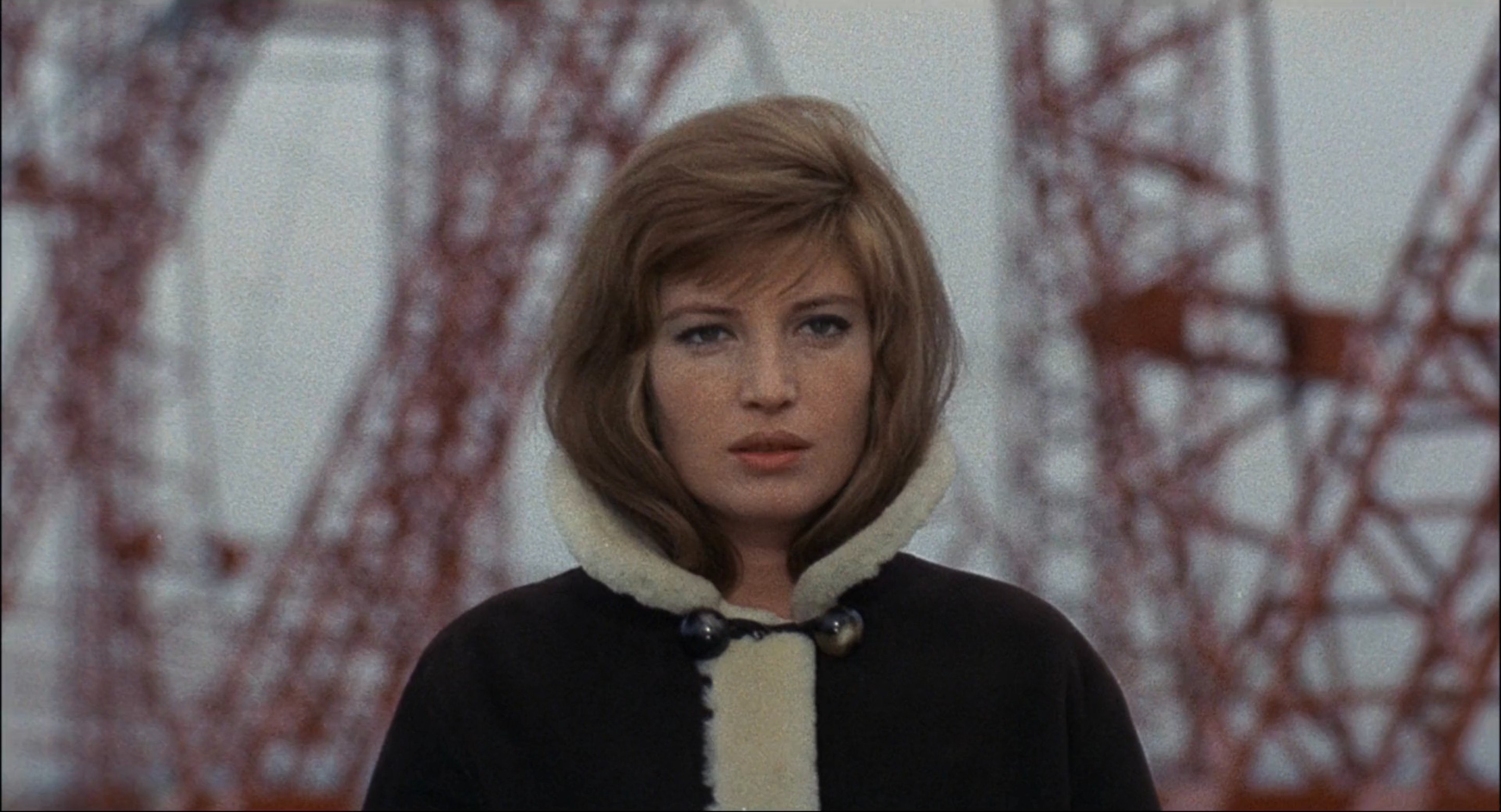
Red Desert (1964)
The industrial Italian town that the psychologically troubled Giuliana wanders in Red Desert is an alien landscape of steel beams and suffocating smog, and yet Michelangelo Antonioni’s punctuations of vibrant colour among desaturated greys offer a complex humanity to these daunting structures, painting out a world striving for growth through its own sickness.