
-

The Best Films of the 1960s
The greatest films of the 1960s, from the French New Wave to its subversive Spaghetti Westerns.
-
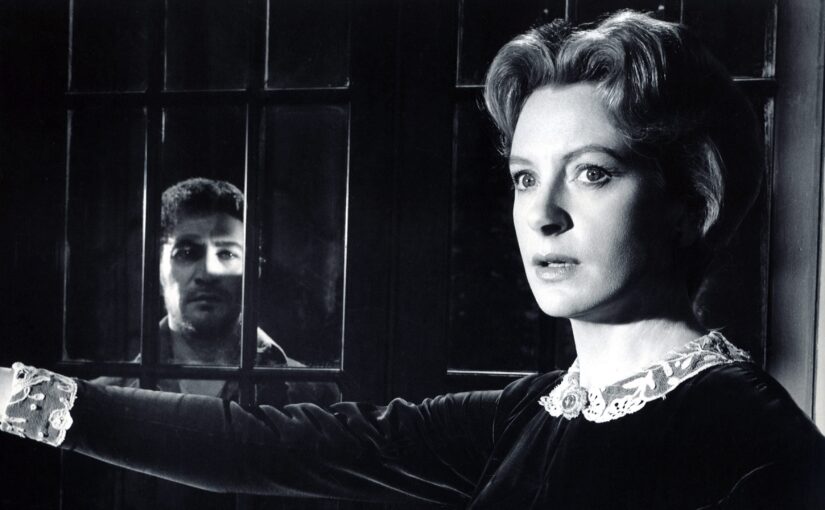
The Innocents (1961)
There seems to be a sinister influence taking hold of the children that governess Miss Giddens is tasked with caring for in The Innocents, though as Jack Clayton sinks us into her tortured, repressed mind, so too are the lines blurred between unholy evil and those who obsessively seek to conquer it.
-

Blow-Up (1966)
Michelangelo Antonioni sweeps us away by the tantalising prospect of conspiracy when fashion photographer Thomas accidentally captures a murder in Blow-Up, demonstrating the powerful tool of perception that is an artist’s eye, yet also questioning whether such intensive scrutiny may lead to elusive distortions of reality.
-
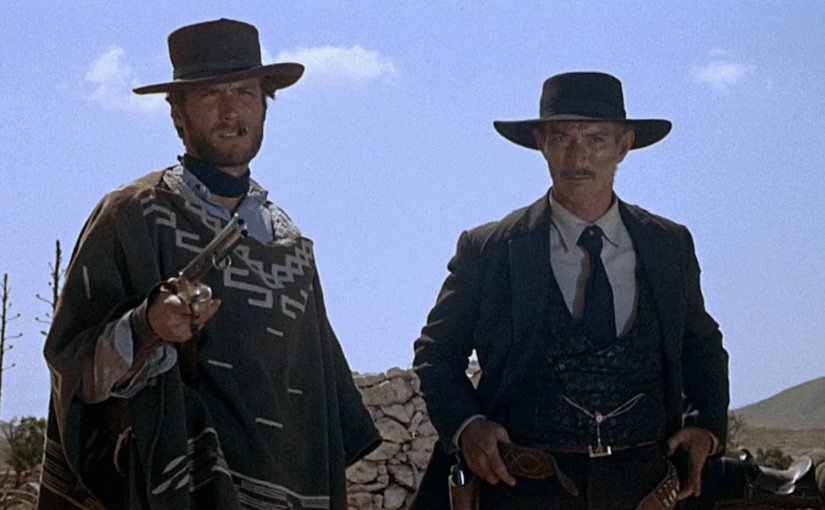
For a Few Dollars More (1965)
It is virtually impossible to separate Sergio Leone’s majestic cinematic style, mythic storytelling, and morally ambiguous characters in For a Few Dollars More, as each tightly intertwine the paths of two gunslingers competing for a bounty, yet choosing to wield their own darkness against far more rotten evils.
-
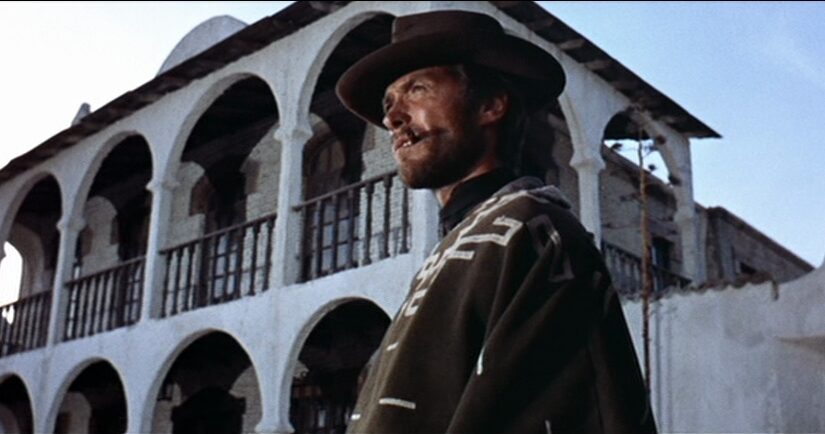
A Fistful of Dollars (1964)
Sergio Leone’s orchestration of every cinematic element at his disposal in A Fistful of Dollars makes for an operatic shake-up of the Western genre, landing a mysterious gunslinger in a town divided by two rival families, and drenching America’s revered mythology in blood, sweat, and violent anarchy.
-

Fellini Satyricon (1969)
Through its surreal blend of modern art and classical antiquity, Fellini Satyricon becomes a direct embodiment of our most maddening psychological conflicts, leading an absurd odyssey through the decadent parties, brothels, and temples of Ancient Rome as it stands on the brink of social collapse.
-
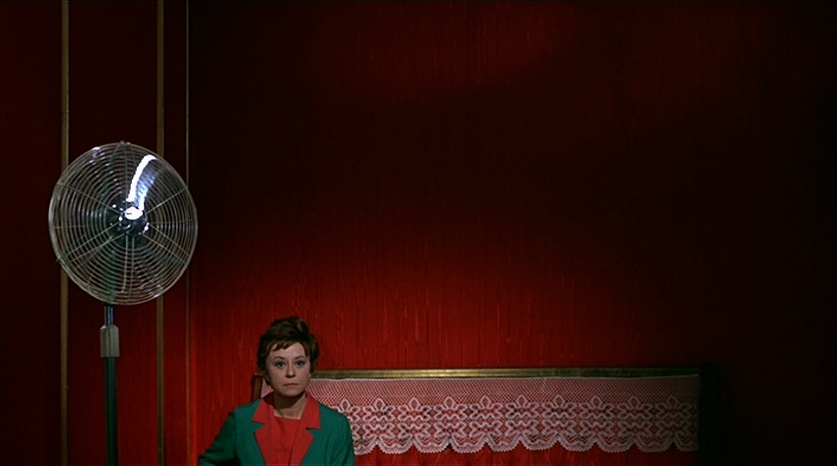
Juliet of the Spirits (1965)
One upper-class housewife’s discovery of her husband’s affair in Juliet of the Spirits may incite a surreal reckoning with religion, sexuality, and womanhood, though the insecurities that these kaleidoscopic dreams surface have evidently haunted her since childhood, as Federico Fellini holds up a feminine mirror to 8 ½ that seeks to understand the other side…