japanesecinema

An Autumn Afternoon (1962)

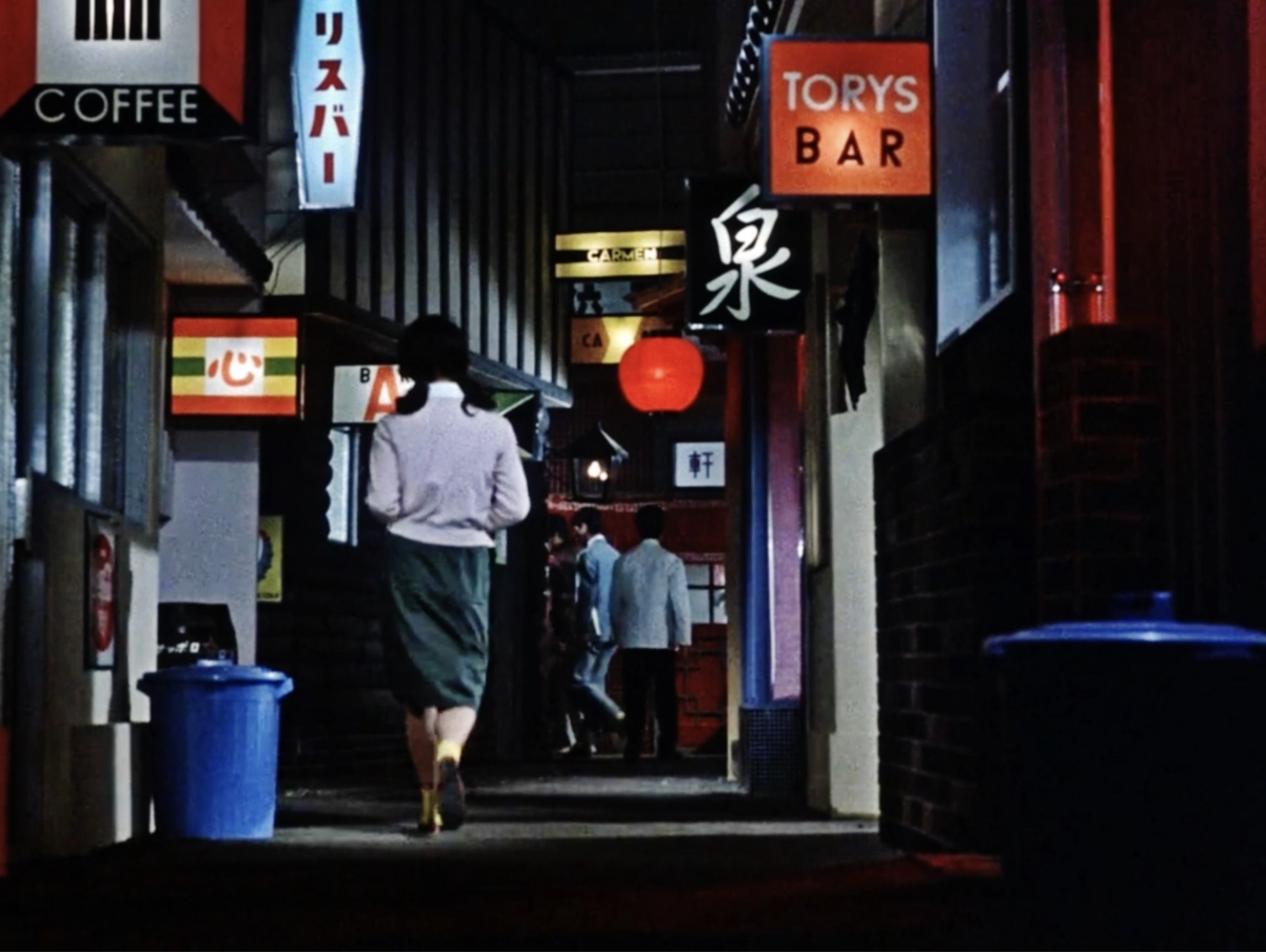
If Yasujirō Ozu’s filmography is a cinematic suite charting the tension between tradition and progress, then An Autumn Afternoon stands as a tender final movement, tracing a widowed father’s reluctant push to marry off his daughter amid Japan’s mid-century commercialism.

The End of Summer (1961)

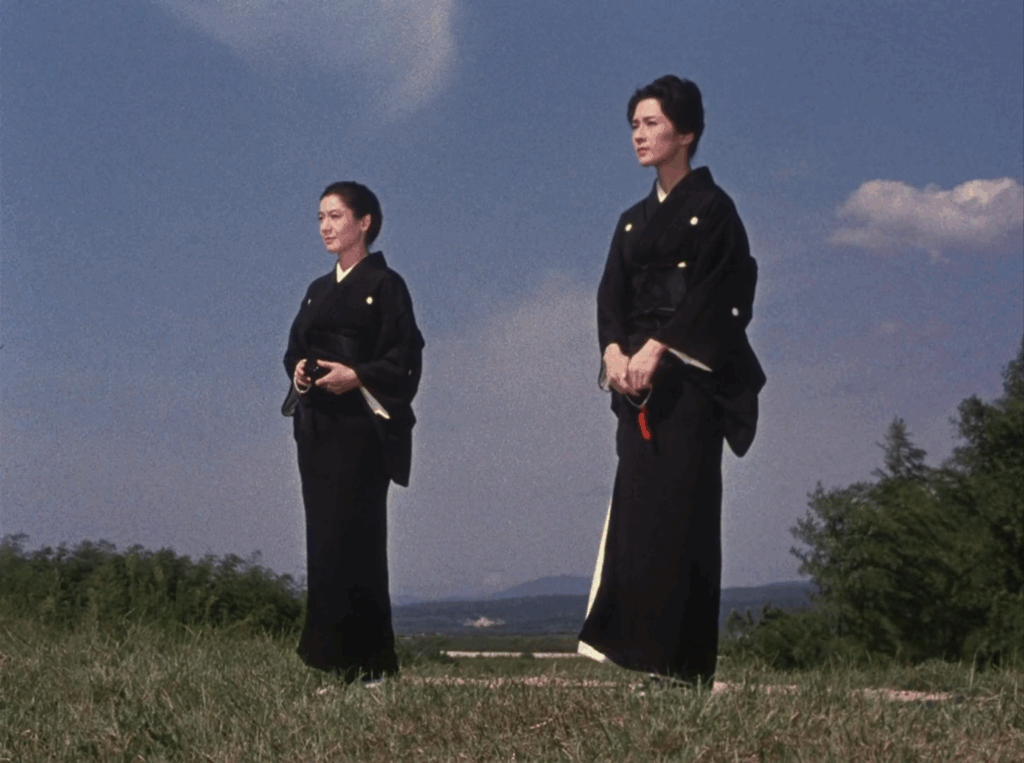
Marriage within the Kohayagawa family takes on multiple meanings throughout The End of Summer, ensuring stability within the younger generations and bringing scandal among the older, as Yasujirō Ozu weaves its humour and drama into poetic lamentations of life’s bittersweet sorrows.

Good Morning (1959)

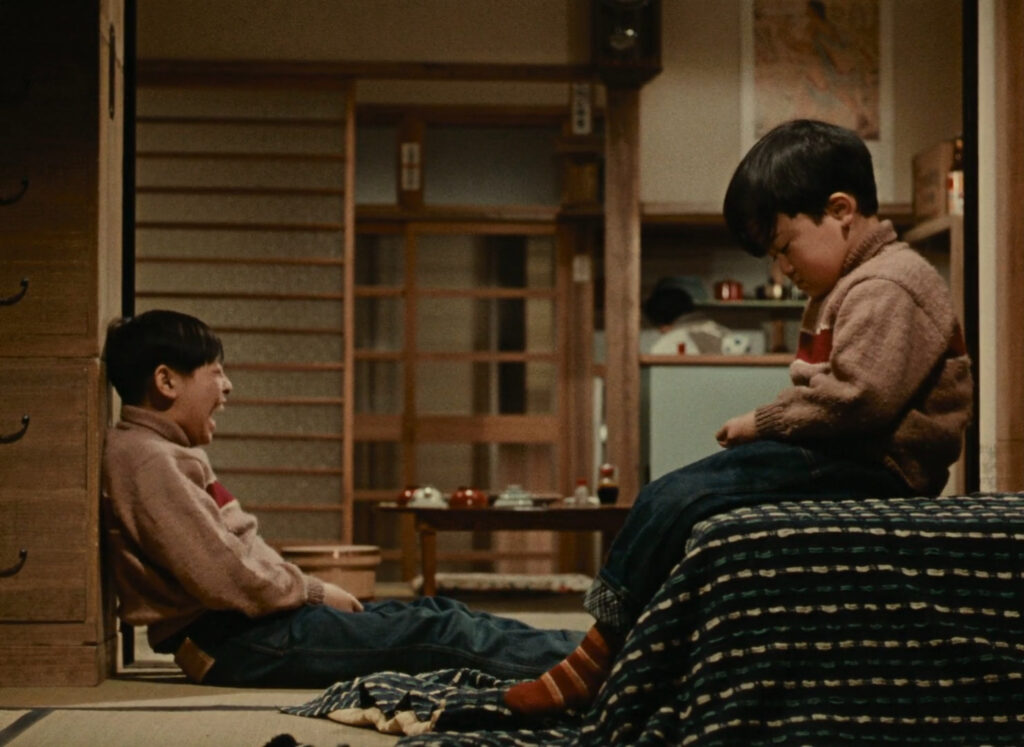
Although the silent protest of two young boys in Good Morning is aimed at their parents’ refusal to buy a television set, their frustration also extends to the small talk exchanged between grownups, marking an unusual comic turn for Yasujirō Ozu in his satire of everyday, superficial communication.

Equinox Flower (1958)

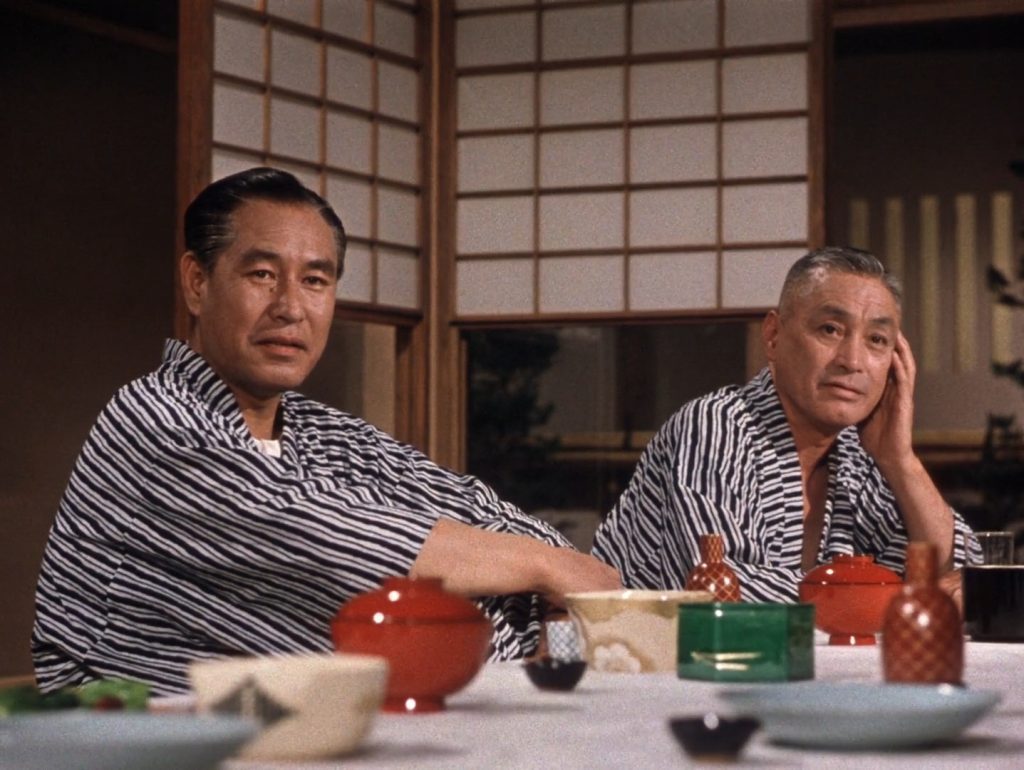
Yasujirō Ozu’s foray into colour cinematography aligns beautifully with the eloquent optimism of Equinox Flower, tracing one seemingly progressive businessman’s resistance to his daughter’s marriage, and confronting his hypocrisy with gentle humour.

Tokyo Story (1953)

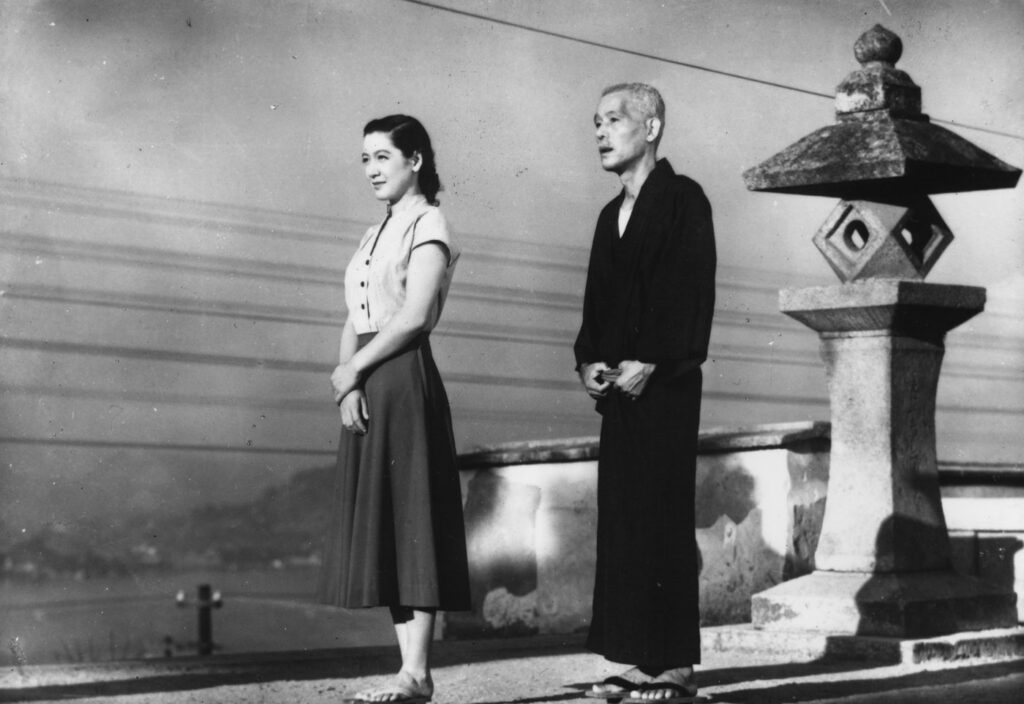
As we follow one elderly couple’s visit to their adult children in Tokyo Story, the meditative passage of time very gradually becomes visible, transforming the act of dutiful repetition into a contemplative poetry that delicately traces post-war Japan’s shift away from a past it would rather forget.

Scroll to Top