Japanese cinema

Late Autumn (1960)

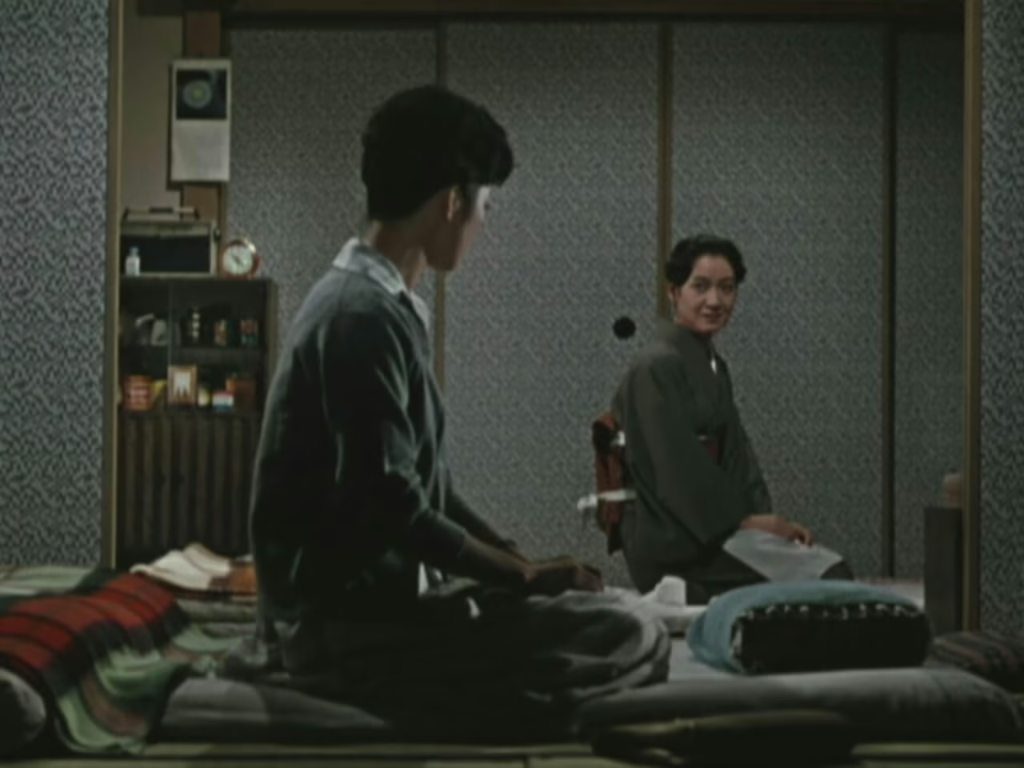
Overshadowed it may be compared to Yasujirō Ozu’s other family dramas, but Late Autumn’s examination of marriage and remarriage in mid-century Japan still finds fresh emotional textures in its colour cinematography, intertwining love, duty, and generational bonds.
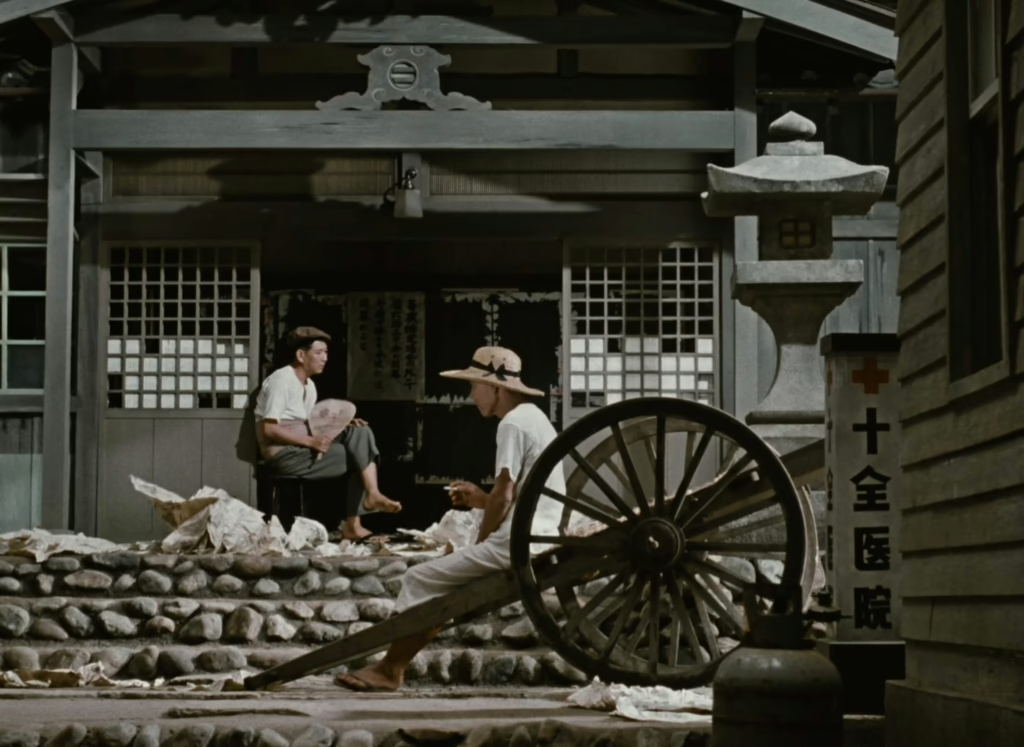
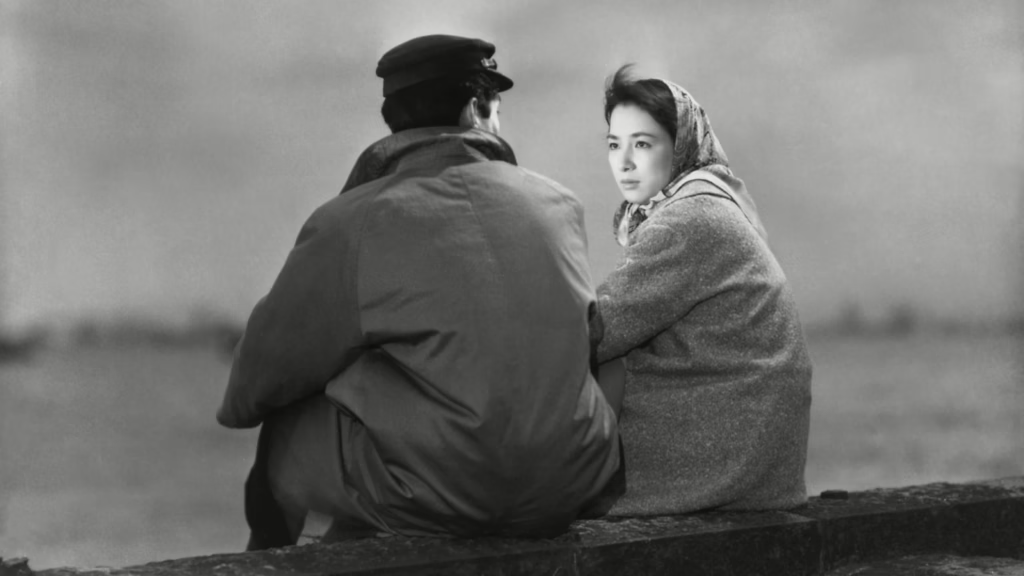
Floating Weeds (1959)

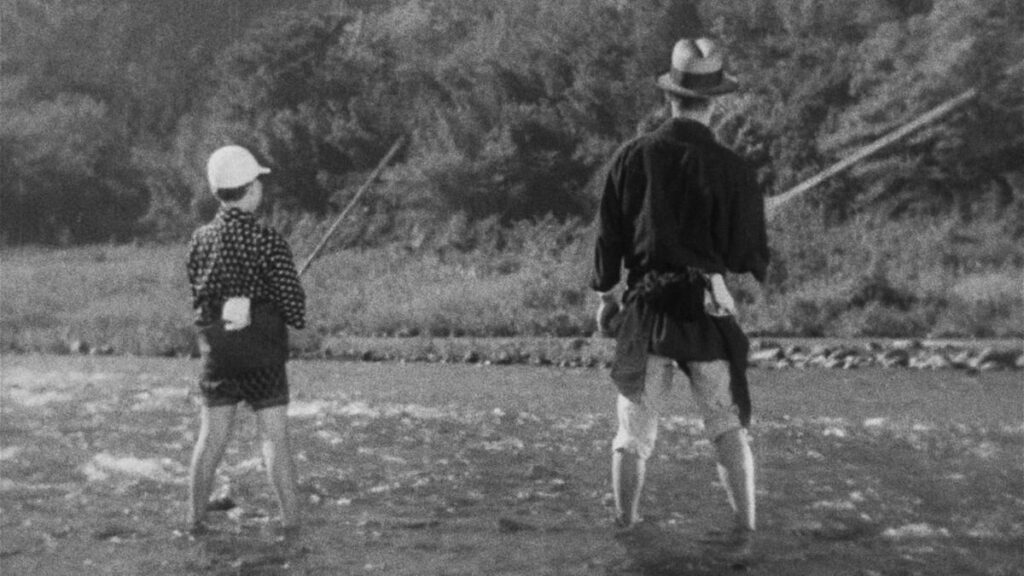
It might seem redundant for such a formally consistent director to remake an early success, yet Floating Weeds stands as a powerful testament to Yasujirō Ozu’s artistic evolution over the decades, imbuing this fable of fading relevance and fractured families with an elegant, melancholy maturity.

Tokyo Twilight (1957)

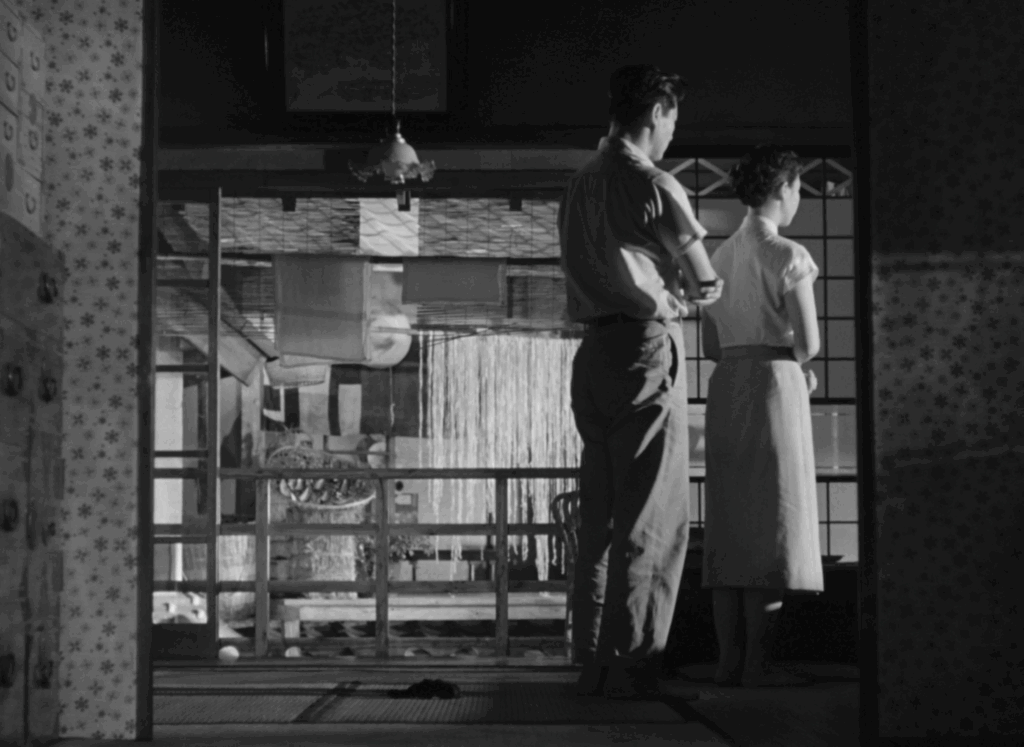
The domestic melodrama of Tokyo Twilight is so morose by Yasujirō Ozu’s standards, its darkness seeps into virtually every corner of his meticulous, homely interiors, unearthing guilty secrets within a family shattered by silence, grief, and regret.

Early Spring (1956)

Within Early Spring’s delicately composed reflection of 1950s Japan, one office worker’s affair becomes a shattering disruption to the status quo, as Yasujirō Ozu’s melancholy meditation navigates the consequences of intimate betrayal and marital breakdown.

The Flavor of Green Tea Over Rice (1952)

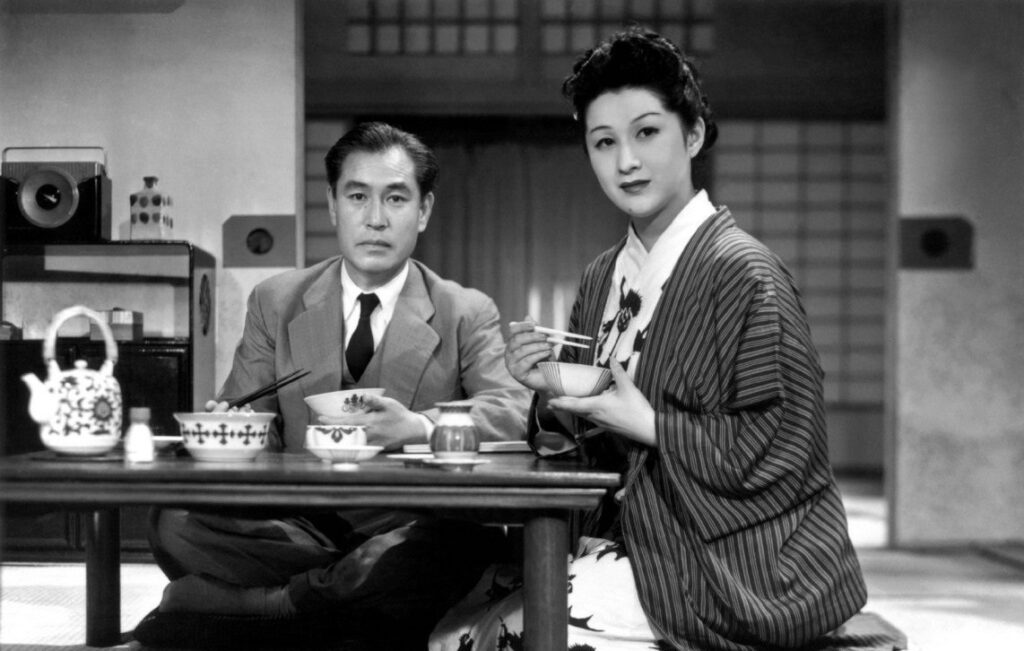
Although Taeko and Mokichi’s marriage has been left to wither in The Flavor of Green Tea Over Rice, Yasujirō Ozu never stops yearning for the love that lingers beneath their contempt and sorrow, seeking a return to steady companionship through routine, redemption, and grace.

Early Summer (1951)

Post-war Japan’s shifting cultural attitudes tangibly manifest within the cluttered, multi-generational household of Early Summer, its domestic interiors of birdcages and shoji doors infused with Yasujirō Ozu’s introspective meditations, and simmering tension around its eldest daughter’s longing for independence.

Late Spring (1949)

With Yasujirō Ozu’s contemplative editing and curated mise-en-scène guiding Late Spring’s lyrical rhythms forward, there is both profound joy and sadness to be found in its central father-daughter love, finding melancholy drama in her resistance to getting marriage and his quiet acceptance of being left behind.

A Hen in the Wind (1948)

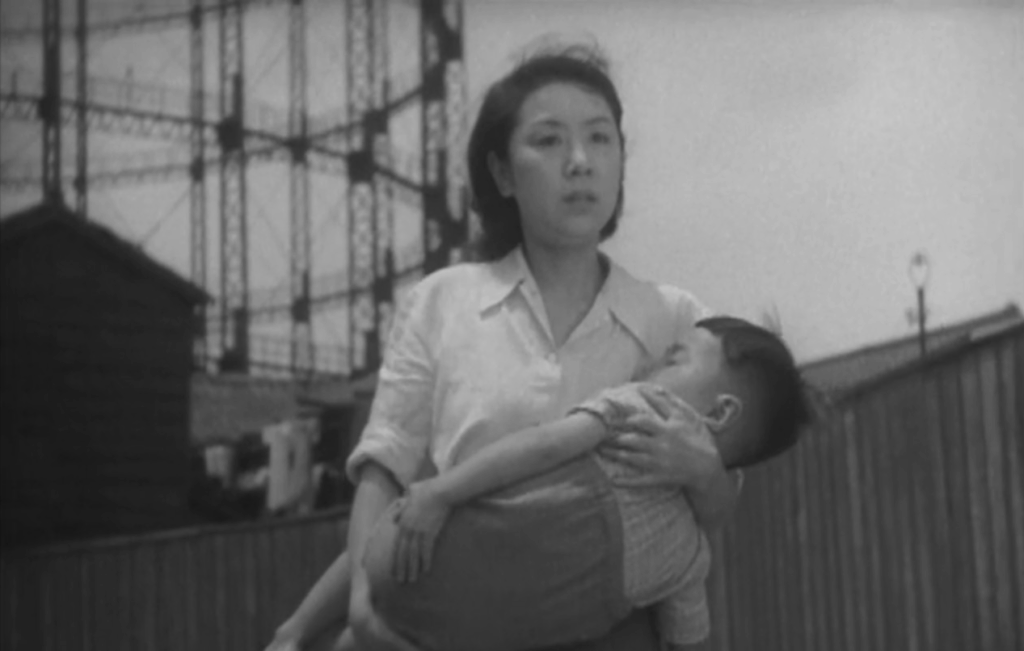
Yasujirō Ozu offers nothing but sympathy for one helpless mother’s agonising moral compromise in A Hen in the Wind, imposing the harsh, destitute architecture of postwar Japan upon her shame, as well as her desperate attempt to seek marital reconciliation.

Record of a Tenement Gentleman (1947)

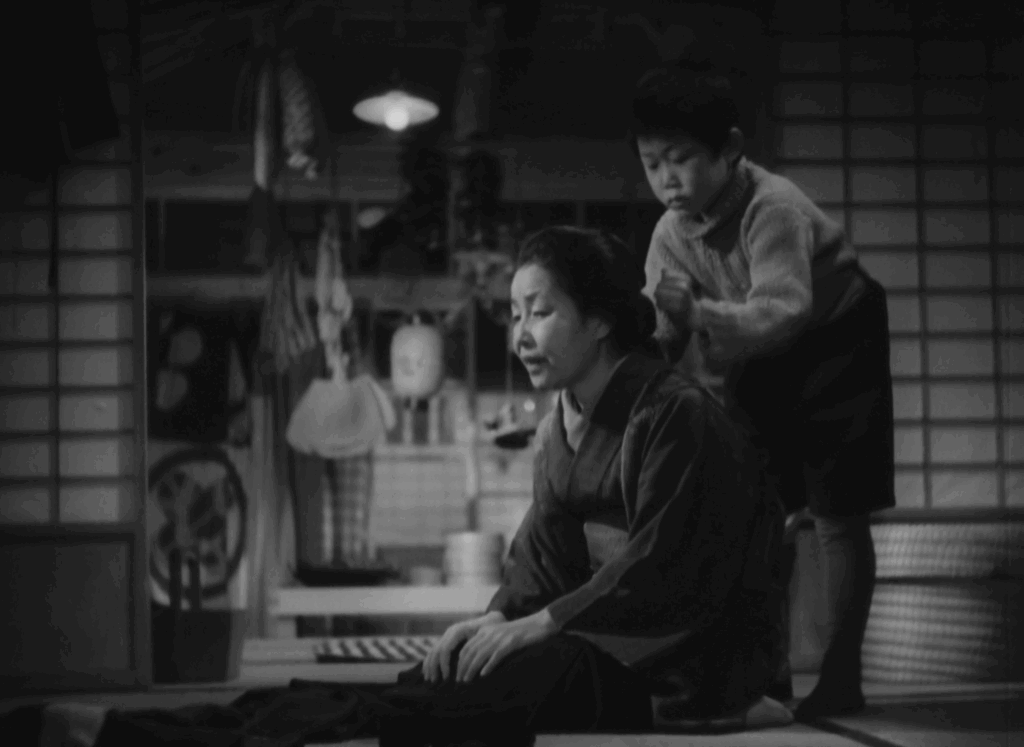
While Japan emerges from the darkness of war in Record of a Tenement Gentleman, so too does one middle-aged widow discover an unexpected compassion in her hardened heart, as Yasujirō Ozu sets in motion a spiritual transformation with the arrival of a lost child on her doorstep.

There Was a Father (1942)

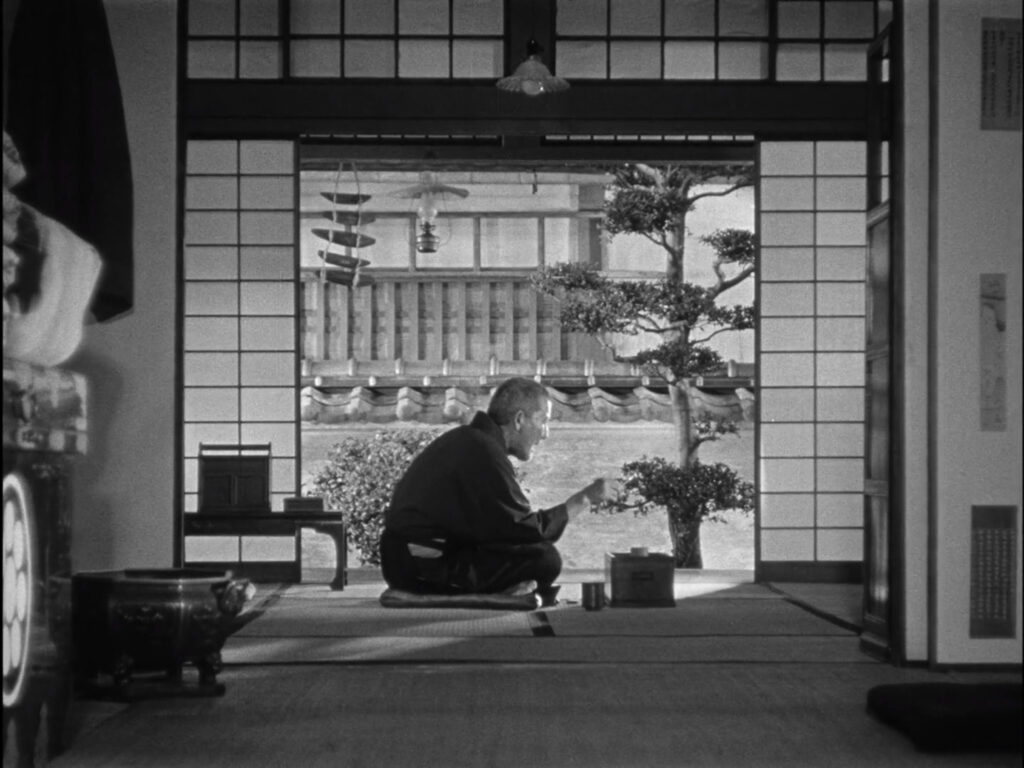
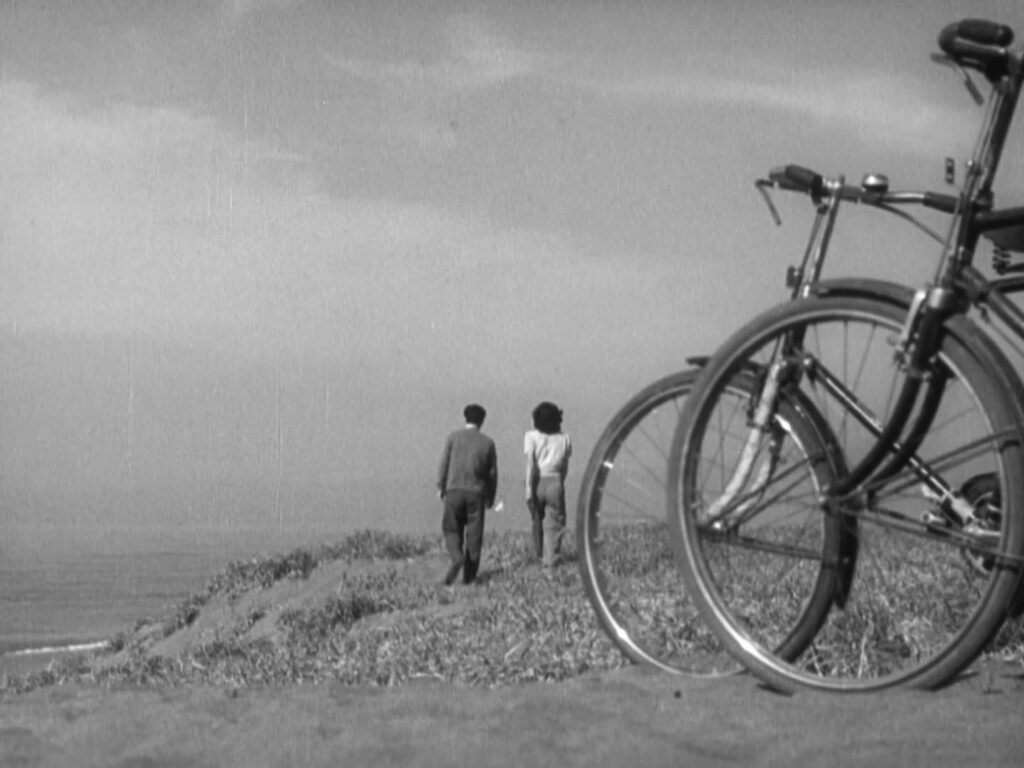
Chaos is simply not part of Yasujirō Ozu’s meditative cinematic language, and There Was a Father especially asserts his proclivity for ritualistic repetition in smoothing over emotional disruptions, recognising the remarkable legacy of one former teacher whose soul is deeply etched with tragedy, grief, and guilt.

Scroll to Top