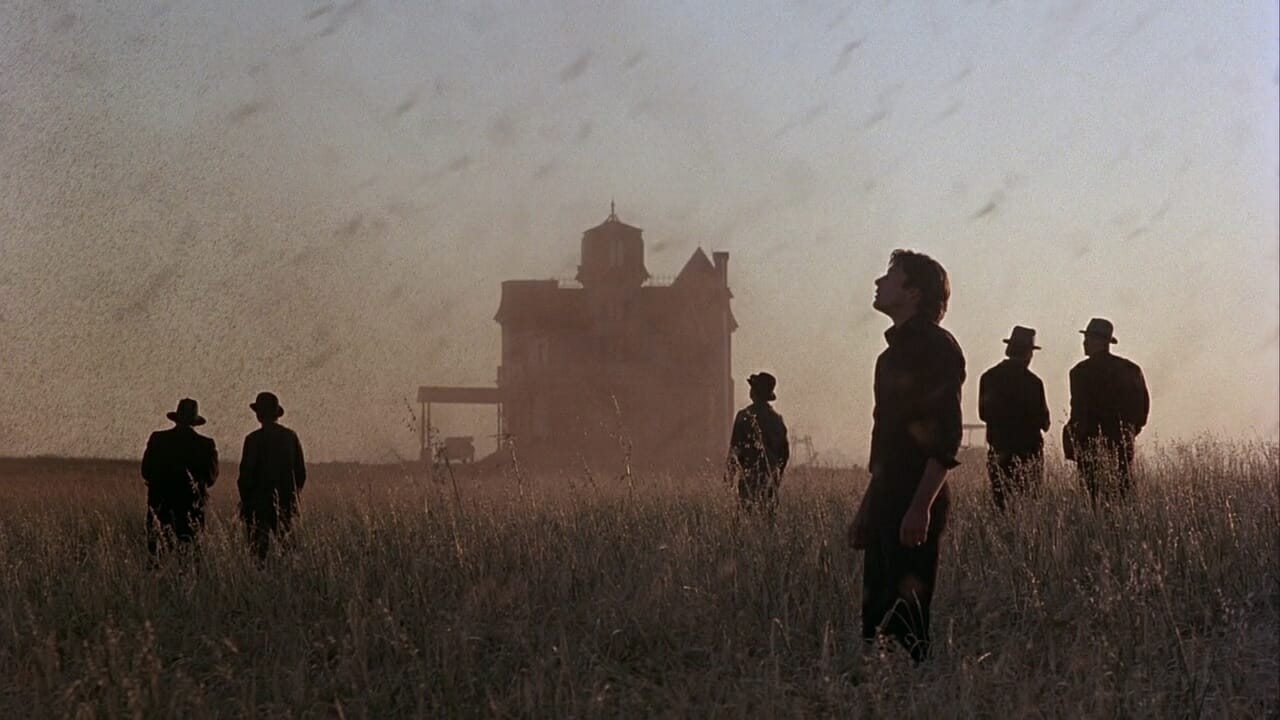
-
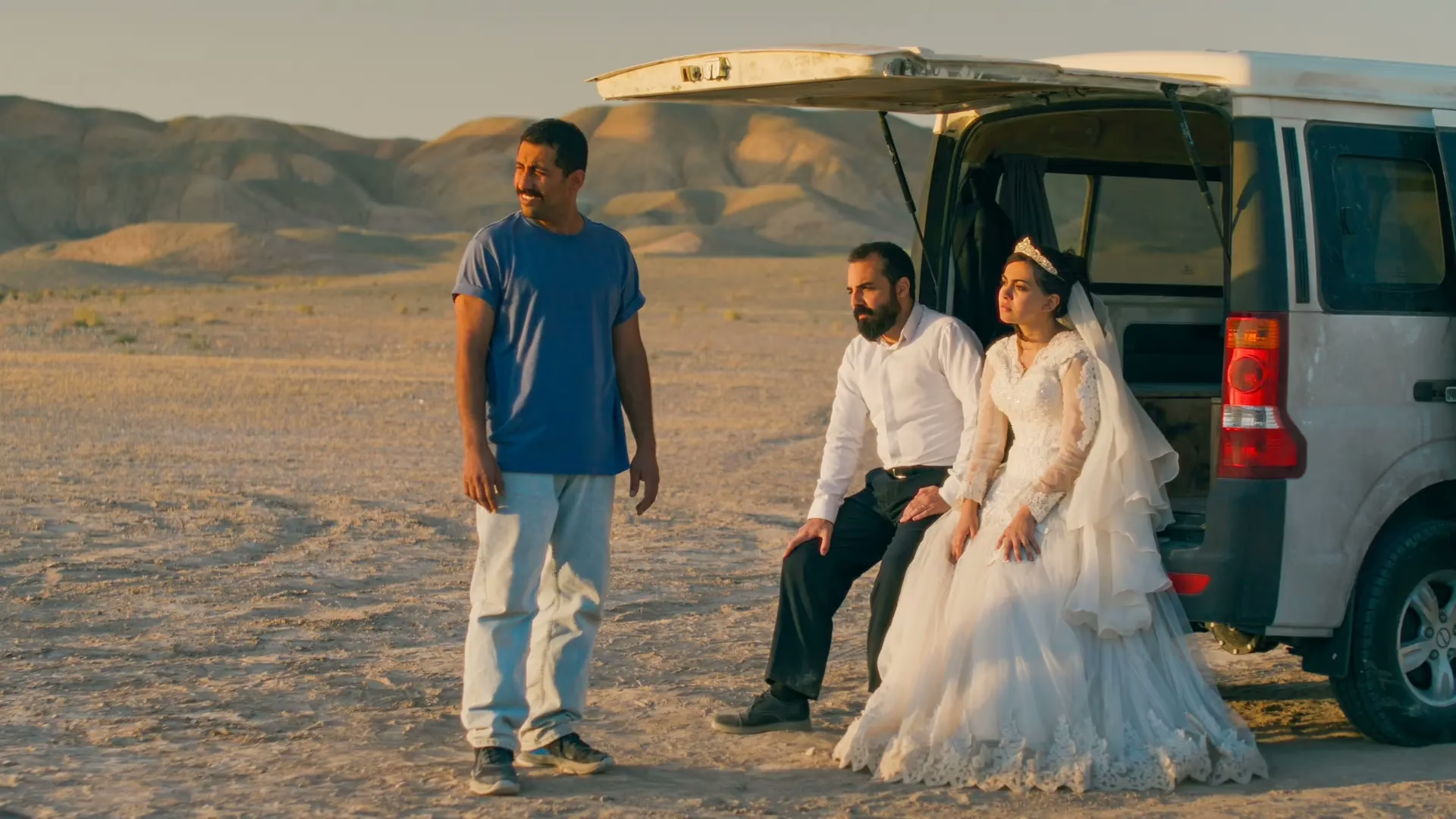
It Was Just an Accident (2025)
Jafar Panahi channels his fury at Iran’s oppressive regime into the complex moral dilemma of It Was Just an Accident, propelling a party of former political prisoners on a quest to identify a man they believe to be their torturer, and uneasily distilling the gnawing, unrelenting anxiety of their tortured survival.
-

No Other Choice (2025)
Never has Park Chan-wook wielded his fatalistic irony with such a darkly comedic edge as he does in No Other Choice, sending one unemployed paper specialist on a murderous trail against rival job candidates, and sharply exposing the bureaucratic nihilism of modern capitalism.
-
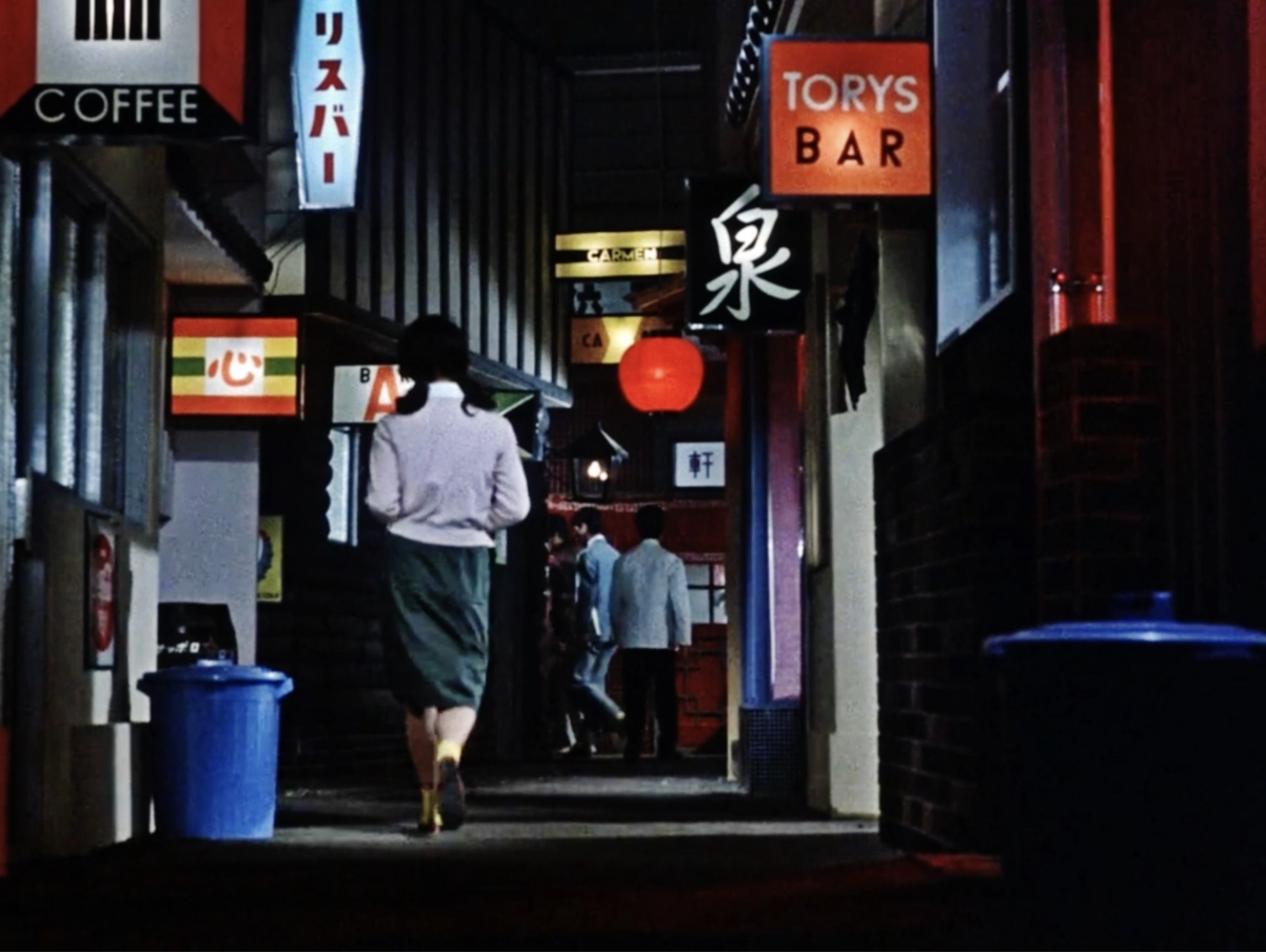
An Autumn Afternoon (1962)
If Yasujirō Ozu’s filmography is a cinematic suite charting the tension between tradition and progress, then An Autumn Afternoon stands as a tender final movement, tracing a widowed father’s reluctant push to marry off his daughter amid Japan’s mid-century commercialism.
-
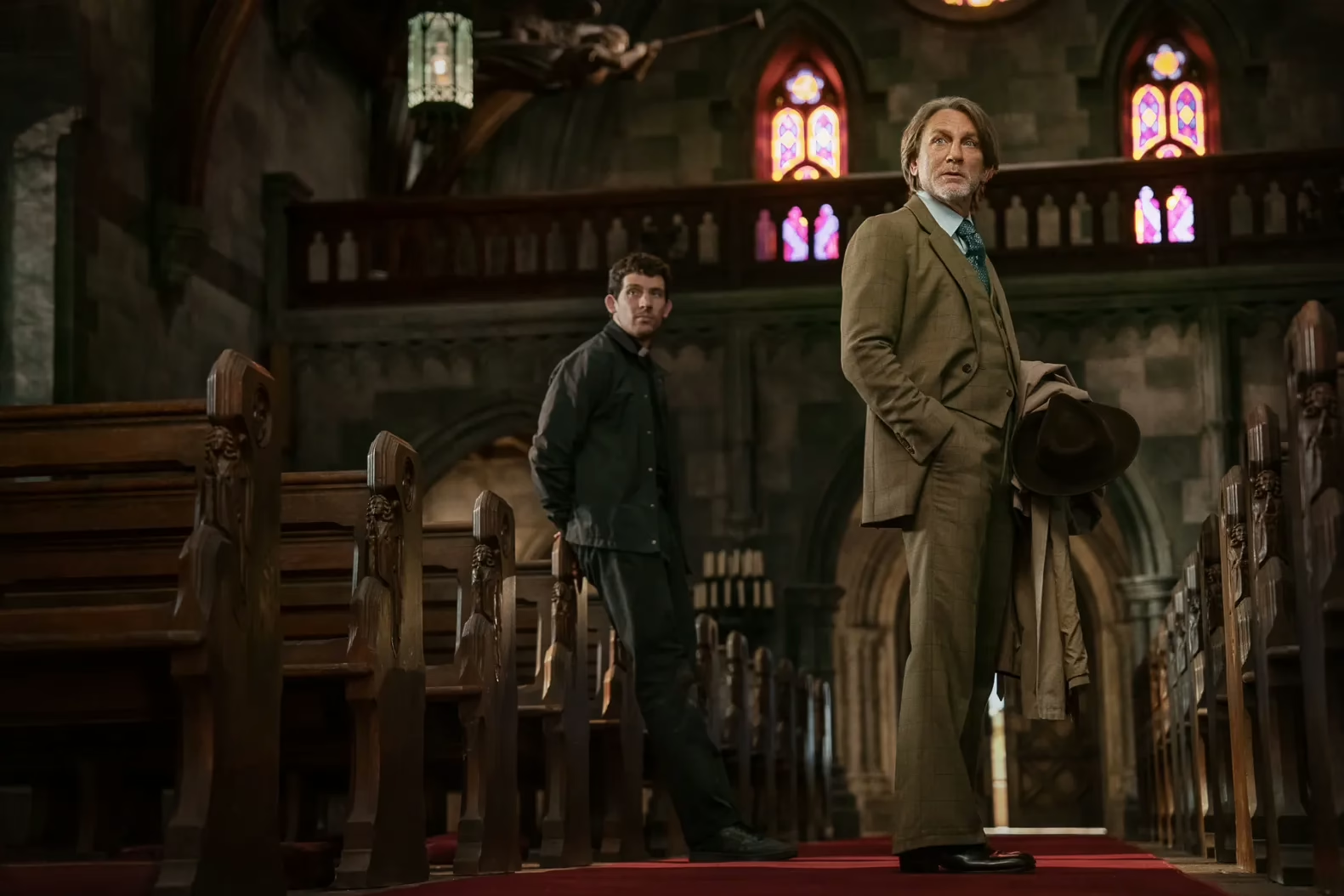
Wake Up Dead Man (2025)
The cerebral pleasures of Wake Up Dead Man’s painstakingly plotted mystery may captivate the mind, yet Rian Johnson’s careful attention to the spiritual stakes within a guilty church congregation resonates with haunting ambiguity, unravelling the impossible, locked-room murder of a vindictive priest.
-

Wicked: For Good (2025)
Although the uneven pacing of Wicked: For Good blunts its dramatic urgency, Jon M. Chu delivers a finale steeped in fantastical, kaleidoscopic ambition, subverting cinematic canon with lavish worldbuilding, impossible designs, and freshly layered characterisations.
-
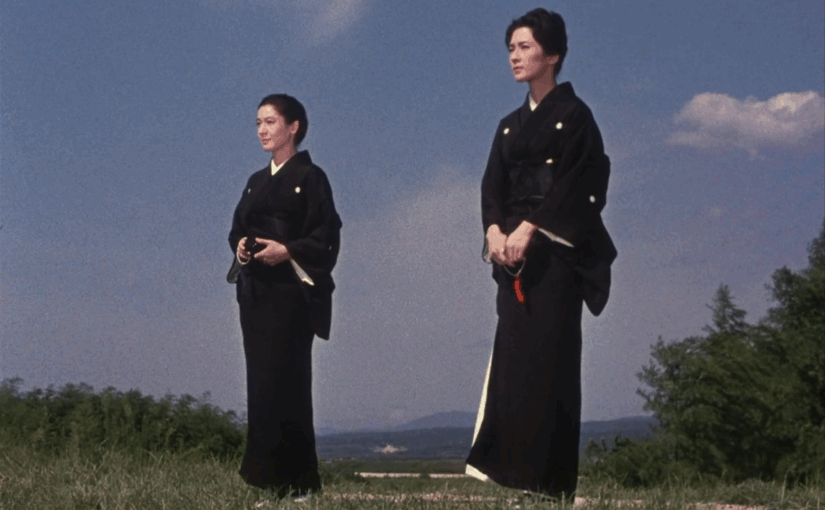
The End of Summer (1961)
Marriage within the Kohayagawa family takes on multiple meanings throughout The End of Summer, ensuring stability within the younger generations and bringing scandal among the older, as Yasujirō Ozu weaves its humour and drama into poetic lamentations of life’s bittersweet sorrows.
-
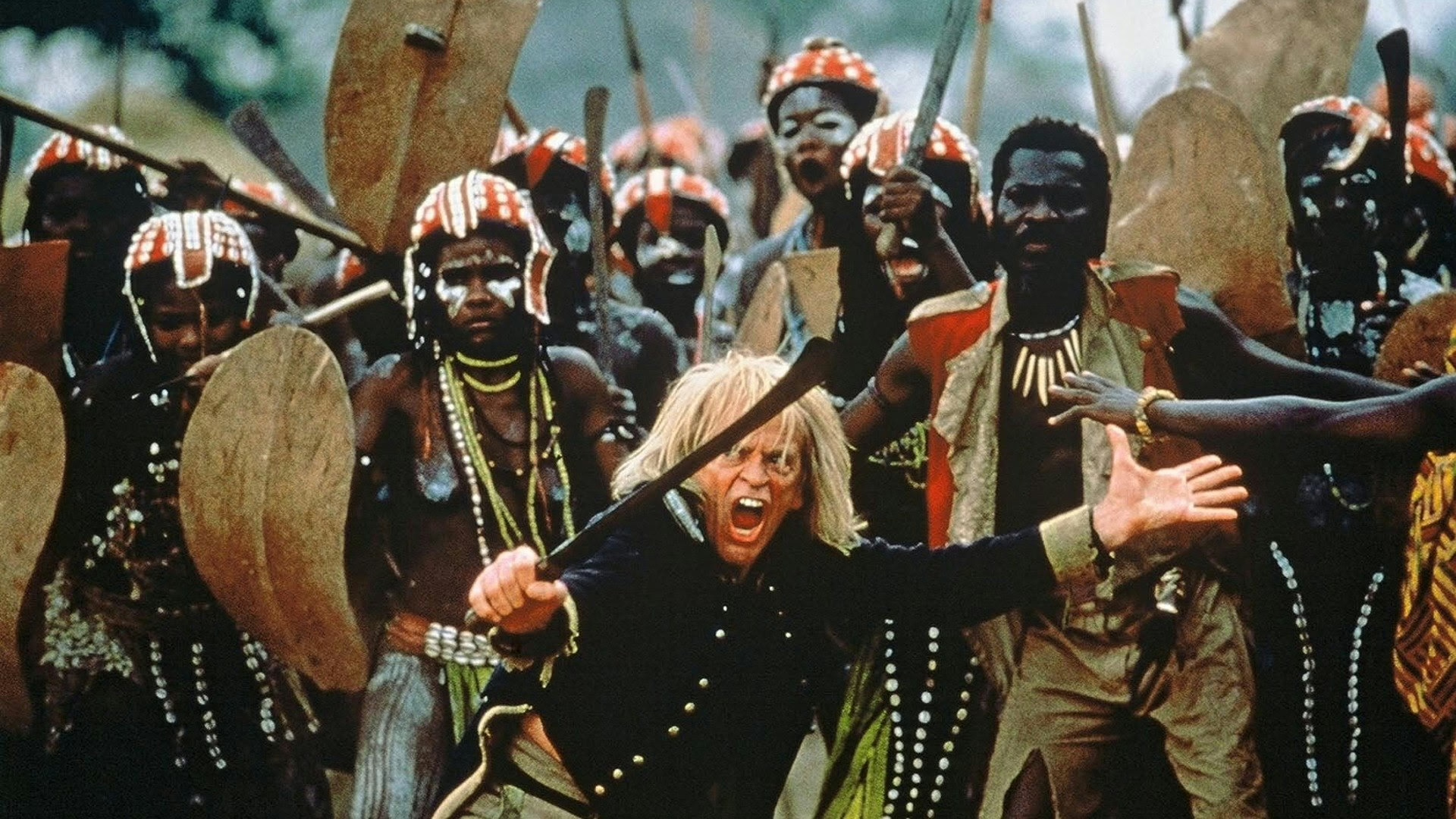
Cobra Verde (1987)
Cobra Verde may not be as tightly focused as Werner Herzog’s grander masterpieces, yet in this grotesque nightmare of one bandit’s mission to revive Western Africa’s slave trade, it brutally exposes the barbaric machinery of empires built on the systemic commodification of suffering.
-
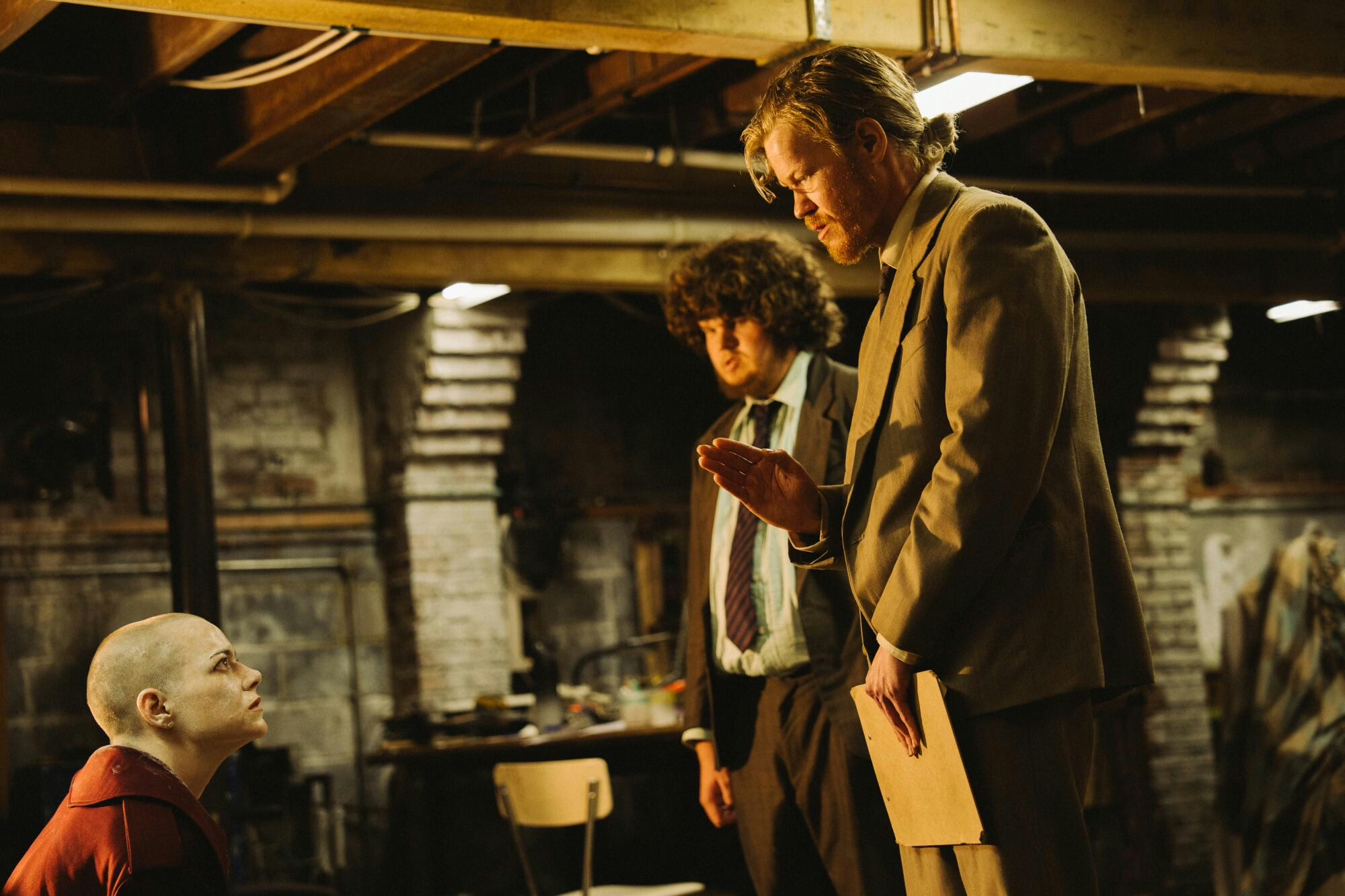
Bugonia (2025)
When a pair of conspiracy theorists kidnap a CEO they believe is an alien, neither zealots nor capitalists can escape the misanthropic aspersions of Lanthimos’ cosmic joke, as Bugonia spirals into an absurdist satire of power, paranoia, and humanity’s self-inflicted ruin.
-

Nouvelle Vague (2025)
Through Nouvelle Vague’s homage to cinema’s boldest revolution, Richard Linklater reaffirms his place among those who champion the thrill of raw creation, recounting the feverish, spontaneous inspiration that erupted on Jean-Luc Godard’s chaotic production of Breathless.
-
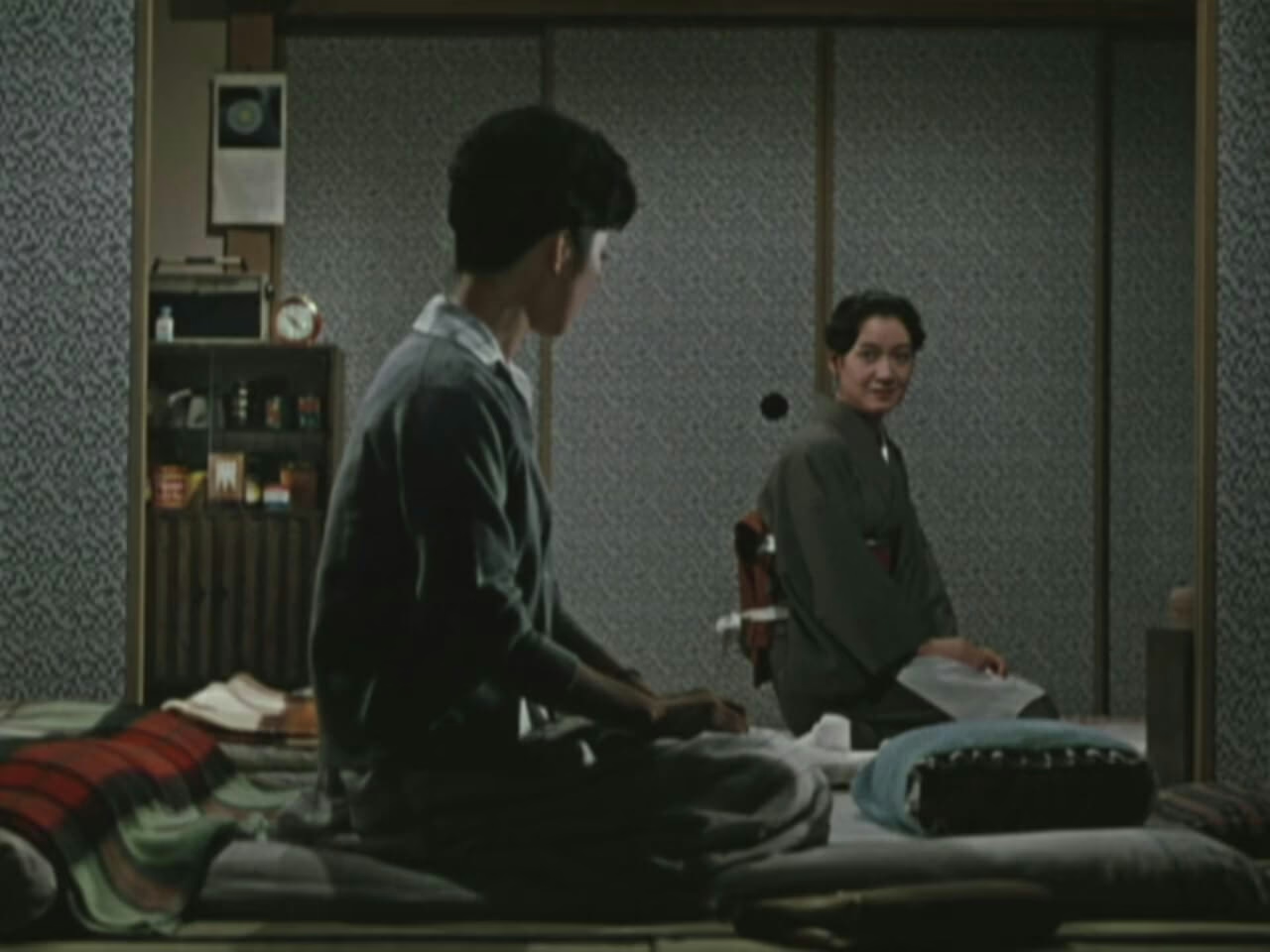
Late Autumn (1960)
Overshadowed it may be compared to Yasujirō Ozu’s other family dramas, but Late Autumn’s examination of marriage and remarriage in mid-century Japan still finds fresh emotional textures in its colour cinematography, intertwining love, duty, and generational bonds.
-
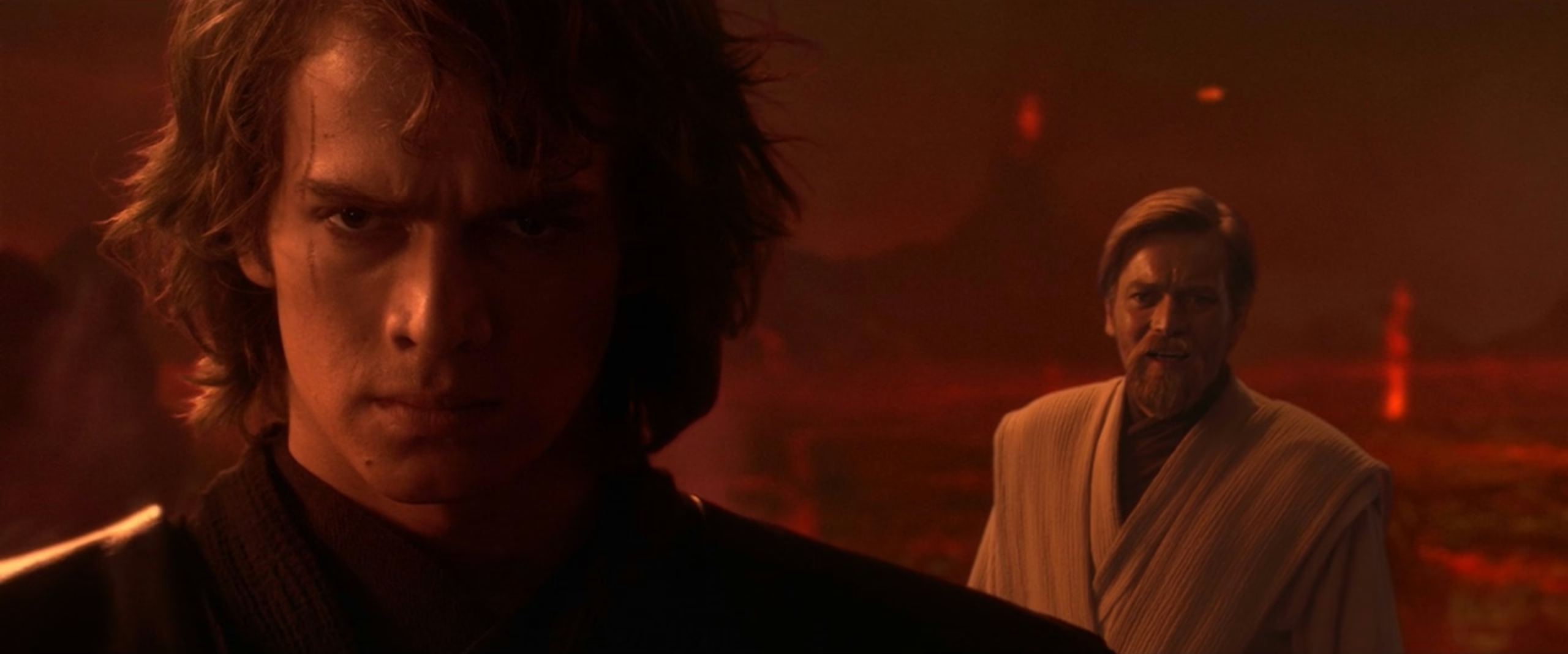
Star Wars: Episode III – Revenge of the Sith (2005)
For all the flaws that plague the Star Wars prequels, very few can detract from the operatic descent into darkness that Revenge of the Sith ushers in, seeing George Lucas embrace the melodrama, myth, and political allegory of his epic saga to craft its most tragic chapter.
-
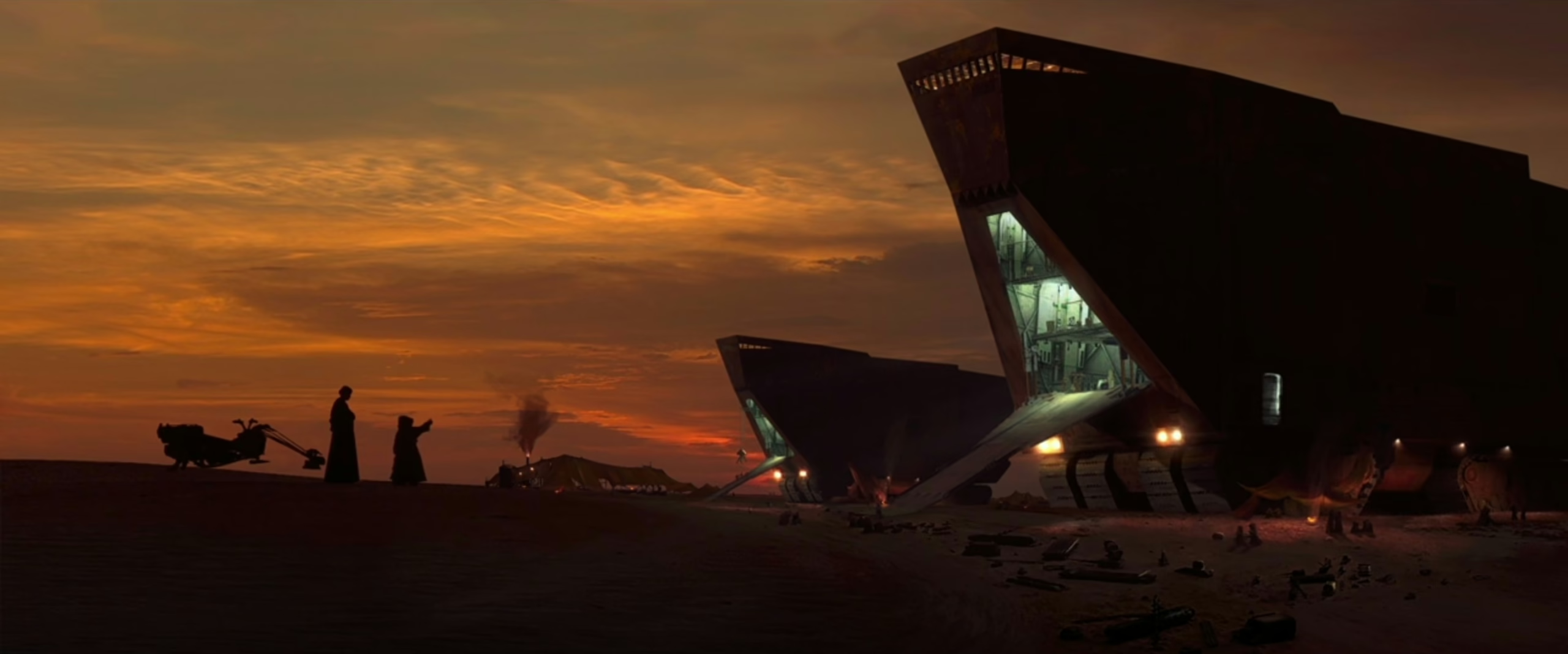
Star Wars: Episode II – Attack of the Clones (2002)
As a grown-up Anakin Skywalker begins to break beneath the weight of duty and desire in Attack of the Clones, George Lucas thoughtfully recaptures the mythic tension of the original Star War trilogy, exposing the corrosive, insidious decay that eats away at the heart of democracy’s heroes, institutions, and ideals.