
Series

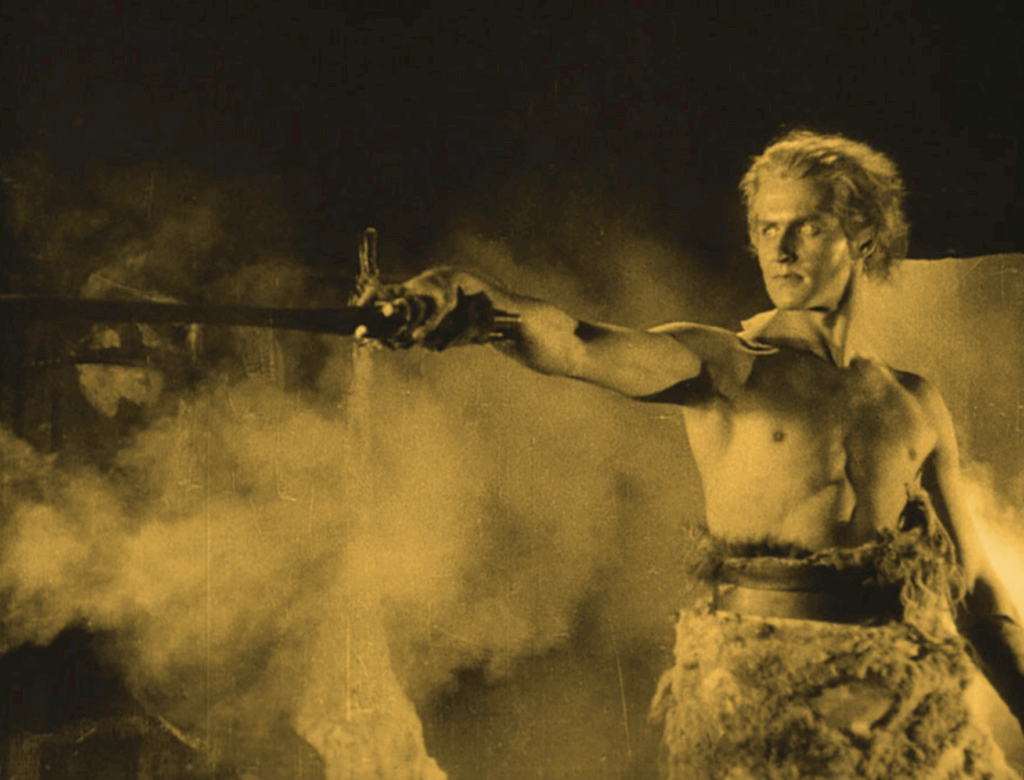
Die Nibelungen (1924)

Fritz Lang’s majestic fable of ambition, betrayal, and vengeance stands as a monumental achievement of silent filmmaking in Die Nibelungen, lifting mythical kings and battles out of Germanic legend, and giving them operatic, larger-than-life form on the cinema screen.

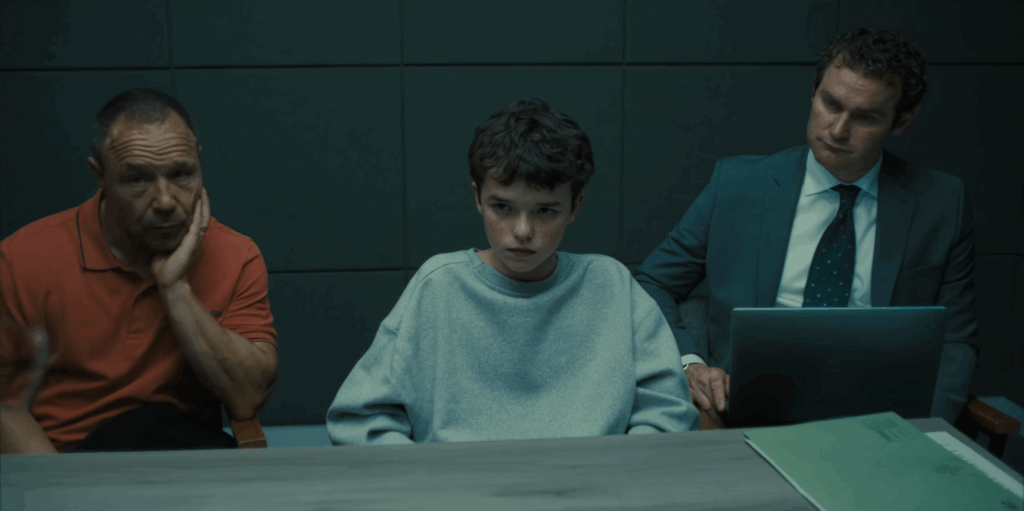
Adolescence (2025)

In Philip Barantini’s refusal to cut away from his camera’s long, uncomfortable takes, Adolescence pushes a quiet form of insistence, bearing witness to the raw, fragmented, and unresolved mess left in the wake of one teenager’s horrifying crime.

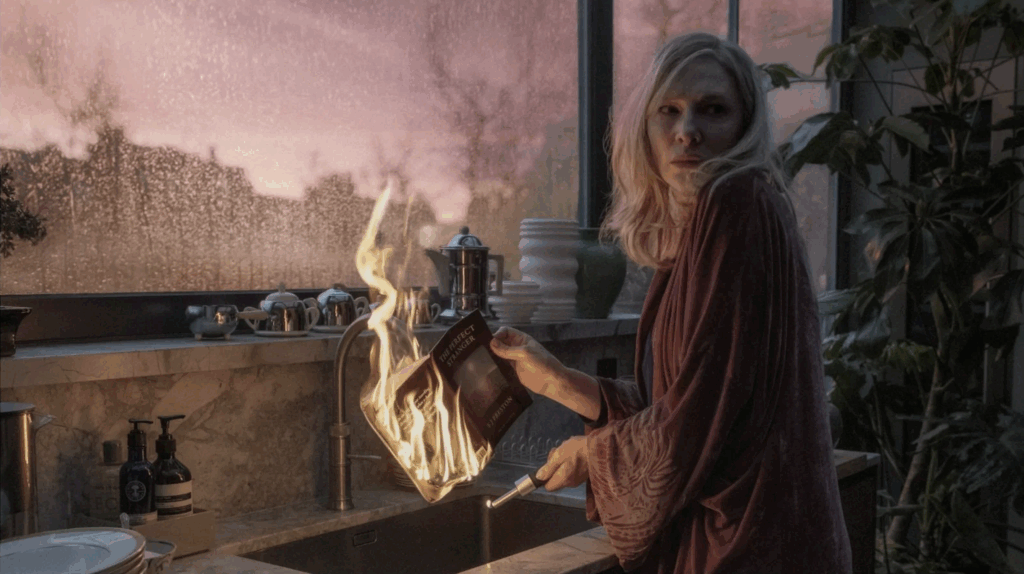
Disclaimer (2024)

Between a vengeful misanthrope and the guilt-ridden woman he holds accountable for his son’s death, Alfonso Cuarón studies the confounding subjectivity of storytelling in Disclaimer, exposing painfully conflicting perspectives woven into the very structure of his series.

Ripley (2024)

The question of what exactly constitutes a fraud is meticulously woven throughout Steven Zaillian’s monochrome study of a New York con artist in Ripley, witnessing his unscrupulous attempts to ascend the social ladder by way of identity theft and murder, even as his own amoral corruption threatens to sink him into a dark, suffocating abyss.

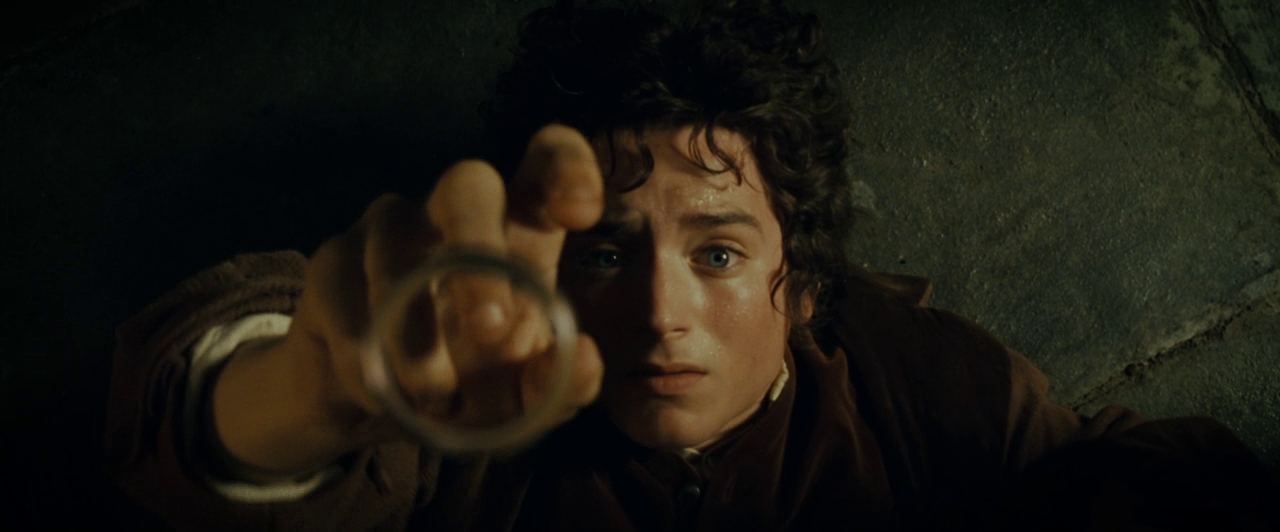
The Lord of the Rings (2001-03)

Through Peter Jackson’s extraordinary adaptation of J.R.R. Tolkien’s grand fantasy epic, we appreciate Middle Earth as one of the richest fictional worlds of literary history, imbuing The Lord of the Rings with a breathtaking cinematic awe that centres the smallest, unconventional heroes in a battle against forces of great spiritual corruption.

Fanny and Alexander (1982)

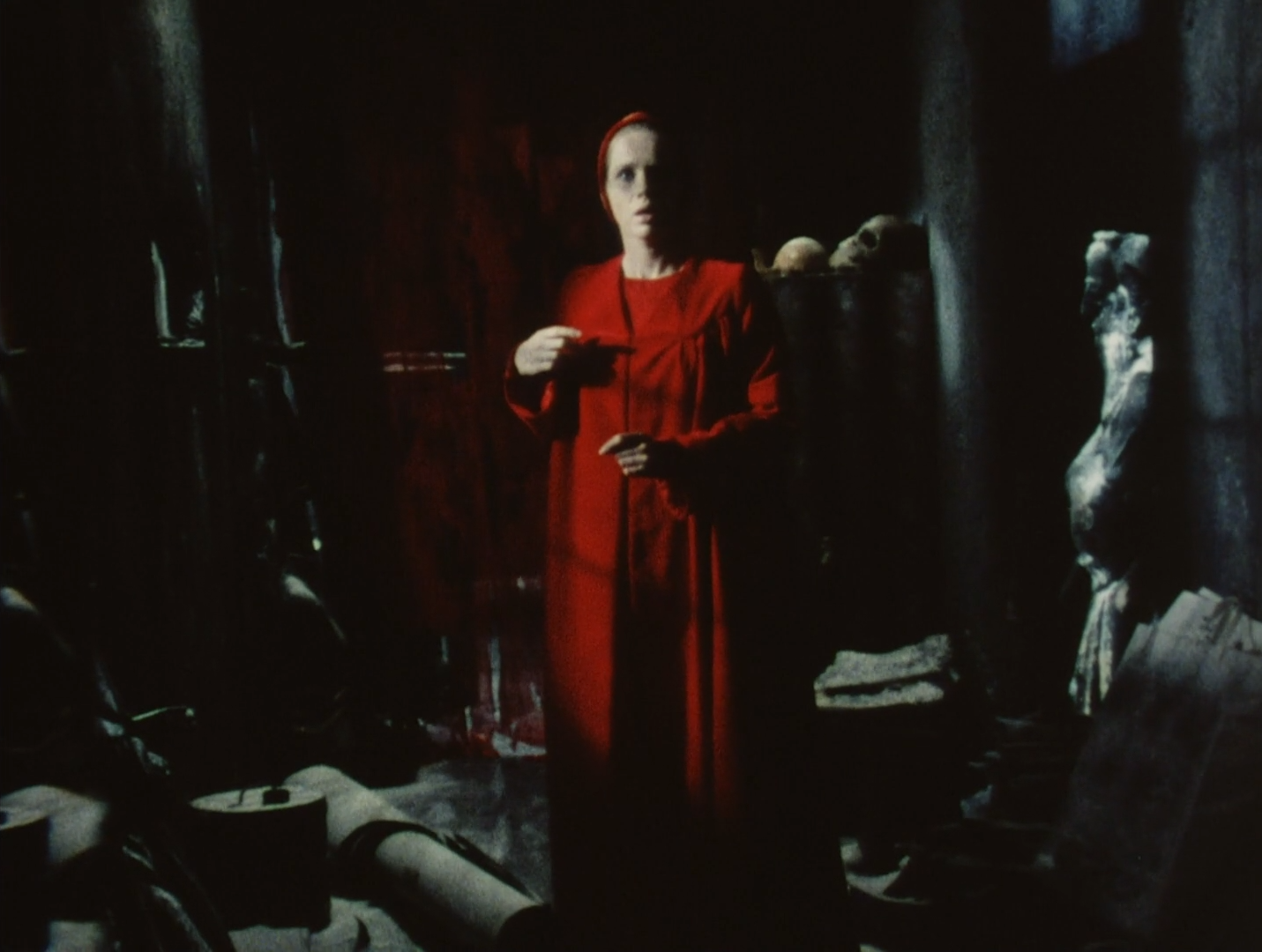
The vivid imagination of Ingmar Bergman’s young protagonist in Fanny and Alexander is as enchanting as it is frighteningly dangerous, expressing itself through vibrantly festive mise-en-scène and impressionistic supernatural visions, and forming the basis of a deeply sentimental rumination on childhood wonder, trauma, and grief.

Face to Face (1976)

Even by Ingmar Bergman’s standards, Dr Jenny Isaksson’s characterisation is layered with immense psychological depth in Face to Face, treading a fine line between realism and surrealism as her childhood traumas, insecurities, and mortal fear of death chaotically rise to the surface after years of emotional repression.

Scenes From a Marriage (1973)

Ingmar Bergman uses six isolated episodes of Johan and Marianne’s married life to piece together a collage of a fragmenting relationship in Scenes From a Marriage, turning their divorce not into a battle of husband versus wife, but rather lovers versus the space between them.

We Are Who We Are (2020)

Though the episodic storytelling of We Are Who We Are leads to some shagginess in Luca Guadagnino’s narrative, its wandering pace offers his complex characters all the time they need to explore questions of sexuality, gender identity, and grief, foregrounding the vague but sweet relationship between two teenagers living on a U.S. military base in Italy.

Les Vampires (1915)

In centring a shady gang of thieves known as Les Vampires that haunts Paris’ streets, Louis Feuillade crafts an epic crime serial that plays right into the pulpy sensationalism of their macabre characters, each one inhabiting their own compelling archetype within a thrilling narrative of hypnotised servants, cunning disguises, and secret poisons.

Scroll to Top