Recommend

Ferrari (2023)

For all Ferrari’s narrative unevenness, the god of car racing and conquest at the centre of Michael Mann’s modern mythologising makes for a compellingly thorny subject, leaving behind a trail of bodies in his blood-stained ascent to cultural immortality, while hiding his pride, shame, and sorrow behind tinted sunglasses.

Dream Scenario (2023)

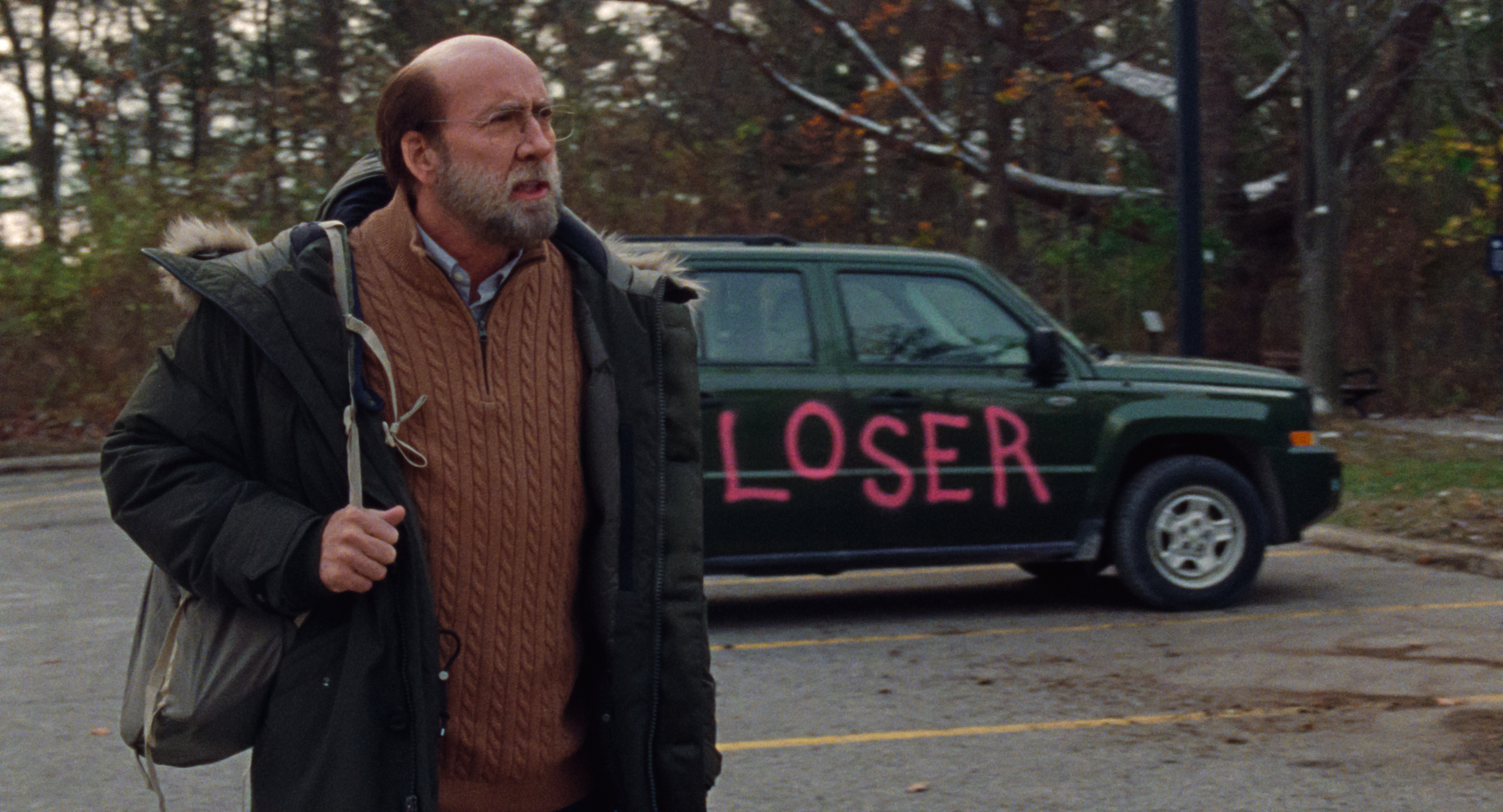
The nature of celebrity is a fickle thing for the insecure, unremarkable Paul Matthews in Dream Scenario, as unpredictable as those strangers’ dreams across the world that star him as the main character, forming a darkly comic allegory for fame’s nightmarishly dangerous sting.

Wonka (2023)

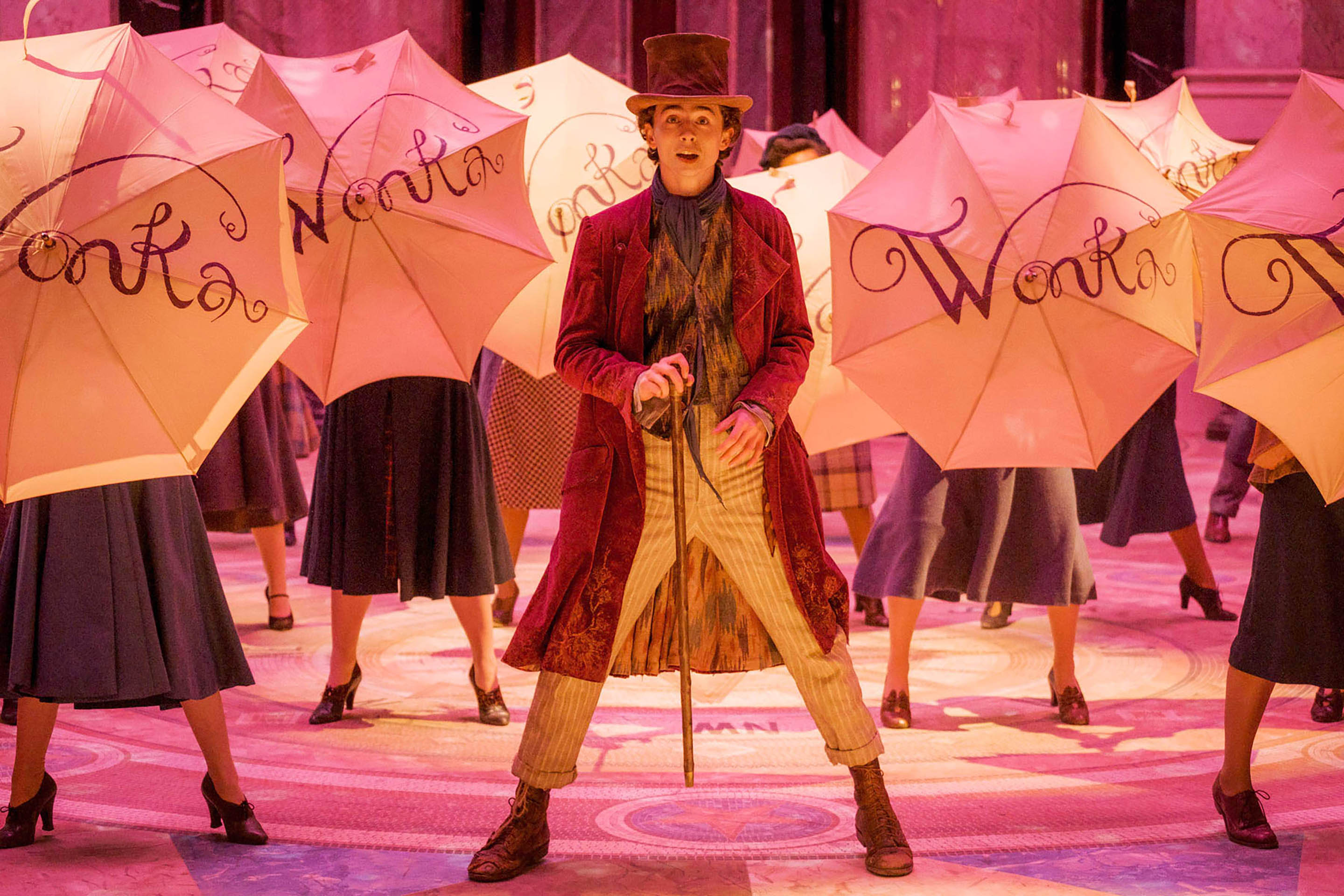
For what is essentially a prequel covering the origins of Roald Dahl’s famous candy man, the stakes are comically high in Wonka, tying Paul King’s eccentric wit, gentle slapstick, and charming sincerity into a tidy bow around a whimsical world where chocolate rules.

The Boy and the Heron (2023)

If The Boy and the Heron truly is Hayao Miyazaki’s last film, then it is poetic that such a grand adventure into surreal fantasy and back again should be the one to conclude his decades of animated world building, contemplating the power of fiction to mould trauma into fiery strength and maturity.

Bottoms (2023)

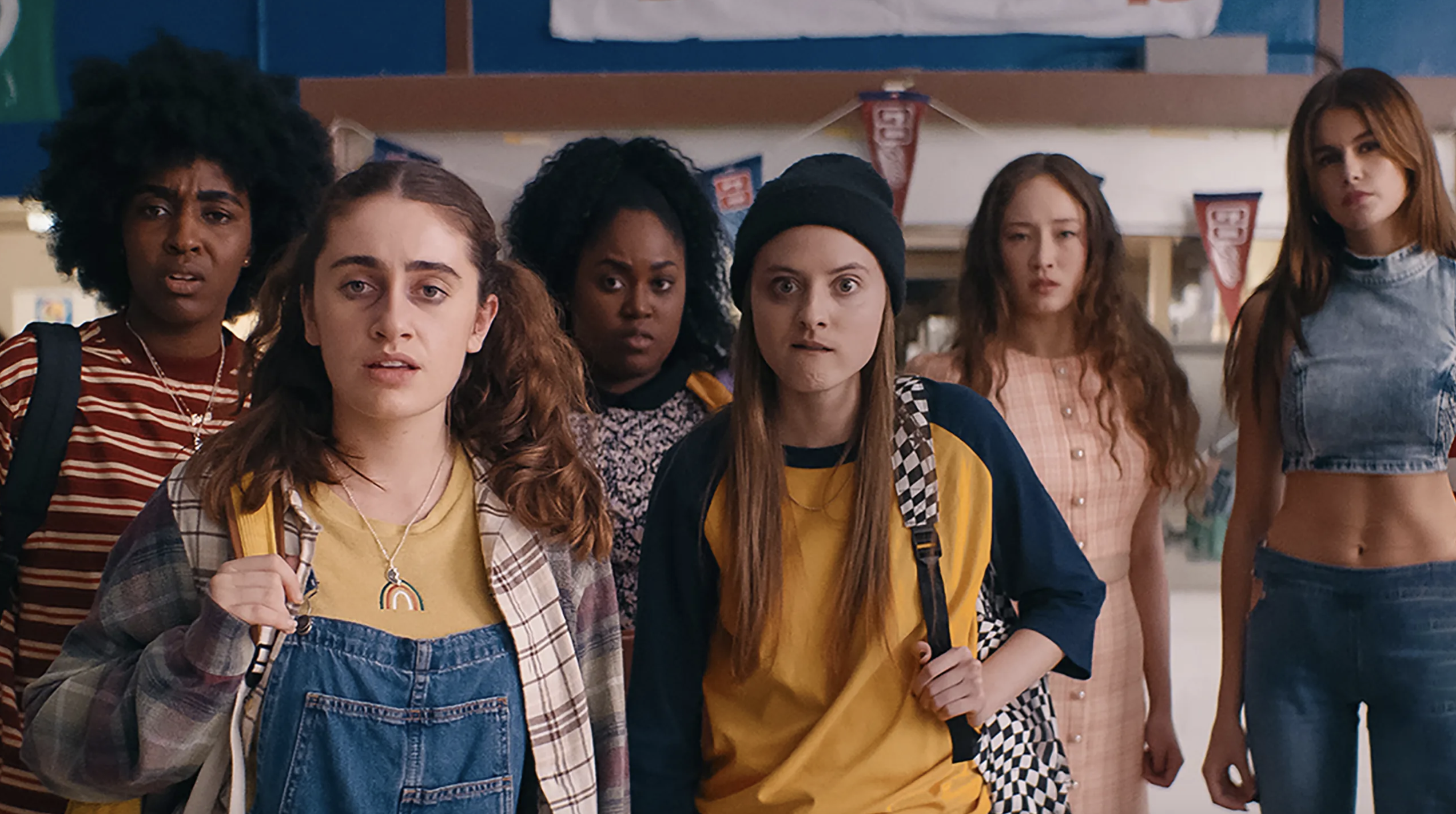
There is little in Bottoms that breaks the formula of the classic high school teen comedy, though it is in this familiar realm that Emma Seligman is most comfortable sending up its Gen Z archetypes with their trademark self-deprecating irony and dark humour, taking us inside an extracurricular all-girls fight club started by two lesbians simply hoping to get laid.

Napoleon (2023)

Beyond Napoleon’s uneven, unfocused narrative, Ridley Scott commands brilliant spectacle and irreverent humour in his portrait of the infamous French emperor, cynically revealing the childish fool in the intelligent tactician whose enormous ambitions cannot sustain his own ego.

Boston Strangler (2023)

Even when we aren’t witnessing the Boston Strangler’s brutal murders in Matt Ruskin’s true crime procedural, we feel a palpable paranoia spreading across 1960s Massachusetts, posing a cutting criticism of those misogynistic institutions seeking to protect one half of society while the other lives in perpetual fear.

After the Rehearsal (1984)

The stage is a place of deep meditation for theatre director Henrik in After the Rehearsal, letting memories of past and future relationships manifest with a subtle, time-shifting surrealism, and seeing Ingmar Bergman’s nostalgic humility take eloquent form as he looks back on his career.

From the Life of the Marionettes (1980)

Ingmar Bergman has long considered the fragile minds that lurk beneath mild personas, but From the Life of the Marionettes is easily his most violent rupturing of that veil, seeking whatever psychological reason lies at the source of one murderous outburst by piecing together fragments of the preceding and subsequent months.

The Serpent’s Egg (1977)

Even as The Serpent’s Egg marks a strange departure from Ingmar Bergman’s usual screenwriting strengths, the bleak tension he builds in his 1920s Berlin setting can’t be denied, witnessing the birth of fascism amid dystopian landscapes of fear, starvation, and corruption.

Scroll to Top