Rating

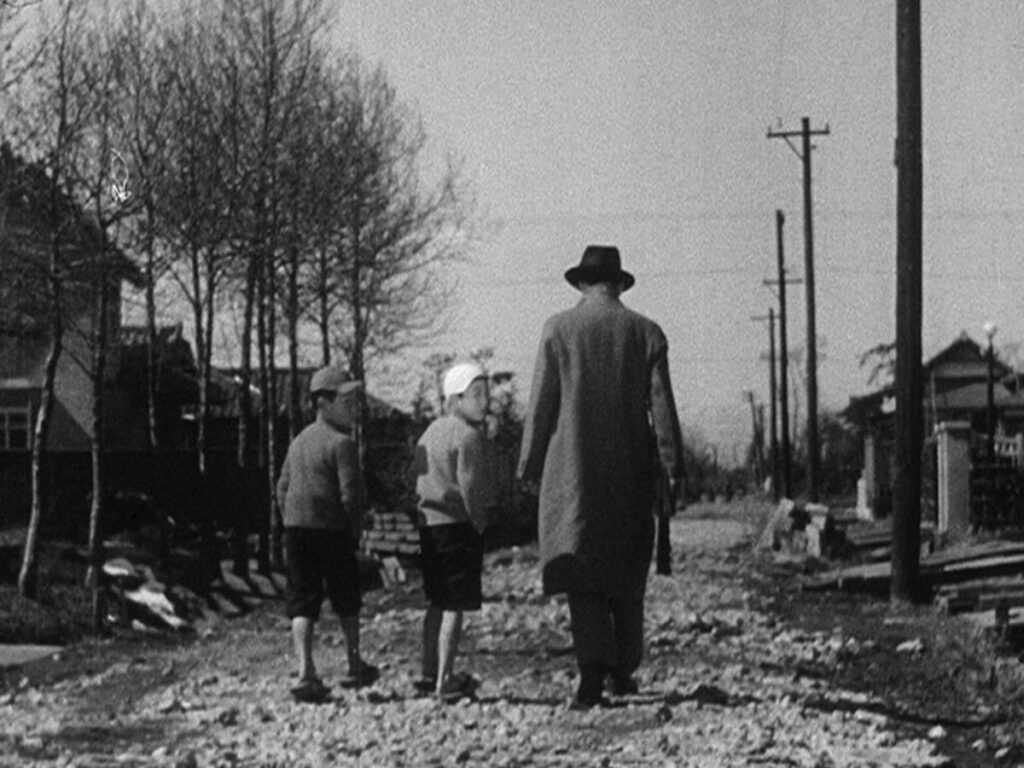
I Was Born, But… (1932)

Within the messy entanglement of power and status, Yasujirō Ozu’s formal mirroring of fathers and sons in I Was Born, But… reveals the conflict at the root of our common insecurities, as well as the sweet, liberating affirmation we never stop pursuing from infancy through adulthood.


Tokyo Chorus (1931)

The subdued melodrama of Tokyo Chorus stands as a delicate testament to those teachers who not only educate us, but sagely guide us through our lowest moments, as Yasujirō Ozu cultivates his craftsmanship through the tender-hearted tale of an unemployed family man.

Destiny (1921)

In Destiny’s eternal struggle between love and death, a young woman bargains to win her fiancé back from the afterlife itself, navigating a series of tragically romantic tales through Fritz Lang’s extraordinary Gothic anthology.

Mission: Impossible – The Final Reckoning (2025)

What Mission: Impossible – The Final Reckoning lacks in deftness it makes up for in raw impact, unleashing a heart-pounding conclusion to the nuclear threat posed by a rogue AI parasite, and standing as an overstuffed, operatic monument to what practical filmmaking can still achieve when pushed to its edge.

Ossessione (1943)

Luchino Visconti masterfully merges neorealism with the dark, fatalistic tension of film noir in Ossessione, unravelling a deadly affair between a pair of down-on-their-luck strangers, and revealing the inescapable consequences of passion, resentment, and poverty.

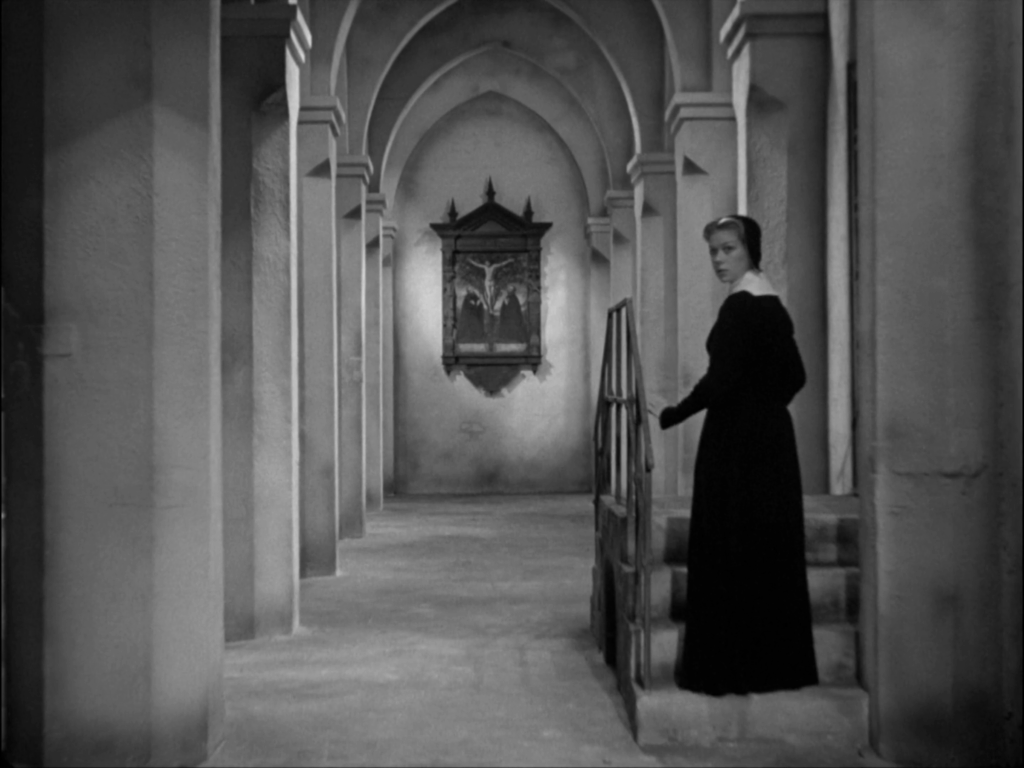
Day of Wrath (1943)

Even as Carl Theodor Dreyer holds the witch trials of one small Danish village in great contempt, Day of Wrath never truly rules out the question of whether some transcendent power is at play, sending the damned to early graves while the living stoke destructive flames of rumour and suspicion.

Stray Dog (1949)

While the citizens of Tokyo spend their summer watching baseball games and visiting clubs in Stray Dog, police officer Murakami is set on apprehending the man in possession of his stolen gun, methodically closing the distance under Akira Kurosawa’s sharp, watchful gaze.

21 Grams (2003)

Through the convergence of three separate lives upon a single tragedy in 21 Grams, Alejandro Iñárritu gifts us a miraculous glimpse into the infinite, fragmented tapestry of human relationships, and the terrible burden this interconnectedness weighs on our souls.

Carrie (1976)

Coming of age is quite literally a horror show in Carrie, and one that Brian de Palma conducts with spectacular tension, brewing a lethal combination of hormones, trauma, and telekinetic powers within a lonely, abused teenager.

Adolescence (2025)

In Philip Barantini’s refusal to cut away from his camera’s long, uncomfortable takes, Adolescence pushes a quiet form of insistence, bearing witness to the raw, fragmented, and unresolved mess left in the wake of one teenager’s horrifying crime.

Scroll to Top