Rating

Widows (2018)

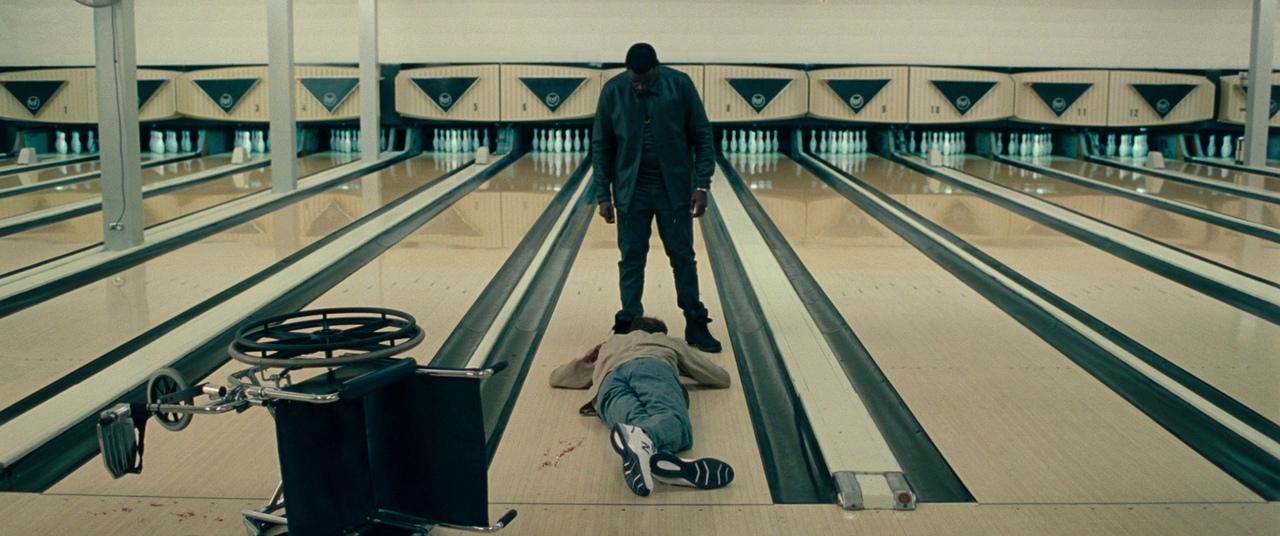
Steve McQueen’s dip into the crime genre with Widows shrewdly carries on his style of uncompromising filmmaking, using dazzling camerawork and slick pacing to navigate a sprawling, rolling narrative which sees the consequences of one failed robbery ricochet through Chicago’s gangs, politics, and the grieving wives who soon decide to collaborate on their own grand heist.

The Parallax View (1974)

In conceiving of a shady corporation that turns lonely men into political assassins in The Parallax View, Alan J. Pakula takes full control of the prying investigations and double crosses driving his tightly-wound narrative, letting his camera linger on those sinister, dark spaces that conceal the puppet strings manipulated by faceless elites.

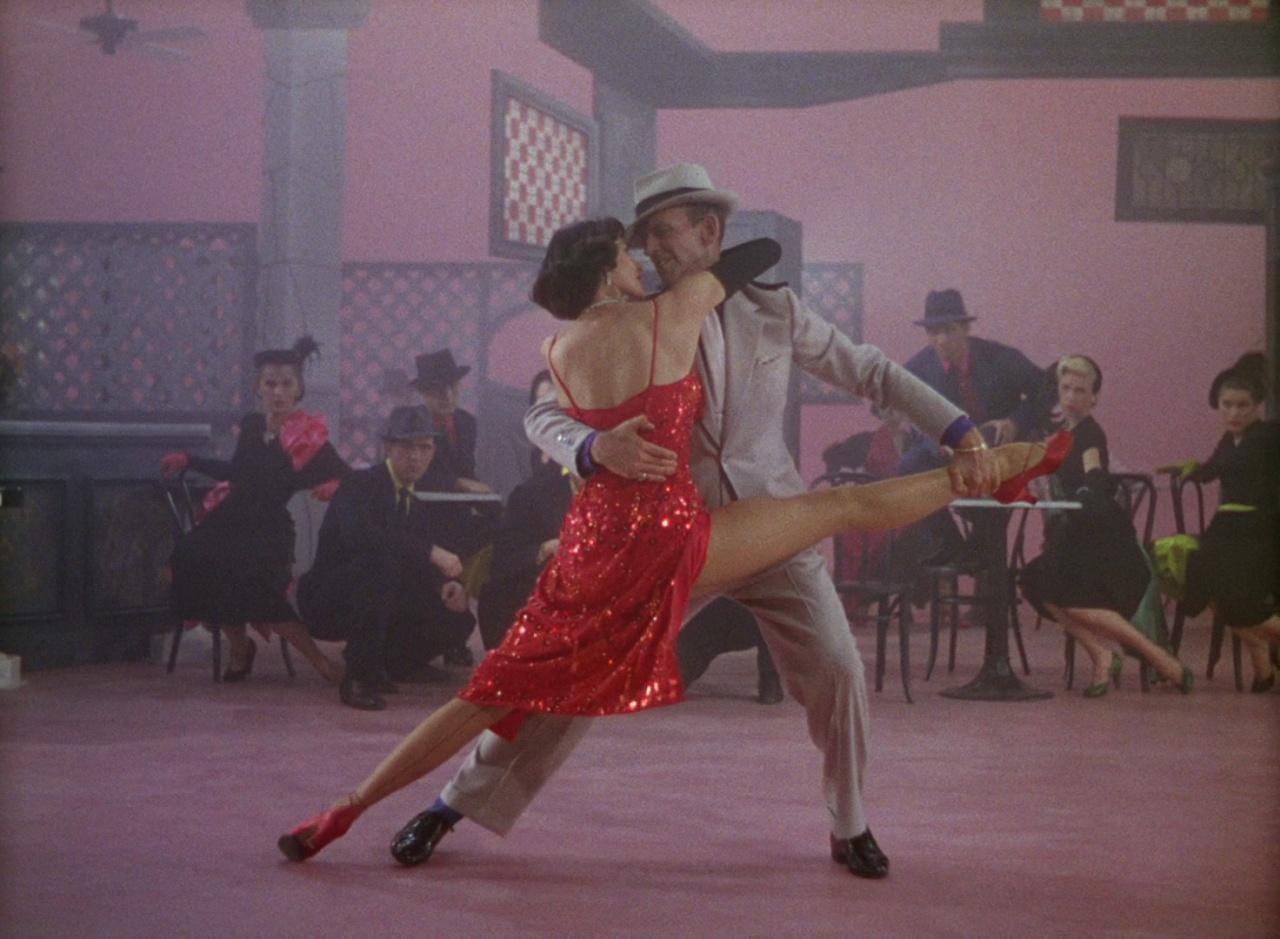
The Band Wagon (1953)

In bringing narrative tension to a classic Broadway revue of disconnected musical numbers, The Band Wagon lands as a boisterous examination of failure and success in the entertainment industry, rolling along with zeal while Vincente Minnelli’s exhilarating camerawork brings propulsive dimensions to that which unfolds onstage.

A History of Violence (2005)

Within A History of Violence’s interrogations of humanity’s ravenous self-destruction, David Cronenberg skilfully crafts a biblical allegory from one humble diner owner’s confrontation with his shameful past, visiting the sins of fathers upon their children with chilling brutality.

Polytechnique (2009)

In Denis Villeneuve’s tragic reconstruction of the 1989 Polytechnique Montreal massacre, he traps us inside a labyrinth of narrow corridors and bleak modernist architecture, following the immediate perspectives of two students whose fates will be forever intermingled with one violent, hateful man and his brief reign of terror.

Scarface (1932)

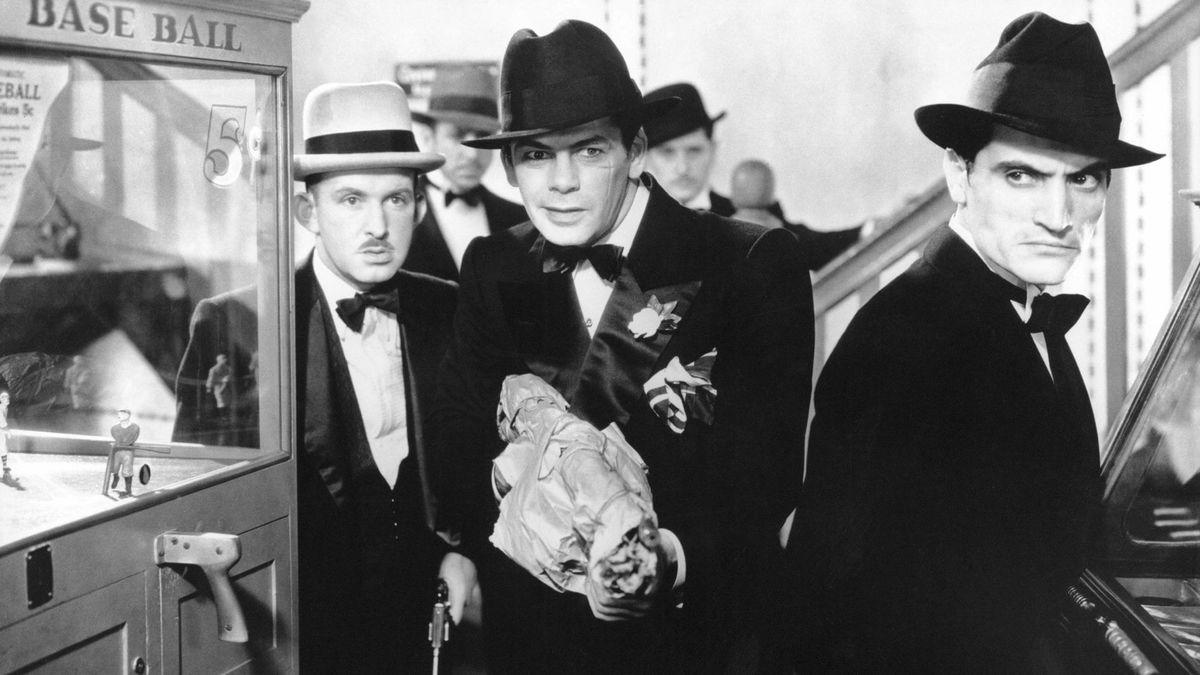
Within the Prohibition era of Scarface where Tony Camonte reigns supreme, violence is conducted with secrecy and treachery, intermittently rupturing Howard Hawk’s patient, brooding narrative with bursts of brutality.

Being the Ricardos (2021)

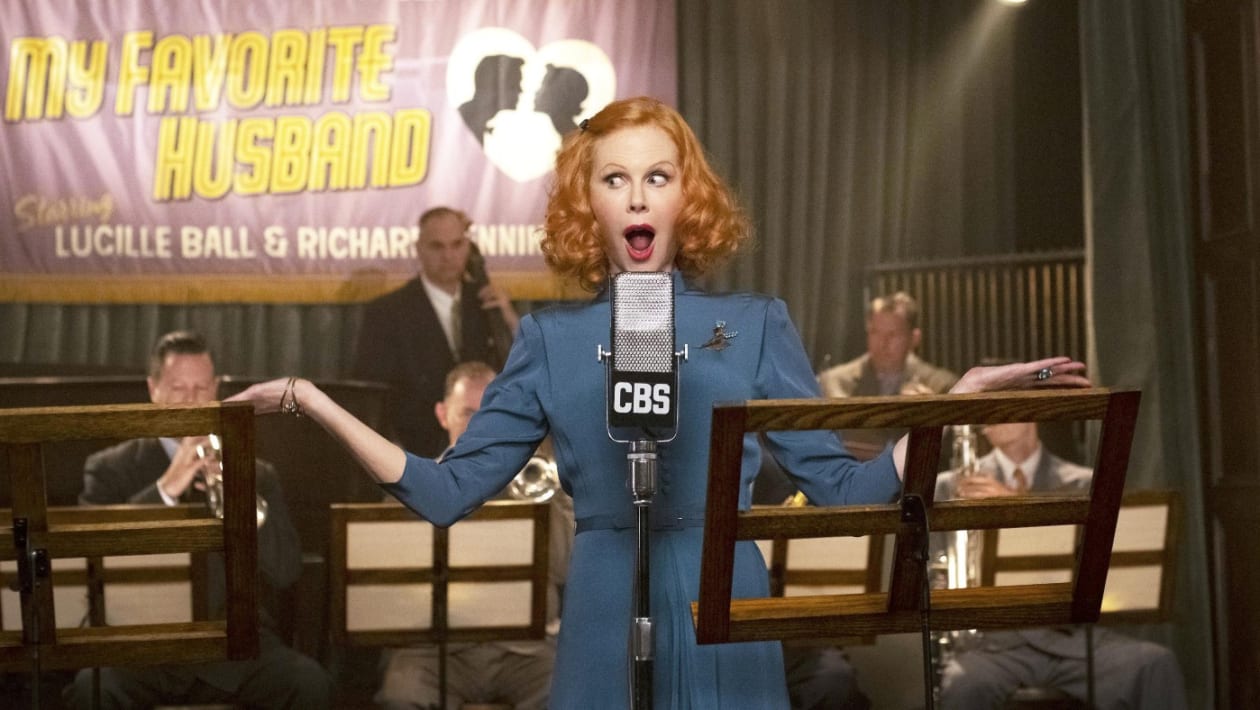
Though Aaron Sorkin’s screenplay for Being the Ricardos may at times indecisively tug its narrative in multiple directions at once, it is tough faulting the electric dialogue that keeps us glued to Lucille Ball’s behind-the-scenes television troubles, holding firm to its empathetic understanding of the comedic television star.

Spencer (2021)

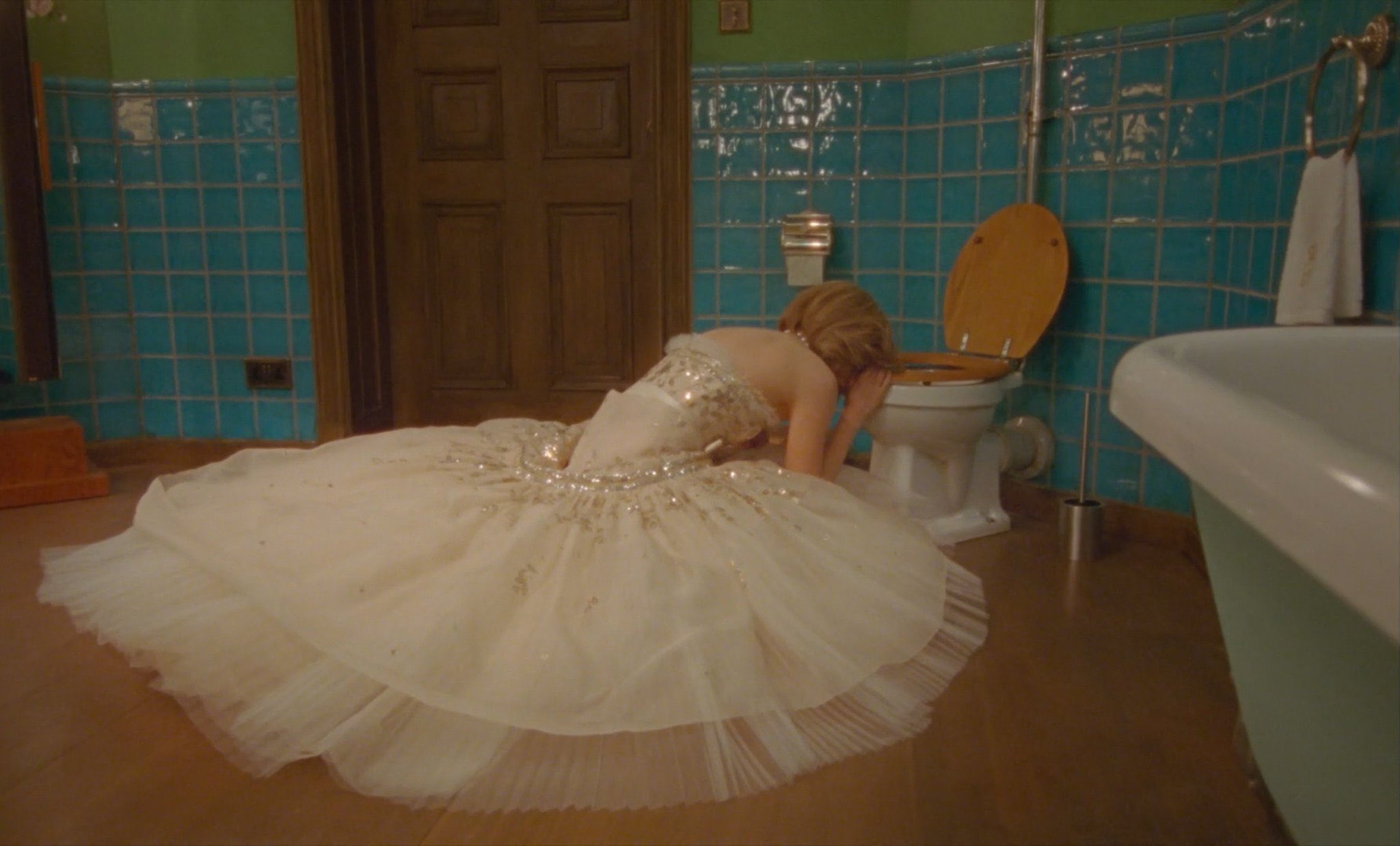
In the stretches of time spent watching Princess Diana quietly unravel in her search for an escape from the British royal family’s country vacation over the course of a few days in 1991, Pablo Larraín crafts a tragically surreal portrait in Spencer of a woman who has not yet died, but who has already departed those worlds she once inhabited.

Ash is Purest White (2018)

Through Jia Zhangke’s interweaved motifs of colours and landforms in Ash is Purest White, he creates an epic character study of feminine strength, and its moulding in the fiery heat of adversity.

Pride and Prejudice (2005)

Joe Wright’s cinematic interpretation of Jane Austen’s novel brings a stylistic and formal flair to Elizabeth Bennet and Mr Darcy’s swooning romance that we haven’t seen before, efficiently constructing the world of 19th century England in long takes that soar through lavish ballrooms, hallways, and mansions.

Scroll to Top