
Rating

Babylon (2022)

Just as Babylon writhes with excitement at cinema’s potential during the early years of its formation, so too does Damien Chazelle eagerly tease apart the connection between artistic genius and debauchery in its first pioneers, swinging as hard with his decadent maximalism as the modern empire of insurmountable, ruinous ambition at the centre of it all.

1900 (1976)

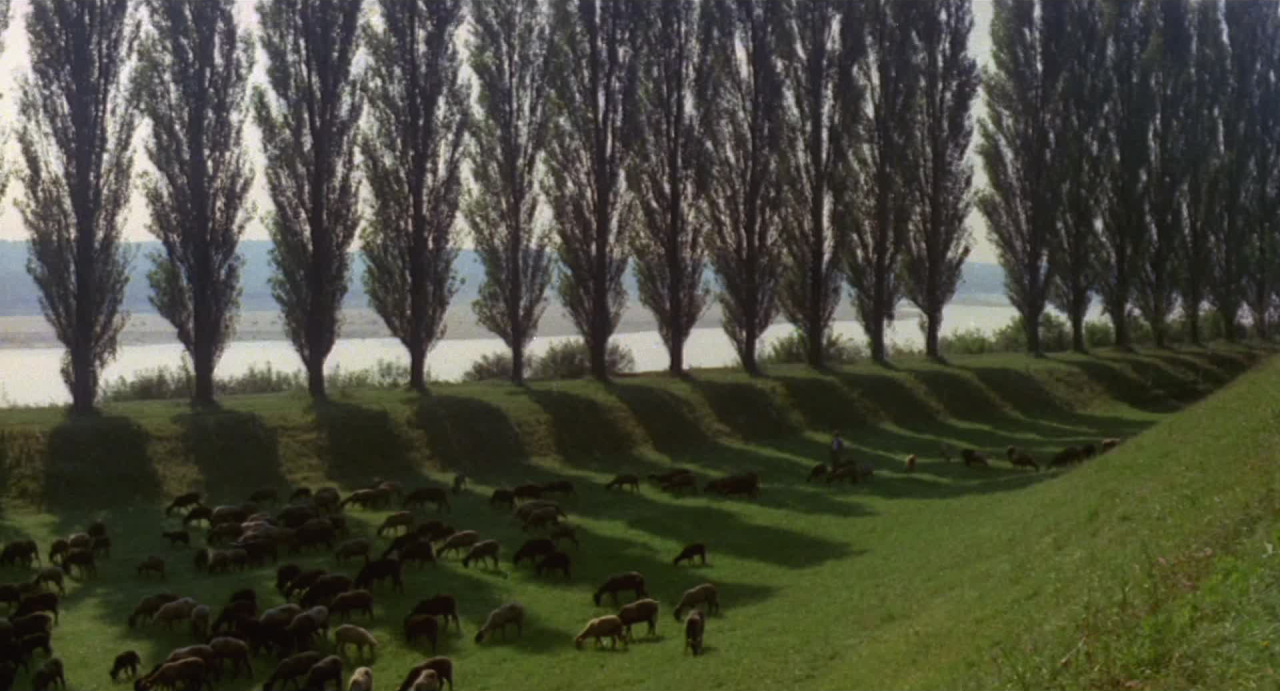
Bernardo Bertolucci’s bold artistic statement on the eternal struggle between fascism and socialism comes full circle in his period epic 1900, echoing formal patterns across the lives of two friends from opposing sides of the class divide, and landing the full weight of their intrinsic connection as operatically as the decades of Italian interwar history they represent.

Summer Interlude (1951)

Marie and Henrik aren’t the first lovers in an Ingmar Bergman film to be brutally torn apart, but they are first to be developed with such visual splendour and warmth, as Summer Interlude dreamily calls back to those nostalgic, youthful vacations that seemed to go on forever, flourishing in the tiny tensions and pleasures of one’s first romance and heartbreak.

To Joy (1950)

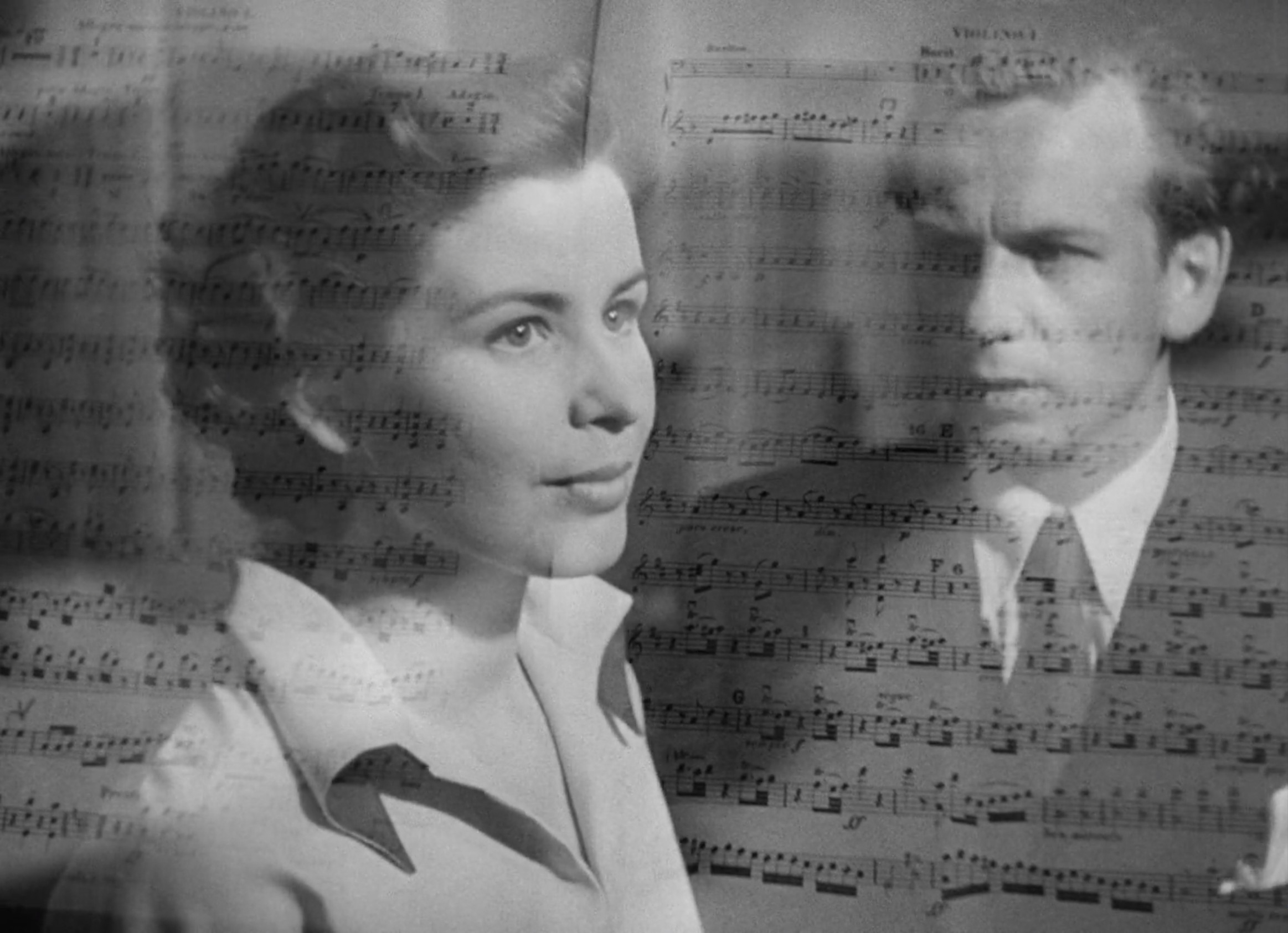
Ingmar Bergman’s tribute to artistic expressions that speak directly to the human soul resonate loudly all through To Joy’s visual and musical orchestrations, each one harmonising to pinpoint the intersection of love, tragedy, and wistful longing shared by two married violinists and their perfectionistic, fatherly conductor.

Thirst (1949)

As Bertil and Rut ride a train through a war-ravaged Europe in Thirst, the nostalgic affairs and heartbreaking traumas of their past rise to the surface in uneasy flashbacks, bringing a faintly nightmarish edge to their festered love which Ingmar Bergman contains within claustrophobic interiors, seeing them viciously pour their frustrations out onto each other.

Port of Call (1948)

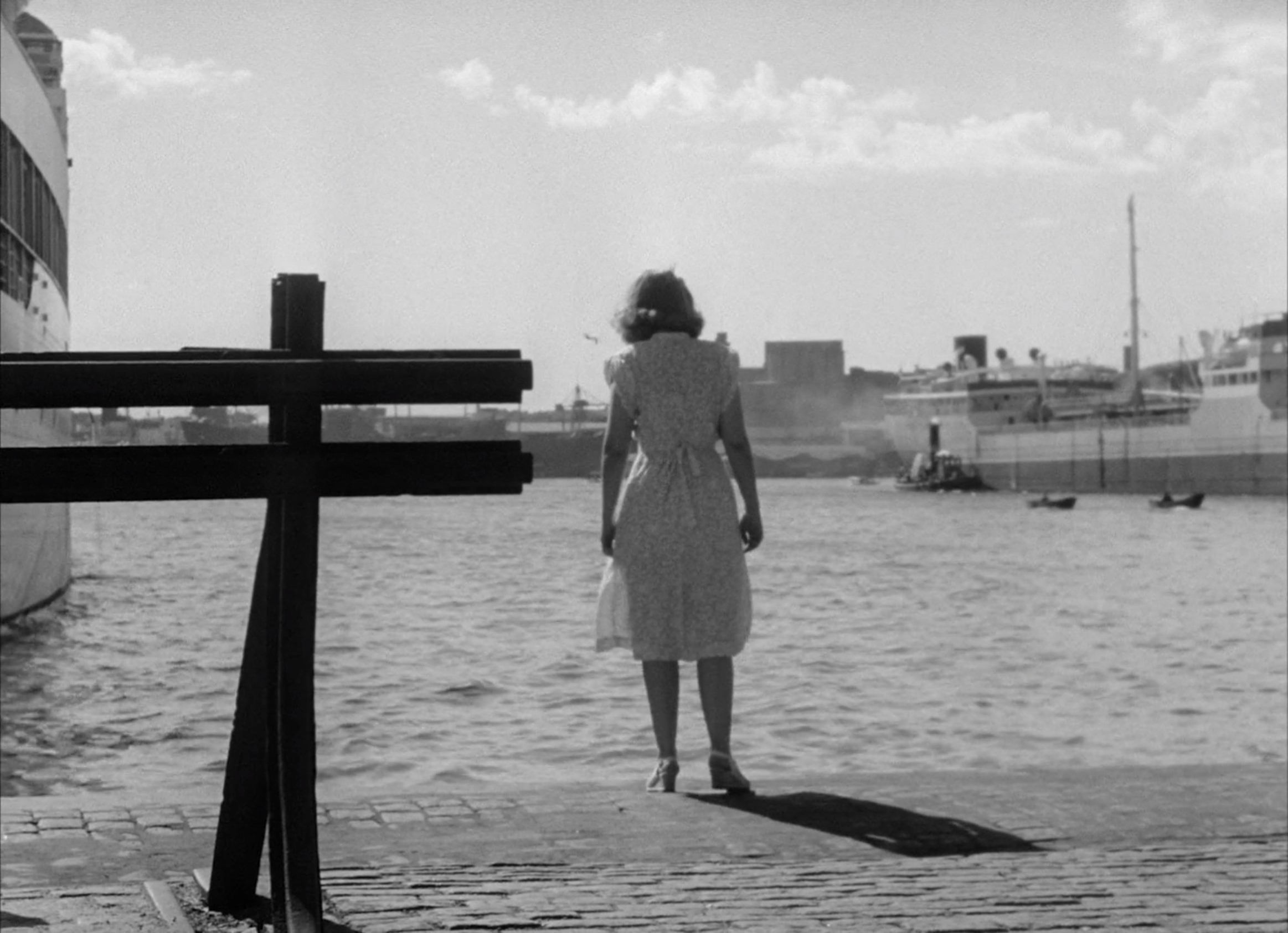
Romantic melodrama may be the basis of Port of Call’s romantic storyline, and yet in the authentic location shooting and miserable suffering of its suicidal protagonist, Ingmar Bergman imbues it with a discomforting grit inspired by Italy’s neorealist movement, setting in a bleak tone that sees old traumas surface and threaten the chance for new beginnings.

A Ship Bound for India (1947)

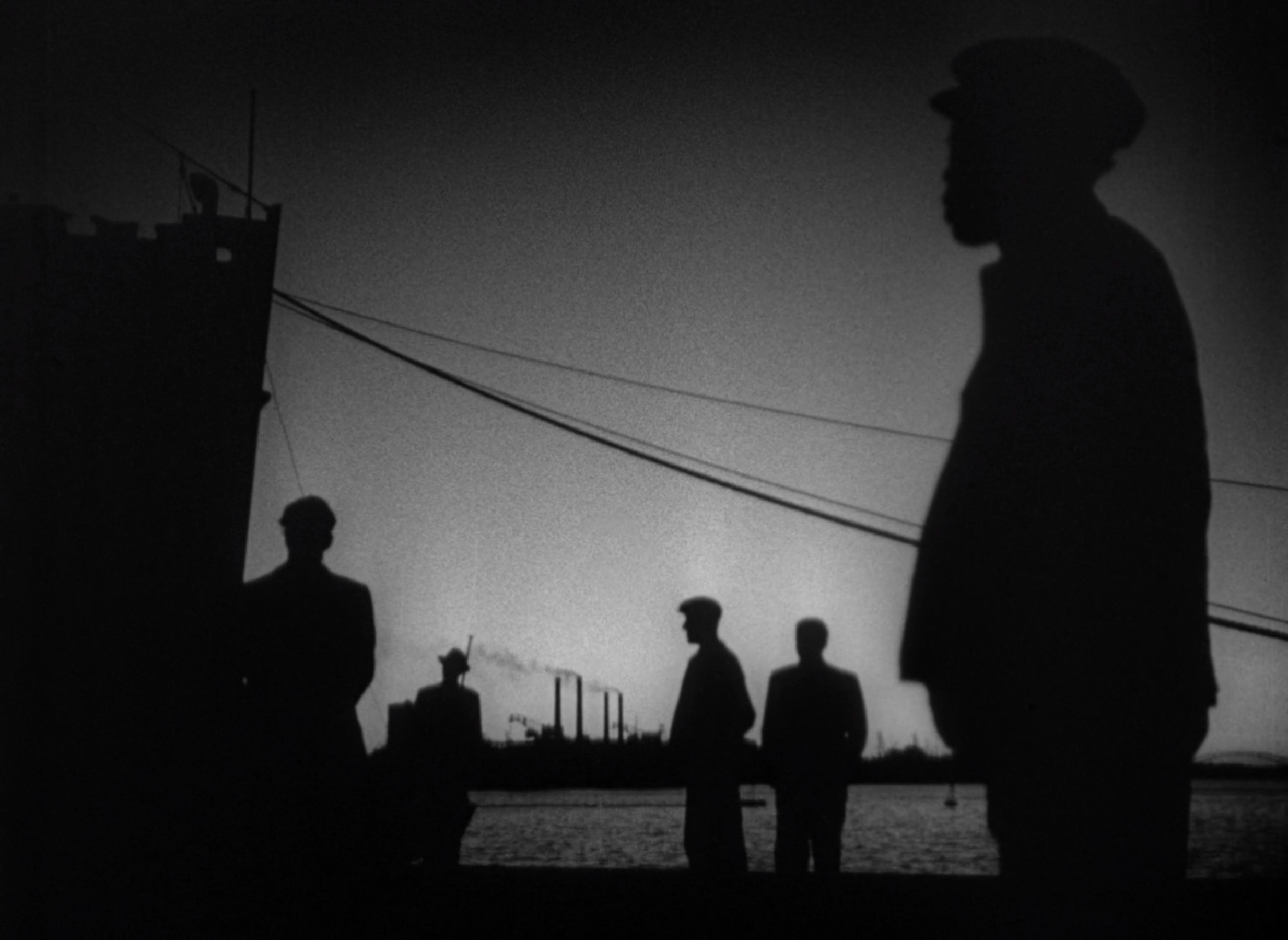
An air of fleeting transience hangs over A Ship Bound for India, embodied literally by the industrial ships sailing from one dock to the next, and formally weaved into the narrative as an extended, nostalgic flashback, revealing a confidence in Ingmar Bergman’s direction that probes the Oedipal dynamics between a sailor, his father, and his mistress.

She Said (2022)

She Said wisely does not dip into the familiar aftermath of Harvey Weinstein’s sexual abuse allegations, but rather centres on the painstaking investigations that toppled over dominoes towards the earth-shattering exposé, building an ensemble of affecting performances atop a sensitive screenplay that carries us through stretches of otherwise uninspired visual direction.

It Rains On Our Love (1946)

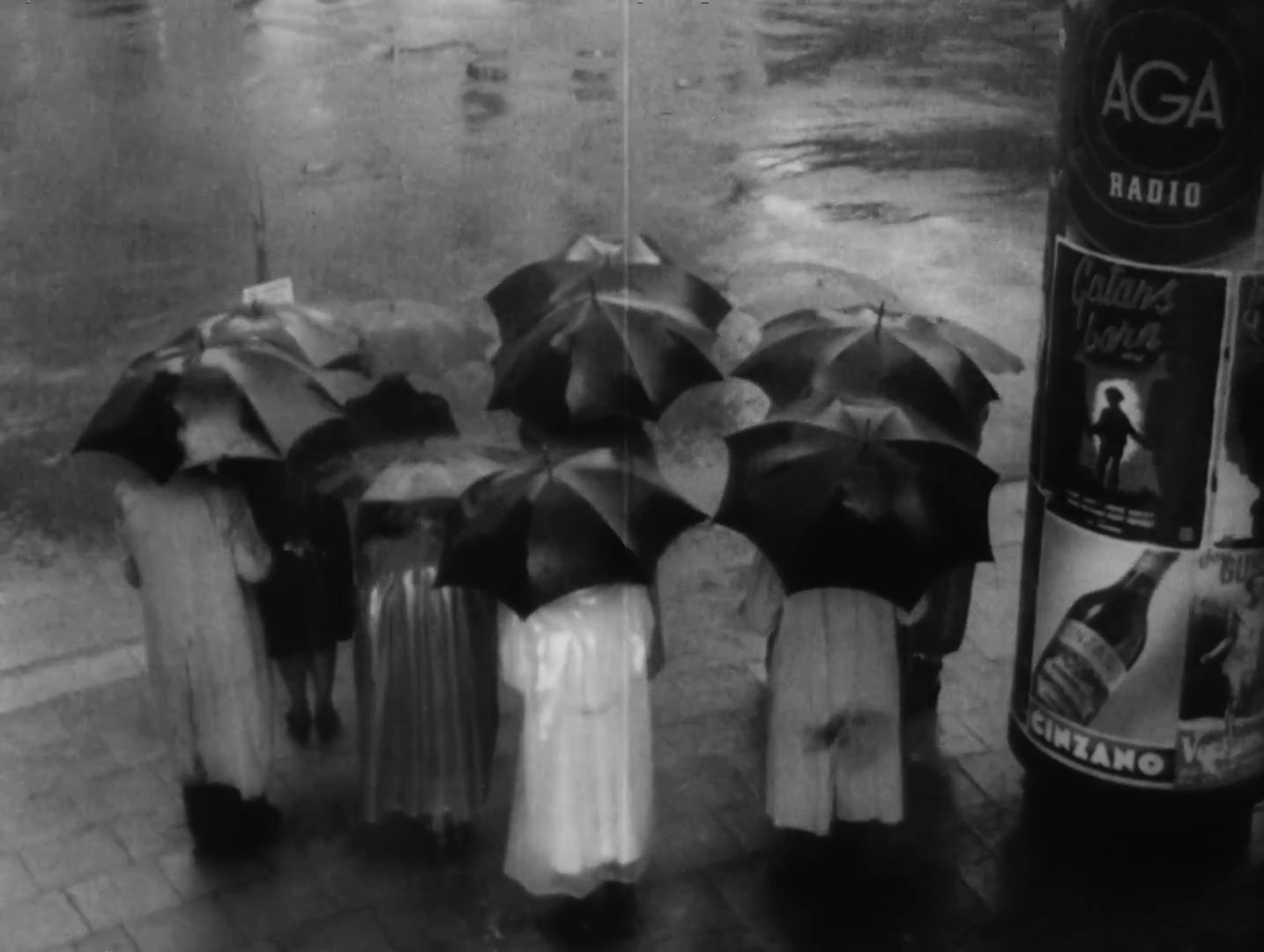
Ingmar Bergman screenplays are rarely so blunt as the melodrama he delivers in It Always Rains on Our Love, and yet the touch of magical realism he injects into this fable of endless hardships is charming nonetheless, formally rounding out a heartfelt call for compassion towards society’s young outcasts.

Punch-Drunk Love (2002)

Random chaos defines Barry Egan’s world in Punch-Drunk Love, reaching out across his work and personal life to diminish his meek existence, and yet there is a balanced coordination across every level of Paul Thomas Anderson’s incredibly formal filmmaking in this offbeat romantic comedy that finds colourful, delicate harmony among the dissonance.

Scroll to Top