Rating

The Virgin Spring (1960)

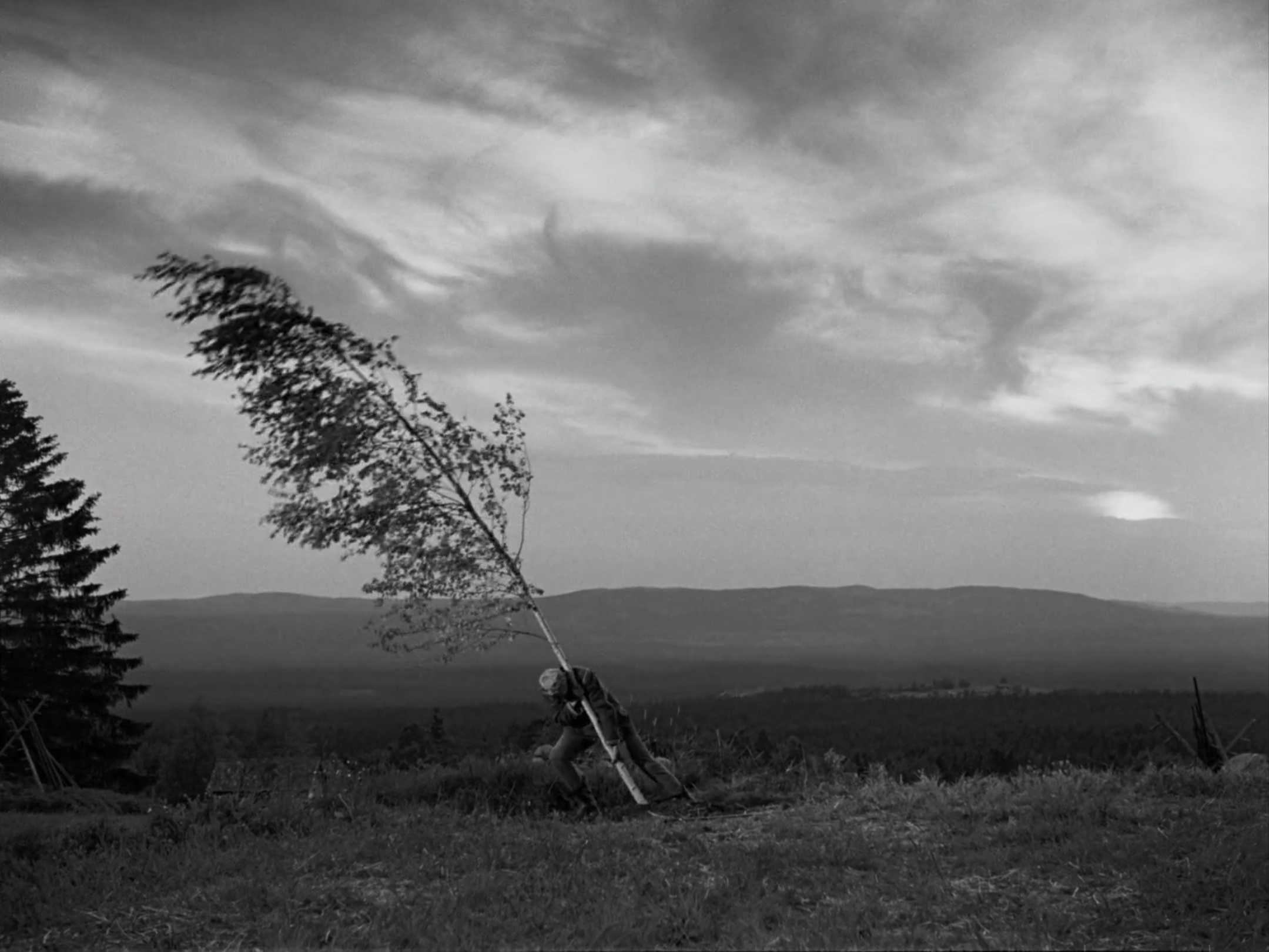
Christian and pagan symbolism may be nothing new for Ingmar Bergman, but their manifestation in The Virgin Spring through such visceral violence is punishing even by his standards, thoughtfully considering in this parable of murder and revenge how virtue might survive our most guilty, godless instincts.
The Magician (1958)

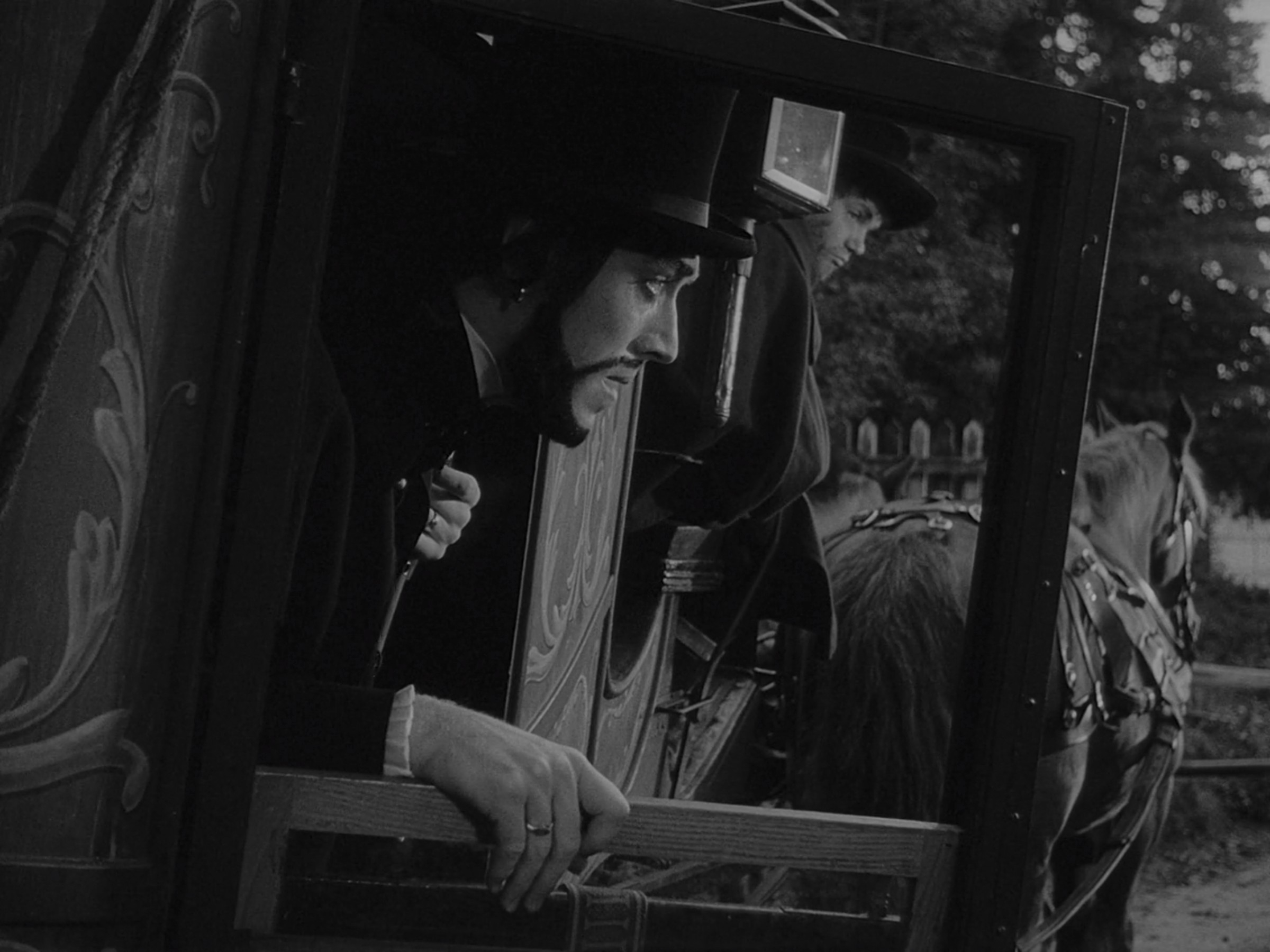
Ingmar Bergman captures an offbeat blend of his severe dramas and graceful comedies in The Magician, turning a critical eye towards his own craft of underhanded artistic manipulations by centring a travelling troupe of con artists, and lightly exposing the fraud that unites them with their harshest critics.

Wild Strawberries (1957)

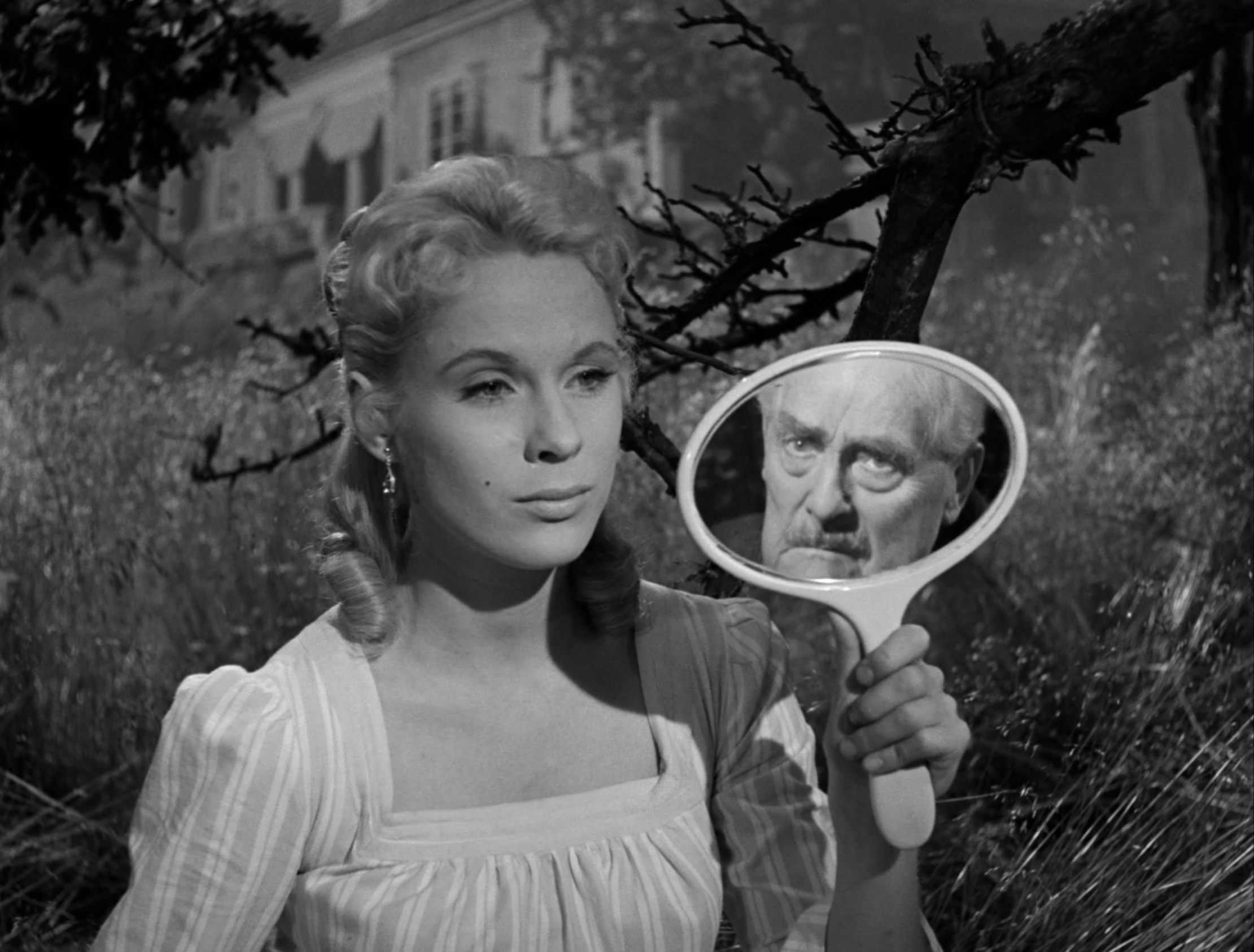
Dreams, memories, and symbols drift by on the powerful current of Ingmar Bergman’s poetic screenplay in Wild Strawberries, turning one elderly professor’s road trip into a spiritual vessel of self-reckoning that confronts the many estranged relationships he has accumulated, and penetrating the surreal depths of his guilty mind through beautifully existential imagery.

The Seventh Seal (1957)

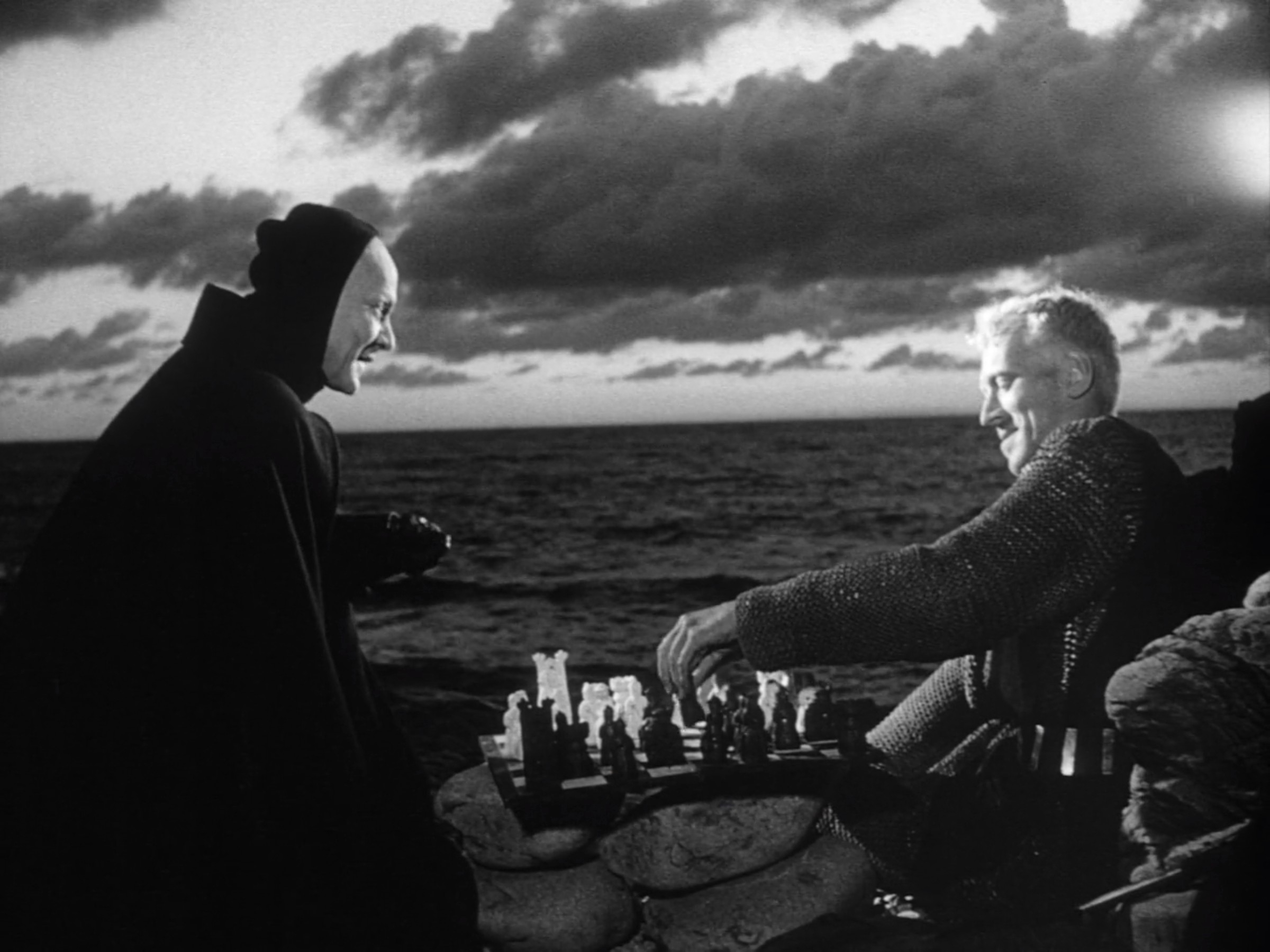
Ingmar Bergman’s pensive journey of faith and doubt leads us through barren, plague-ridden landscapes in The Seventh Seal, imposing a stark beauty on his theological iconography and poetic contemplations which confirm this existential medieval fable as a historical feat of philosophical screenwriting.

Smiles of a Summer Night (1955)

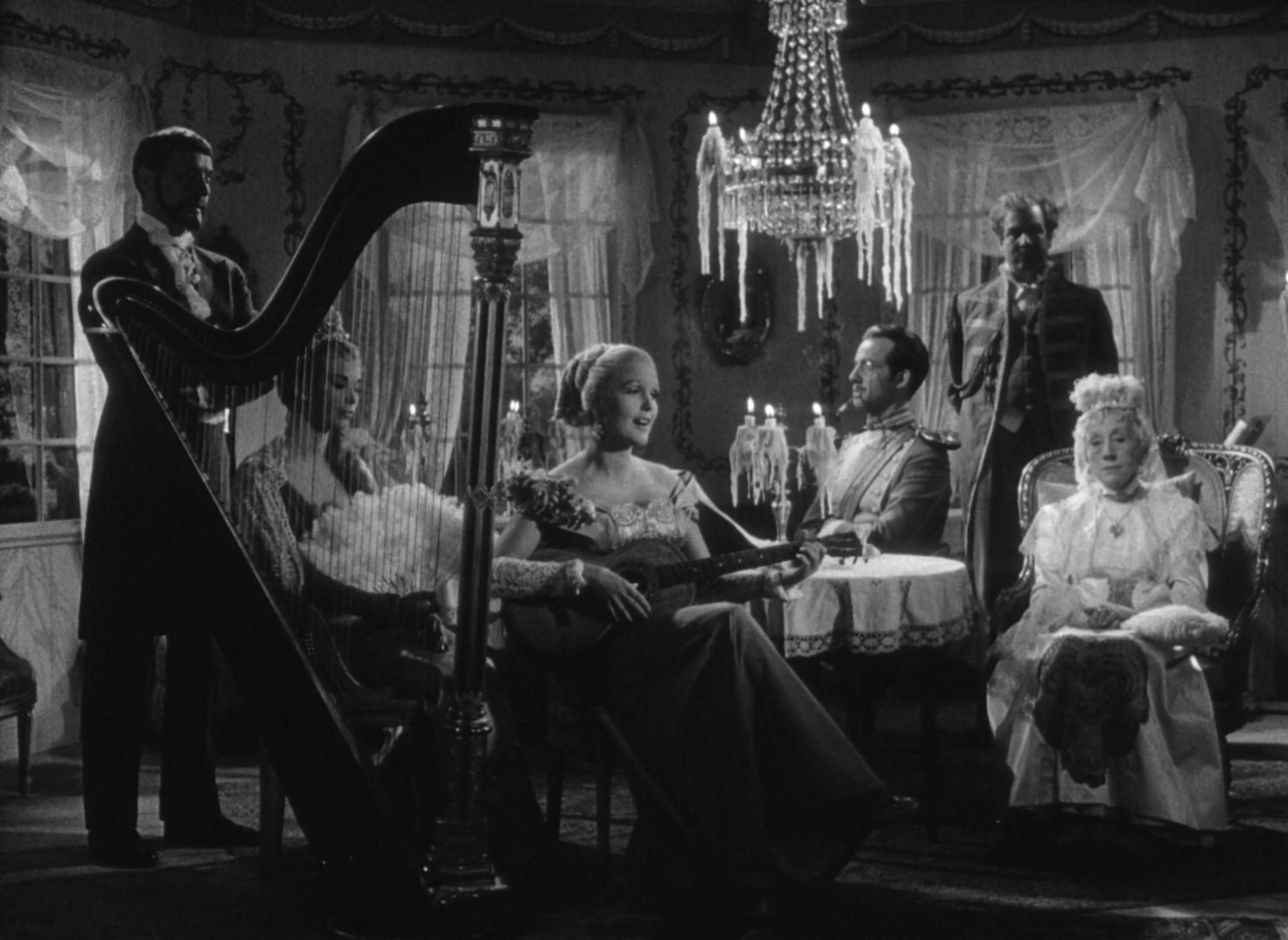
The complex web of betrayals, seductions, and alliances within the aristocratic ensemble of Smiles of a Summer Night is tantalising to watch for its sharp class satire, and yet Ingmar Bergman also buries a profound wisdom into his intoxicating chaos, deepening its joyful wonder with blessings for new beginnings and second chances.

Dreams (1955)

The romantic fantasies that young model Doris and her agent Susanne chase down are blindly hinged on the belief that men are not lazy, mediocre creatures, and Ingmar Bergman delicately maps out the psychological terrain of these compulsive desires all through Dreams, leading both generations of women down parallel paths of inevitable disappointment.

A Lesson in Love (1954)

A Lesson in Love is an impressive display of comic versatility for a relatively minor Ingmar Bergman film, sending his sober marital drama crashing into idiosyncratic foibles where screwball humour, sophisticated wit, and savage feuds intermingle.

Sawdust and Tinsel (1953)

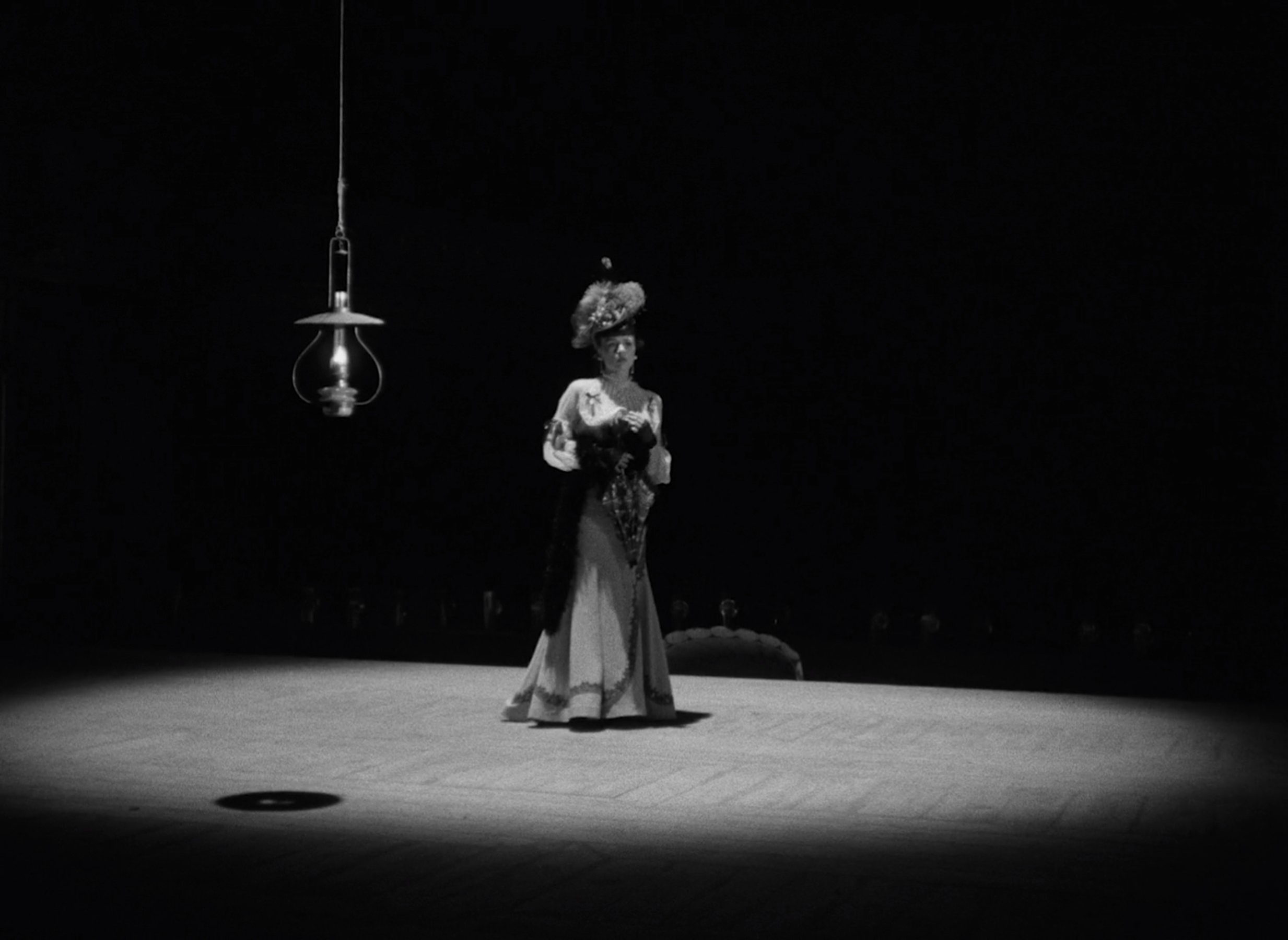
Life is a circus that creates entertainment out of humiliation, Ingmar Bergman posits in Sawdust and Tinsel, and in his rich staging and screenwriting he needles its existential drama with a finer, wittier point than ever before, finding both sympathy and pity for its hapless fools doomed to eternal ridicule.

4 Months, 3 Weeks and 2 Days (2007)

Leading the peak of the Romanian New Wave, Cristian Mungiu turns his government’s historic oppression into the pervasive, unseen antagonist of 4 Months, 3 Weeks and 2 Days, haunting the dangerous attempts of two women to secure an illegal abortion with a passive cruelty that lingers in long takes, and holds us in its tight, uncompromising stranglehold.

Summer with Monika (1953)

Ingmar Bergman guarantees the loss of youthful innocence in Summer with Monika as sure as seasonal changes, contrasting the light nostalgia of a gleeful escape against the demoralising fatigue of contrived, urban living by studying the expressive contours of his young lovers’ faces, poignantly recognising what modern society has so cruelly stolen from them.

Scroll to Top