
Rating

The Touch (1971)

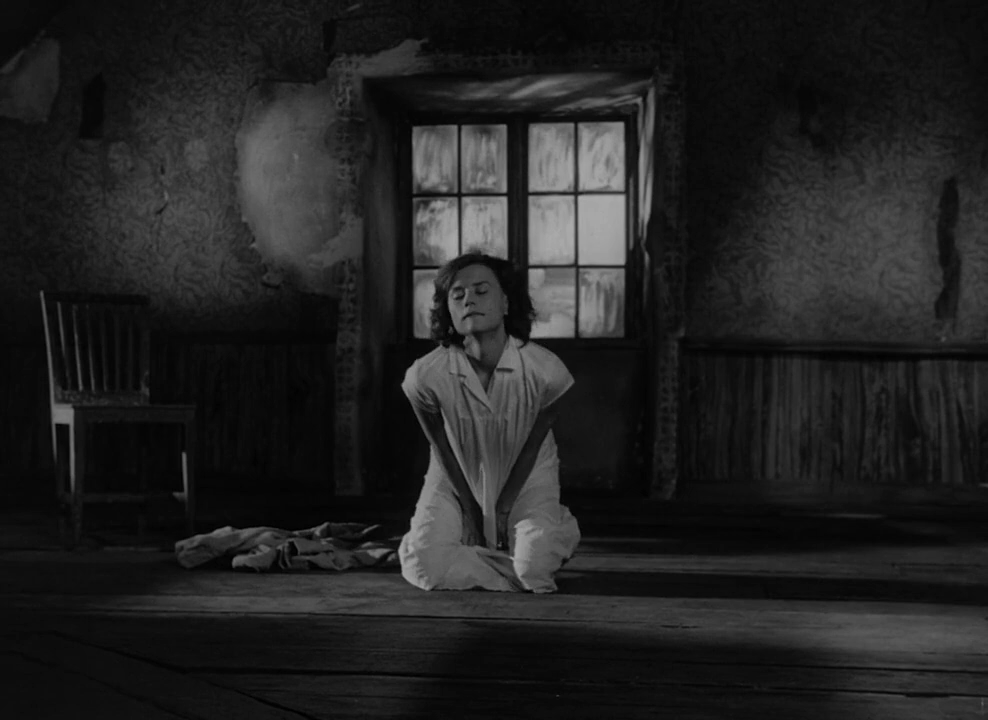
The Touch may be one of Ingmar Bergman’s plainer stylistic efforts, but his wielding of theological symbolism to interrogate a broken love triangle is deft, bitterly driving the Madonna’s degraded image and a tainted Garden of Eden between his doomed lovers.

The Passion of Anna (1969)

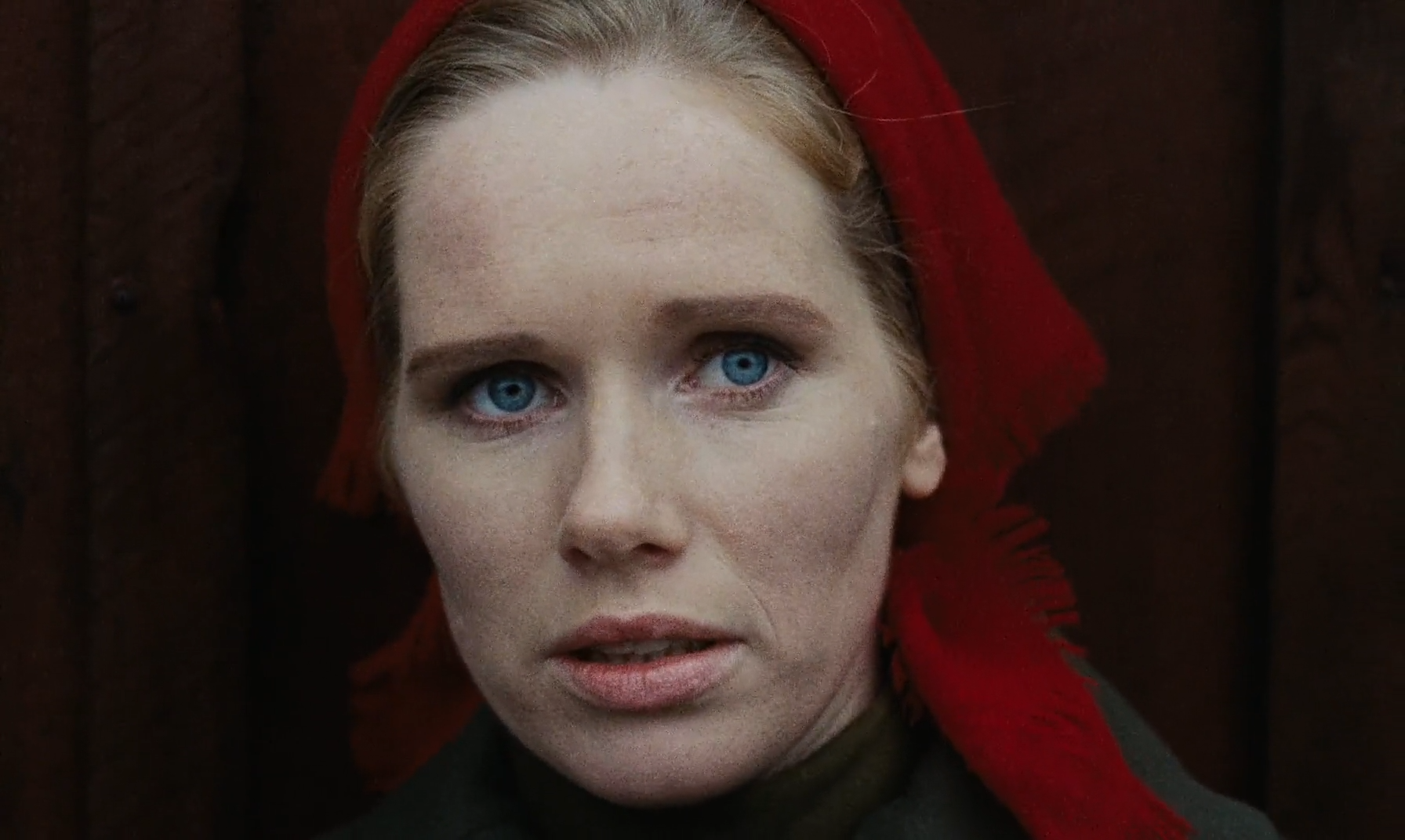
Ingmar Bergman’s personal turmoil during production of The Passion of Anna infuses this chamber drama with a shaggy, improvisational quality, deconstructing its titular widow’s grief with the same imperfect honesty which he himself is guilty of, and bringing a raw vulnerability to complex characters straining against each other’s cruelty.

Naked (1993)

Like a man ready to tear the world down with him on his way to hell, there is no real direction to Johnny’s intellectual bullying through London’s nocturnal streets in Naked, yet around him Mike Leigh constructs a character study of such immense nihilism that even he can’t escape the miserable darkness he emits.

Shame (1968)

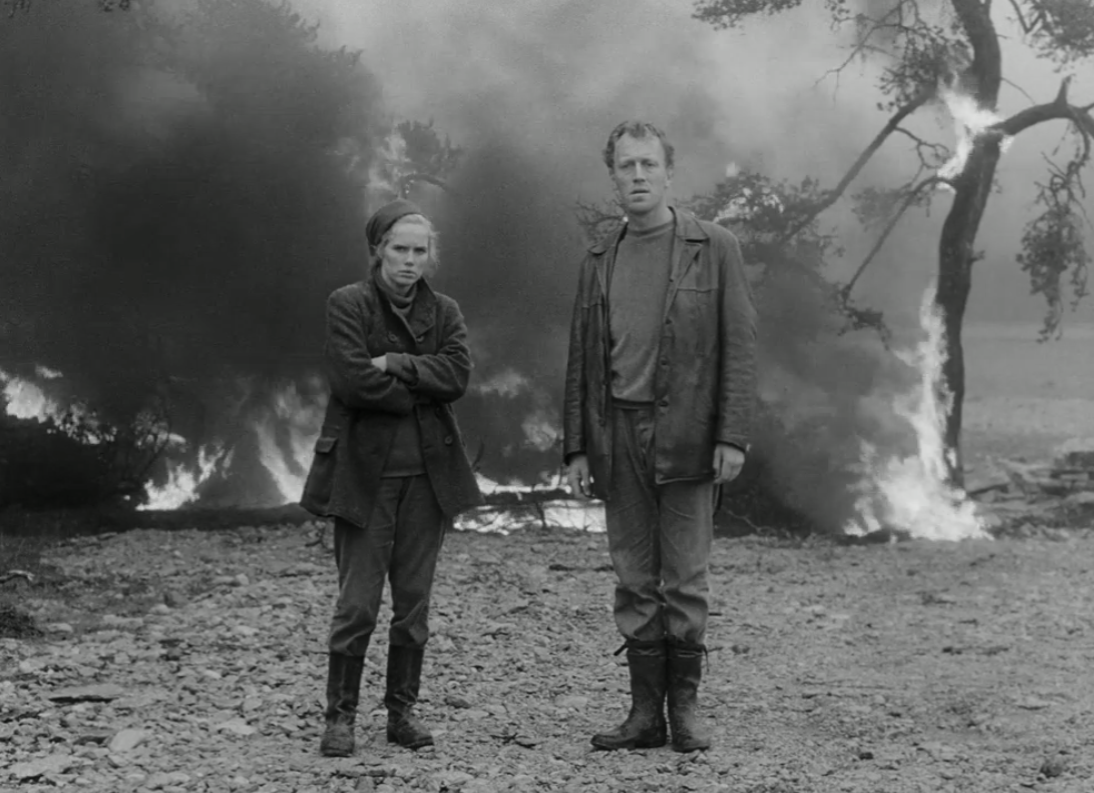
From the moment the first bombs start falling, Ingmar Bergman descends Shame into an irreversible degradation of innocence, love, and compassion, tragically twisting the souls of wartime survivors into distorted shadows of their former selves and taking this study of human violence to its logical, haunting end.

Hour of the Wolf (1968)

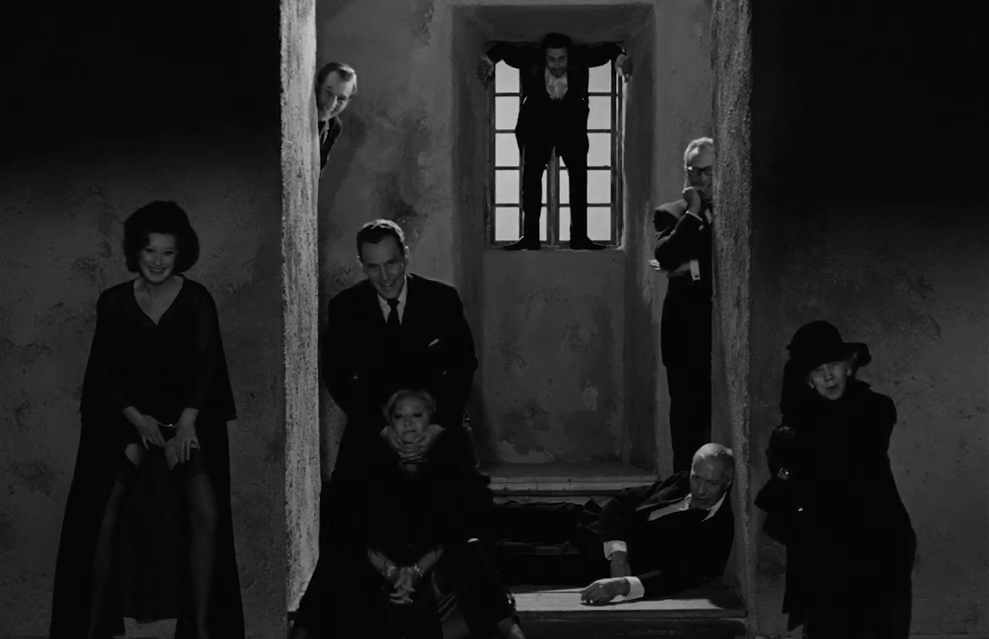
As we trace back the steps of one mentally tortured painter through the days before his disappearance in Hour of the Wolf, it becomes clear that no other Ingmar Bergman film has come this close to outright psychological horror, surreally warping our most intimate relationships into vulnerable weaknesses where demons come to play.

Persona (1966)

The incredible formal synthesis forged between Ingmar Bergman’s intimate visual style and psychological deliberations in Persona may be the finest of his career, blending the identities of two women through an avant-garde surrealism, and studying the perplexing duality which splits the human mind into outward expressions and internal truths.

All These Women (1964)

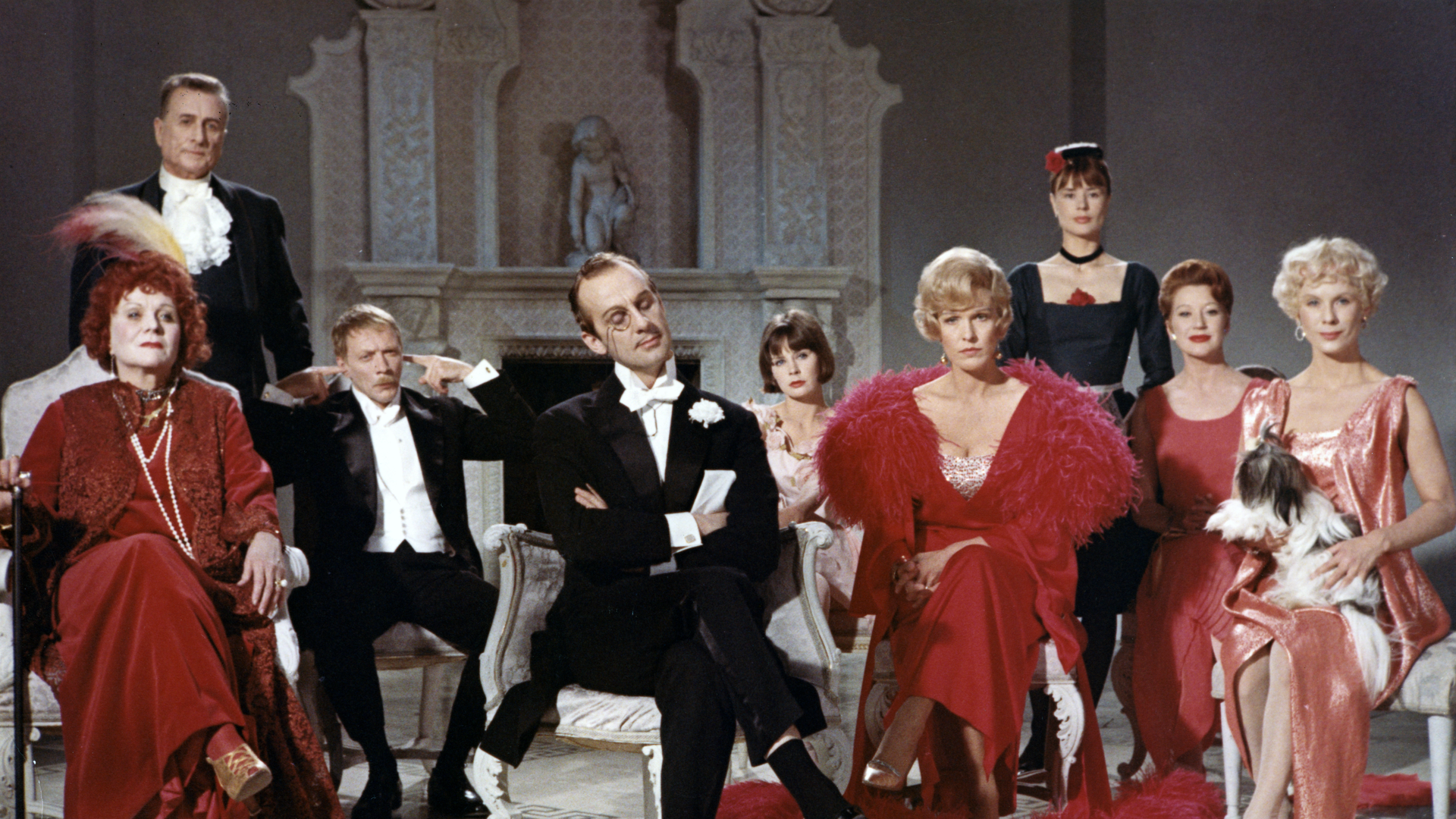
Men are but faceless idols cycling in and out of fashion in All These Women, hiding with infatuated fanatics behind facades of highbrow culture, and pulling at least one absolute truth from Ingmar Bergman’s sumptuously irreverent satire – art has no real relevance to the narcissistic pretensions of artists.

The Silence (1963)

In place of open dialogue between characters in The Silence, Ingmar Bergman leaves an apathetic void of love and communication, formally manifesting his long-running existential fears of an unresponsive, godless universe within a stifled relationship between estranged sisters.

Winter Light (1963)

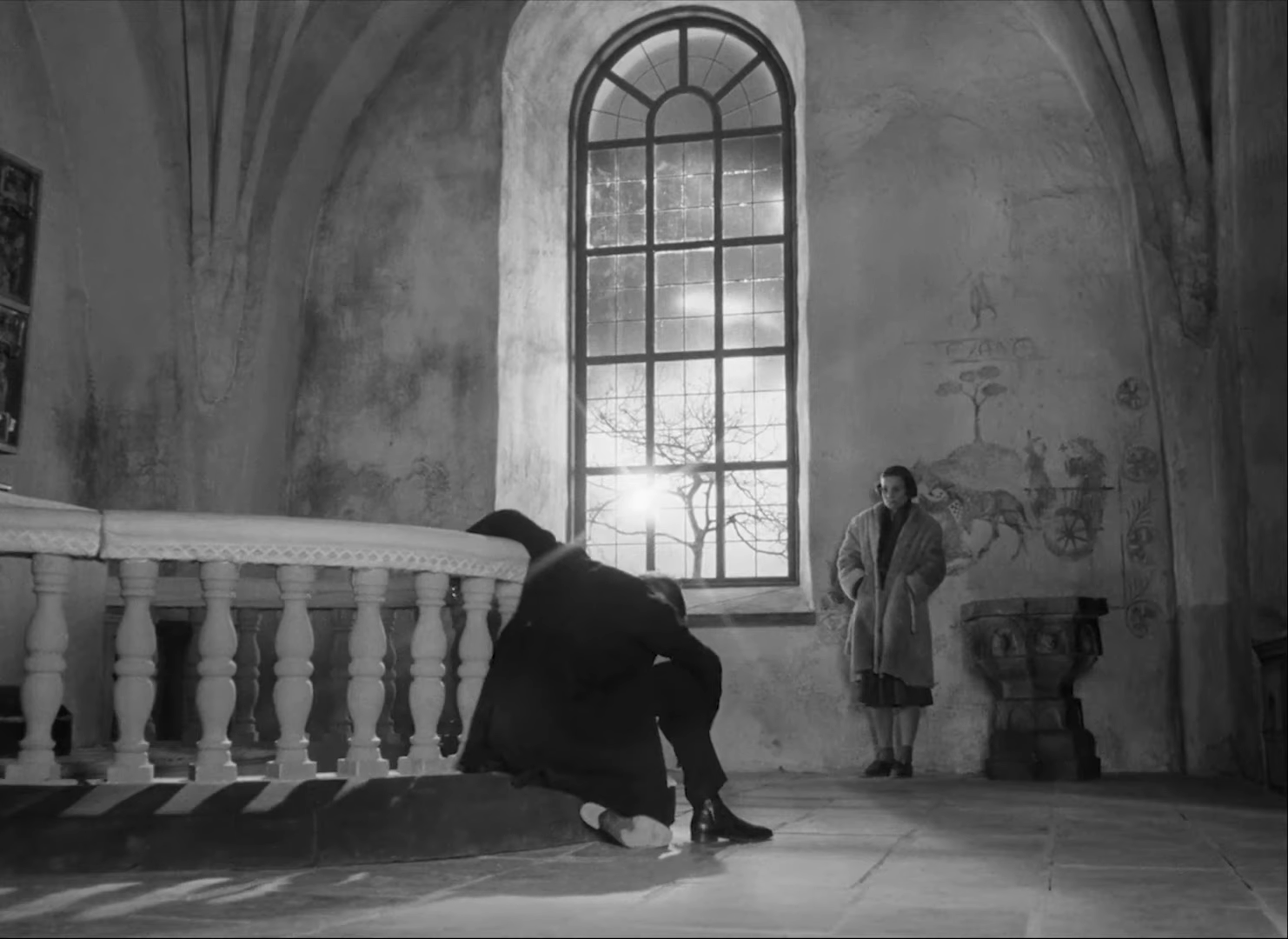
A pair of lonely masses bookends Winter Light’s spiritual crisis with a robust endurance of faith, focusing Ingmar Bergman’s intensive screenplay and severe direction upon a doubting priest bearing numerous similarities to a forsaken Christ, and uncovering a humanistic resilience which transcends religious boundaries.

Through a Glass Darkly (1961)

Beneath Ingmar Bergman’s eloquently cutting dialogue in Through a Glass Darkly is a family struggling in the absence of spiritual guidance, magnified to an even greater extent by the isolation of the island where they are vacationing, and yet finding the chance for redemptive grace in the smallest demonstrations of love.

Scroll to Top