Rating

The Ballad of Narayama (1958)

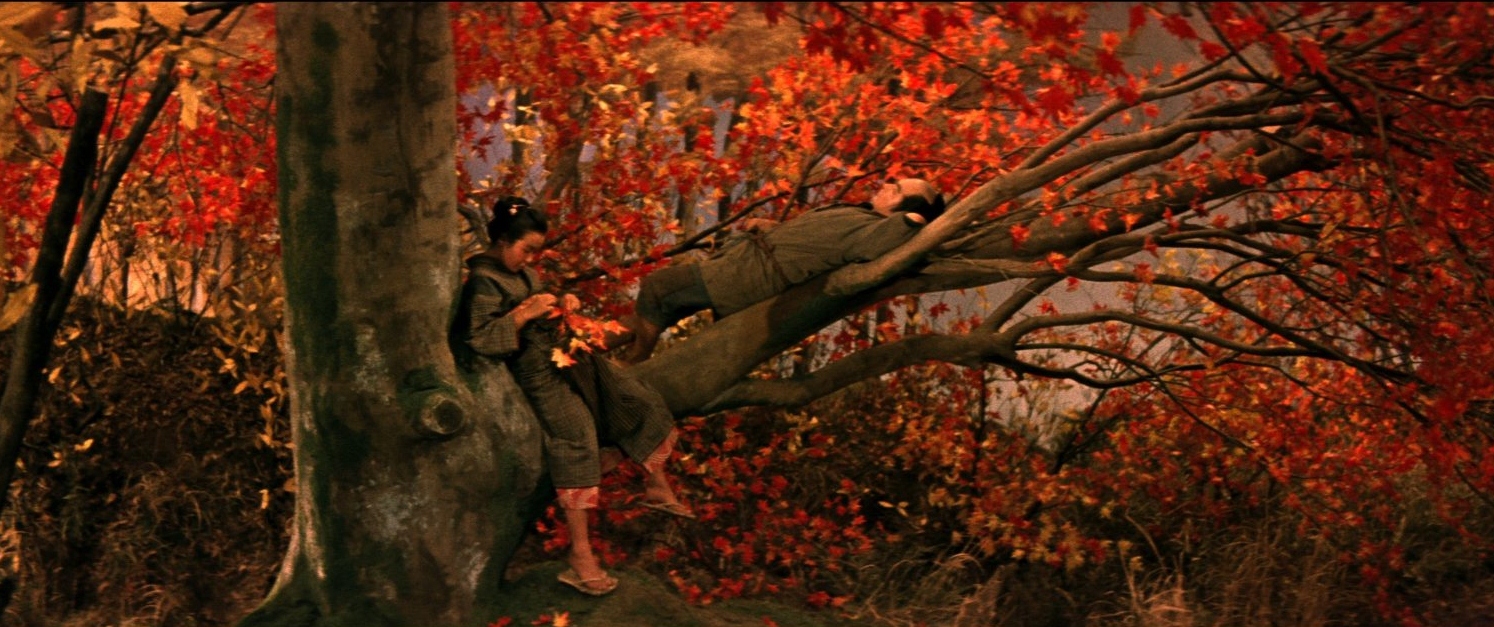
There might not be any historical record that the cultural traditions in The Ballad of Narayama existed anywhere outside of Japanese folklore, and yet it is exactly in that heightened, mythical realm where Keisuke Kinoshita’s film dwells, intertwining kabuki theatre, musical storytelling, and vibrant cinematic innovations within a distant dream of forgotten legends.
Wonka (2023)

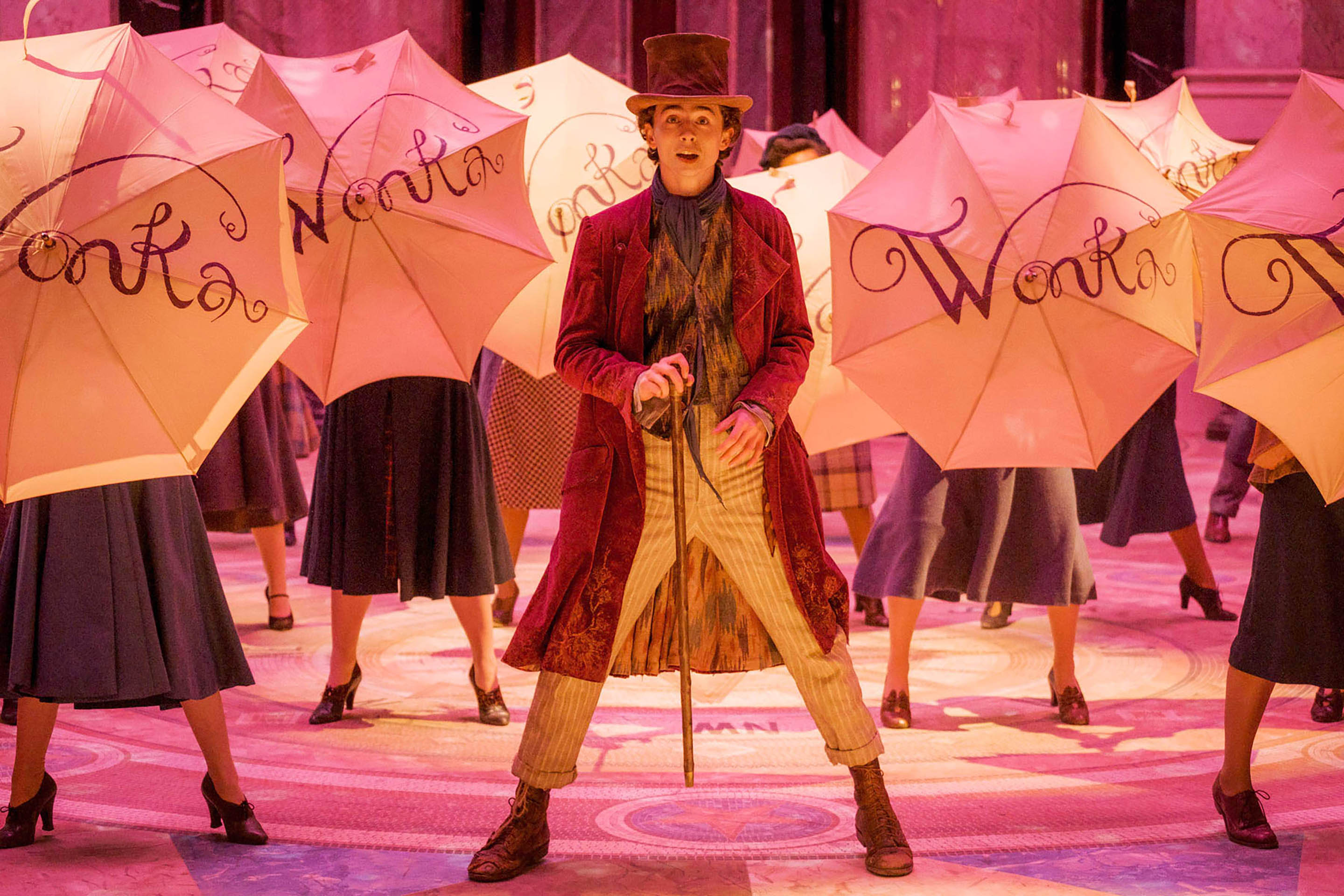
For what is essentially a prequel covering the origins of Roald Dahl’s famous candy man, the stakes are comically high in Wonka, tying Paul King’s eccentric wit, gentle slapstick, and charming sincerity into a tidy bow around a whimsical world where chocolate rules.

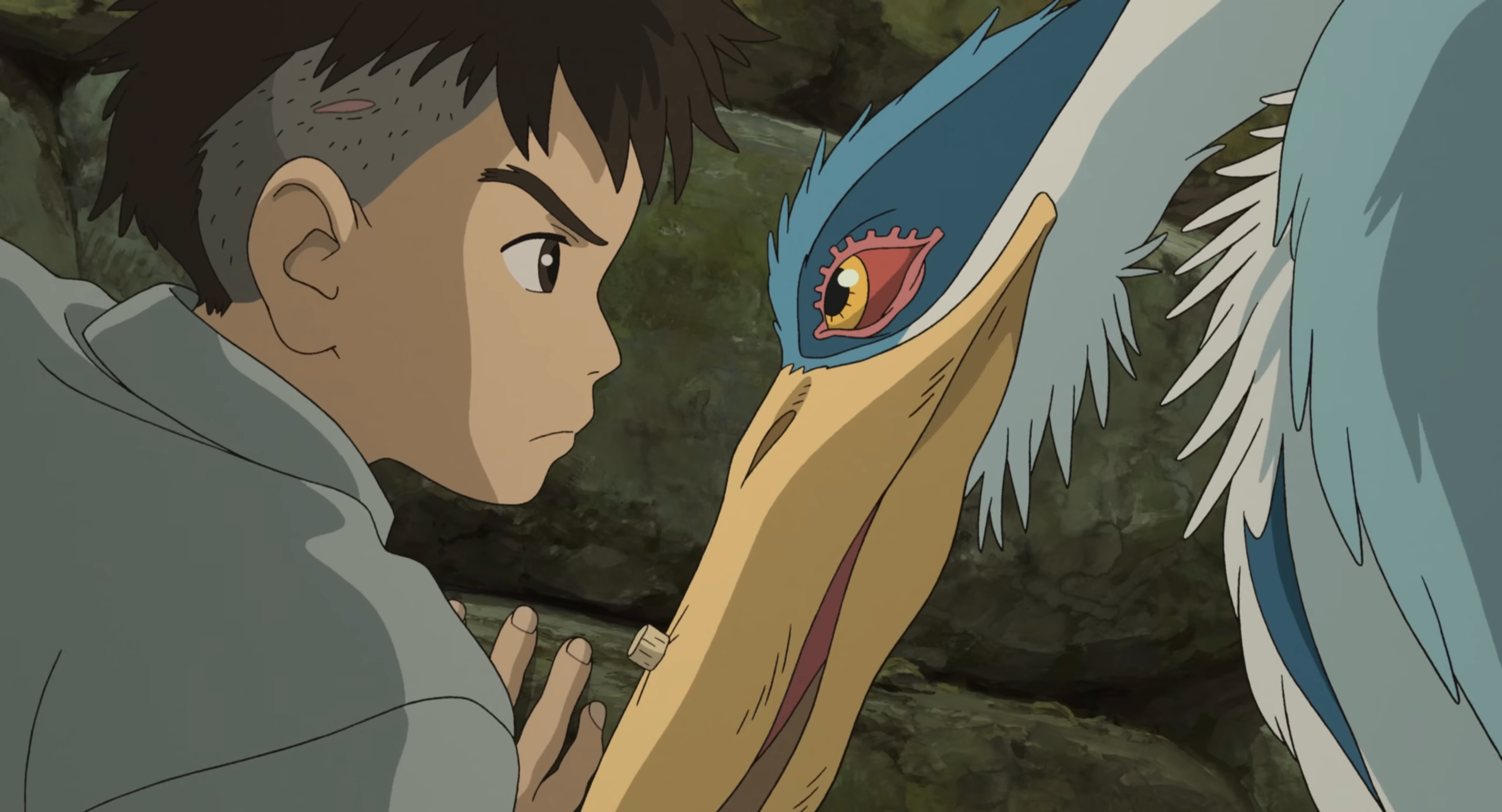
The Boy and the Heron (2023)

If The Boy and the Heron truly is Hayao Miyazaki’s last film, then it is poetic that such a grand adventure into surreal fantasy and back again should be the one to conclude his decades of animated world building, contemplating the power of fiction to mould trauma into fiery strength and maturity.

Weekend (1967)

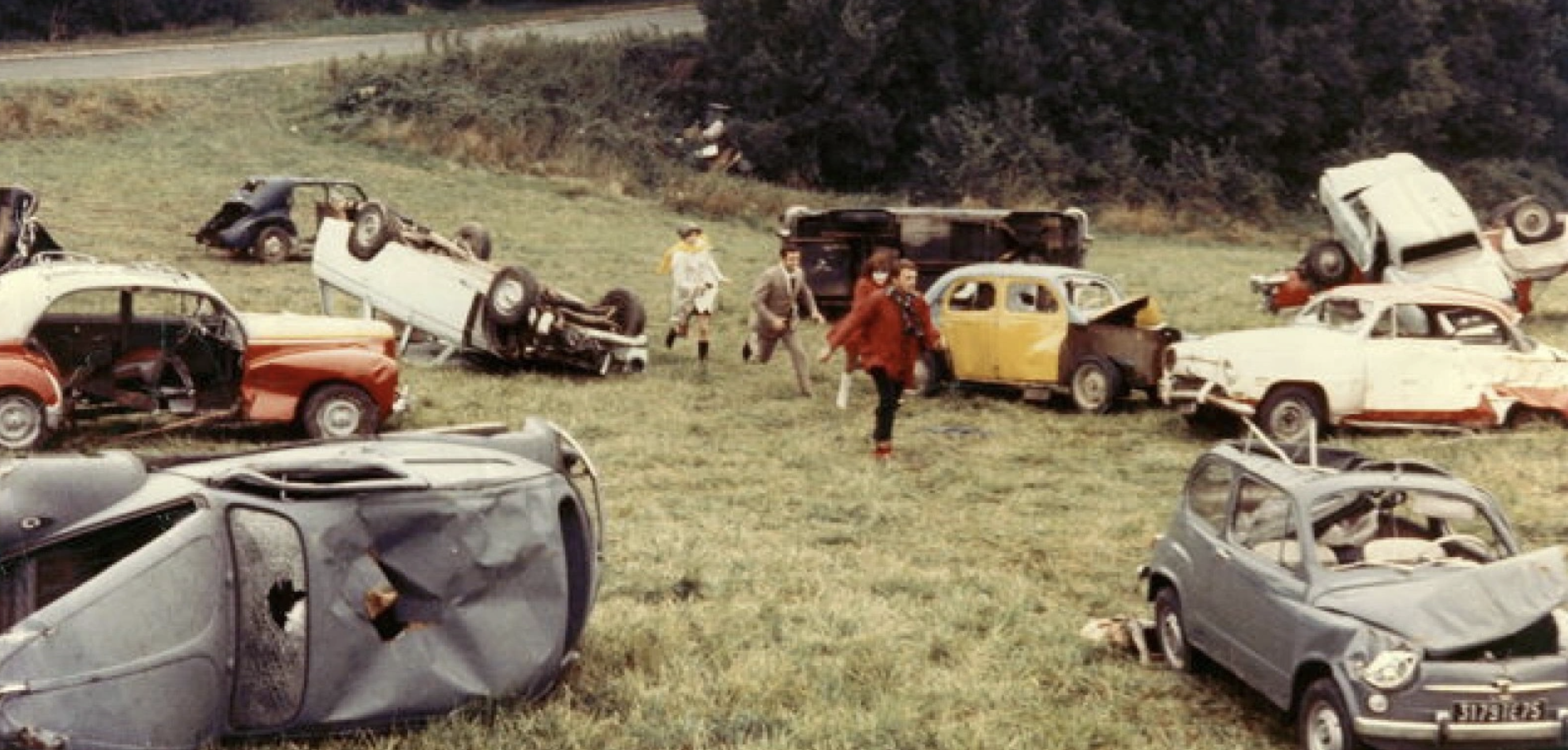
Cars may have once been proud emblems of modern industry and progress a hundred years ago, and yet Jean-Luc Godard proves them to be nothing more than pathetically inept status symbols in the absurd odyssey of Weekend, whisking us through bizarre, dystopian landscapes that take down France’s materialistic bourgeoisie with deconstructive post-irony.

Wings of Desire (1987)

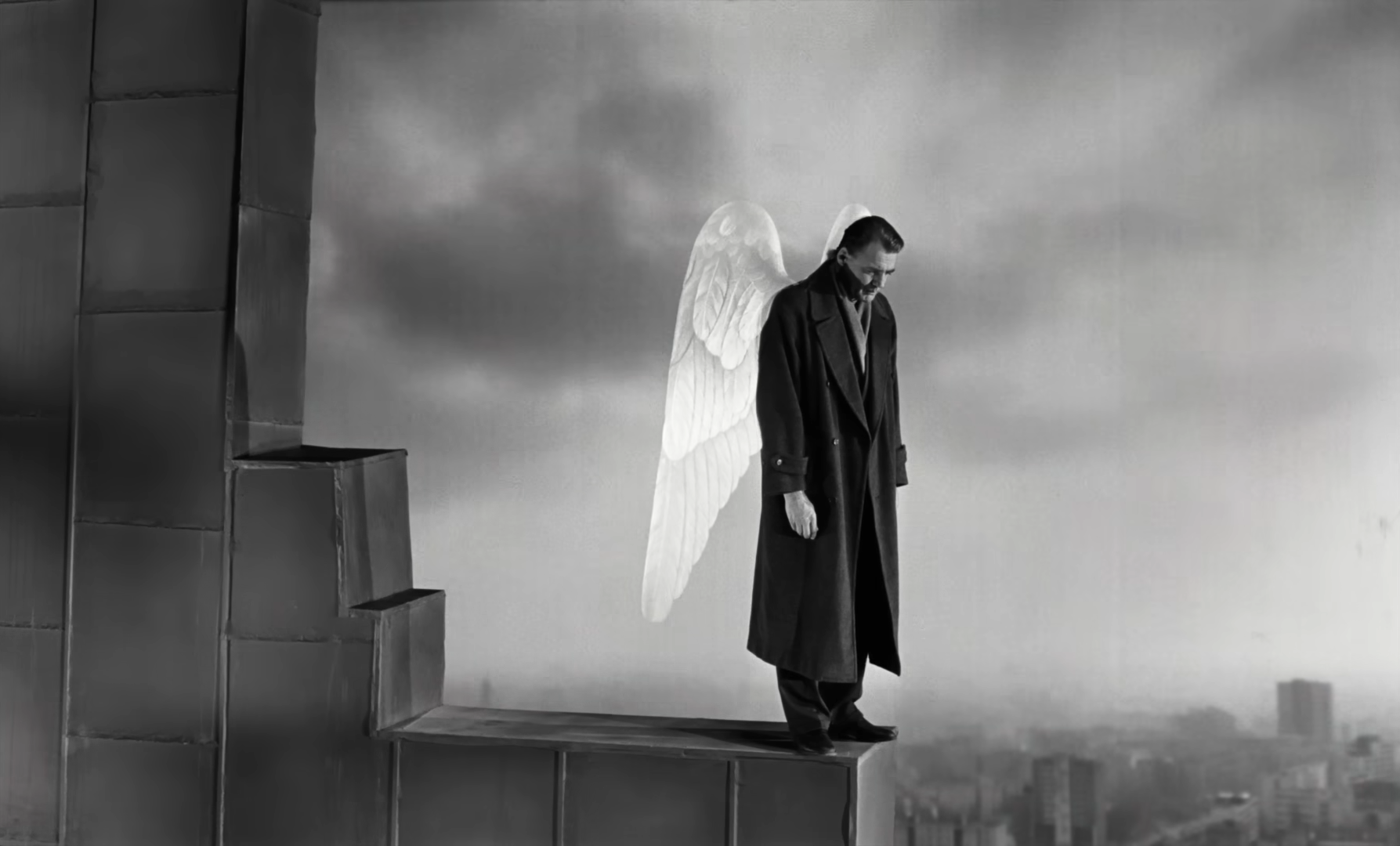
The god’s-eye view of humanity that Wim Wenders grants us in Wings of Desire flies high above 1980s West Berlin with watchful angels, and swoops down low to tune into the intimate thoughts of its citizens, crafting a dreamy city symphony that finds childlike wonder in its everyday pleasures and private sufferings.

Brief Encounter (1945)

Time is a precious resource at the train station where the secret lovers of Brief Encounter fall into a reverie, though David Lean exerts a fine control over its gentle flow in Laura’s nostalgic recollections, intertwining love and guilt within a complex affair that forces this heartbroken housewife into an even greater repression.

The Lord of the Rings (2001-03)

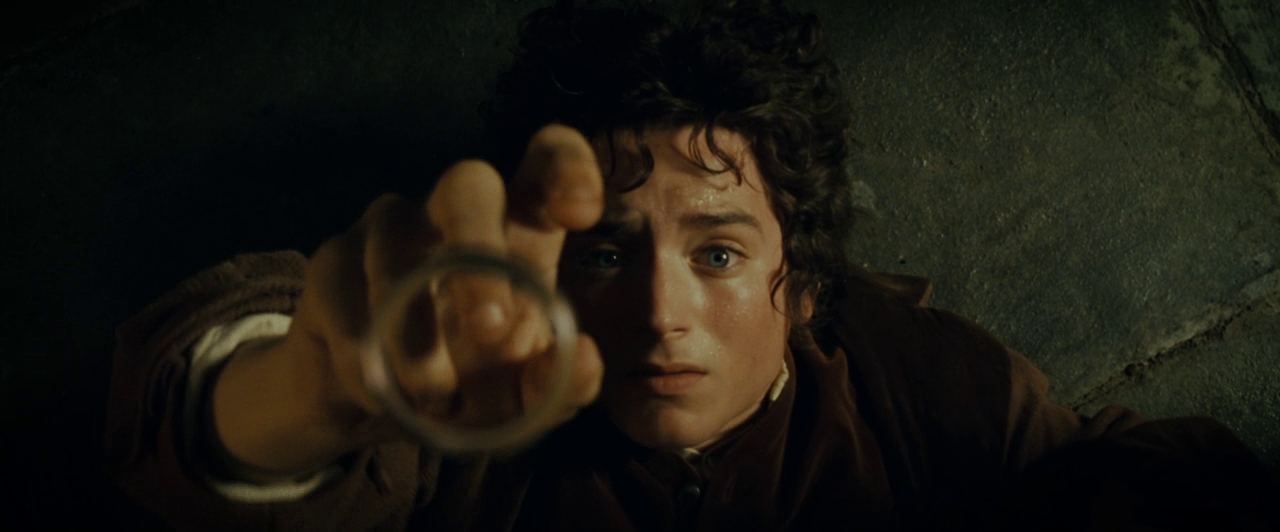
Through Peter Jackson’s extraordinary adaptation of J.R.R. Tolkien’s grand fantasy epic, we appreciate Middle Earth as one of the richest fictional worlds of literary history, imbuing The Lord of the Rings with a breathtaking cinematic awe that centres the smallest, unconventional heroes in a battle against forces of great spiritual corruption.

Bottoms (2023)

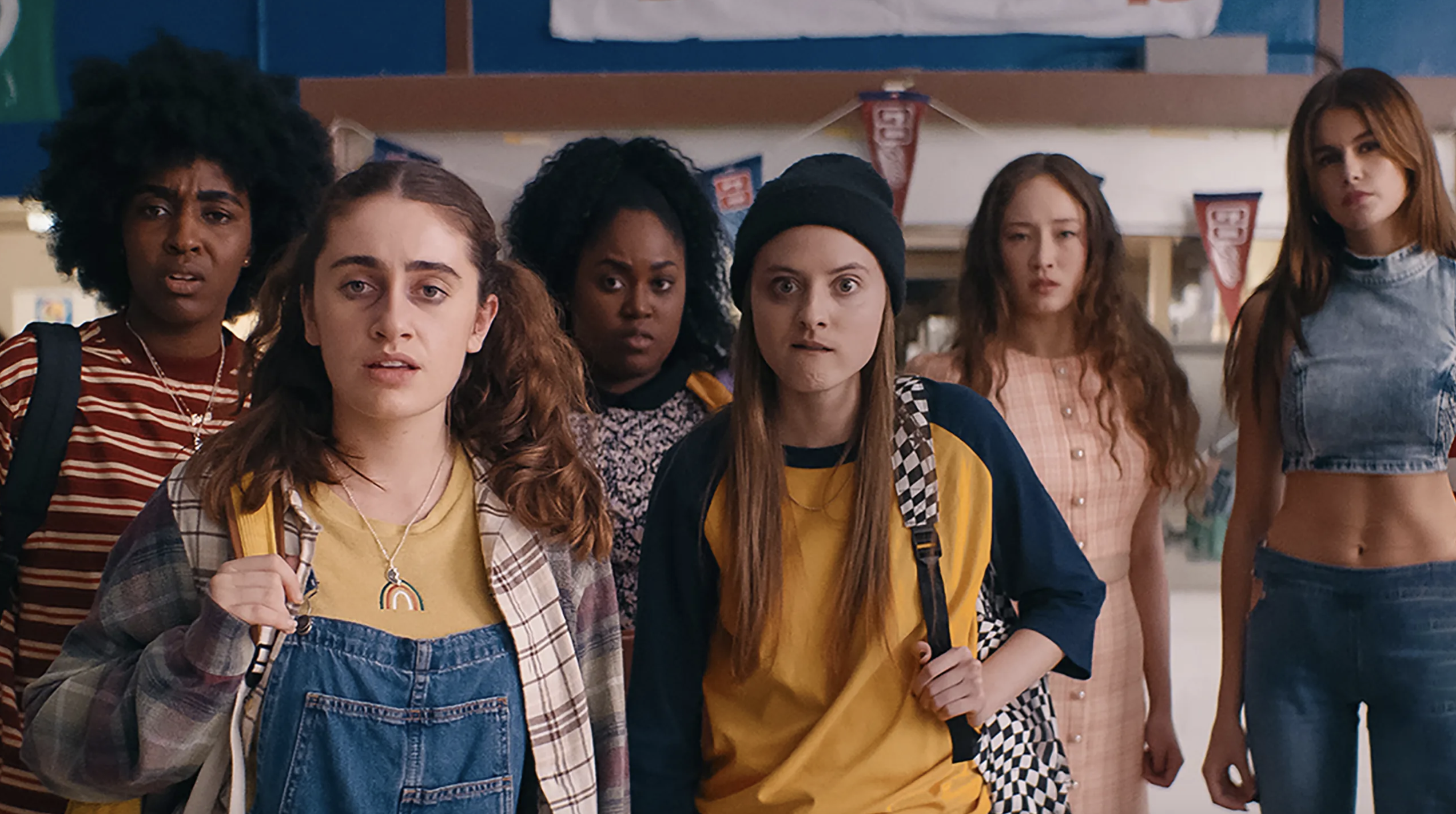
There is little in Bottoms that breaks the formula of the classic high school teen comedy, though it is in this familiar realm that Emma Seligman is most comfortable sending up its Gen Z archetypes with their trademark self-deprecating irony and dark humour, taking us inside an extracurricular all-girls fight club started by two lesbians simply hoping to get laid.

Mirror (1975)

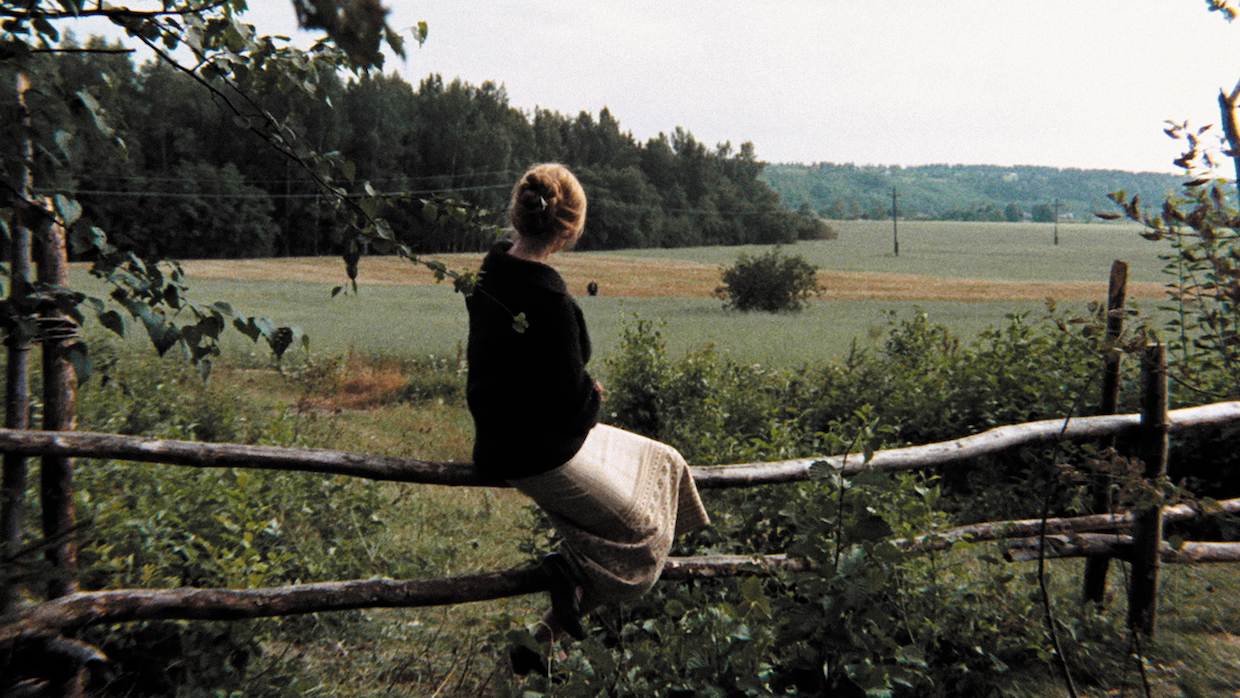
Even as the mysteries of the human mind elude us throughout Mirror, Andrei Tarkovsky’s precise control over the raw elements of time and life itself poetically sink us into its surreal depths, opening a portal into nostalgic childhood memories distorted by the dreams, doubts, and desires that have emerged in the decades since.

Napoleon (2023)

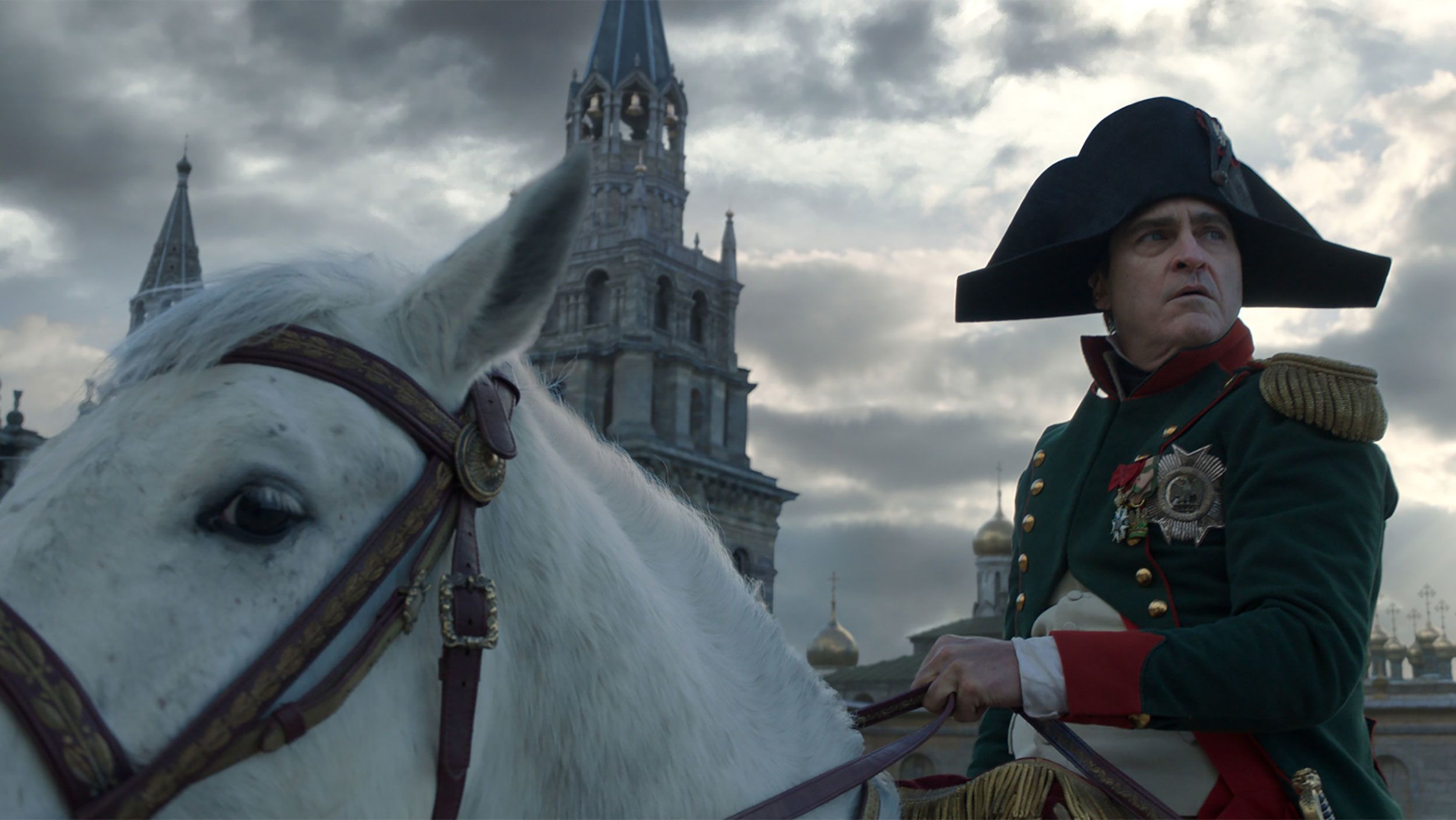
Beyond Napoleon’s uneven, unfocused narrative, Ridley Scott commands brilliant spectacle and irreverent humour in his portrait of the infamous French emperor, cynically revealing the childish fool in the intelligent tactician whose enormous ambitions cannot sustain his own ego.

Scroll to Top