Rating

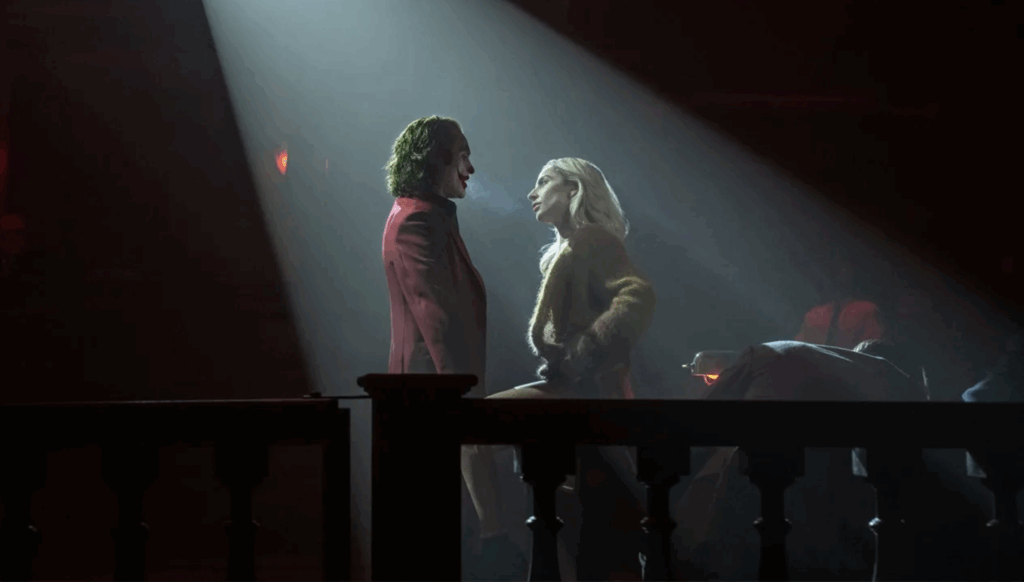
Joker: Folie à Deux (2024)

If there was ever a supervillain to leap into the movie-musical genre, then it is surely the one whose schtick is highlighting life’s senseless absurdity through colourful, extravagant theatrics, and not even the inconsistencies that plague Todd Phillips’ direction of Joker: Folie à Deux can completely detract from such vibrantly unhinged madness.

October: Ten Days That Shook the World (1928)

Rarely has history been instilled with as much lively effervescence as it is in October: Ten Days That Shook the World, as Sergei Eisenstein immortalises that jolt of radical exhilaration once felt in the Russian Revolution through the eloquent arrangement of visual symbols, using statues, weapons, and religious icons to recount this tale of Bolshevik victory.

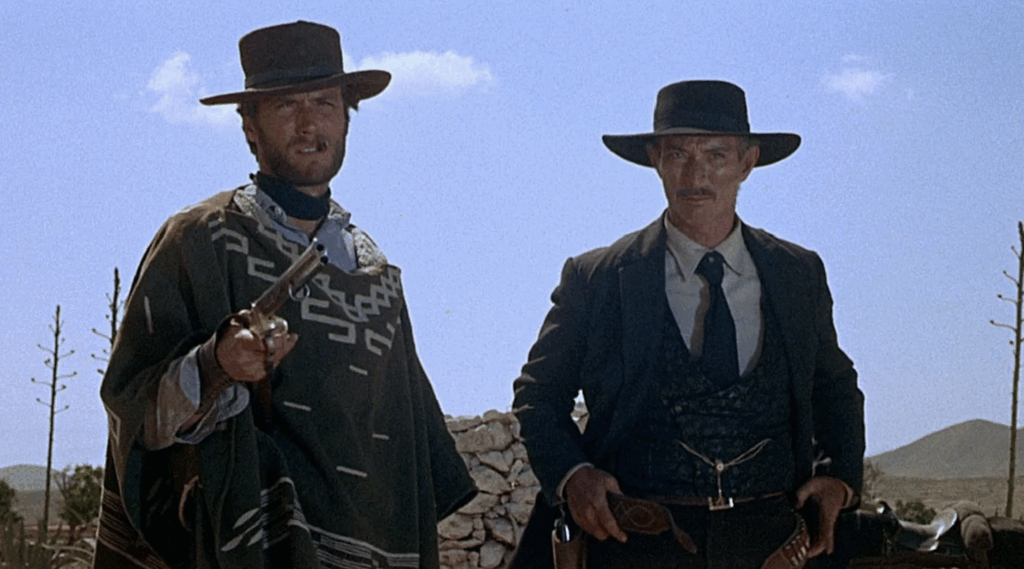
For a Few Dollars More (1965)

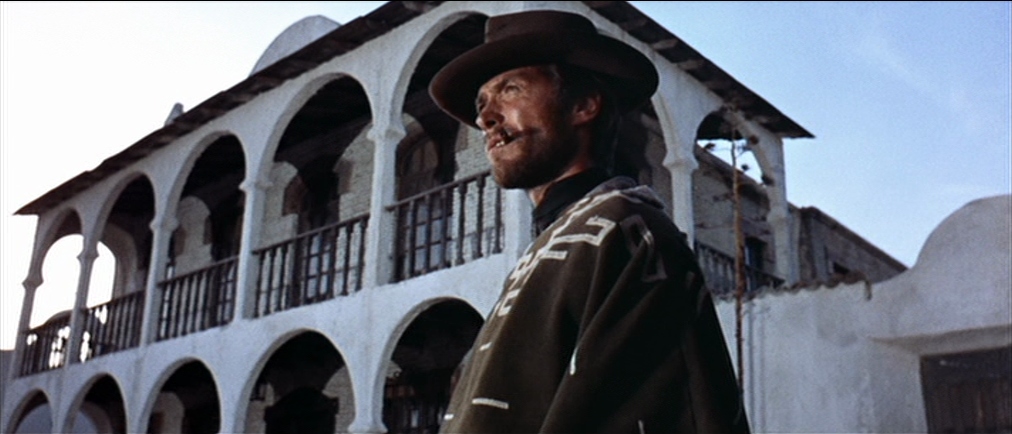
It is virtually impossible to separate Sergio Leone’s majestic cinematic style, mythic storytelling, and morally ambiguous characters in For a Few Dollars More, as each tightly intertwine the paths of two gunslingers competing for a bounty, yet choosing to wield their own darkness against far more rotten evils.

Mother (1926)

The radicalisation of a long-suffering family matriarch in Mother channels her fierce devotion towards the people of Russia, casting her as a revolutionary icon whose anguish and resilience is felt deeply in Vsevolod Pudovkin’s eloquent, invigorating montages.

A Fistful of Dollars (1964)

Sergio Leone’s orchestration of every cinematic element at his disposal in A Fistful of Dollars makes for an operatic shake-up of the Western genre, landing a mysterious gunslinger in a town divided by two rival families, and drenching America’s revered mythology in blood, sweat, and violent anarchy.

Battleship Potemkin (1925)

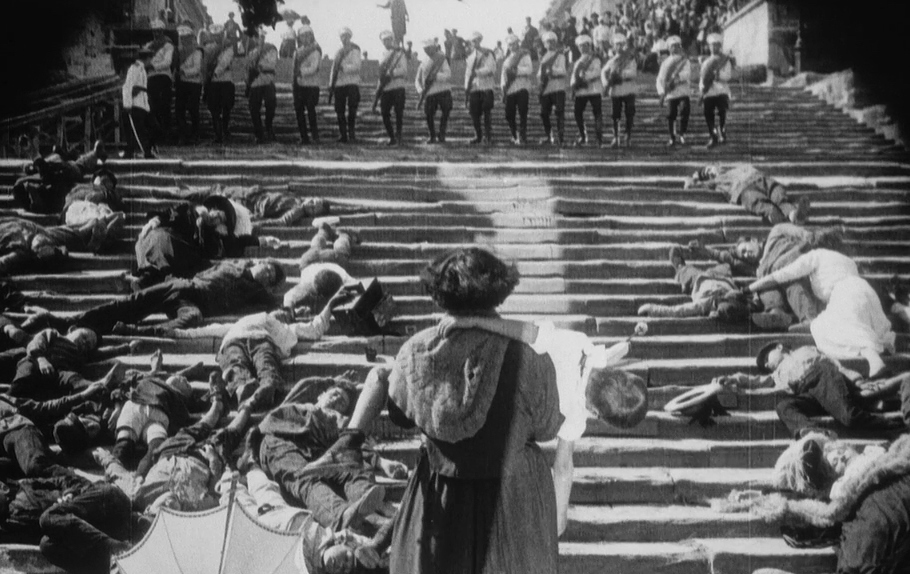
Fervent expressions of agony, apprehension, and patriotic joy are made visceral in Battleship Potemkin’s recount of a historic naval mutiny, resulting from Sergei Eisenstein’s passionate experimentations in cinematic montage, and reaching a peak of visual, kinetic innovation that has never been surpassed.

Eyes Wide Shut (1999)

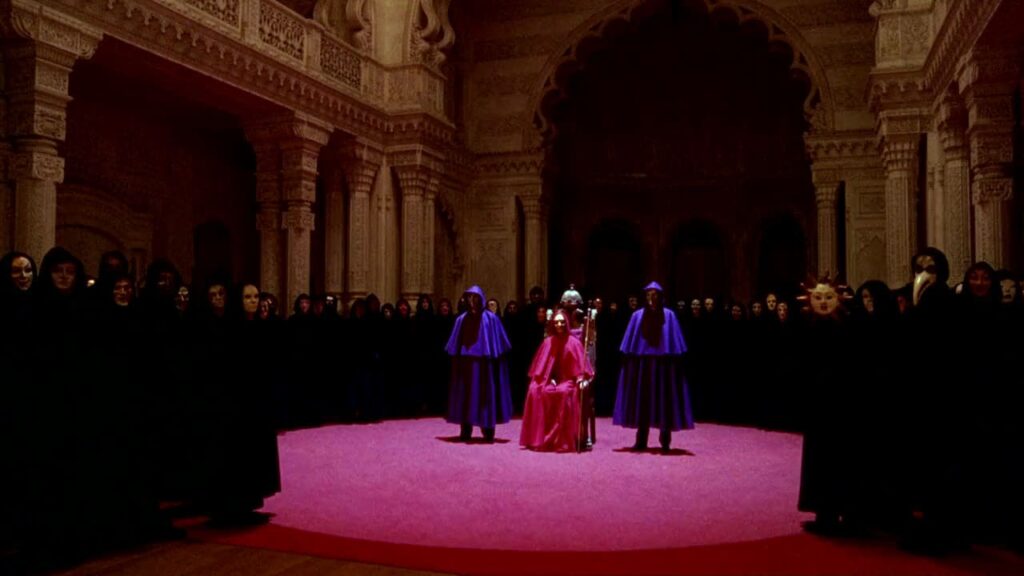
By plunging one unfaithful husband into the depths of an erotic cult and traversing a hazy underworld of dreams in Eyes Wide Shut, Stanley Kubrick eerily reveals those depraved, shadowy figures that live inside us all, and the invisible power they hold over our minds, societies, and humanity.

Strike (1925)

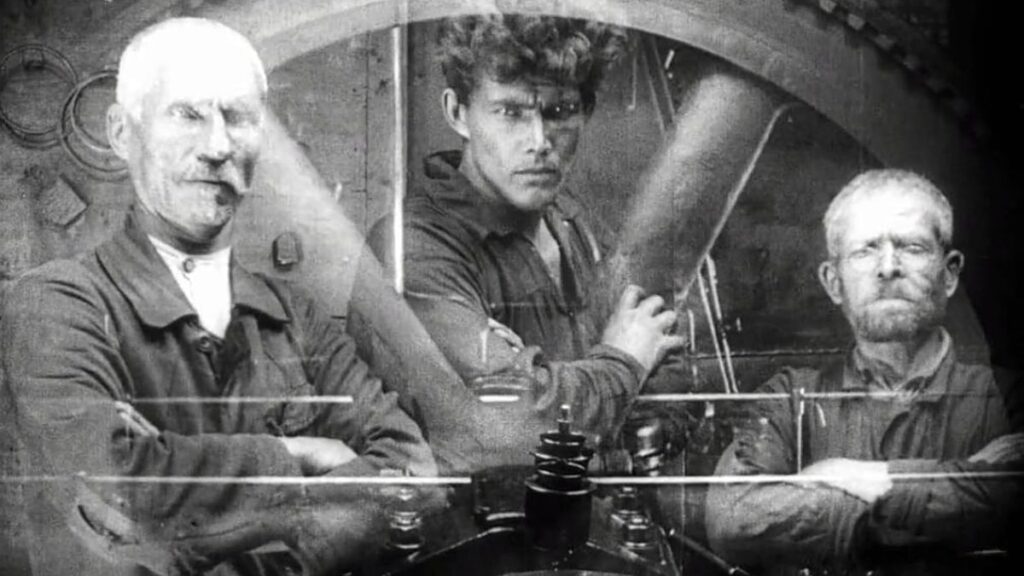
Much like factory workers uniting in organised rebellion against their exploitative managers, Sergei Eisenstein lets revolutionary formal purpose drive every editing choice in Strike, building symphonic set pieces out of montages that possess a brisk, mathematical precision.

The Substance (2024)

The black-market drug which reverts users to their younger selves is an appealing prospect in The Substance, though its side effects reveal a horrifying underside to such desires, seeing Coralie Fargeat compose a disturbing allegory for the physical deterioration of our ageing bodies and the destructive self-loathing which comes with it.

Kingdom of the Planet of the Apes (2024)

Kingdom of the Planet of the Apes may not possess the rich character work of the other prequels, yet Wes Ball’s development of this majestic, tribal world through the legacy of its ancestors is admirable, examining splintered ideological factions that exploit sacred doctrine for their own selfish purposes.

Scroll to Top